
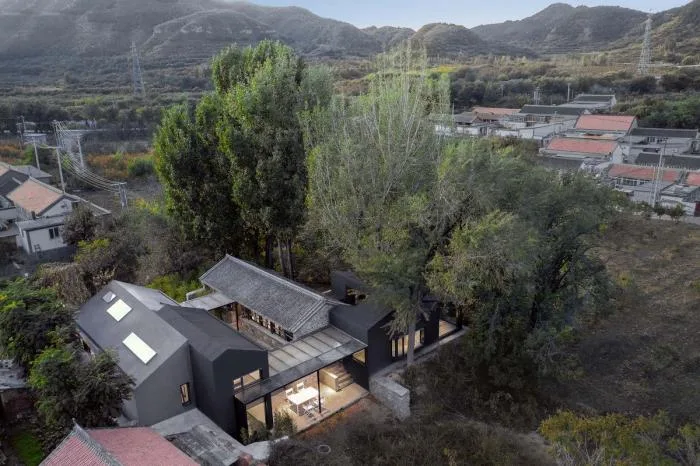
▲ Aerial view of the lower section of the tree house
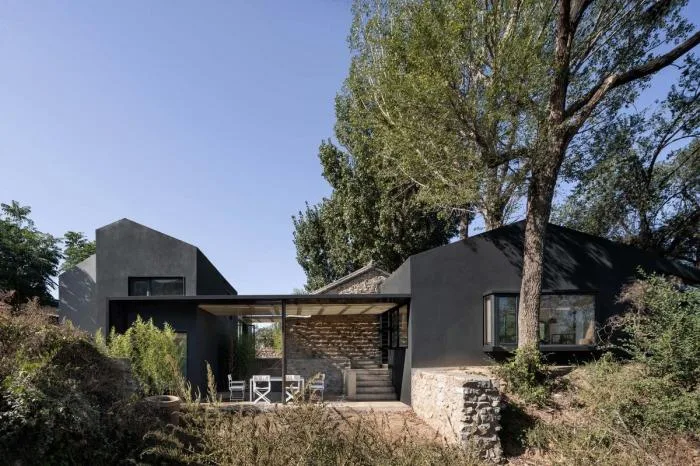
▲ Facade of the lower courtyard
The question of what type of architecture is best suited for rural revitalization has been a constant focus in Spatial Evolution’s work.
The “Tree House” rises gracefully beneath a white poplar tree, nestled among walnut trees and beside a sprawling vegetable field. The project’s name draws inspiration from these prominent site features. Our goal was to design a joyful courtyard that harmoniously embraces the surrounding trees, hills, and the diverse activities of its users.
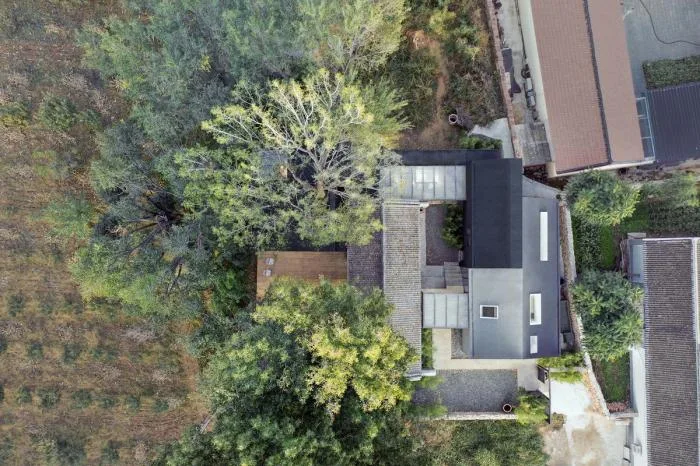
▲ View of the Tree House
The existing old buildings form the heart of the courtyard. Due to long-term neglect and absence of inhabitants, the structures have become unstable and the wood deteriorated. Inside, the spaces feel dark and oppressive, falling short of modern aesthetic and comfort standards. However, the original architectural style is quite characteristic, serving as a cherished symbol of local heritage.
Preserving traditional architecture is a critical challenge in rural construction projects. As a once-thriving agricultural region, the countryside holds deep cultural nostalgia in China. While preserving the “authentic flavor” continues this memory, it also presents challenges. Traditional construction materials and methods severely limit window sizes, reducing natural light indoors. Urban visitors seeking rural experiences desire both traditional lifestyles and modern conveniences, differing greatly from the native villagers’ living conditions. We reject anti-modern displays but embrace shared memories and emotions. Thus, the old house remains the spatial core, using symbolic features to fulfill visitors’ longing for an “original ecology.”
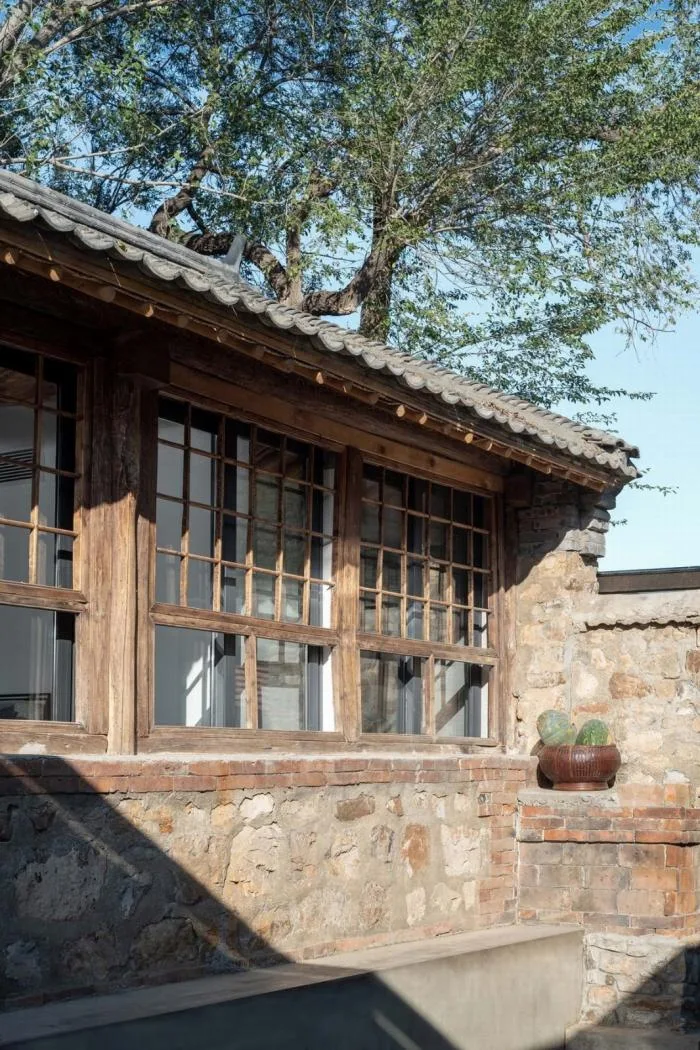
Old houses repurposed as public spaces
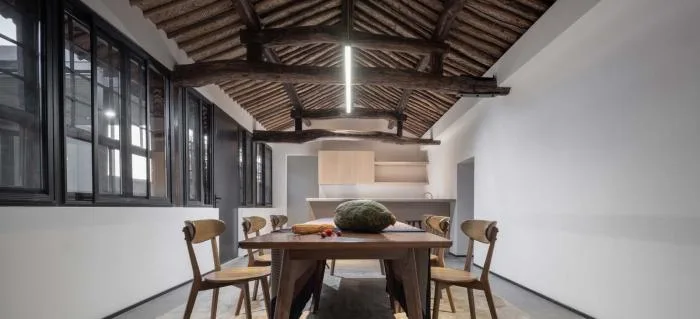
▲ Restaurant converted from an old house
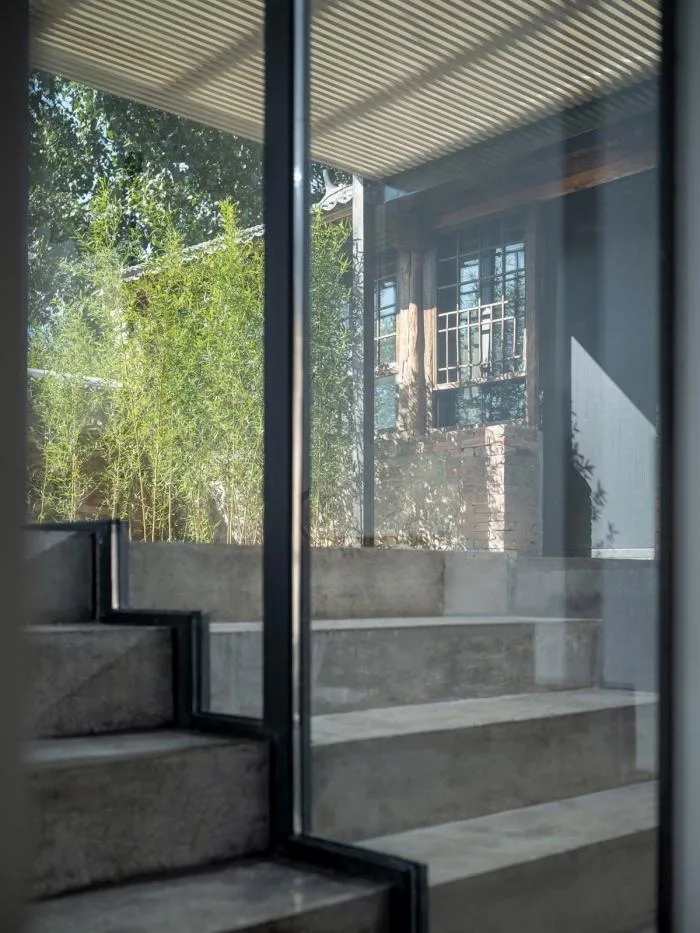
▲ View of the old house from the new building
The site’s east-west elevation difference enriches the courtyard’s spatial experience. We designed upper and lower sections according to the terrain. At the platform’s edge, the old and new structures are linked by a corridor that extends from the exterior into the interior, blurring the boundary between courtyard and indoor space. The inner courtyard retains the original trees, around which a living room and tea room are arranged. Large windows frame the branches outside, creating a serene scene of life under the trees.
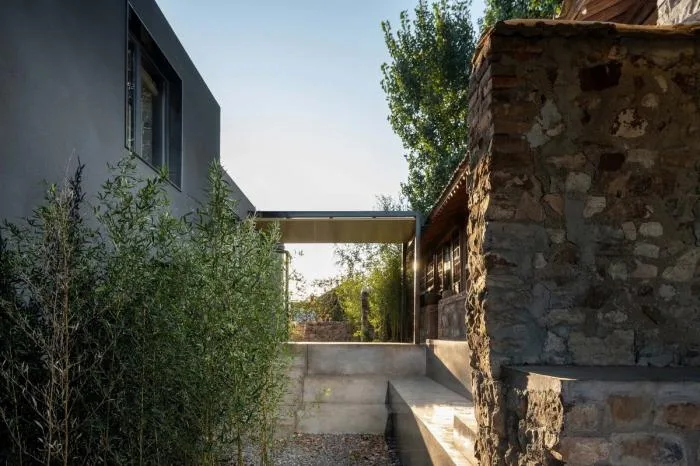
▲ Covered corridor connecting old and new buildings within the courtyard
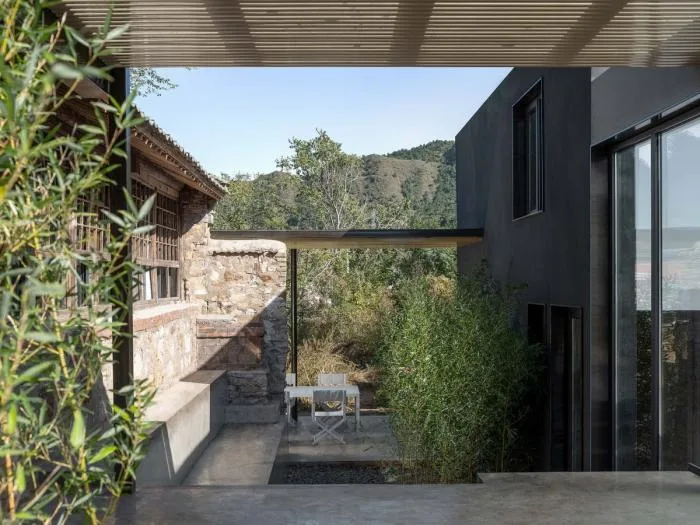
▲ Walking through the lower courtyard, looking toward the distant mountains in the upper courtyard
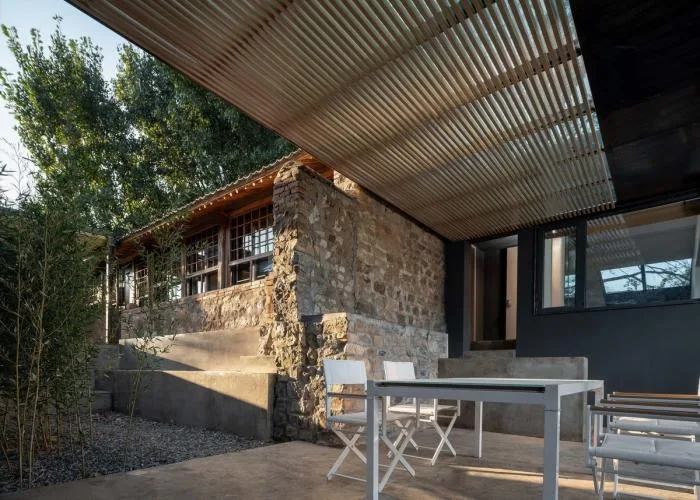
▲ Outdoor restaurant within the courtyard
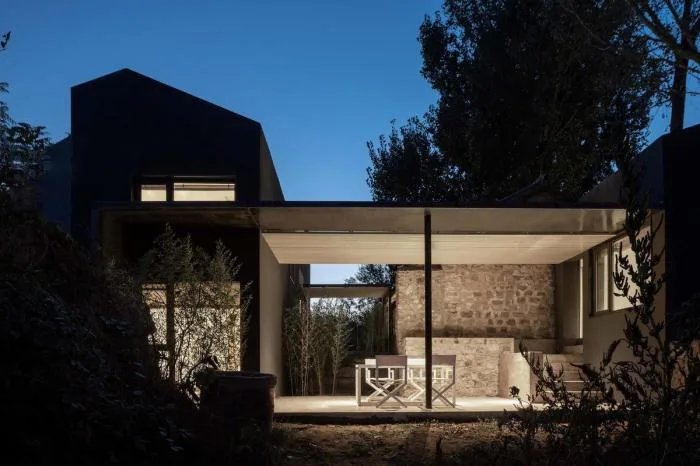
▲ Courtyard facade at night
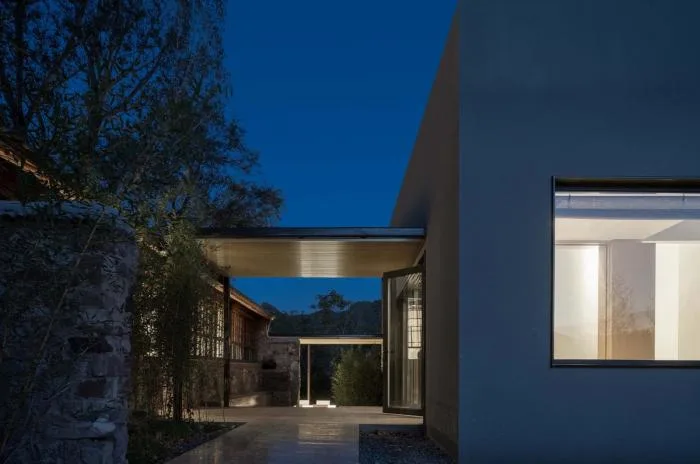
▲ Courtyard illuminated at night
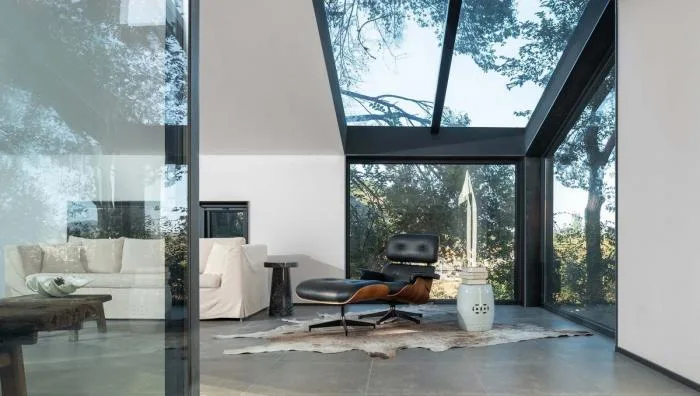
▲ Daytime living room
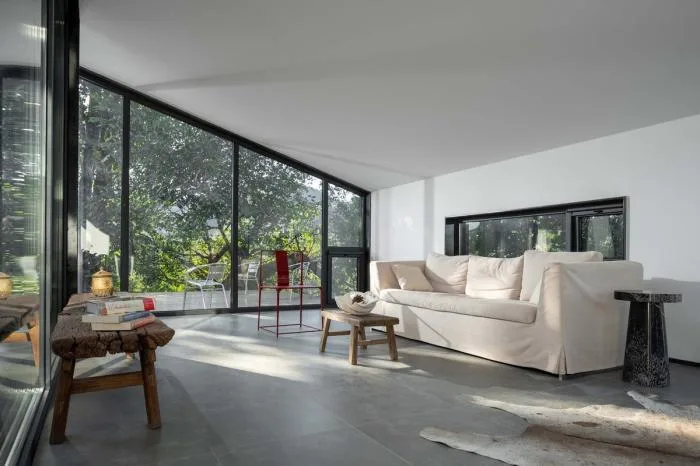
▲ Living room interior
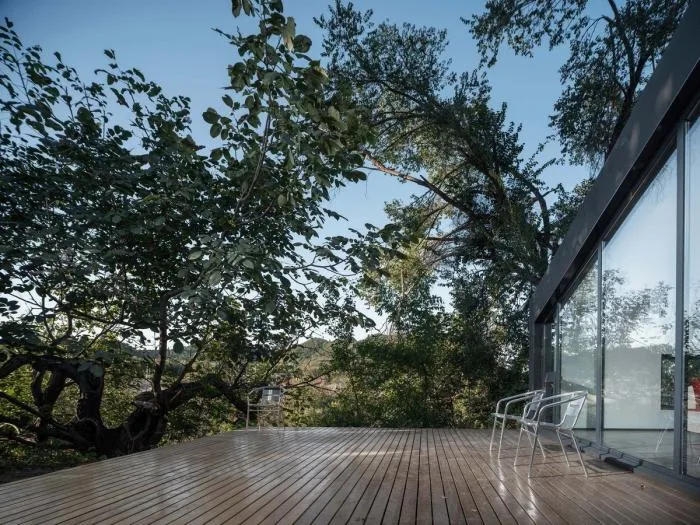
▲ Terrace overlooking the orchard to the north
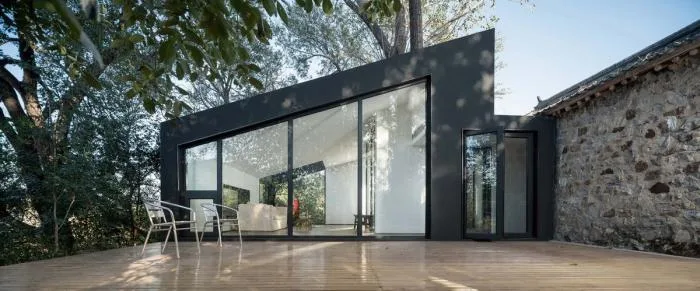
▲ Living room and terrace nestled under the tree
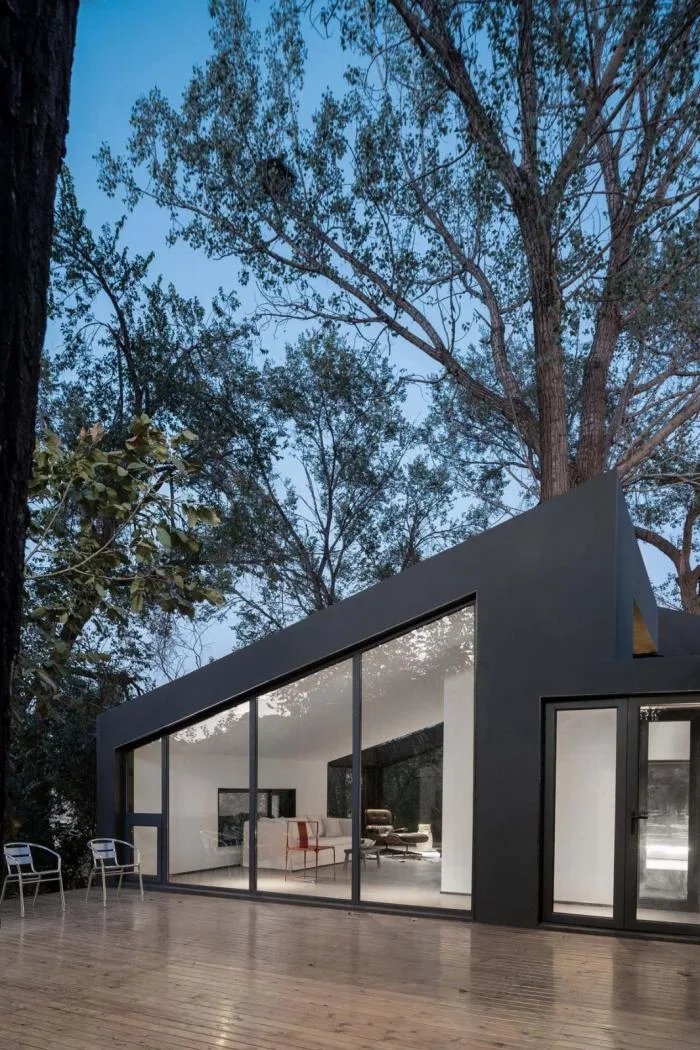
▲ Two trees within the living room courtyard
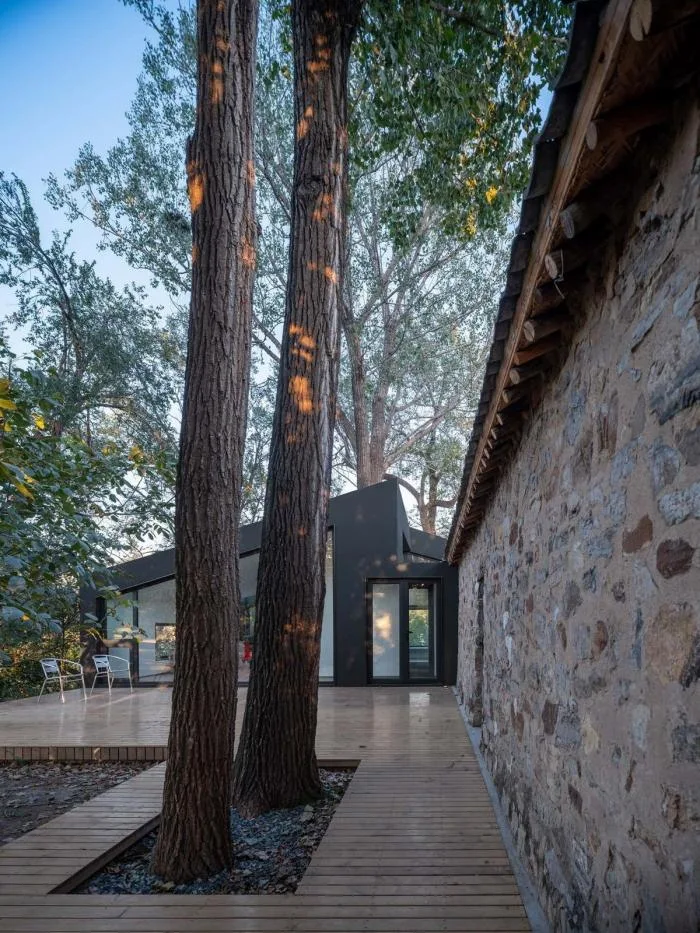
▲ Courtyard shaded by trees
Indoor Local
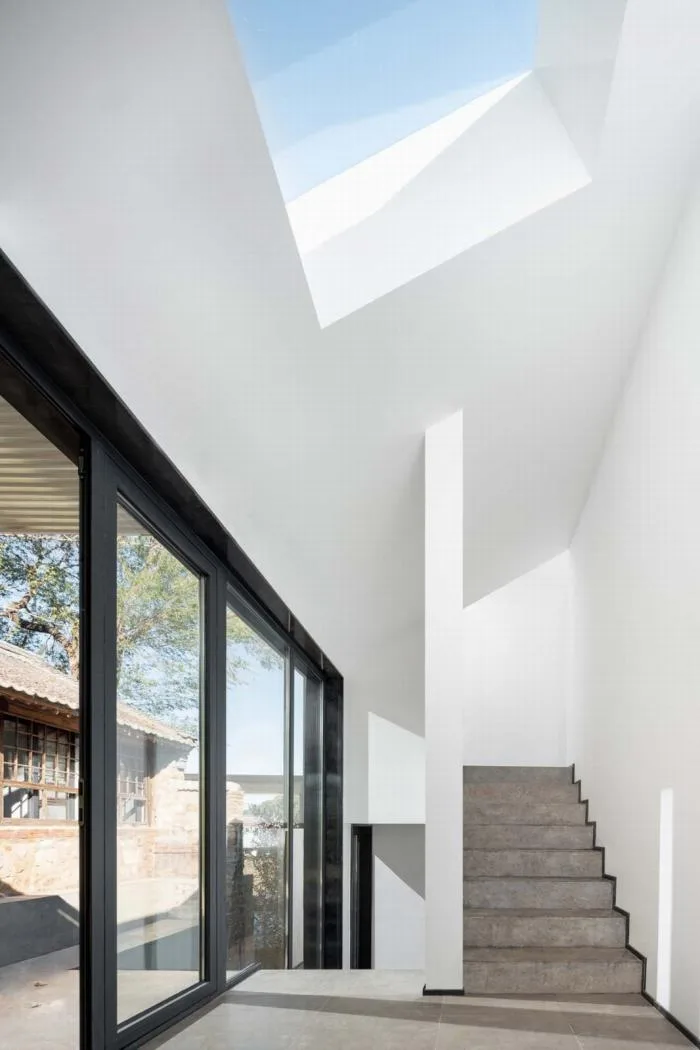
▲ Skylight in the lobby area
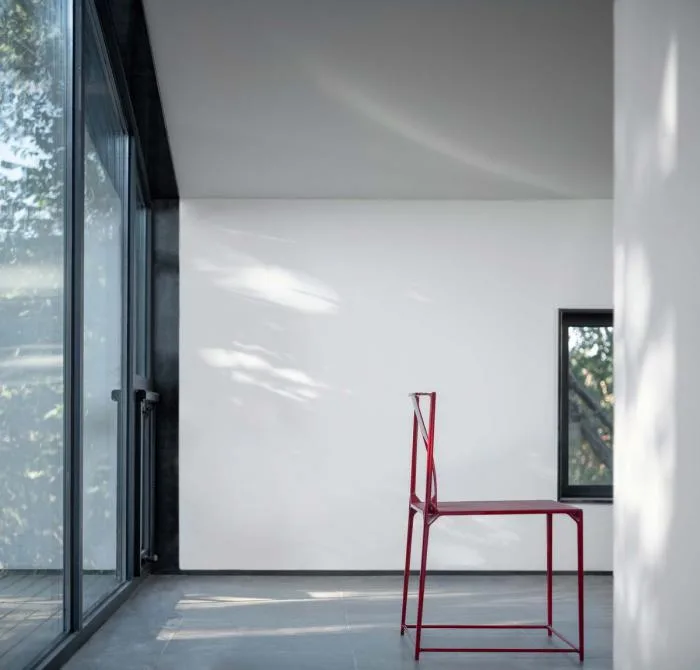
▲ Sunlight streaming from the terrace into the living room
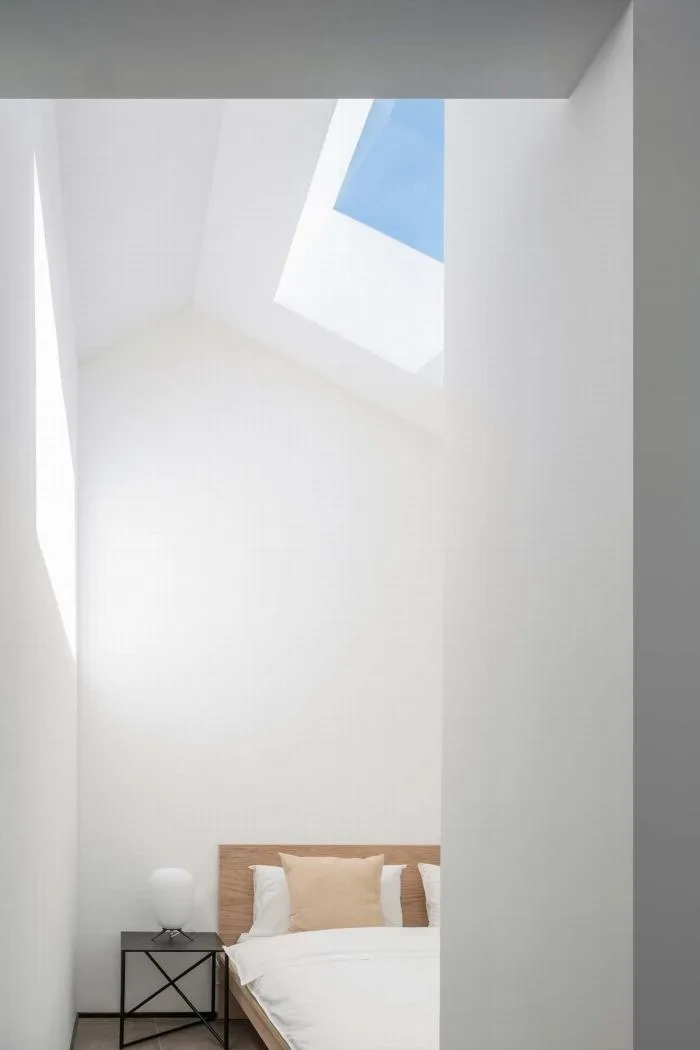
▲ Master bedroom
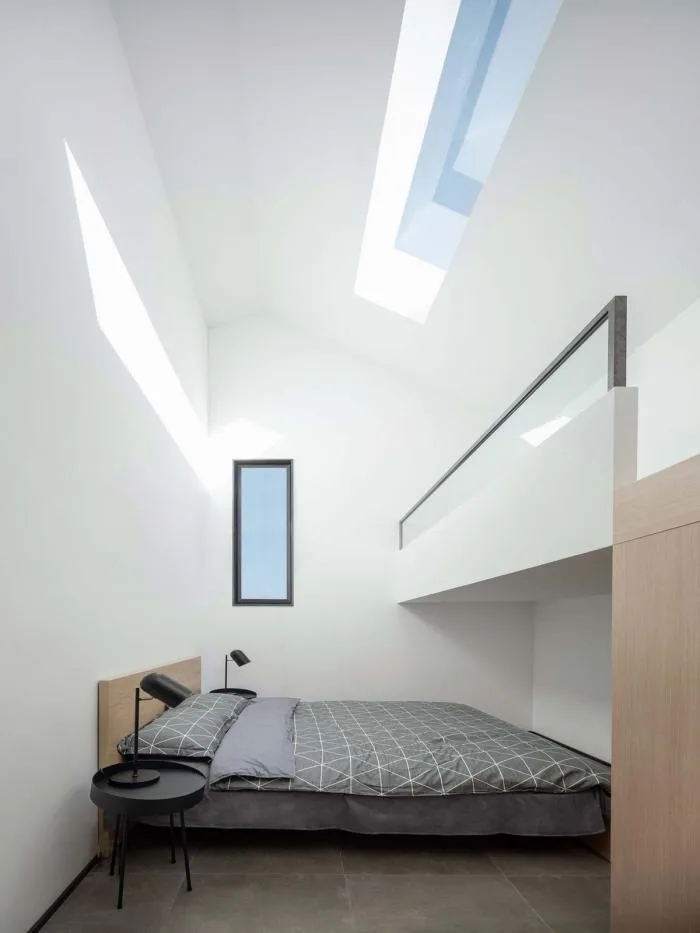
▲ Attic parent-child room
Project Drawings
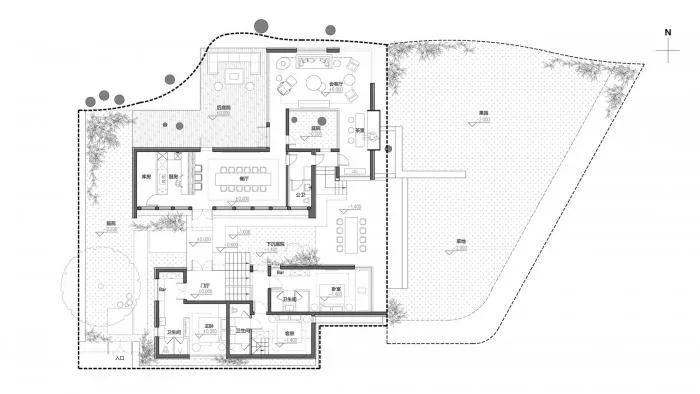
▲ Floor plan
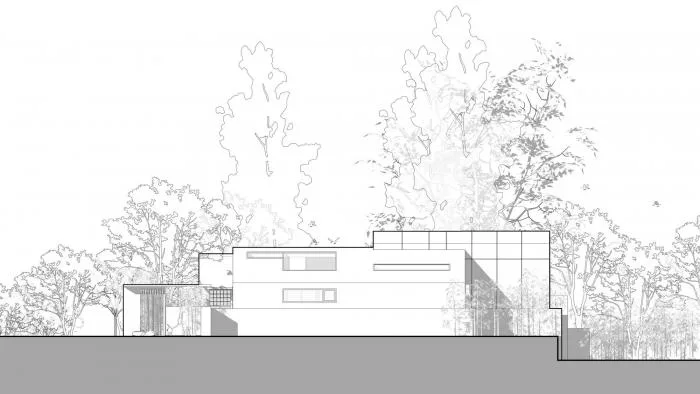
▲ South elevation
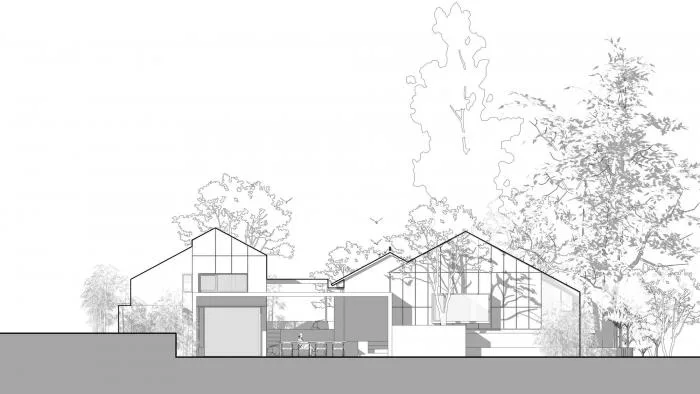
▲ East elevation
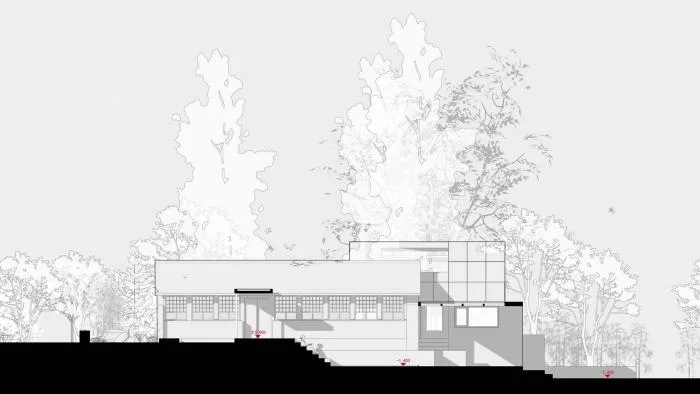
▲ East-west section
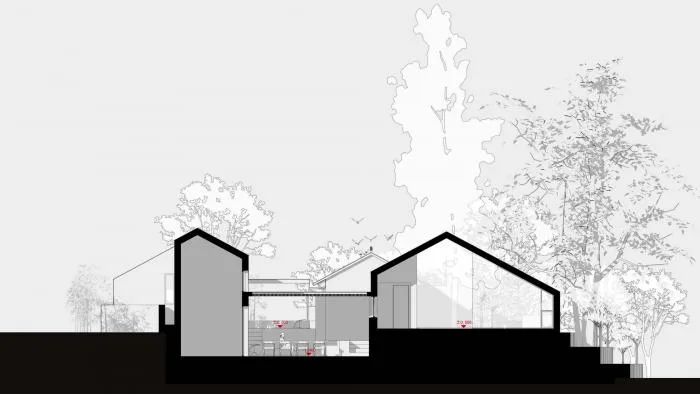
▲ North-south section
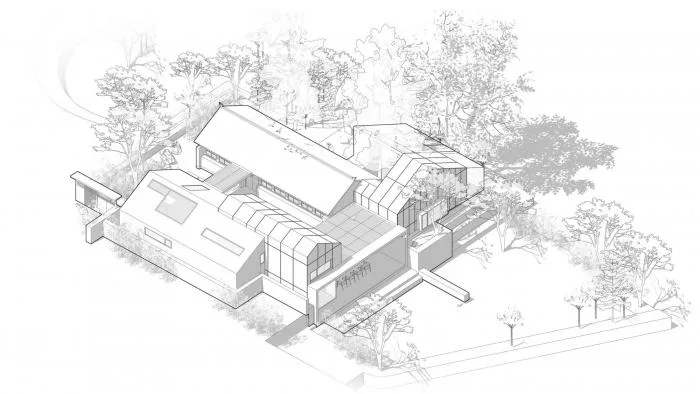
▲ Axonometric diagram
Project Information
Project type: Independent residential building
Designer: Space Evolution (Beijing) Architectural Design Co., Ltd.
Area: 326.0 m²
Year: 2019
Photographer: Shi Yunfeng
Suppliers: An Hua, JOMOO, Jingyuanxingda, Jingyulu, Nan Tree, Yuanye
Lead architect: Guan Tianqi
Design team: Guan Tianqi, Gao Kang, Li Junnan, Ni Xiang, Zhang Kaijie
Structural Design and Construction: Beijing Quanya Construction Engineering Co., Ltd.
Landscape Design: Spatial Evolution (Beijing) Architectural Design Co., Ltd.
Client: Beijing Wanhong Information Service Co., Ltd.












Must log in before commenting!
Sign Up