
01 “Red” and “Internet Celebrity”
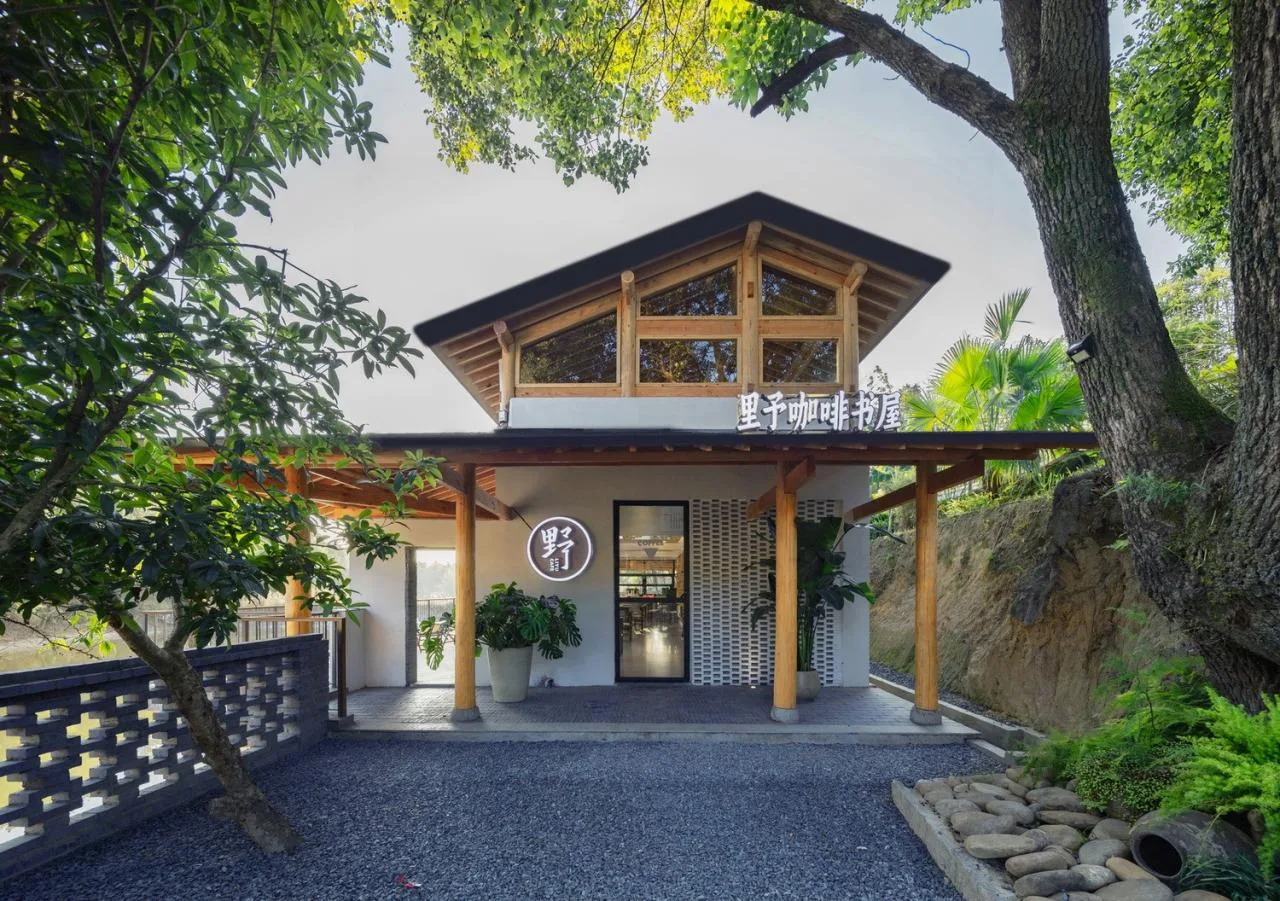
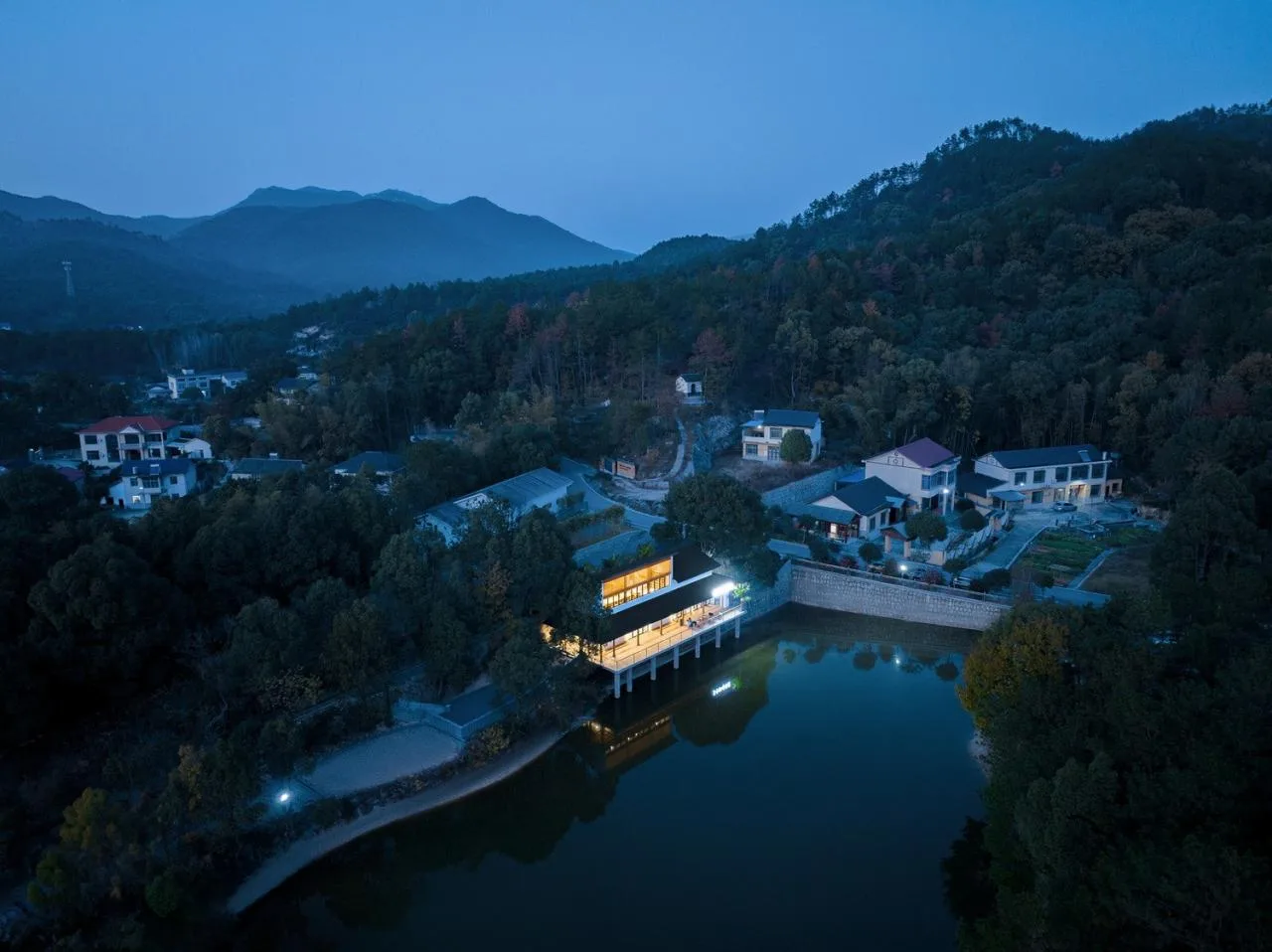
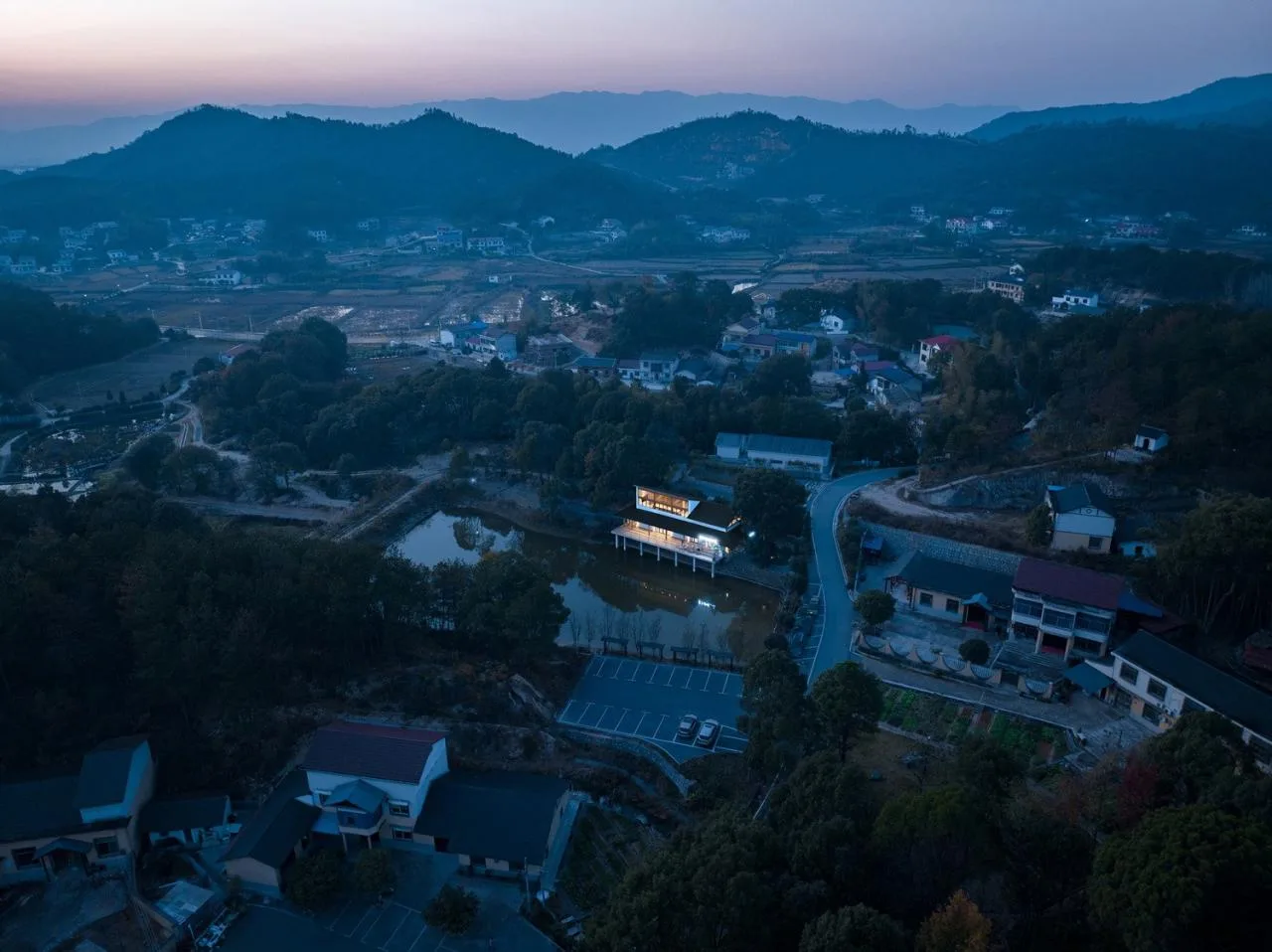
The youth-oriented service project in the Red Tourism Scenic Area is situated at the foot of Tianhua Mountain Scenic Area in Qingshanpu Town, Changsha County, Hunan Province. Currently, the area is recognized as a 4A-level red tourism attraction. However, its supporting facilities are underdeveloped and fail to appeal to younger visitors.
In response, the town government commissioned us to develop a low-cost, attractive coffee bookstore concept aimed at drawing young people to visit and engage with the site. Since the project lies within the core zone of the red scenic spot, its design must harmonize with the surrounding residential areas. This presents a key challenge: how to balance the traditional style expected in a “red” scenic spot while fulfilling the trendy “internet celebrity” appeal sought by youth?
Adding to the complexity, we had to deliver a comprehensive solution covering construction, interior design, furnishings, and landscaping, all within a modest budget of a few hundred thousand yuan.
Between “Visible” and “Hidden”: Perceiving and Harnessing Site Potential
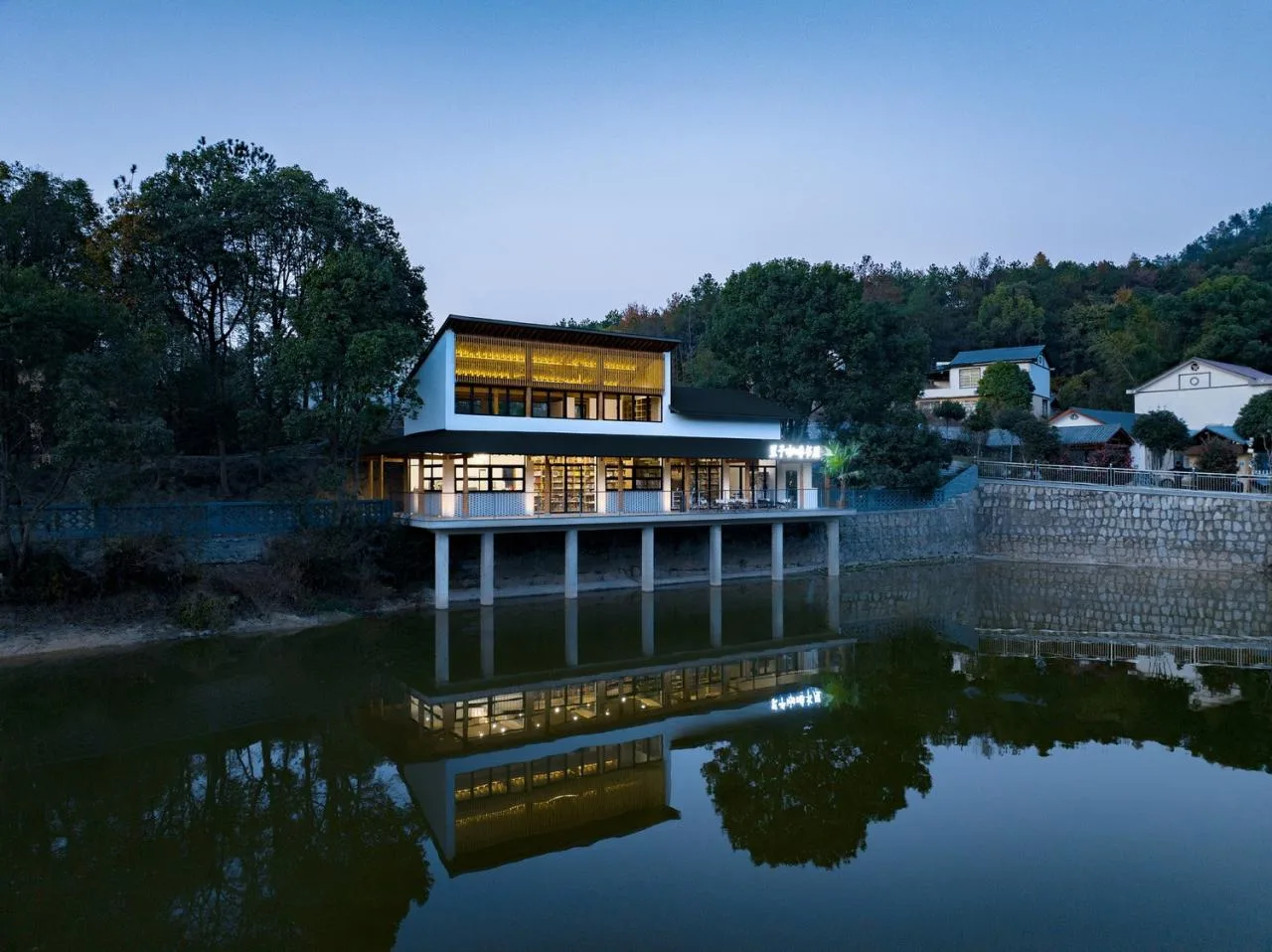
Our design process began with a thorough understanding of the site and its context. The site is accessed via a road to the west, bordered on the south by a completed bamboo handicraft experience hall, and offers a distant view of Tianhua Mountain to the north.
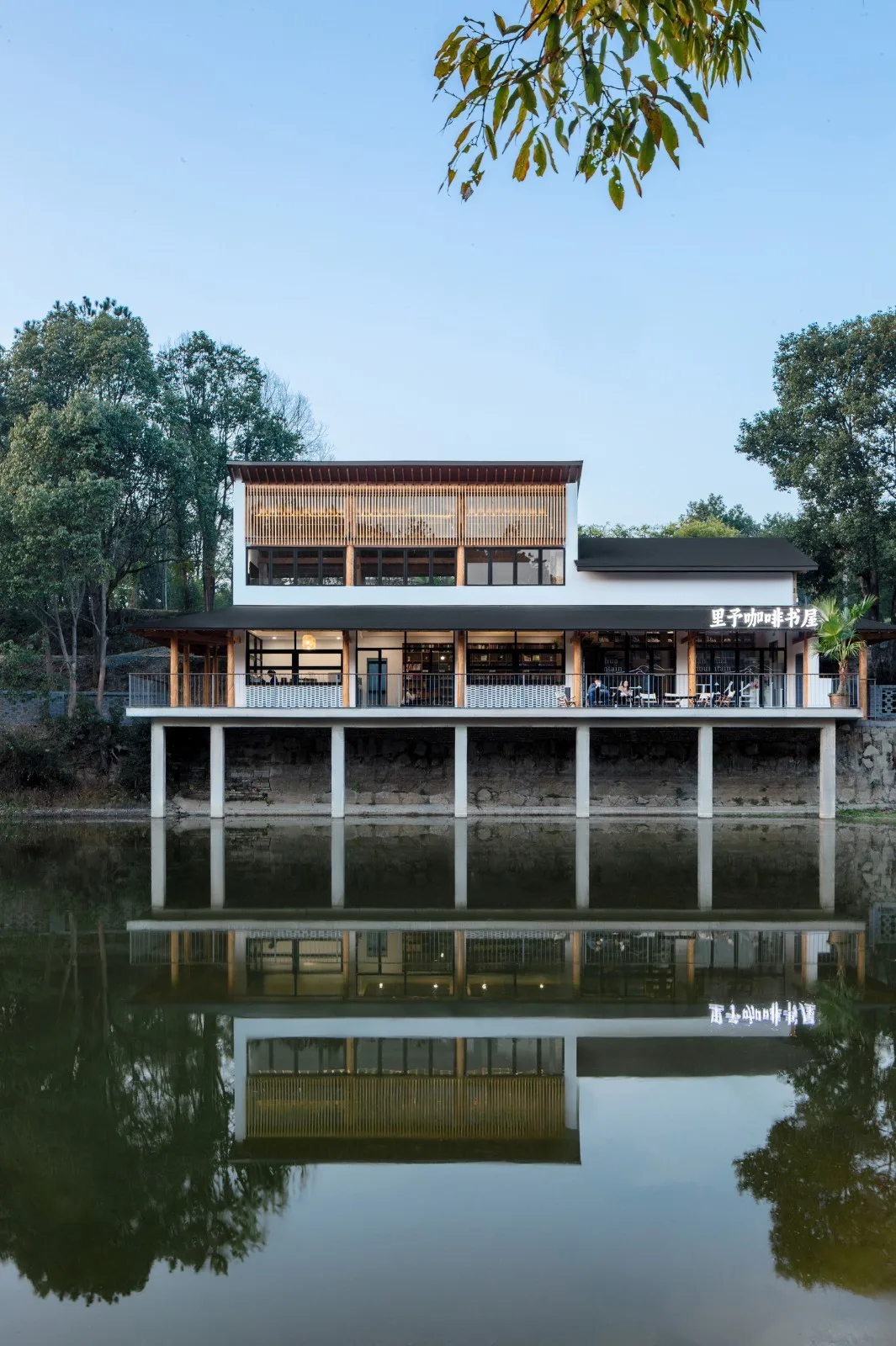
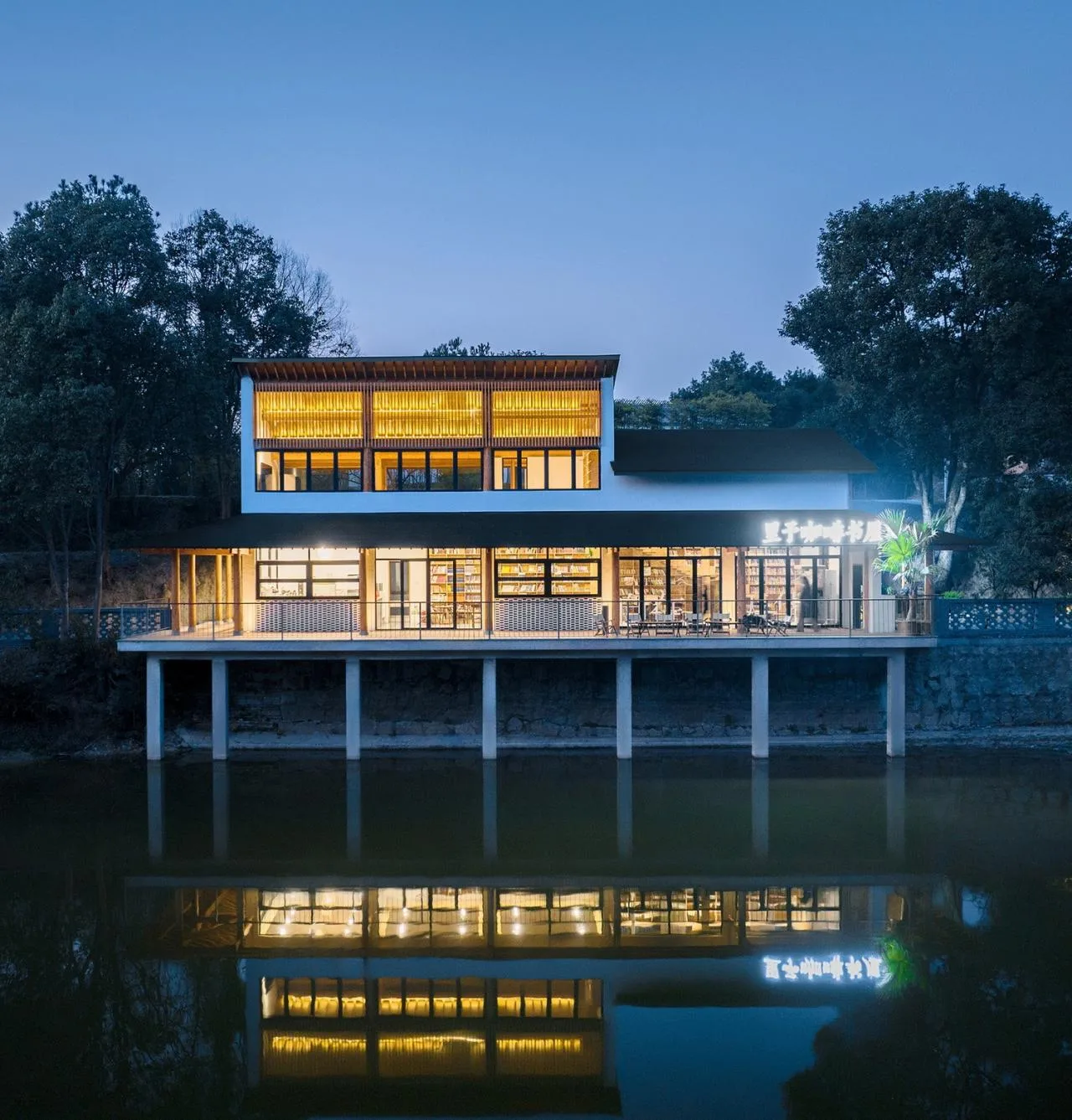
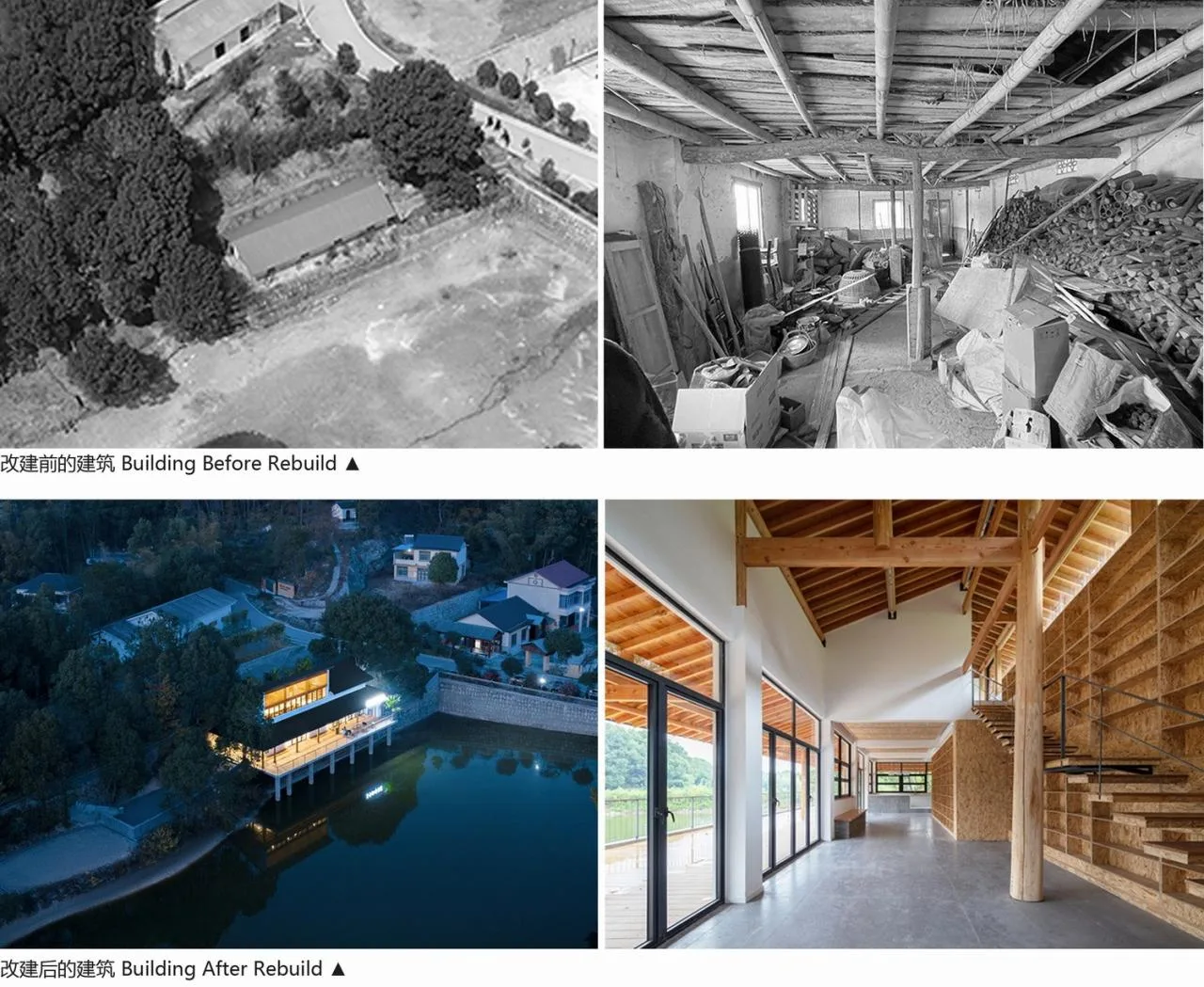
Topographically, the site is a low-lying area approximately two meters below the main scenic area’s road level. As a result, the original building sits somewhat “hidden” within the terrain. Its main entrance and massing are not easily noticed by passersby, limiting its effectiveness as a public service facility.
Addressing this, the design had to respond intelligently to the site’s natural depression.
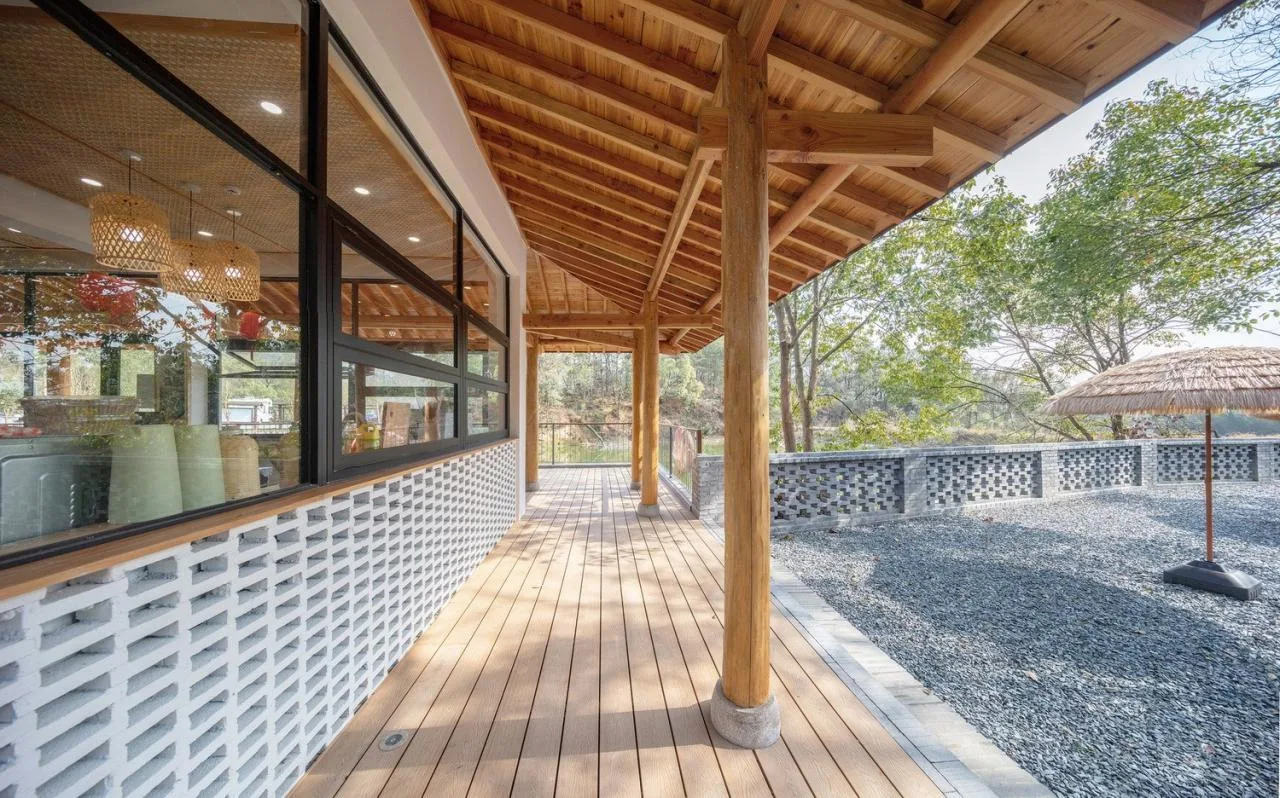
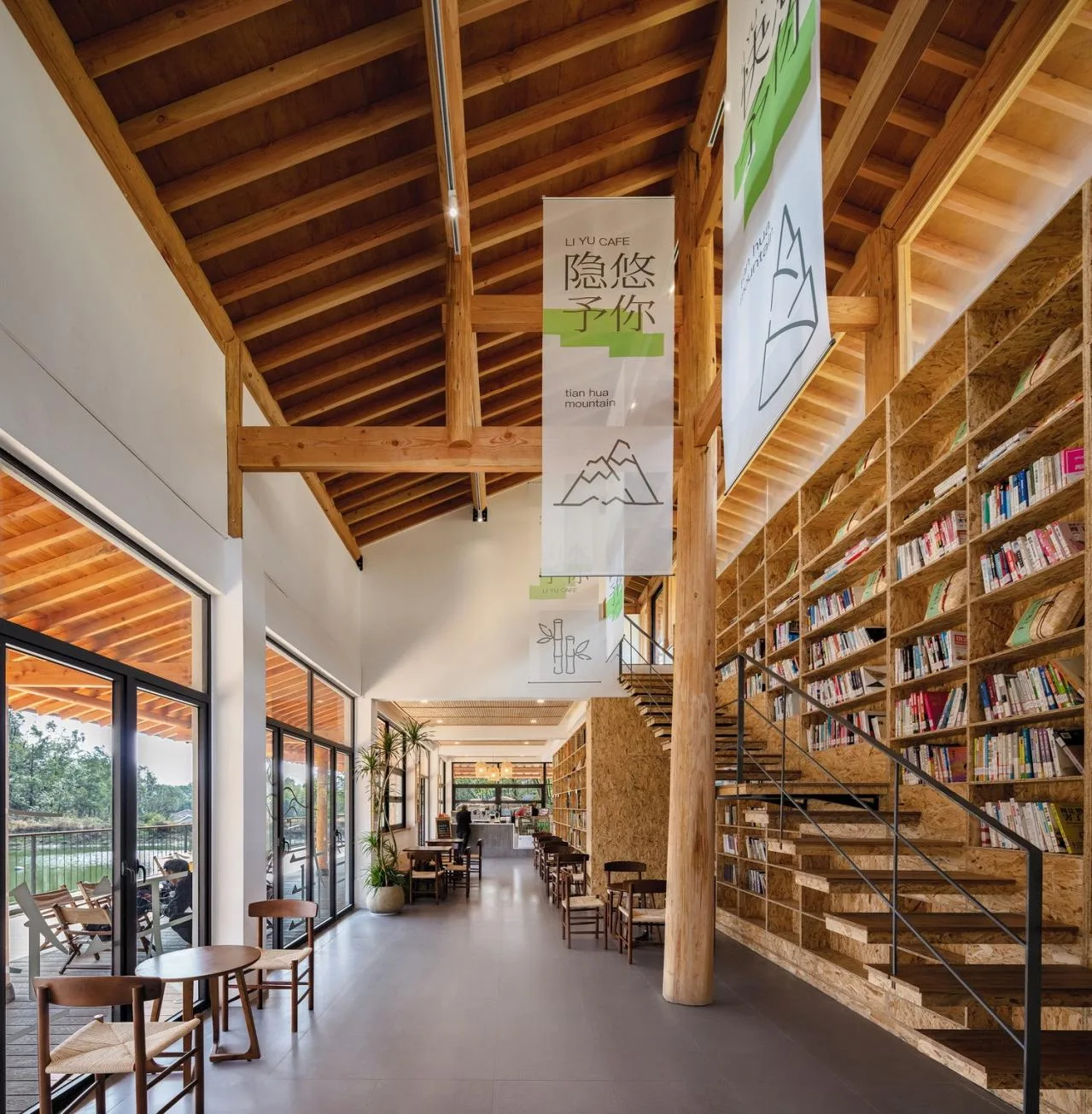
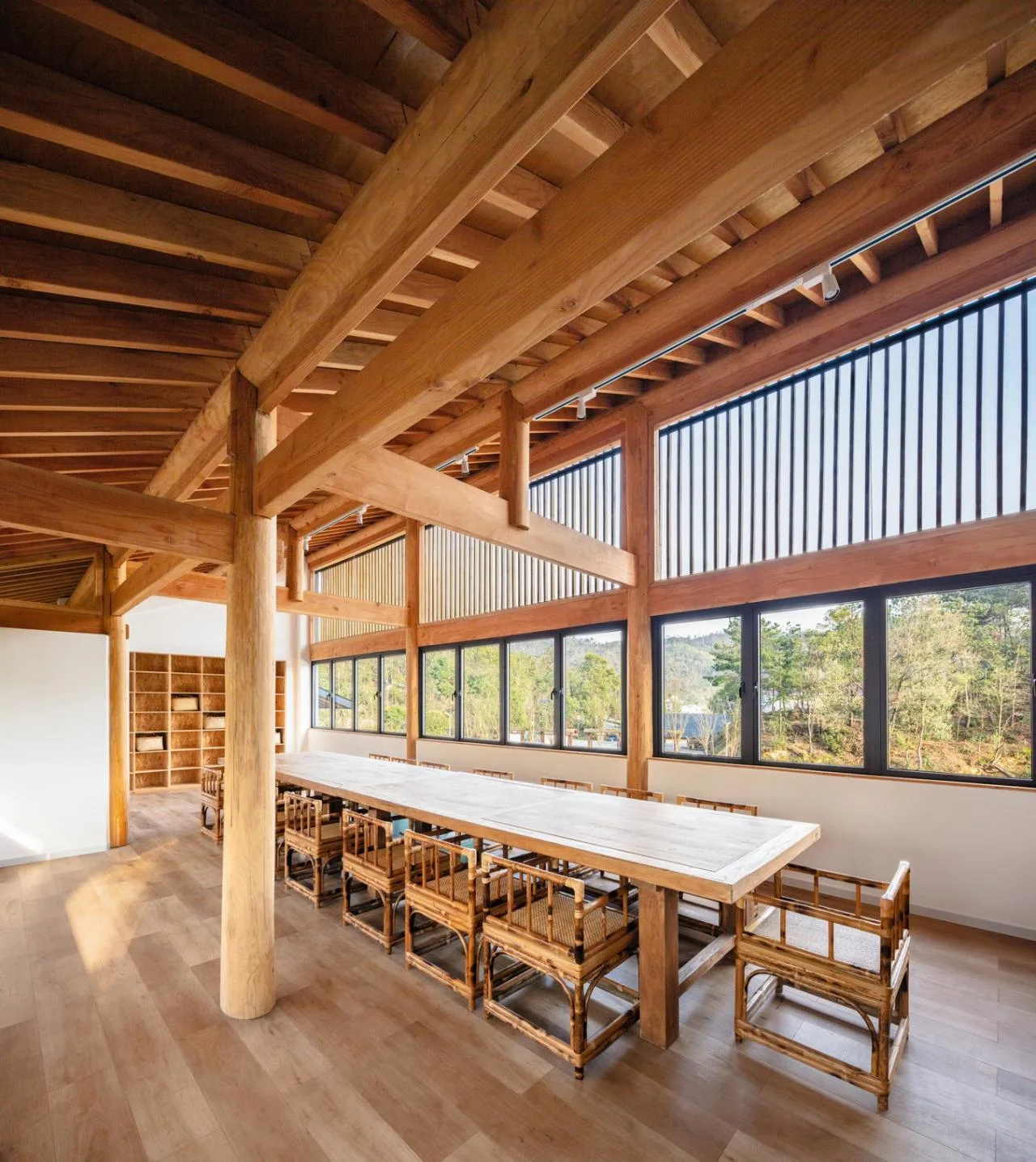
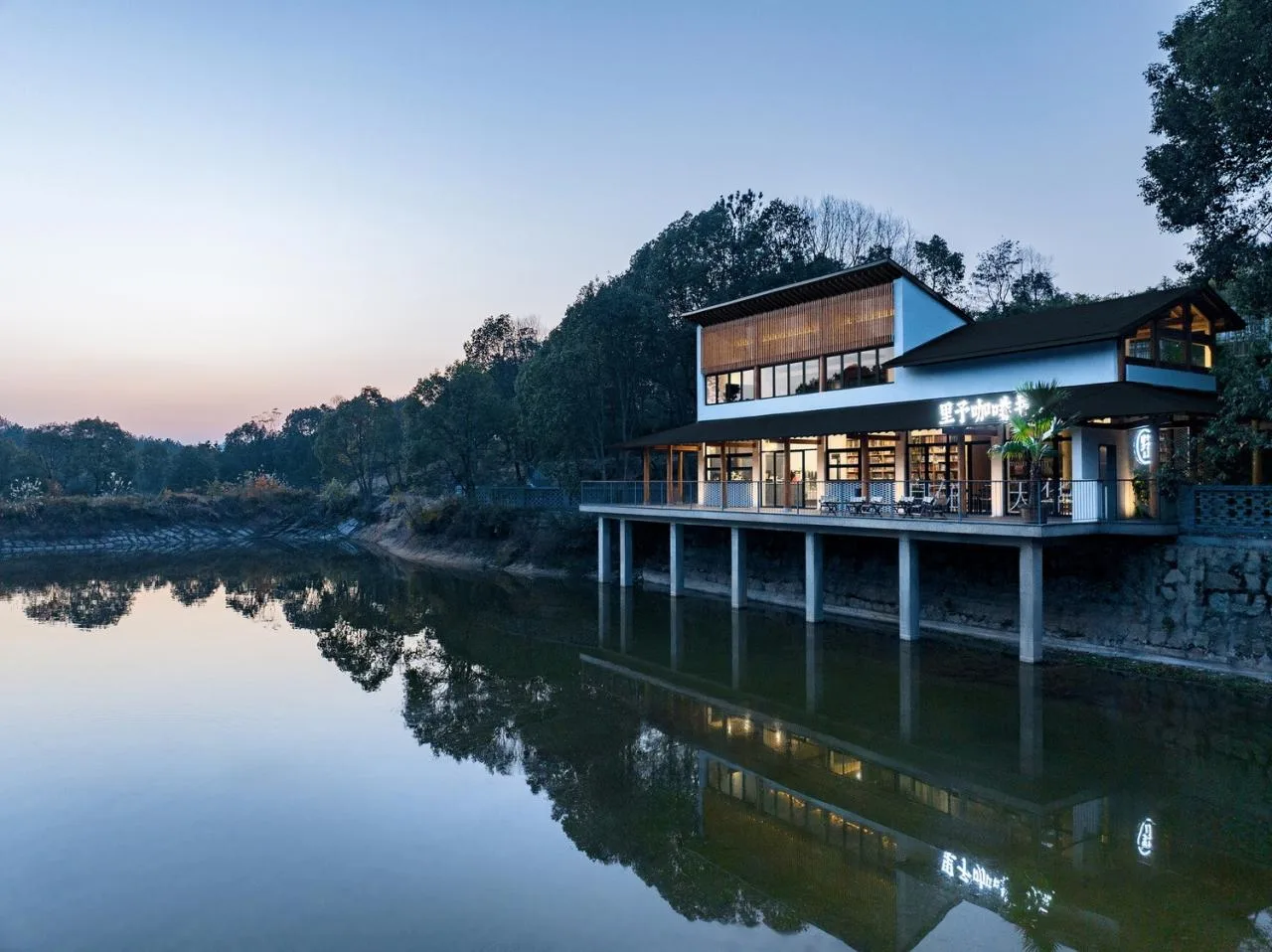
To make the building more prominent despite the low terrain, the north-facing facade was designed to have a pronounced scale, attracting visitors and making the building visible from the main thoroughfare.
However, on the south side, where the bamboo handicraft hall sits on higher ground, visitors enjoy unobstructed views toward Tianhua Mountain. To preserve this visual corridor, the building continues its “hidden” approach on the south side.
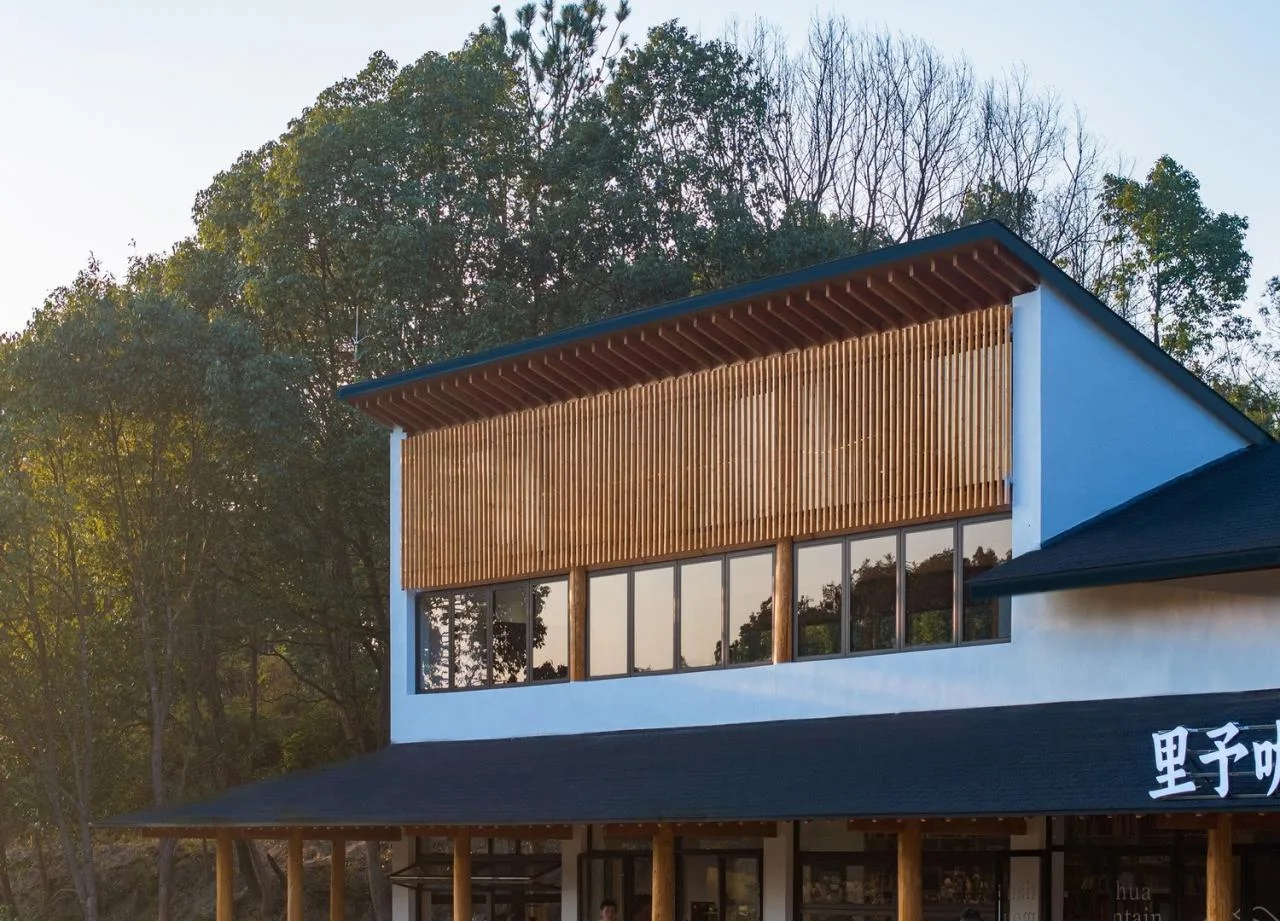
To reconcile these opposing demands of visibility and concealment, the roof design combines single slope and double slope forms. The south side features a lower eave and ridge line with a double slope roof to maintain a subtle profile, while the north side incorporates a single slope roof with higher eaves to emphasize scale and presence.
03 “Leveraging Strengths and Avoiding Weaknesses”
The project faced another challenge: the conflict between construction cost and desired effects. Although the building covers only 190 square meters, the owner’s total budget of 500,000 to 800,000 yuan, after accounting for landscaping, furnishings, and equipment, left limited funds for construction and decoration.
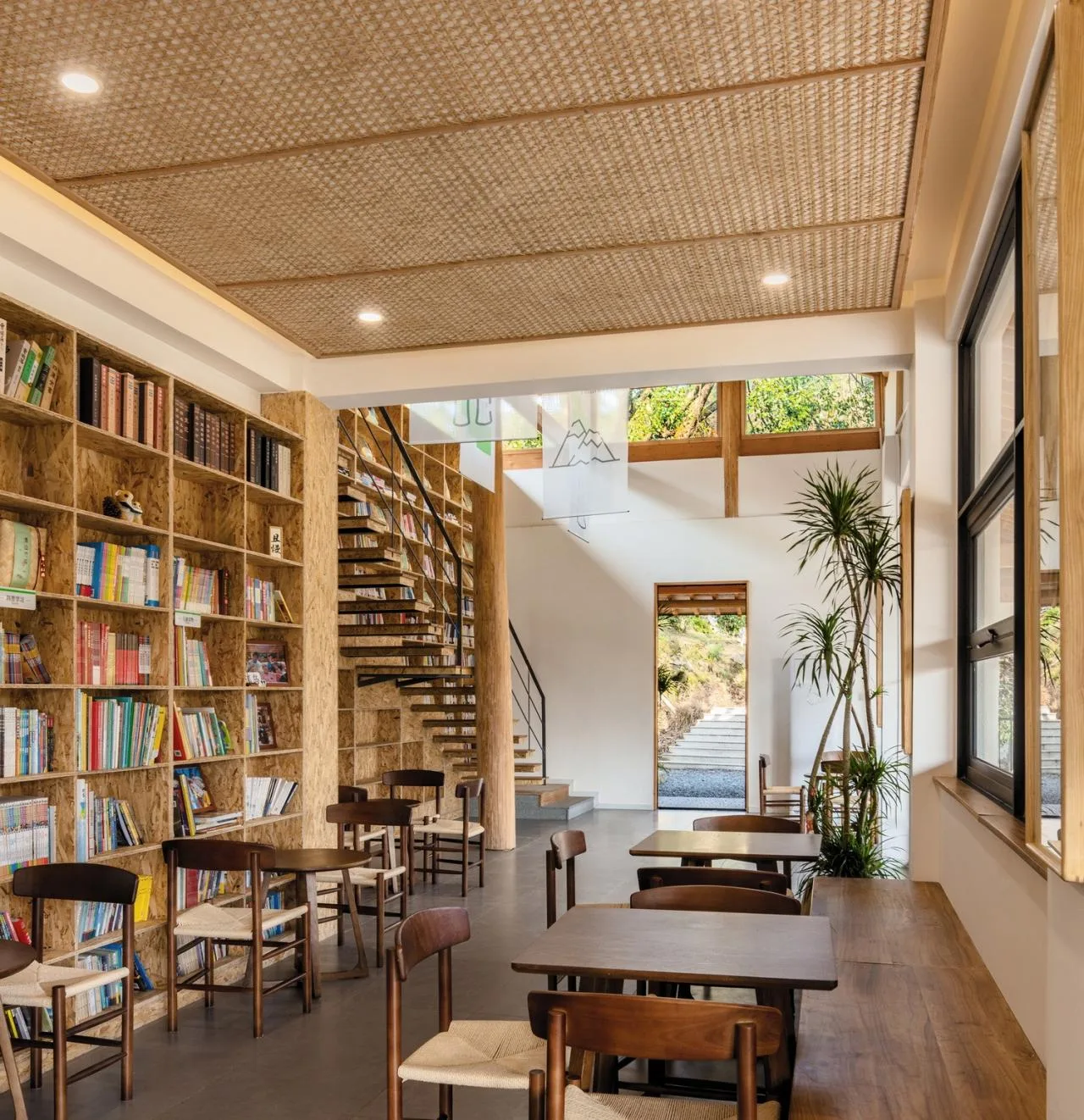
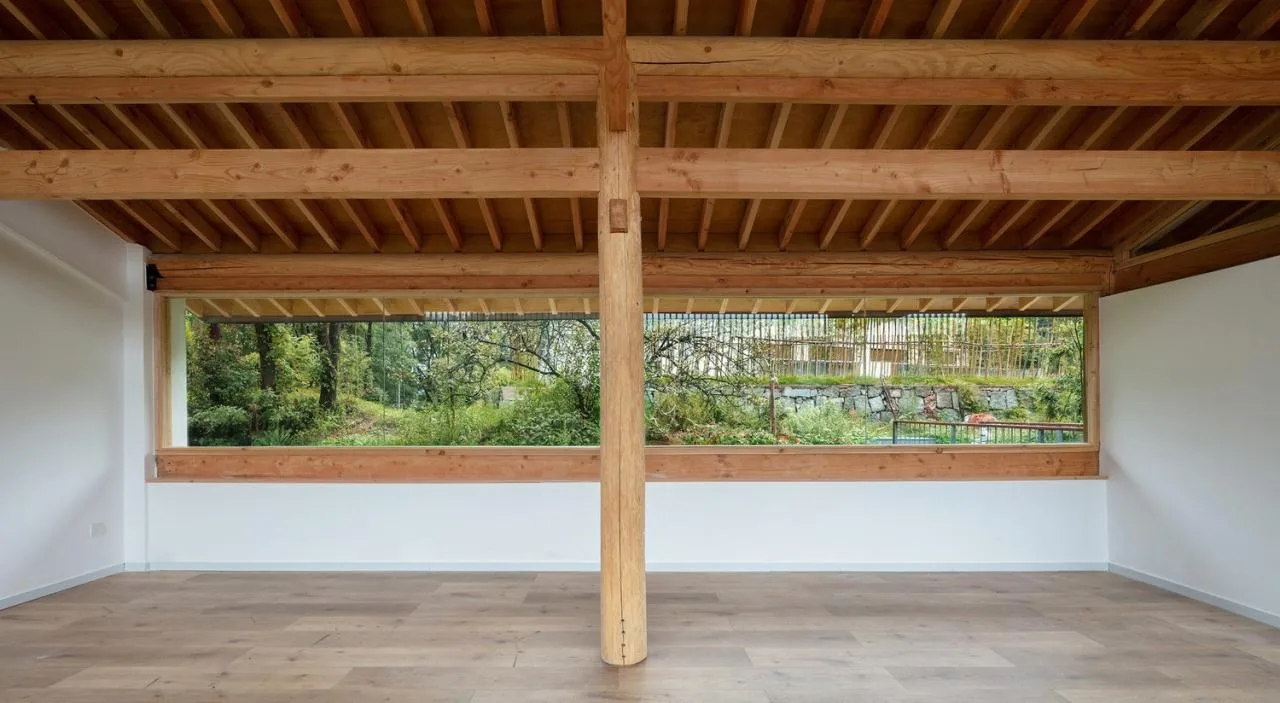
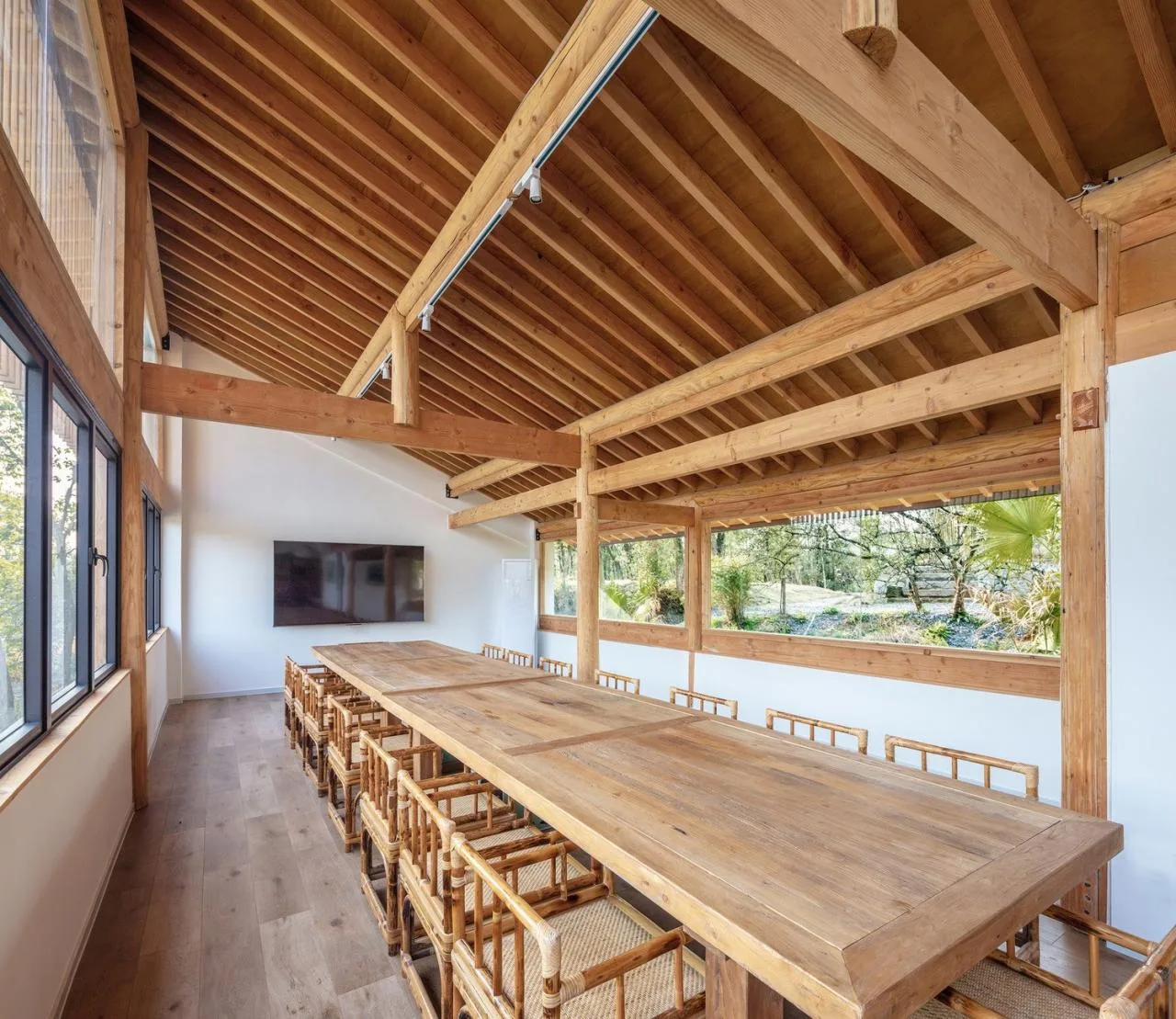
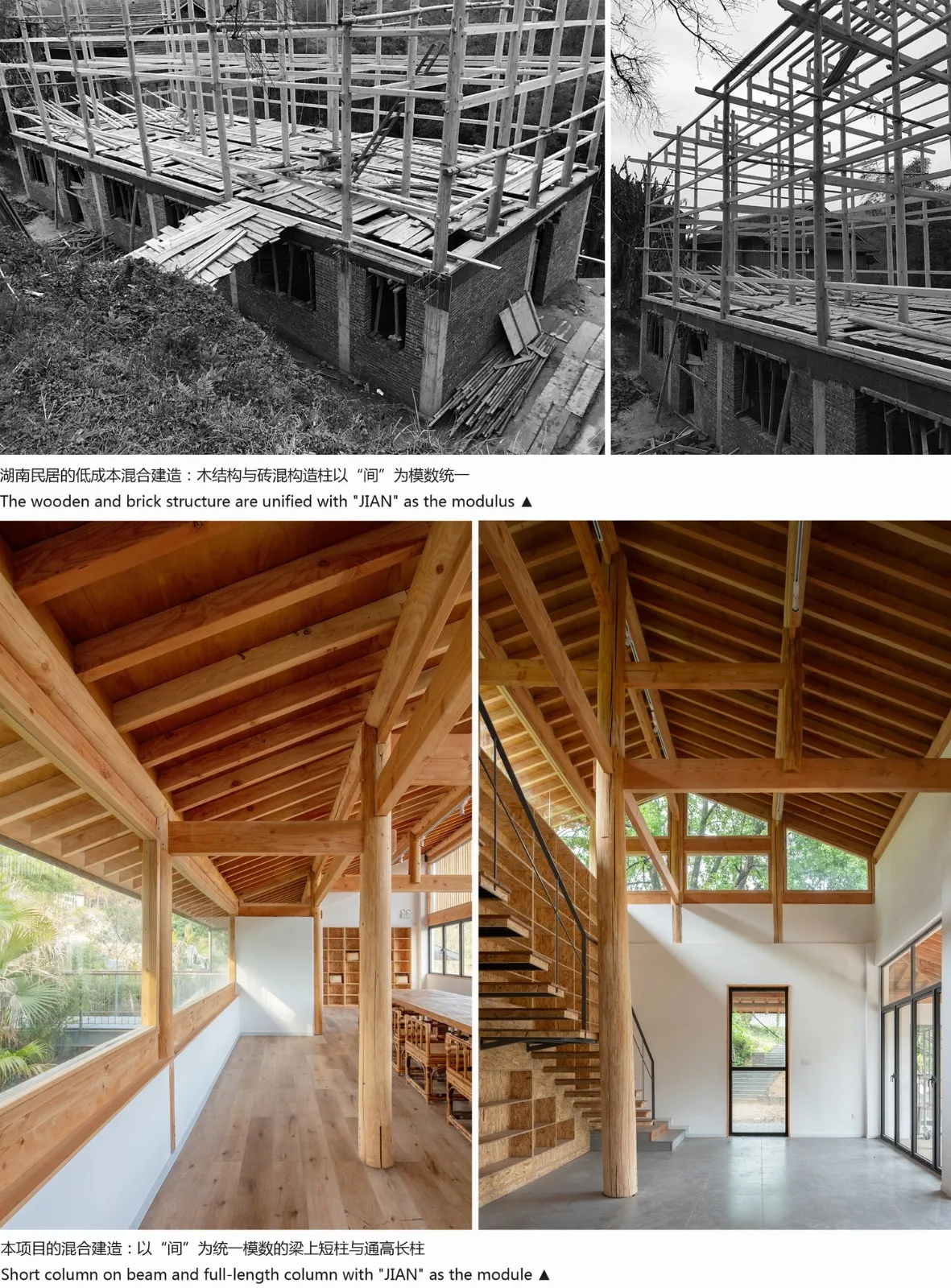
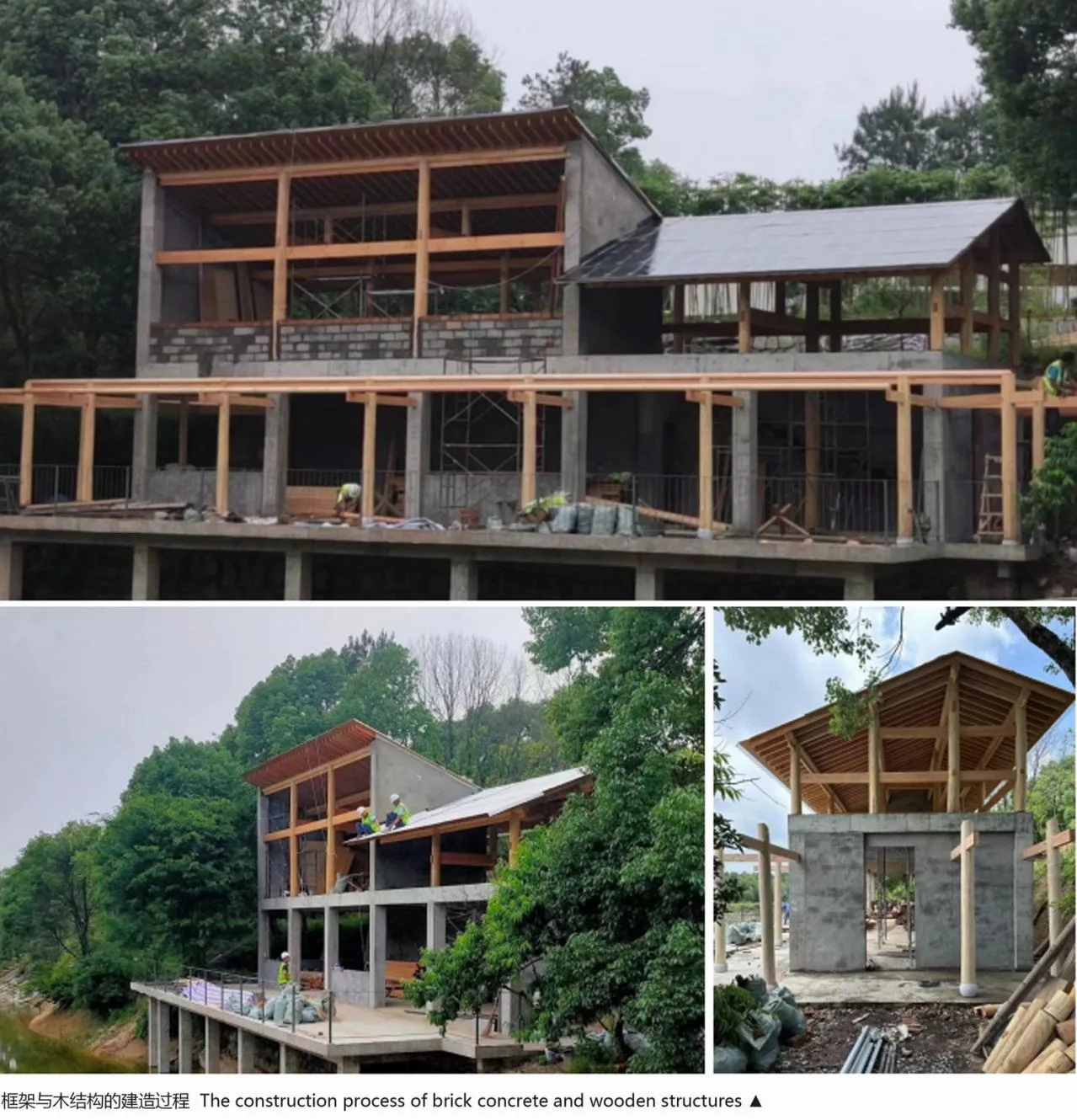
After careful evaluation, we chose to forgo the conventional fully cast-in-place frame structure. Instead, we drew inspiration from the region’s common mixed construction style, combining brick concrete and wood structures prevalent in local residential buildings. This method offers several advantages:
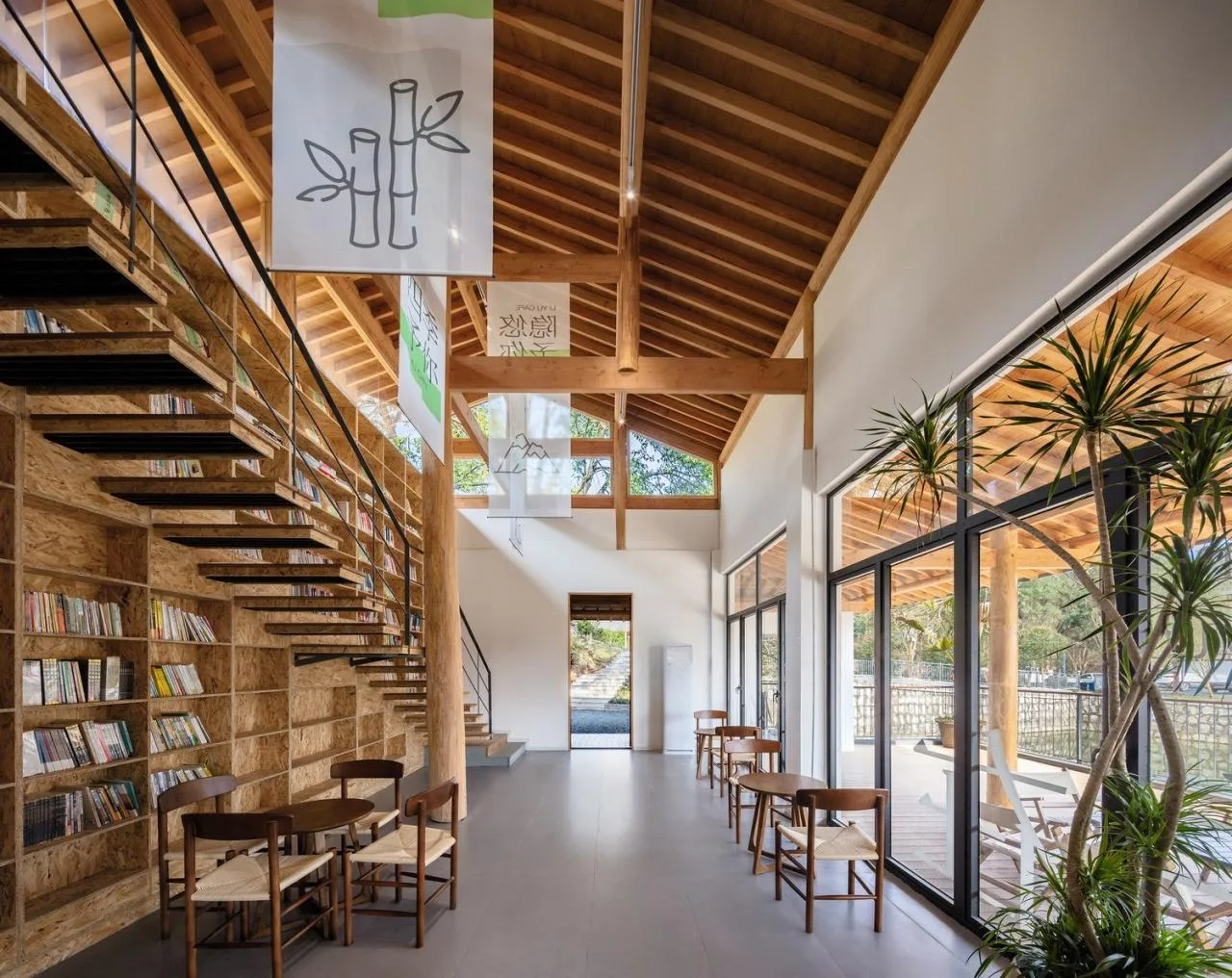
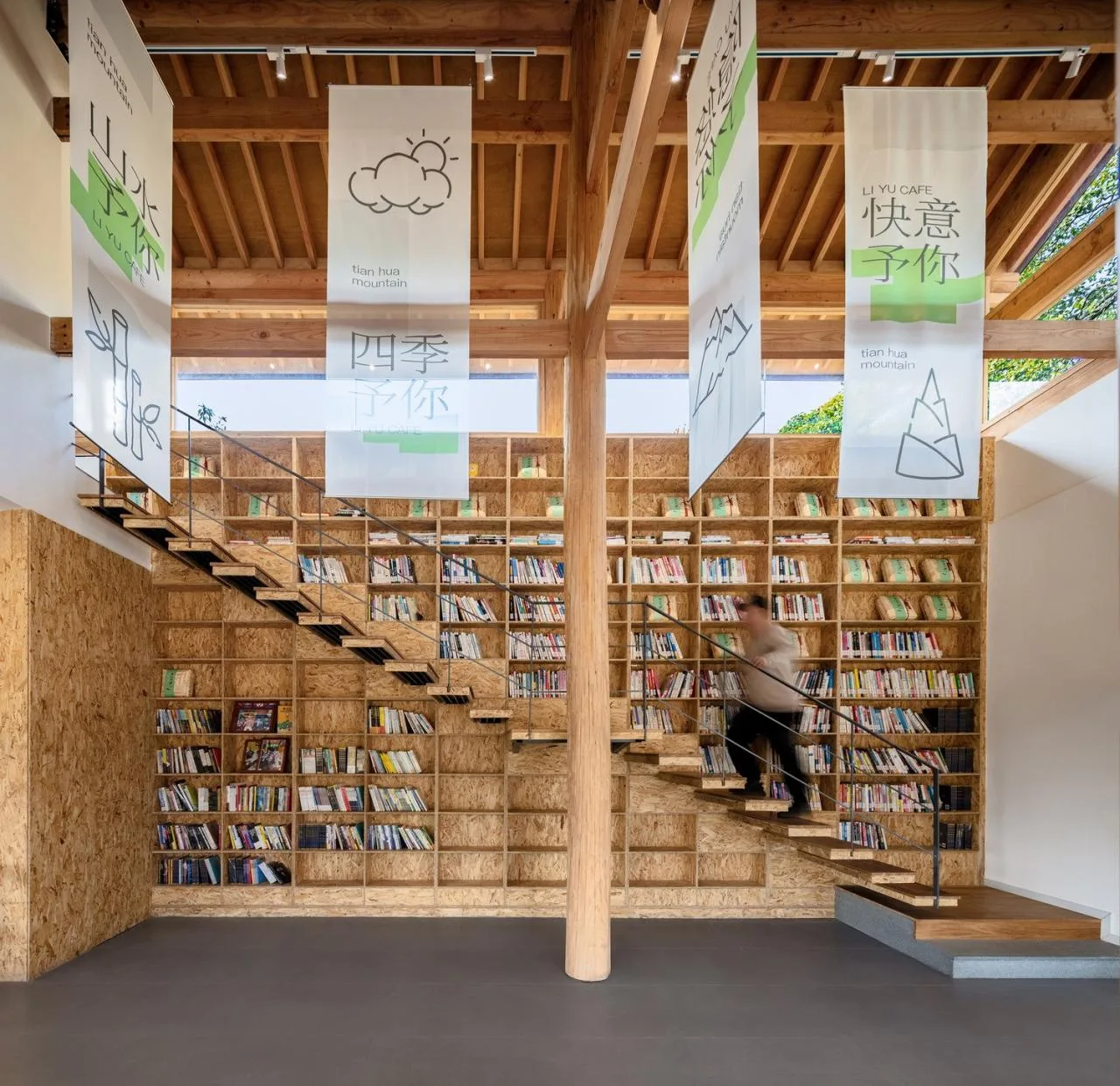
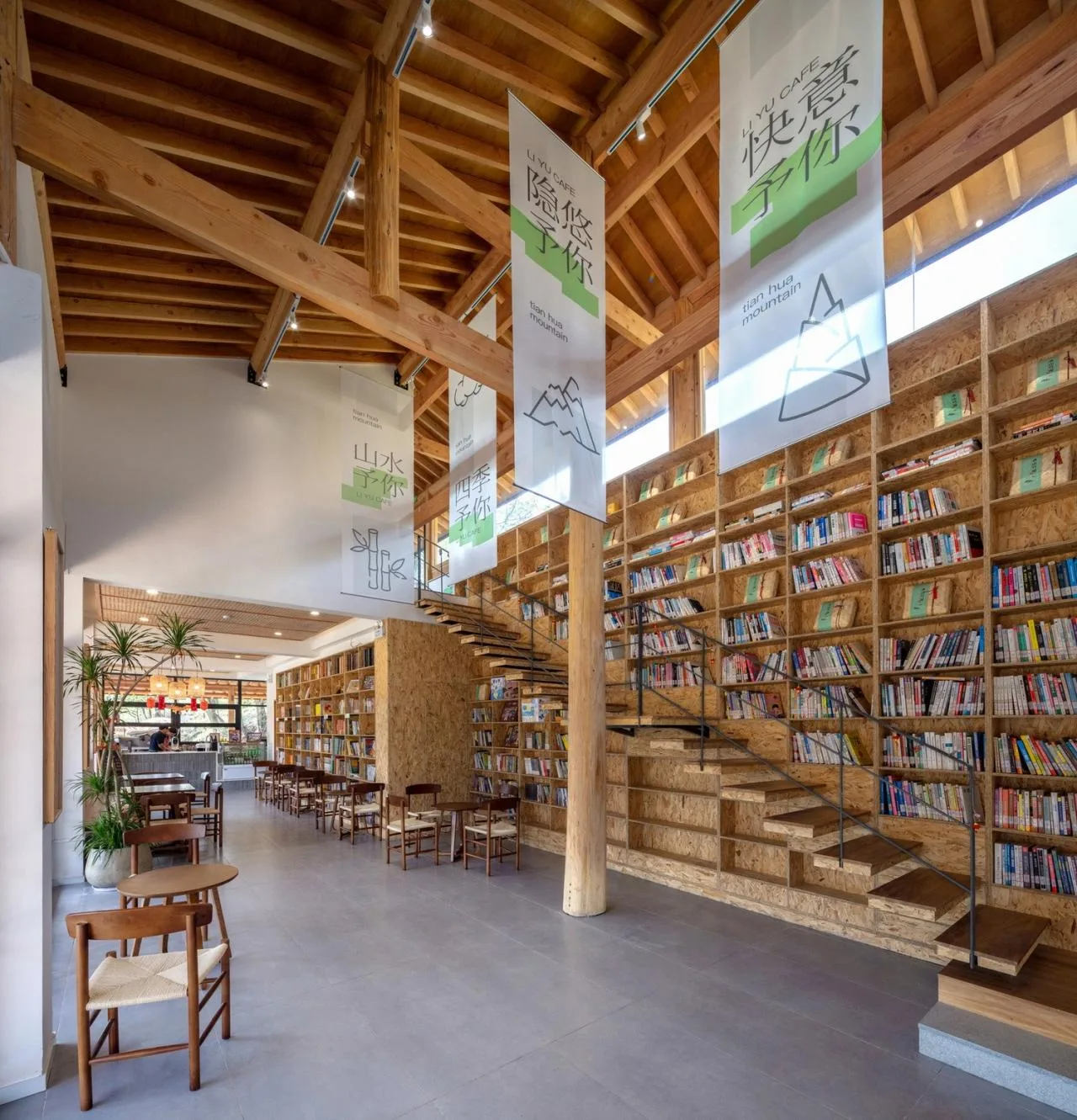
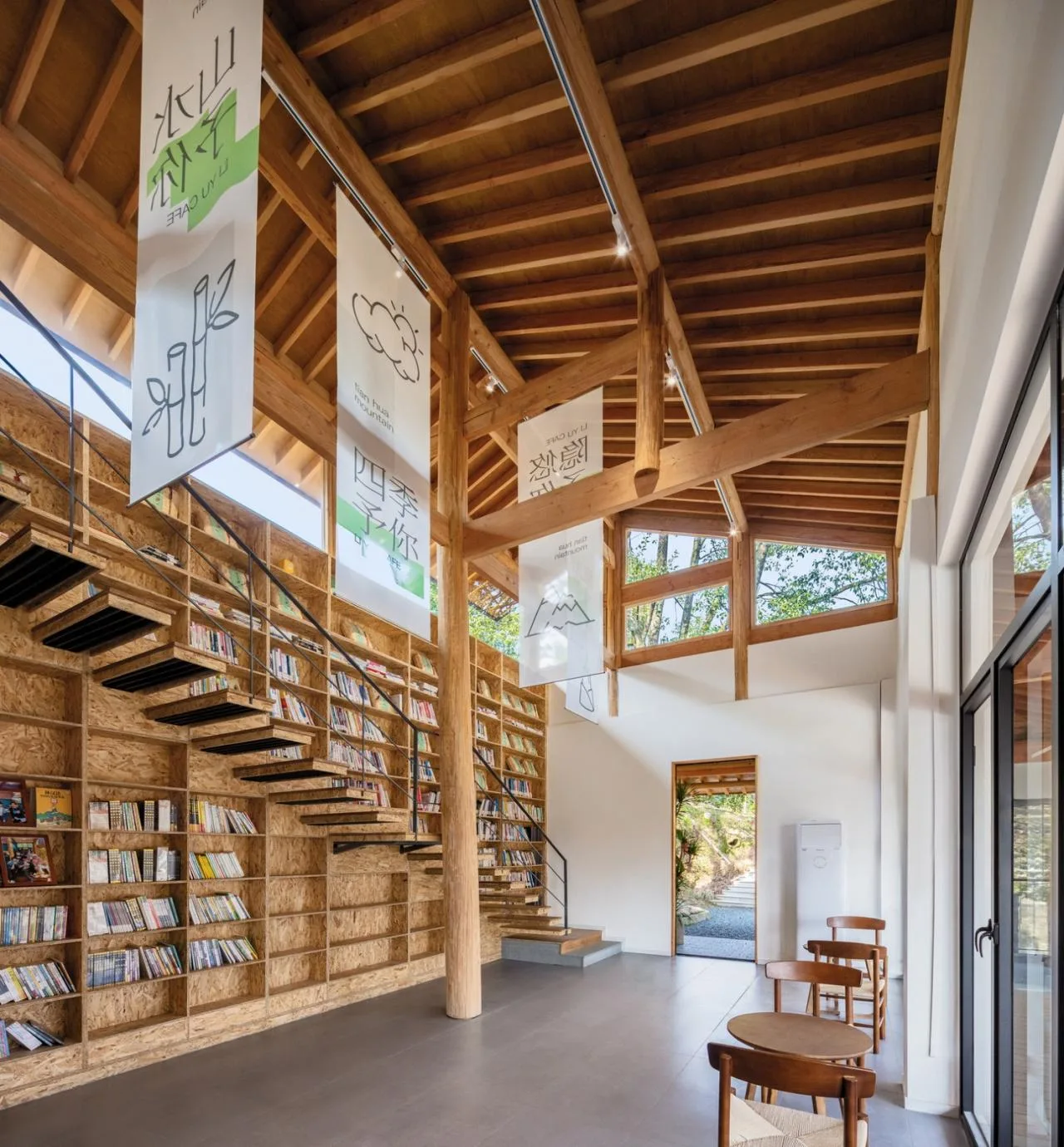
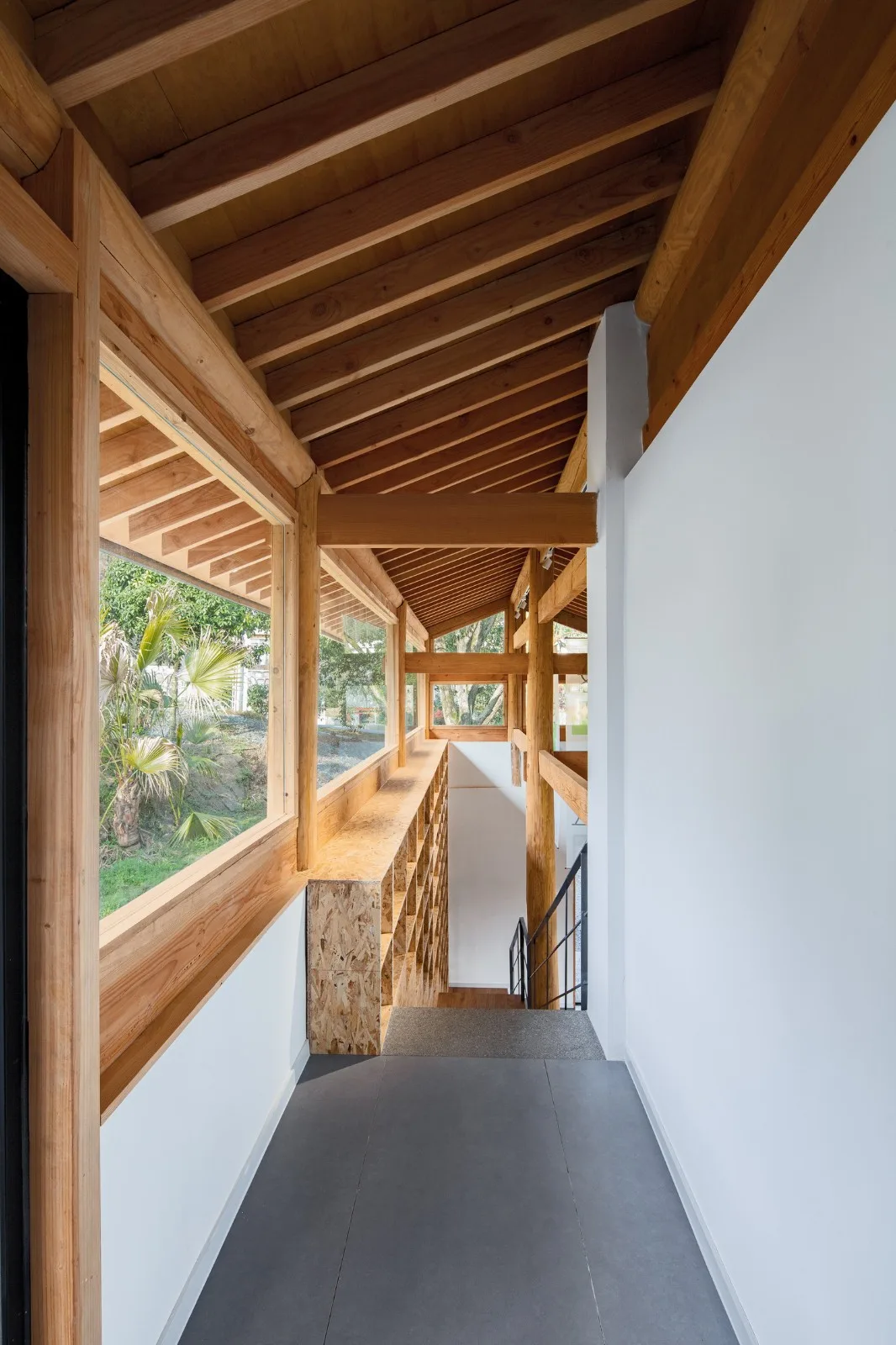
- Wooden roofs are lighter than concrete ones, reducing structural load and eliminating the need for complex reinforcement, formwork, and leveling processes. Additionally, wooden roofs can serve as visible surfaces, cutting secondary decoration costs and offering both economic and aesthetic benefits compared to cast-in-place roofs.
- Brick walls and cast-in-place floor slabs outperform traditional wooden partitions and floors in waterproofing, sound insulation, and unit cost.
- Both brick concrete and traditional wooden structures maintain similar span requirements, typically spanning 3-4 meters per unit.
To align with local construction practices, the first floor ultimately used a cast-in-place frame structure instead of the initially planned brick concrete. Nonetheless, this hybrid approach effectively reduced overall project costs.
04 “Learning from the Past”: Preserving Tradition and Embracing New Technologies
Although the project employs a relatively traditional structural system, we aimed to create a fresh, modern expression through detailed design innovations.
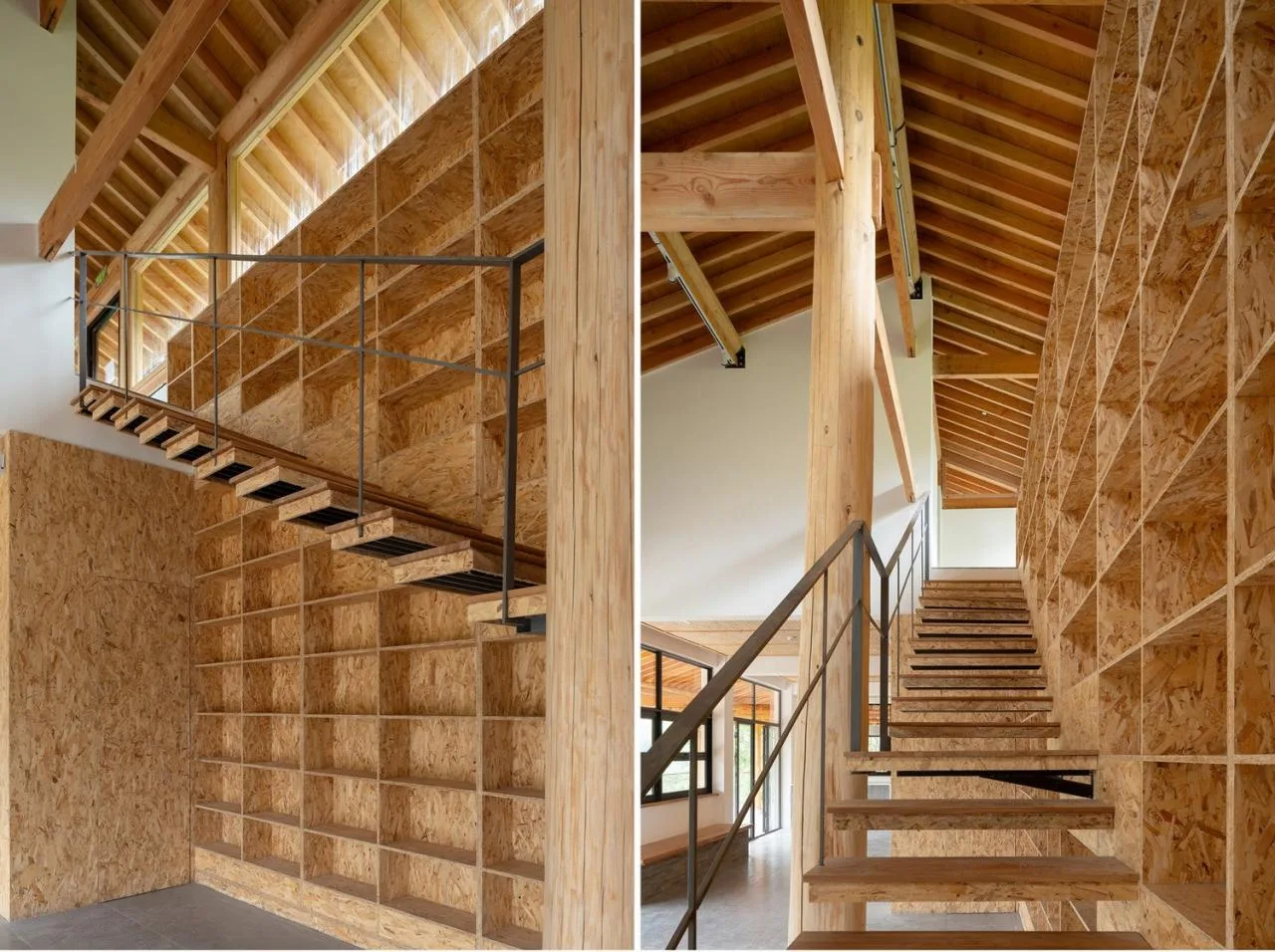
One challenge involved the wooden columns typical of local traditional structures. Without special rounding and selection—a costly process—these columns vary significantly in shape. When intersecting with walls, this results in inconsistent widths, uneven edges, and gaps at junctions.
To address this, we drew inspiration from traditional wooden structures featuring sloped edges. By carefully controlling the angle of these sloping edges, we achieved uniform exposure widths for the columns against walls. The inner corners of the slopes conceal uneven junctions, while outer corners maintain clean vertical lines. This approach transforms irregular wooden columns from “curved” to “straight” visually.
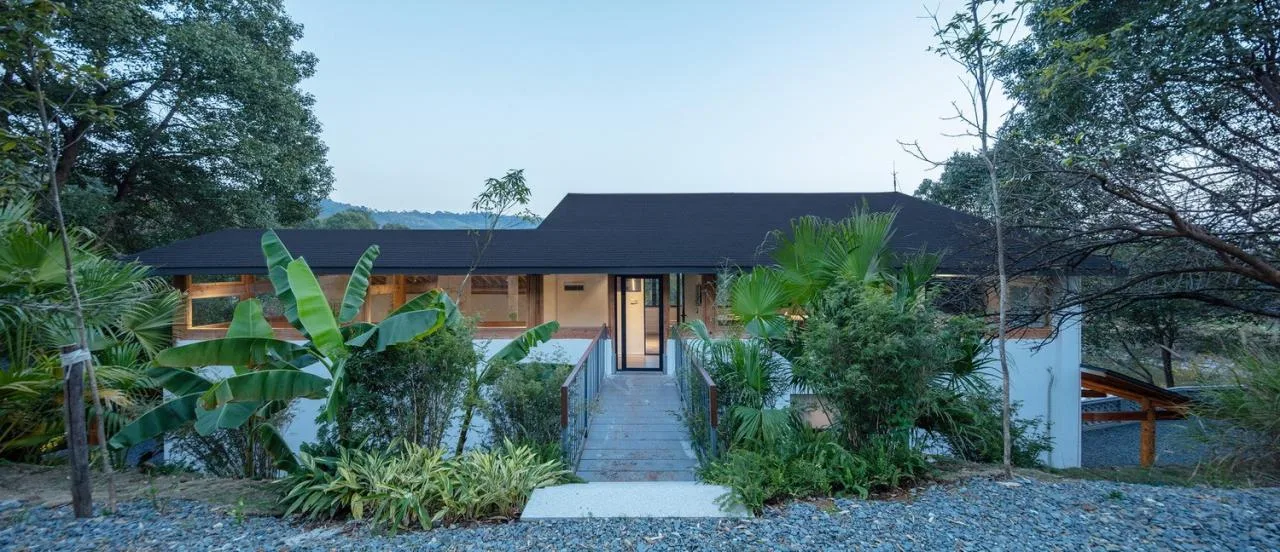
Traditional local buildings typically employ blue or ceramic tiles for sloped roofs; however, these materials are heavy and pose waterproofing challenges at intersections between single- and double-slope roofs. To address this, we replaced the roofing with lighter, more integrated asphalt tiles.
Since asphalt tiles lack drip edges, we added water treatment boards along the eaves to better channel rainwater and protect the structure.
We also resolved irregular eave heights caused by manual woodwork on site. Local traditional roofs usually extend 60-80 cm beyond walls to shield them from rain. However, with modern waterproof and anti-corrosion exterior coatings, such protrusions are no longer necessary. Even in the rainy southern climate, eliminating roof overhangs on mountain walls contributes to a cleaner, simpler architectural appearance.
Project Drawings
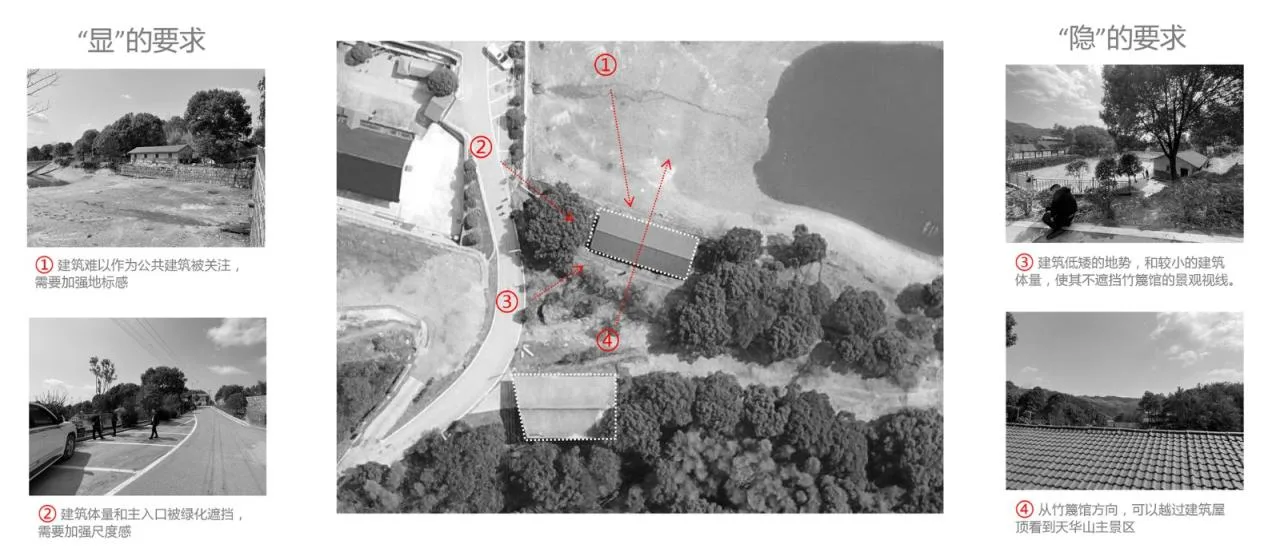
△ Analysis Chart
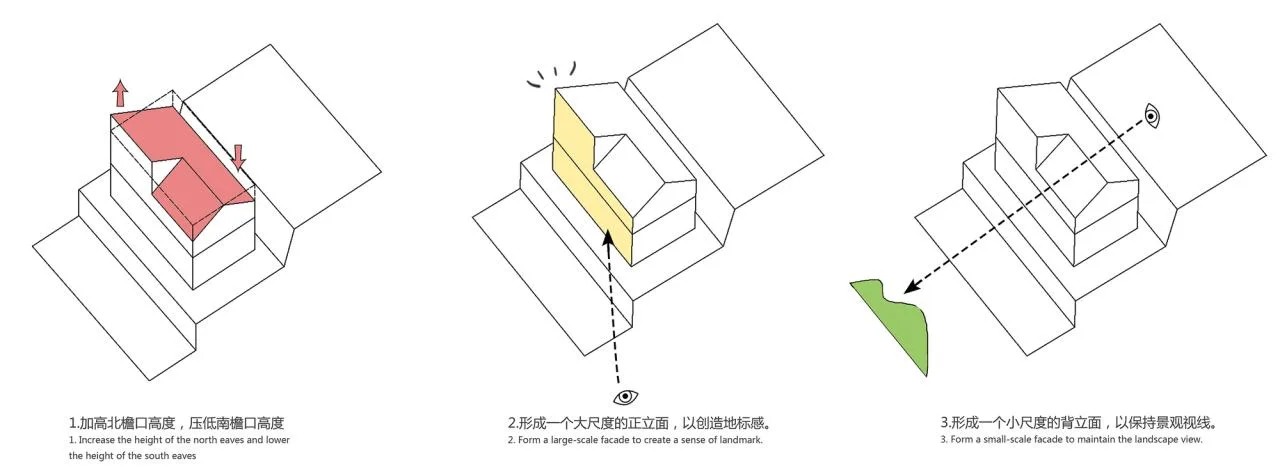
△ Generation Diagram
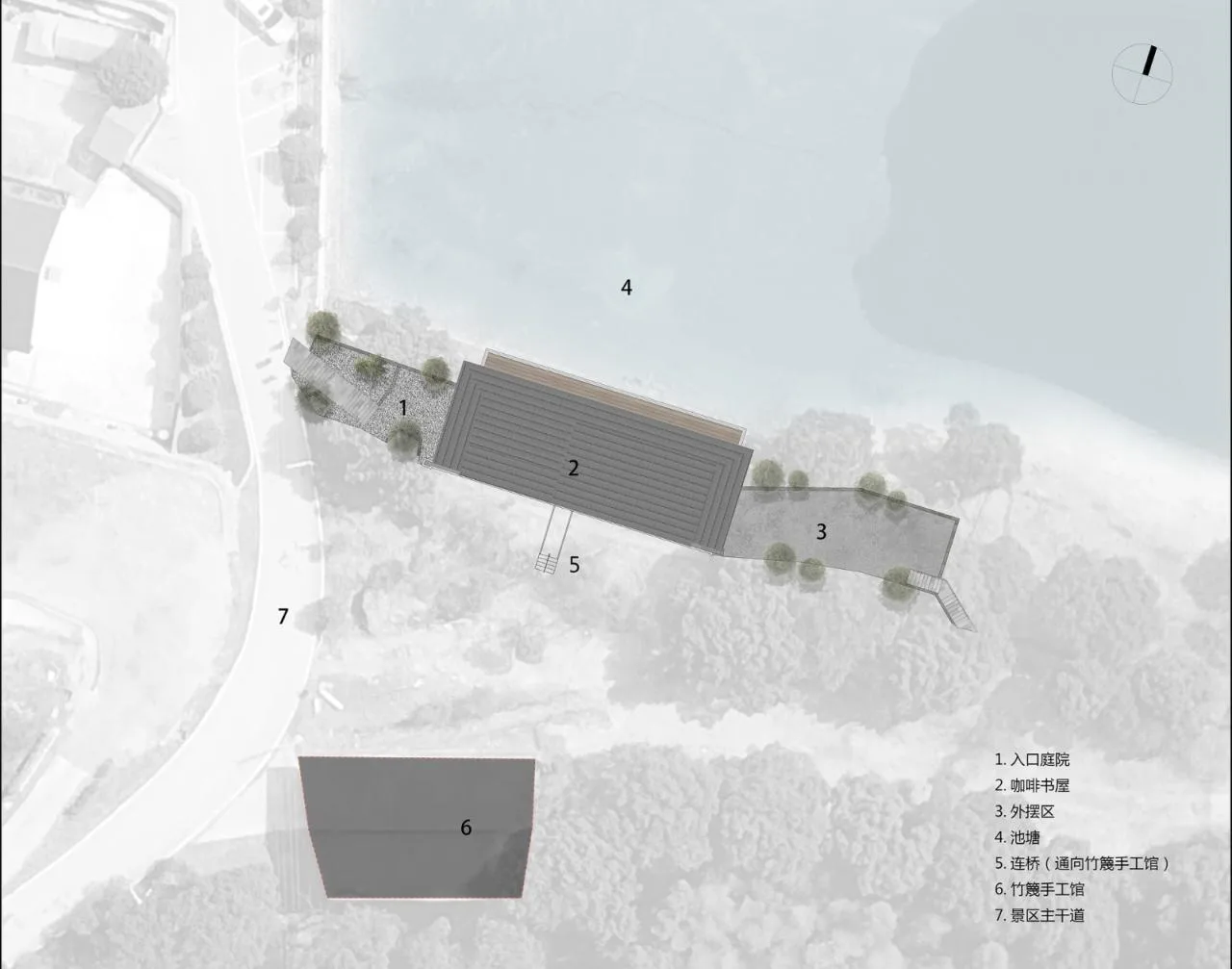
△ General Layout Plan
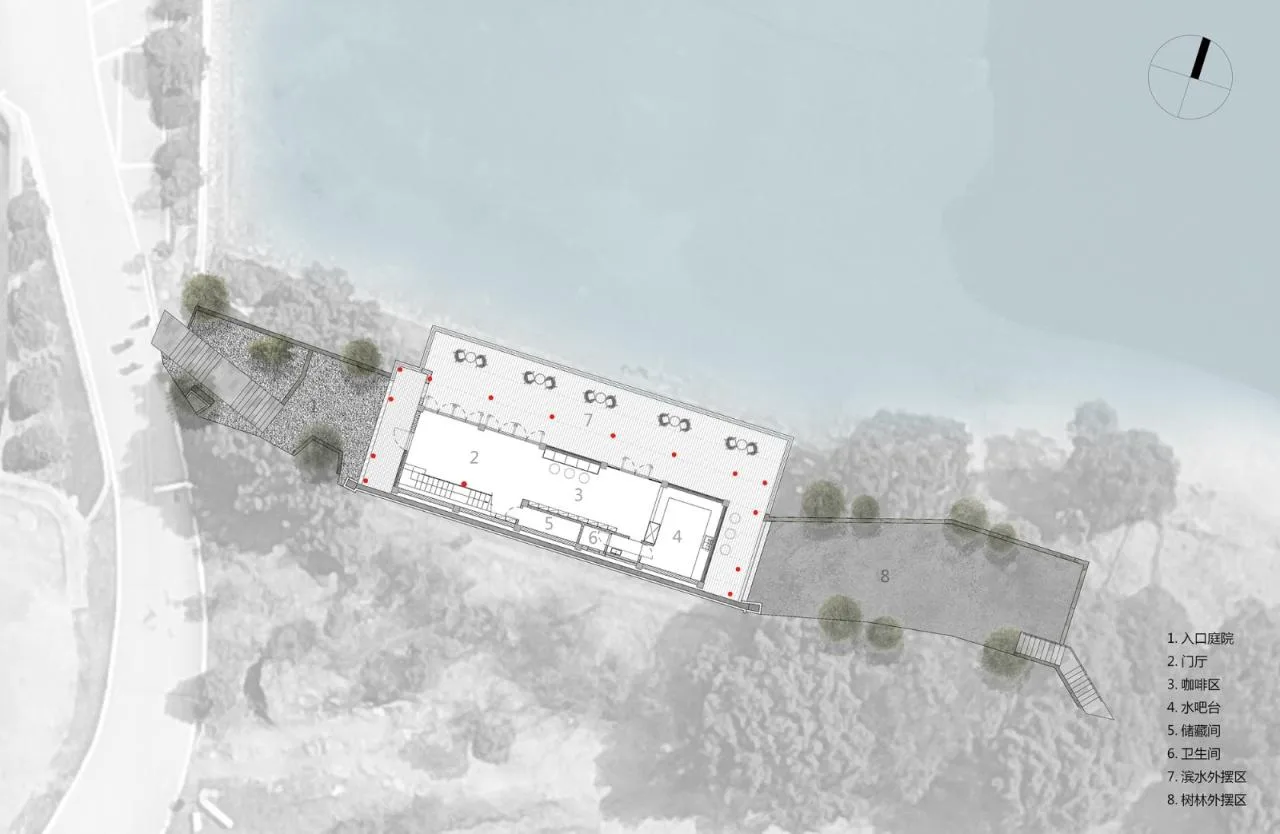
△ Floor Plan
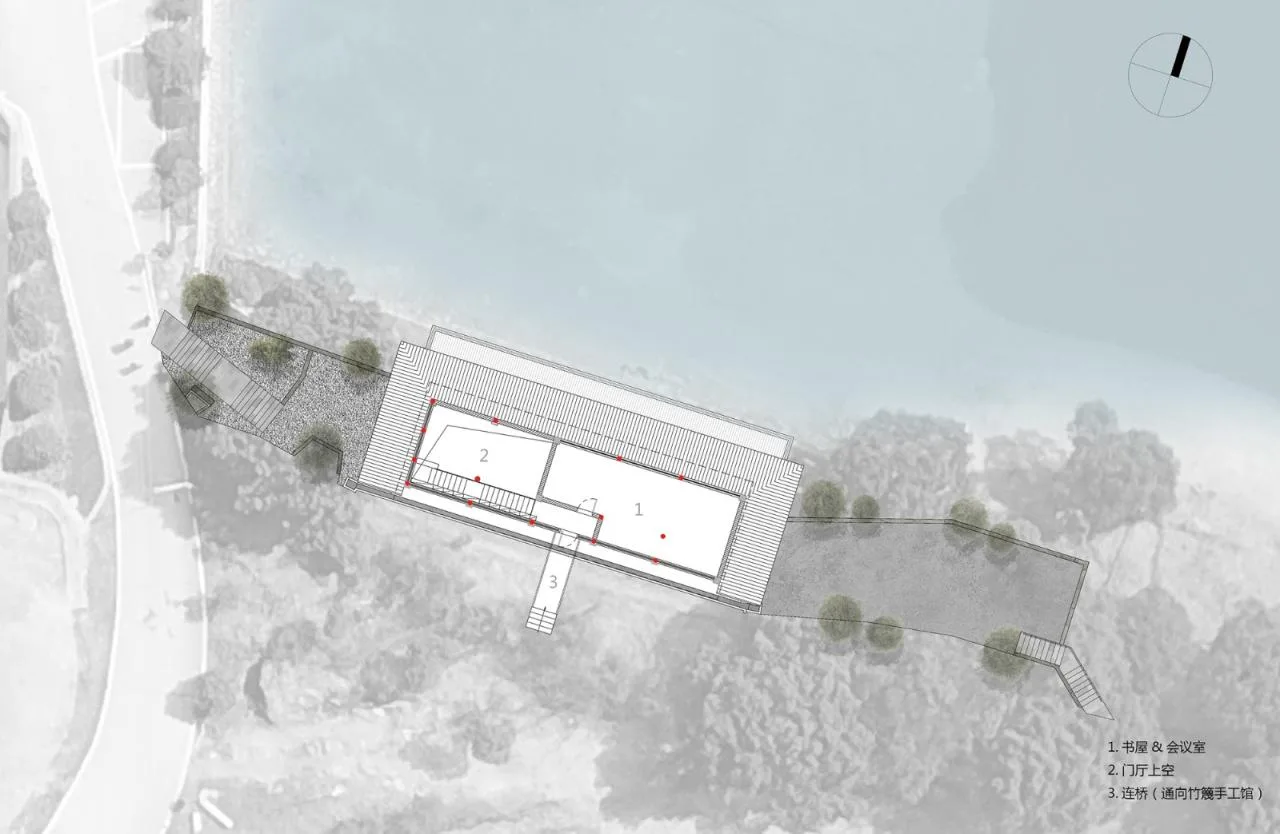
△ Roof Plan
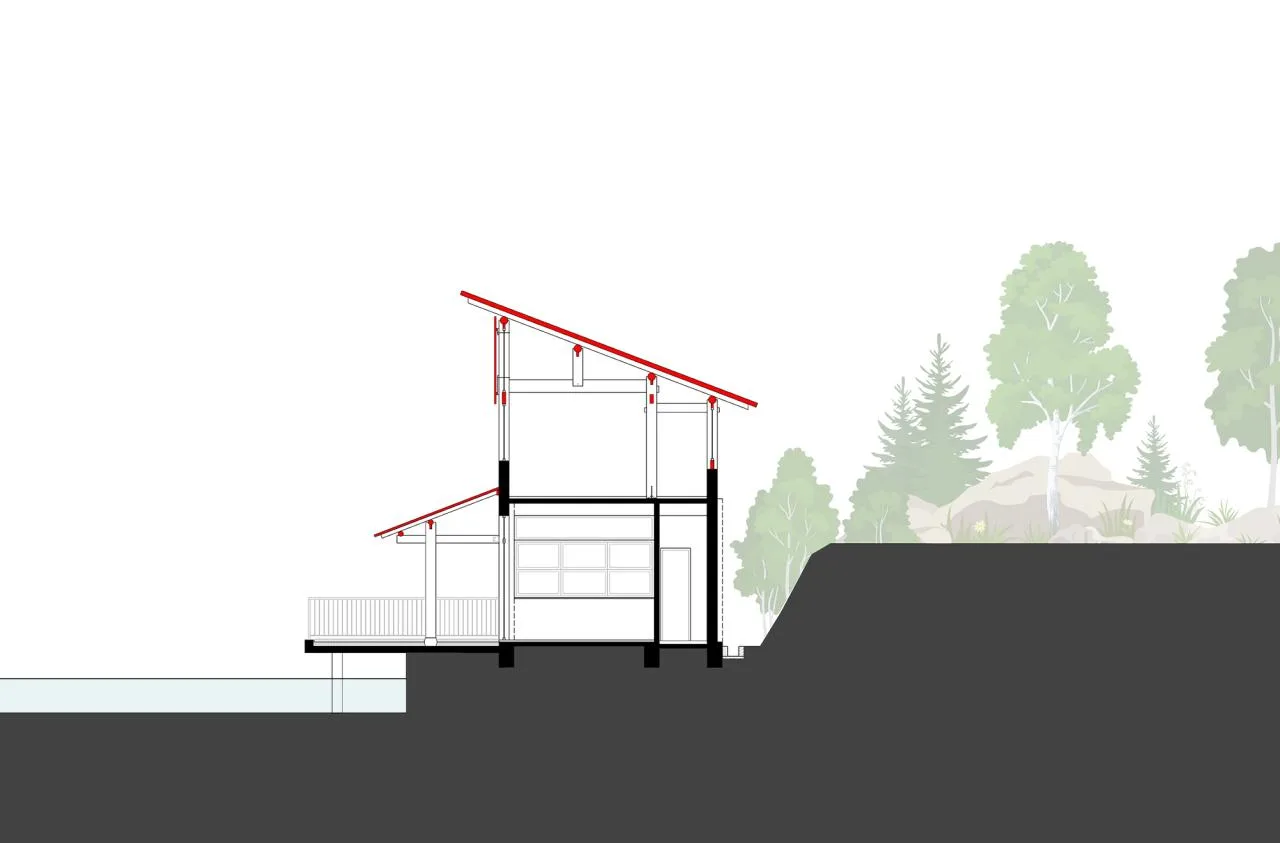
△ Section Diagram
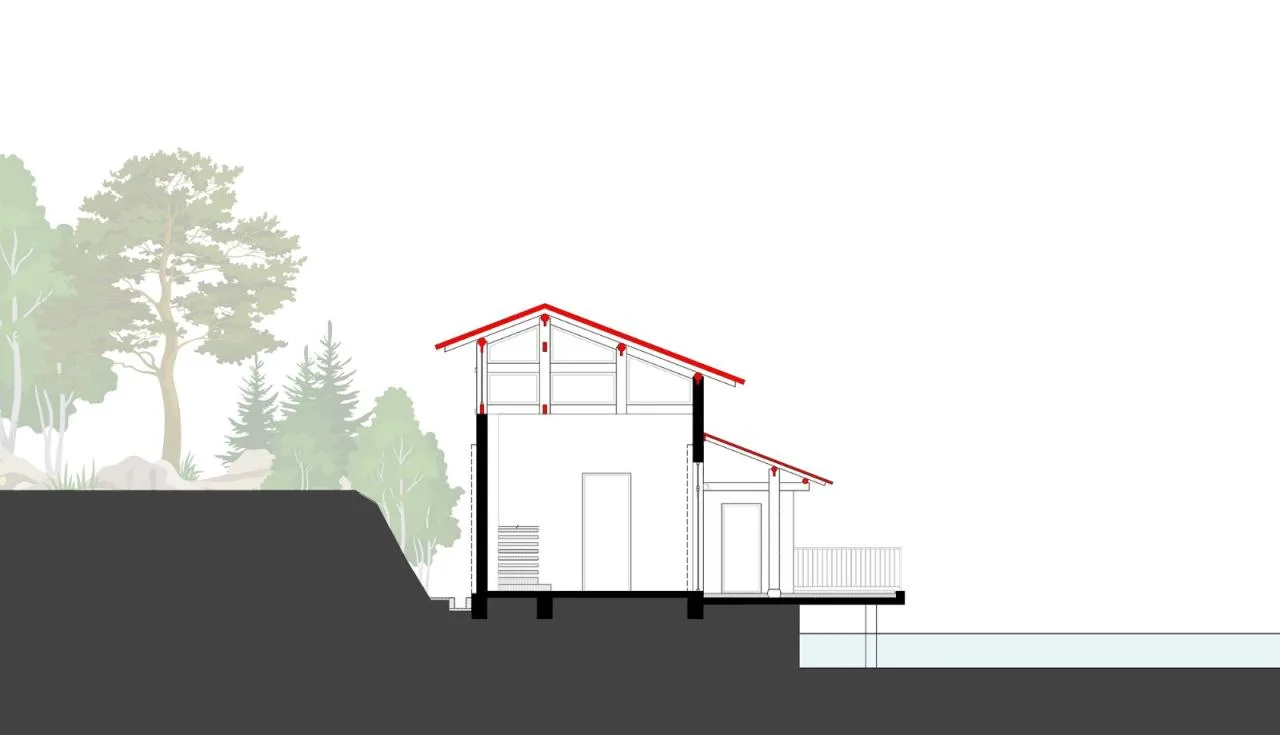
△ Section Diagram
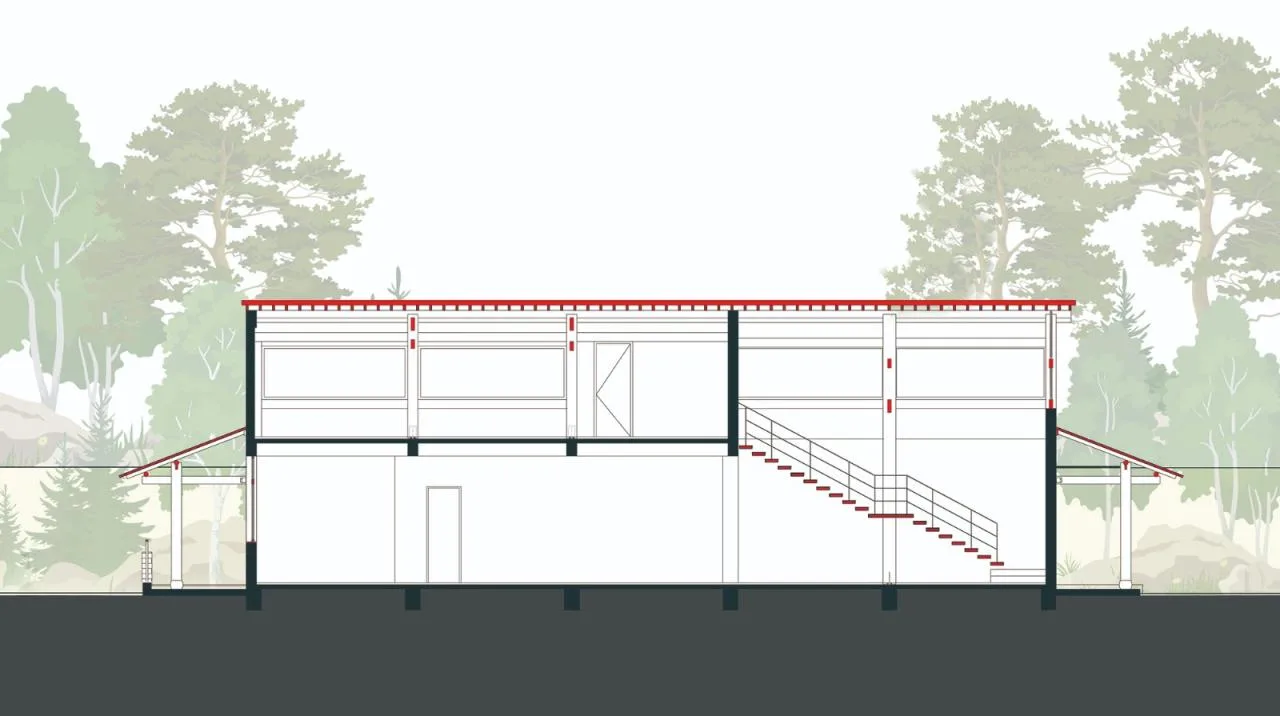
△ Section Diagram
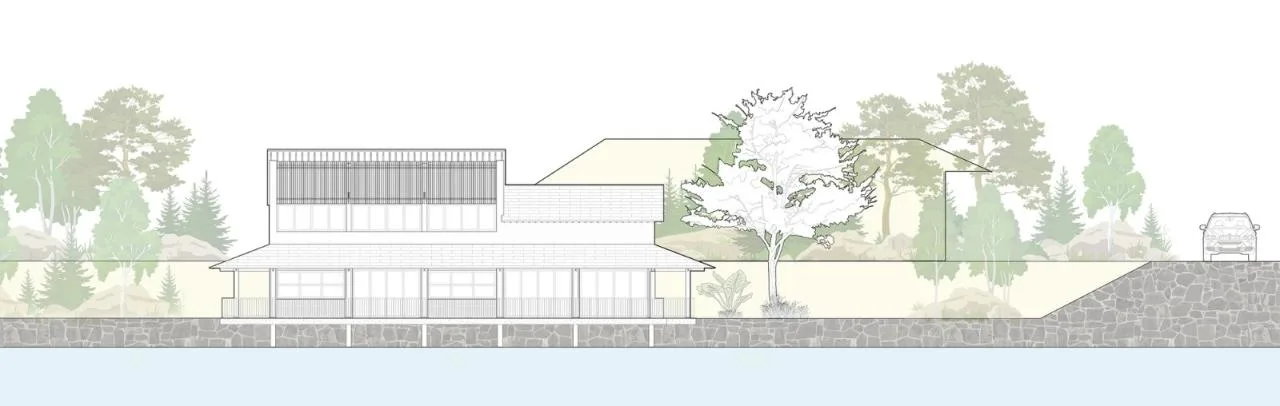
△ Elevation Drawing
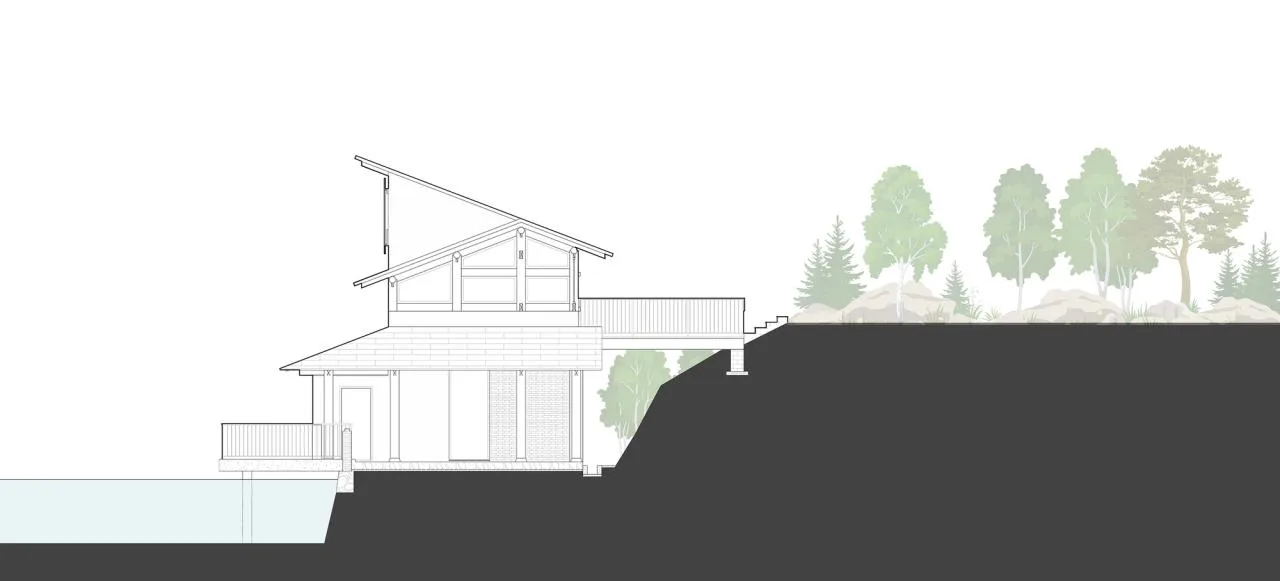
△ Elevation Drawing
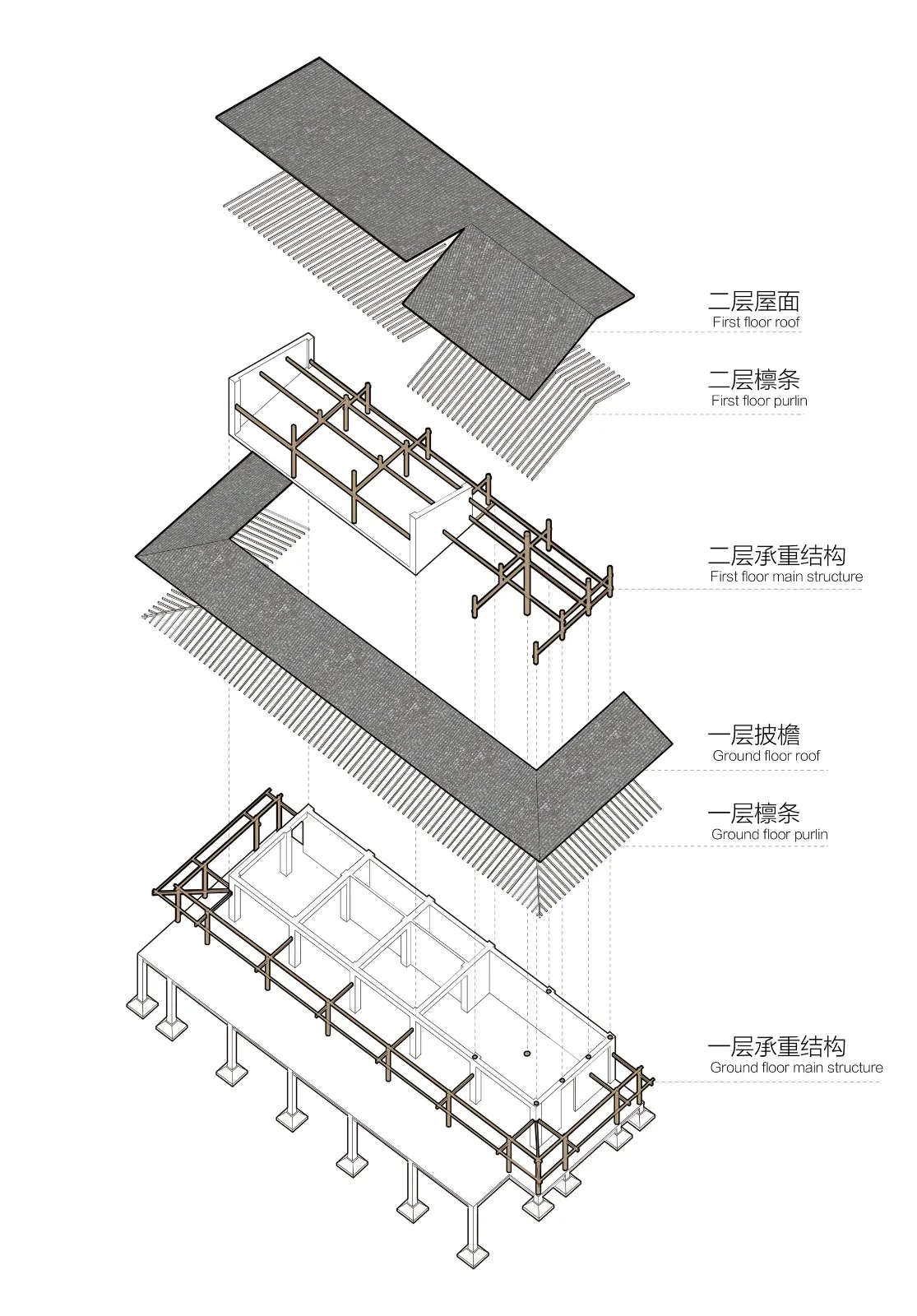
△ Structural Schematic Diagram
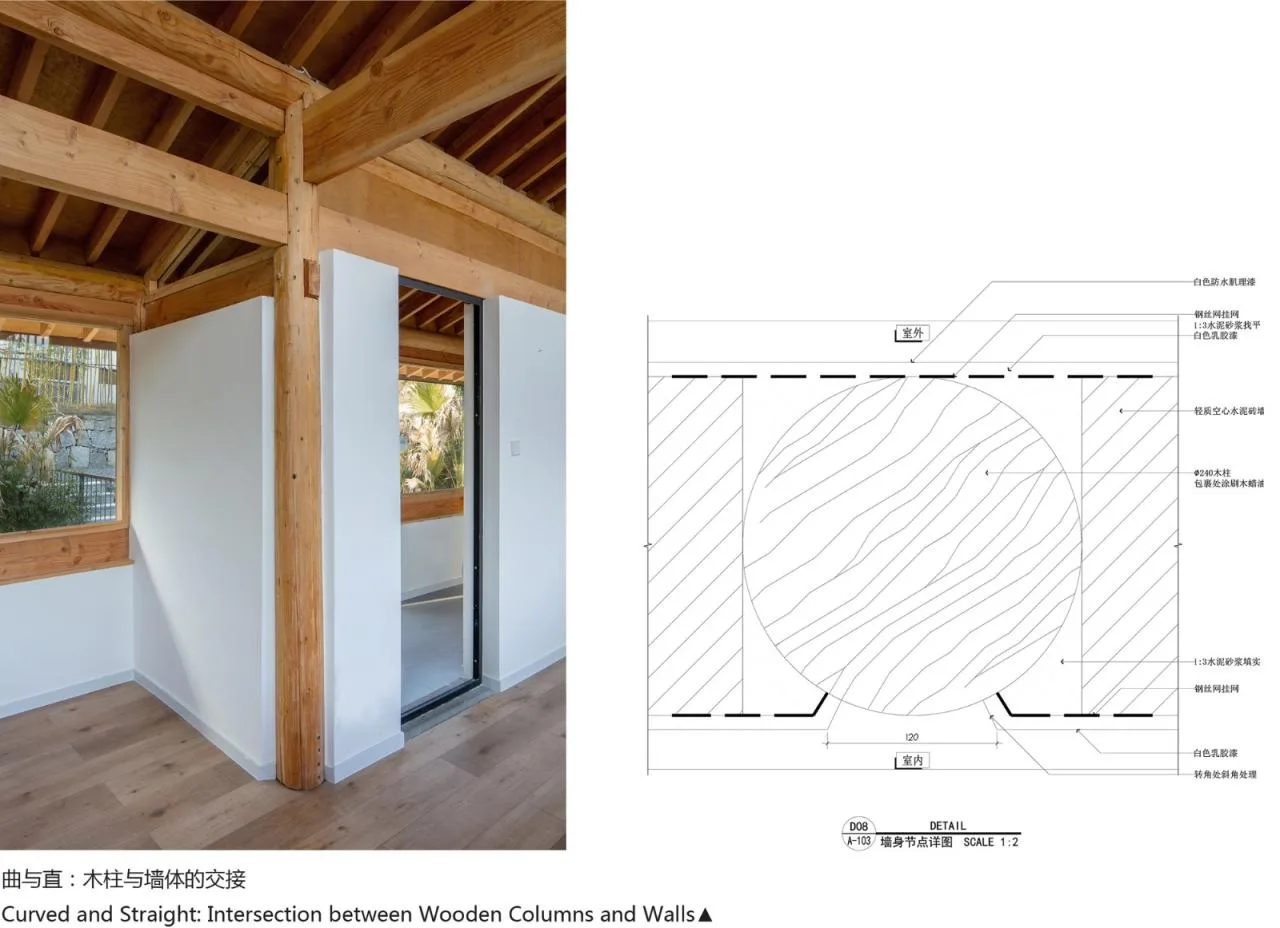
△ Detailed Structural Drawing
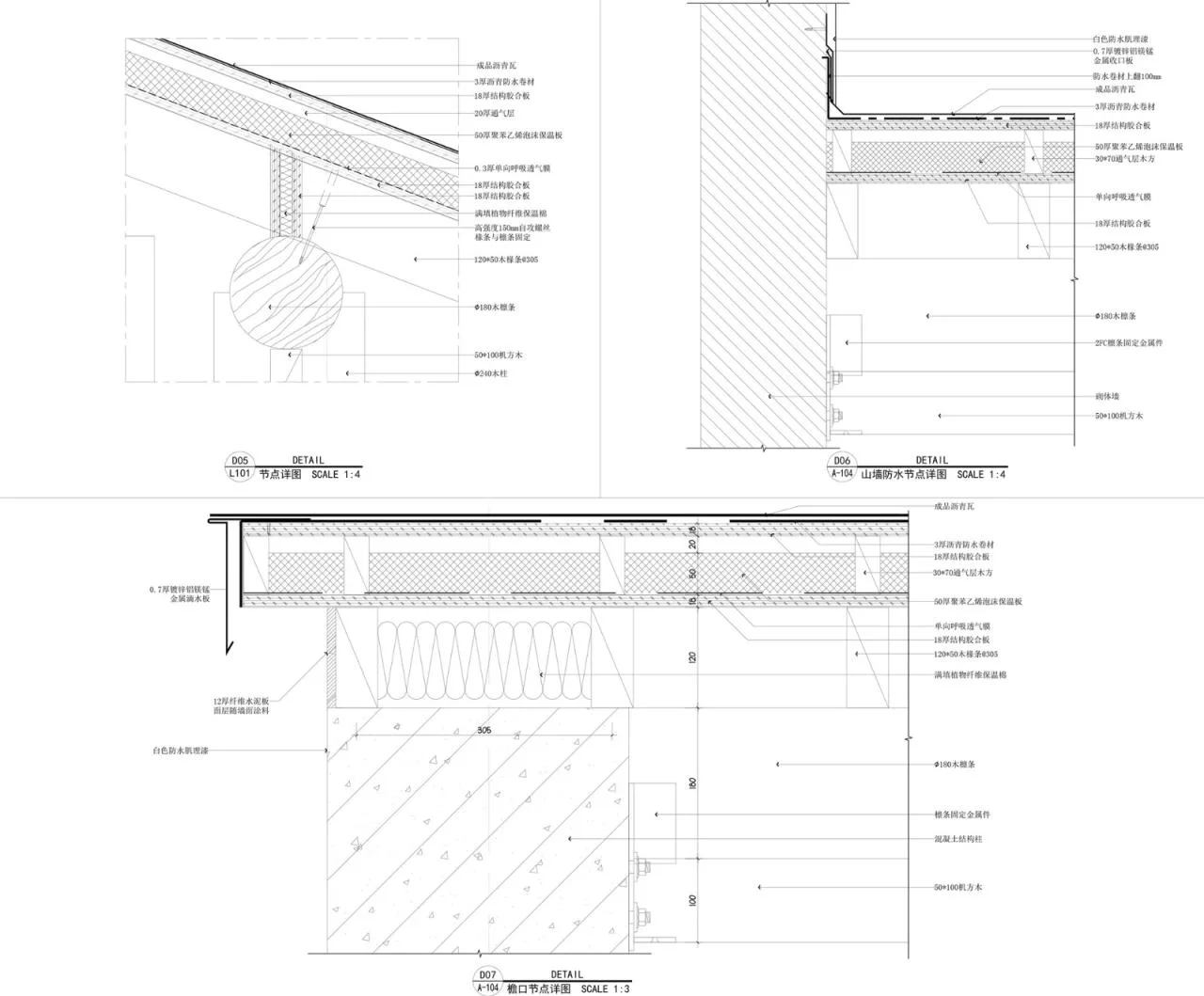
△ Detailed Structural Drawing
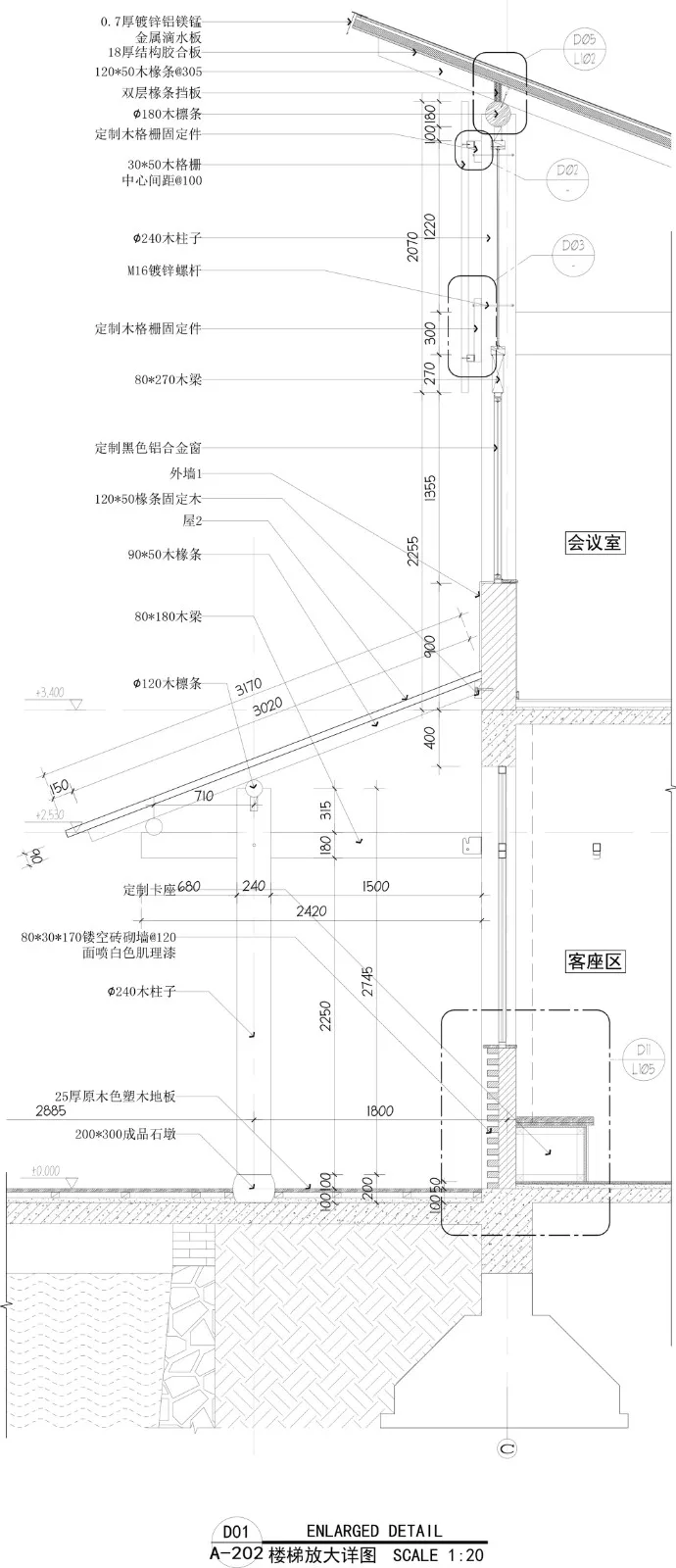
△ Detailed Structural Drawing
Project Information
Architect: Zhixing Architectural Firm
Area: 190 m²
Project Year: 2023
Photographer: Shanxi Architecture Photography
Manufacturers: YiGou Technology, Hunan Rice Field Green Building, Reggie Doors and Windows
Lead Designers: Zhou Ziqiao, Chen Kai
Design Team: Chen Jiangrui, Wu Qinshu, Yang Bin
Principal: Qingshanpu Town People’s Government, Xingsha County, Changsha City
Co-designer: Hunan Rice Field Design Engineering Co., Ltd
Location: Changsha















Must log in before commenting!
Sign Up