
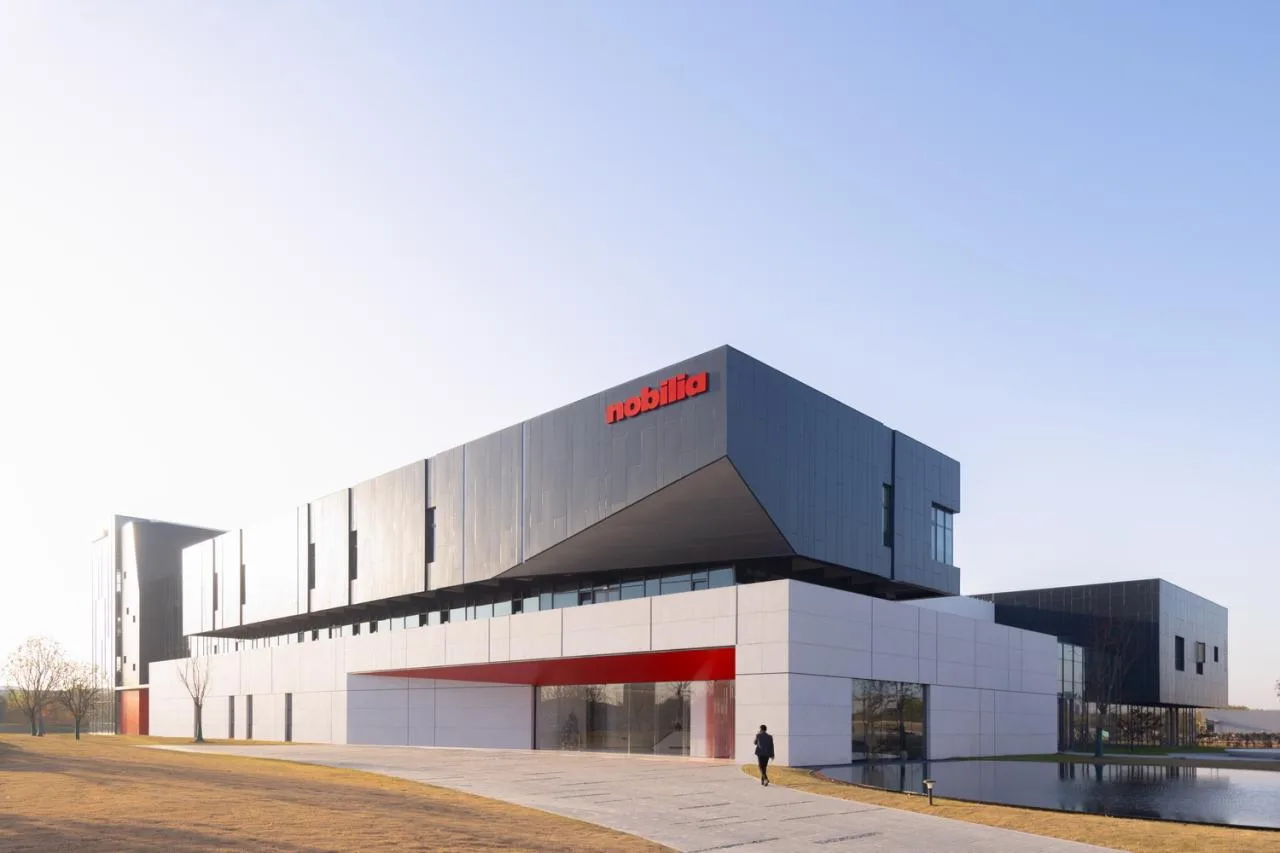
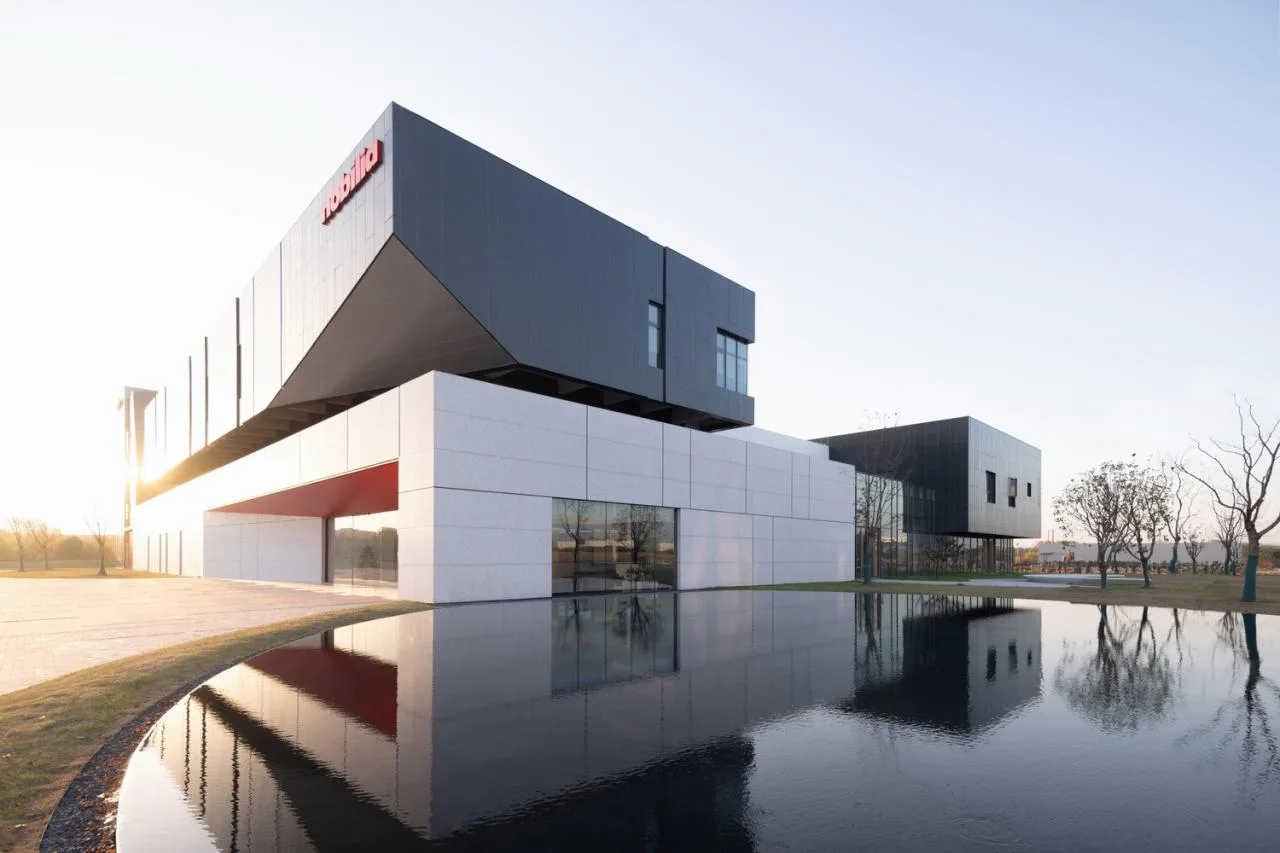
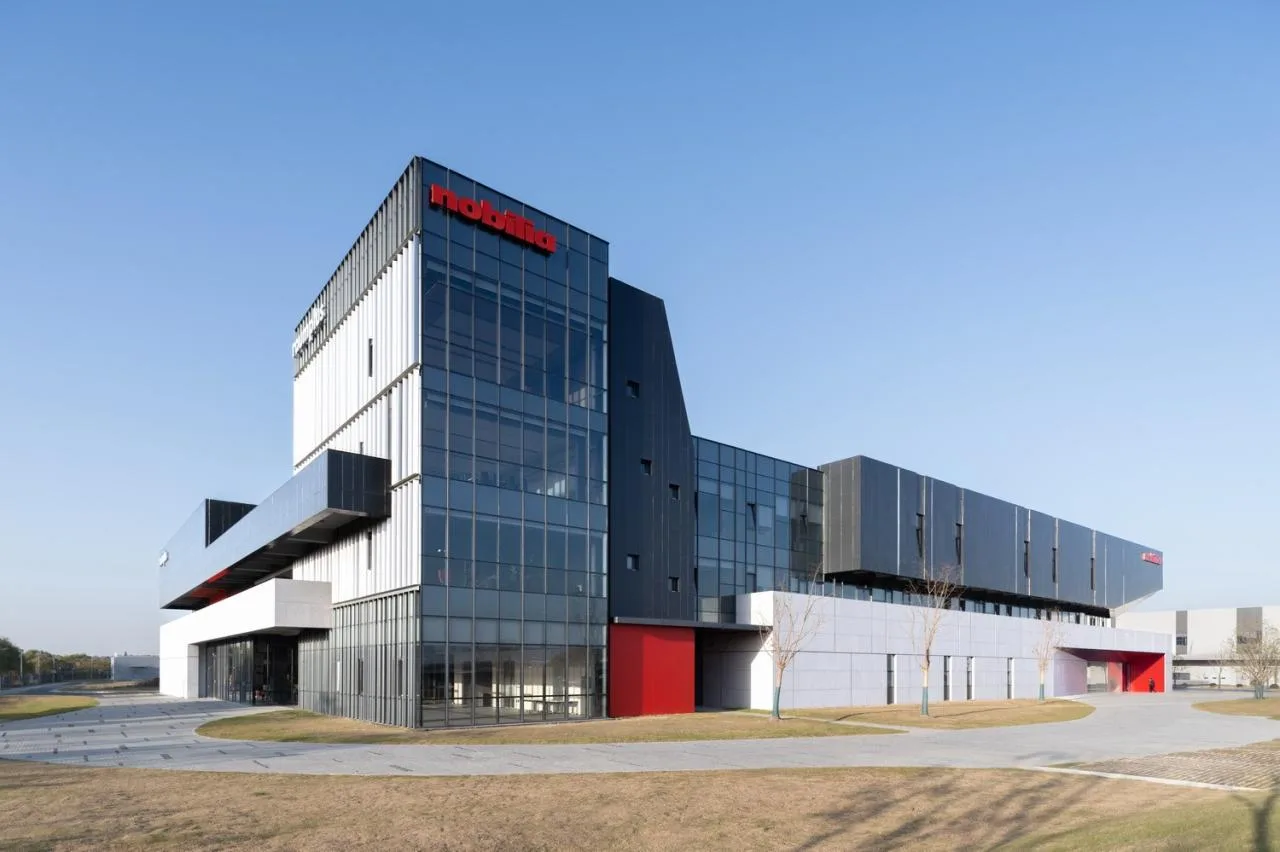
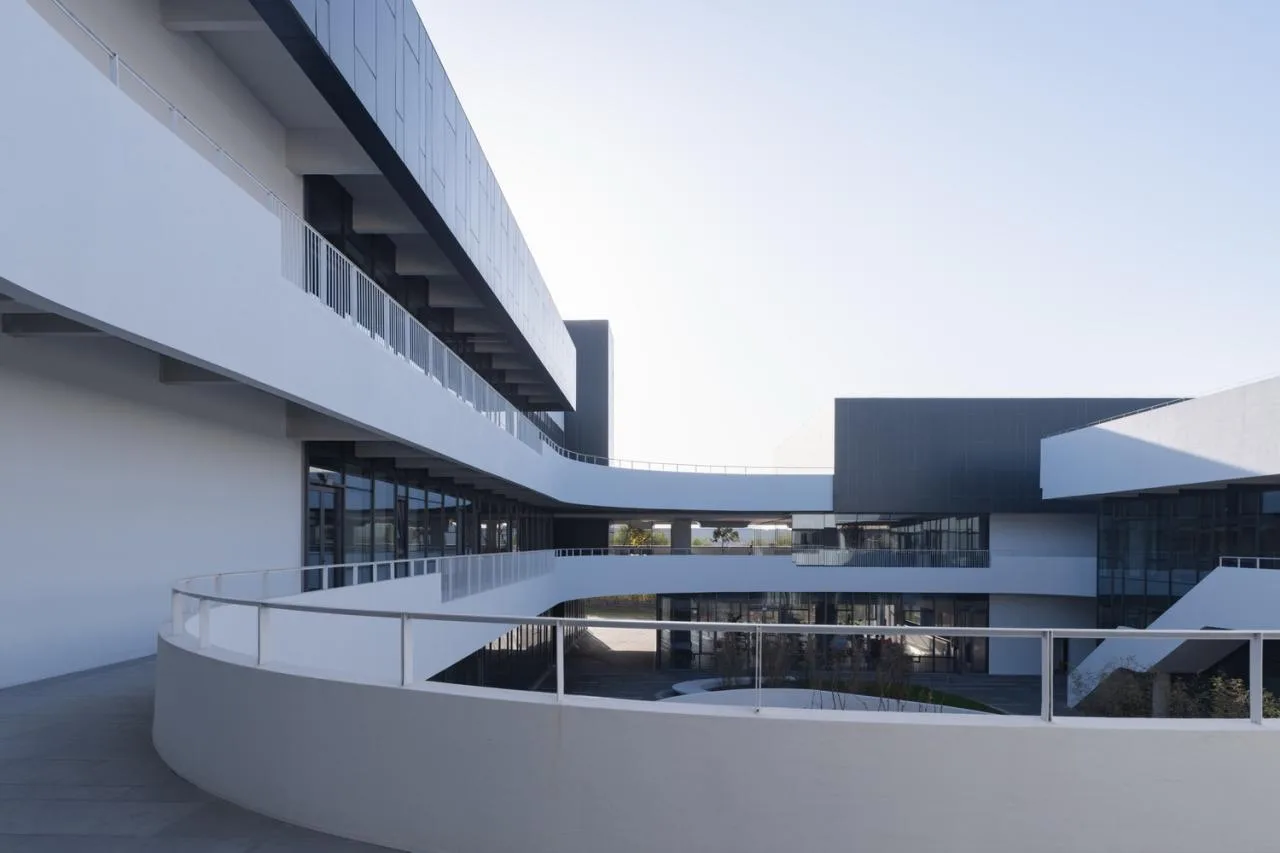
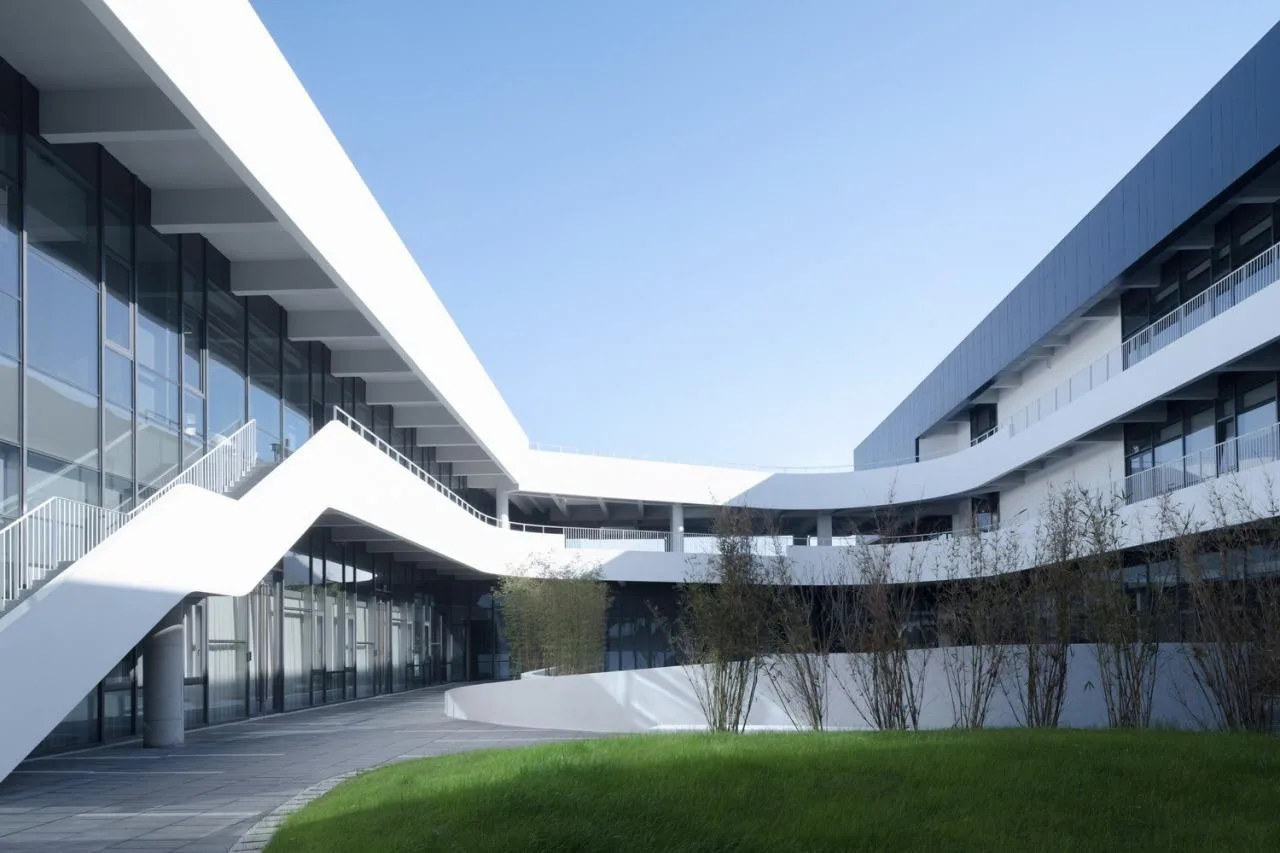
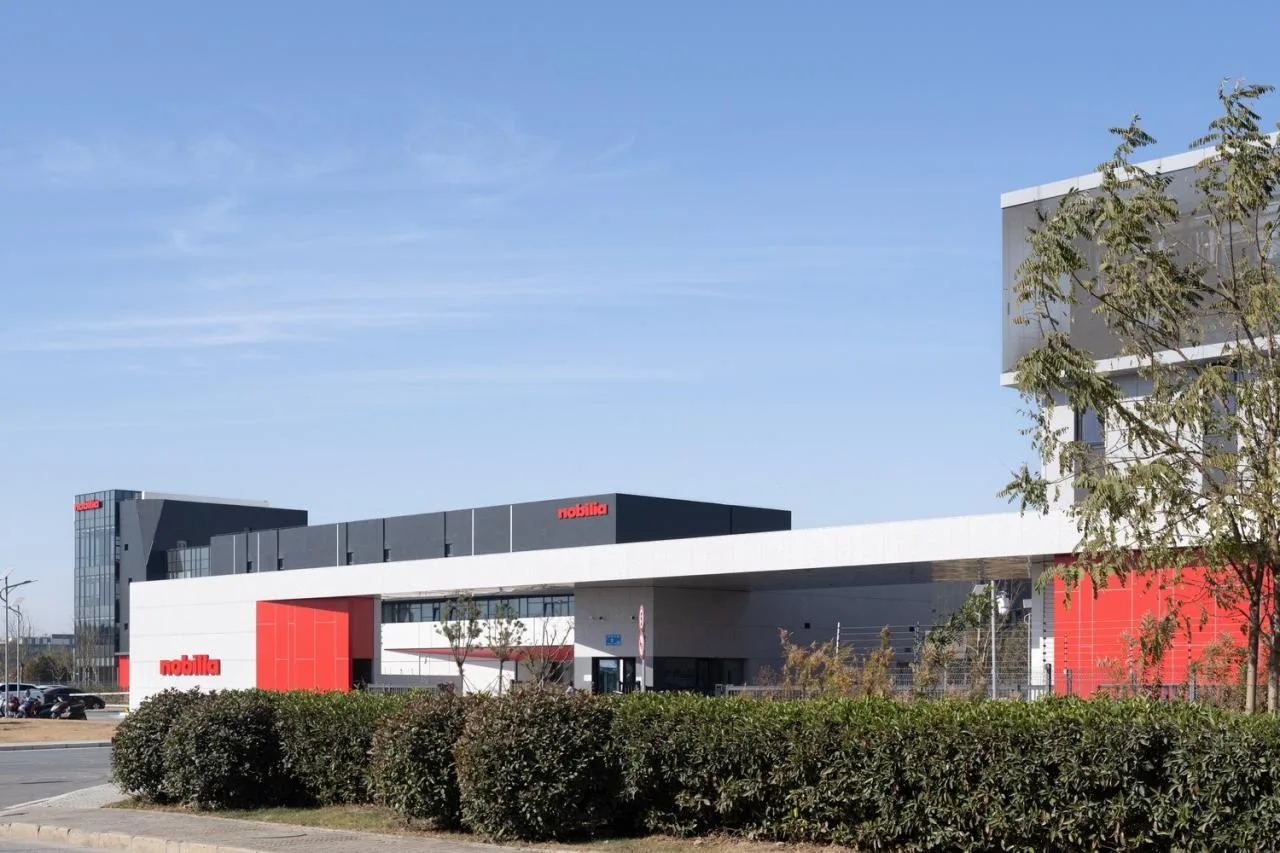
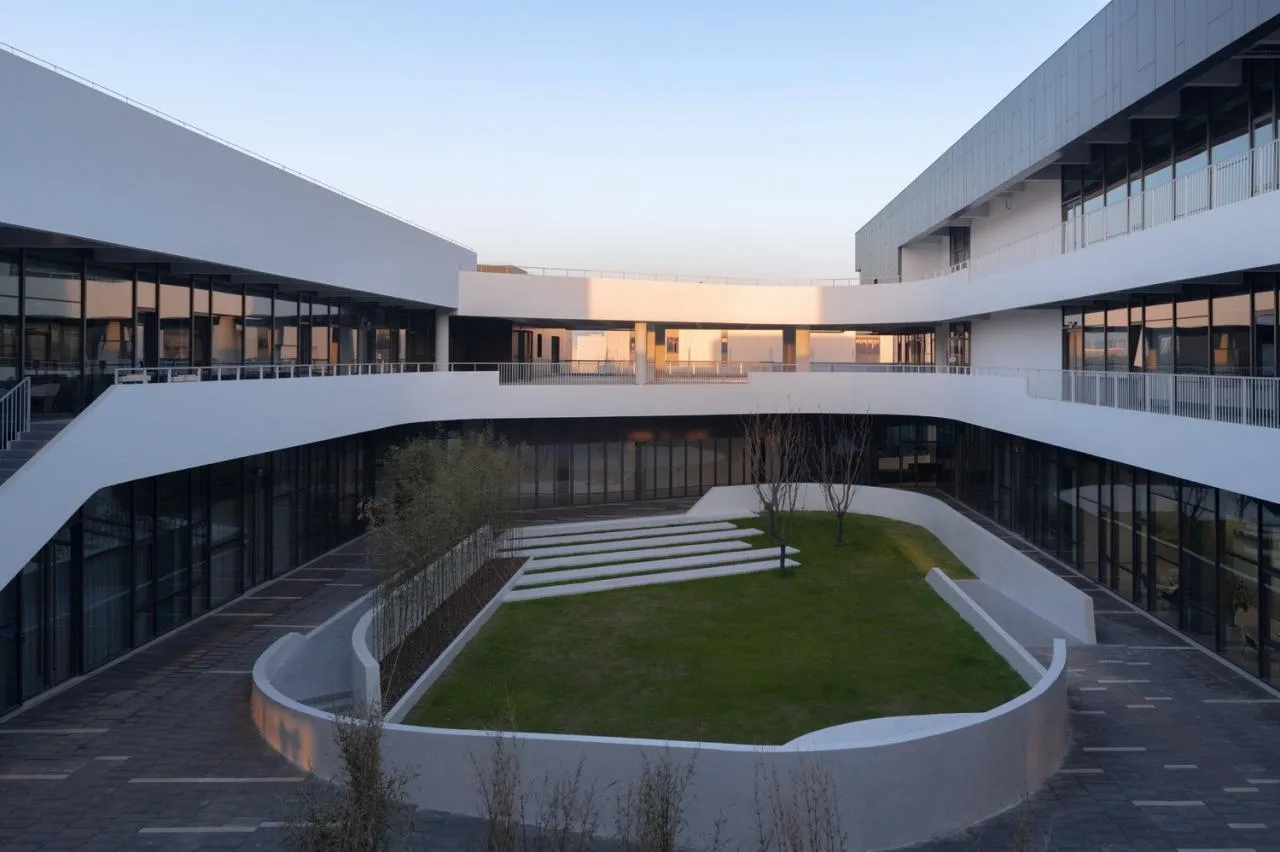
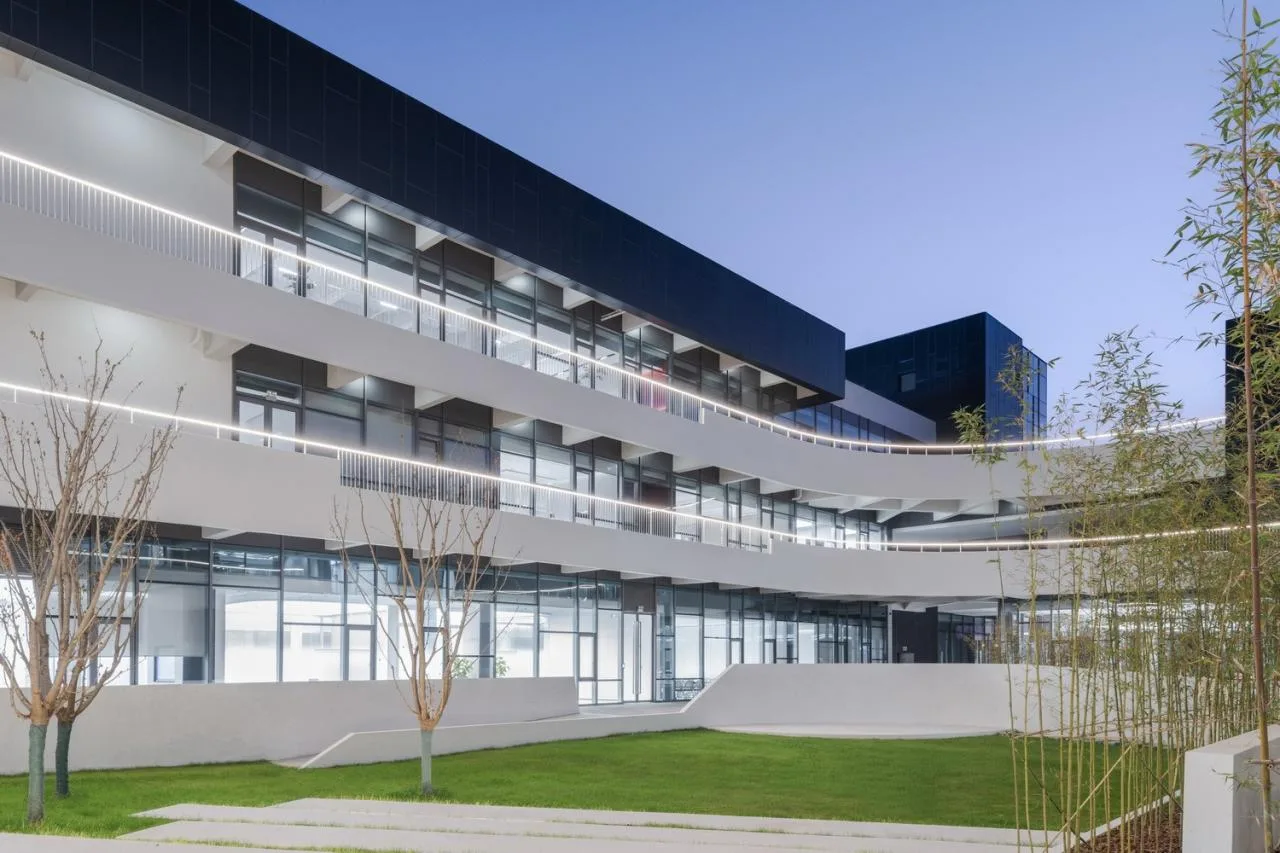
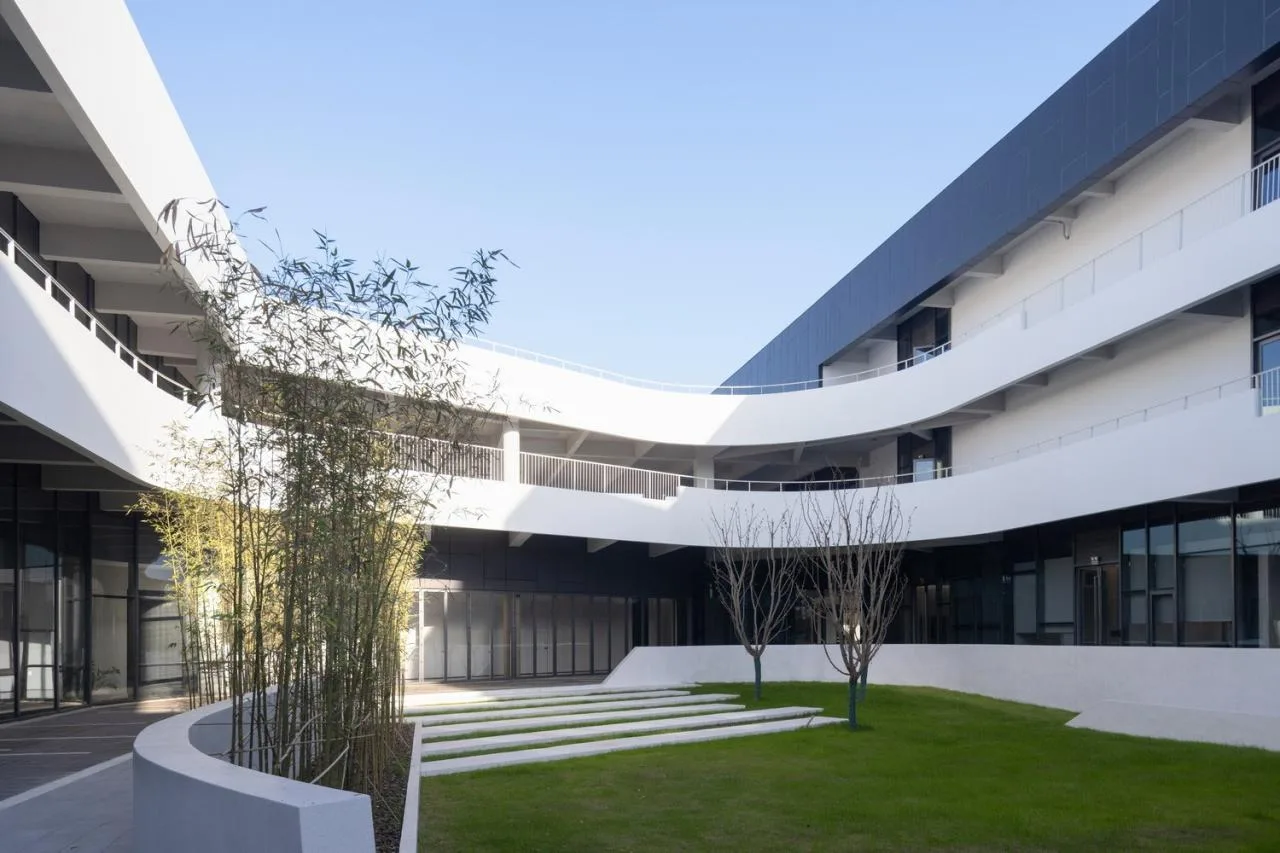
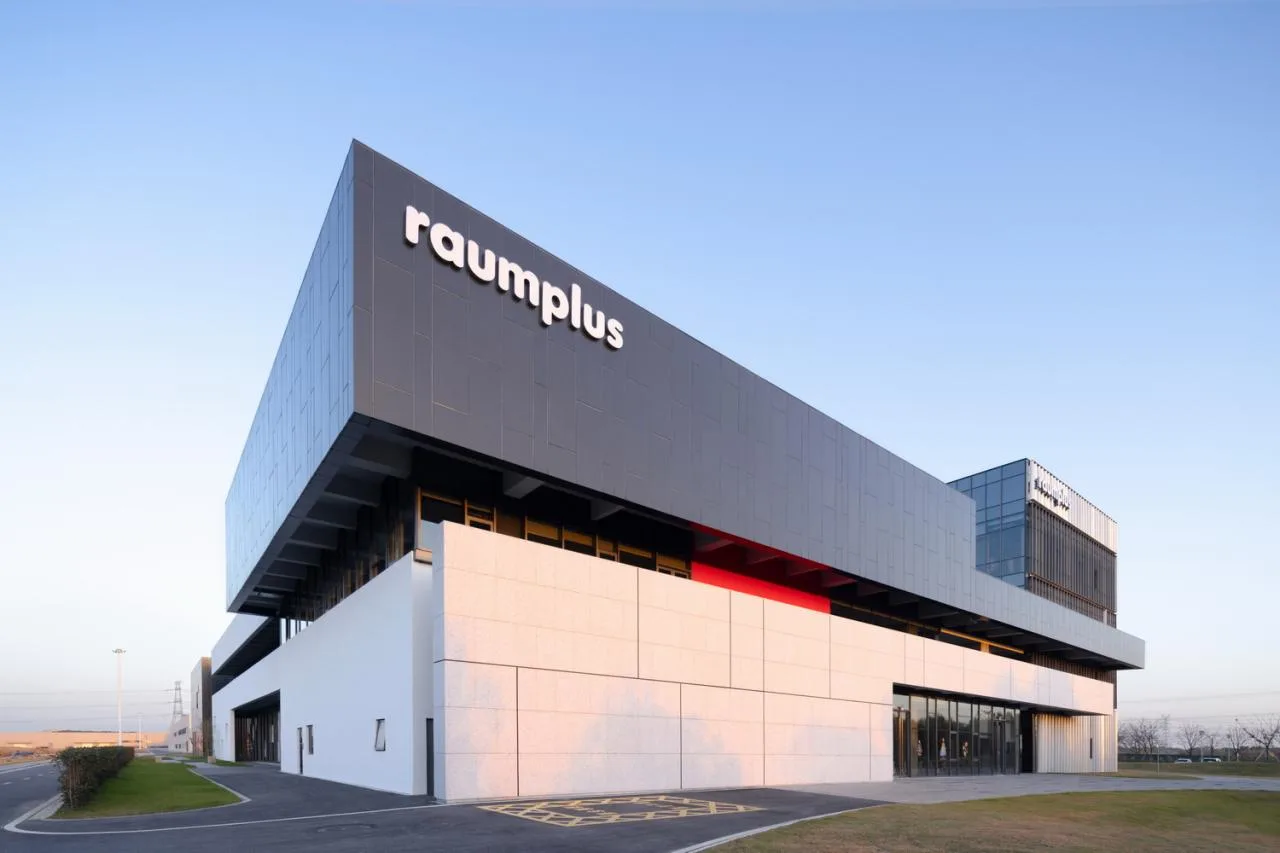
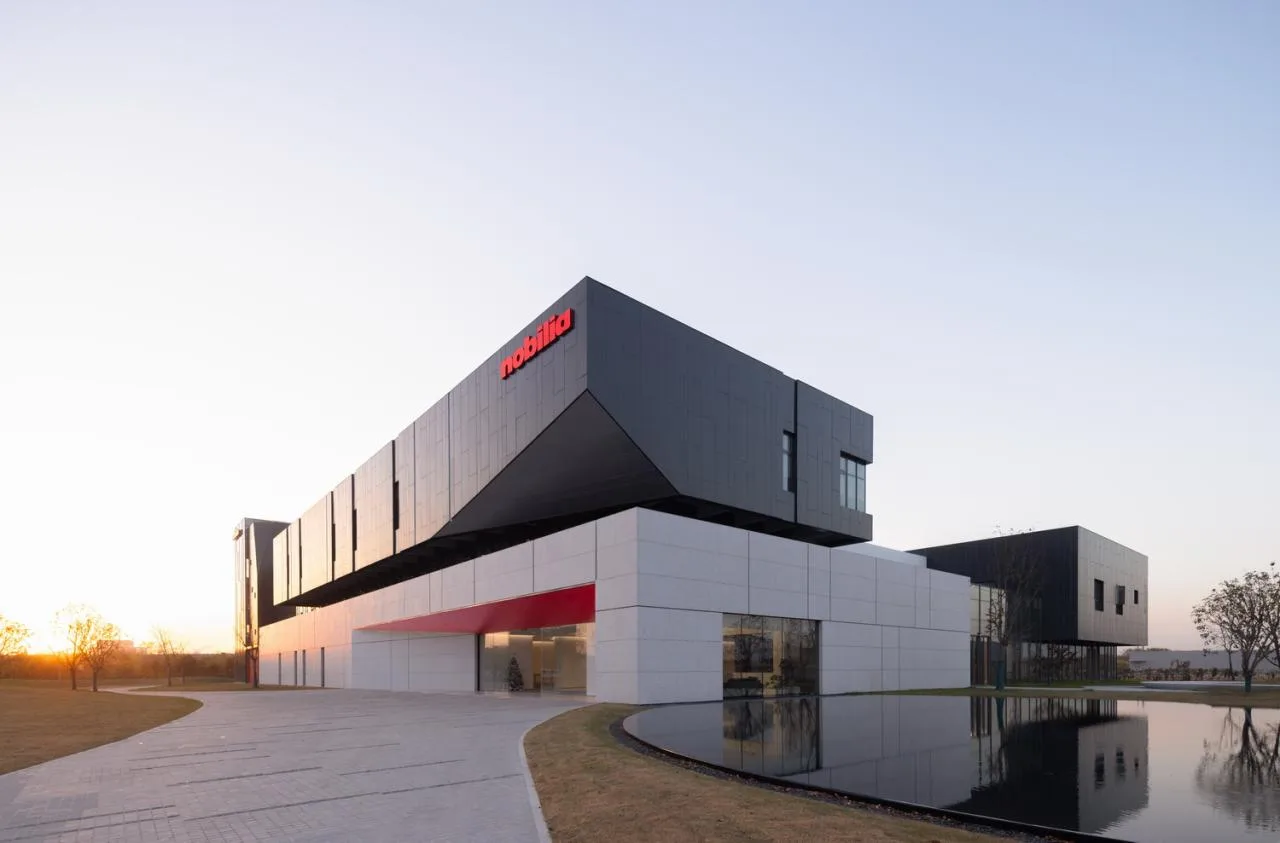
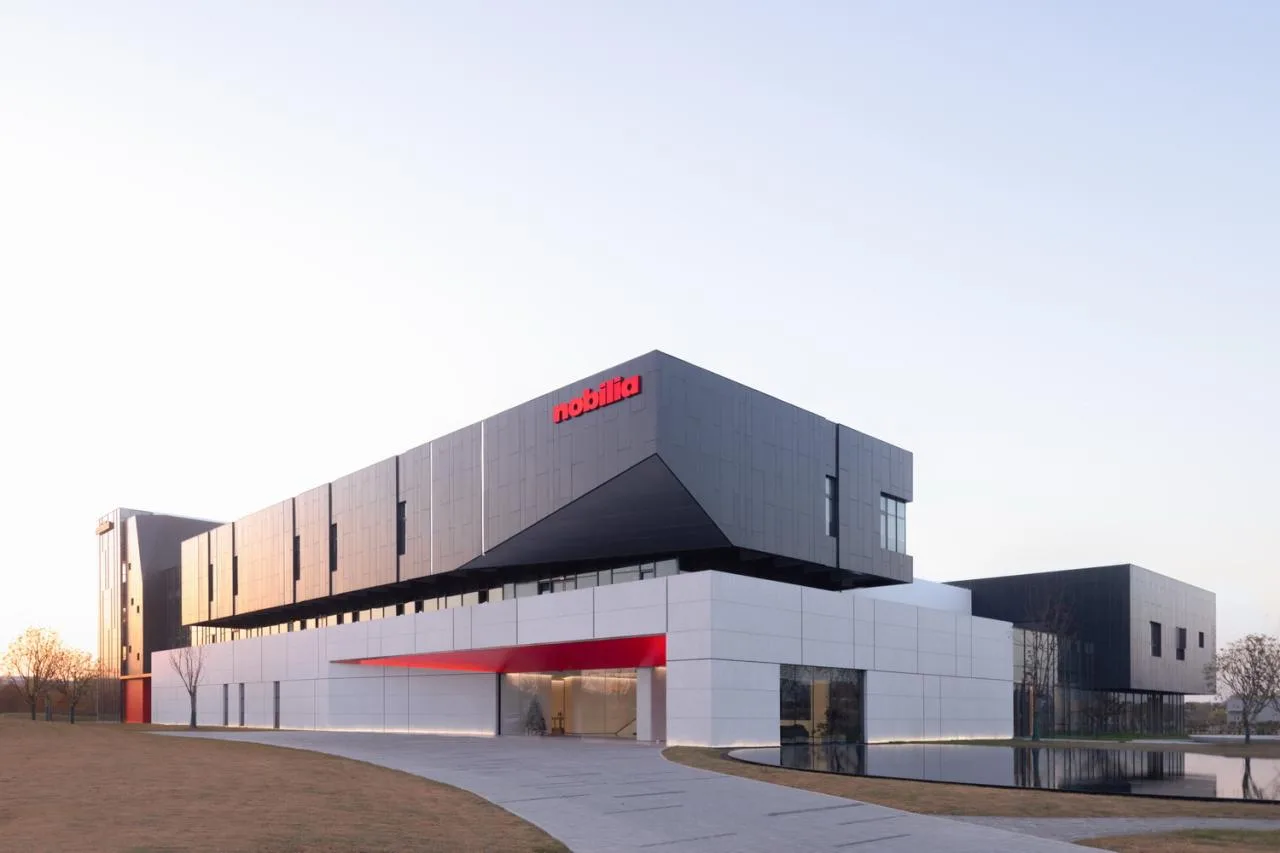
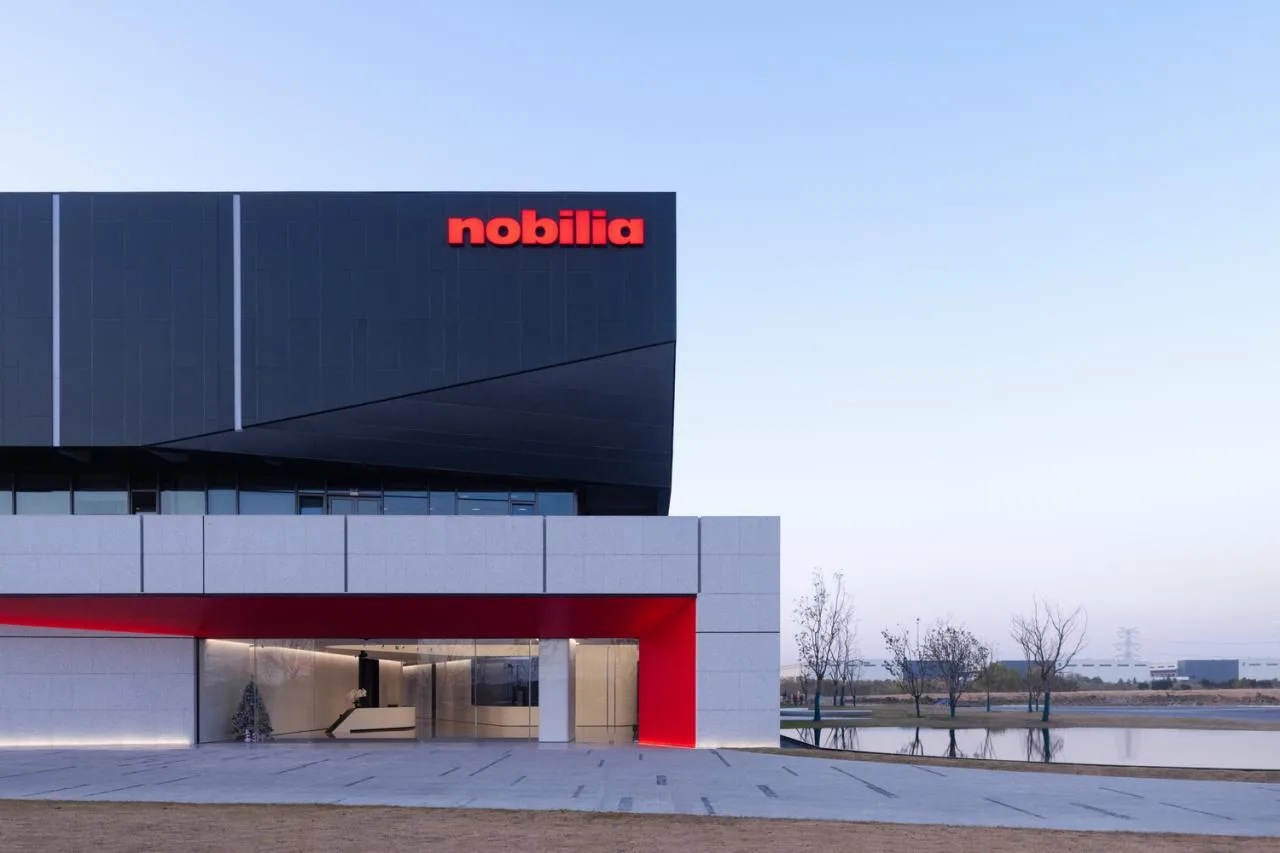
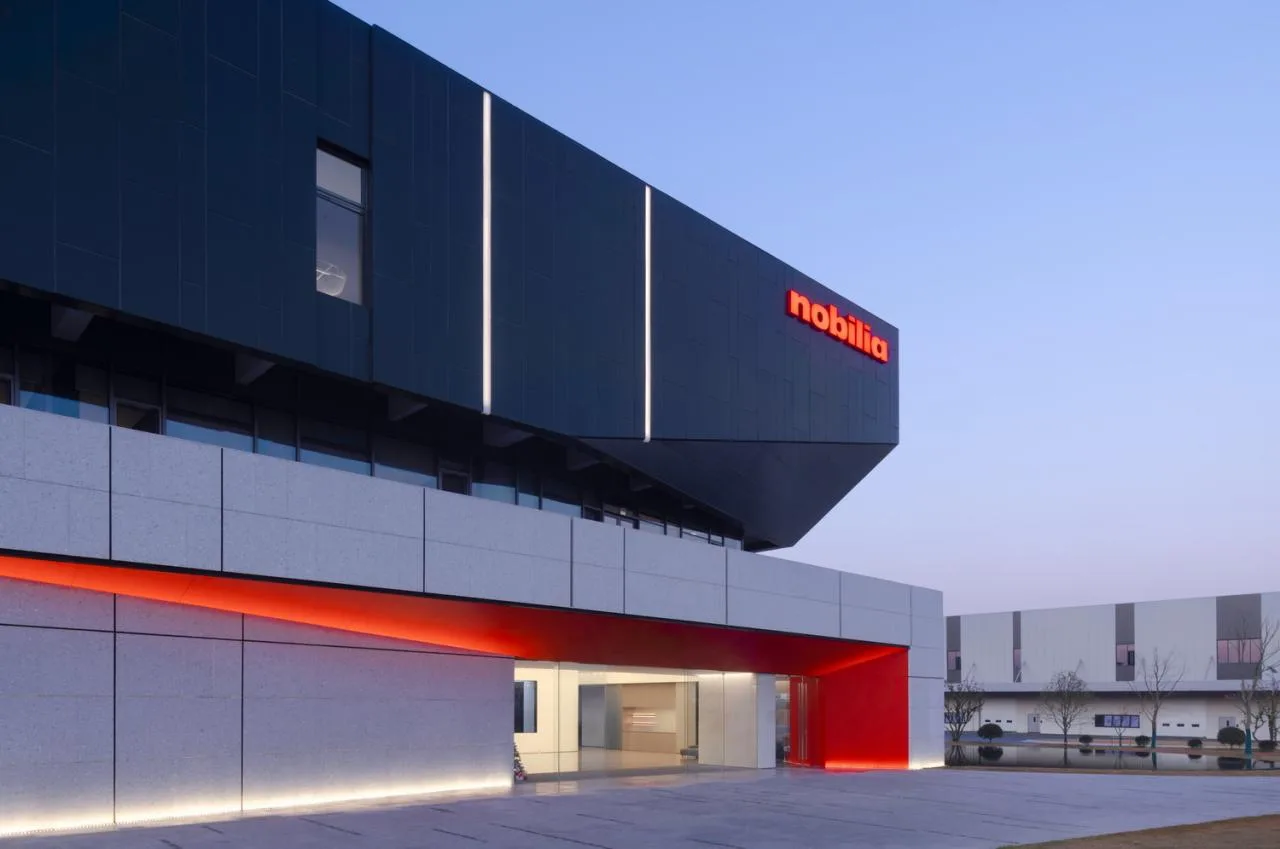
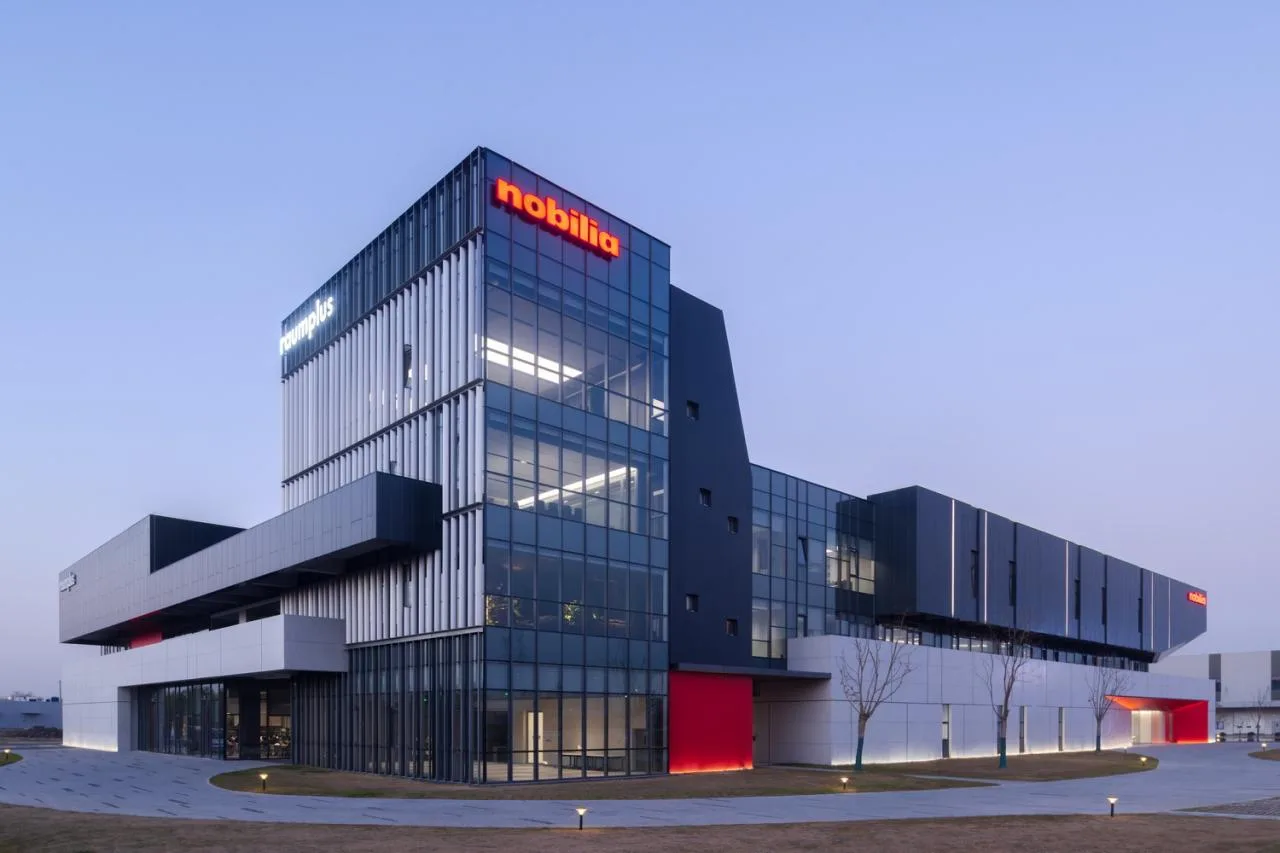
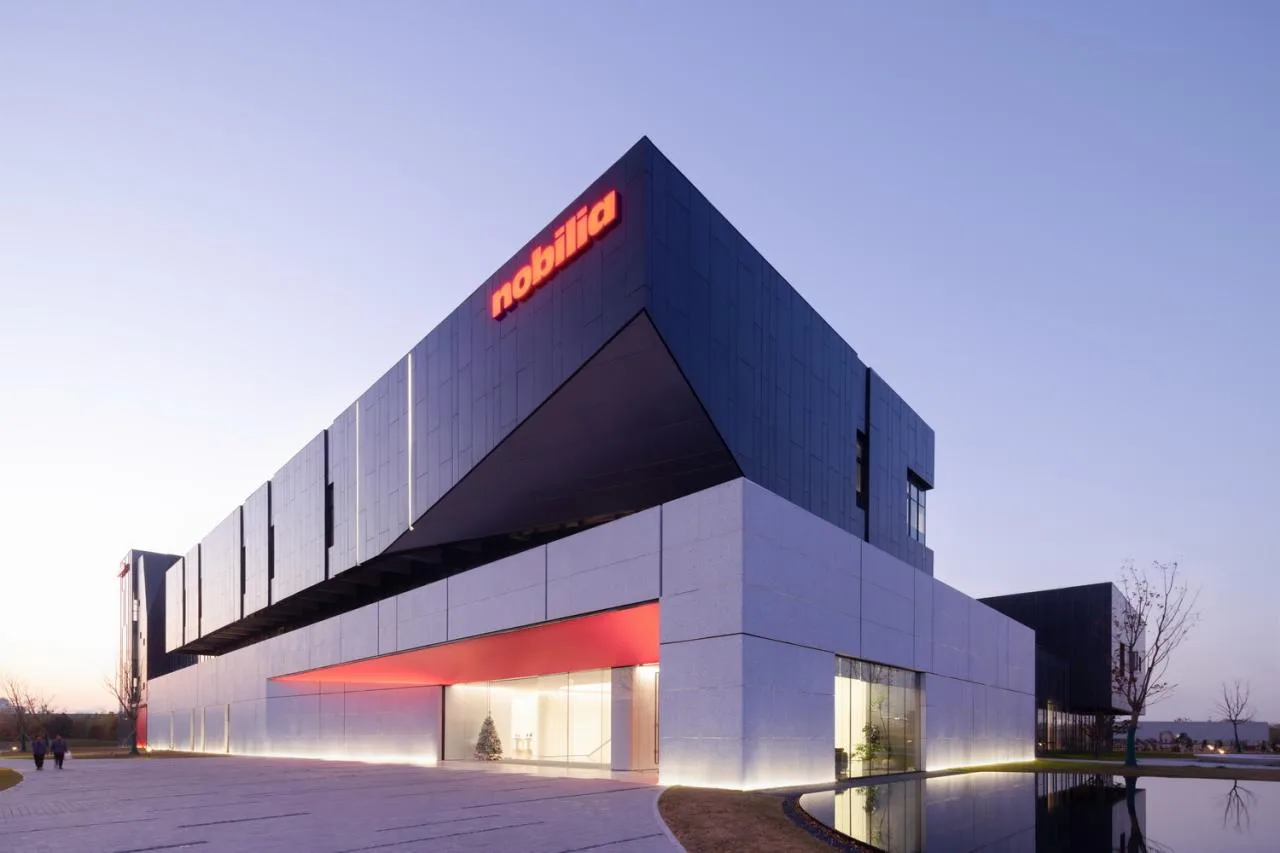
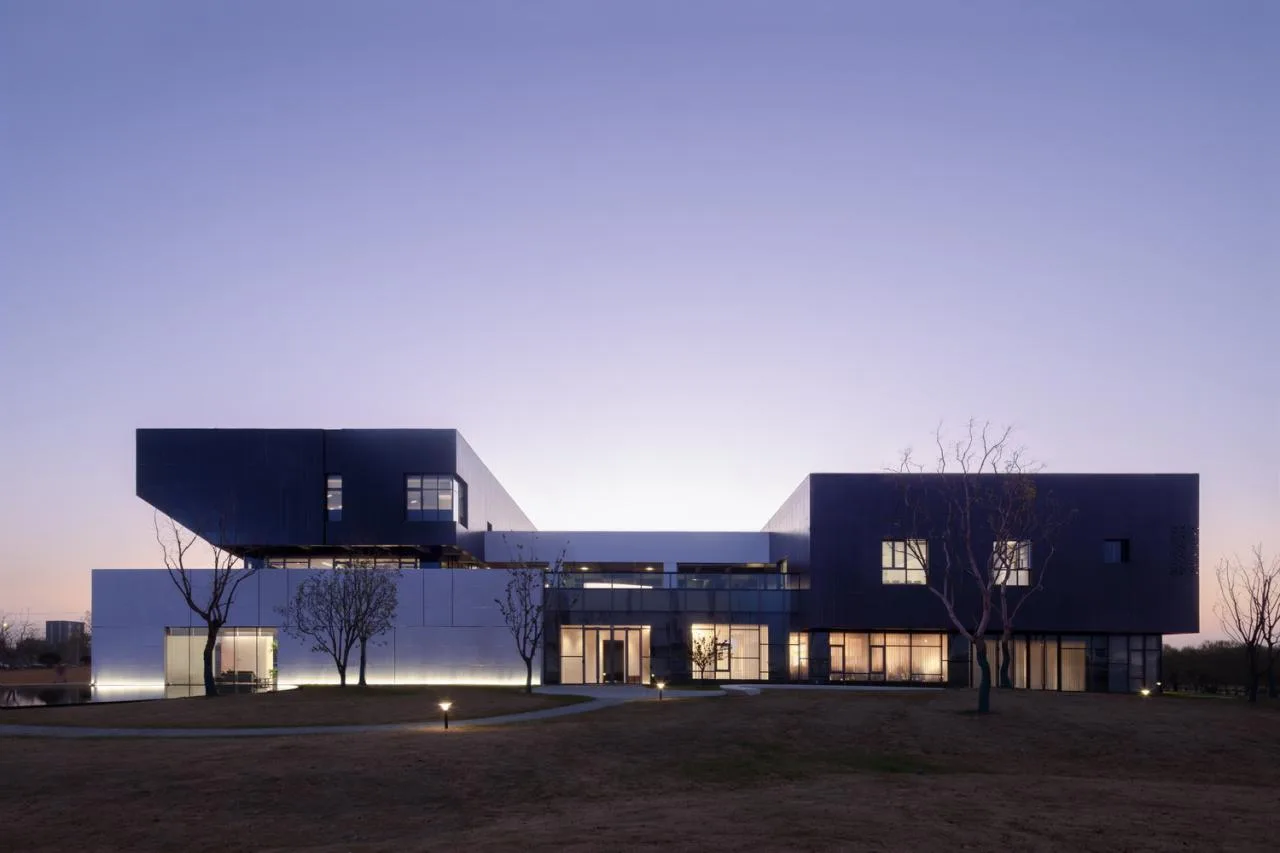
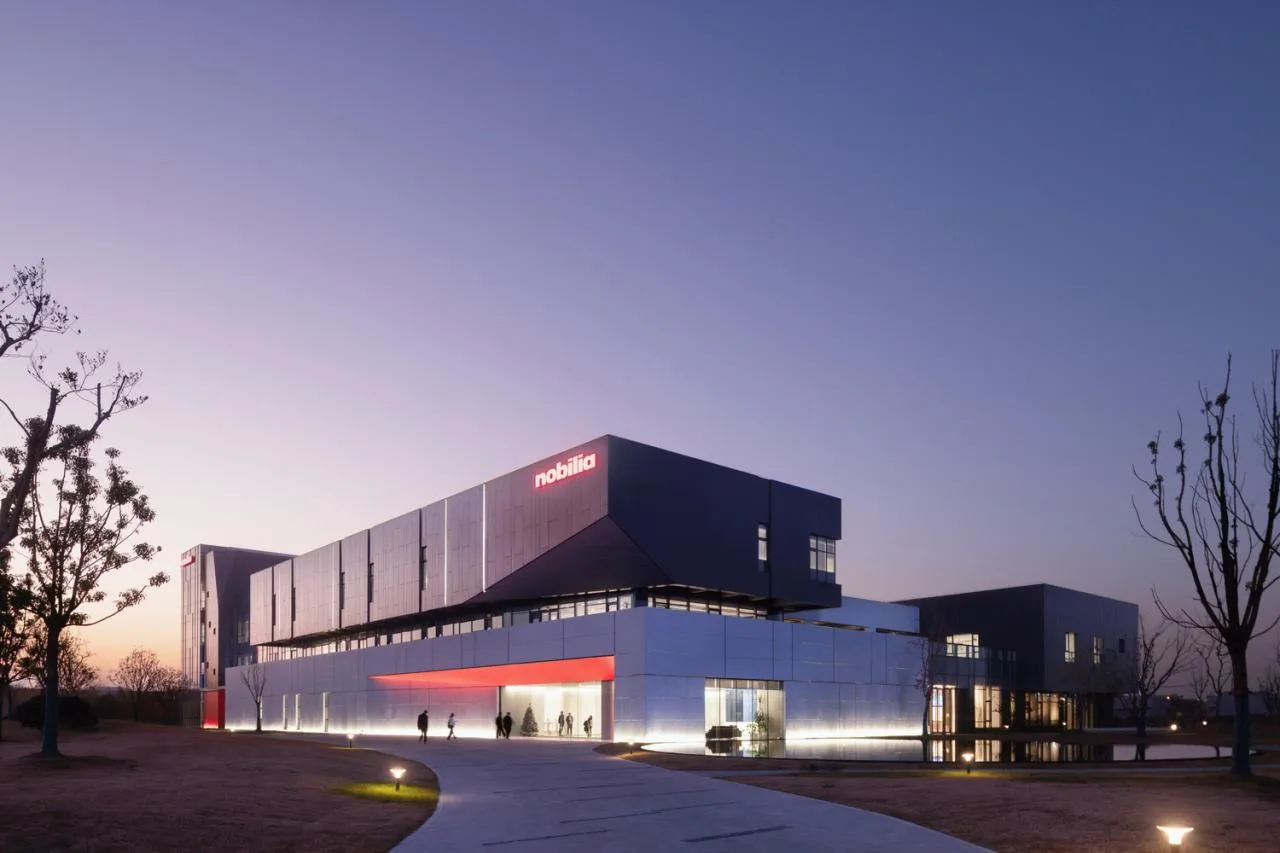
The PolyGram Asia Pacific Production and R&D Headquarters is designed as a compact, multifunctional environment that supports research, experimentation, management, exhibitions, and product launches. The layout consists of four intersecting rectangular volumes surrounding a long, narrow courtyard. From a sectional perspective, the base level is defined by artificial stone cladding, while the upper level features a sculptural zinc-wrapped volume enclosed by a glass curtain wall.
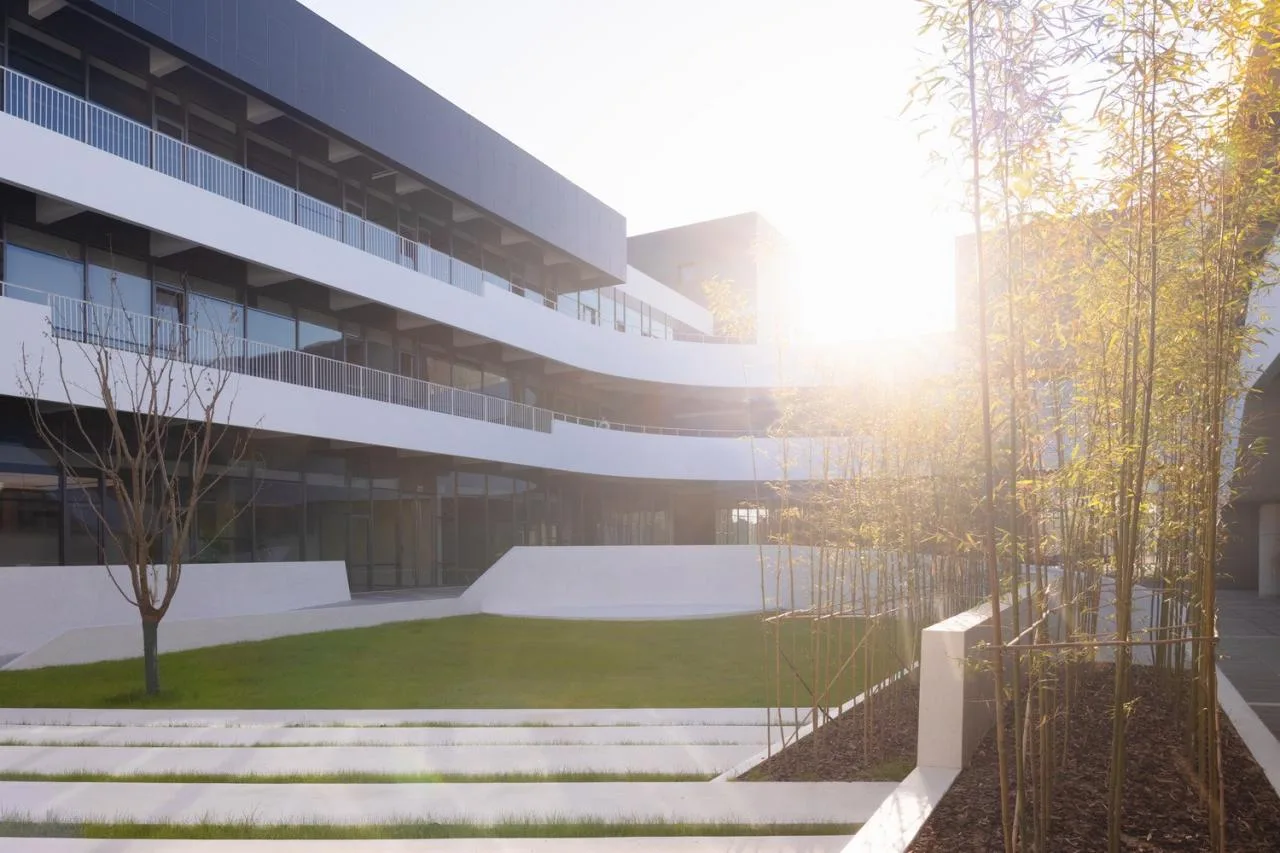
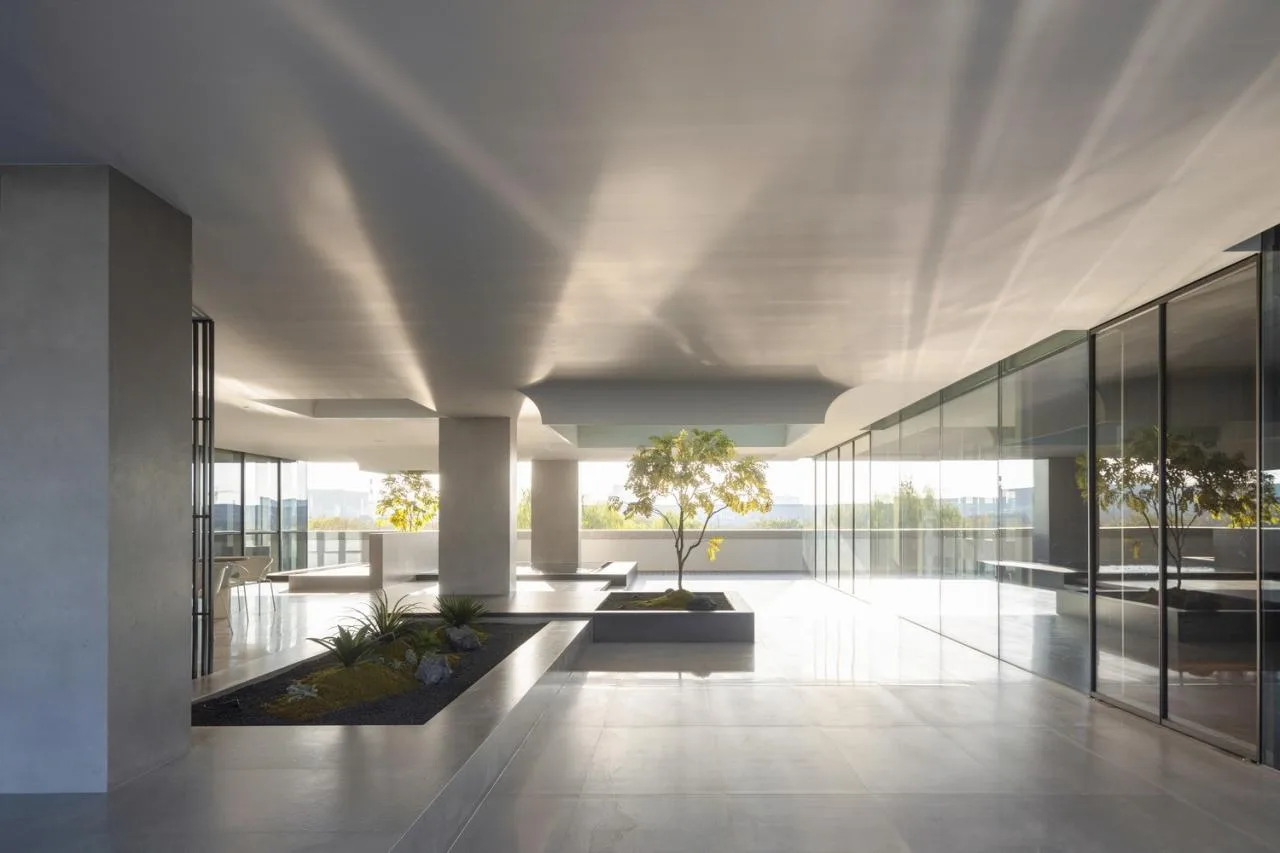
The building’s exterior draws inspiration from the sharp, dynamic lines of German sports cars like the BMW M1. At the heart of the complex lies an internal garden serving as a central gathering space for all R&D departments. This garden also functions as an informal outdoor amphitheater with tiered seating and a central stage. The three levels of office space all open onto this courtyard, offering natural light and direct access via balconies and terraces. The slender courtyard design evokes the timeless aesthetic of the Fiat factory in Turin, Italy.
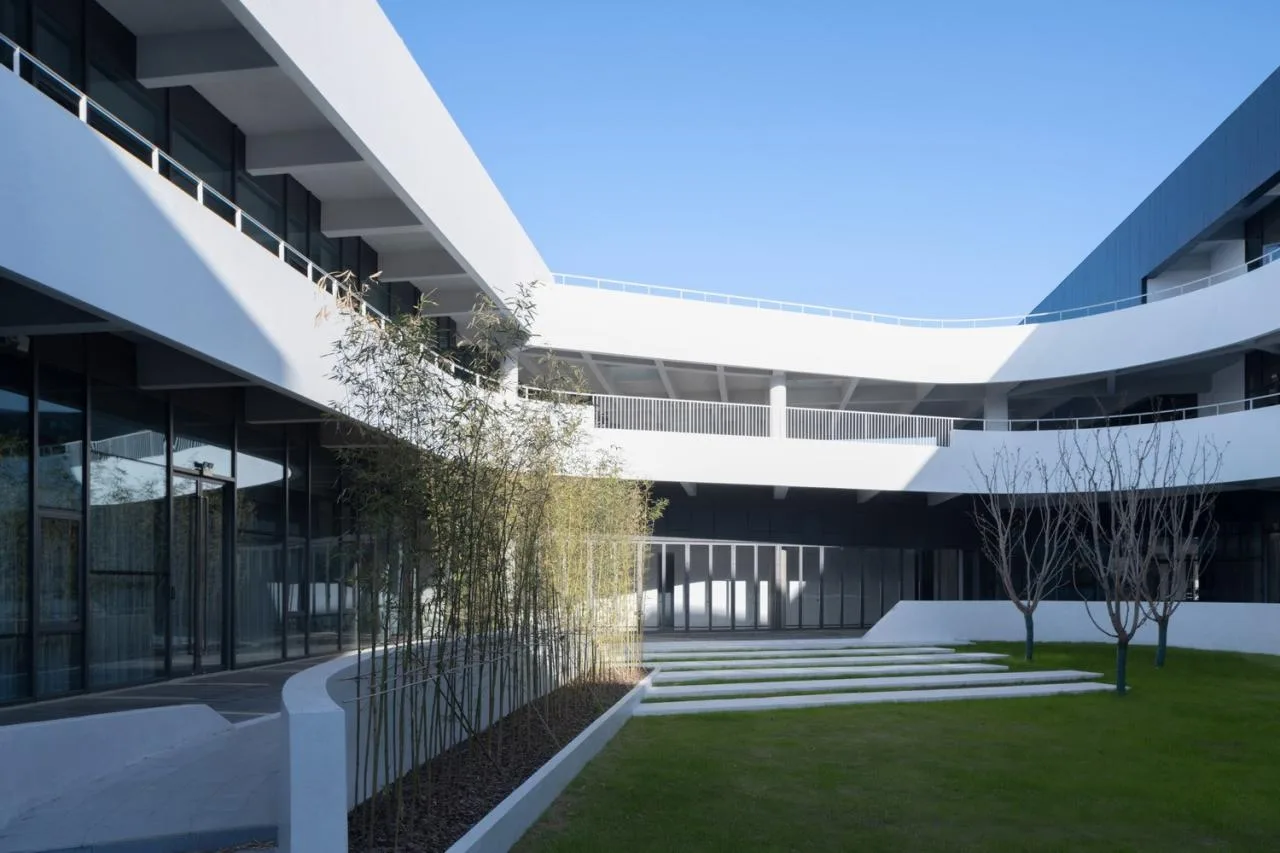
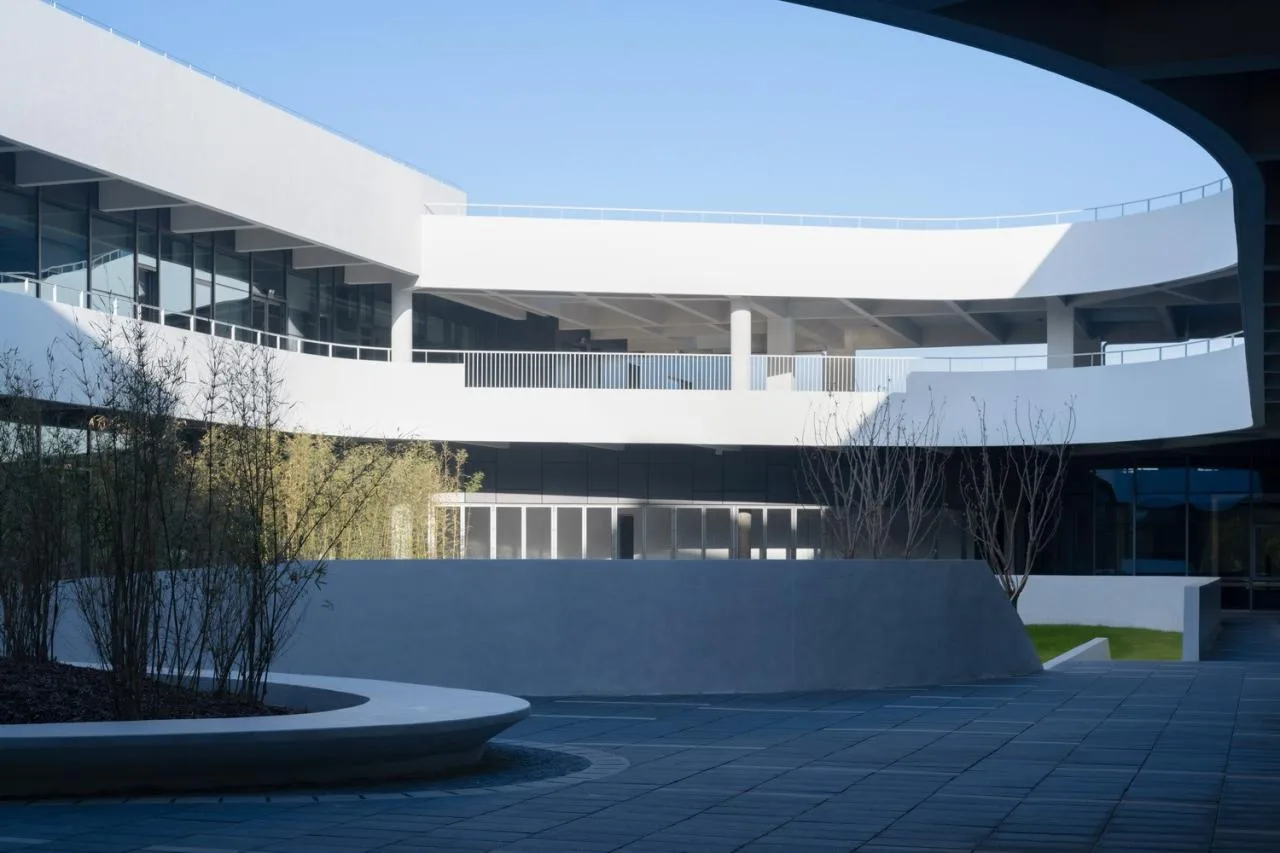
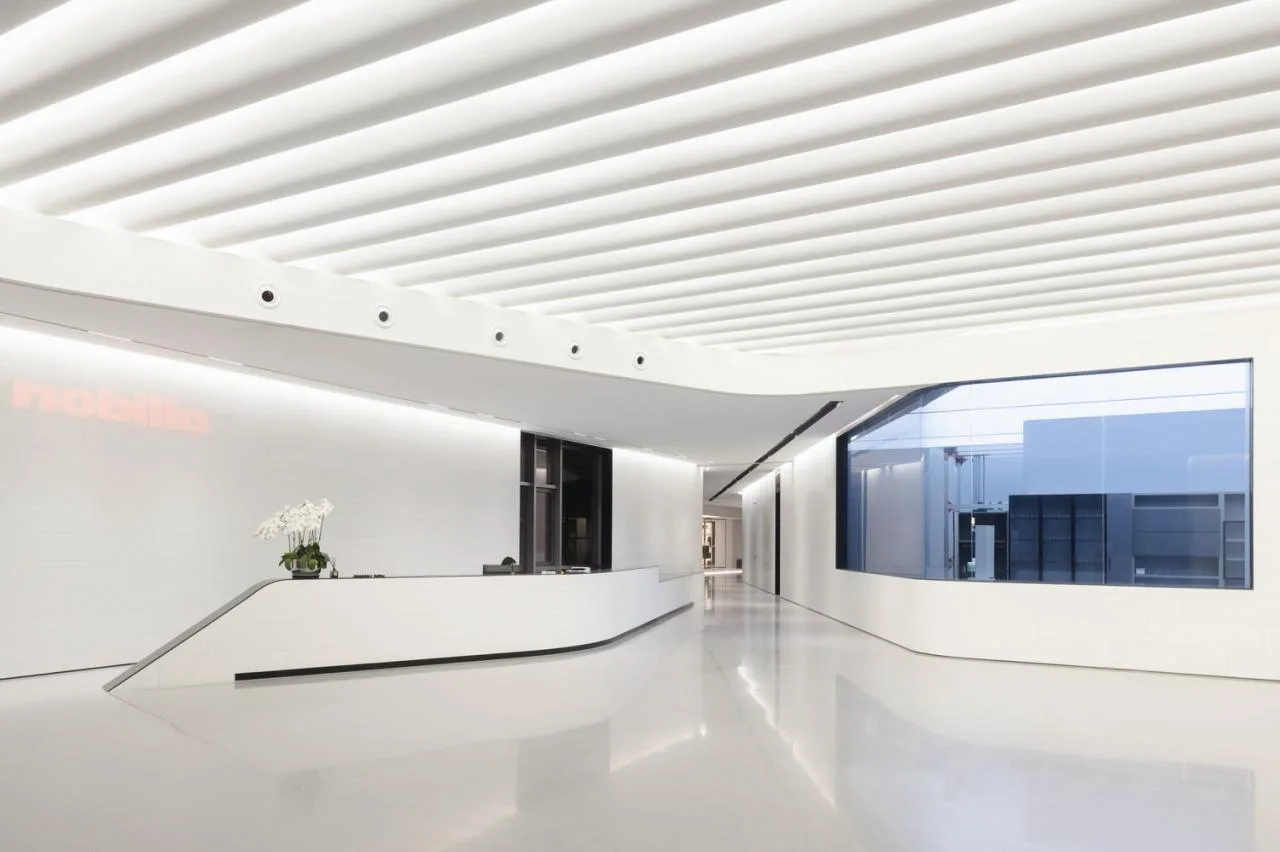
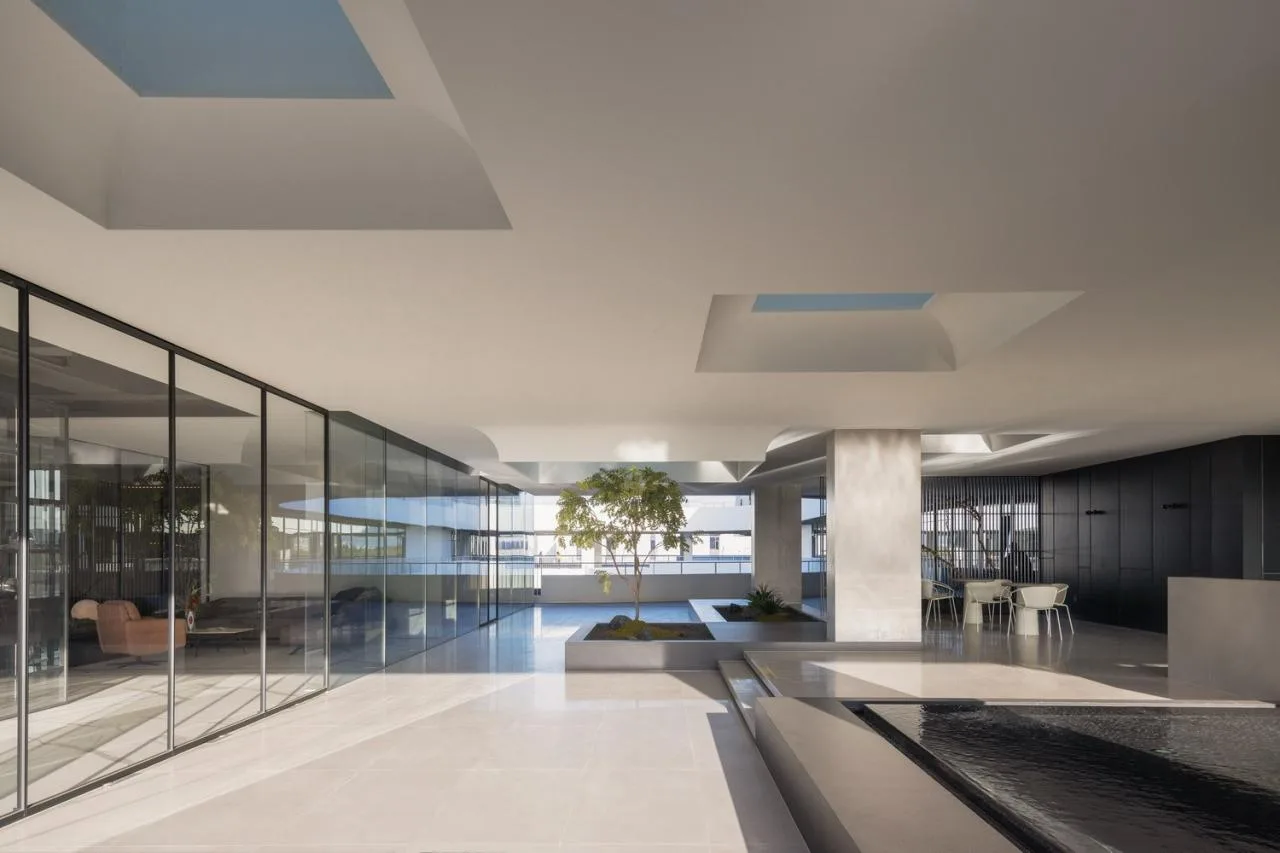
The first floor primarily houses public spaces such as the main hall, conference rooms, Polydor’s independent exhibition halls, and a coffee shop encouraging interaction between visitors and staff. All these areas offer direct access to the central garden.
The second floor is dedicated to office management and VIP dining and reception areas. These spaces are interlinked yet separated by a series of outdoor terraces, blurring the boundaries between indoor and outdoor environments. Thanks to the compact scale of each volume, all office spaces benefit from abundant natural light and cross ventilation, fostering a comfortable and energy-efficient workspace.
On the third floor, the R&D center displays products currently in development and pending release. This level also features a multifunctional stepped stage that can host performances, lectures, training sessions, and group events.
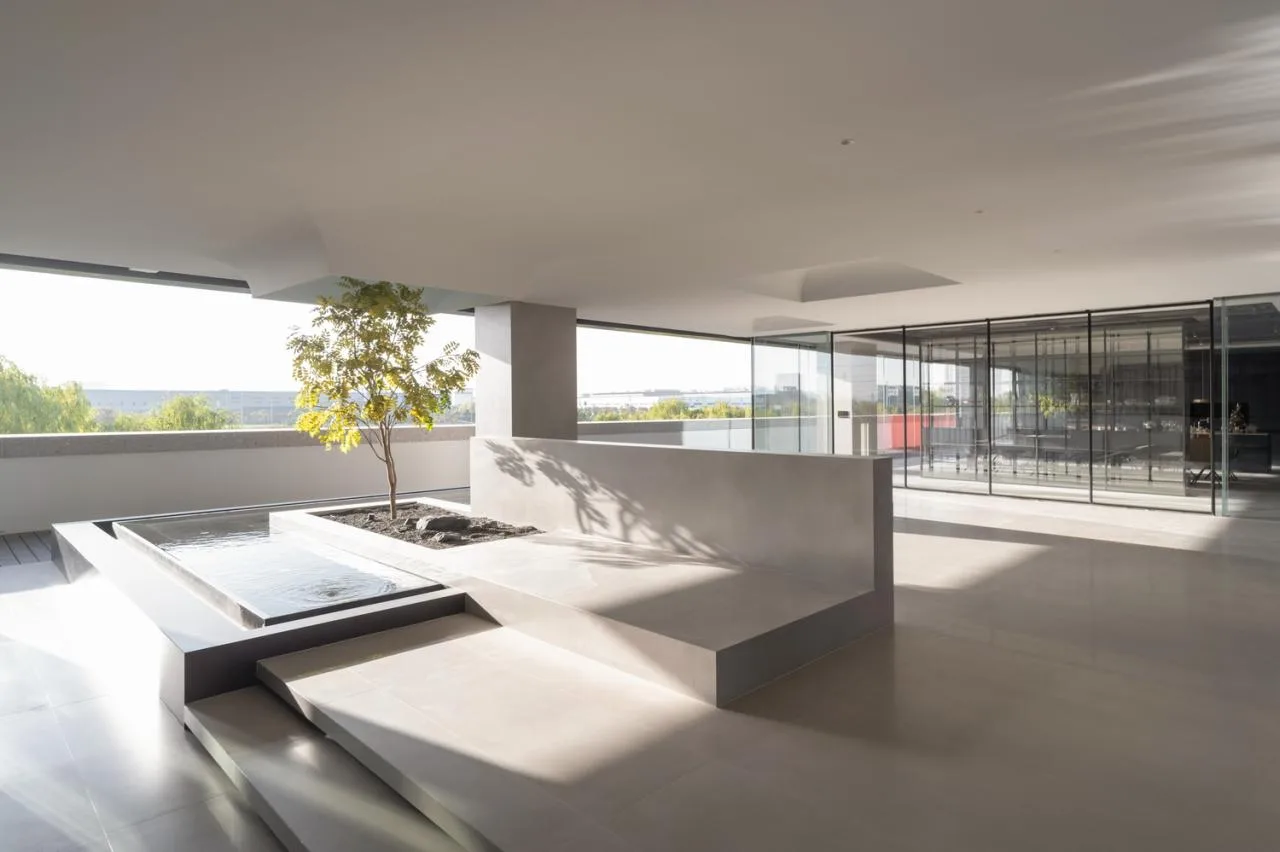
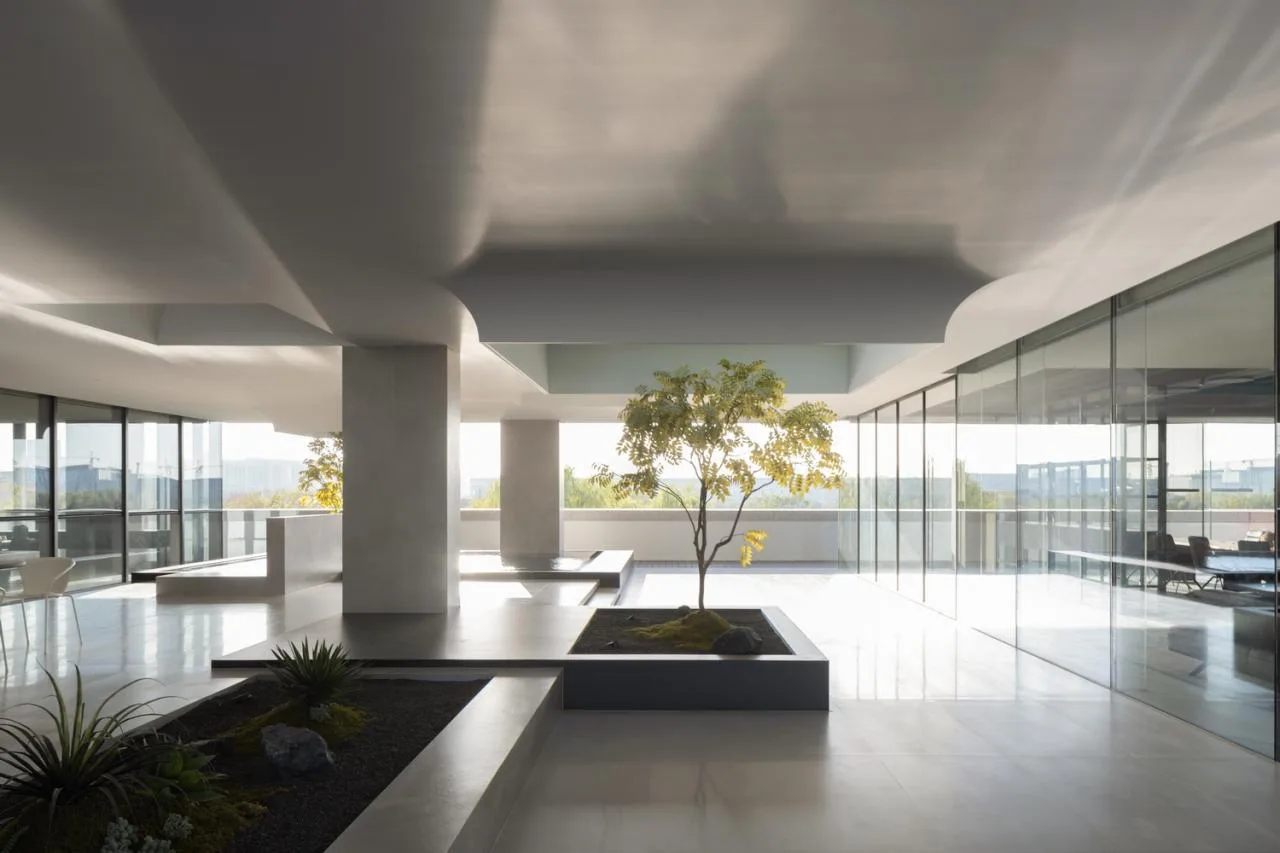
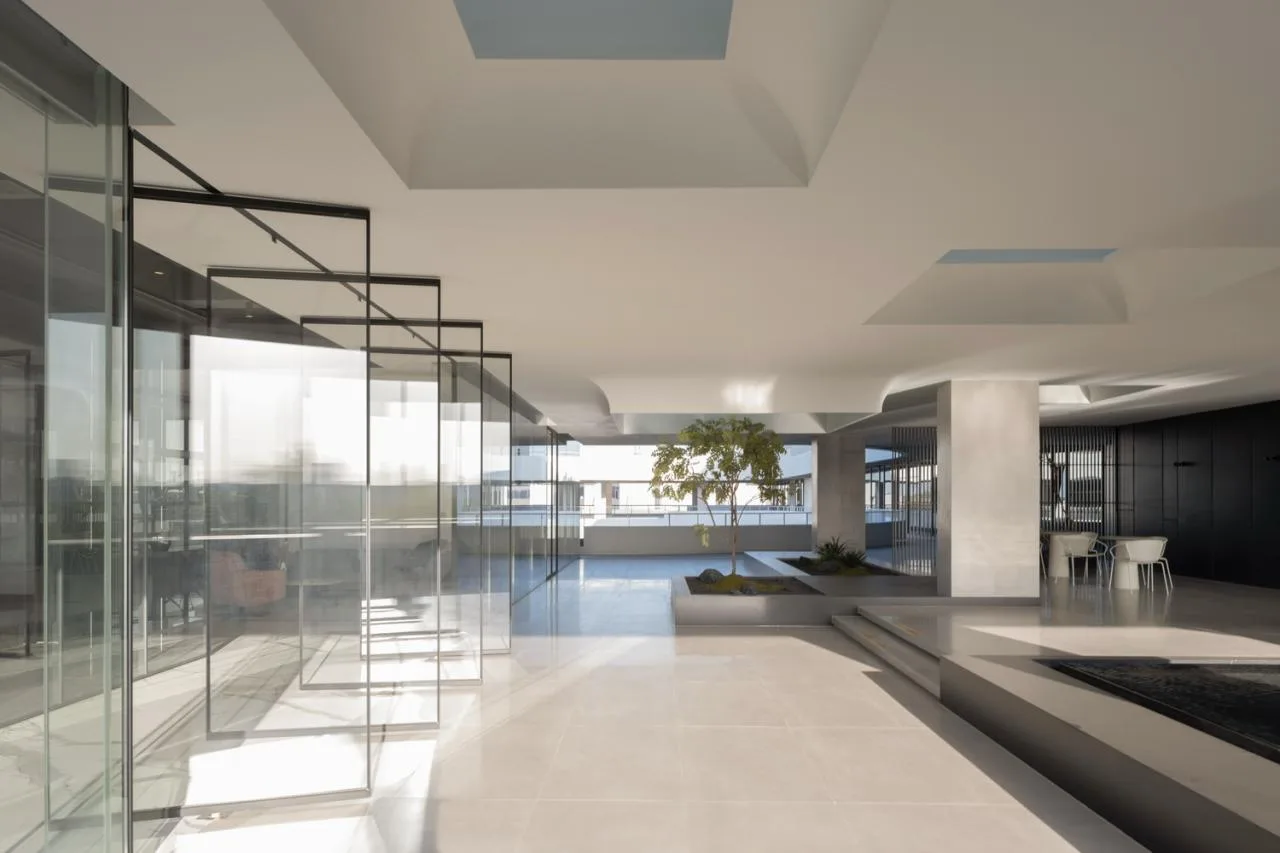
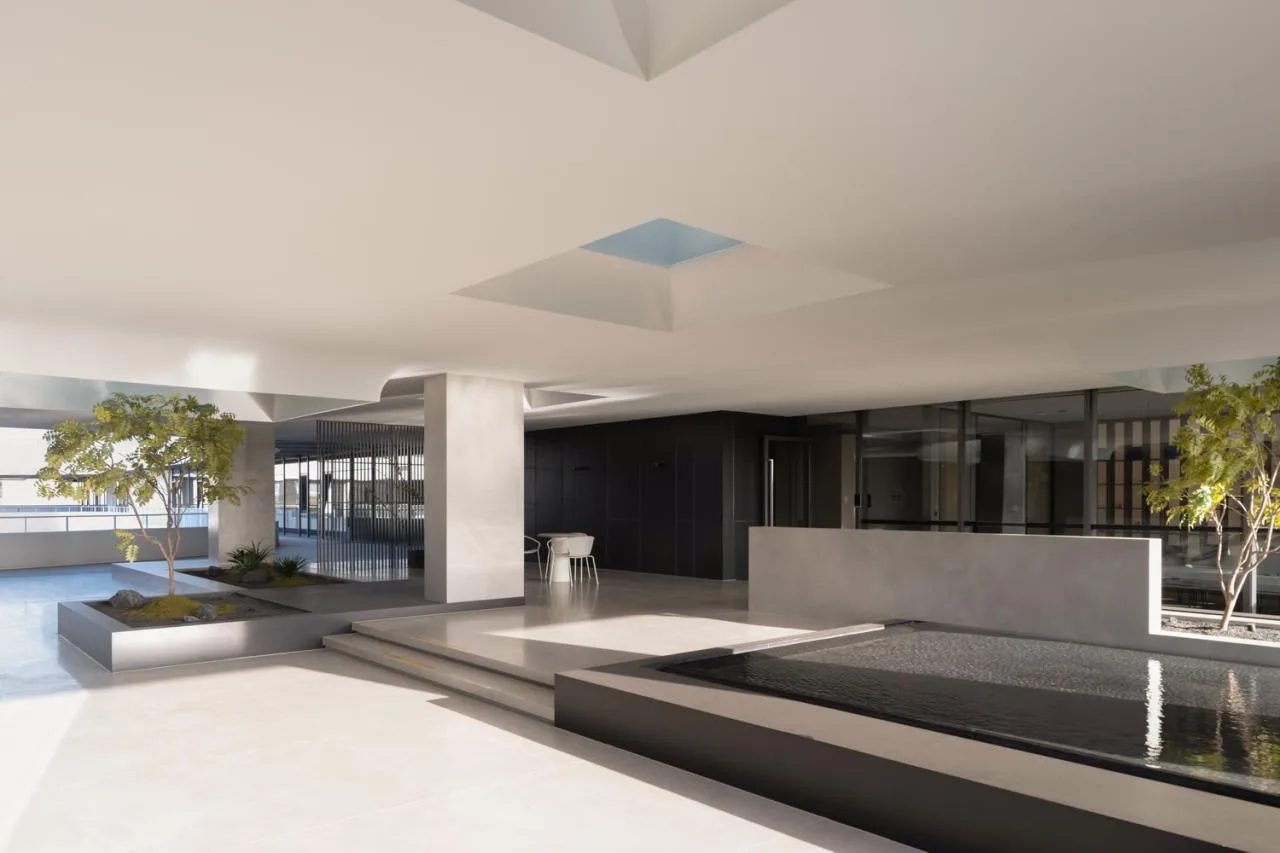
A vertical tower situated at the building’s southwest corner serves as a public gathering space. Its ground floor houses a restaurant, while the upper floors feature open public areas. All internal spaces in this tower overlook a stream flowing westward.
The interior design features simple, durable materials—artificial stone flooring in public areas and carpeting in office and R&D spaces to allow for flexible future layouts. Walls are predominantly metal, stone, and glass, while ceilings remain exposed and minimalistic to enhance height and spatial adaptability. All partitions, sliding doors, and built-in cabinets are custom-made by Belle and Delu, reinforcing the concept that the R&D workspace doubles as an ‘on-site exhibition,’ where employees interact closely with the products they design and produce.
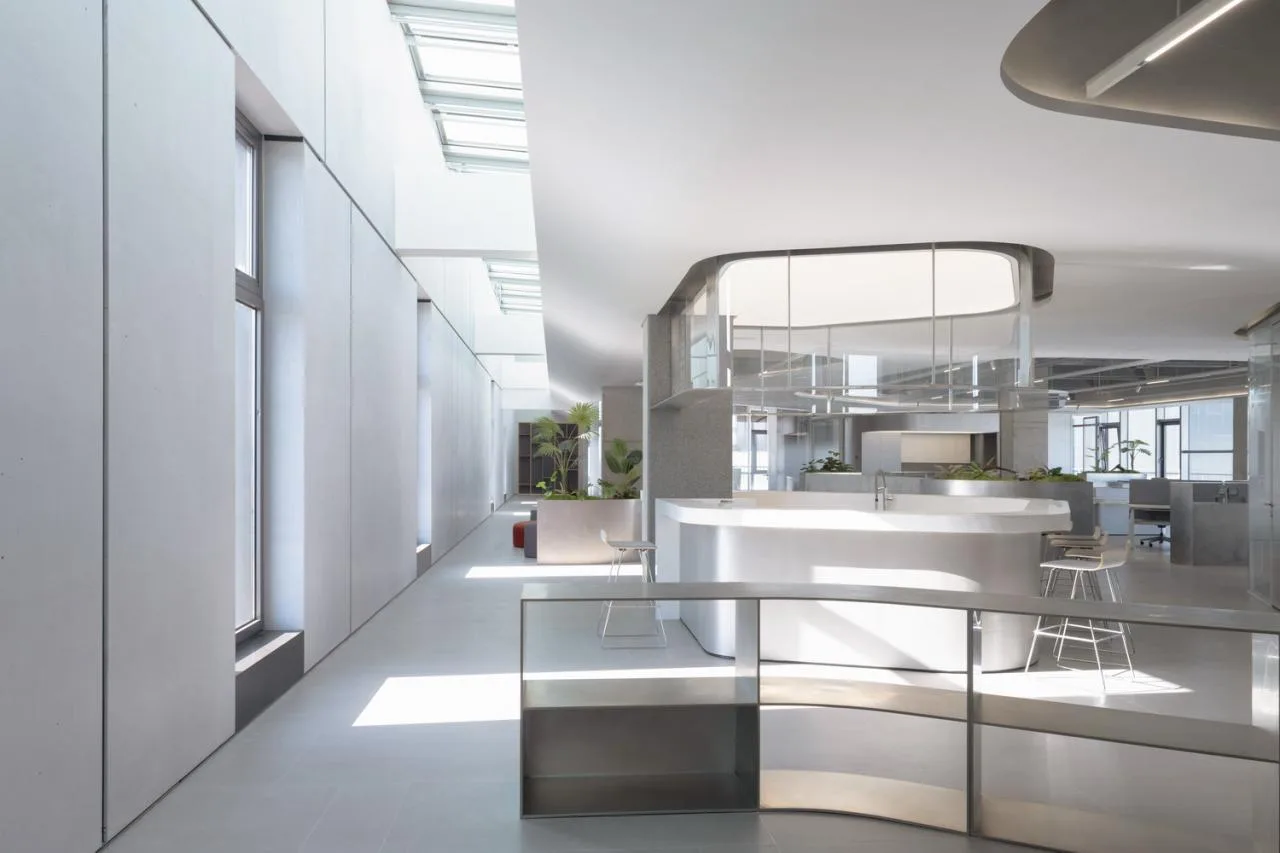
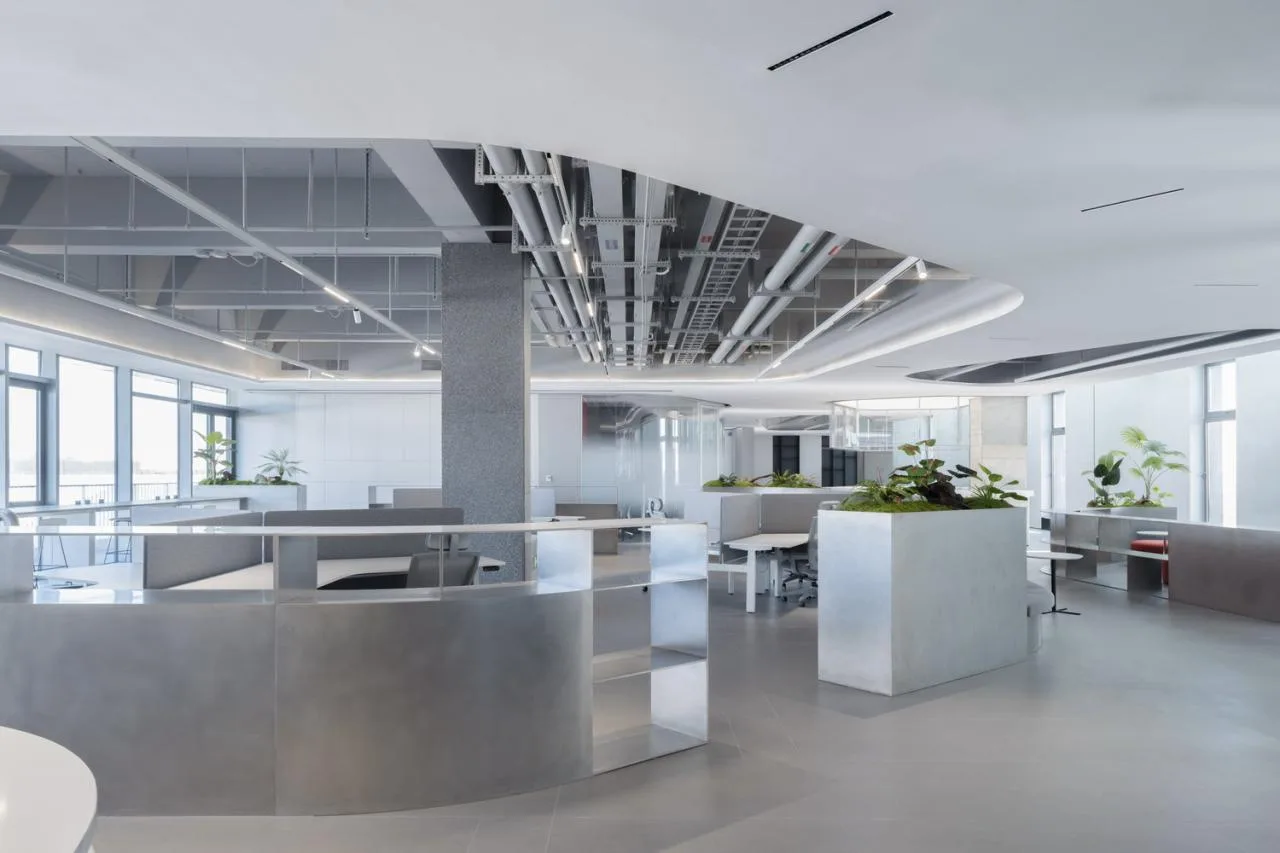
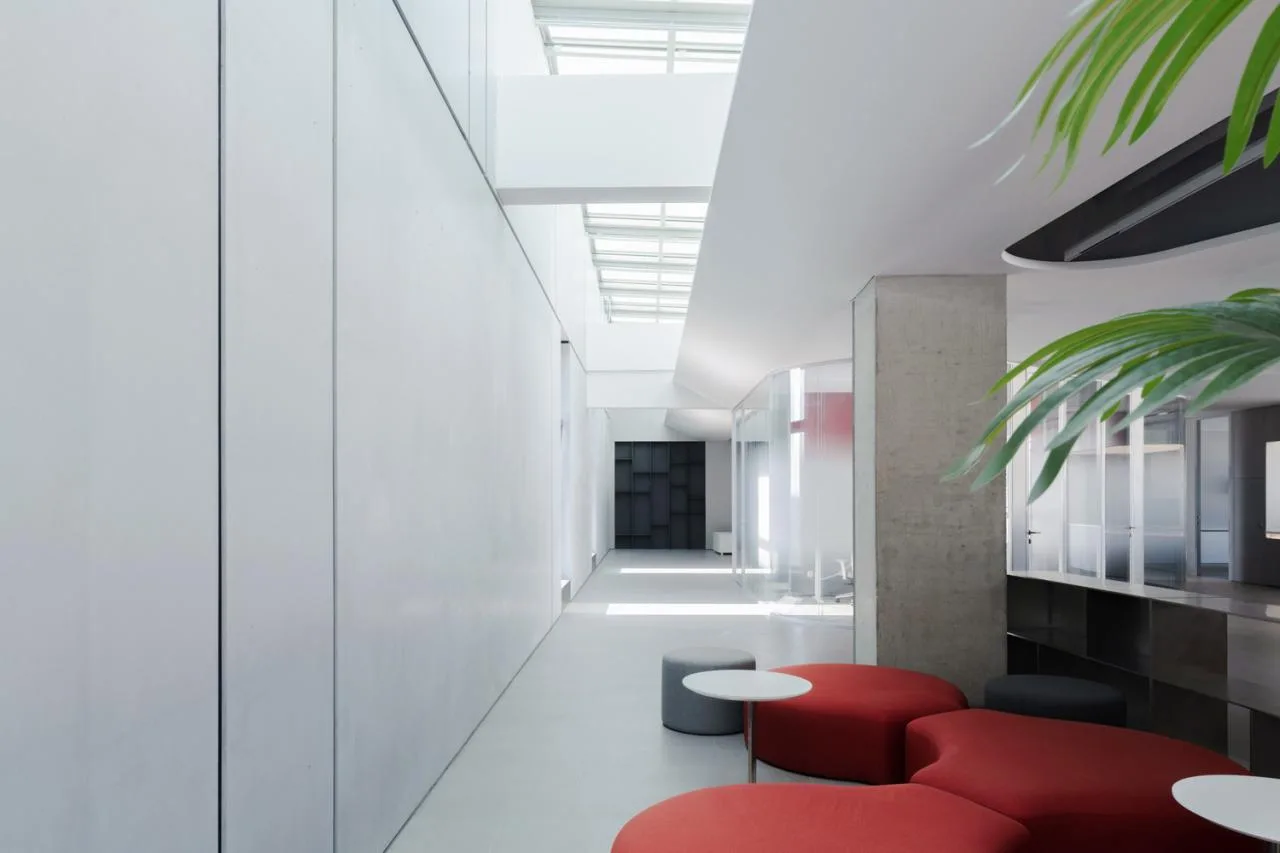
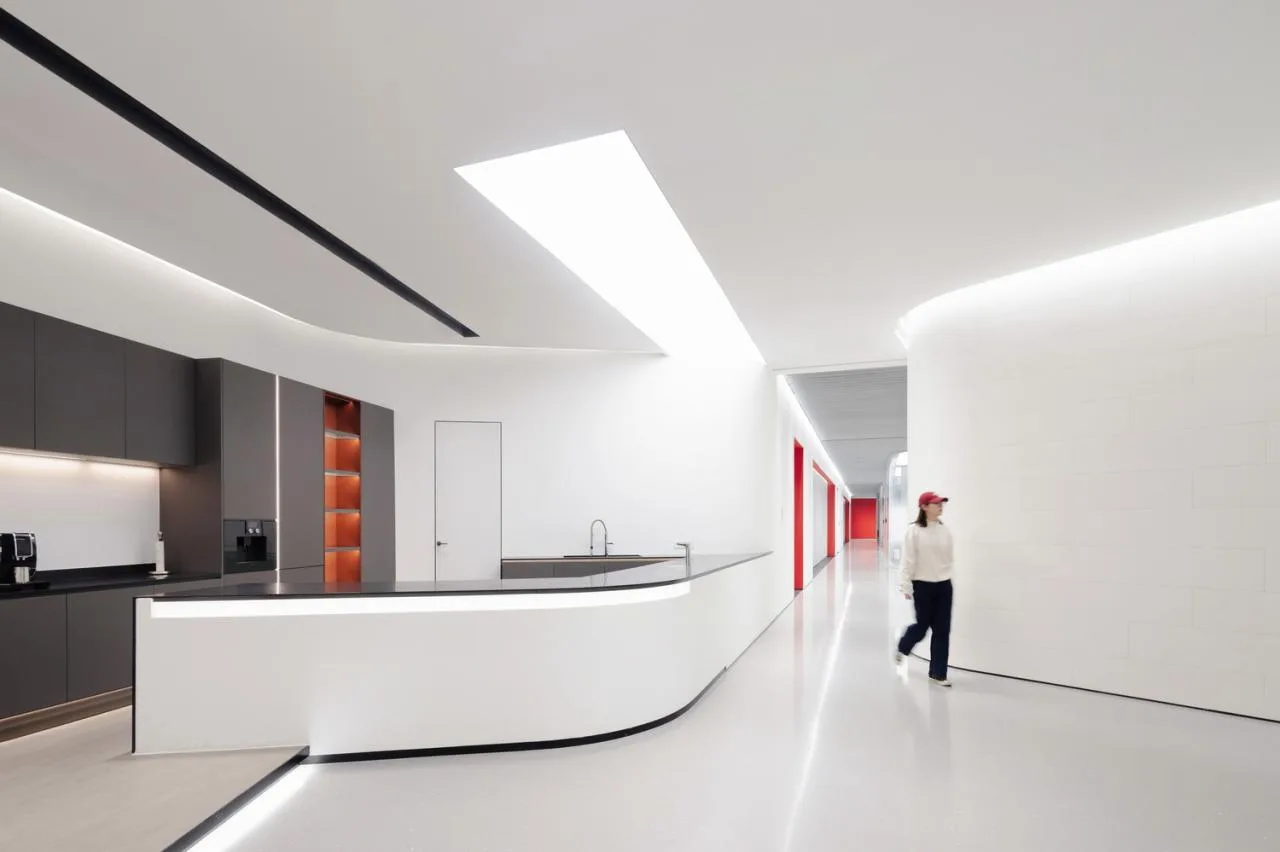
Employees share most spaces with scenic views and terrace access, including the restaurant, staff lounge, and multipurpose hall. The design aims to foster an inspiring, welcoming, and relaxing environment. Additionally, various ambiguous-use spaces offer everyone a personal favorite spot—whether indoors, outdoors, or somewhere in between.
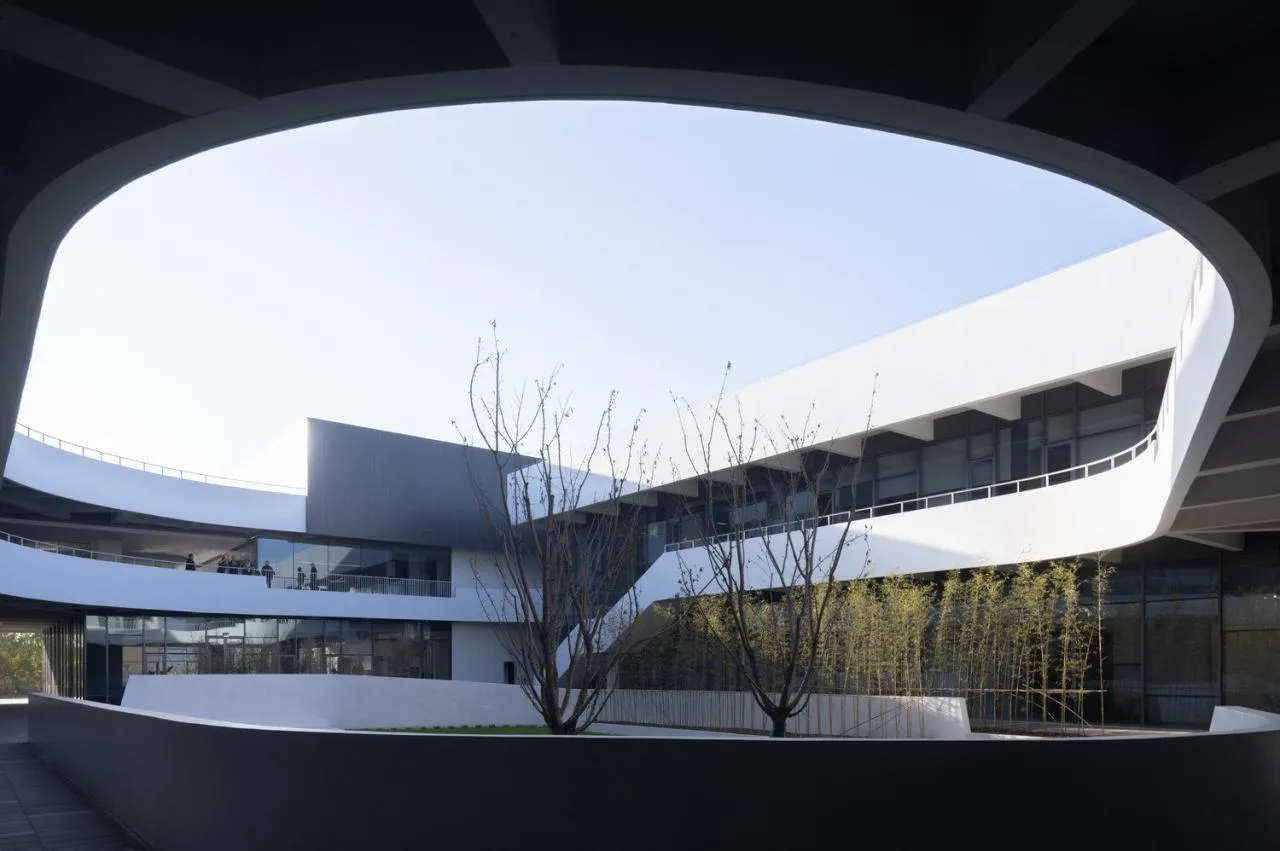
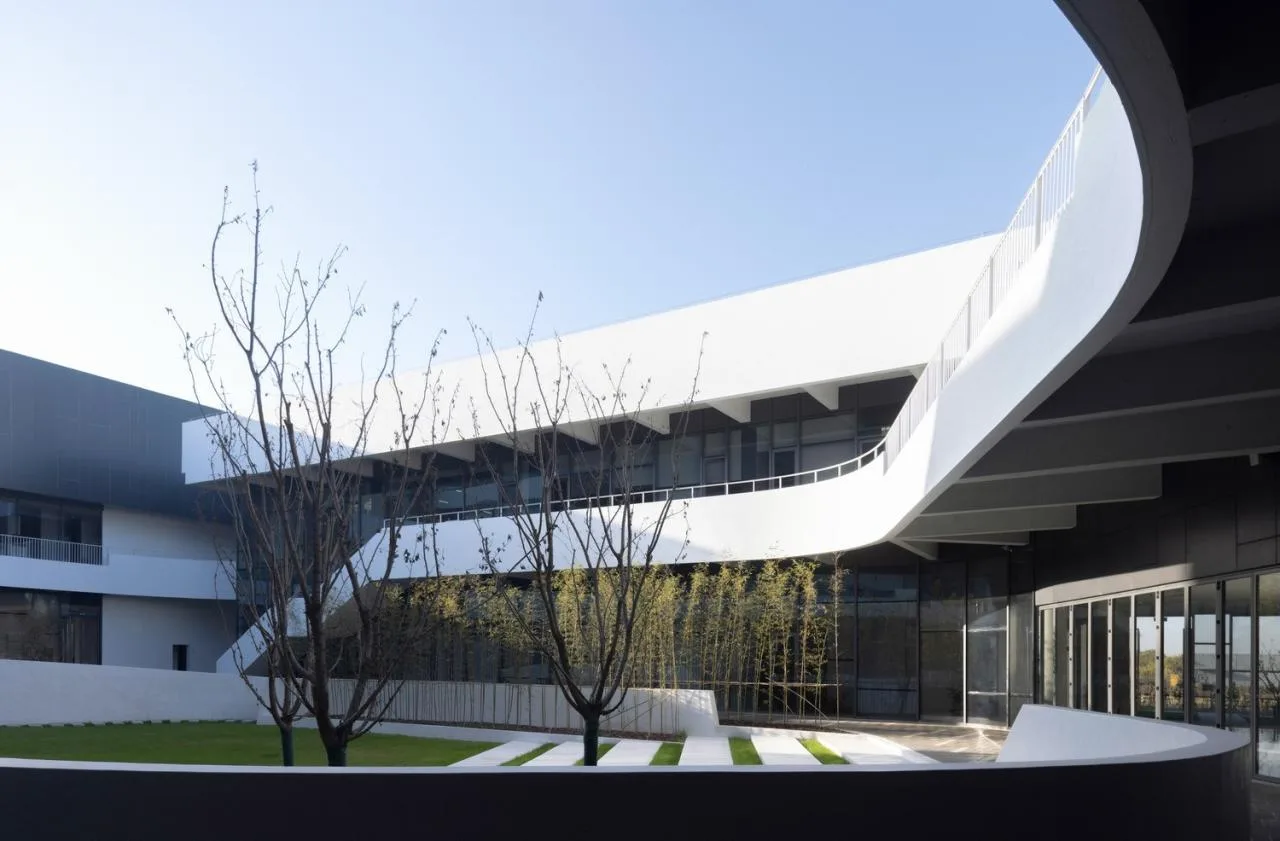
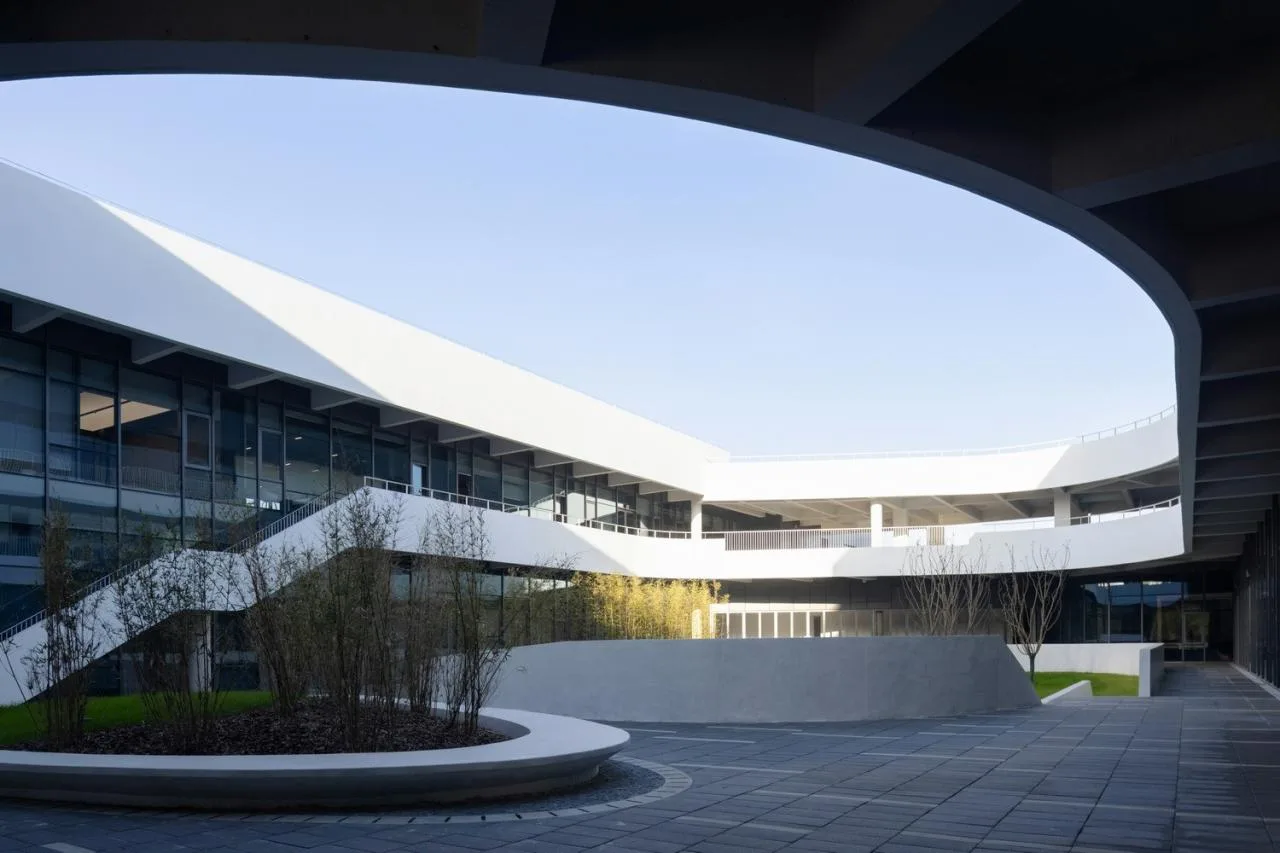
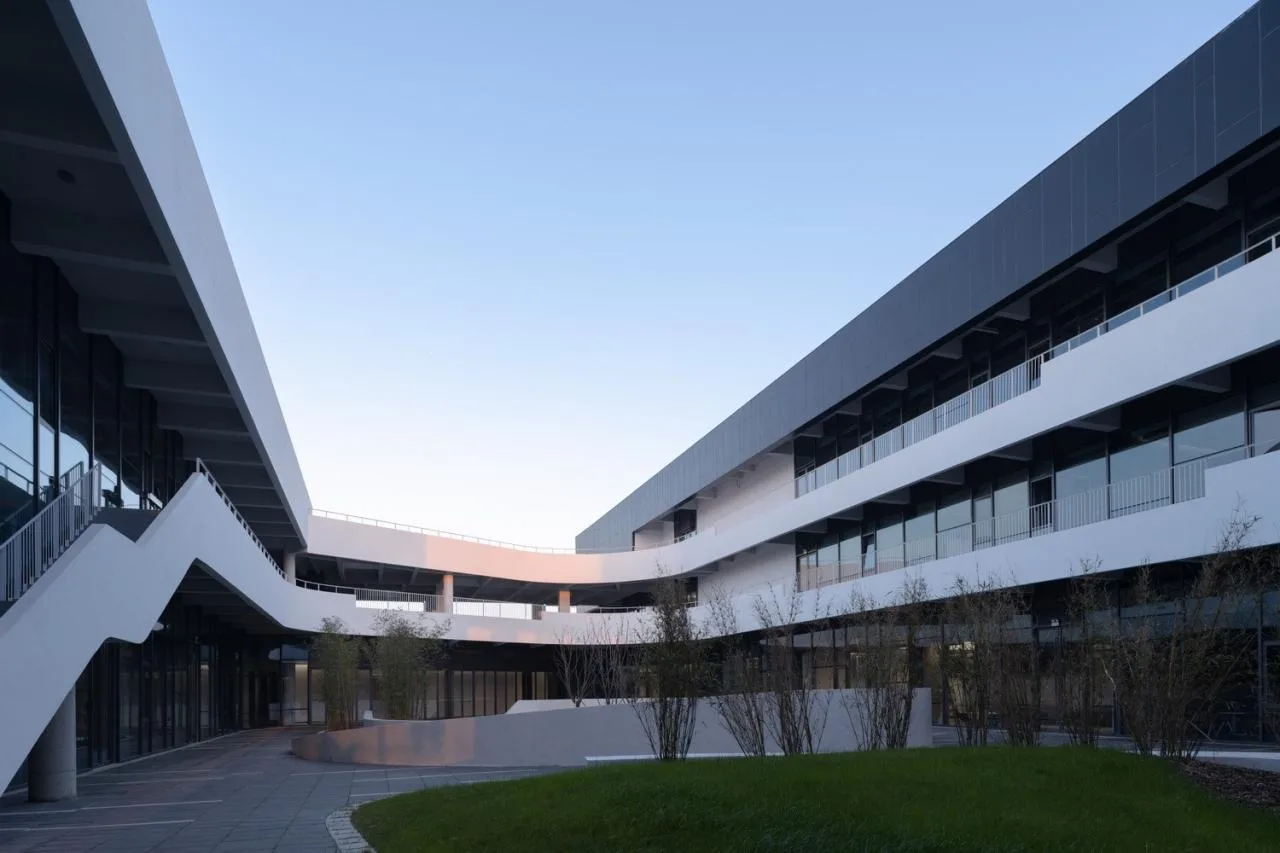
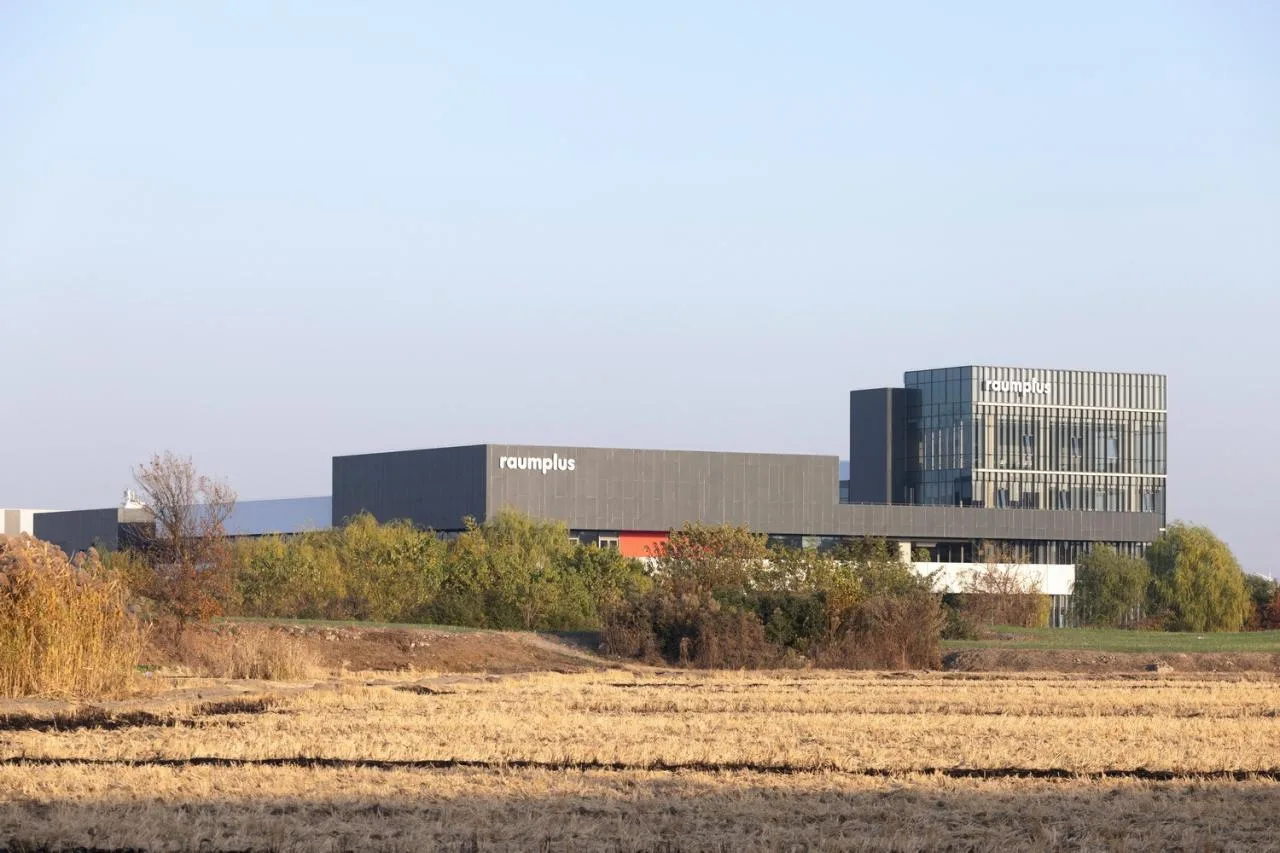
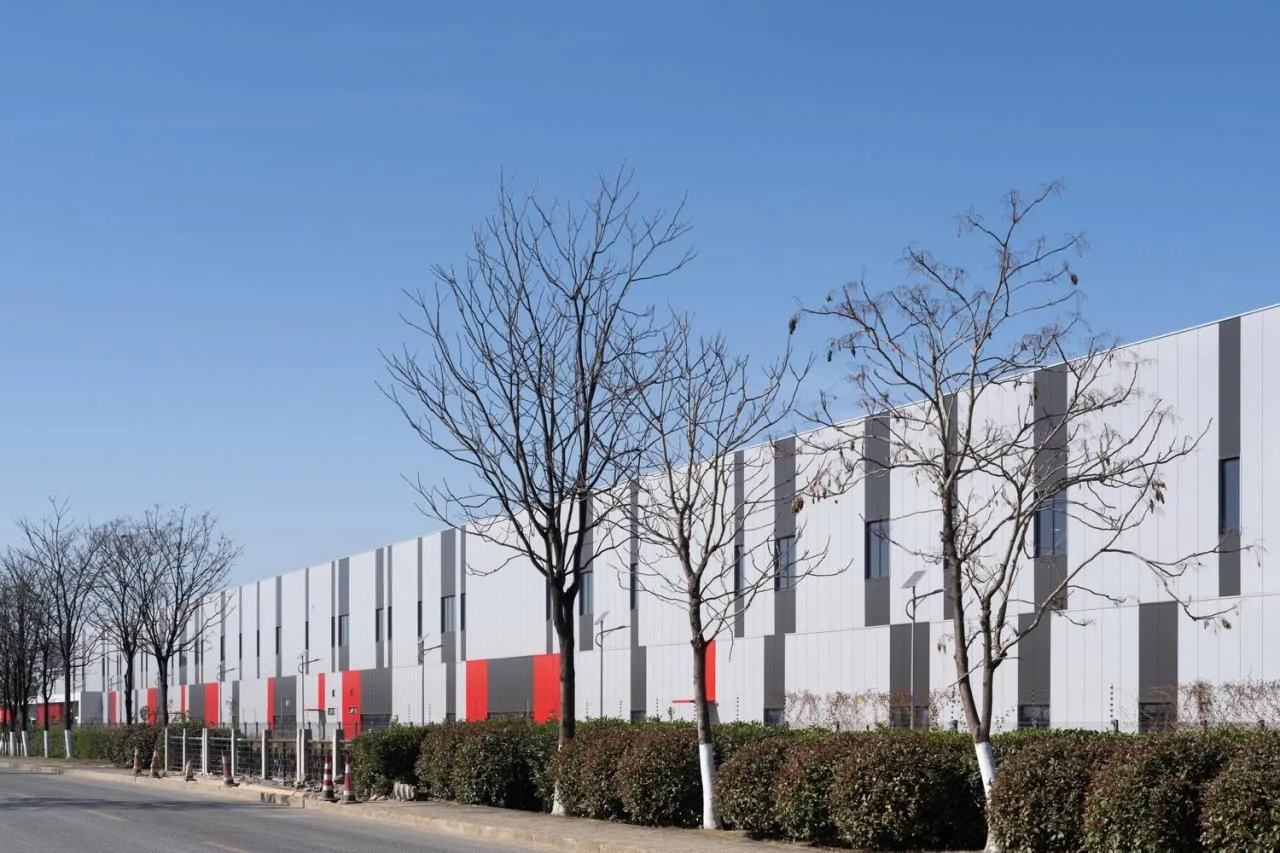
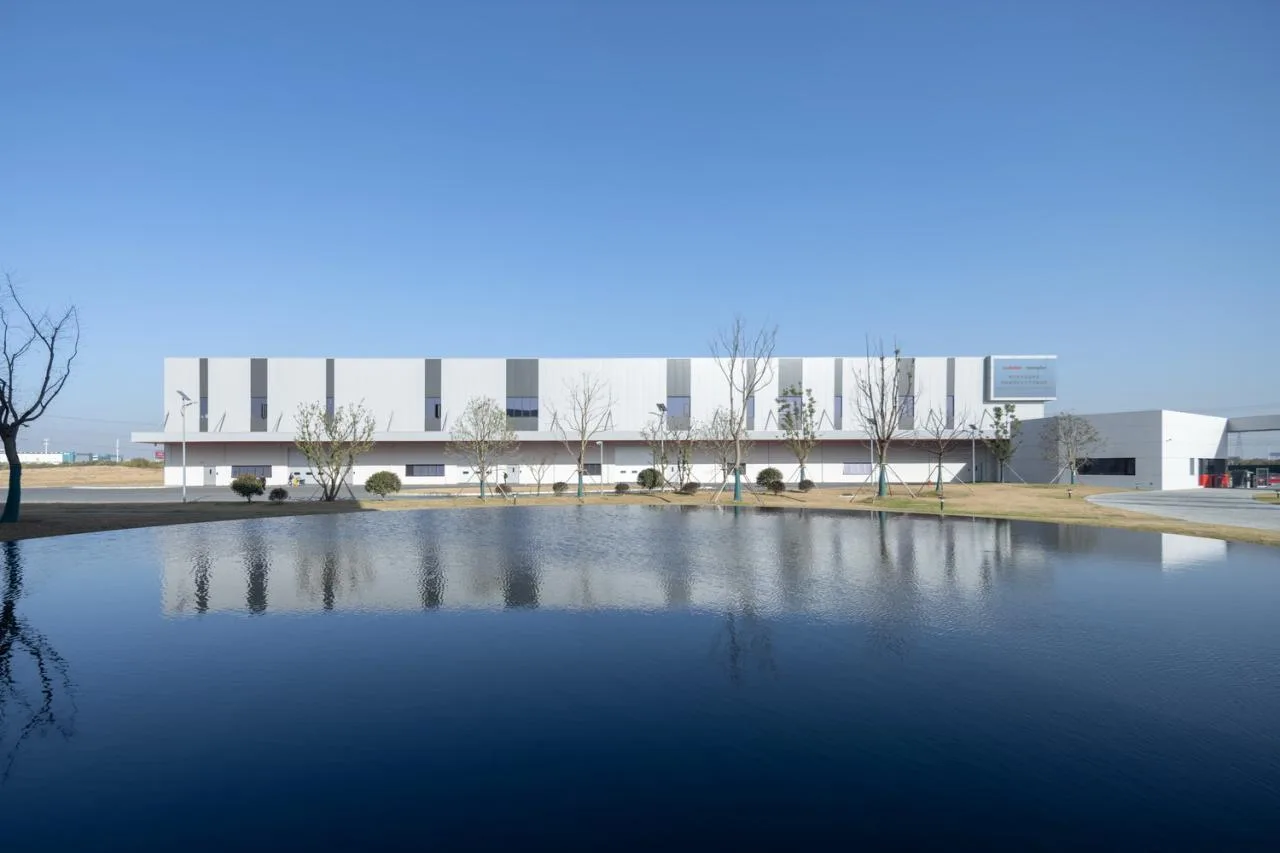
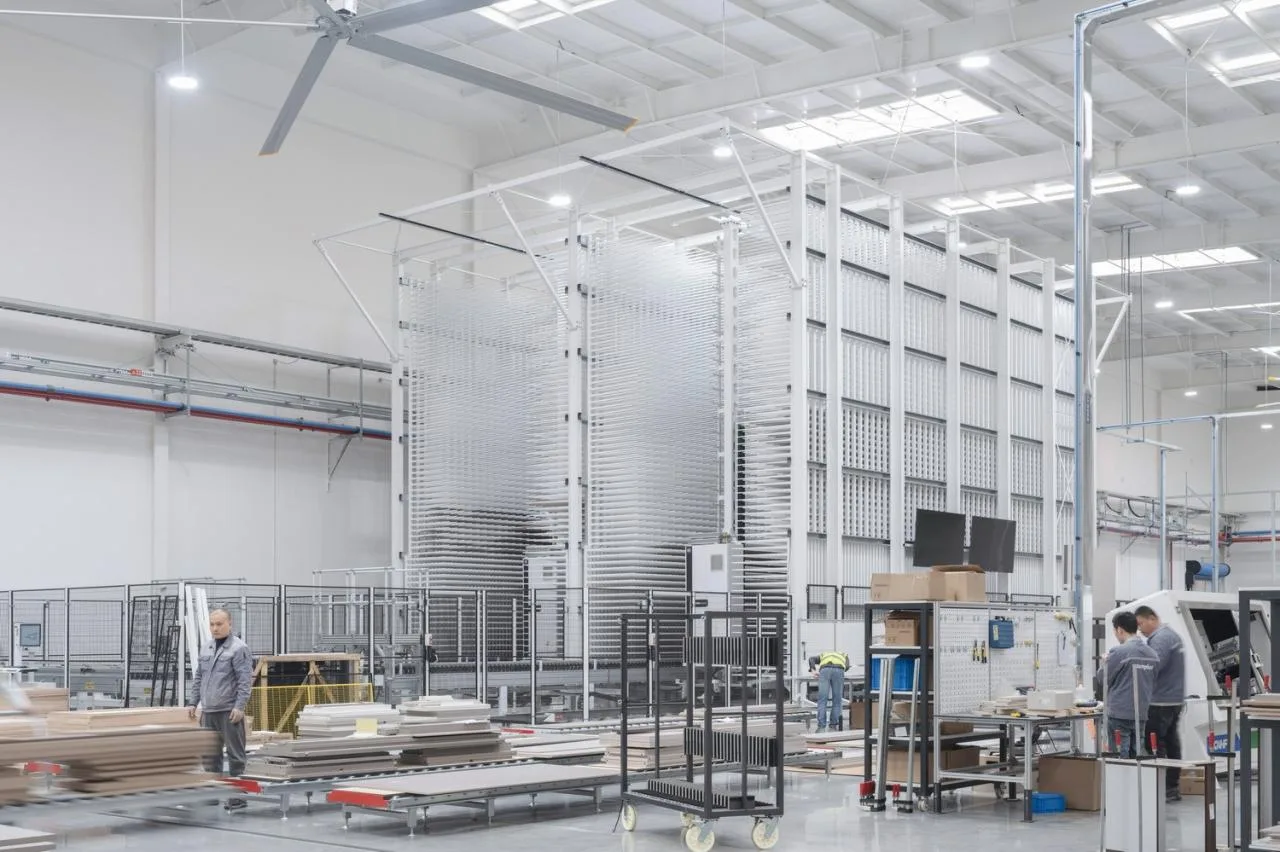
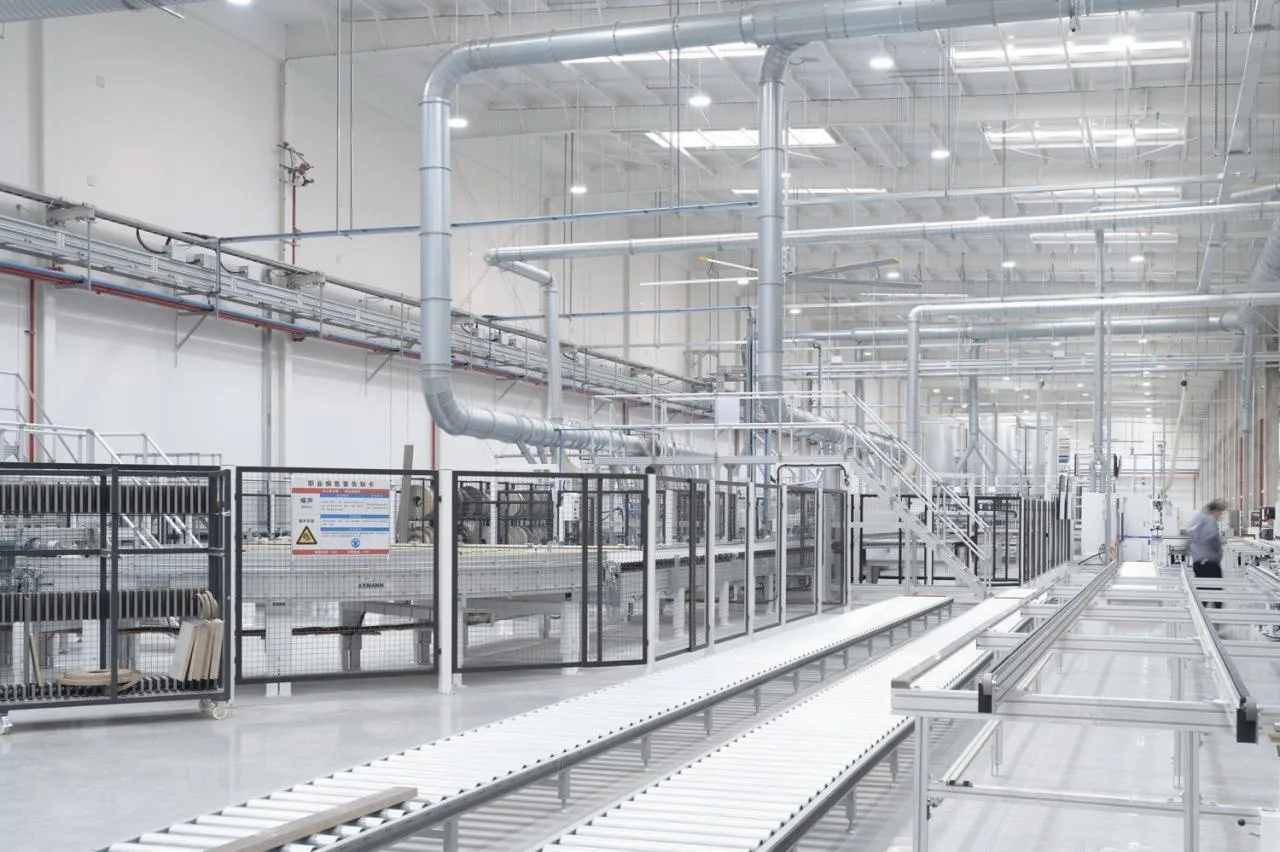
The outdoor materials’ color palette extends to the production plant’s exterior walls. Vertical gradients add visual rhythm to the horizontal massing and complement the window detailing. Numerous skylights illuminate the factory interior, where production operates in a nearly dust-free environment.
The landscape design follows the “sponge city” concept, utilizing natural underground rainwater infiltration. Large water features and undulating terrain break the monotony of the site, while extensive tree planting on the southern side will, over time, provide shade for the parking area and soften the main facade of the R&D center.
Nobilia entered the Chinese market in 1997, becoming the first imported German cabinet brand introduced to China. Since 2013, Baili has been honored multiple times as the preferred imported cabinet brand by China’s top 500 real estate developers, partnering with many high-end property developers.
Raumplus, a family business founded in 1986 by Mr. Jürgen Guddas in Bremen, Germany, combines the German words “raum” (space) and “plus” (expansion, integration, upgrading). It is a leading European custom home brand, spanning over 70 countries with more than 1,000 showrooms worldwide. In 2018, Nobilia and Raumplus established a joint venture in China. The following year, they invested in building China’s first high-end wardrobe and sliding door production and R&D base, developed by these two German home industry leaders.
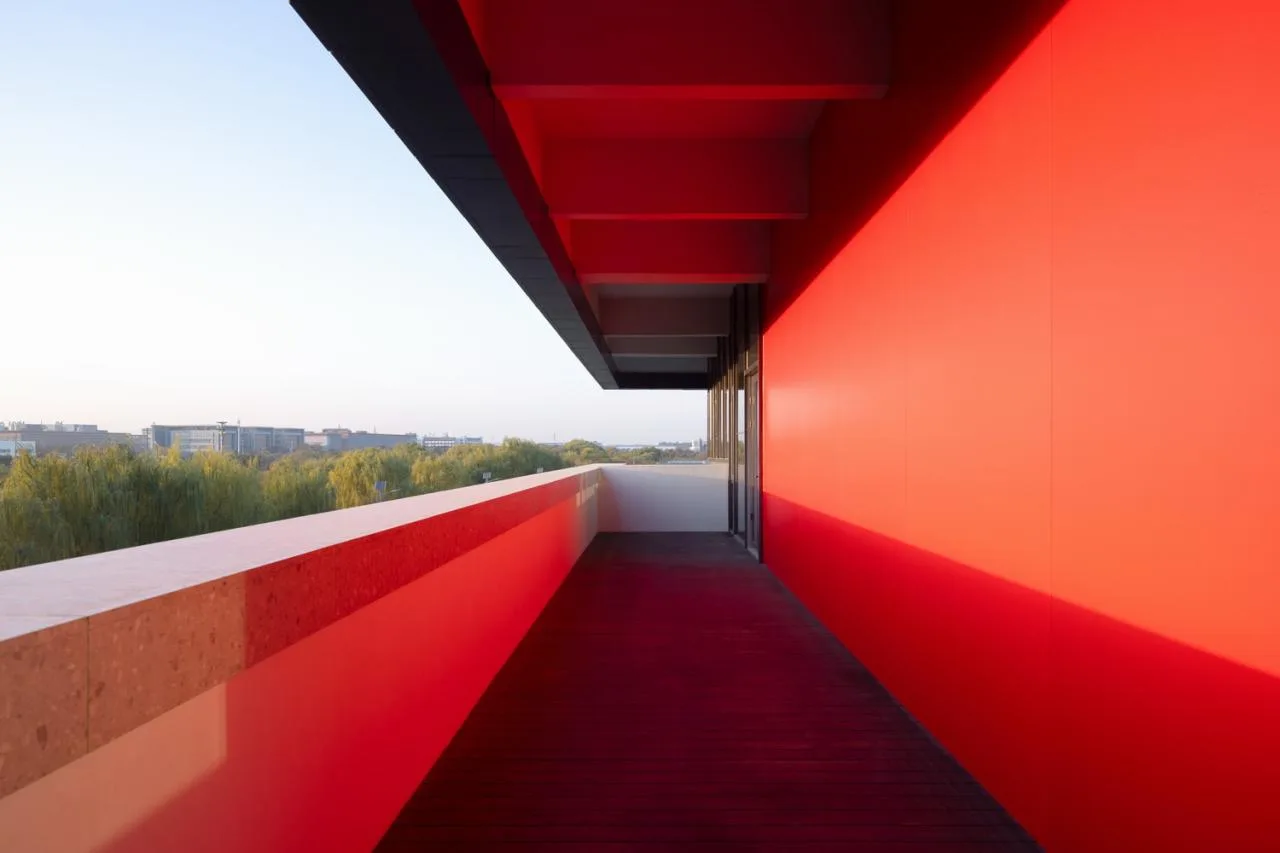
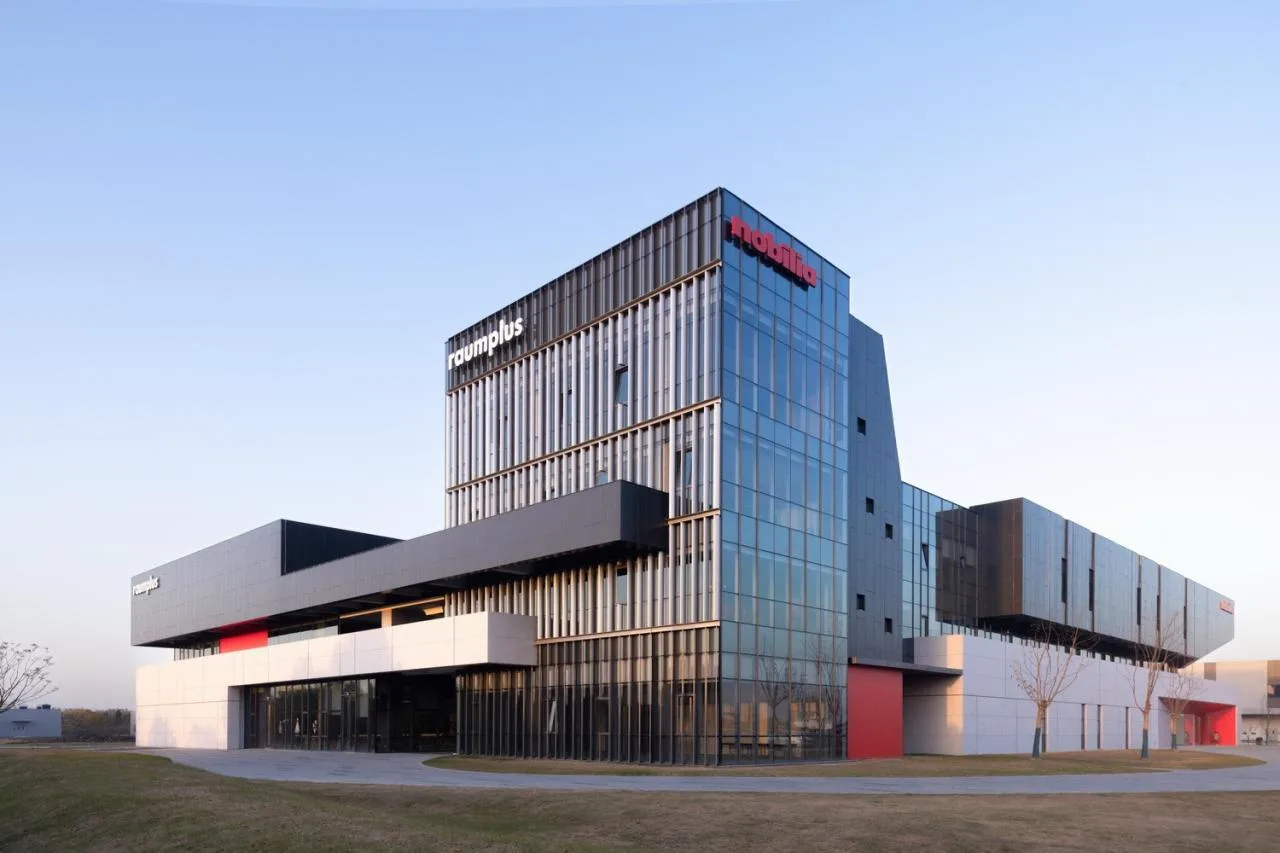
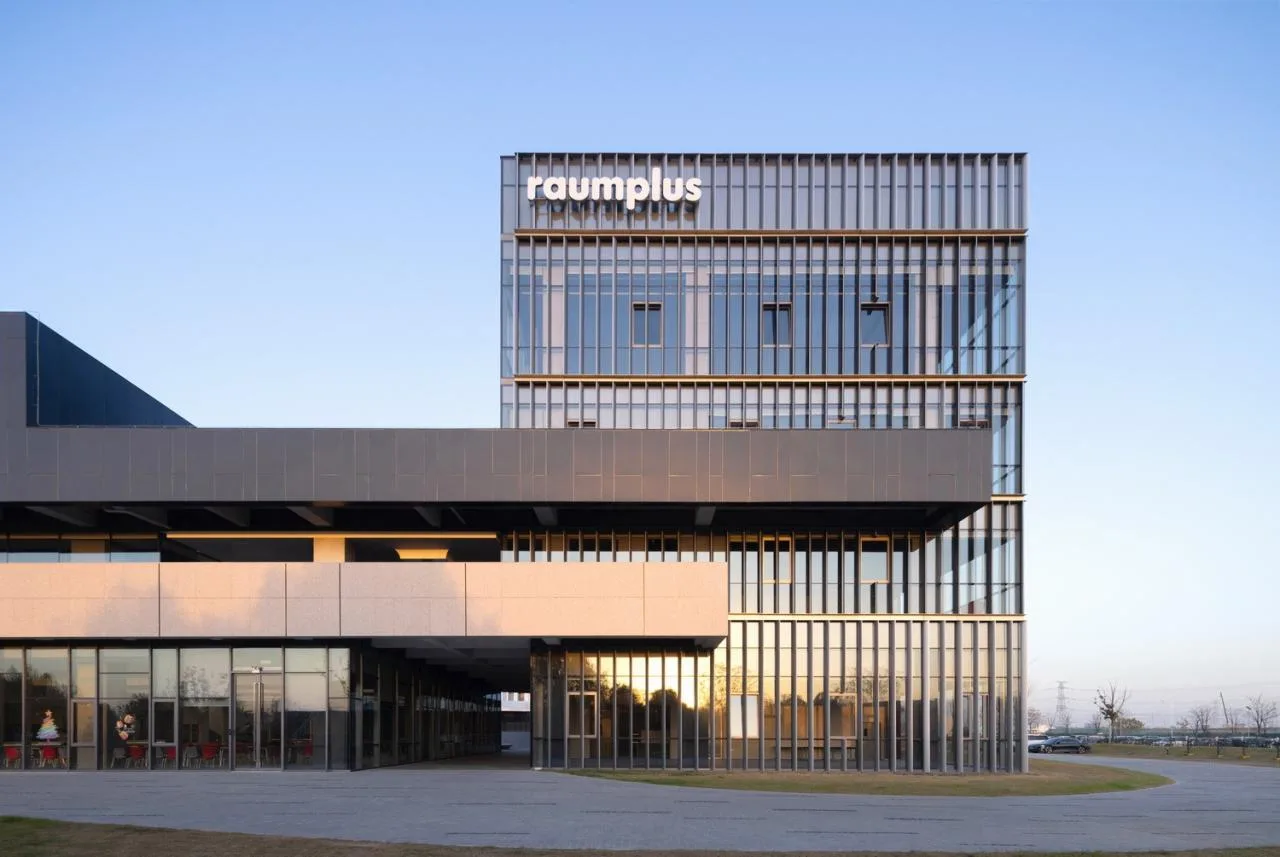
This Industry 4.0 Asia Pacific headquarters project is located in Wuxi, Jiangsu, covering an area of 300 acres. It employs organic, sustainable new materials and integrates design with environmental responsibility, aiming for carbon neutrality and sustainable development. These efforts were recognized early in 2024 with the LEED Gold certification for international green building standards.
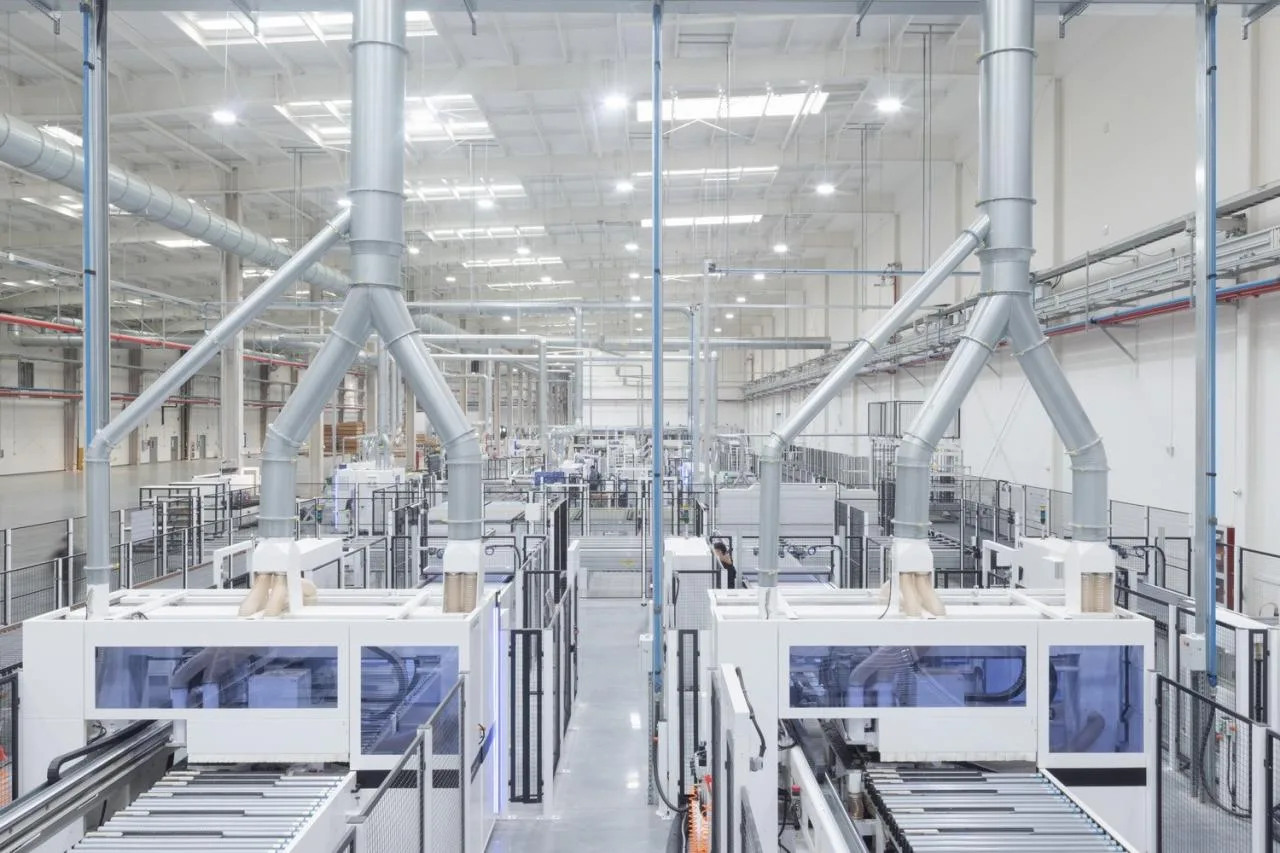
This integrated, green building prioritizes carbon neutrality and social responsibility through several sustainable features:
- Green photovoltaic roof: 50,000 square meters of integrated solar panels generate 350,000 kWh of electricity monthly, equivalent to planting 33,600 acres of forest.
- Sponge City System: Capable of collecting 200 tons of surface and roof rainwater at once, automatically purifying it for irrigation and dust reduction across the park.
- Energy management: Real-time monitoring and control of water, electricity, and gas consumption to optimize energy use in production and office areas.
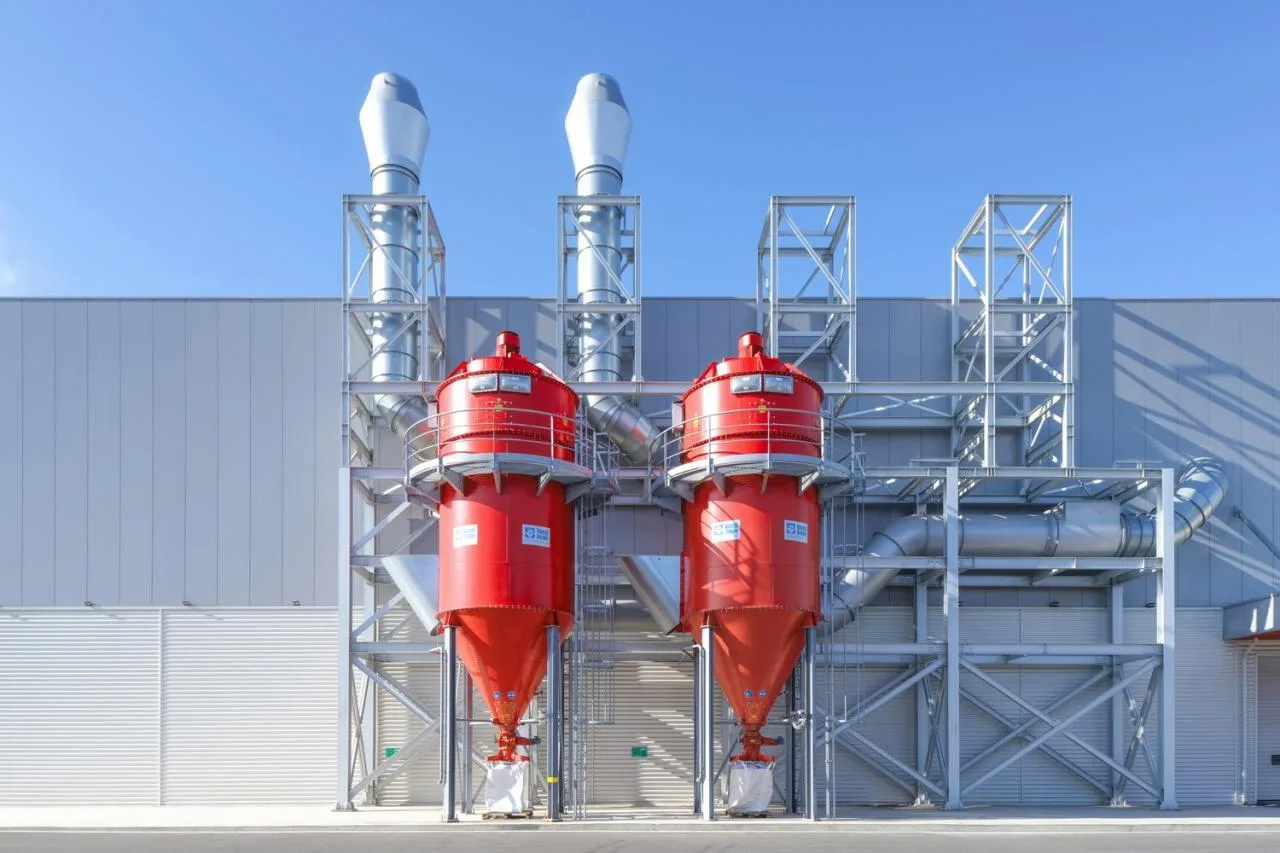
- Central dust removal system: State-of-the-art European technology eliminates workshop dust, protecting product surfaces and reducing emissions by 900 kg monthly.
- Heat exchange utilization: Recovers over 60% of production waste heat, complemented by 190 square meters of solar panels, meeting 24-hour hot water and thermal energy demands for thousands of employees.
- Solid waste recycling: Non-toxic biological treatment reduces solid waste by an average of 70%, recycling over 65% of materials for reuse.
Project Drawings
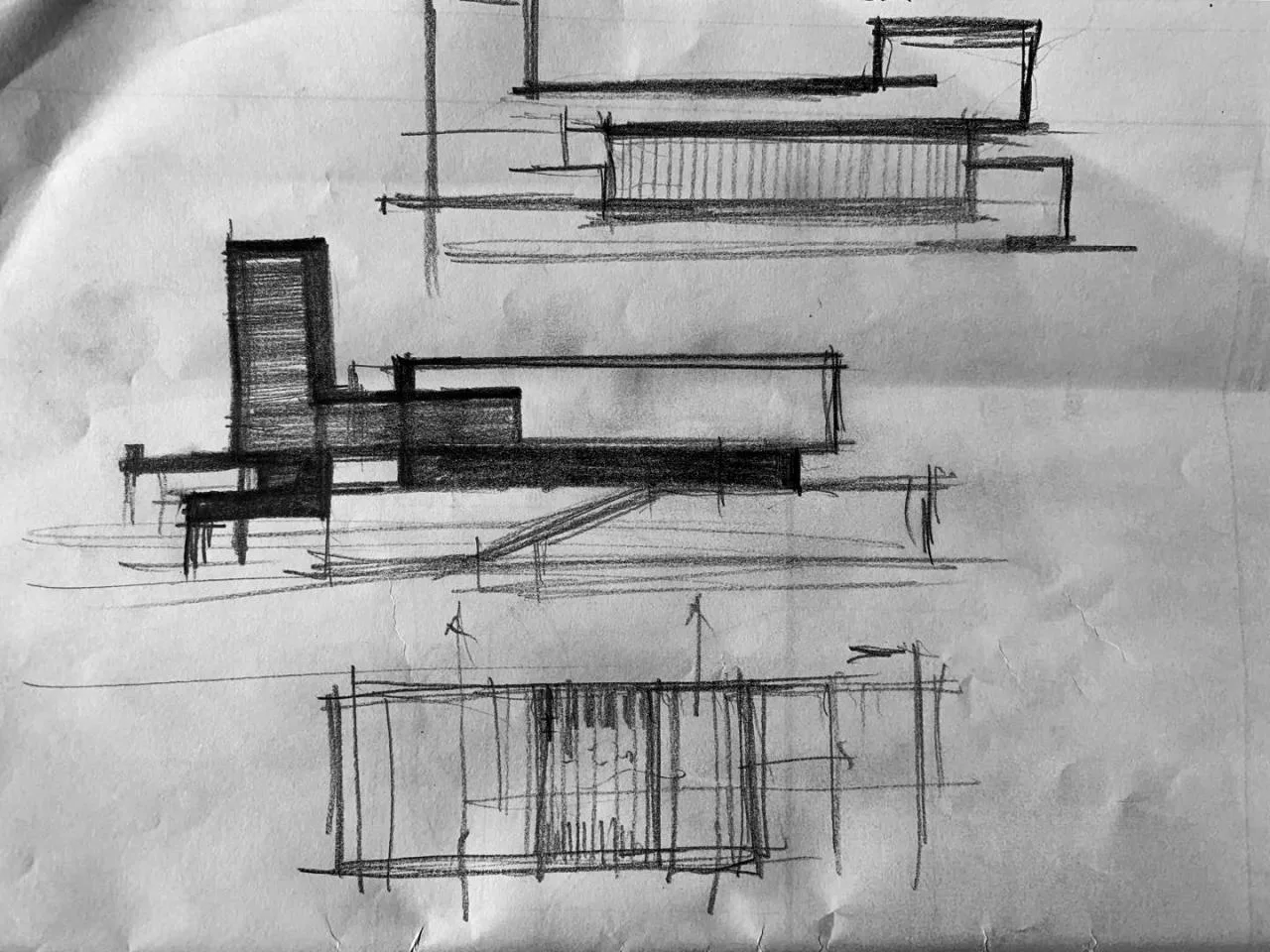
△ Hand-drawn Sketch
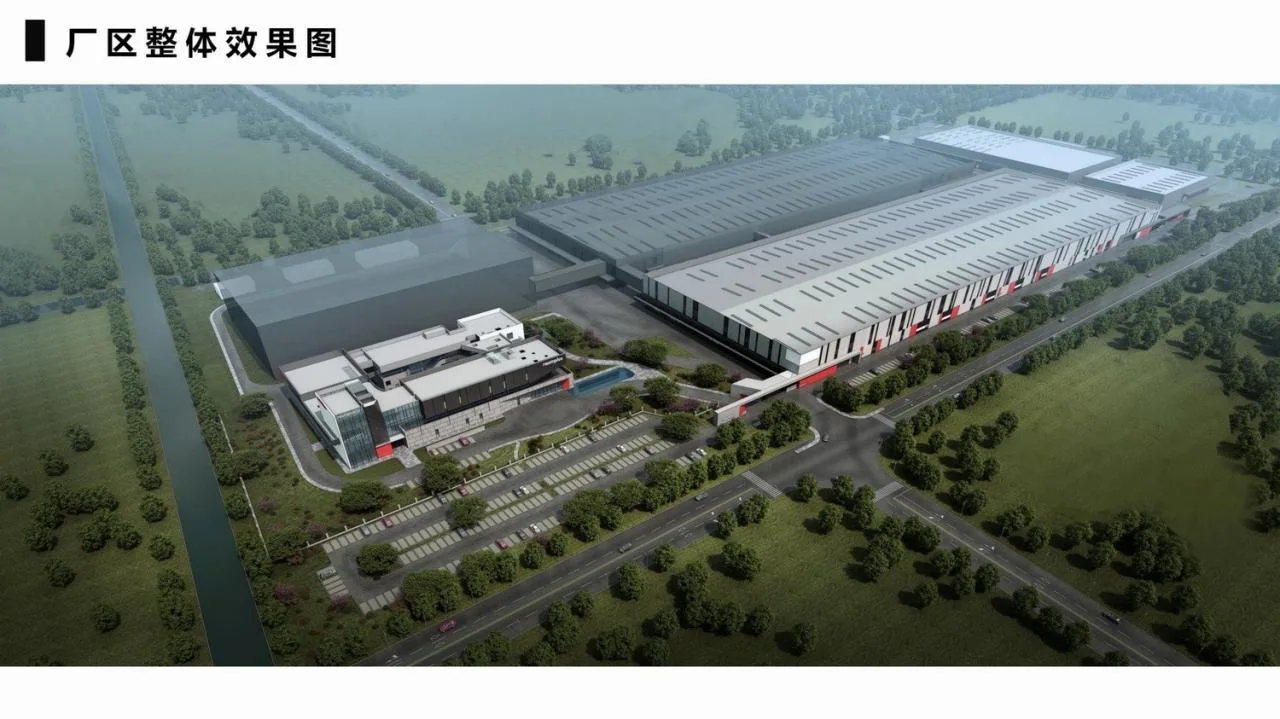
△ Rendering
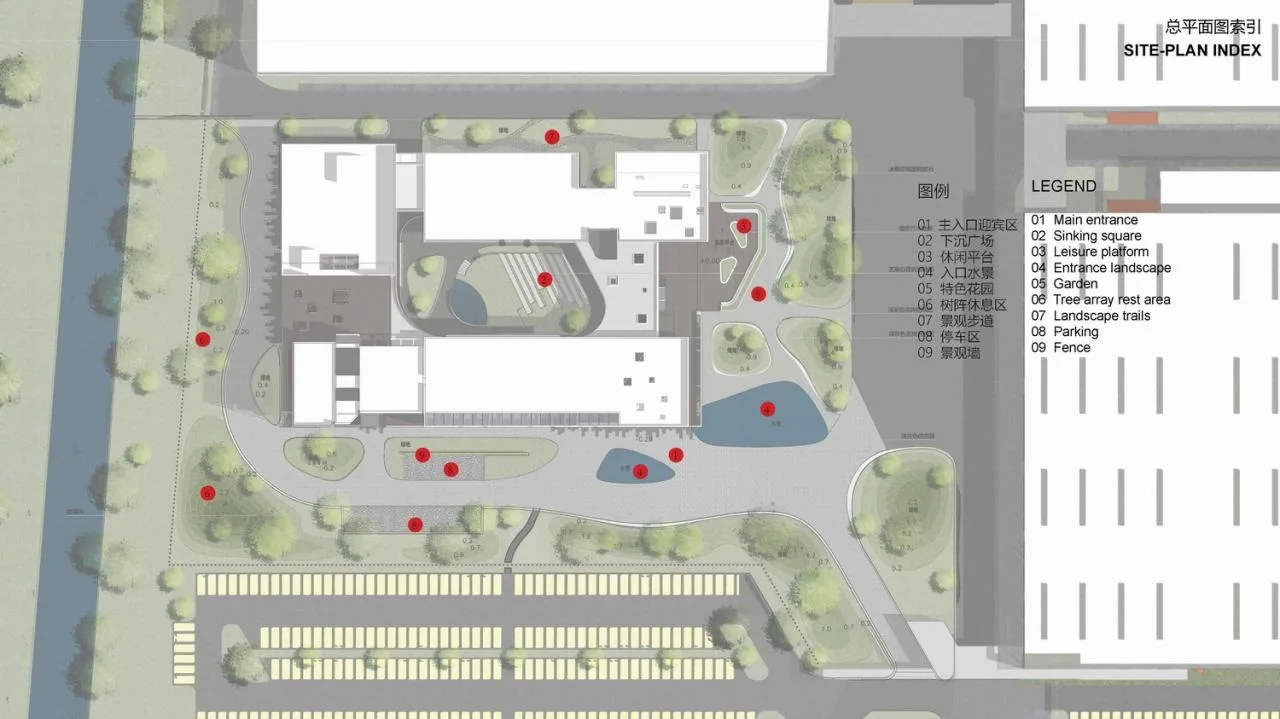
△ General Layout Plan
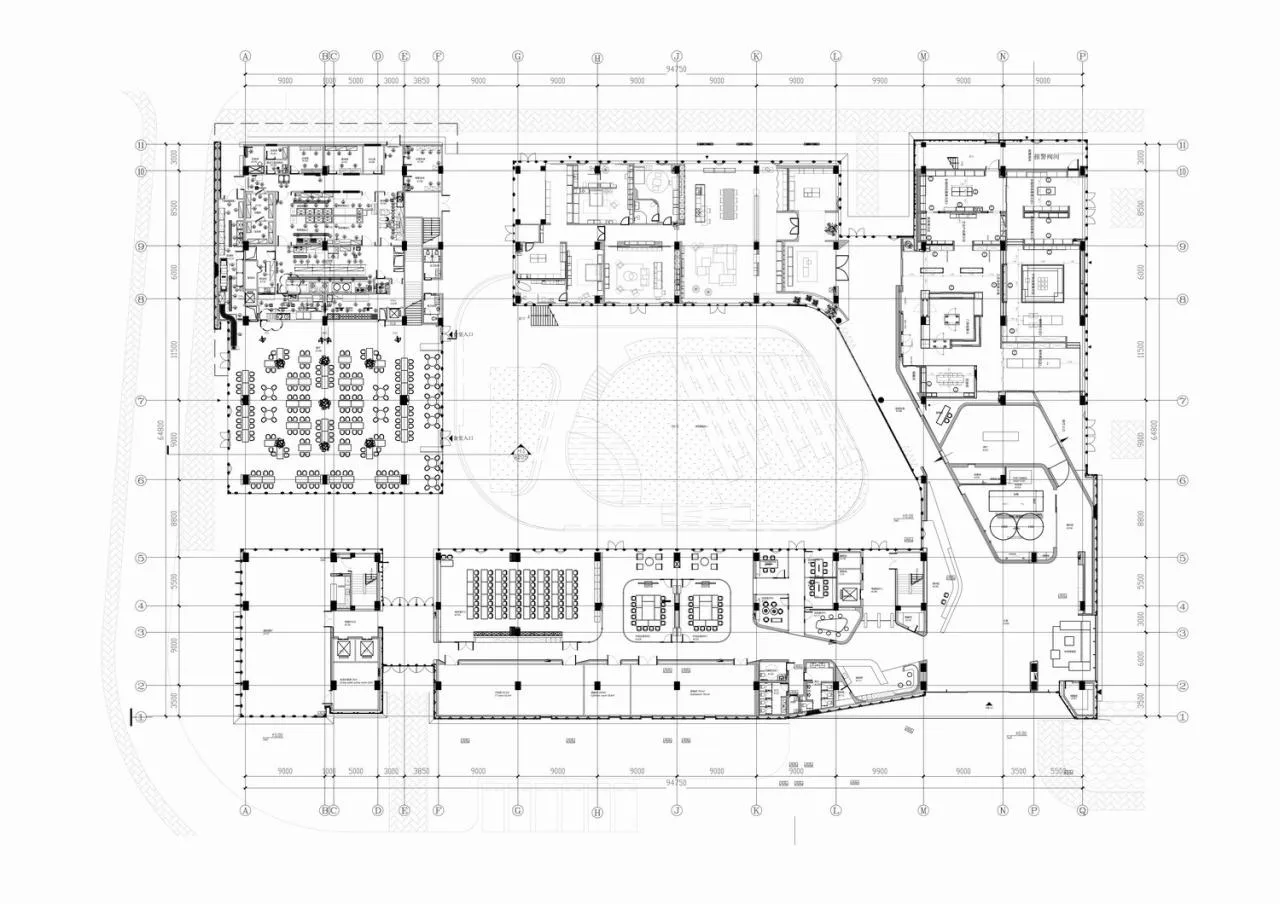
△ First Floor Plan
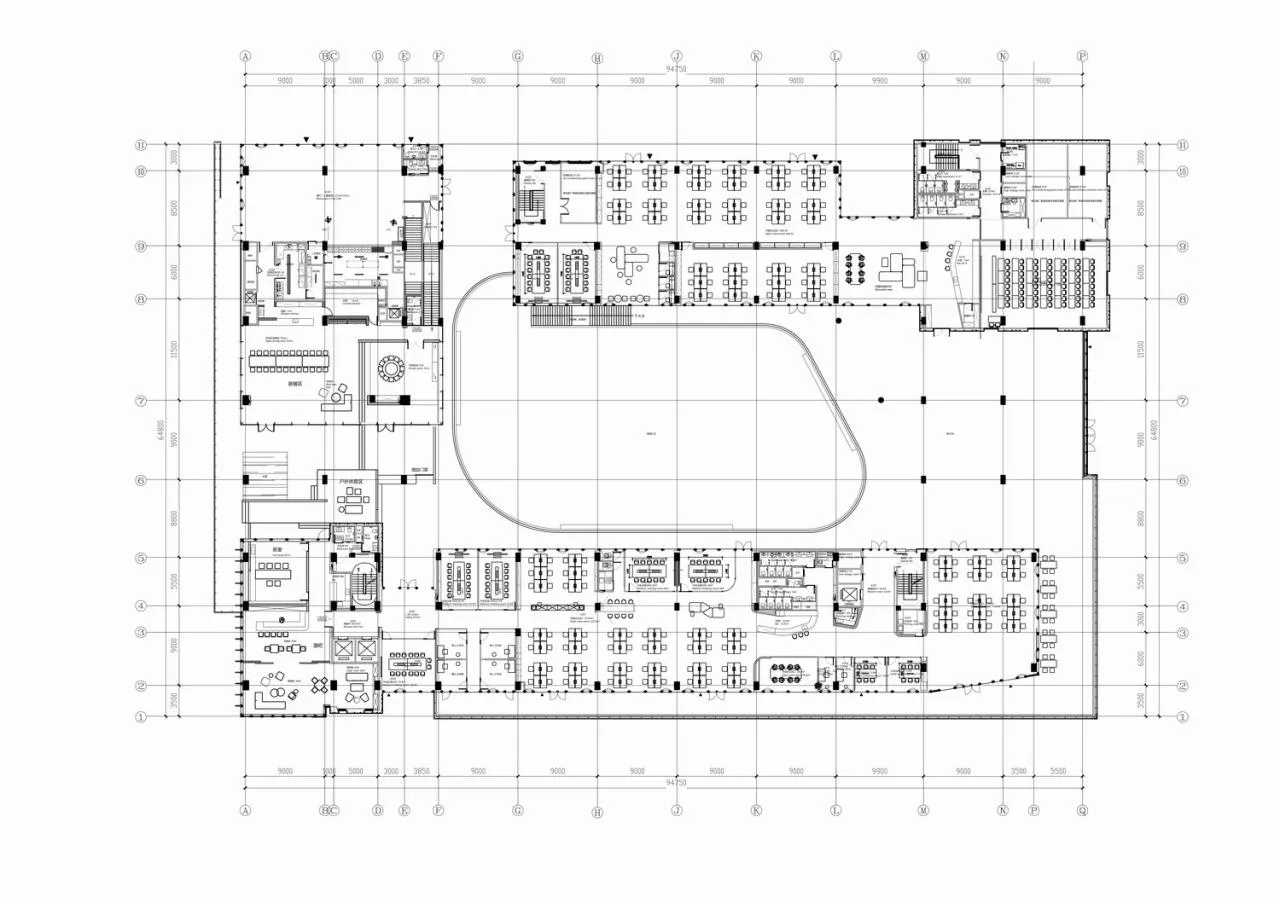
△ Second Floor Plan
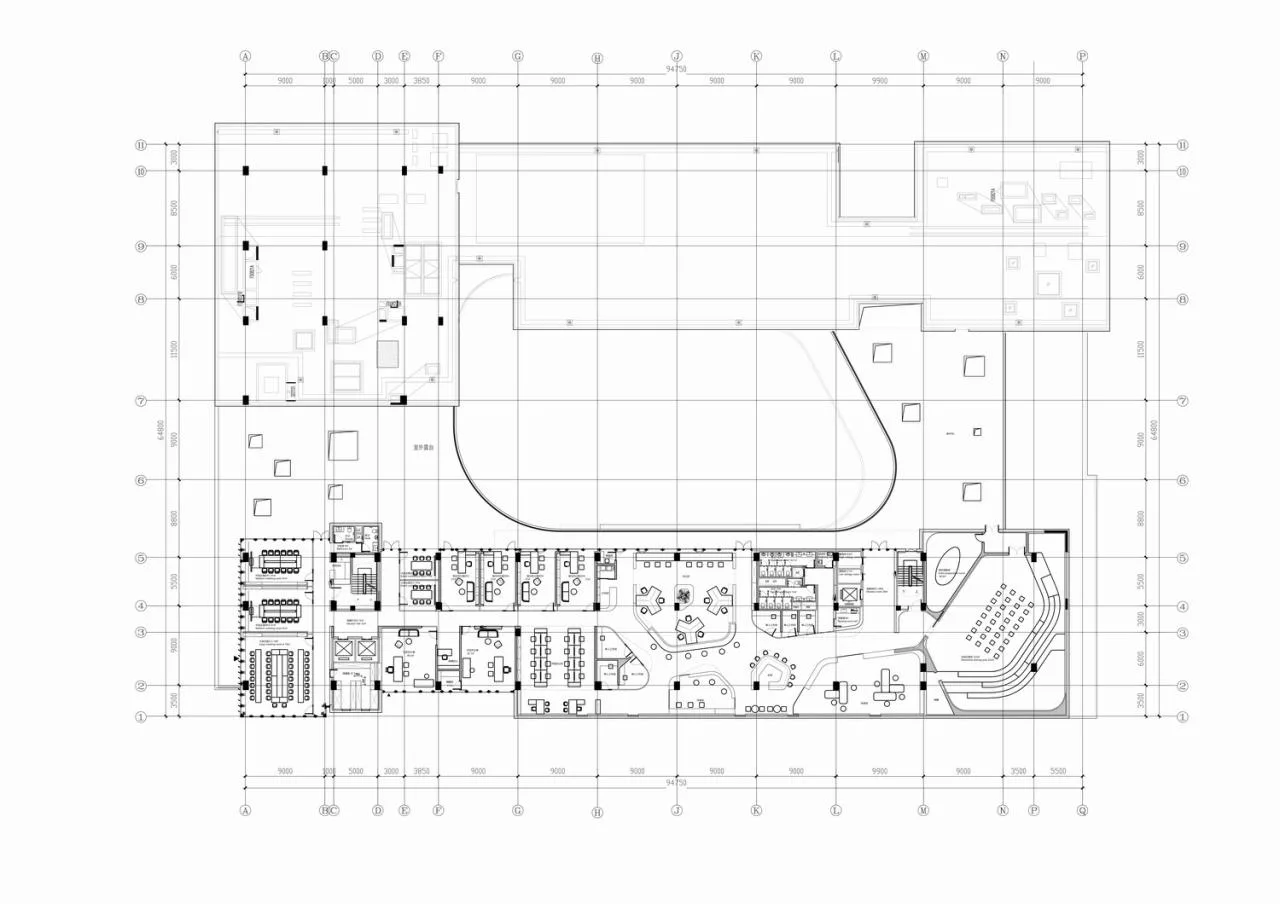
△ Third Floor Plan
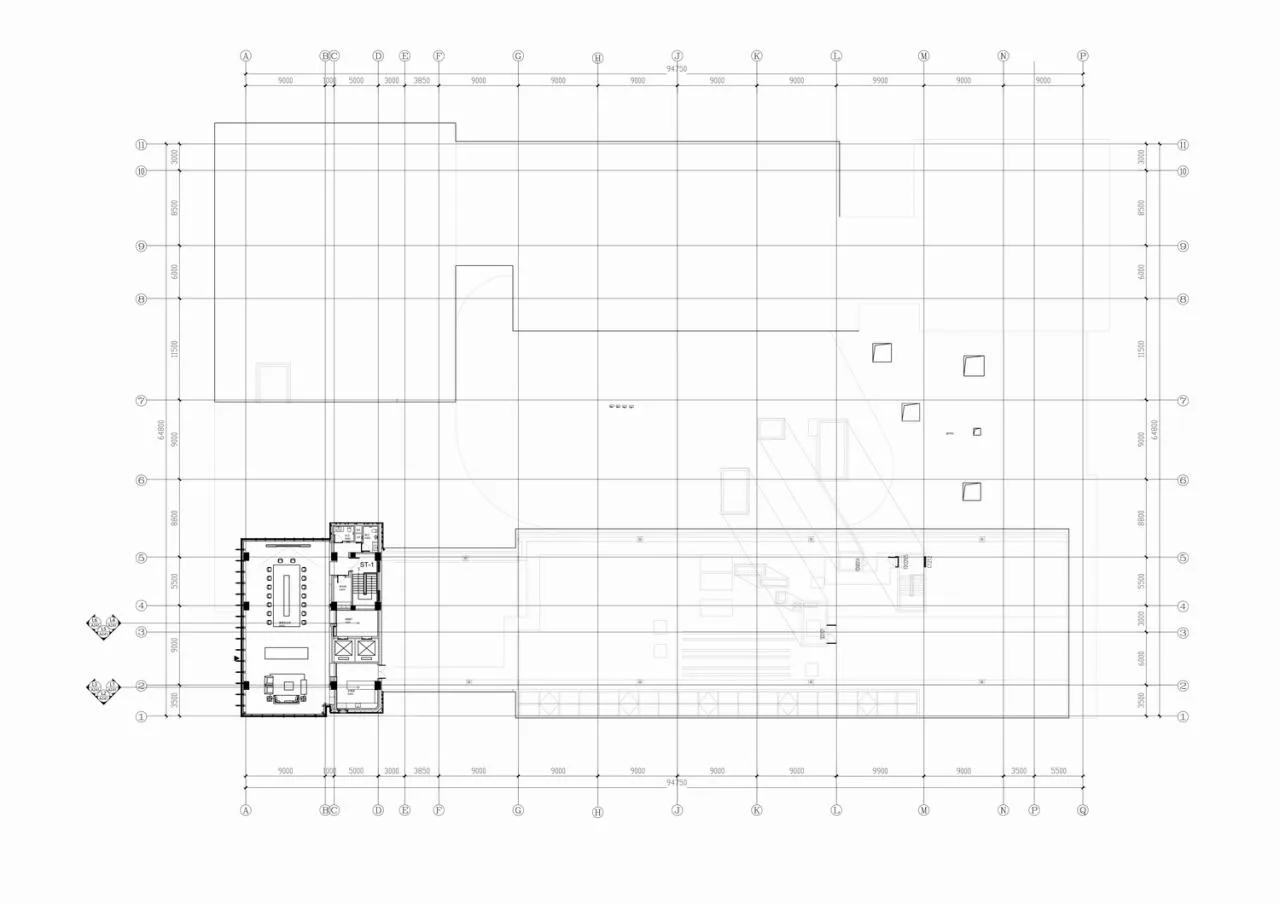
△ Fourth Floor Plan
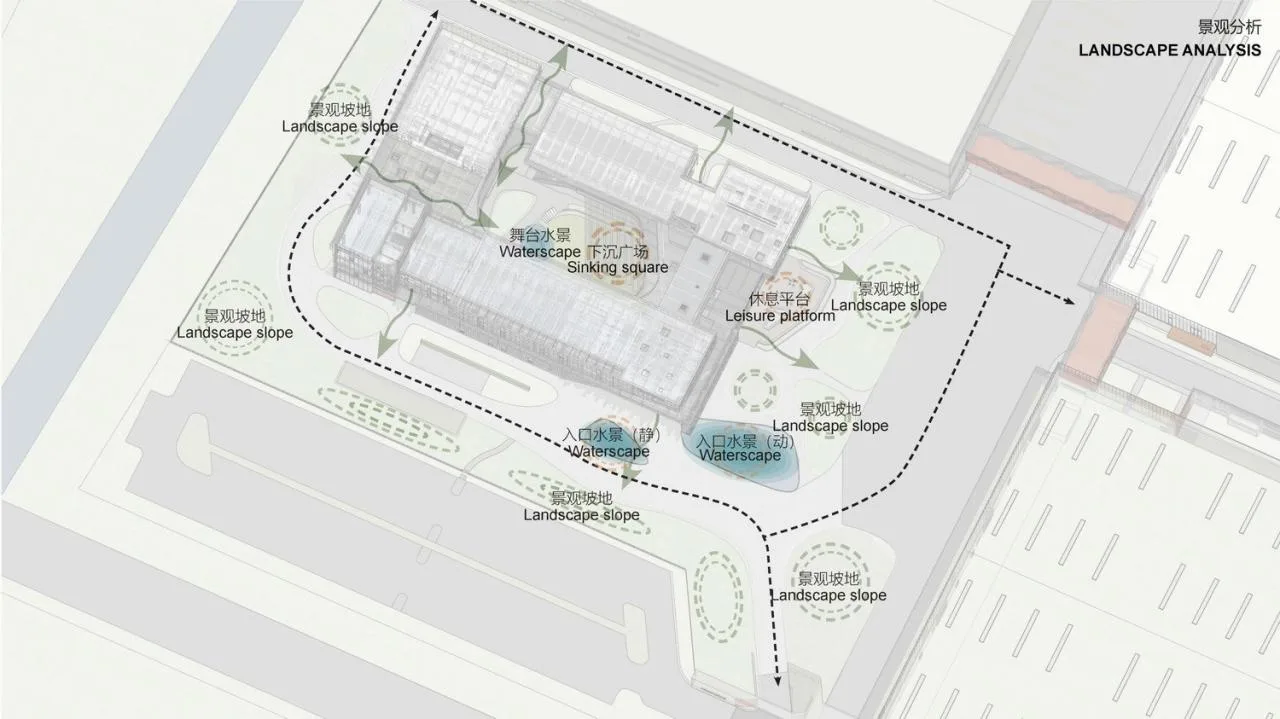
△ Landscape Analysis Diagram
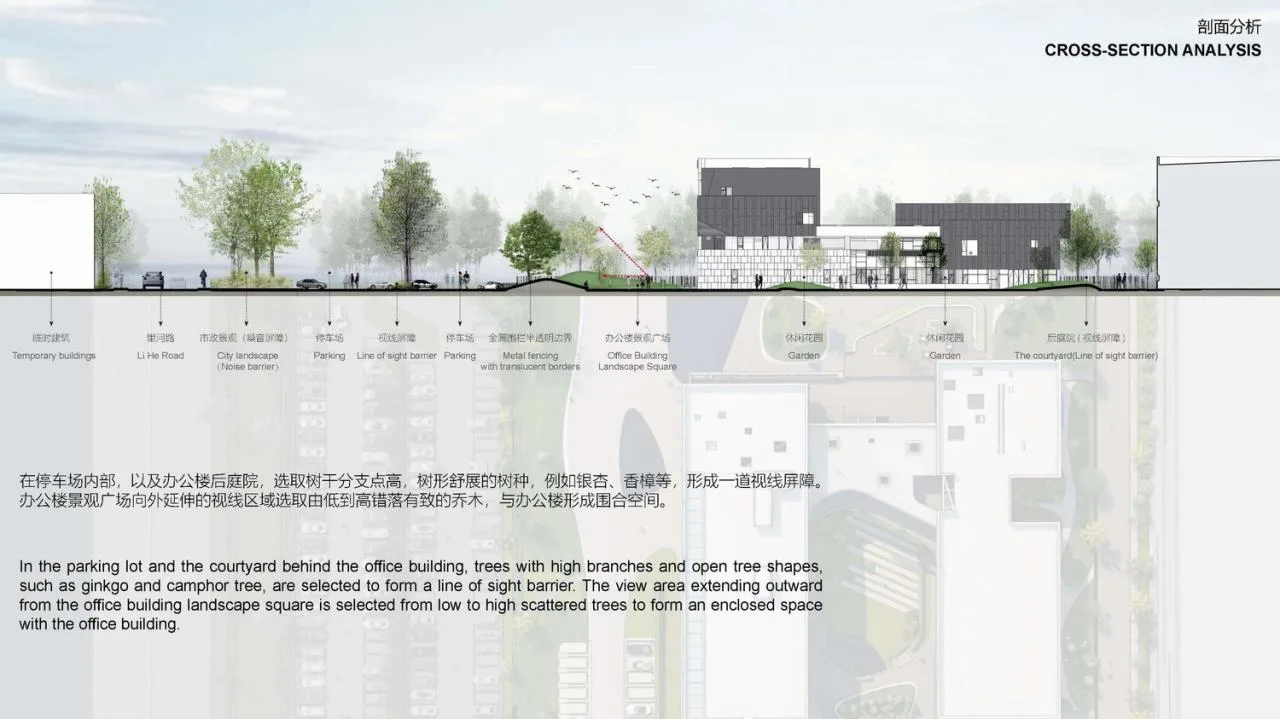
△ Profile Analysis Diagram
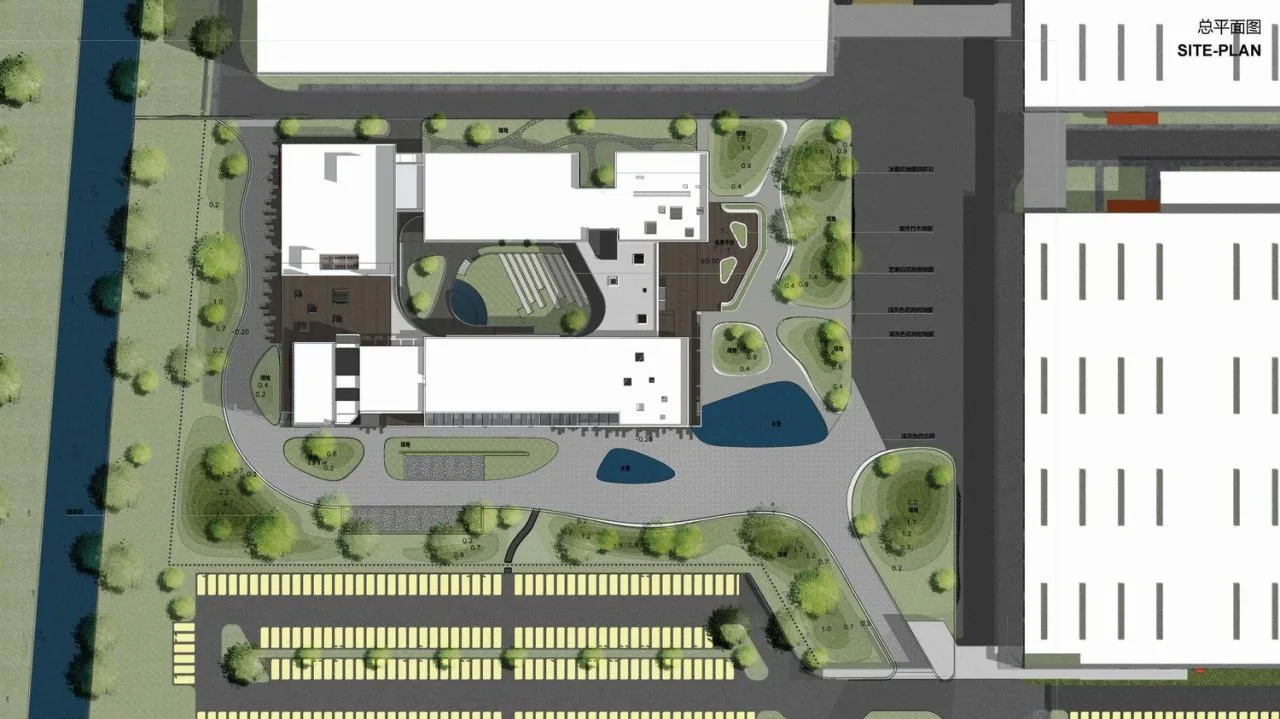
△ Rendering
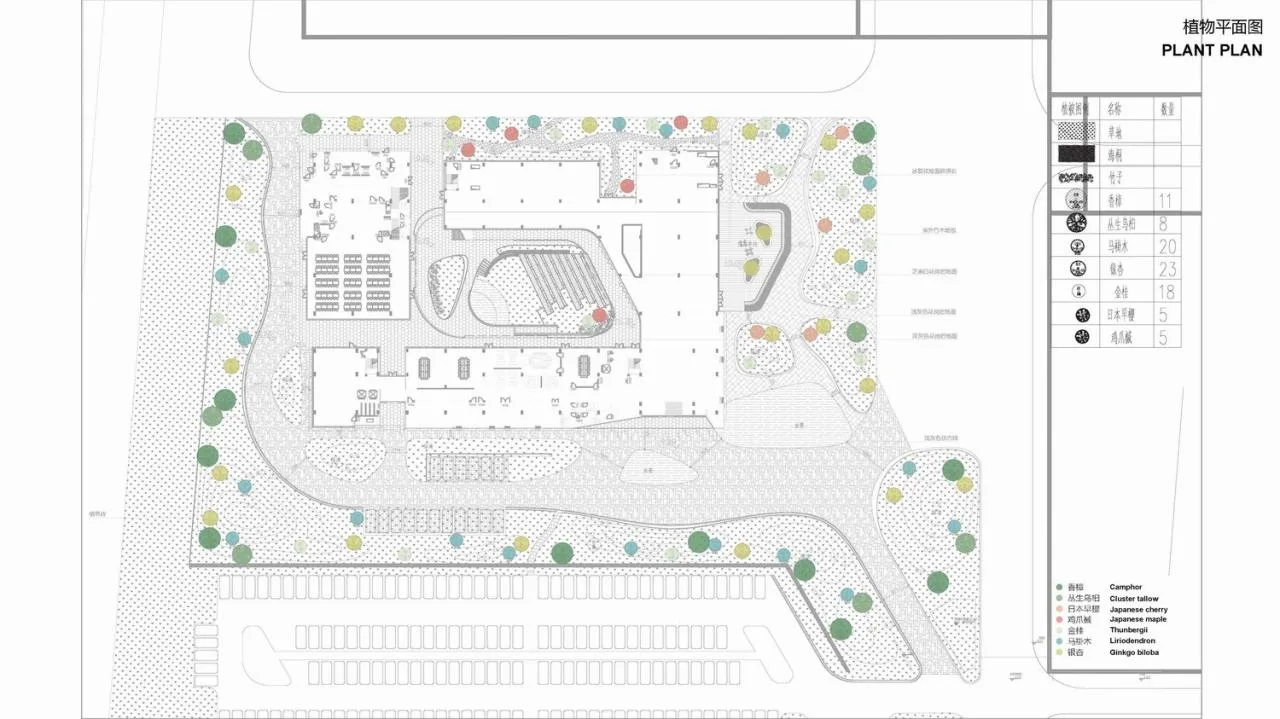
△ Plant Plan
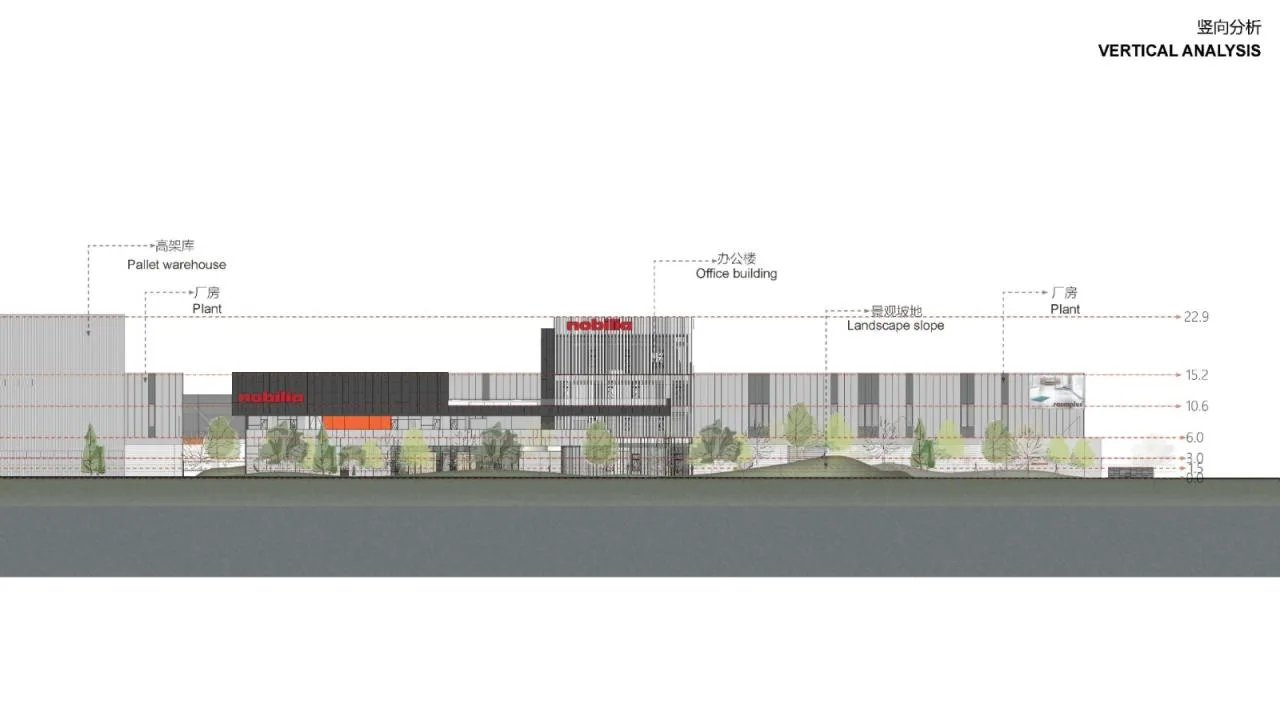
Vertical Analysis Diagram
Project Information
Polydor Asia Pacific Production and R&D Headquarters / Chiasmus Partners
Architect: Chiasmus Architecture Firm
Area: 60,000 m²
Project Year: 2023
Photographer: Existence of Architecture – Architectural Photography
Lead Designer: James Wei Ke
Design Team: Bu Xiangkun, Yin Fengkun, Sun Zhi, Cheng Chen, Wei Lei, Han Shangwei, Xu Yuting, Fan Yuxuan
Client: Ruibo Wuxi Home Technology Co., Ltd.
Project Management: Beijing CBRE Property Management Services Co., Ltd. Shanghai Branch
Interior Design: Chiasmus Architecture Firm
Construction Drawing Designer: Information Industry Electronics Eleventh Design and Research Institute Technology Engineering Co., Ltd.
LEED Certification: Shanghai Jiahua Construction Engineering Consulting Co., Ltd.
Construction Contractor: China 20th Metallurgical Group Corporation General Contracting Company
Location: Wuxi, China















Must log in before commenting!
Sign Up