
“The starting point of design often begins with identifying a problem, and once the problem is understood, everything starts to flow.”
—— Carlo Scarpa
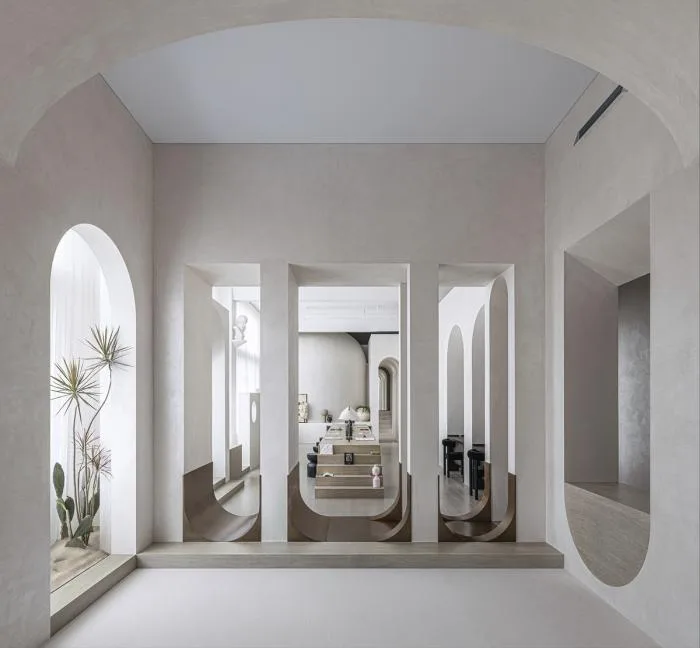
Two Design Lines
Experiencing a space firsthand might not always offer a clear understanding of the entire site. However, stepping back to analyze the site’s constraints often better informs the design process.
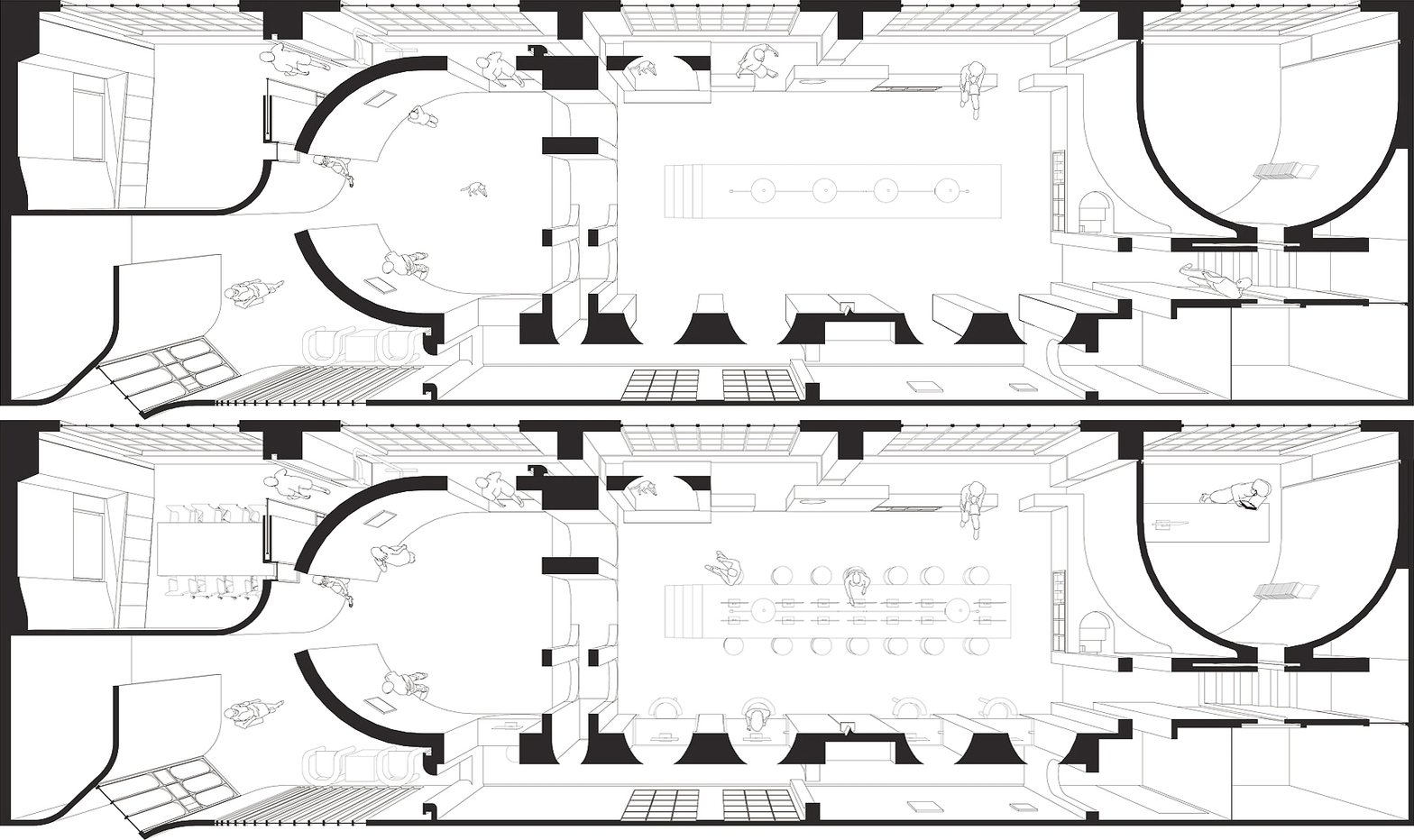
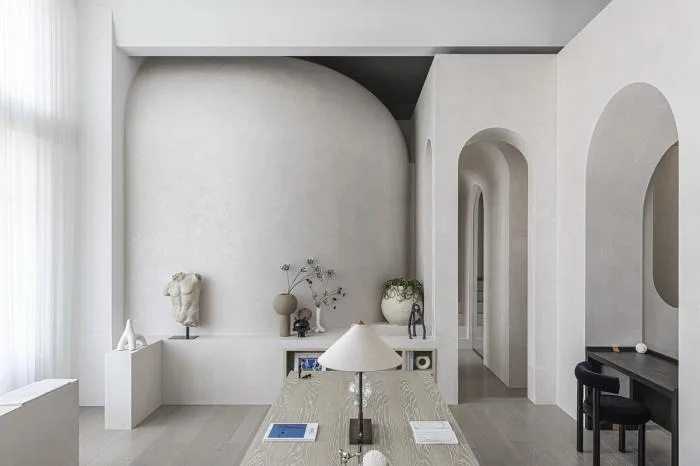
This space is defined by two clear design lines: one guided by the entrance from the outside inward, and the other by a vertical height of five meters used to expand the layout. Starting with the site’s limitations, two critical points become evident: the entrance hall’s position dictates the entrance location, while the structural framework and five evenly spaced lighting windows determine the wall placements.
Hierarchical Impression
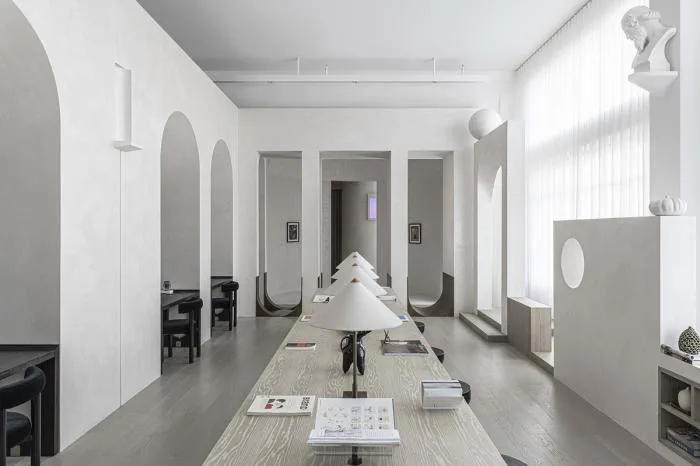
Architecture emerges from designing a dynamic tension between exterior and interior, moving from outside in and inside out. Walls, which mark boundaries, become iconic architectural elements due to the contrast between inside and outside. Architecture exists at the intersection of indoor and outdoor spatial forces. Doors, as points of entry and exit, often become symbolic and iconic structures.
—— From “The Complexity and Contradiction of Architecture” by Robert Venturi
The space takes a rectangular form, with a U-shaped enclosure along one long side and five large windows that allow light to flow freely. The protruding entrance towards the front hall is shaped by fire safety regulations, while the entrance’s location and evacuation width influence spatial organization and architectural language. The entire design unfolds from these constraints.
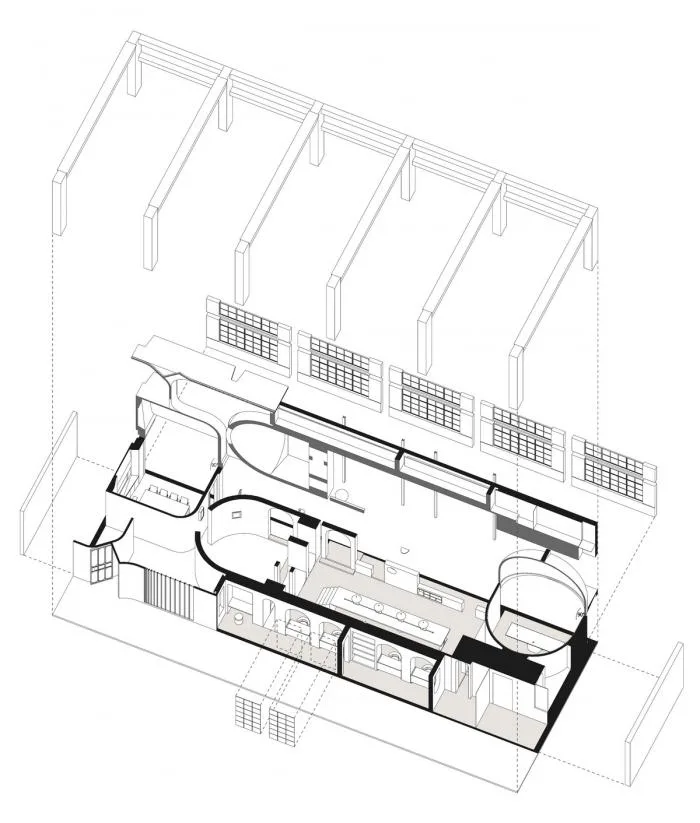
△ Exploded View of the Axis Side
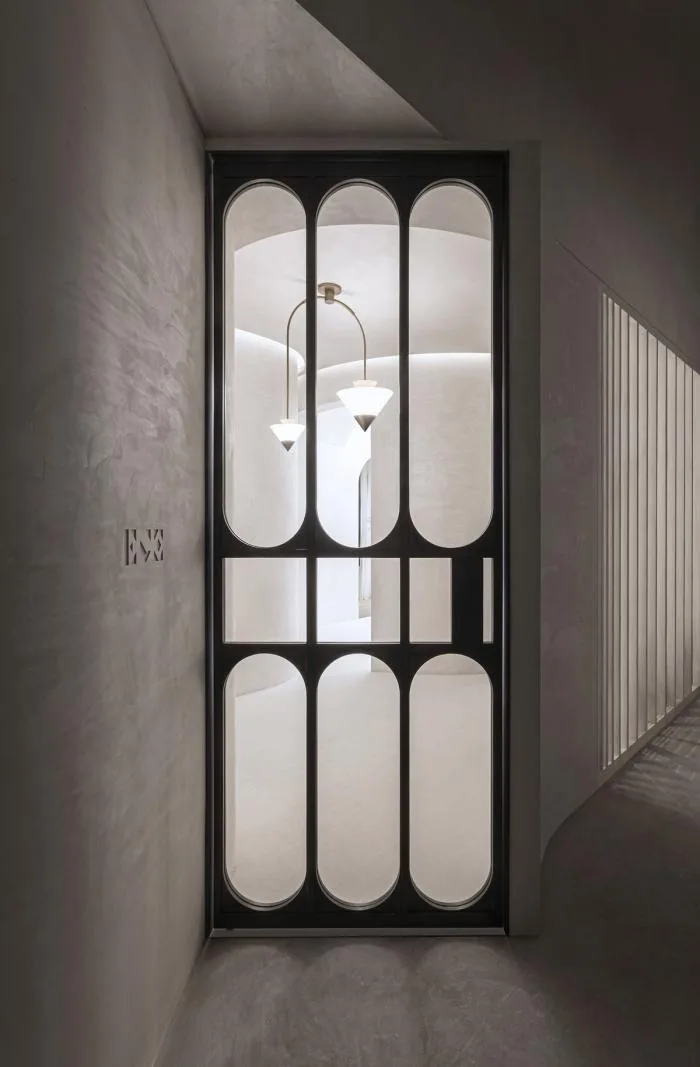
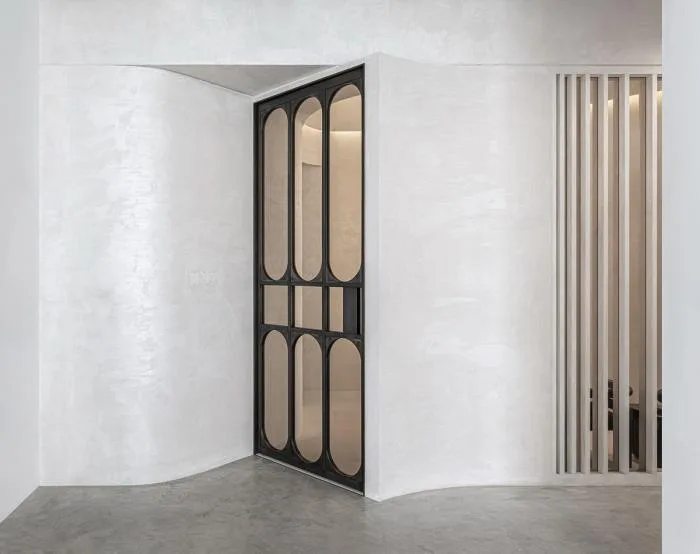
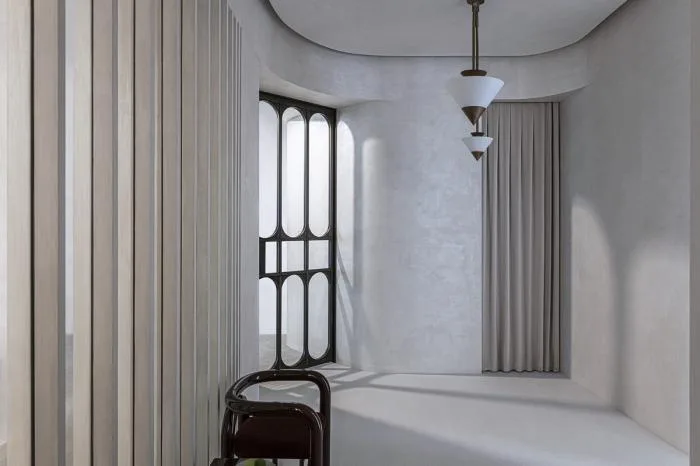
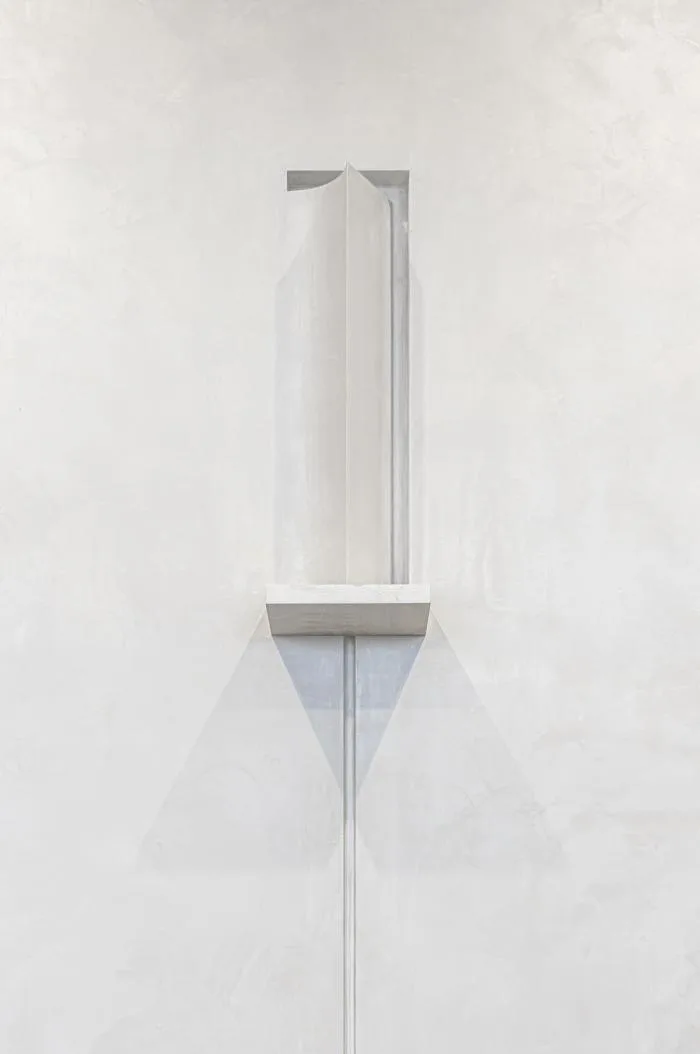
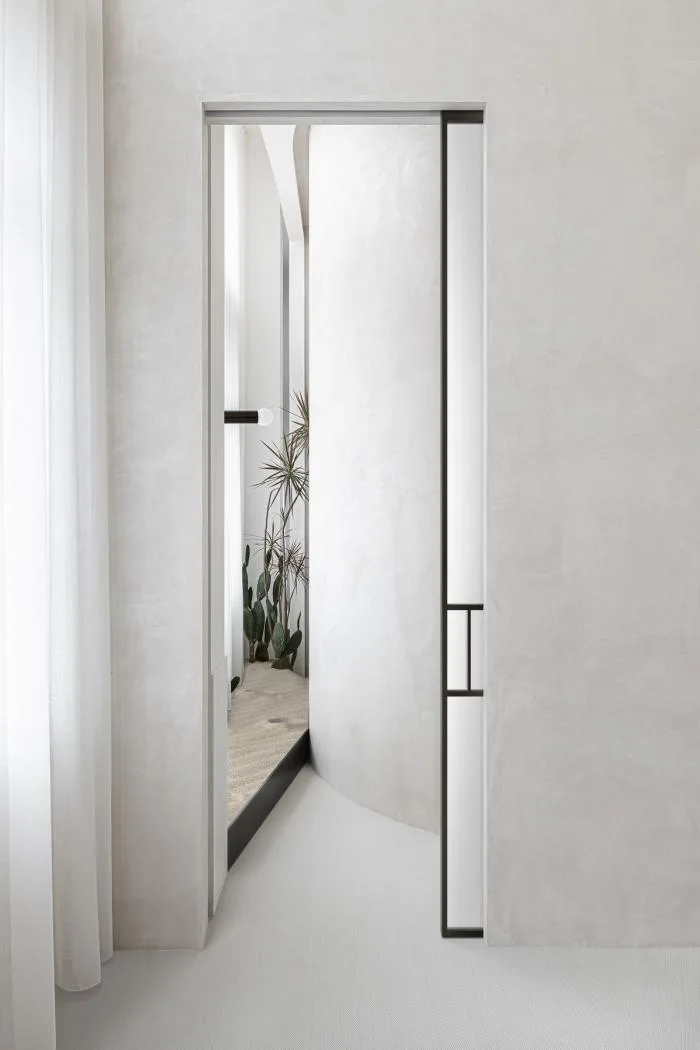
The entrance design unfolds on three levels: the viewer’s eye approaching the door, the interface created by the door and surrounding wall, and the implied space beyond. The door’s shape continues and reflects the overall design approach, with simple geometric overlays revealing internal scenery through glass. This creates a rich spatial hierarchy that contrasts with the enclosing side walls.
Classical Spatial Vocabulary
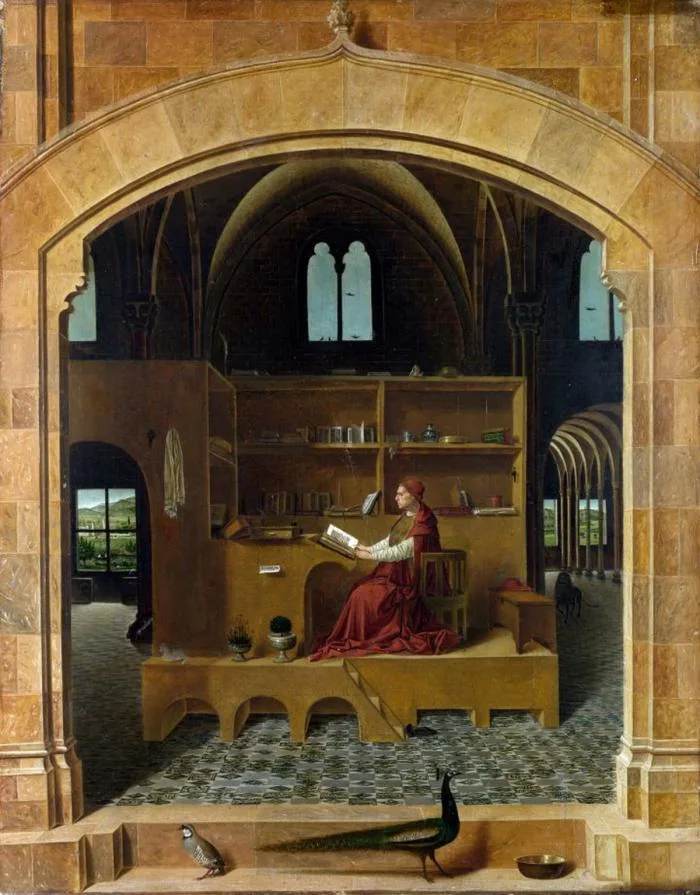
Misino’s “Saint Jerome in the Study”
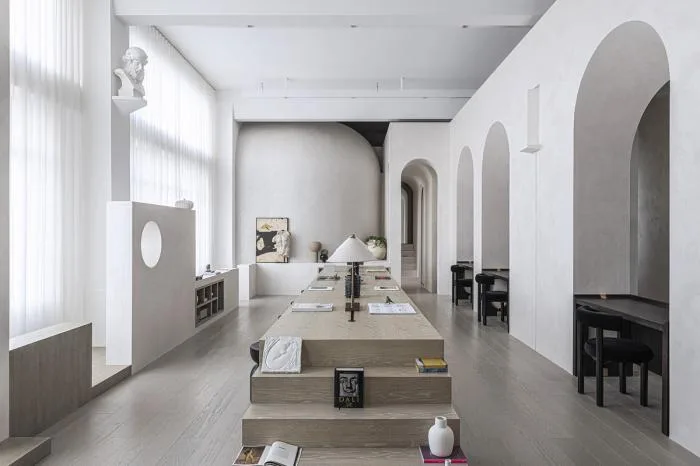
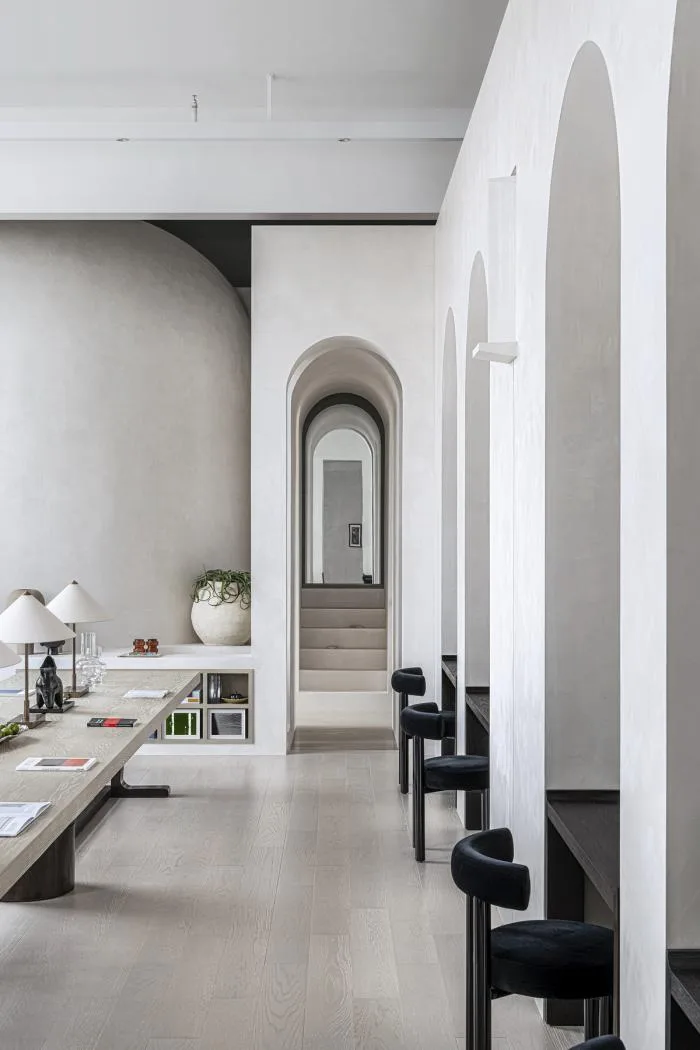
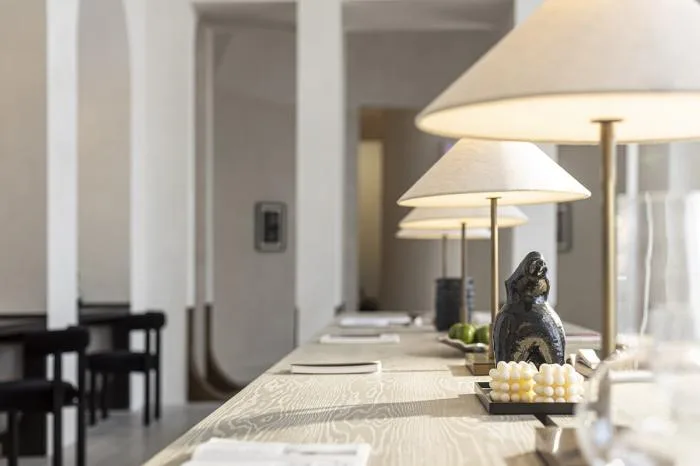
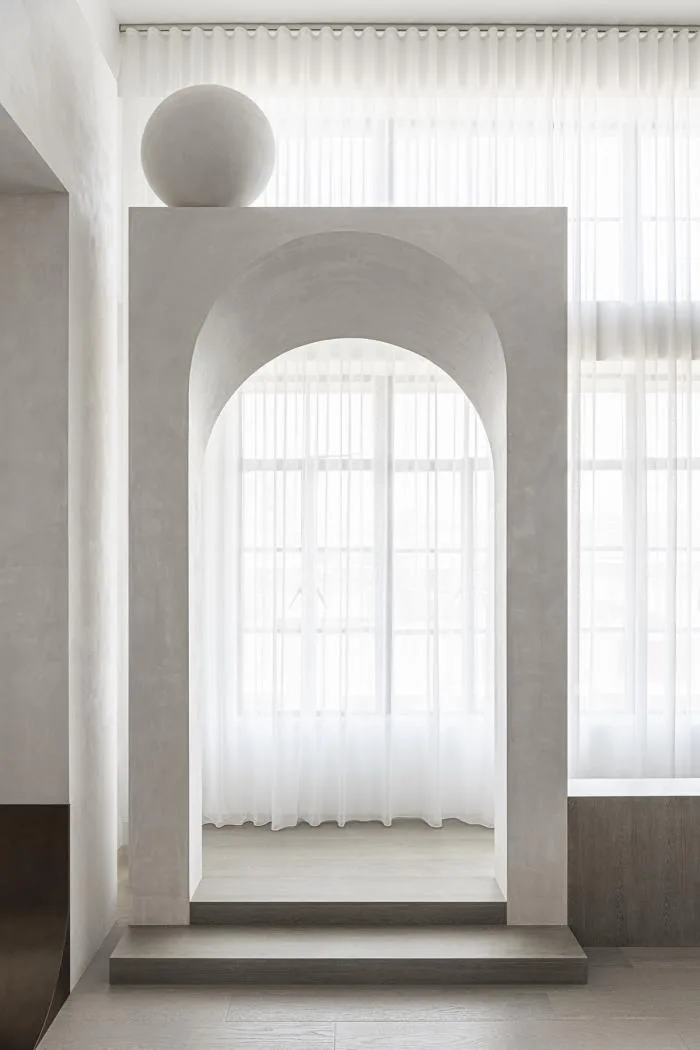
The spatial design draws from classical architectural vocabulary. Misino’s painting depicts the eternal intersection of public and private realms, flow and stillness, through arches integrated into architecture, interiors, landscapes, and furniture. The three-dimensional composition transforms the study into a large piece of furniture: the top panel acts as both floor and ceiling, while the vertical panels and supports resemble walls and columns.
1. Eternal Elements
“The most beautiful thing in all three-dimensional shapes is the sphere, and the most beautiful thing in all flat shapes is the circle.”
—— Pythagoras
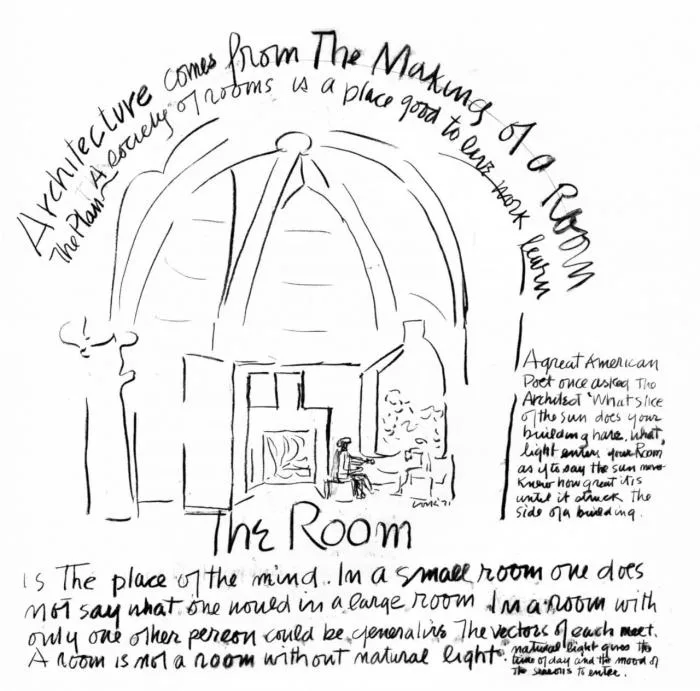
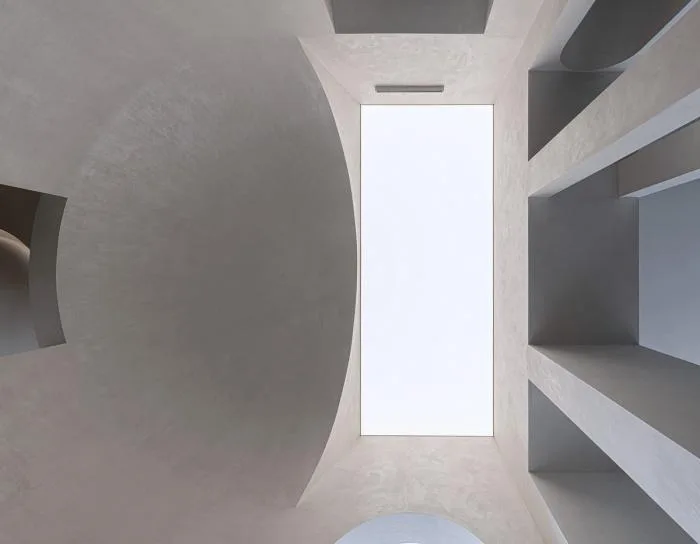
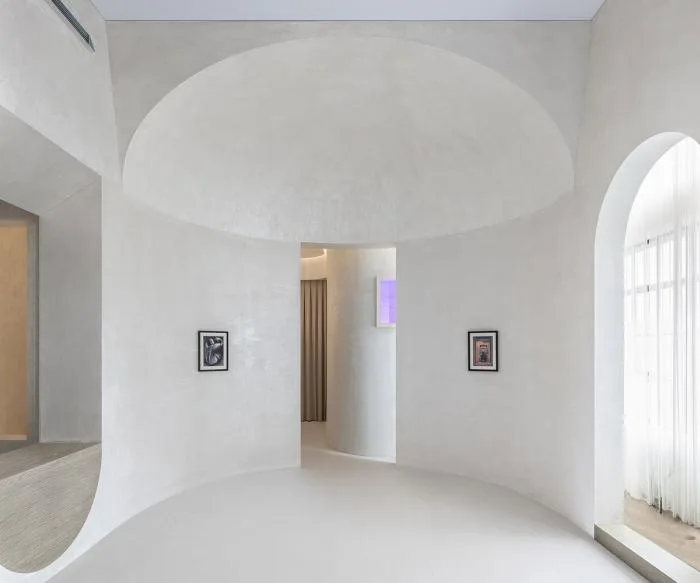
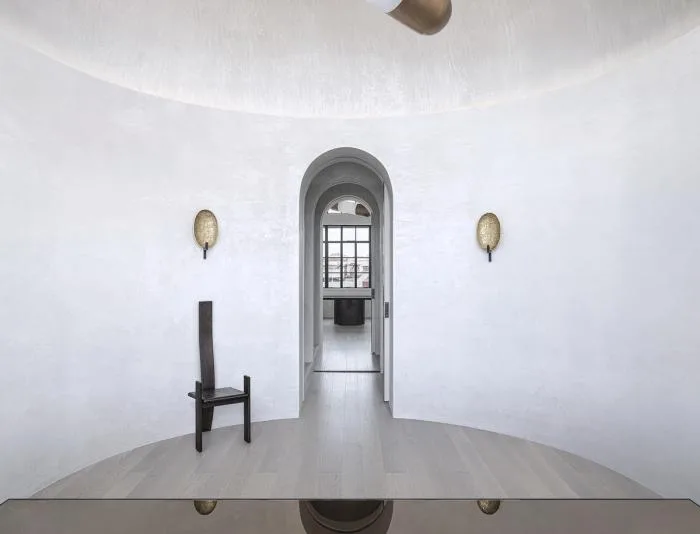
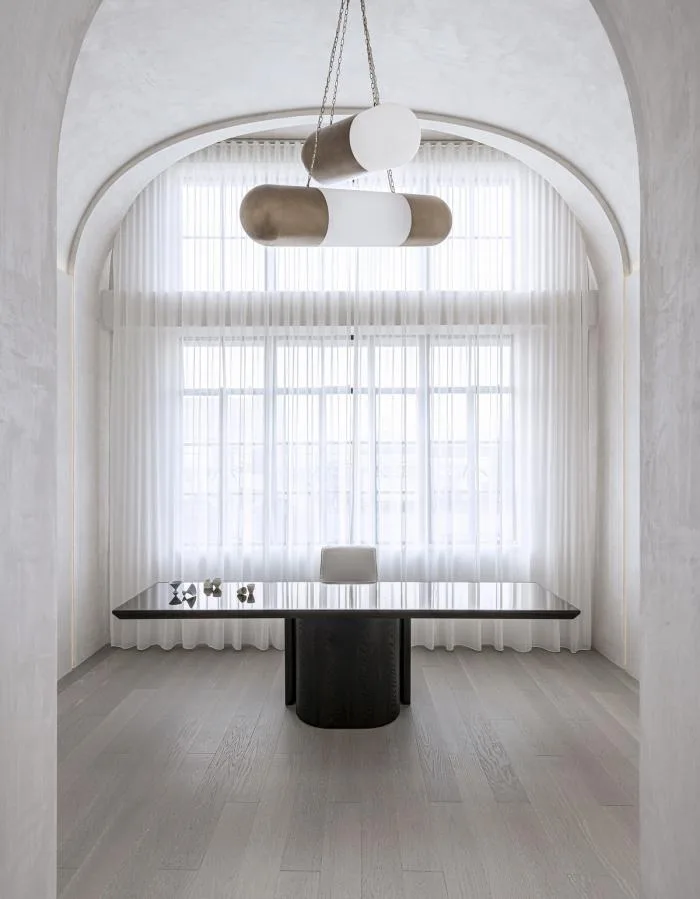
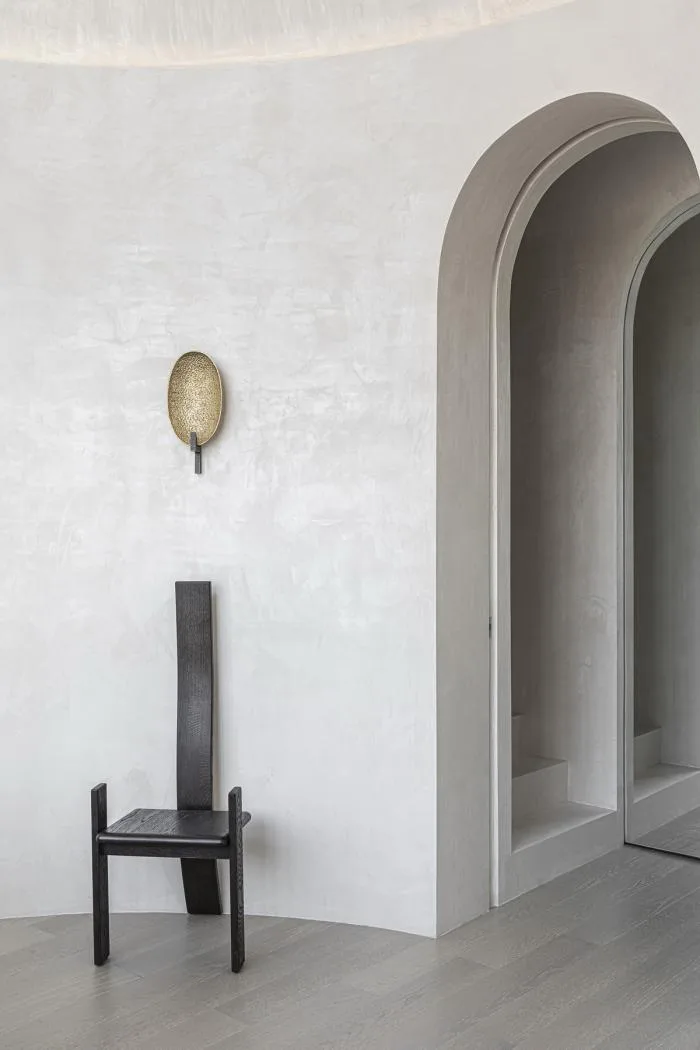
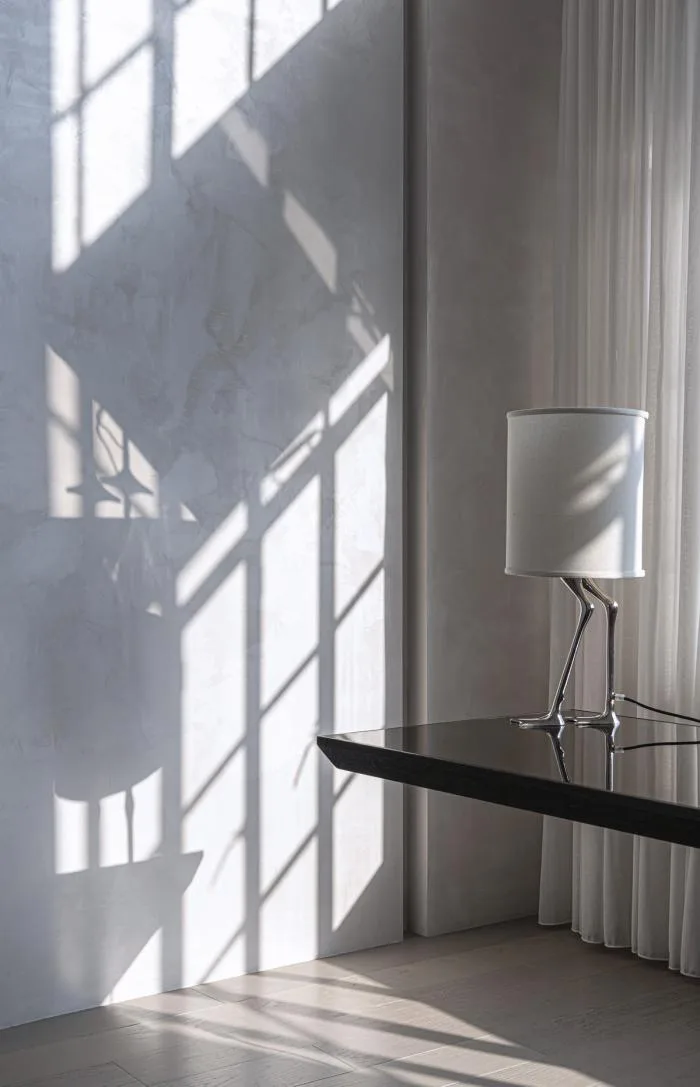
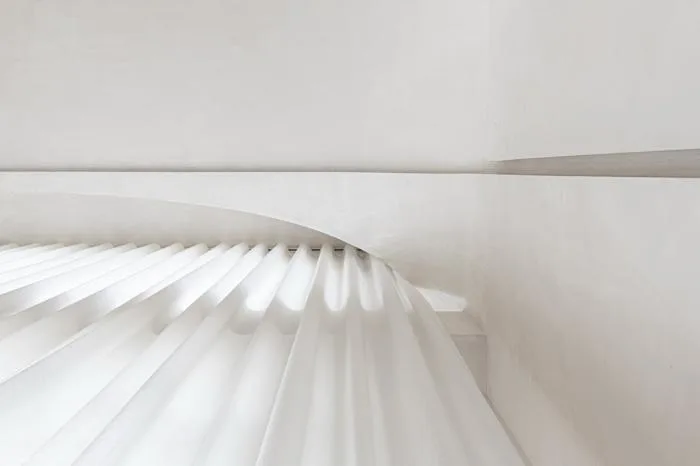
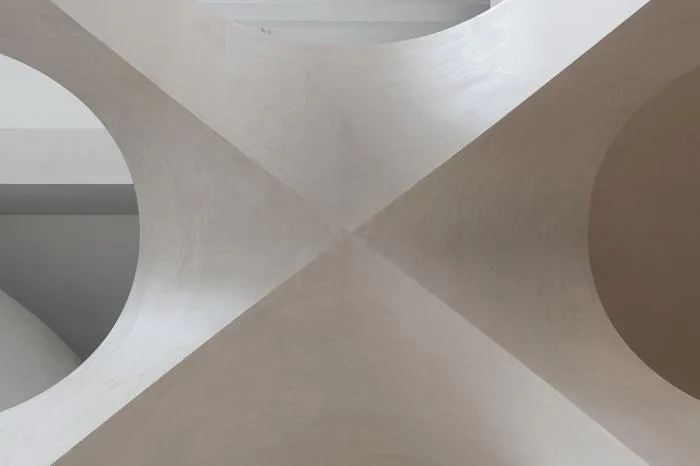
Louis Kahn’s sketches portray a serene scene of people communicating beneath a dome, with light freely diffusing. For Kahn, pure geometric forms are full of vitality when illuminated by sunlight. Modern design techniques introduce classical architectural elements to imbue the space with timelessness. By incorporating the perfect three-dimensional form—the sphere—the spatial aesthetics are heightened, allowing visitors to experience the space on a spiritual level.
2. Dimensional Changes
A flat, one-dimensional experience can feel monotonous. Vertical movement and the creation of ancillary spaces—such as hidden corners or platforms—are essential for sparking imagination and leaving lasting impressions.
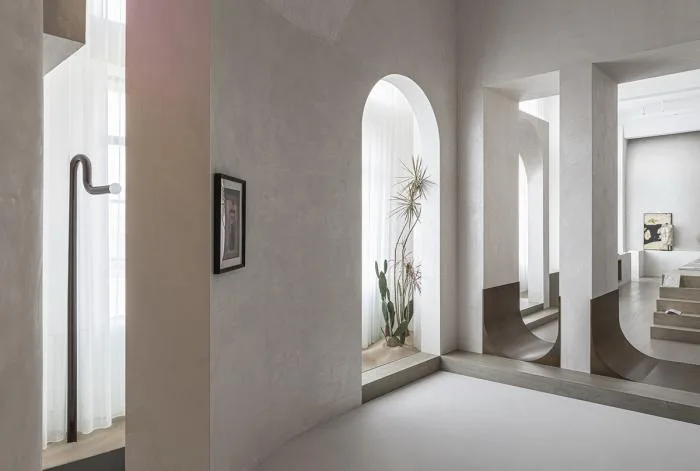
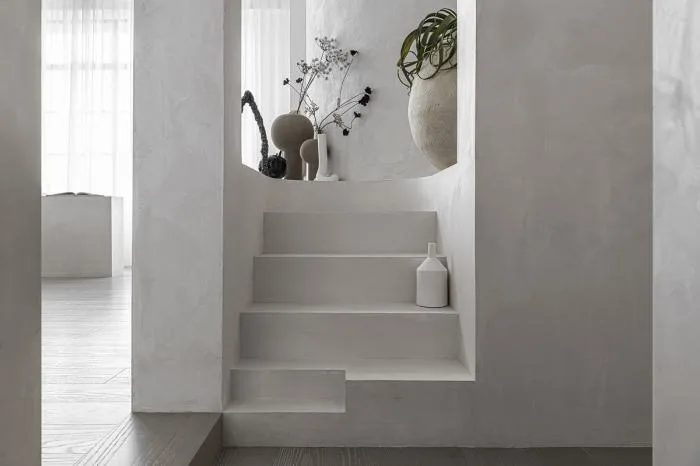
Explore the “scenery” at various heights within the space, showcasing detail changes along the journey. Only through continuous exploration can one discover unexpected delights.
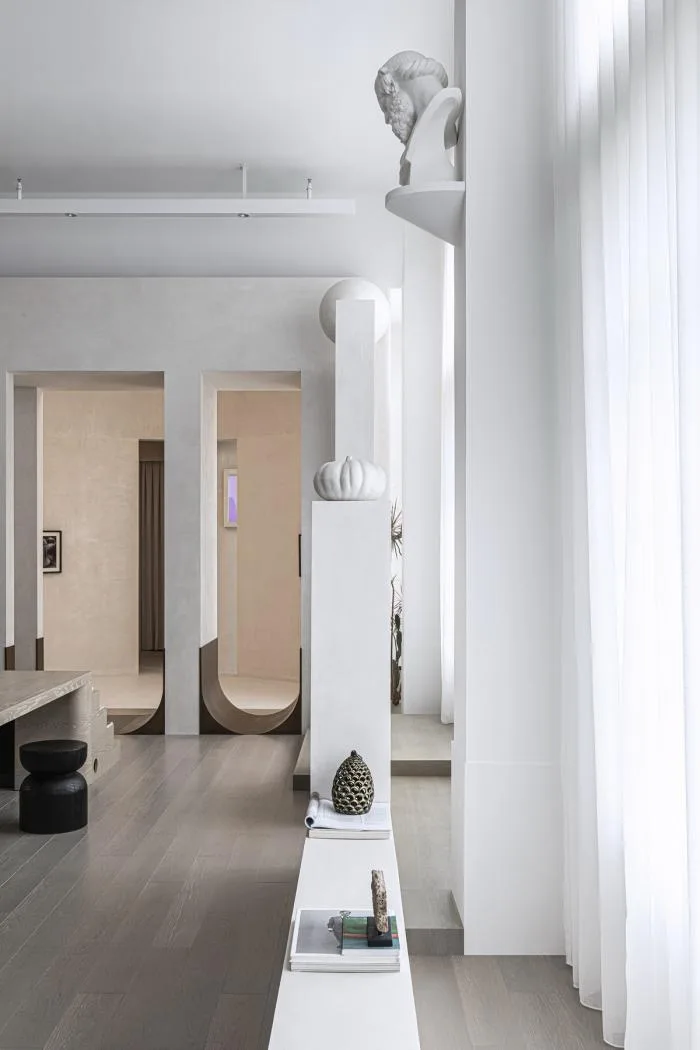
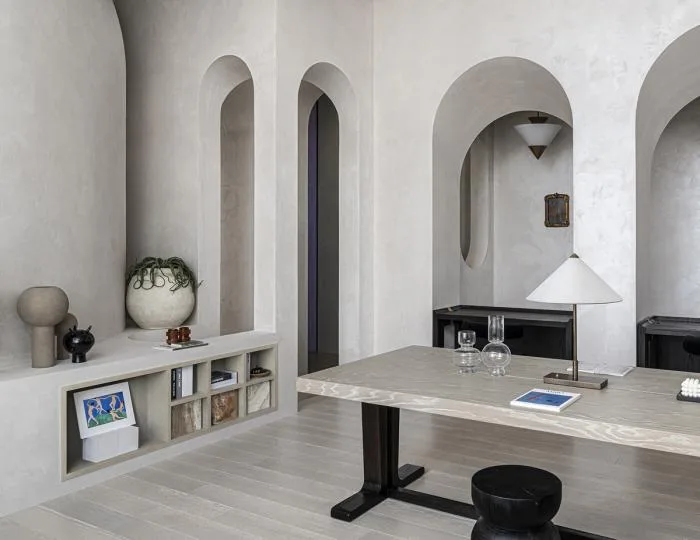
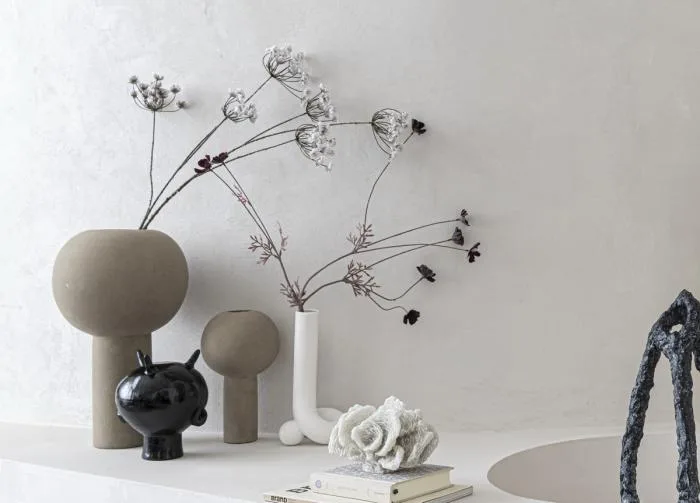
The abstract “garden” concept shapes the indoor corridors as garden paths, carpets as sand and stones, and decorative elements as plants and trees. Raising the outer edge of the garden entrance creates a natural height variation, visually enhancing the space with mystery and delight.
Creation of Spatial Relationships
Carlo Scarpa once said, “You need to create certain relationships to make things come alive. For example, the average person’s line of sight is six feet—roughly half the height of a building. This half relationship demands something to reveal, and that is what we call a relationship.”
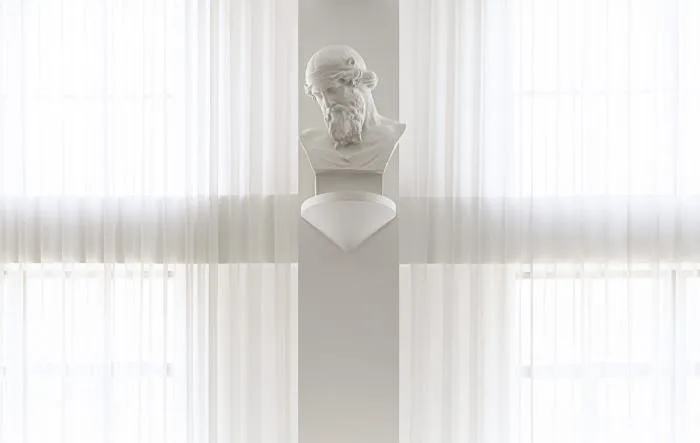
1. “Boundary” and “Between”
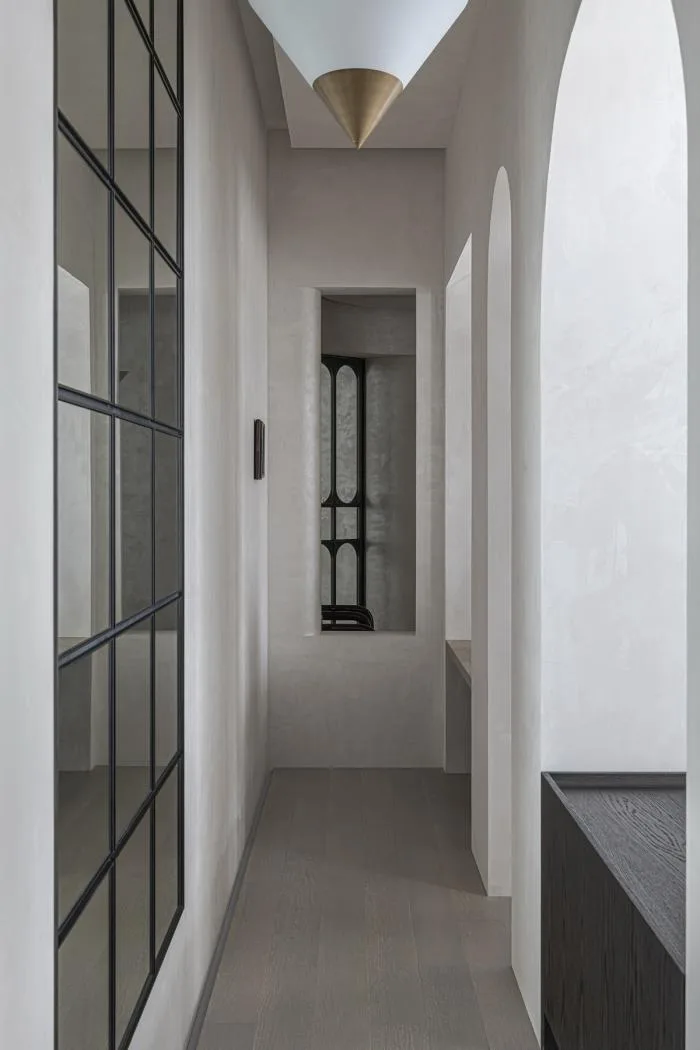
“Boundary” and “between” are dialectical, interdependent concepts that imply spatial potential ranging from zero to infinite thickness. Designers create “thick boundaries” in space—walls—combined with “spaces” that accommodate objects, sometimes forming passages connecting areas. Though boundaries may blur, certain elements help reveal the relationship between enclosed and open spaces.
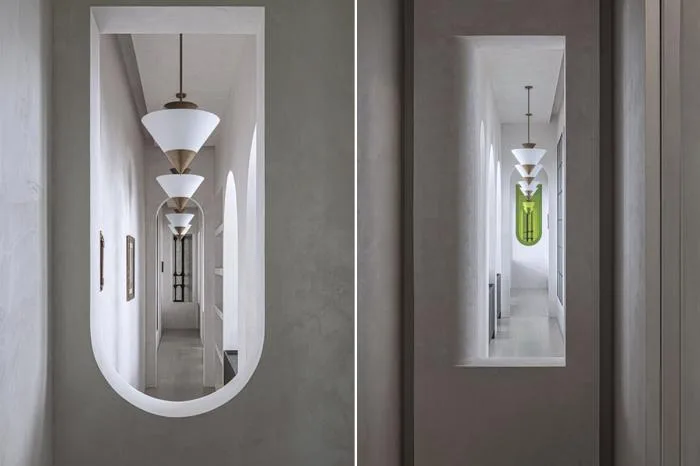
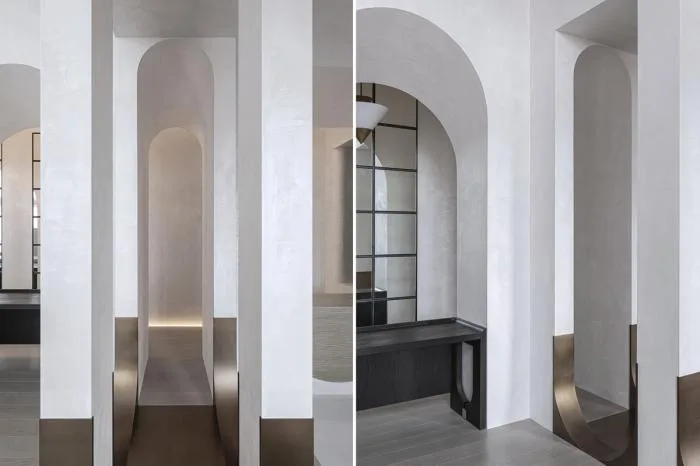
Embedding new spatial relationships within the original framework creates a multi-layered experience. With the dual nature of the space serving both exhibition and office functions, the interior is designed to evoke a pure spiritual feeling. Some spaces feel “infinite,” while others are “limited,” and these notions are integrated through openings and gaps.
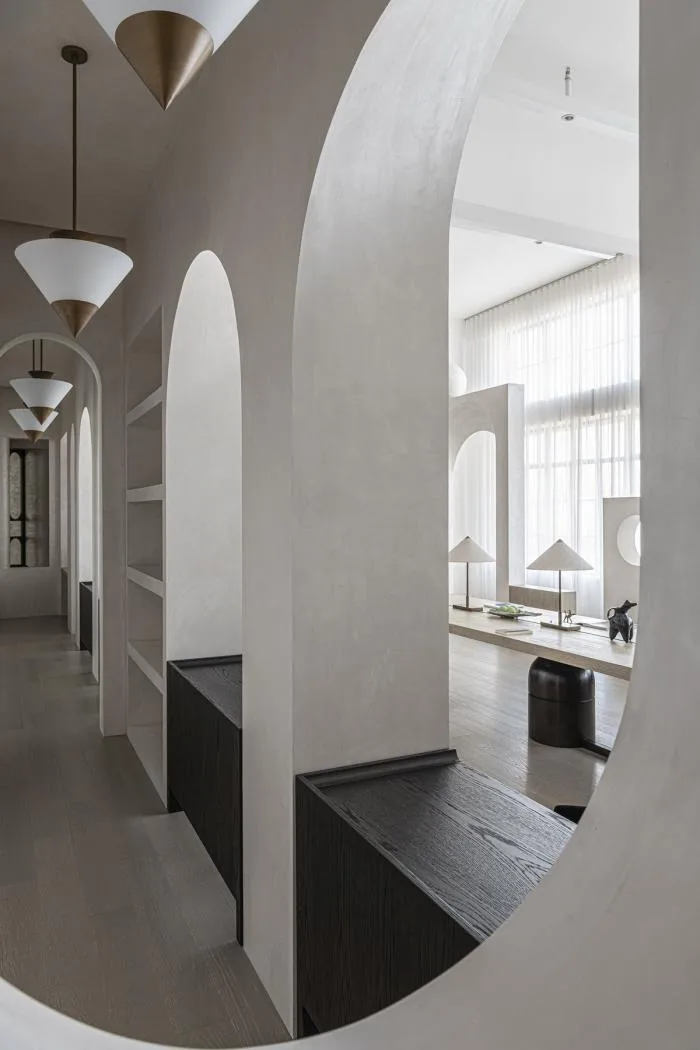
2. Windows
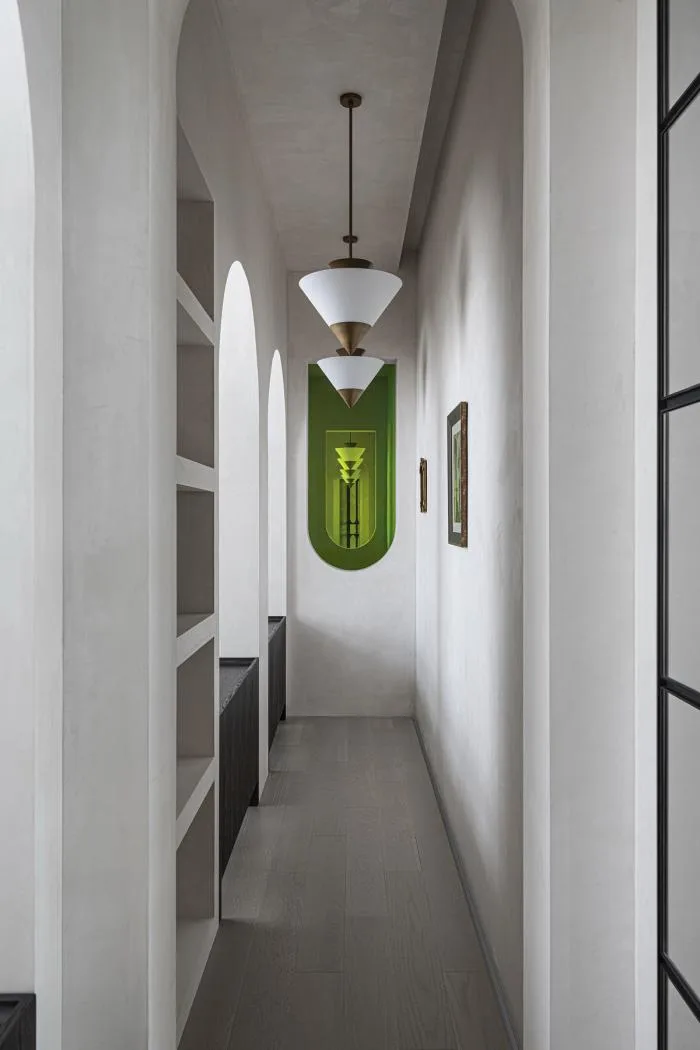
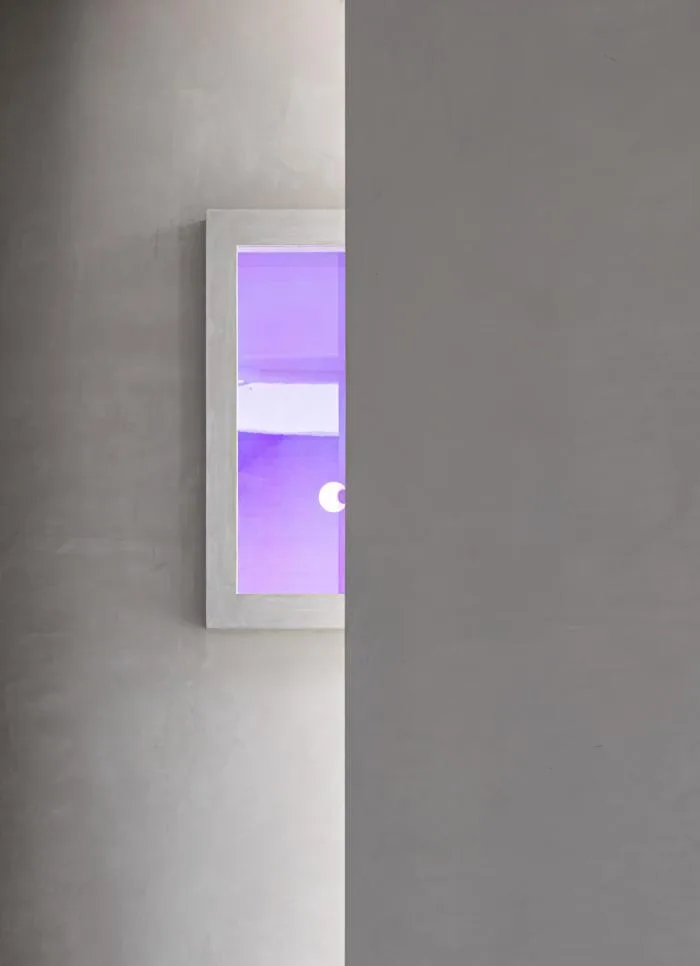
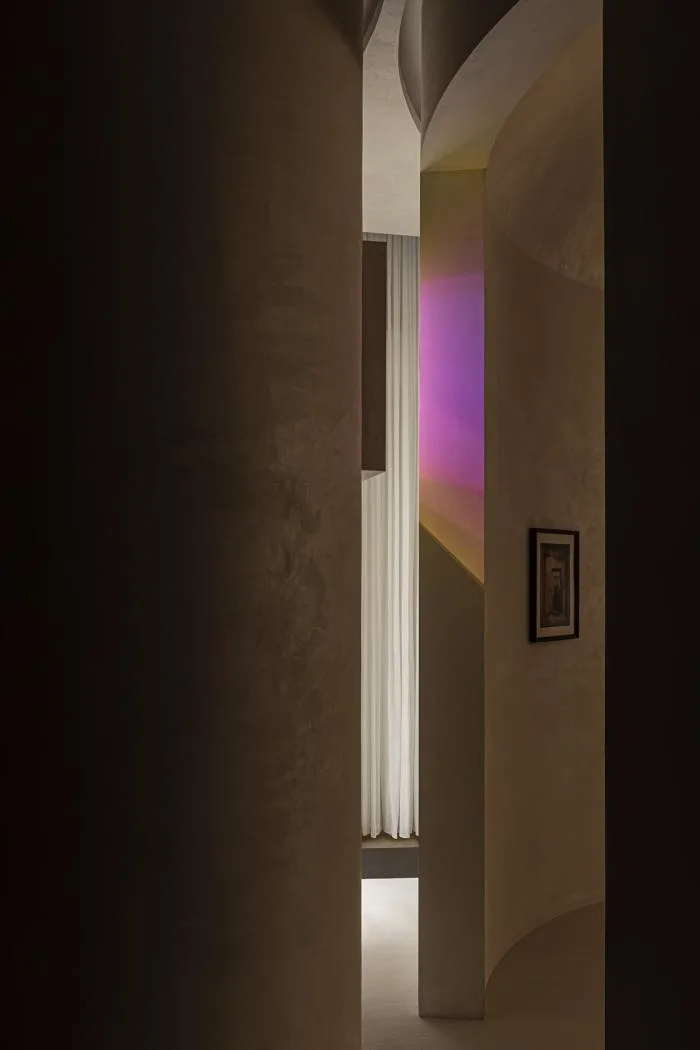
Windows shape unique views, establish connections between inside and outside, and create a distinct spatial atmosphere. Positioned two meters above the floor, they allow people to pass by but limit direct views inside. Behind colored glass, a glowing spherical light source is visible. The glass color changes with light intensity, and at night, the colorful glow projects onto the ground, filling the dome with vibrant hues.
Becoming One
Earth artist Christo is known for wrapping architecture and nature with fabric, stripping away original material qualities to reveal a surreal, ethereal beauty through simplified forms and unified texture and color. At these moments, architecture and landscape merge into a shared spatial experience.
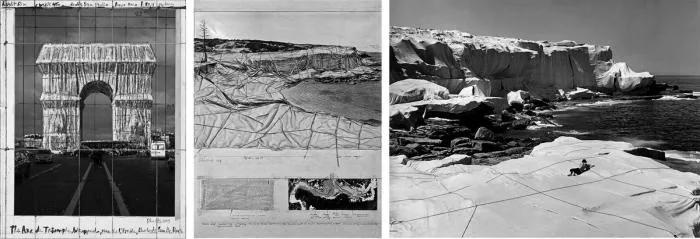
△ Christo’s hand-drawn sketch for the “Wrapped Arc de Triomphe” project (left) and his “Wrapped Coast” (1968–1969) (right)
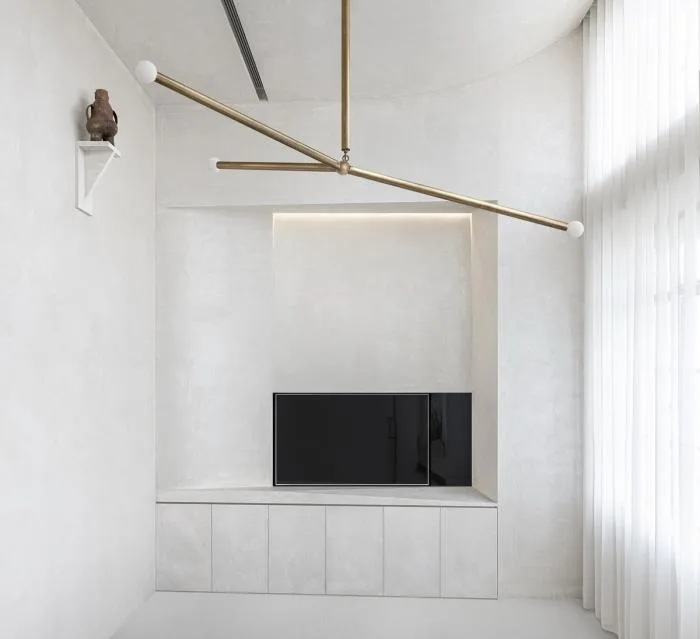
In this space, walls, ceilings, and stairs are coated in white paint, emphasizing materiality and sculptural qualities through dematerialization. The walls evoke a mountain-like solidity. In Shanghai’s misty, rainy season, fog obscures vision, adding another layer of “space” within the dematerialized environment. This multi-level integration creates an eternal space in the mind.
Project Information
Project Name: EVD Office Space
Location: Shanghai, China
Design Team: EVD / Shanghai Twenty Elephants
Designers: Yang Bing, Hao Liyun
Photography: Super Image
Completion Date: September 2019
Construction: Hancheng Decoration Design Engineering Co., Ltd












Must log in before commenting!
Sign Up