
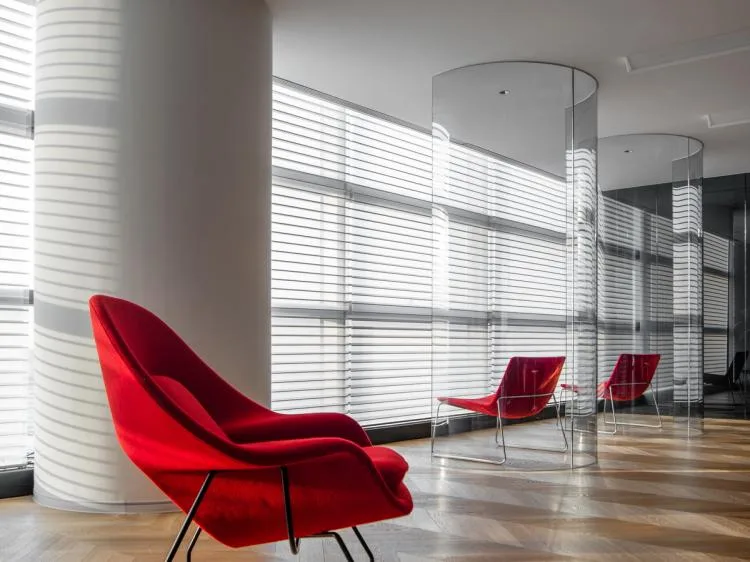
△ Leisure Area
When architect Tadao Ando visited La Chapelle de Ronchamp, designed by his idol Le Corbusier, he was deeply moved by the intense light emanating from all directions. The red, blue, and yellow spots of light projected through the windows struck him like countless chaotic fists, inspiring him profoundly and shaping his architectural philosophy thereafter. This experience exemplifies how spatial emotions influence human behavior.
Environmental psychology plays a vital role in everyday life. Gao Zhiqiang, leading AFFD Design Firm, embraces this concept by exploring how spatial design impacts users’ emotions and behavior, using spatial emotions as a catalyst to influence experience and interaction within the space.
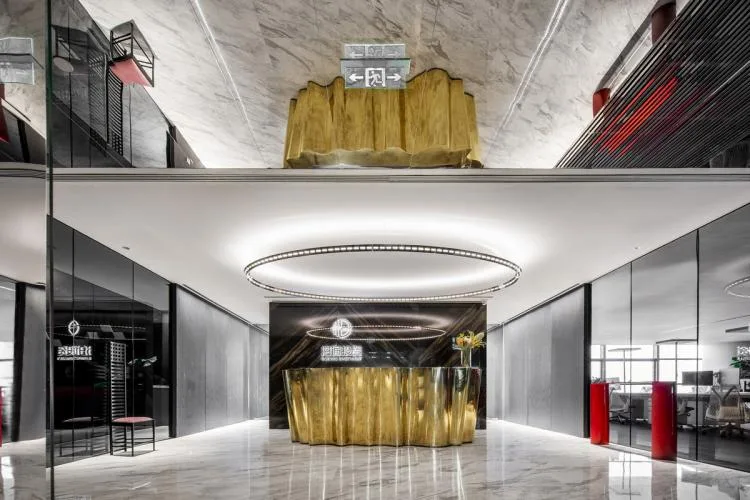
△ Front Desk Reception Area
Botong Investment, an asset management company focusing on securities market investments, occupies a 1000-square-meter office space offering a panoramic 180-degree view. They aimed to communicate professionalism and rigor through their office environment, commissioning interior architect Gao Zhiqiang to design their new space.
Gao Zhiqiang’s work is a sincere embodiment of modernism. He pioneered the concept of “spatial emotional design,” consistently applying it in his projects. For a securities company like Botong Investment, qualities such as professionalism, rationality, rigor, and transparency are essential to convey both internally and externally. These values become immediately perceptible upon entering the space. Gao clearly understood this design starting point from the outset of the project.
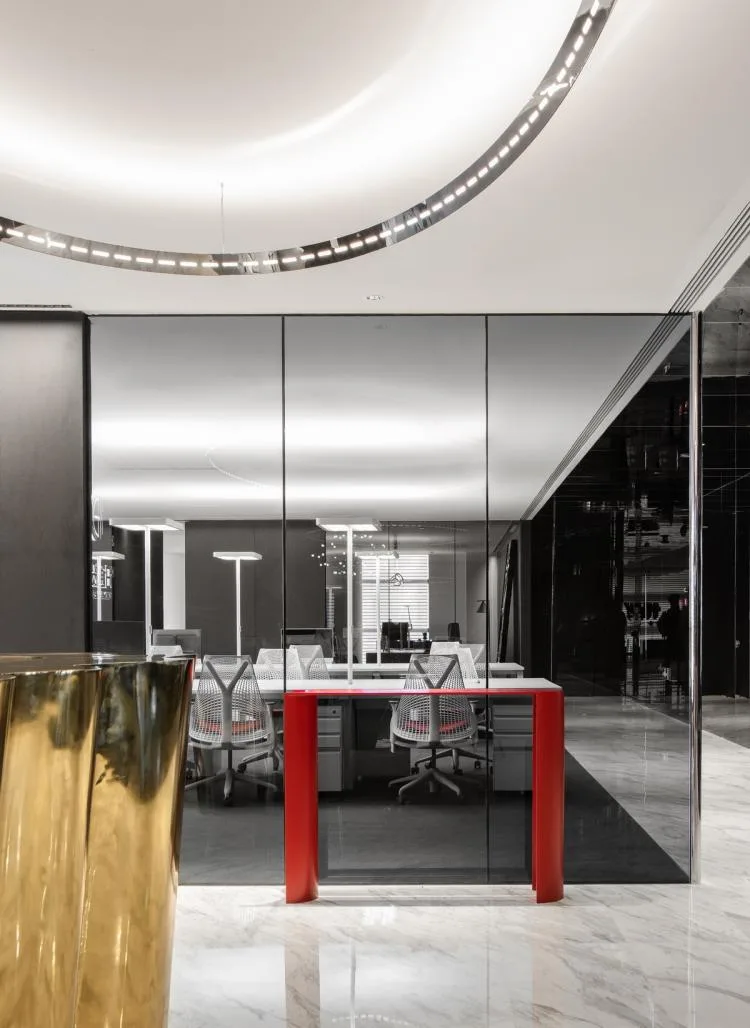
△ Front Desk Reception Area
Initially, the owner had selected a space only half the size of the current office, with relatively low ceilings. Considering company growth, staff expansion, and client experience, the owner and designer explored other floors and ultimately chose the 26th floor’s 1000-square-meter space. This location offers sweeping views of the South Central Axis, West Mountain, and Aosen from above, creating an open and luxurious atmosphere. The ample space comfortably accommodates 20 office employees, while presenting a challenging opportunity for the designer.
Gao emphasizes the importance of spatial nature. An expansive, open environment fosters a “transparent” spatial effect that positively influences the relationship between the company and its clients, building trust and cooperation.
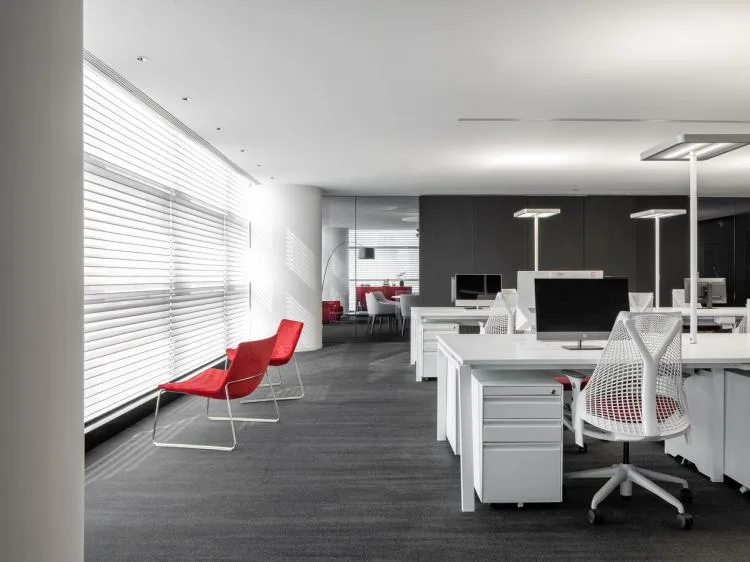
△ Employee Workspace
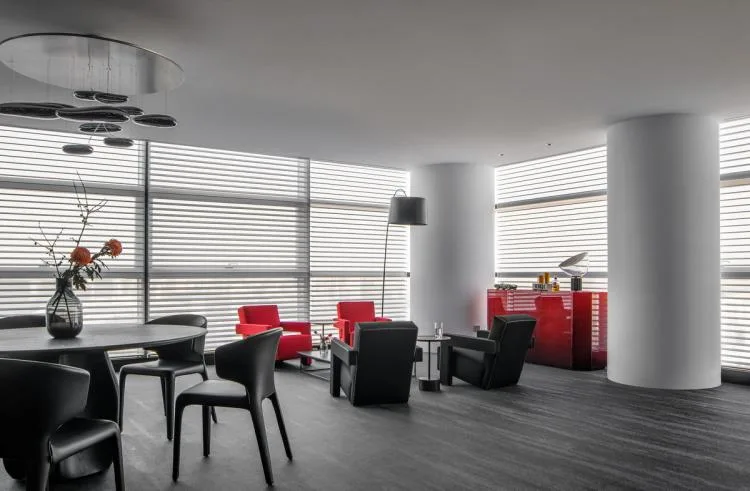
The space is divided by seven central wall panels and glass partitions into various functional zones, including the CEO’s office, investment department, reception area, conference rooms, and VIP meeting spaces. The design ensures a 180-degree visual experience and high comfort from any vantage point.
Columns near the windows were originally square, but the designer transformed them into cylindrical shapes, creating a balance between rigidity and flexibility within the space.
△ President’s Office
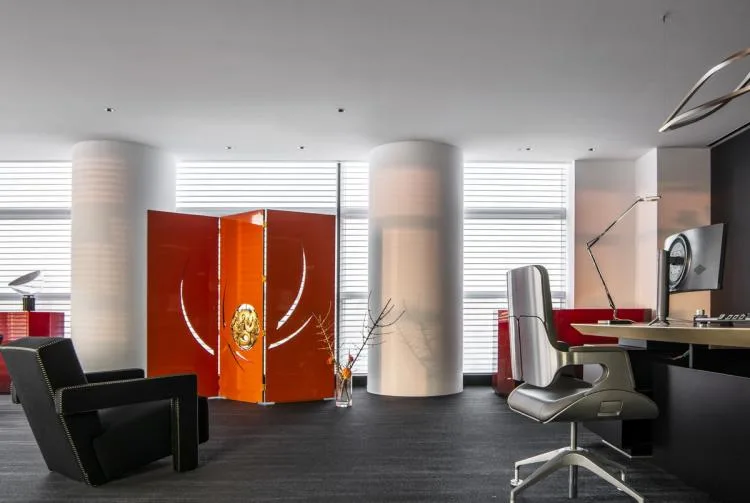
The 2.3-meter-wide glass door slides open to reveal the reception desk. The handmade brass front desk, sculptural in form, immediately draws guests’ attention upon entering.
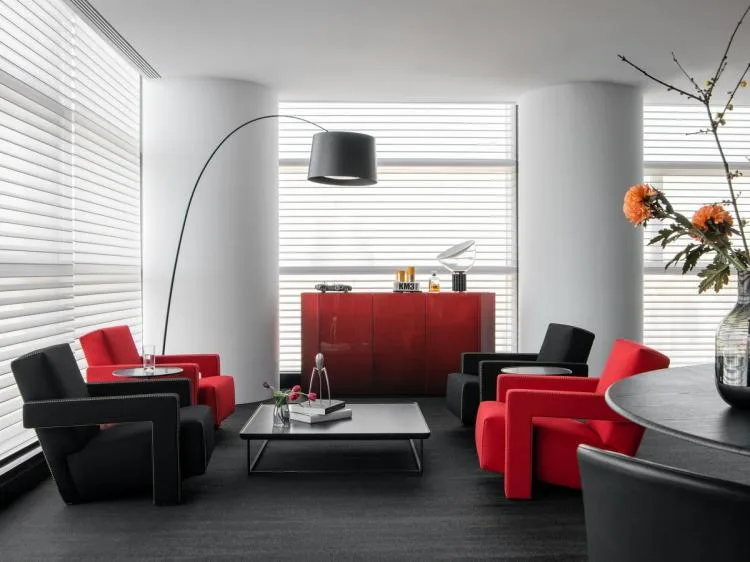
Crown-shaped ceiling lamps conceal their light sources, enhancing the spacious ambiance. Unlike typical CEO offices that often feel private and imposing, Botong’s CEO office embraces transparency and openness. It features conversational areas accommodating two to five people without barriers or partitions, encouraging smooth and efficient communication between leadership and staff.
Furniture from prestigious brands such as Fantoni, Interstuhl, Cassina, Molteni & C, Flos, Nemo, Foscarini, and Tisserant blend Western spirit with Eastern aesthetics, creating a unique and harmonious interior landscape.
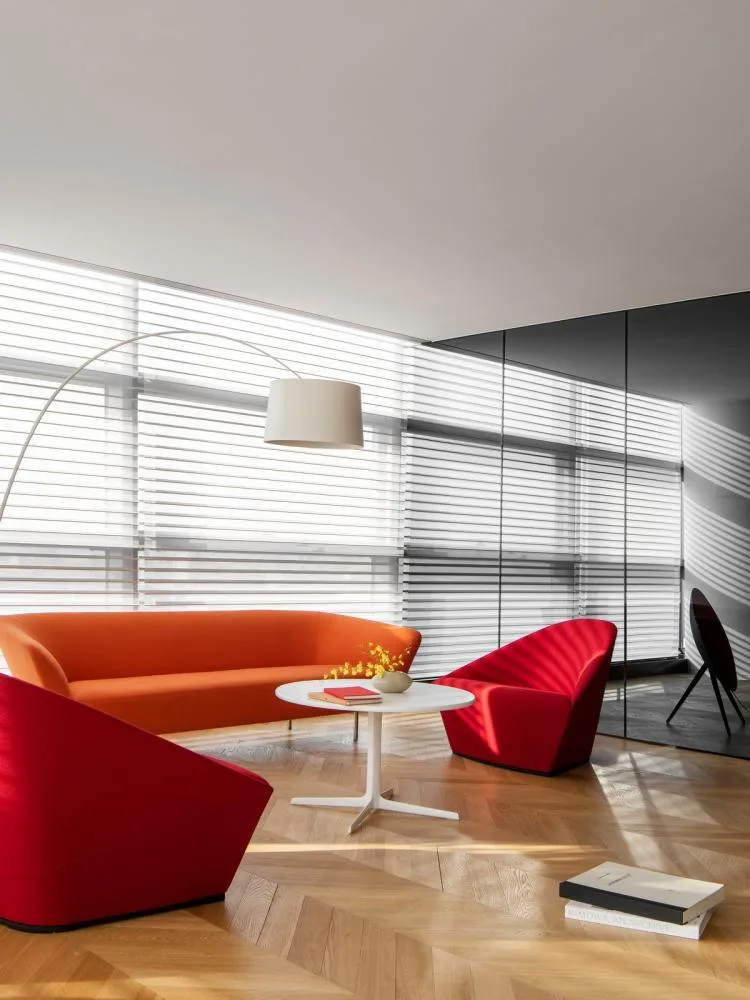
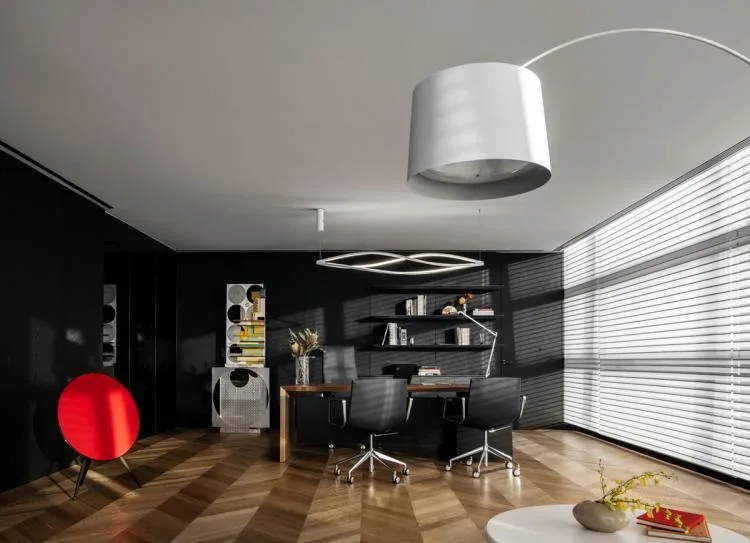
Vice President’s Office
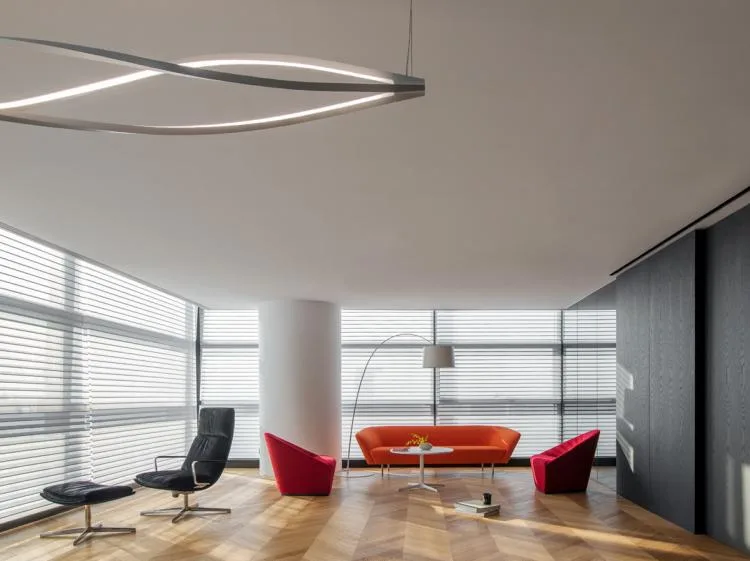
Mario Nanni’s eight-point lighting theory asserts that “light is a building material,” with light and shadow shaping spatial order and boundaries. In the open office, Herman Miller’s classic Sayl chairs are paired with Waldmann lighting fixtures positioned independently at each desk, creating isolated “umbrella-shaped” light zones that help employees focus while maintaining a clean ceiling design.
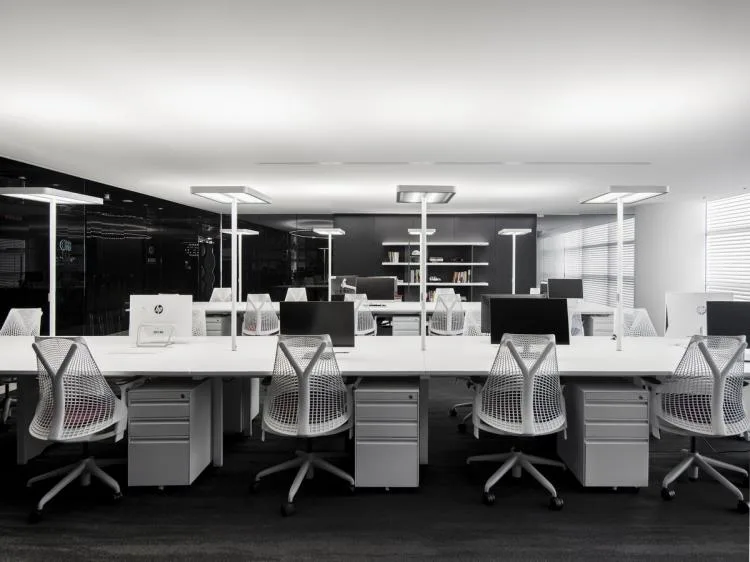
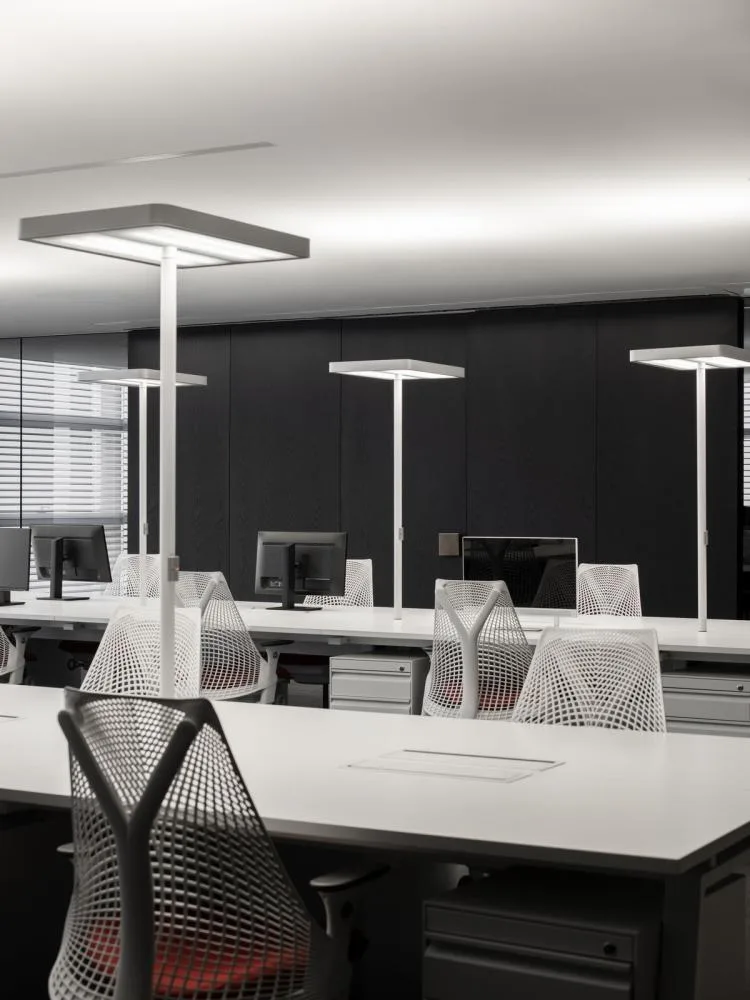
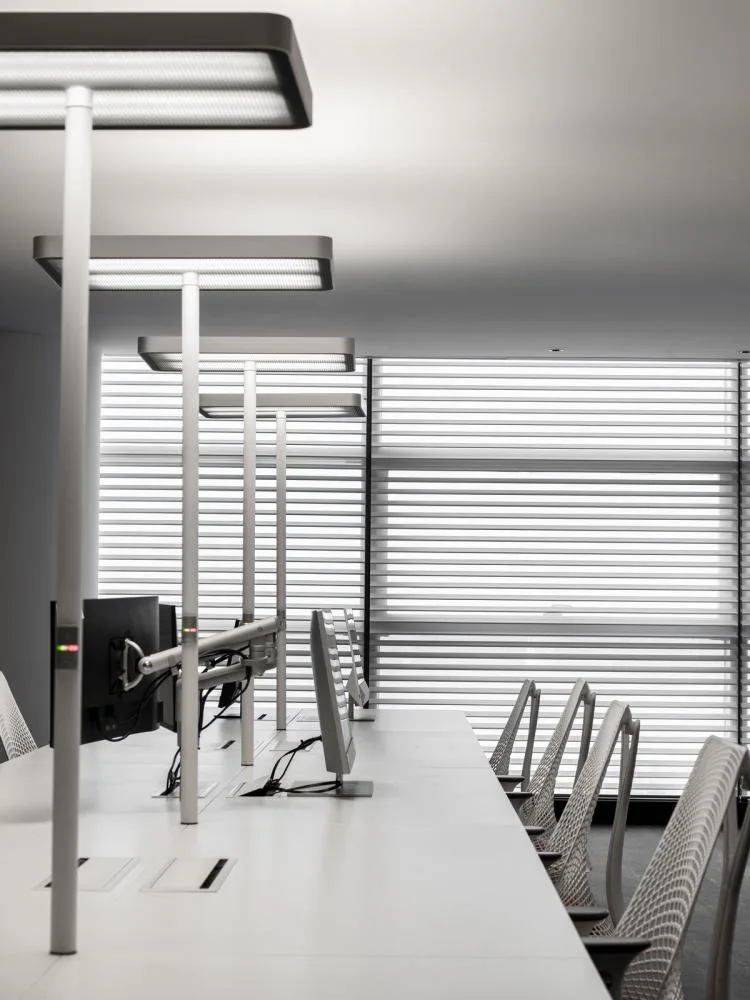
△ Employee Workspace
In larger multifunctional zones, the furniture layout mirrors that of the CEO’s office. Employees can gather in different areas for conversation, and the movable furniture allows the space to quickly adapt for events like parties or presentations.
The tea area is designed as a stylish, standalone island, fostering a relaxed atmosphere for breaks amid a busy office environment. Near the window, two semi-circular partitions of gray glass enclose soft sofas, offering employees a tranquil spot with a view of the western mountains.
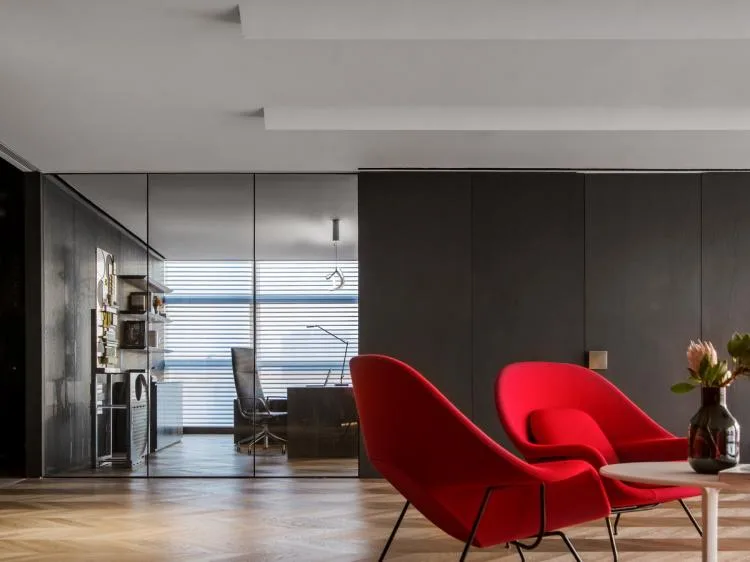
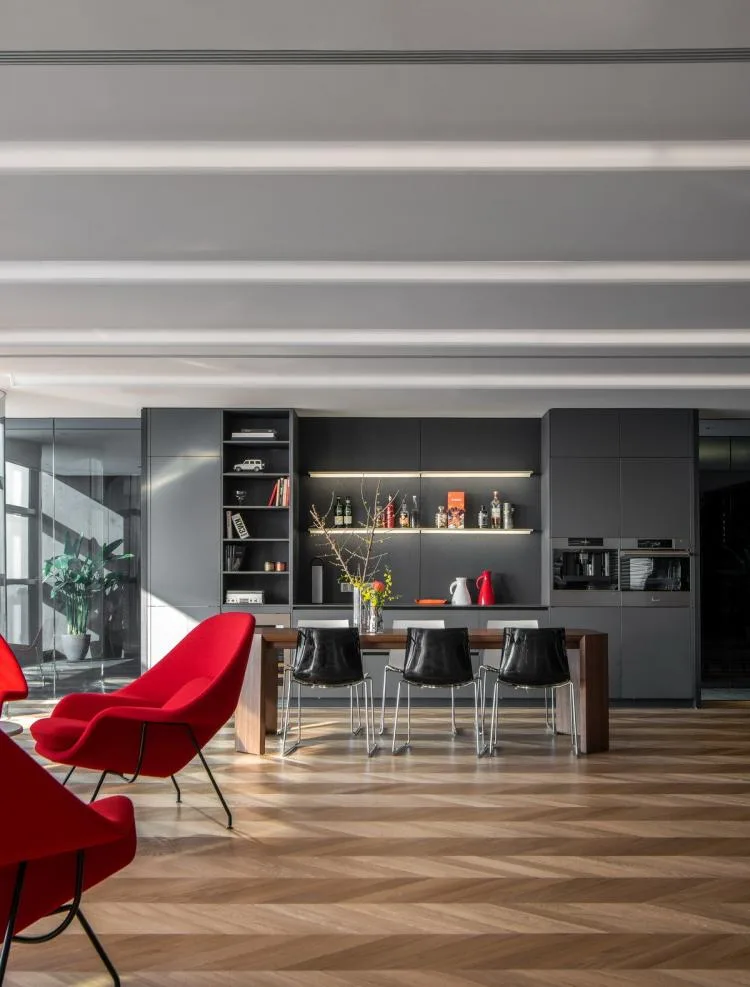
△ Leisure Area
Extensive glass partitions throughout the space use a muted gray tone, ensuring light passes through while reducing transparency. This detail by Gao Zhiqiang maintains privacy during meetings and office work, while keeping the environment fresh and open.
This transparency symbolizes not only openness between the company and its clients but also among employees themselves, fostering trust and collaboration.
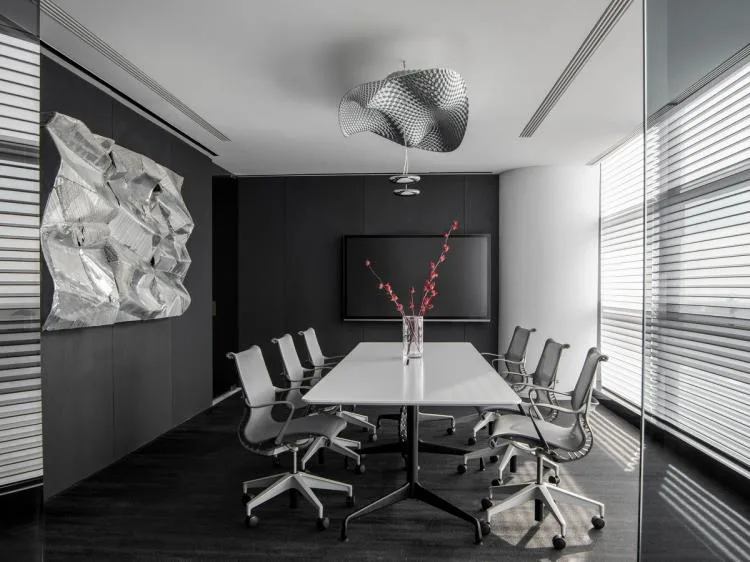
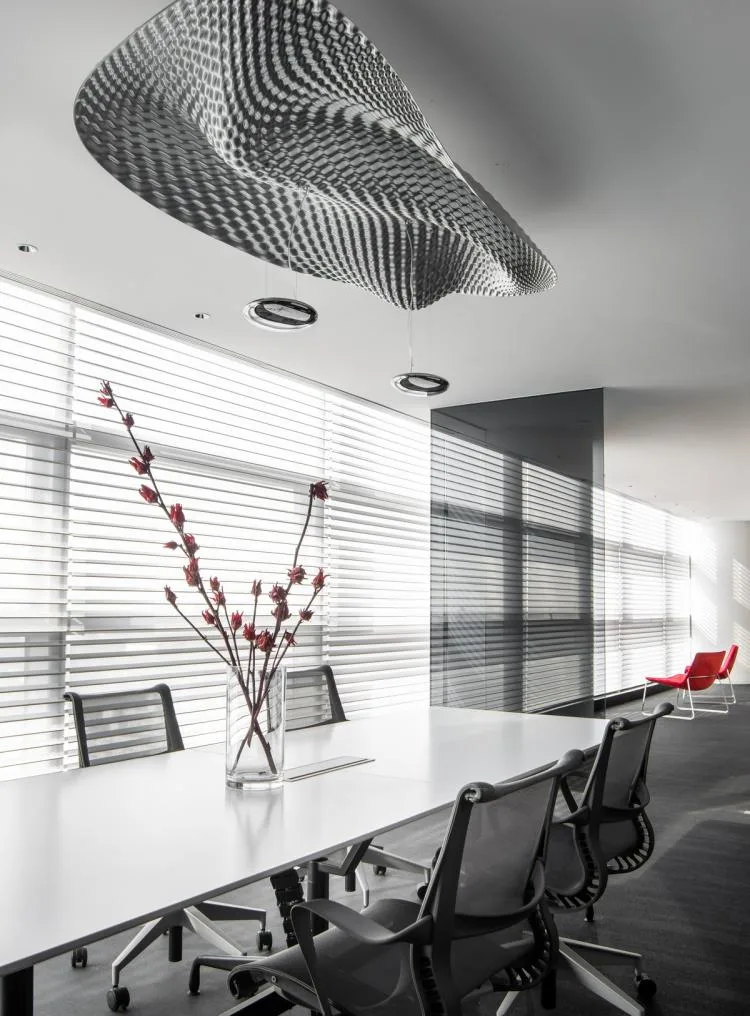
△ Meeting Room
In Botong Investment’s spatial design, the company’s nature shapes the emotional tone the space conveys. As a creator of spatial emotions, Gao Zhiqiang carefully studies the relationship between users and the environment. He balances individual and collective needs, orchestrating elements such as color, light, sound, scent, texture, and scale to deliver spaces rich in human warmth, empathy, and emotional resonance.
This approach allows users to both shape the space and be shaped by it, creating a dynamic, interactive experience.
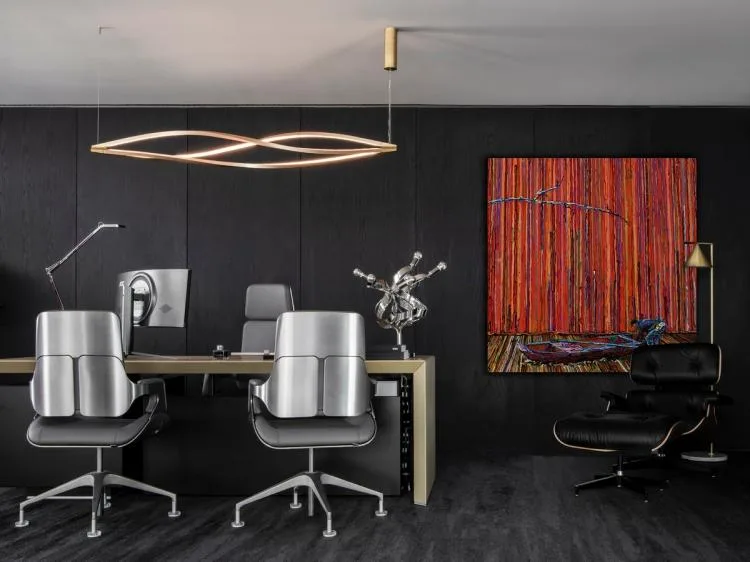
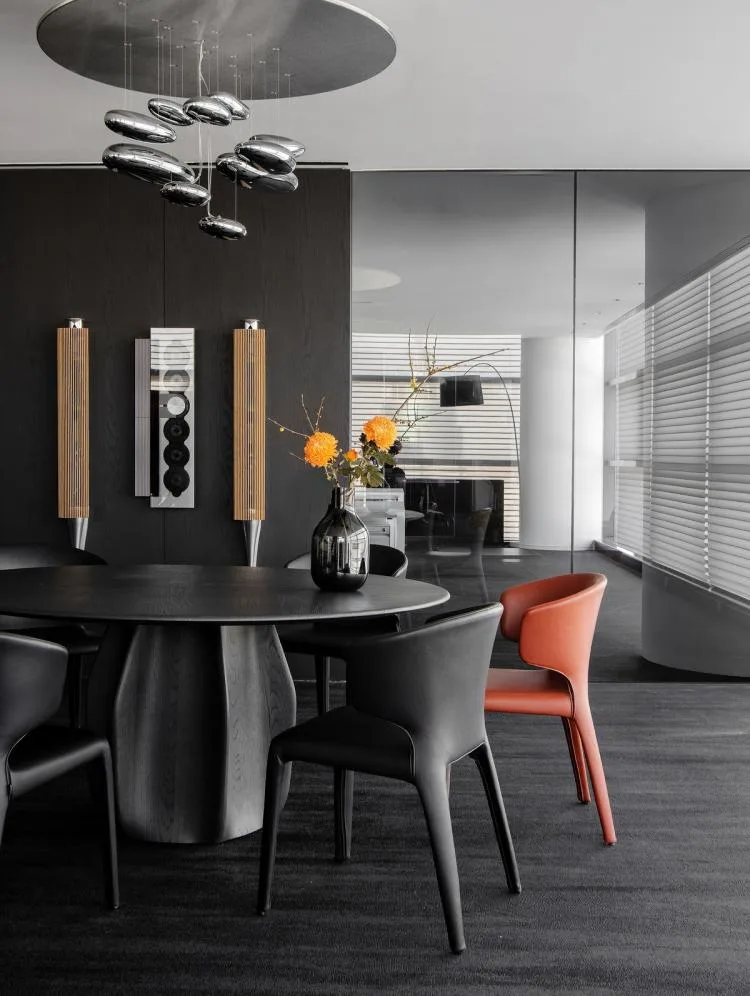
△ President’s Office
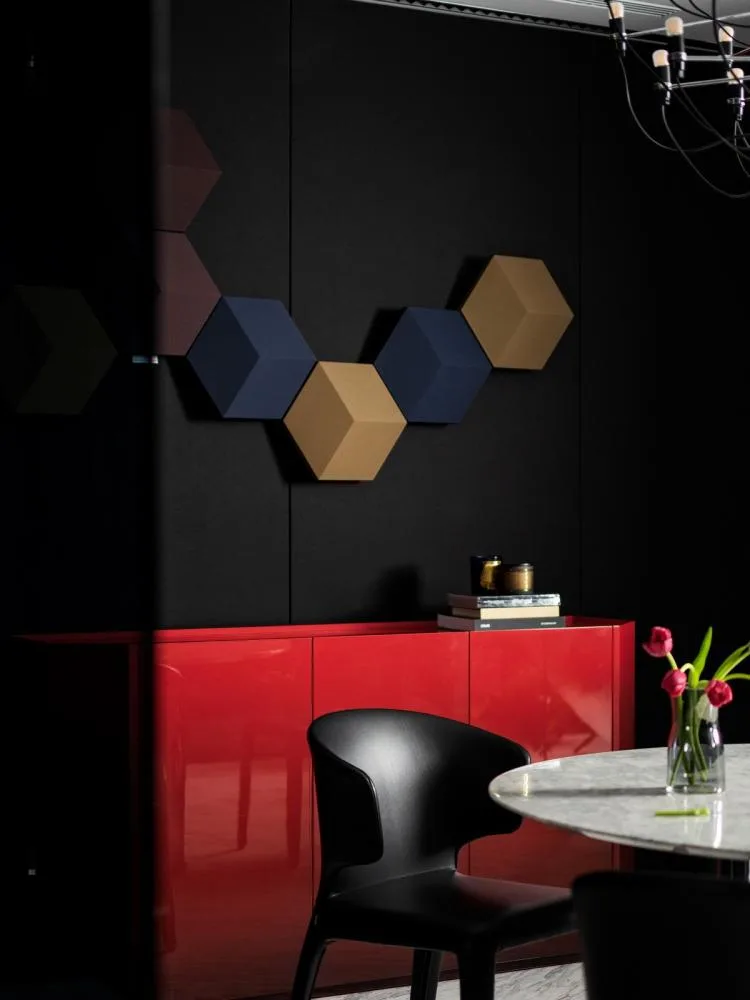
△ VIP Meeting Room
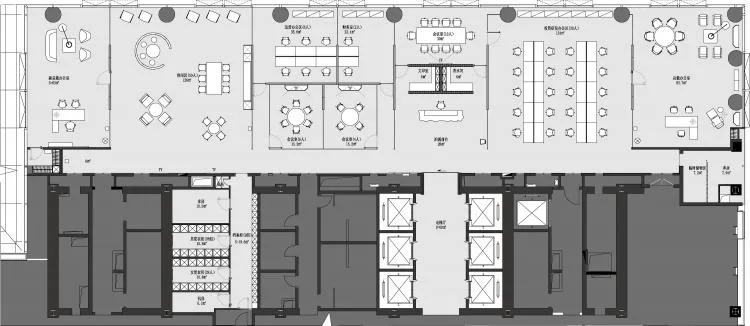
△ Project Plan
Project Information
Space Design: AFFD Design Firm
Company Website: www.affd.net
Client: Botong Investment
Location: Beijing
Chief Architect: Gao Zhiqiang
Supporting Designers: Chen Hao, Chen Deli, Peng Xingyi, Li Ruirui
Lighting Consultant: Liu Jiang
Space Photographer: Boris Shiu
Space Designer: Yang Song
Artwork Collaboration: Nishida Studio, Youjin
Project Site: Chaoyang, Beijing
Building Area: 1000 square meters
Completion Date: September 2020
Furniture Brands: Fantoni, Interstuhl, Herman Miller, Cassina, Molteni & C, Minotti, Arper, Knoll, Artemide, B&O, Flos, Foscarini, Tisserant.














Must log in before commenting!
Sign Up