
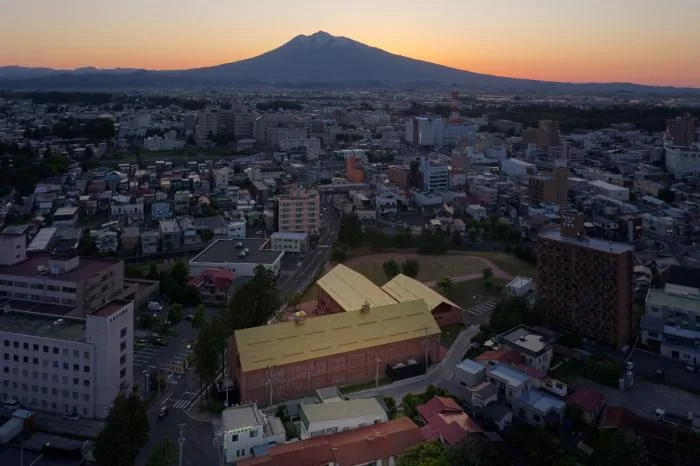
The Hirosaki Museum of Contemporary Art (MOCA) officially opened its doors on July 11, 2020. Located in Hirosaki City, on the western side of Aomori Prefecture, the area is renowned as Japan’s largest apple-producing region.
The architects drew inspiration from the local urban heritage and existing historic brick and stone buildings during the design process. The first brick and stone warehouse in the area, constructed in the early 20th century during the Taisho period, was originally used for sake production. Over time, numerous brick and stone sake breweries thrived locally. Many distilleries later shifted to producing apple cider to add value to the region’s apples and boost the income of local fruit farmers. After several decades, the brewery operations ceased, and these iconic brick and stone buildings were repurposed as storage warehouses.
In 2017, Atelier Tsuyoshi Tane Architects won a local competition to transform one of these brick and stone warehouses into an art museum. This project marks the firm’s first major art museum commission in Japan.
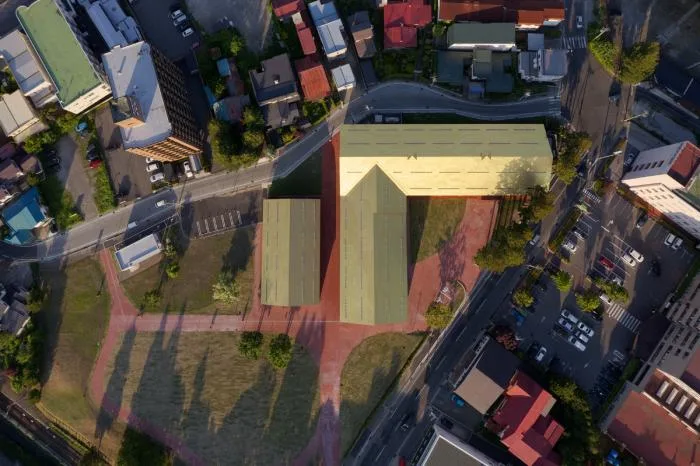
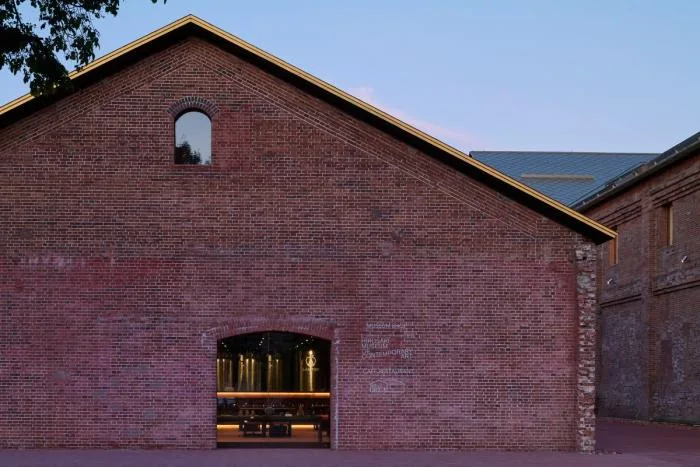
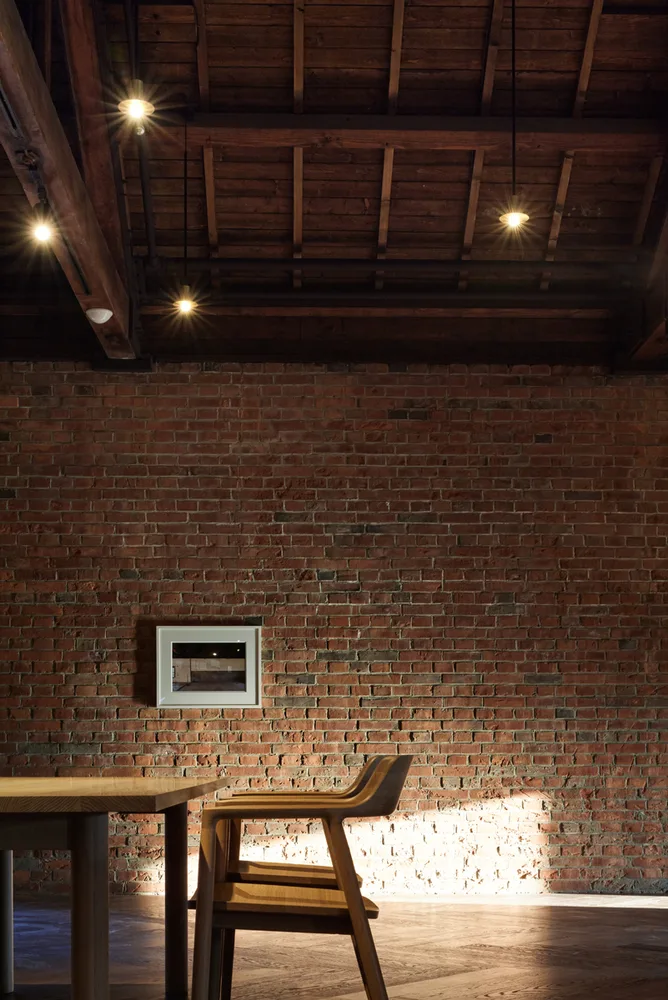
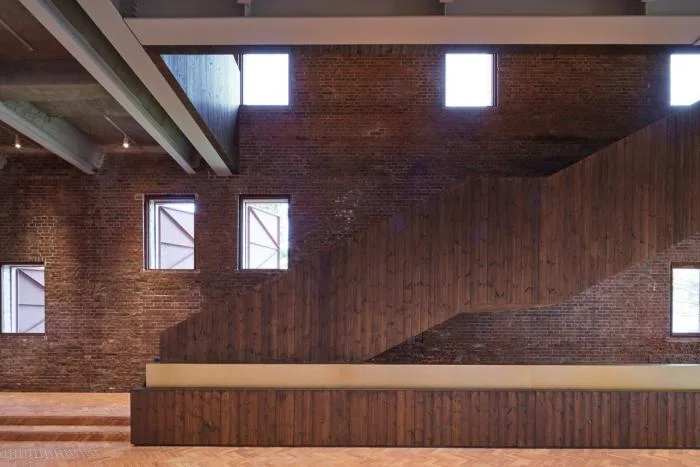
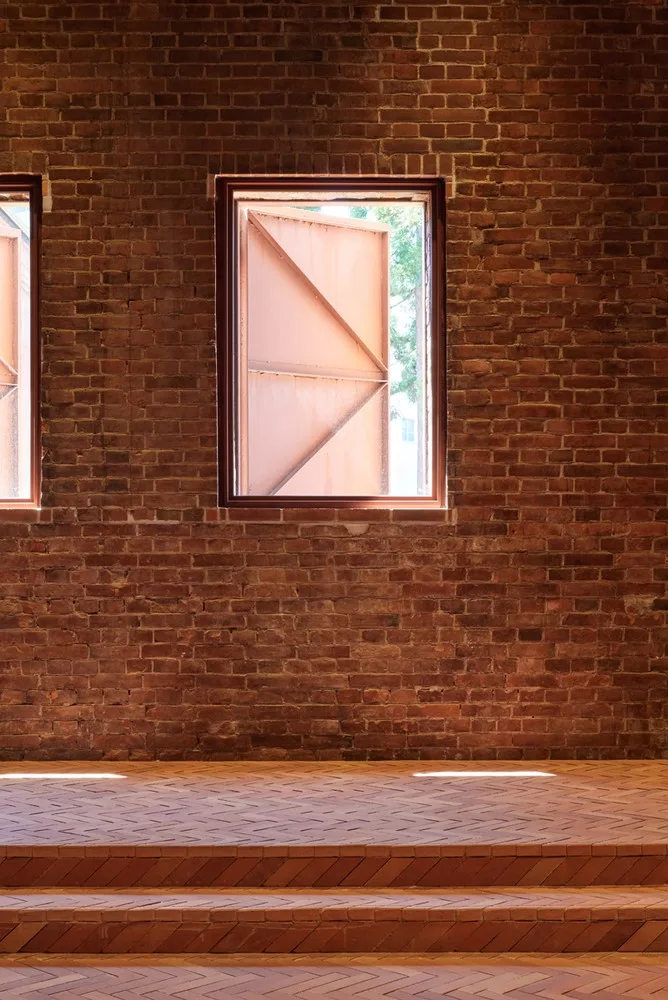
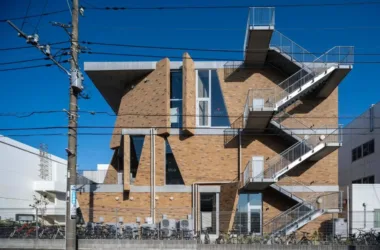
The design concept centers on the idea of “continuous memory,” aiming to preserve and extend the factory’s historical significance. The architects carefully removed the existing plaster to reveal the original red brick and stone surfaces. New red bricks were added where necessary, meticulously matched to the original materials to blur the line between old and new. The entire roof was reconstructed using titanium metal with a diagonal roofing technique, evoking memories of the large-scale apple cider factory that once operated here. Additionally, the building’s seismic performance was enhanced to withstand major earthquakes common in the region.
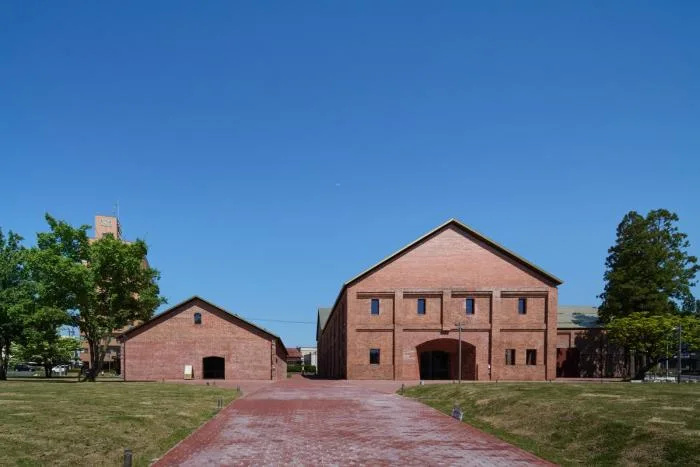
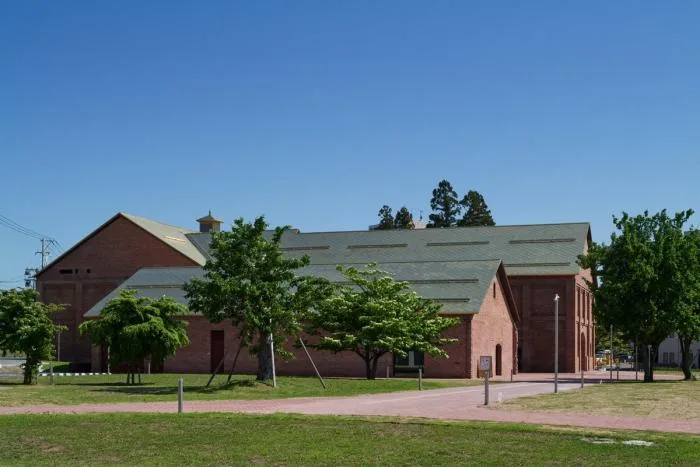
The museum’s exhibition themes focus primarily on two dimensions: time and place. The spatial dimension encourages a dialogue between the new artworks and the existing brick and stone architecture, sparking fresh creativity and new possibilities. The architects aim to offer visitors a unique spatial experience that honors the building’s architectural heritage. Temporally, the museum space is designed for flexible use to maximize the potential of the historic structure. Through an annual programming plan, artworks, installations, and exhibitions rotate regularly, allowing for both short- and long-term displays.
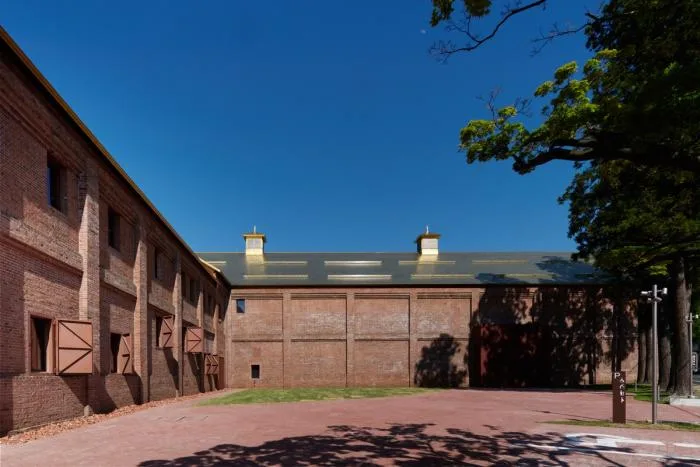
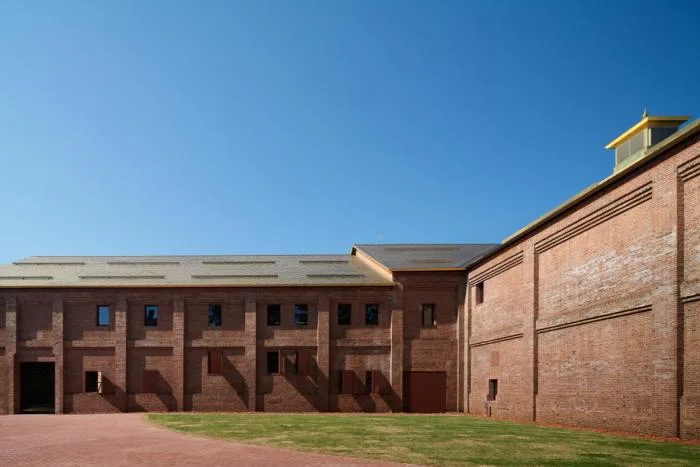
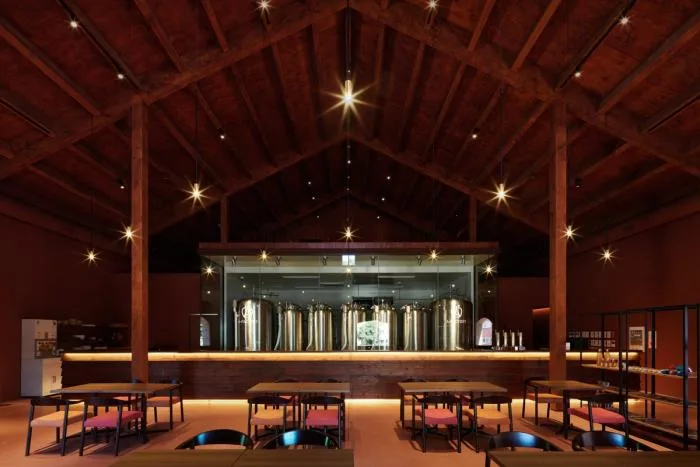
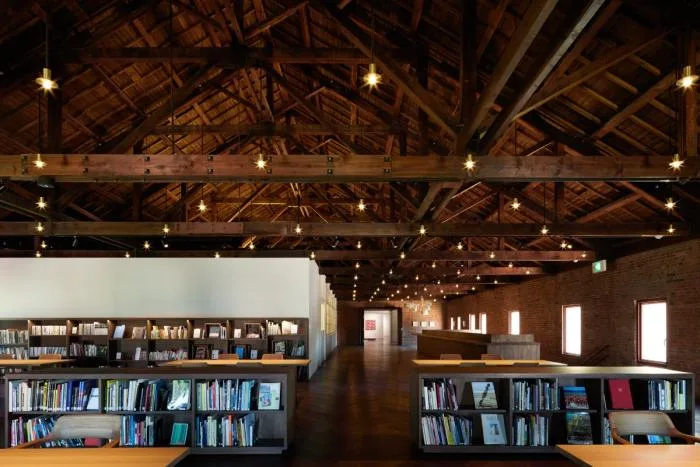
The museum houses five exhibition spaces, including one with a soaring 15-meter ceiling; a public gallery for community use; three studios; a library; and a combined art gallery store and café. A public walkway, known as “Museum Road,” guides visitors through the museum, encouraging exploration of its evolving role in the 21st century.
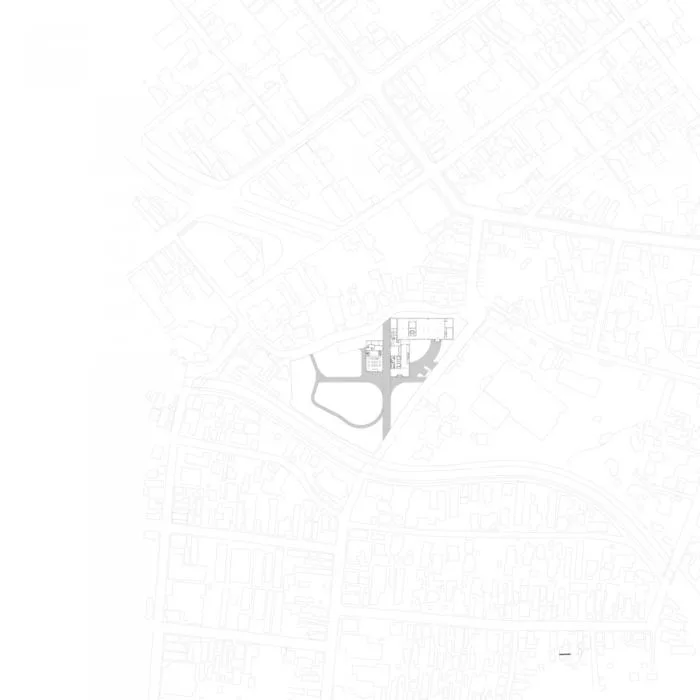
△ First Floor Plan
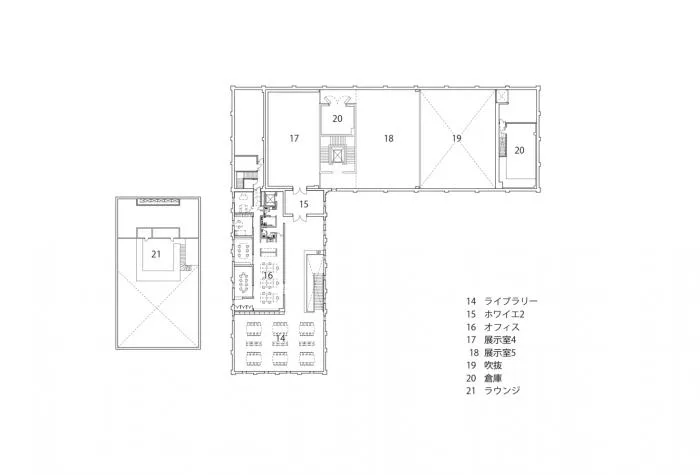
△ Second Floor Plan
Project Information
Project Type: Cultural Architecture, Museum
Location: Hirosaki, Japan
Architectural Firm: Atelier Tsuyoshi Tane Architects
Area: 3,587 m²
Completion Year: 2020
Photographer: Daici Ano
Manufacturers: Katsumata Metal Industry, LIKE Company Limited, Nabco, Sanwa, Takayama Brick Architects Design, Union, front
Architect: Atelier Tsuyoshi Tane Architects
Conceptual Design: Tsuyoshi Tane
Project Management: Haruki Nakayama
Project Architects: Valentino Pagani, Daisuke Maeda, Aoi Akimoto
Project Team: Kuniyuki Okuyama, Matteo Broggini, Shota Yamamoto, Matteo Lunanova, Hiroki Sato, Yosuke Tsukamoto, Ryosuke Yago
Art Museum Project Representative: Starts Corporation Incorporated
Art Museum Management: N&A Incorporated
Art Museum Project Manager: NTT Facilities Incorporated + NTT Facilities Tohoku Incorporated
Structural Design: Obayashi Corporation + Starts Cam
Lighting Design: Izumi Okayasu Lighting Design
Mechanical and Electrical Design: P.T. Morimura & Associates, Limited
Construction: Starts Cam, Obayashi Corporation, Minami Kensetsu
Coffee Shop Project Manager: Starts Cam
Café Structure Design: Yasuhiro Kaneda Structure
Coffee Shop Lighting Design: Izumi Okayasu Lighting Design
Coffee Shop Construction: Nishimura Sumi












Must log in before commenting!
Sign Up