
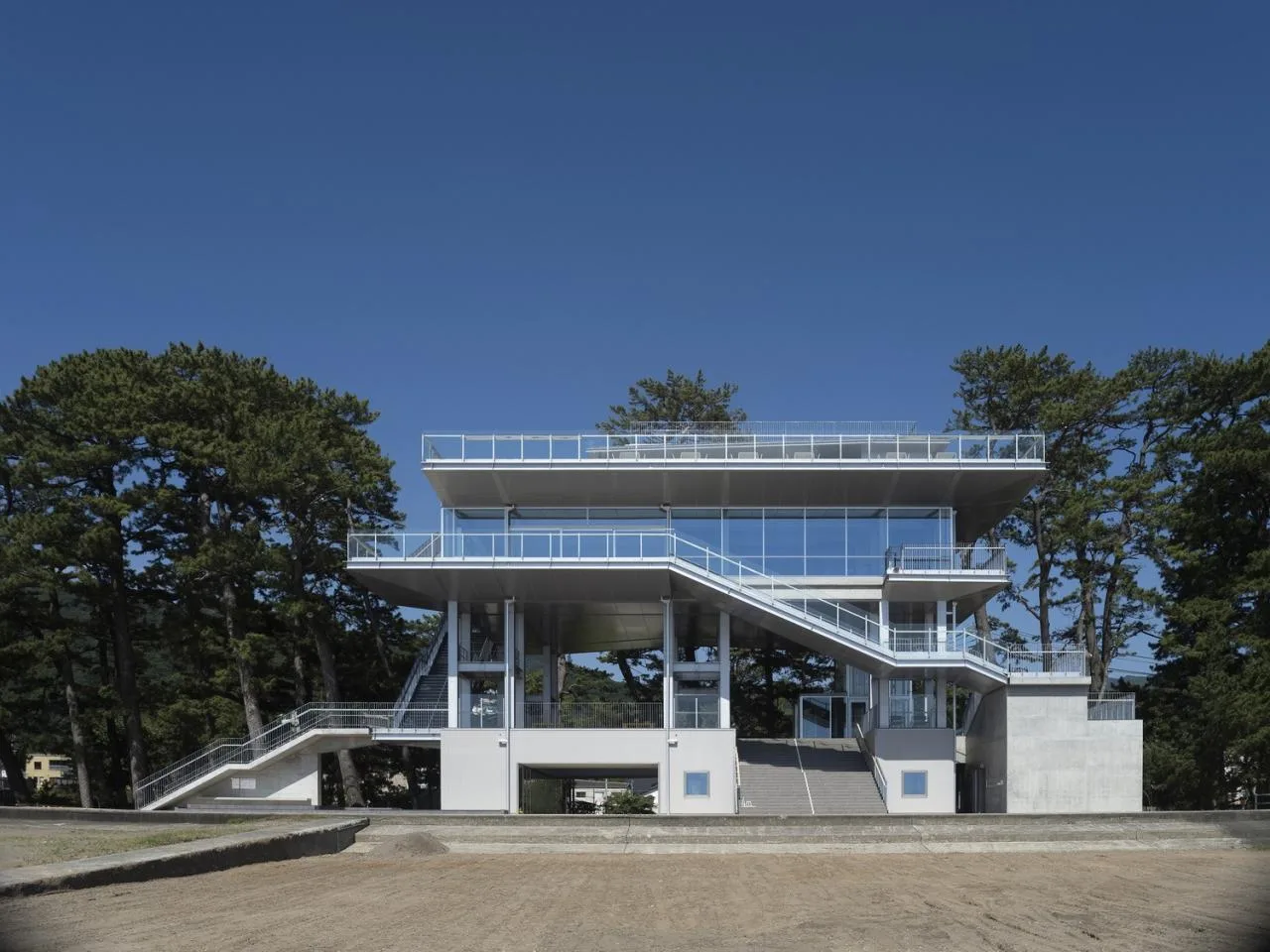
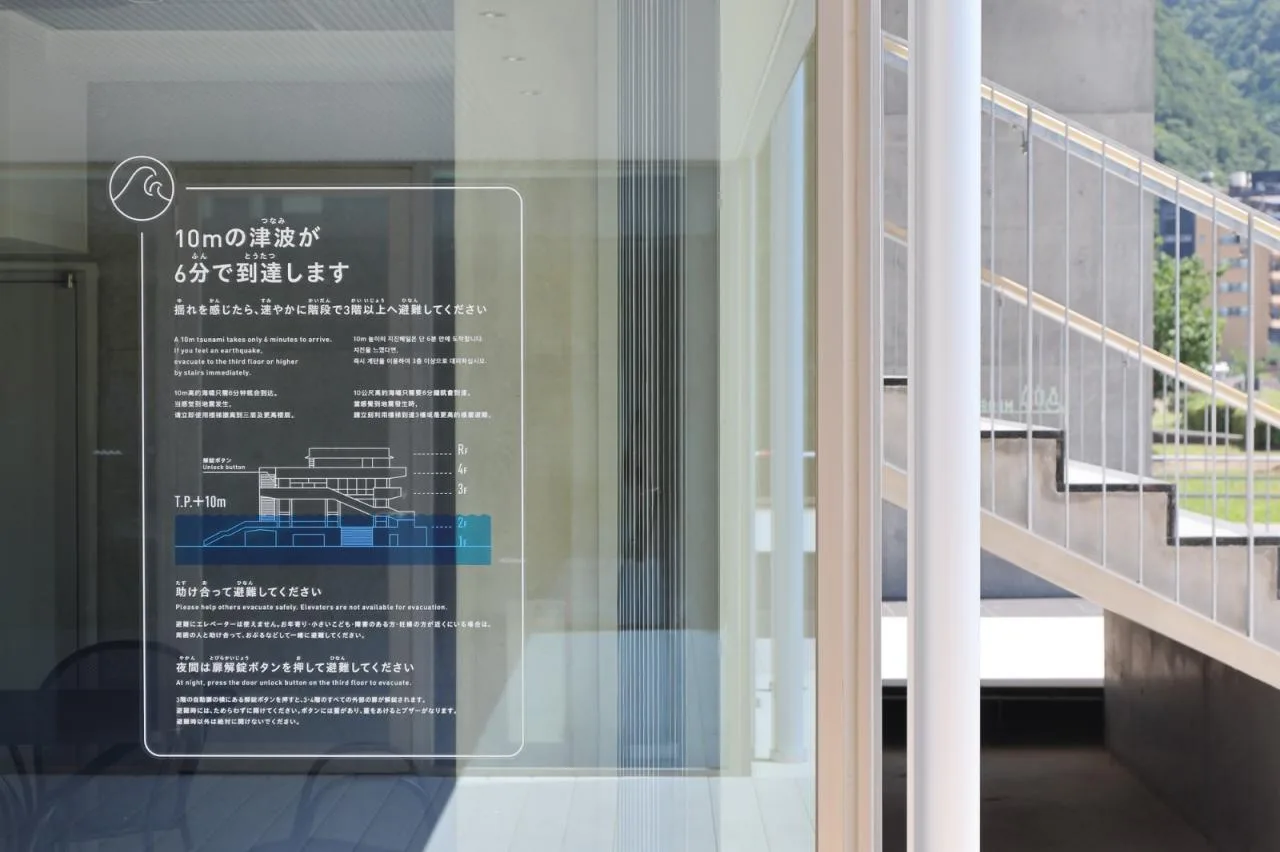
The “Orange Terrace Toi” project, located in the Tsuchii area of Izu City, is Japan’s first building to fully combine tsunami disaster prevention with tourism functions. Tufei is a traditional hot spring town renowned for its Japanese scenic beauty and pine forests. Despite a steady influx of tourists during the beach season, the town faces a serious threat: a 10-meter tsunami could strike the coast just six minutes after a strong earthquake in the South China Sea trough.
After thorough discussions, the local community chose not to construct a large breakwater, which would have damaged the stunning views of Suruga Bay. Unlike other regions, they designated Tsuchii as Japan’s only special tsunami disaster alert zone and decided to protect the area by building dedicated tsunami evacuation towers.
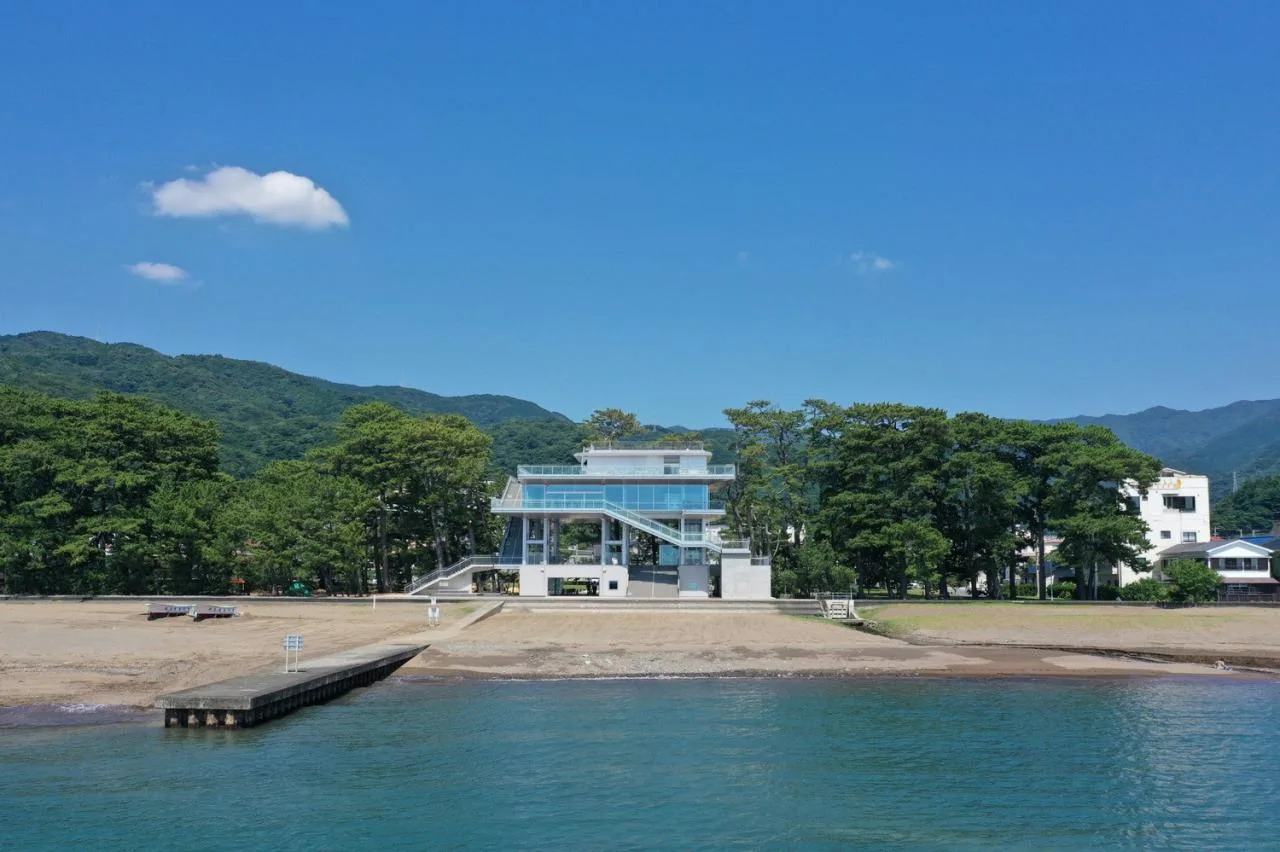
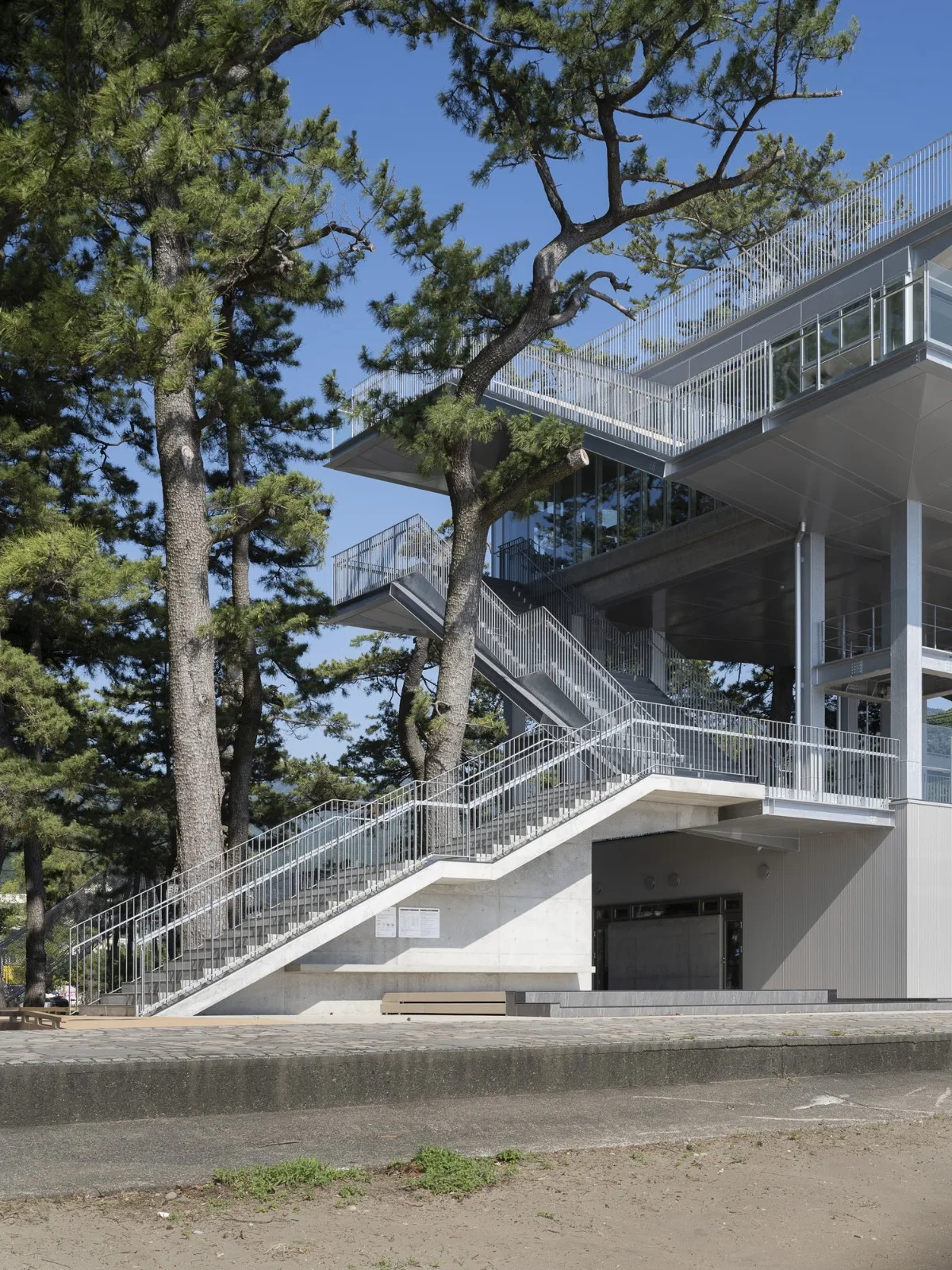
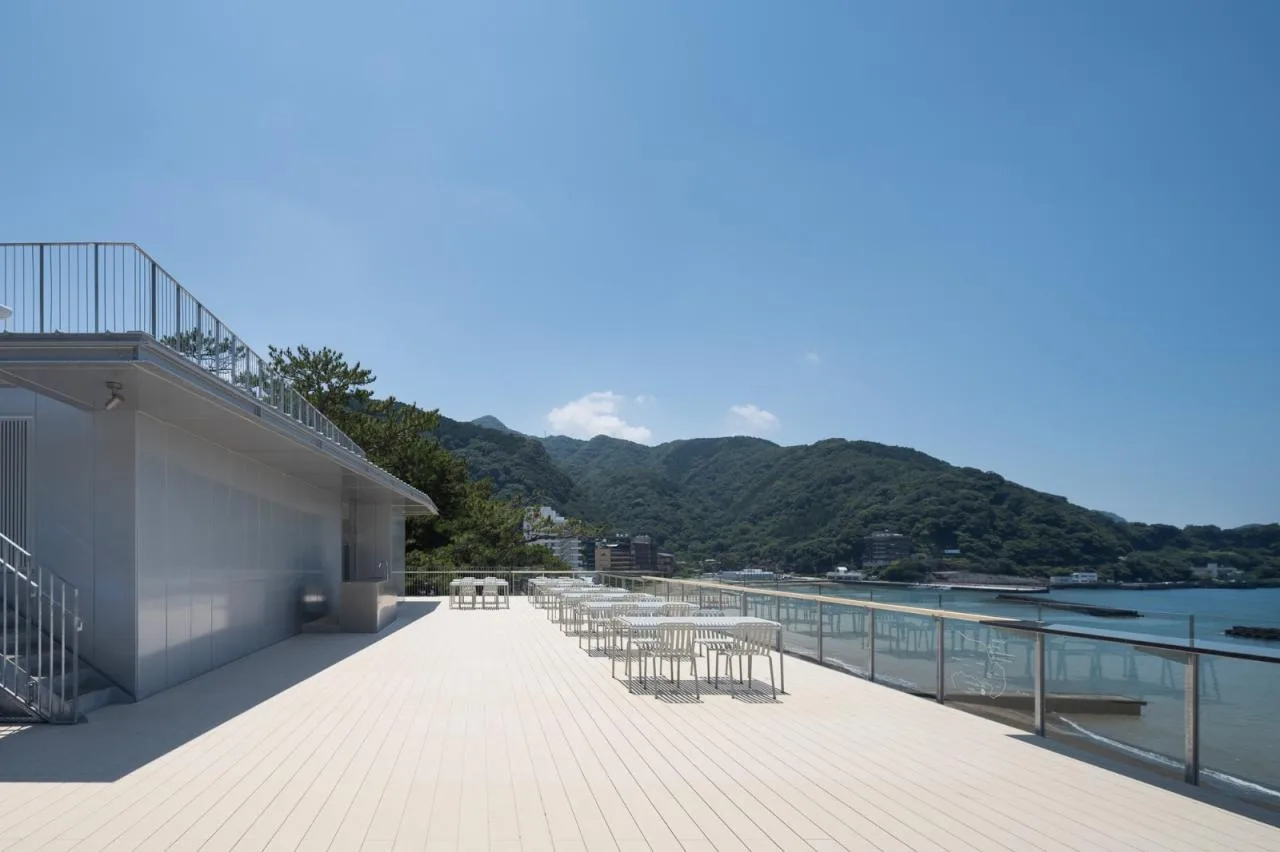
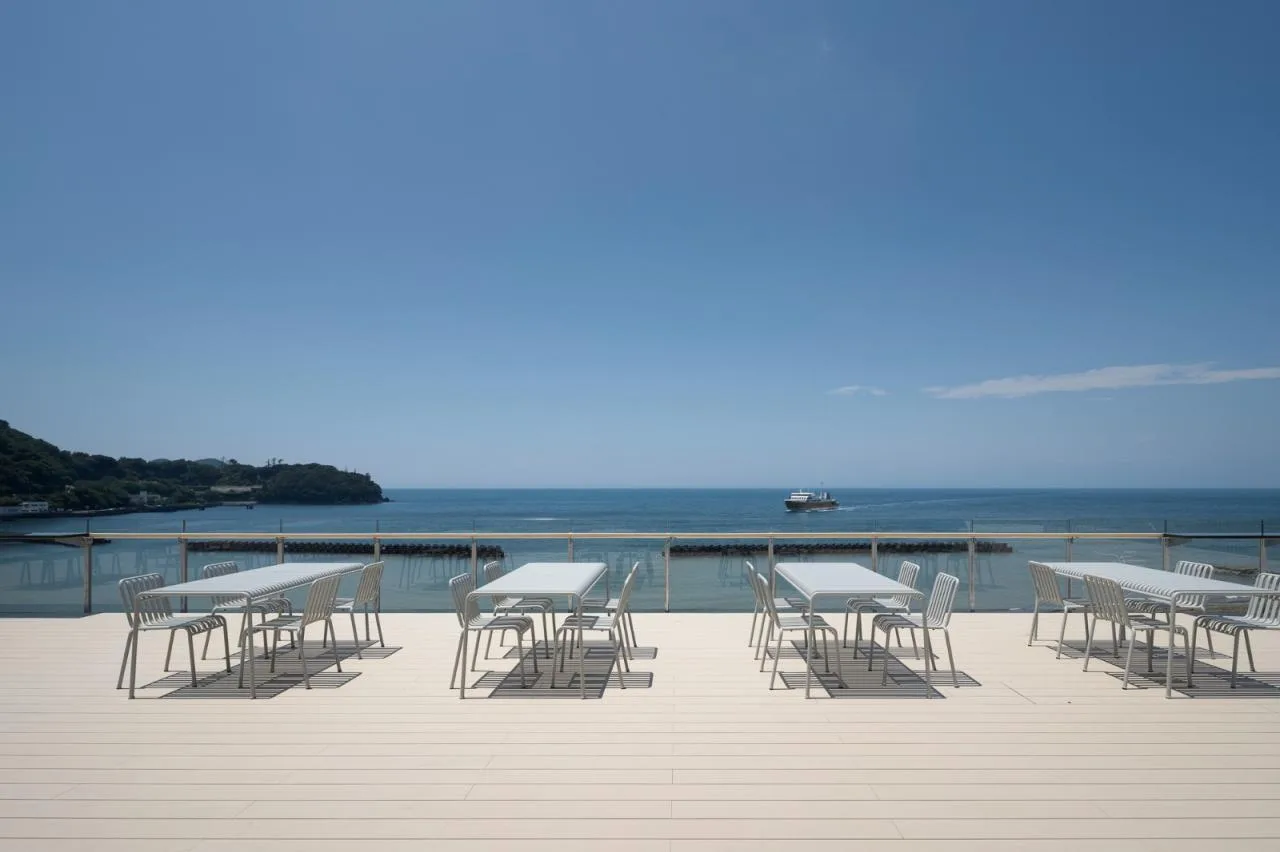
The tower is designed as a multifunctional facility that acts not only as a tsunami evacuation point but also as an observation deck. It seamlessly integrates into the community’s daily life and tourism industry. By merging disaster preparedness with tourist attractions, the project aims to revitalize the region, ensure consistent use of the facility, and serve as a training site for disaster readiness. This structure significantly enhances the community’s overall disaster recovery capabilities.
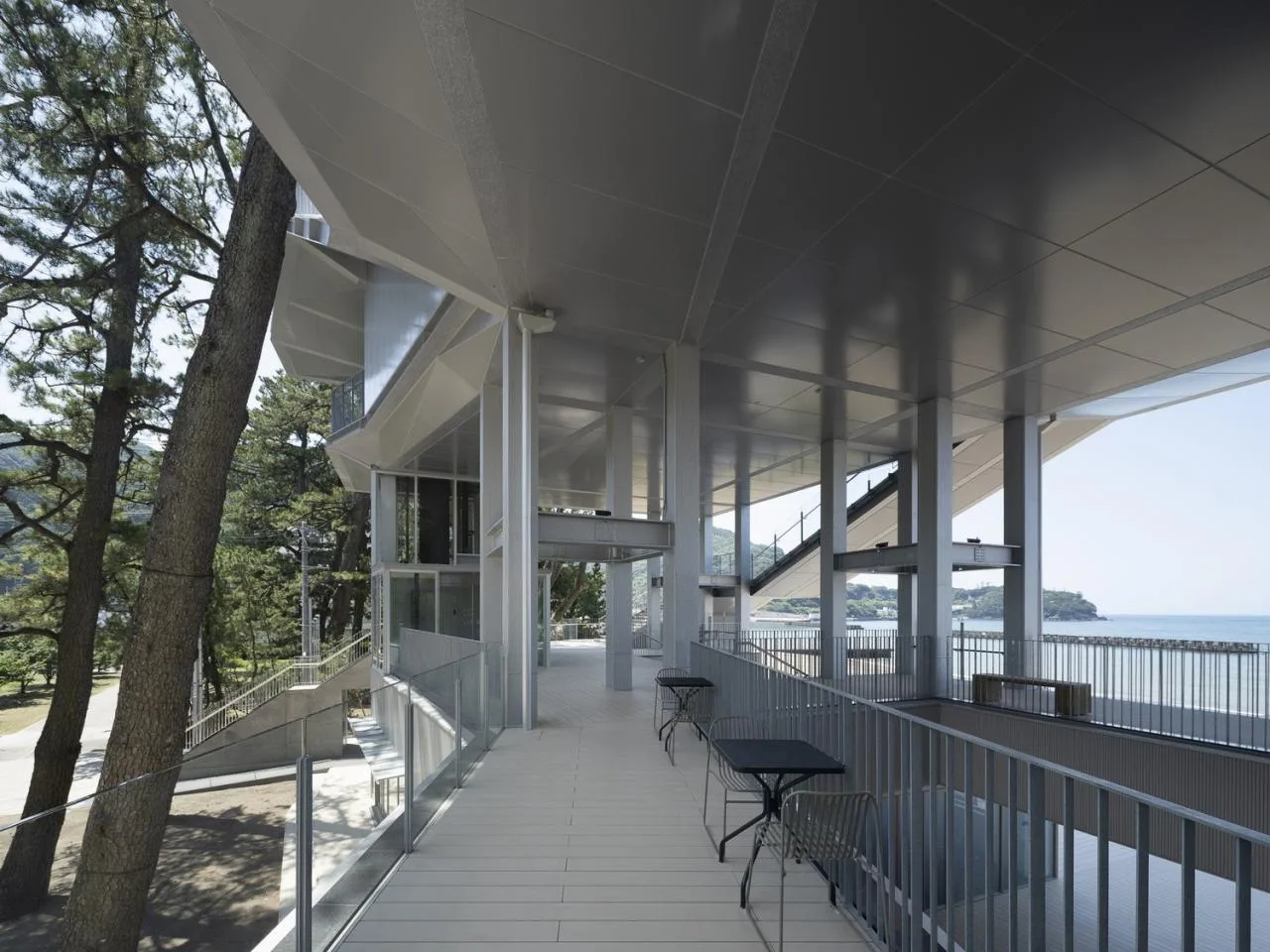
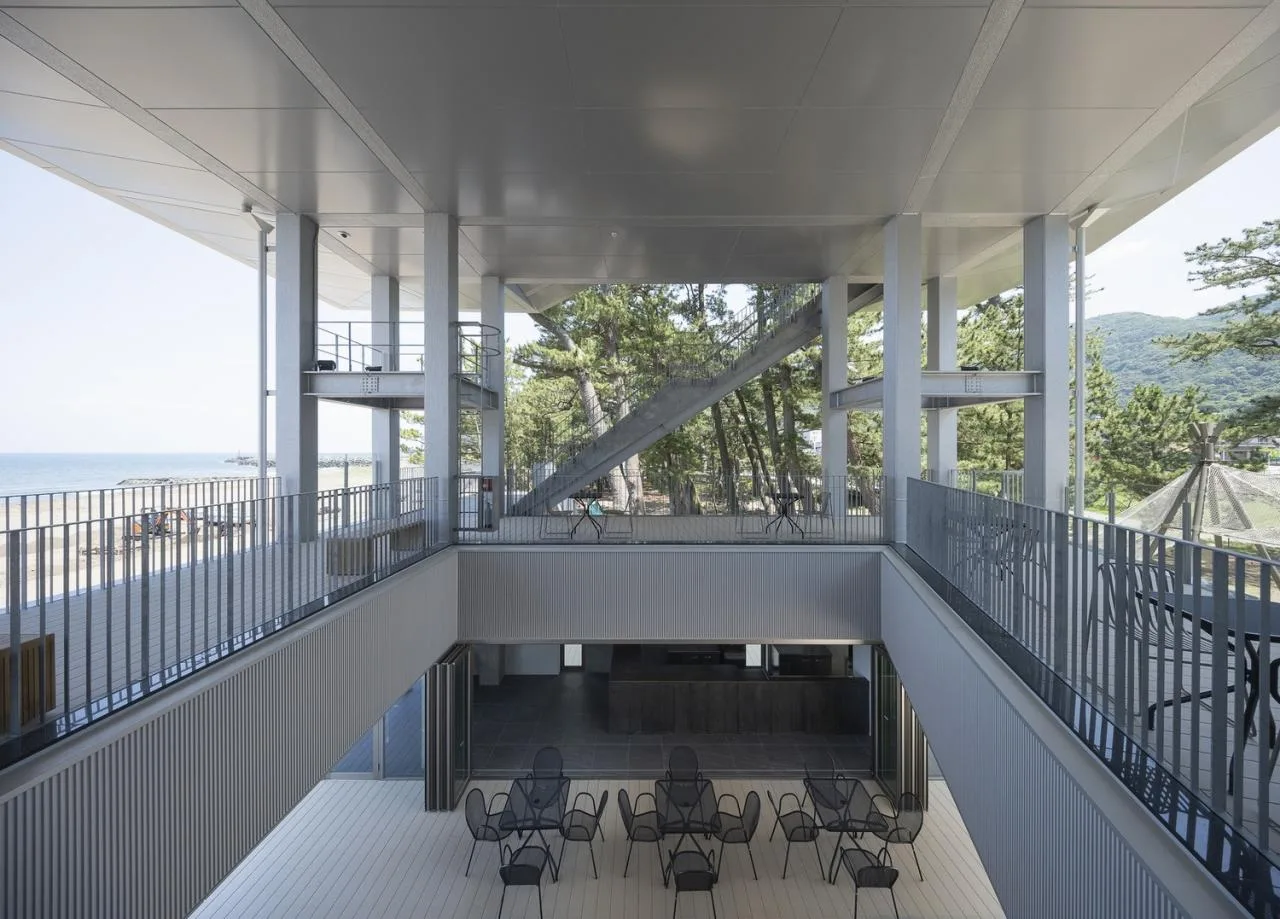
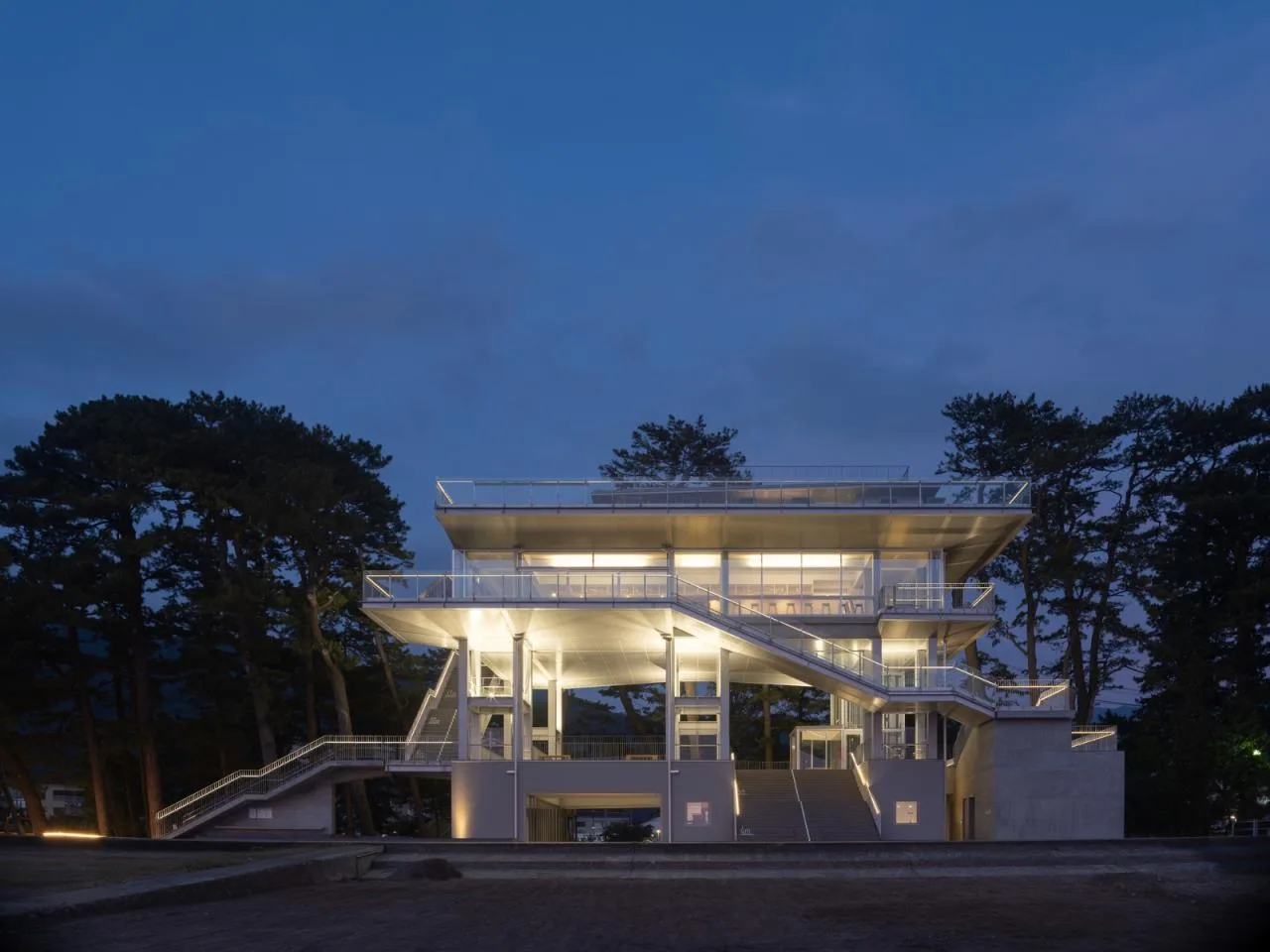
The building is strategically placed at the boundary between the coastline and Matsubara Central Park—a pine forest park—serving as a symbolic gateway between the town and the sea. Since pine forests are iconic to the local landscape, the design carefully incorporates these natural elements to avoid cutting down mature pine trees. Using 3D scanned images of the curved pine trees, the architecture allows the building to coexist harmoniously with the trees while providing the necessary evacuation space. The result is a new landscape that blends naturally with the existing environment.
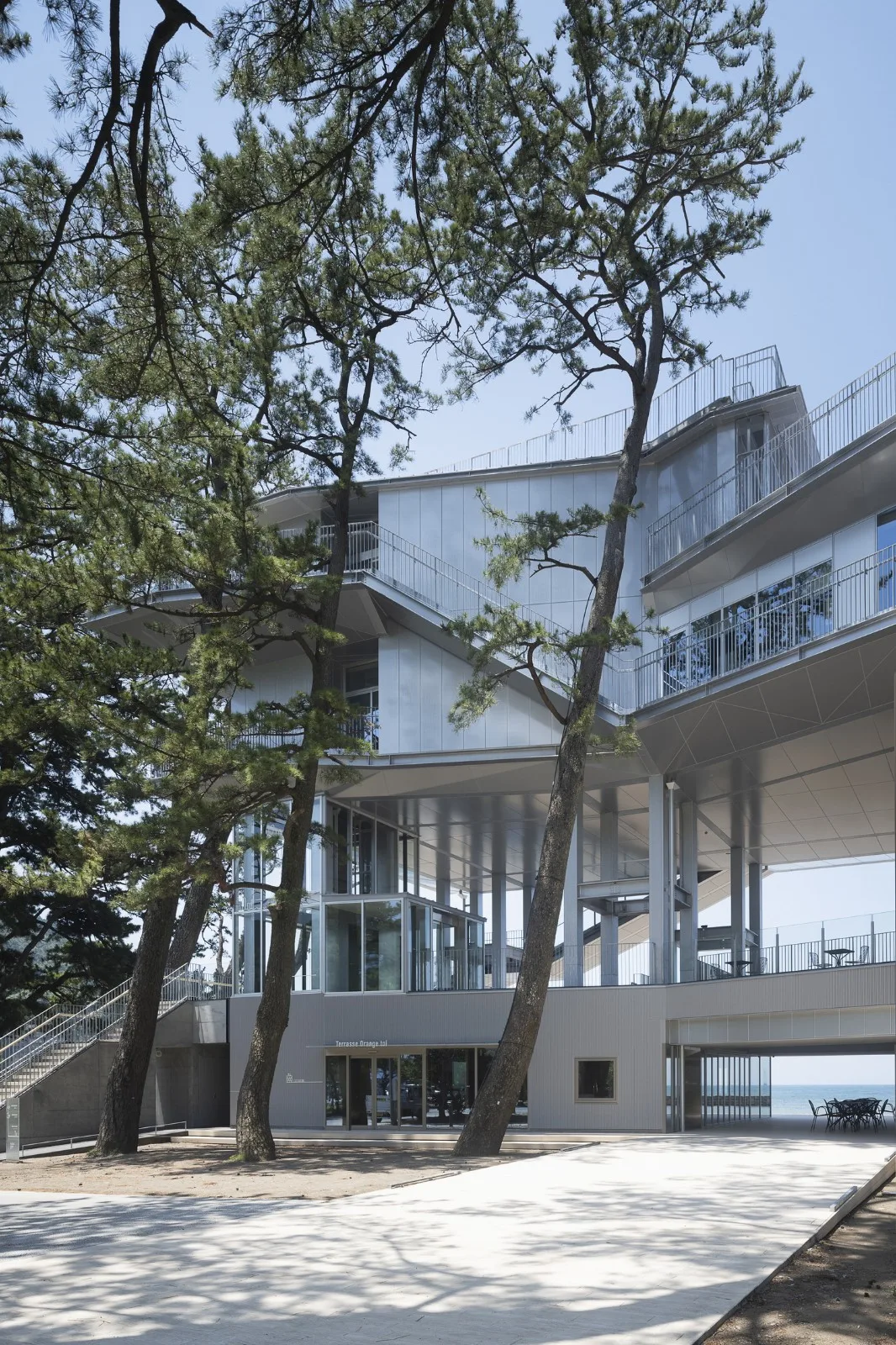
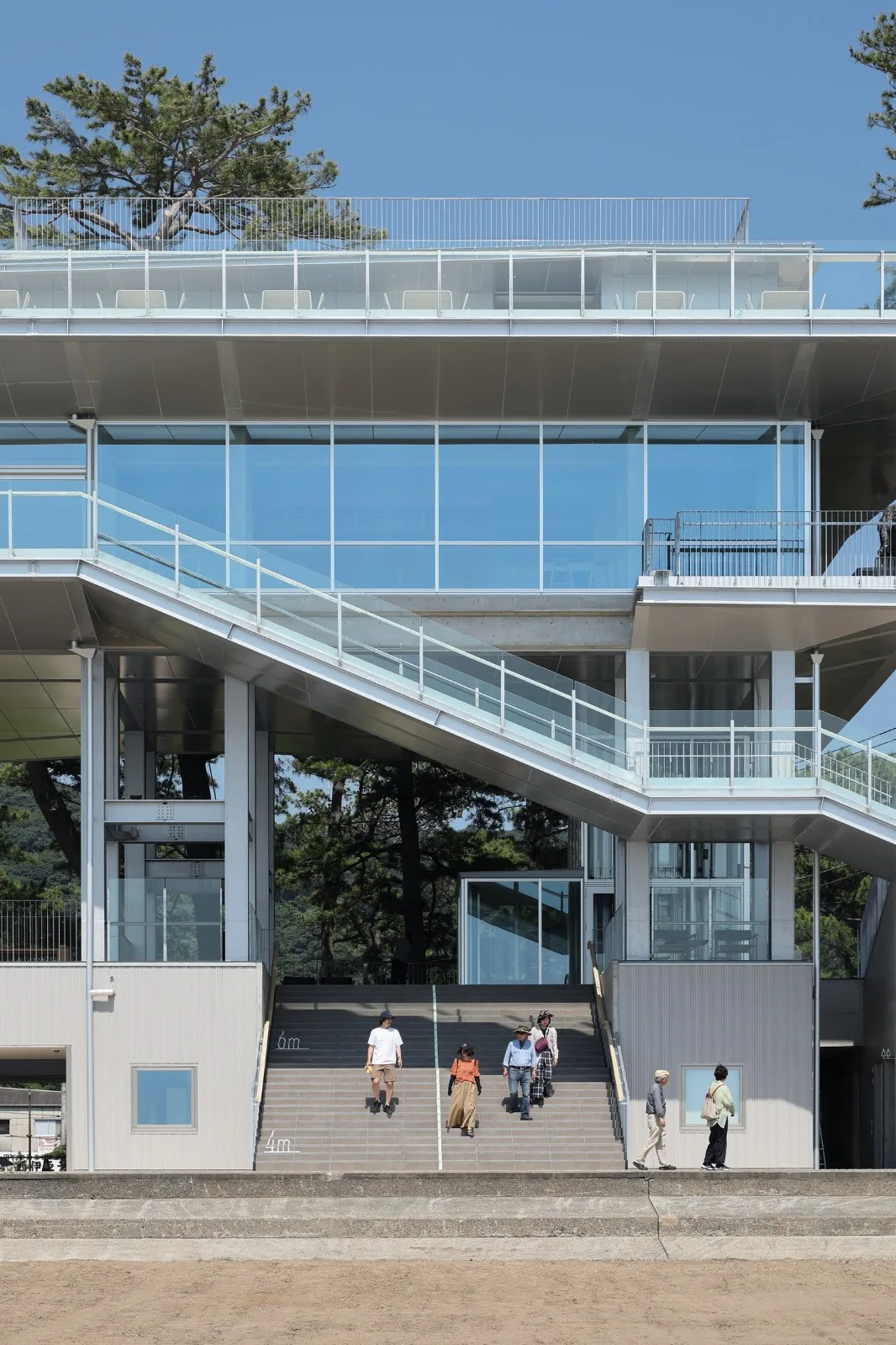
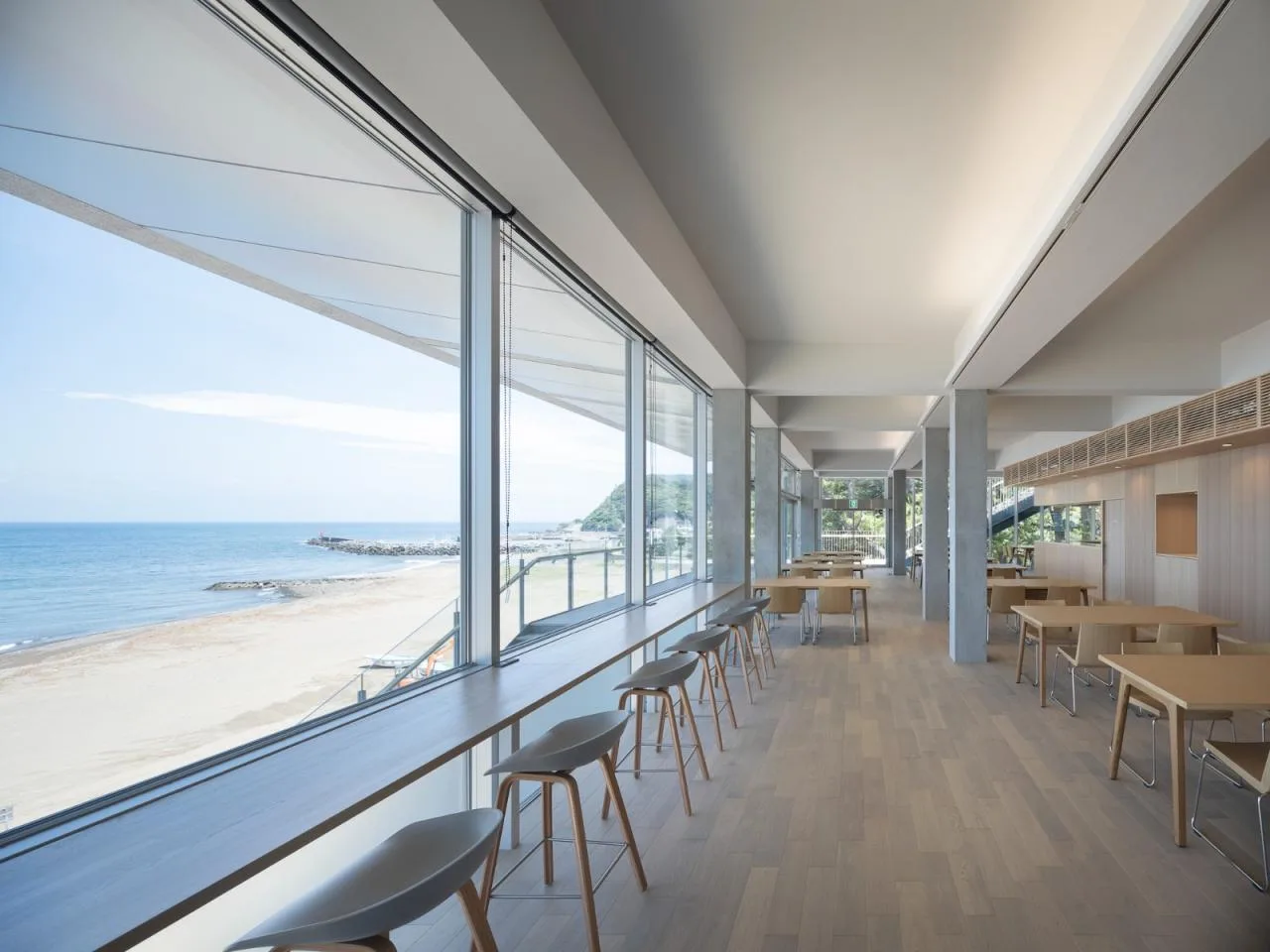
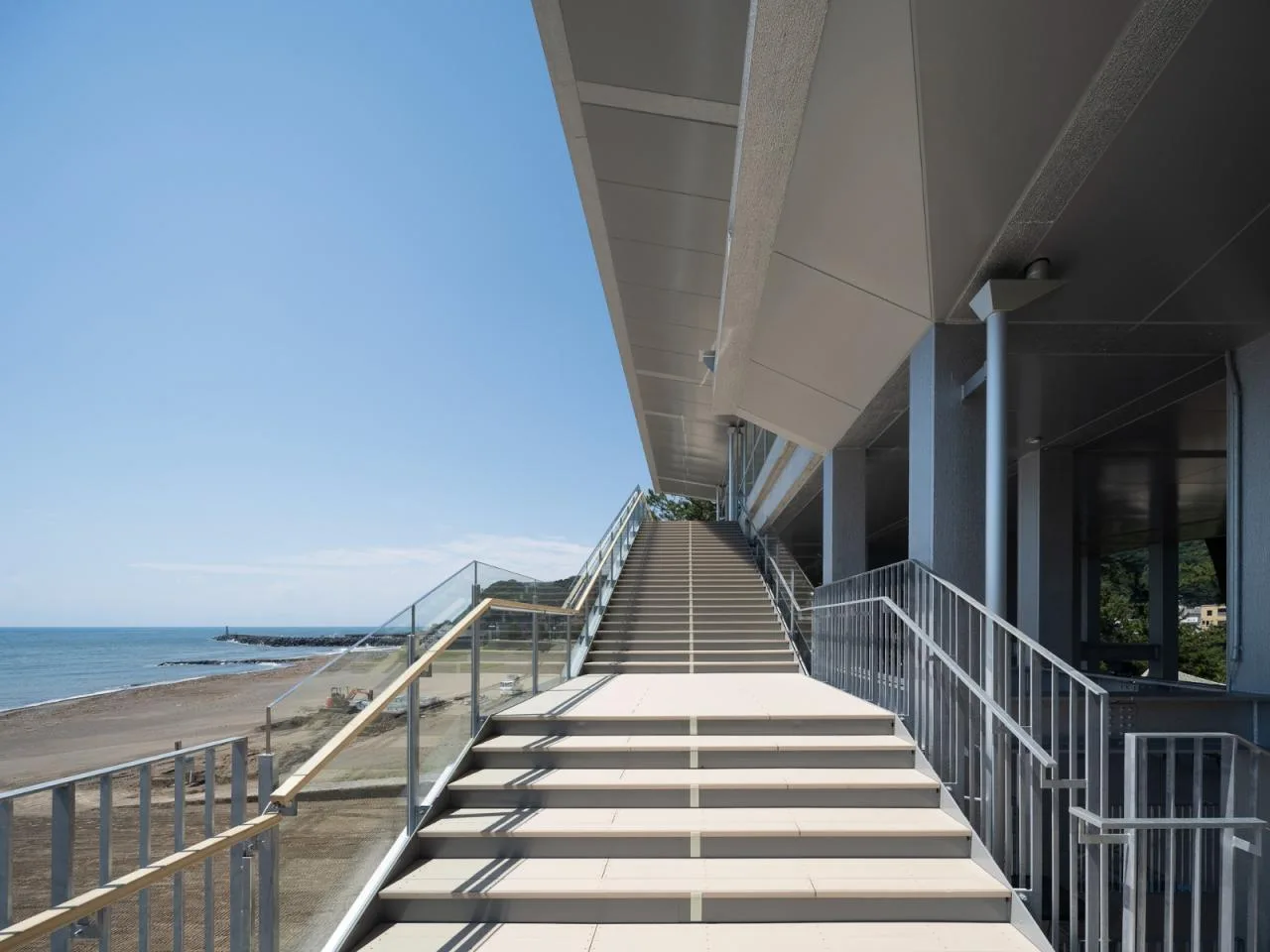
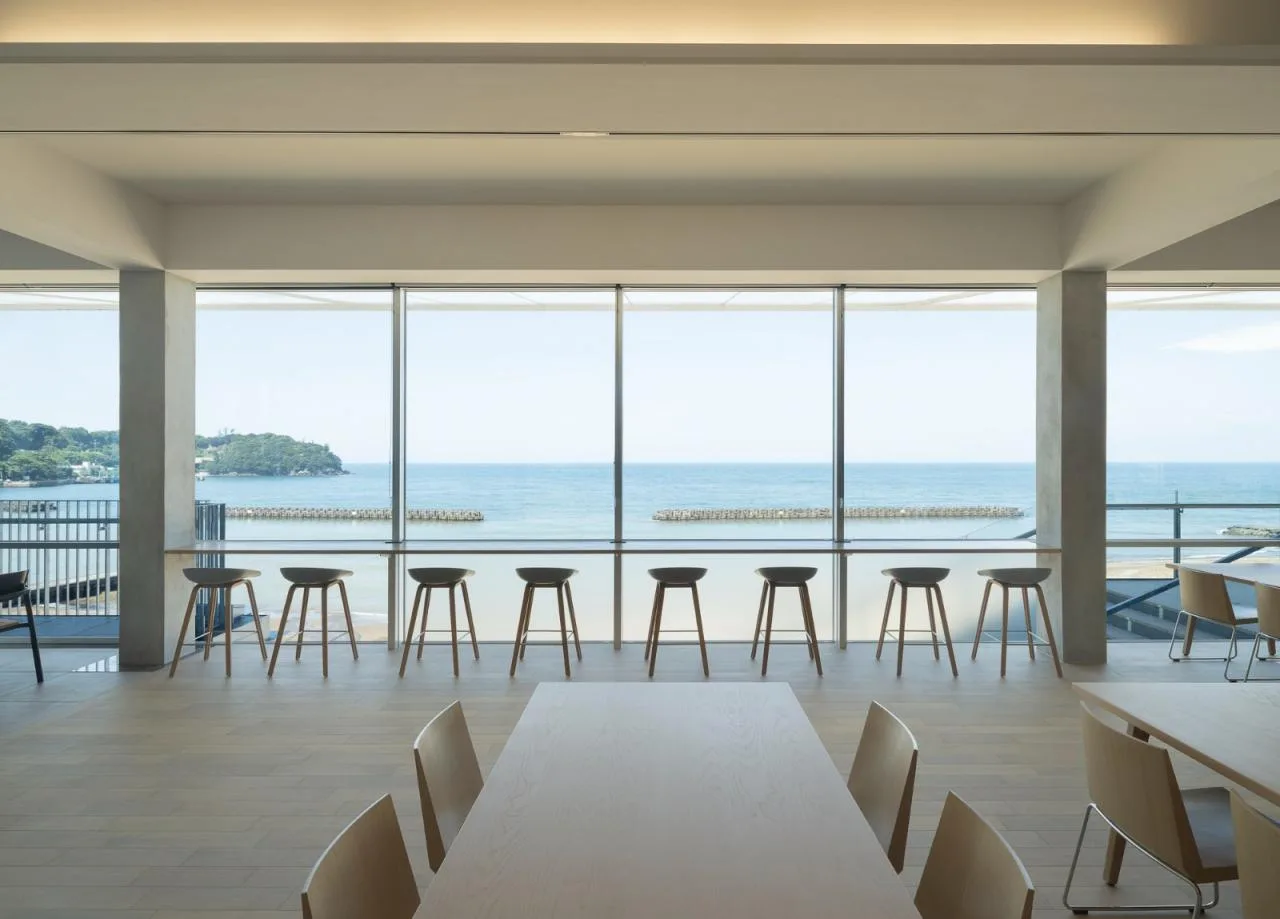
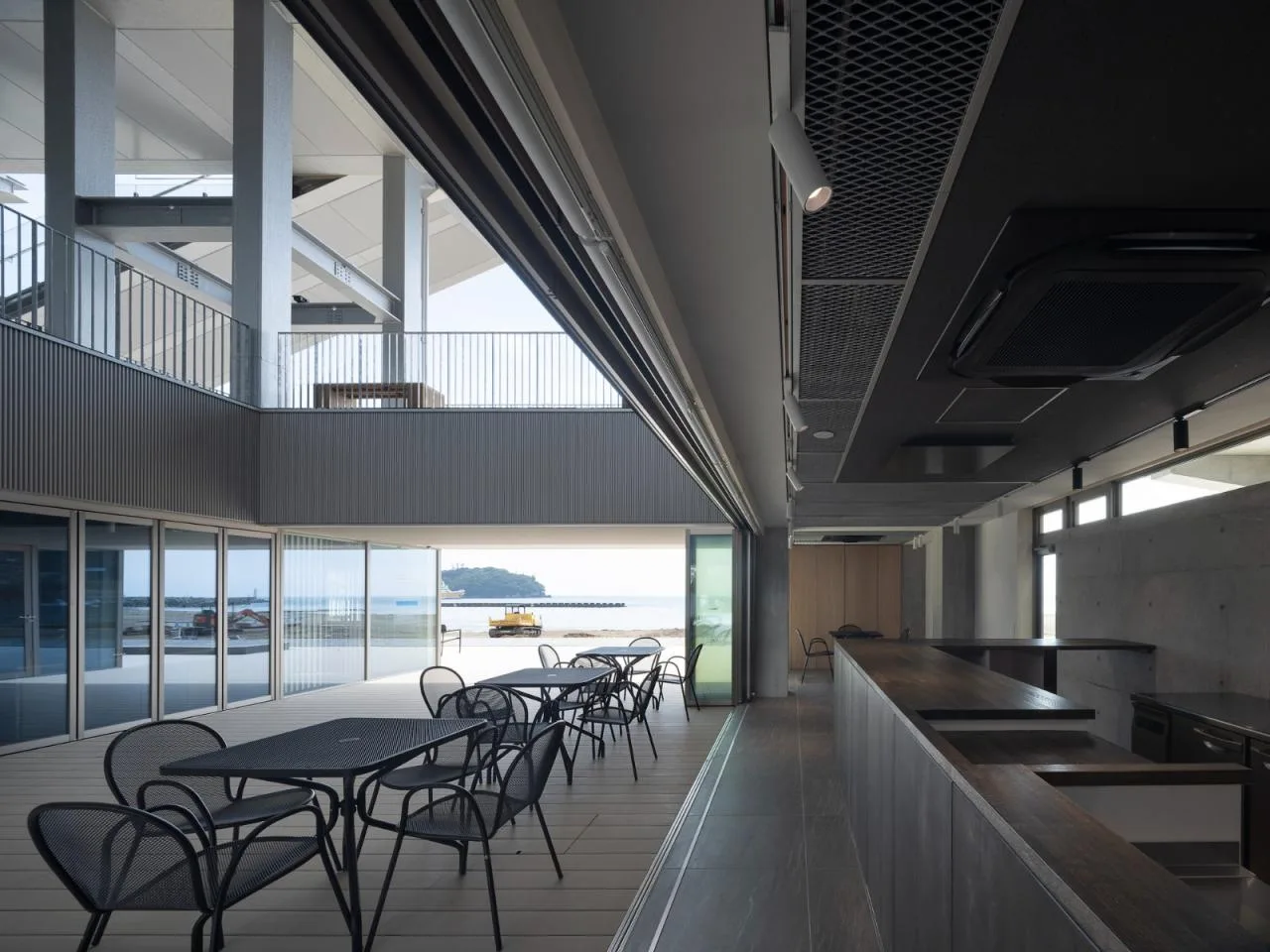
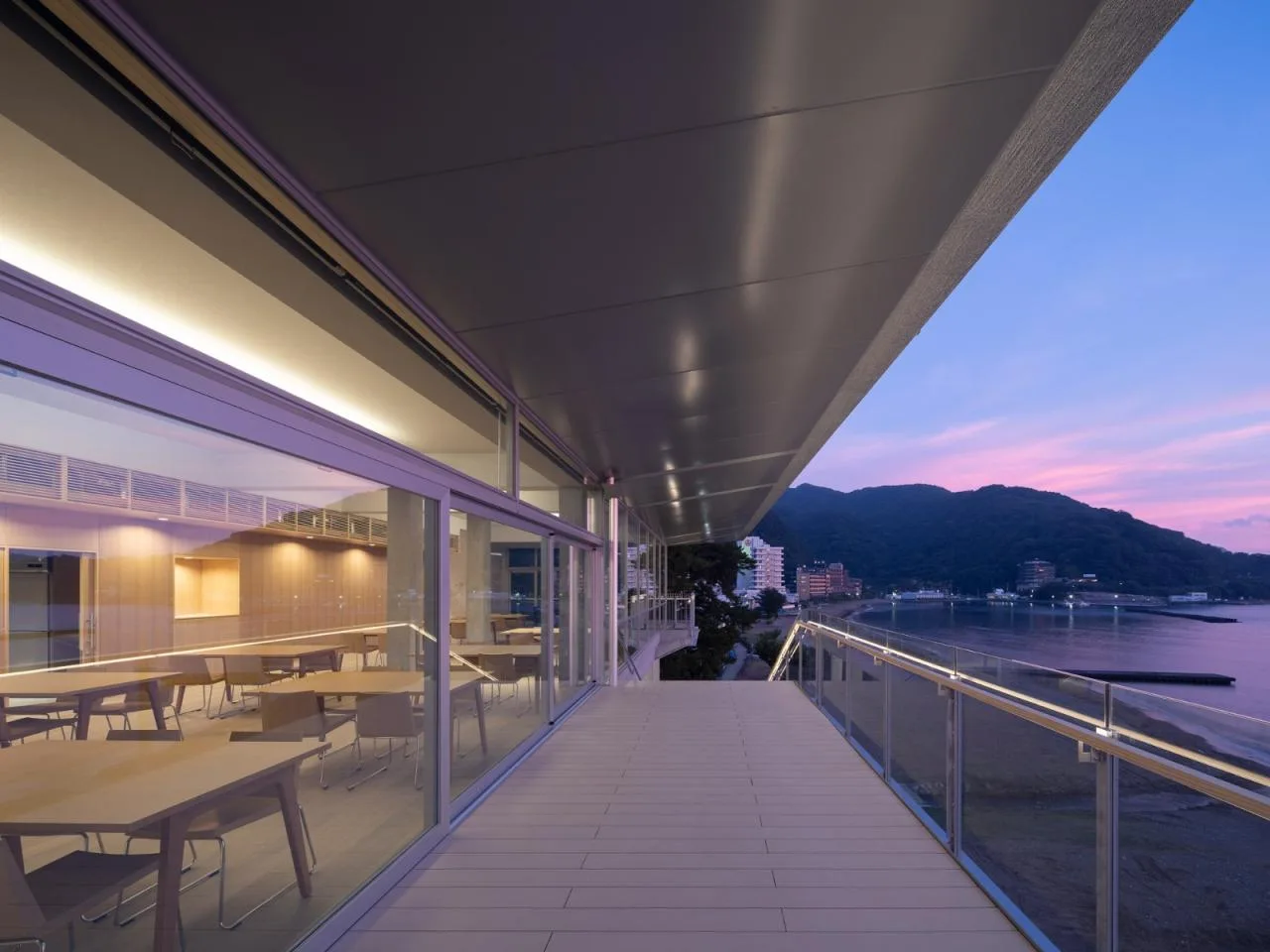
The evacuation and observation levels are situated 14 meters above ground—above the tsunami impact zone—creating a spacious elevated area beneath that provides shade much like the natural pine forests. This ground-level space offers shelter for beachgoers and serves as an intermediate evacuation zone for those ascending from the beach via large staircases. The upper levels are enclosed in transparent glass, maintaining openness while supporting tourism functions. These levels rest on slender Vierendeel girder truss columns. Two external staircases surround the building, ensuring that even visitors unfamiliar with the area can easily locate evacuation routes. These stairs also lead to a viewing platform, offering a scenic ascent where visitors can admire the natural beauty of Songyuan Park.
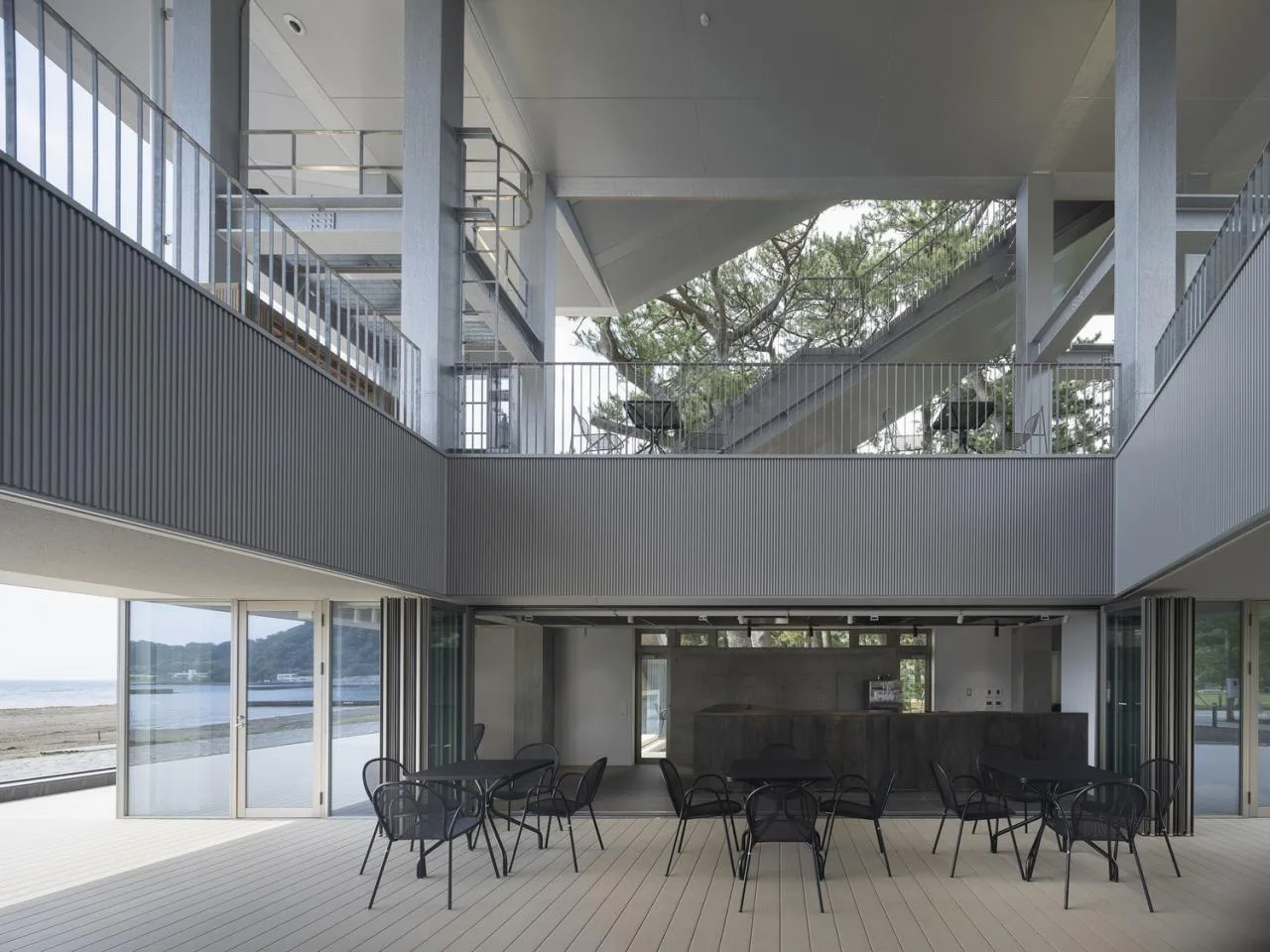
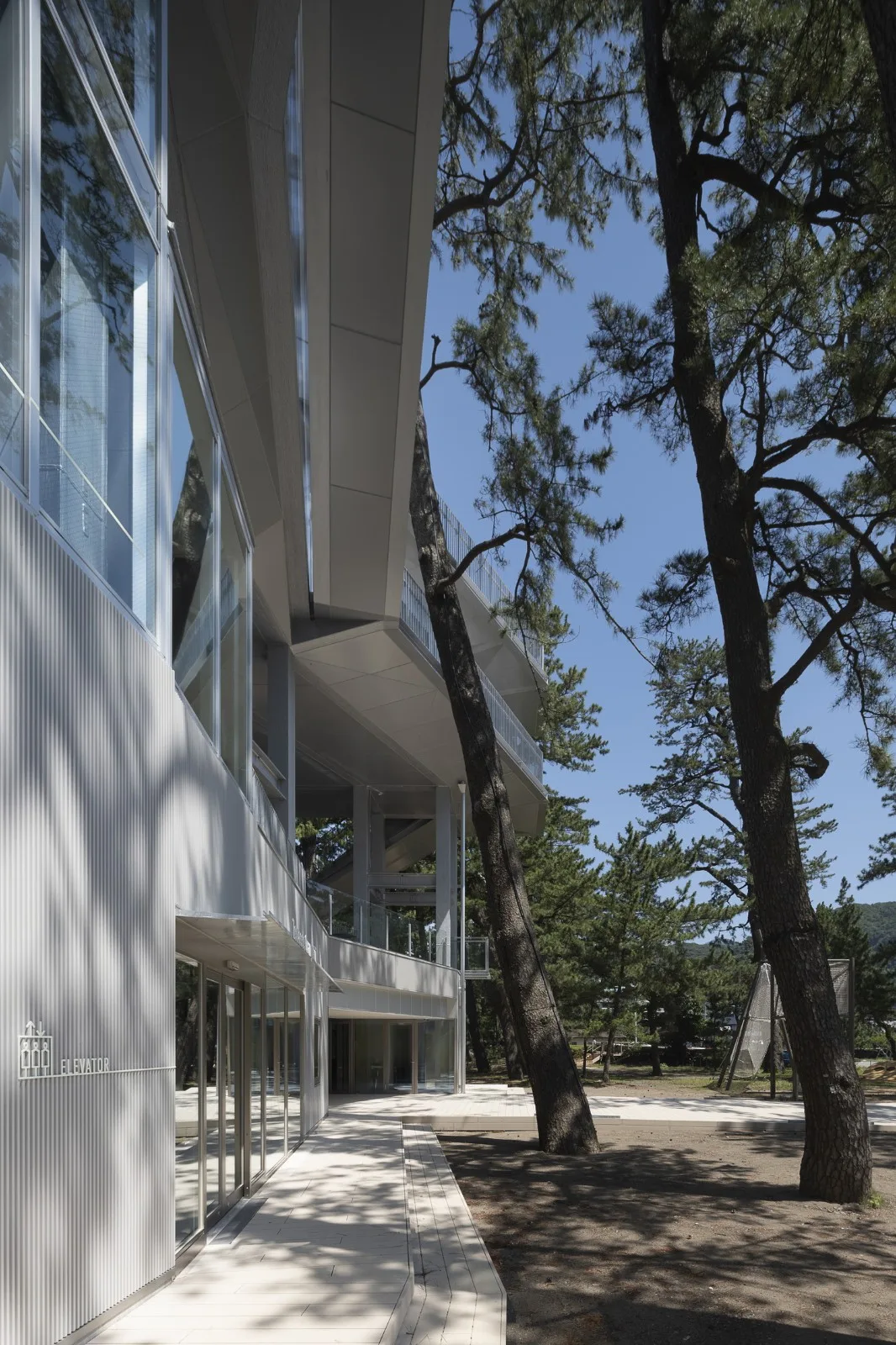
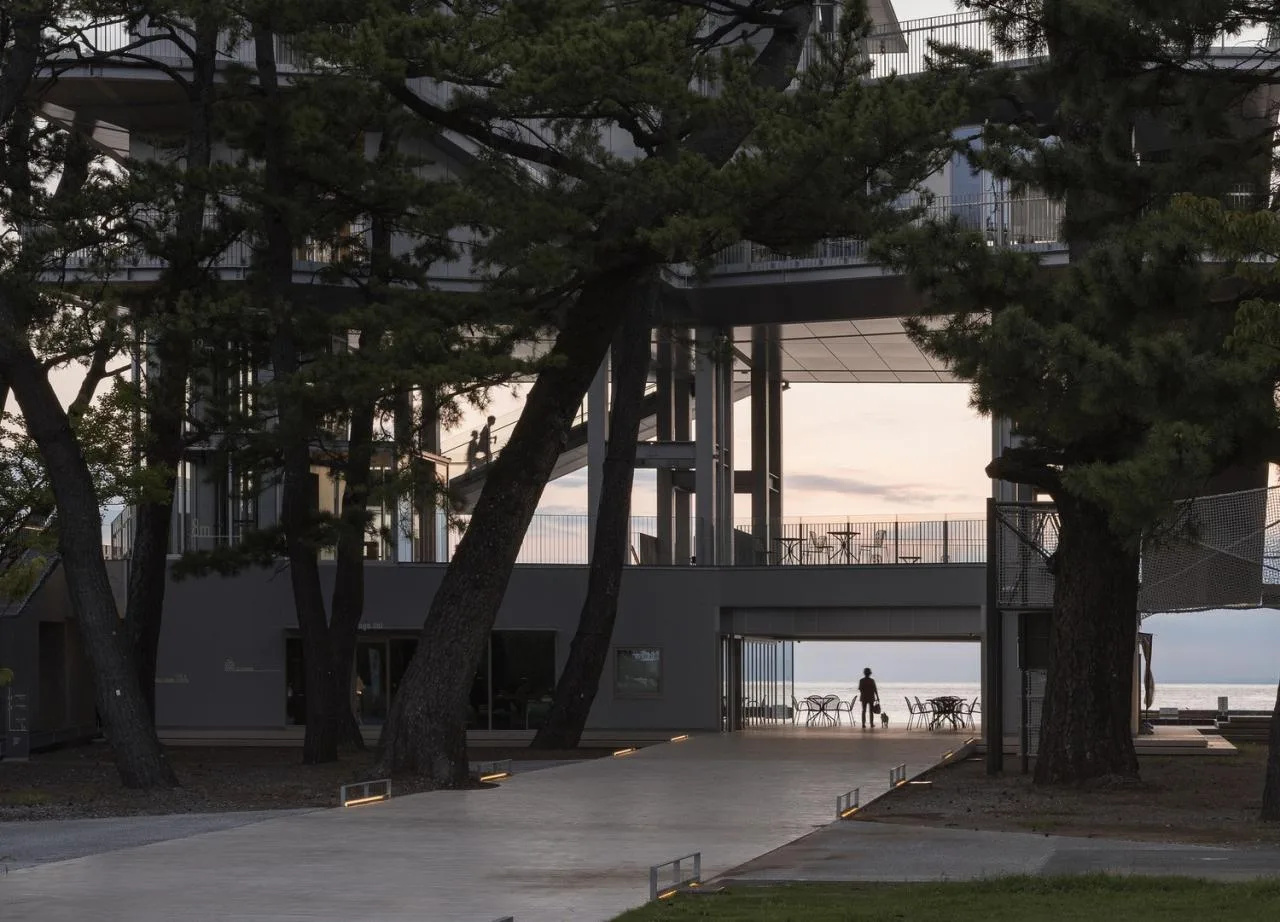
Reflective materials are applied to key surfaces, such as the underside of the elevated area, to mirror the surrounding natural landscape including the pine trees, sea, and sunset. This approach allows the building to blend seamlessly with its environment. Architecturally, the structure serves as a gateway between ocean and mountains, creating a harmonious new landscape where nature and human-made elements coexist while preserving the scenic coastline.
Project Drawings
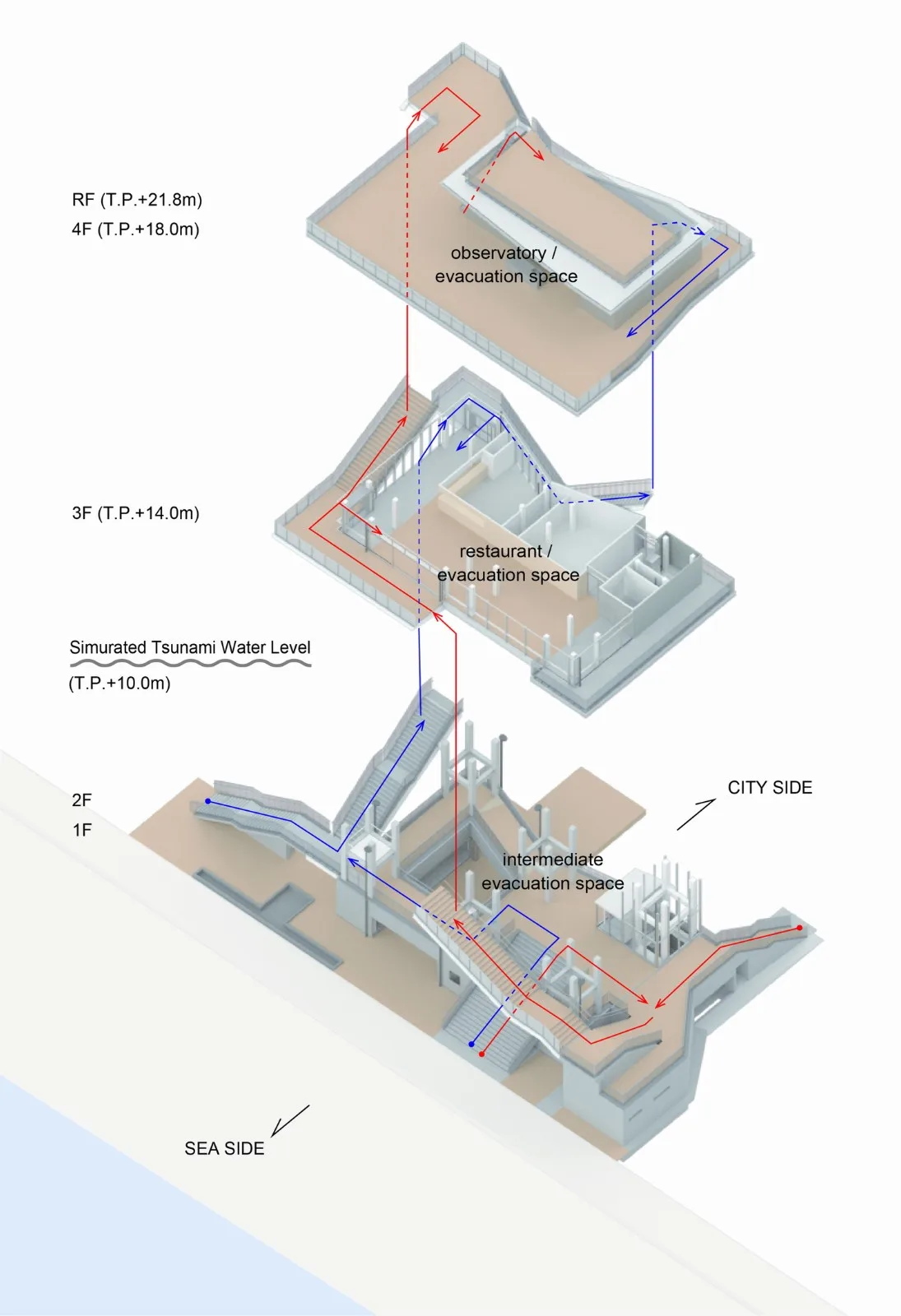
△ Analysis Chart
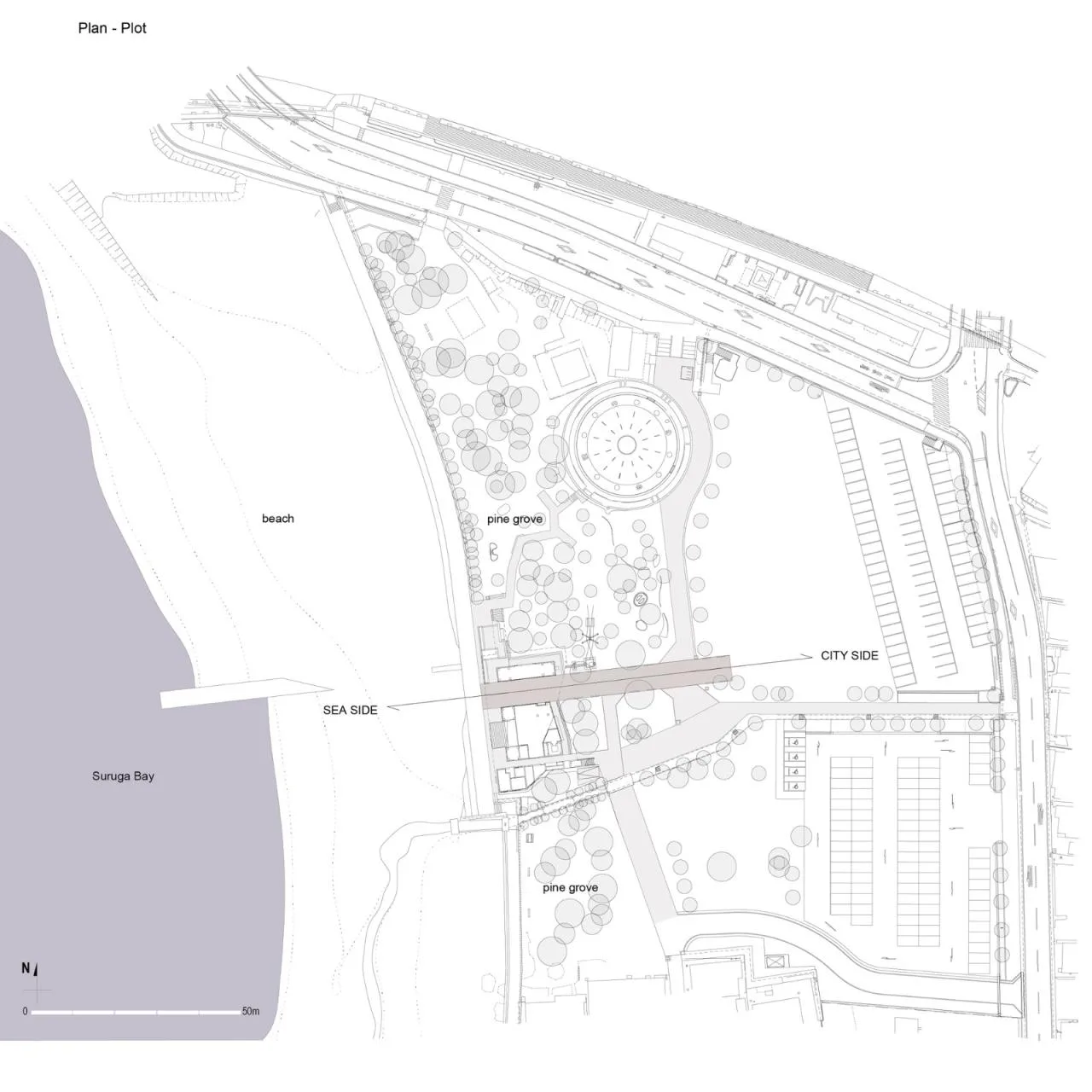
△ General Layout Plan
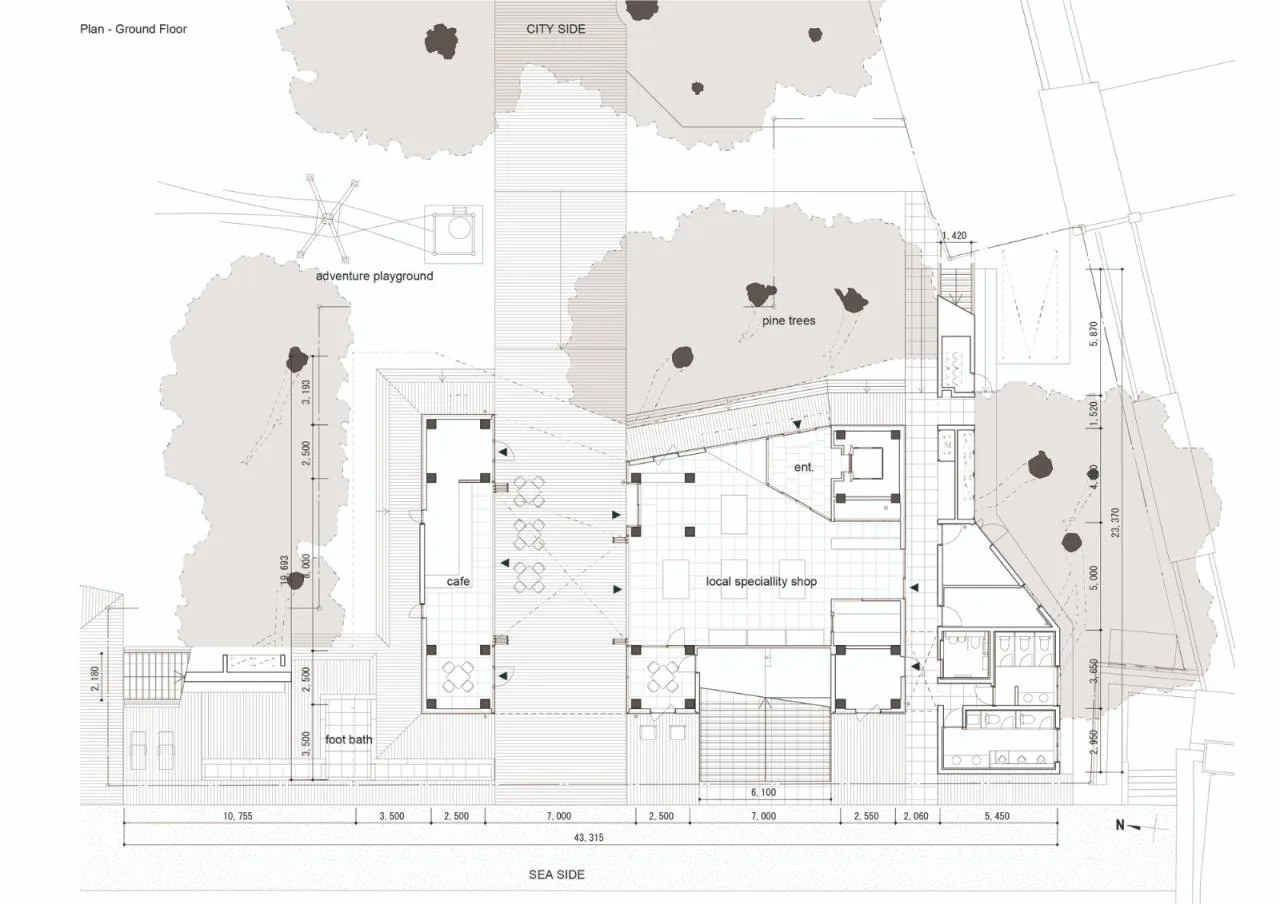
△ First Floor Plan
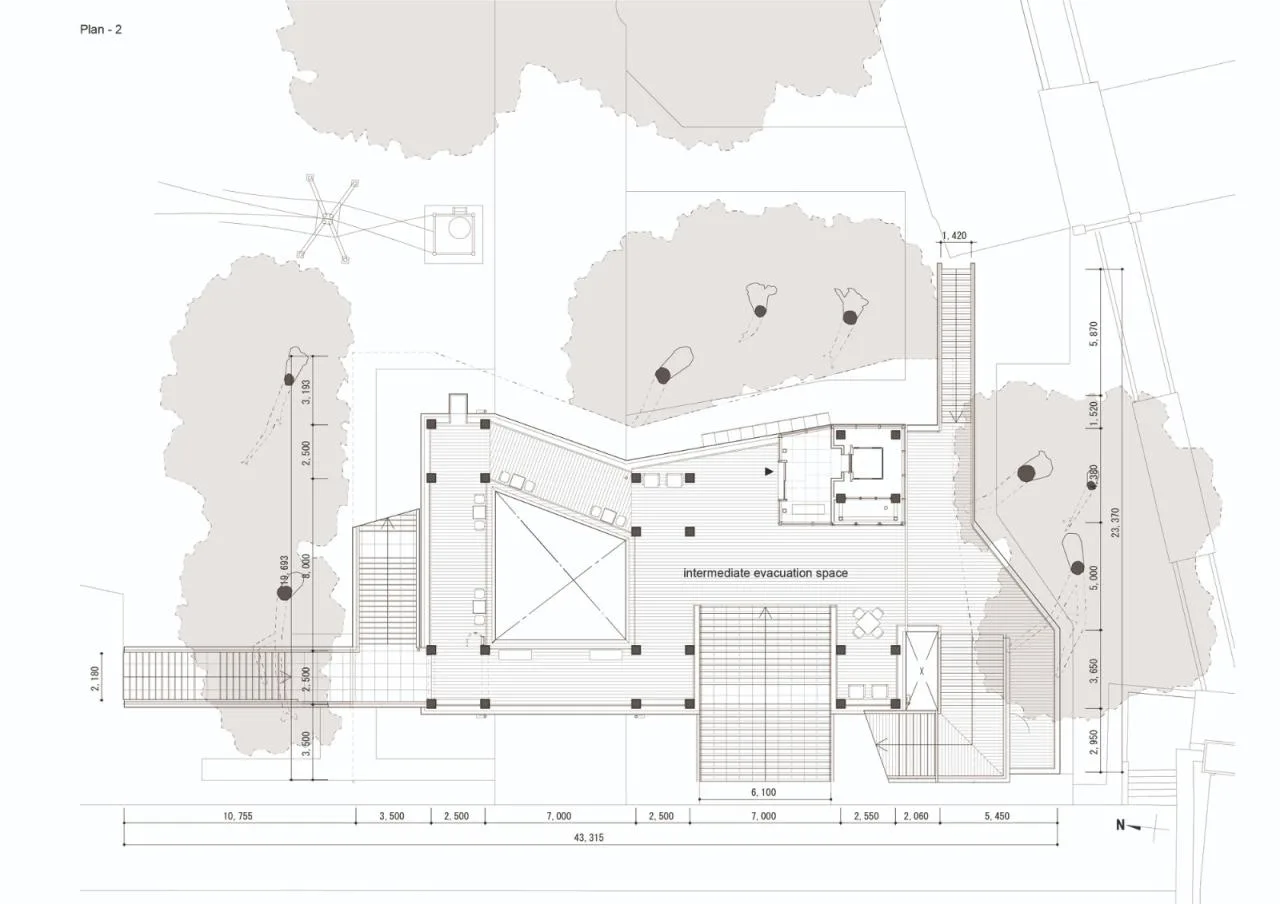
△ Second Floor Plan
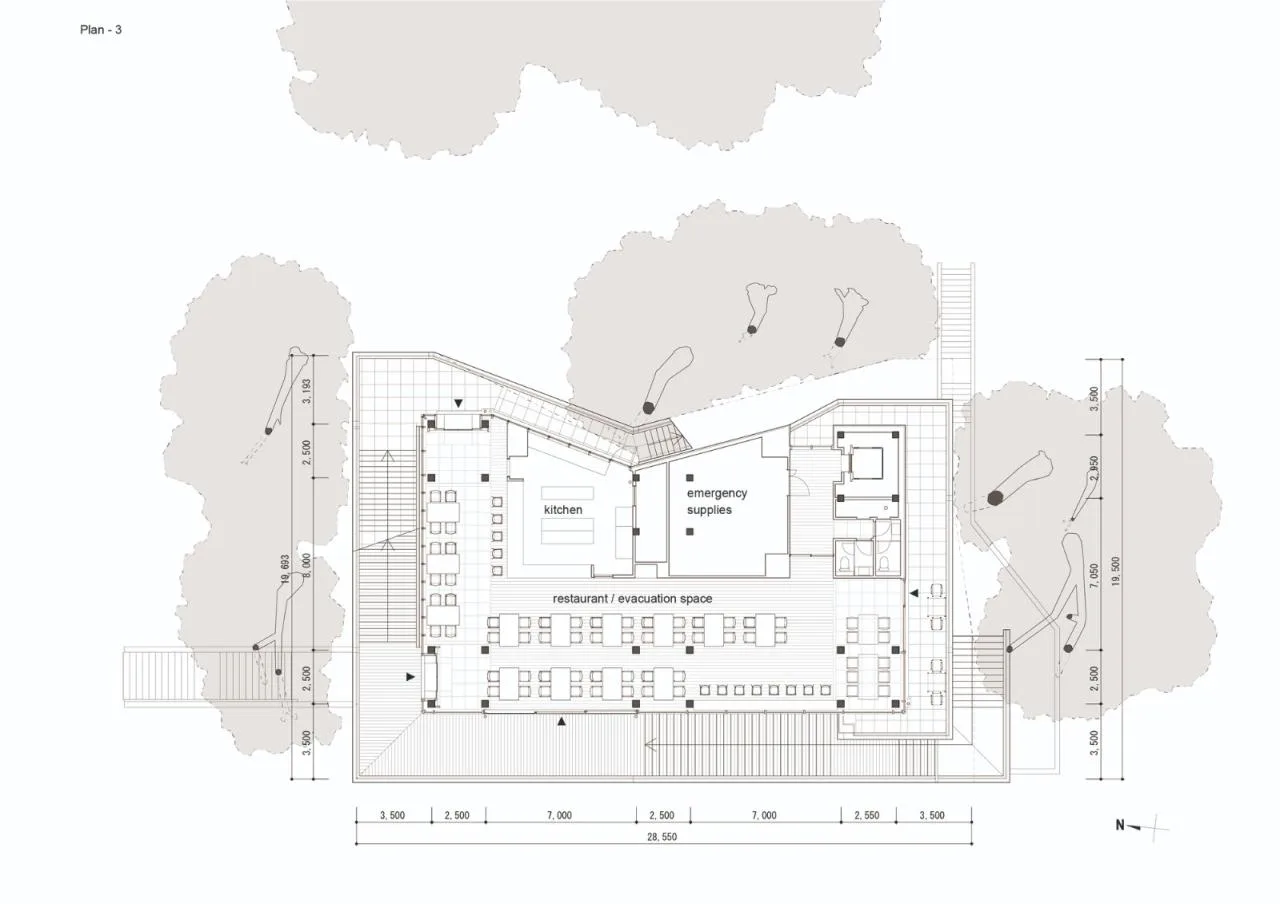
△ Third Floor Plan
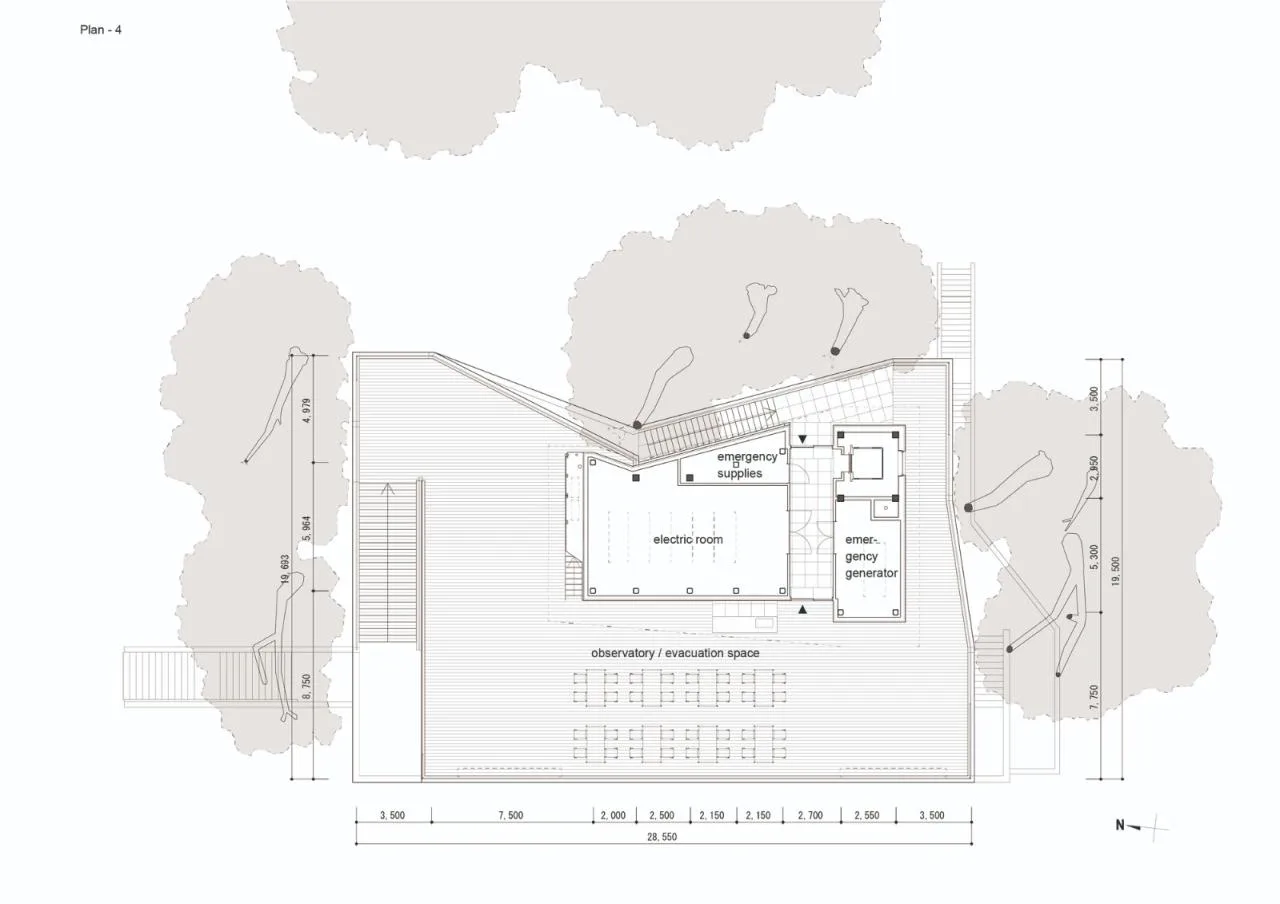
△ Fourth Floor Plan
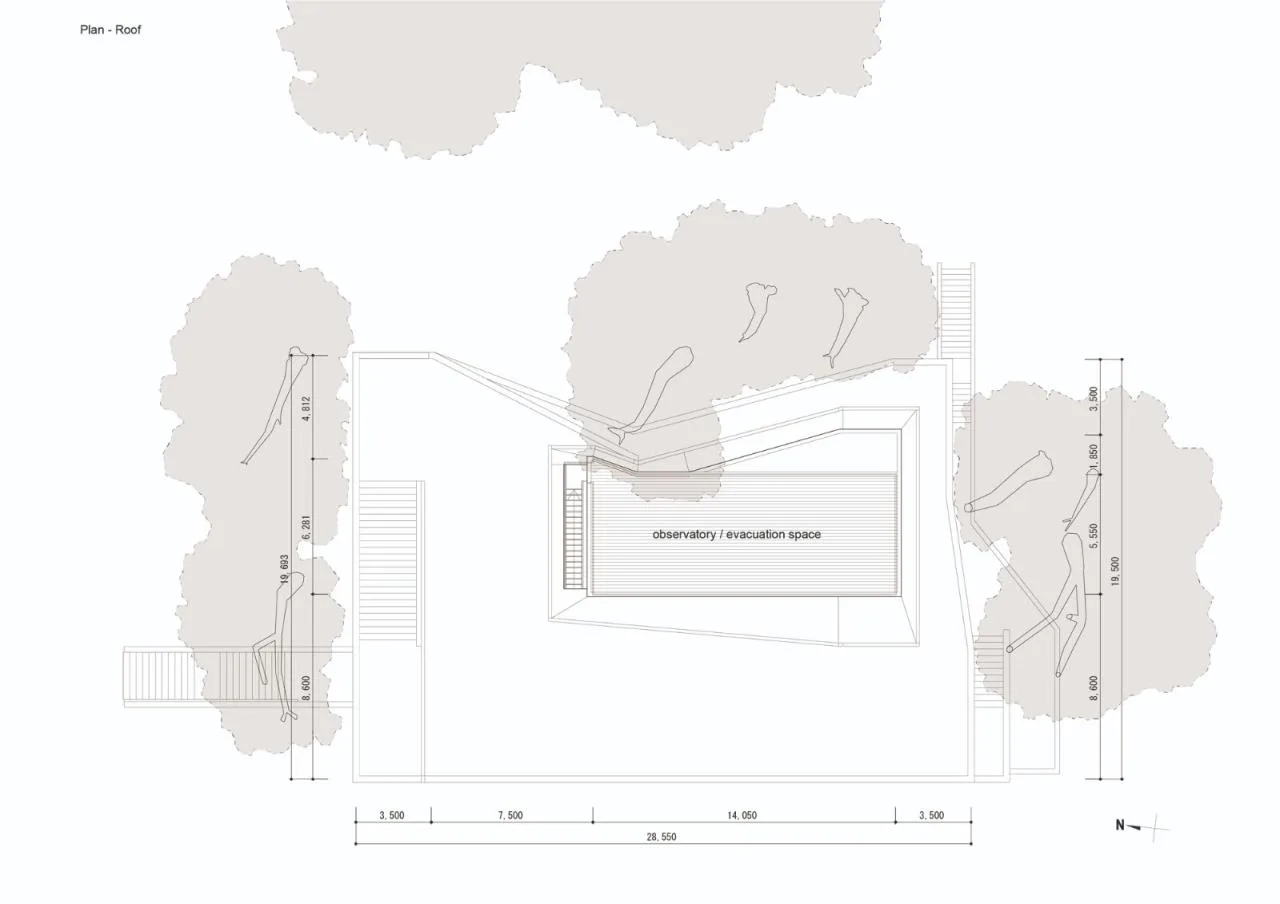
△ Roof Plan
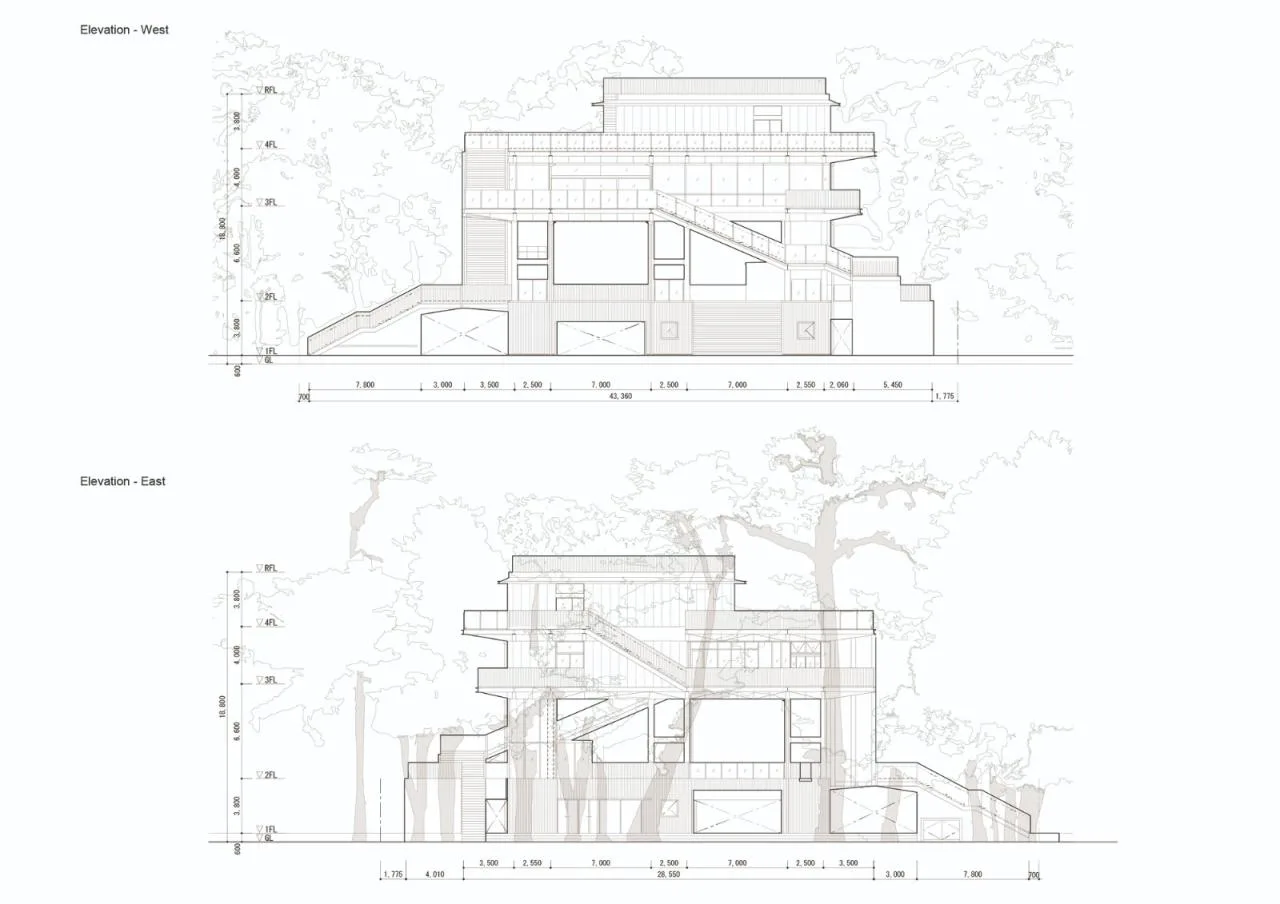
△ Elevation Drawing
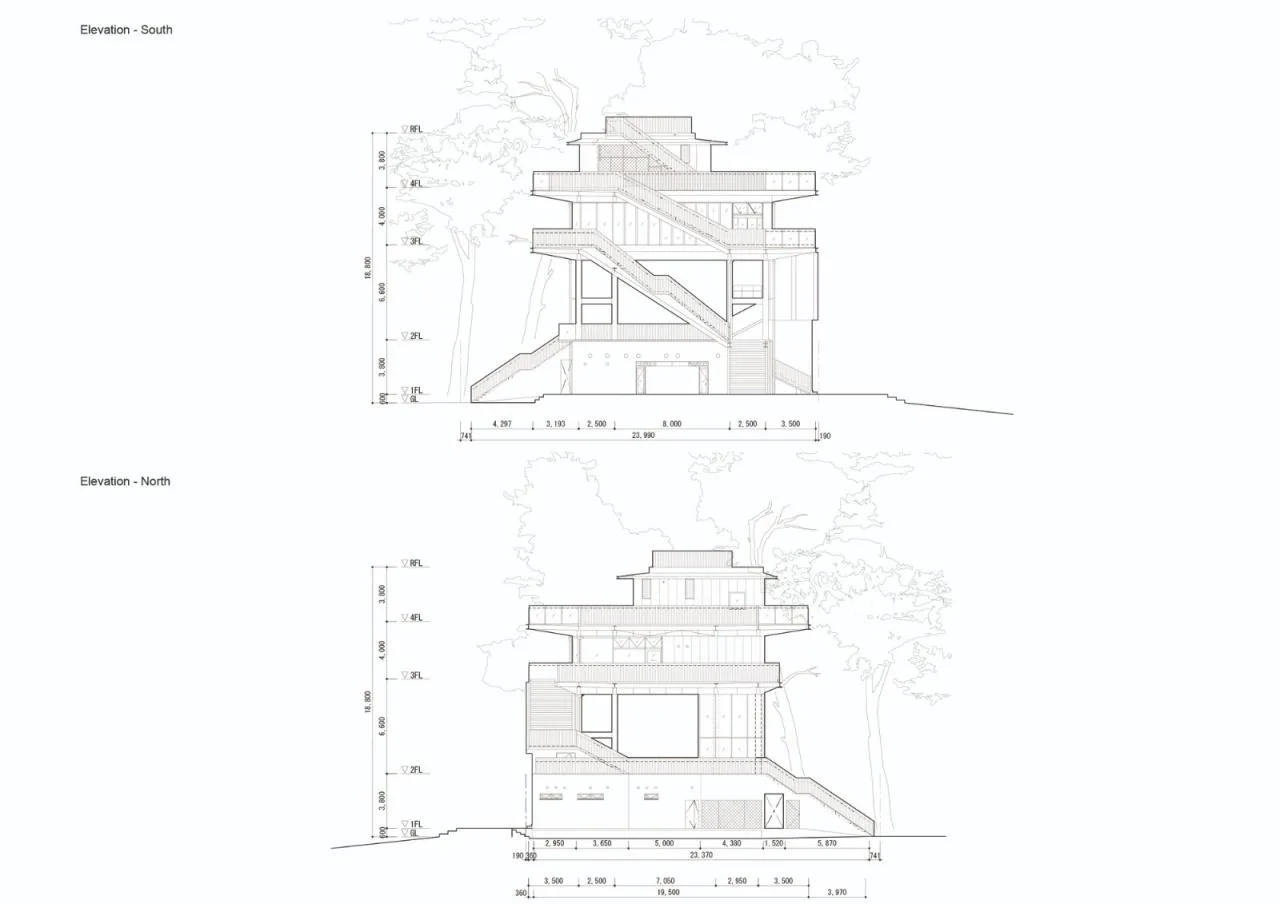
△ Elevation Drawing
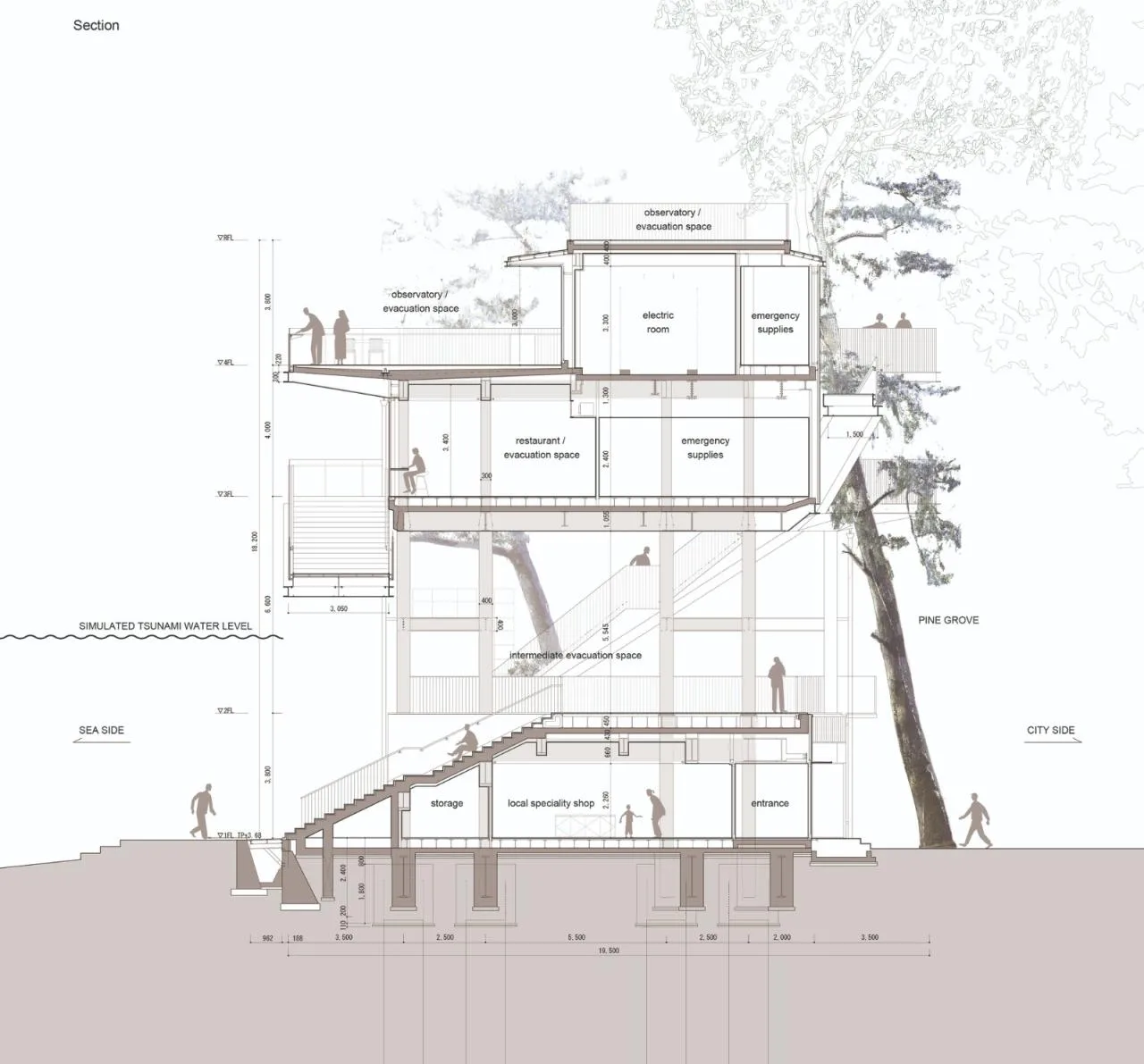
△ Section Diagram
Project Information
Architect: Imai Laboratory, IIS, University of Tokyo; Nippon Koei Urban Space
Area: 1,069 m²
Project Year: 2024
Photographers: Hiroshi Ueda, Kai Nakamura
Design Team: Kotaro Imai, Kan Kunieda (Imai Laboratory, IIS, University of Tokyo)
Structural Engineering: Nagata Structural Engineers
Equipment and Power Engineering: EOS Plus
Mechanical Engineering: Kawamura Engineering Consultants
Guide Design: Maruyama Design
Contractors: Tsuchiya Kensetsu & Aoki Kogyo
Location: Shizuoka Prefecture, Japan














Must log in before commenting!
Sign Up