
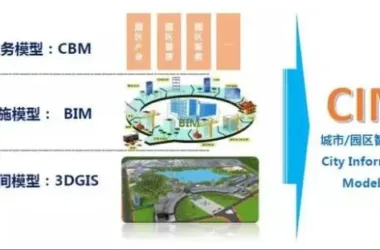
In early 2014, our company introduced a strategic initiative focused on maintaining a low center of gravity by successfully integrating BIM technology into our technical operations. Building Information Modeling (BIM) is a comprehensive system that includes geometry, spatial relationships, geographic information systems, and the properties and quantities of various building components. BIM enables visualization of the entire building lifecycle, covering both construction and operational phases.
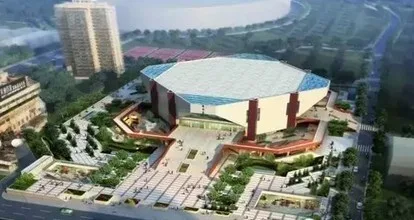
Starting in June 2014, our company began applying BIM technology for modeling, bidding, and comprehensive management of mechanical and electrical pipelines on several projects, including Kunshan Zhonghang Jiufang City, Haikou Landmark Plaza Super High-rise, Changsha Zhuzhou Xiangtan Tobacco Joint Workshop, Zhangjiajie Hehua Airport, Changsha Pudong Development Bank, and Wuxi Geothermal Air Conditioning Room.
Among these, the Haikou Landmark Plaza super high-rise project marked the first comprehensive application of BIM for mechanical and electrical pipelines during the tendering process. In the same year, we participated in the 2014 China Construction Industry Building Information Modeling (BIM) Invitational Competition and were honored with the third prize in the BIM Expansion Application (Single Item) category. This experience deepened our appreciation for the advantages BIM offers.
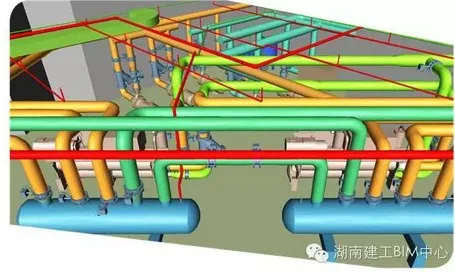
Later, through the Wuxi geothermal air conditioning room project, we integrated BIM technology with on-site construction. By modeling the original CAD drawings and adjusting the pipeline layouts based on actual site conditions, we established comprehensive supports. Construction was then guided by the revised 2D drawings alongside localized 3D models. This BIM implementation resolved previous challenges related to unclear construction documentation and inefficient pipeline arrangements, while also paving the way for future BIM development.
The He Long Sports Center Urban Life Plaza project in Hunan Province is notable as the first underground shopping mall in Hunan connected directly to a subway station. The project owner placed high demands on overall planning, particularly regarding the clearance height of mechanical and electrical pipelines within the mall. In response, we were invited to apply BIM technology to optimize the pipeline layouts comprehensively, ensuring adequate workspace and clearance for finishing works.
Our primary focus on this project was the integrated layout of mechanical and electrical pipelines coupled with the logical arrangement of supporting structures. By employing 3D visualization technology, we enhanced transparency in the construction process, allowing on-site technicians to quickly and accurately familiarize themselves with the drawings. This approach accelerated construction progress and ensured quality. Additionally, we utilized 3D weld seam information of pipelines to generate detailed reports on weld locations and pipe section cutting lists, enabling intuitive monitoring of welding details and cutting lengths for each pipeline, thereby improving construction efficiency.
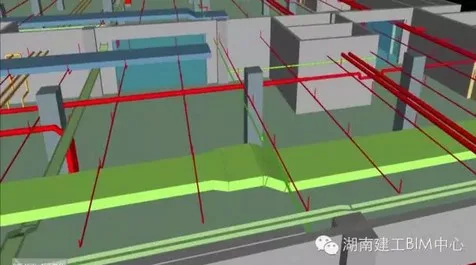
BIM technology has steadily become an industry standard and is poised to provide even stronger support for project management, quality control, safety, and scheduling in future construction endeavors. We remain committed to innovation and excellence, continually advancing the application of BIM technology for the benefit of our enterprise.












Must log in before commenting!
Sign Up