
Hunan Sixth Construction has always prioritized practical application, mastering advanced industry technologies and learning from the successful management experiences of leading enterprises. Following the principle of “Project Pilot → Project Promotion → Company Popularization,” they have actively promoted BIM technology within the company.
After continuous pilot research, BIM technology has been fully integrated throughout the Longping Rice Museum project.
Technological Applications:
1. Collision Detection: Used to assist in drawing reviews by anticipating and resolving issues in advance. The process identified 384 collisions, 40 drawing errors, and 14 major design changes.
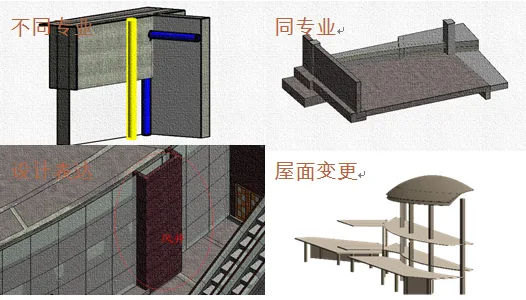
2. Pipeline Integration: Various specialized models were combined to create a comprehensive project model, optimizing and deepening the design.
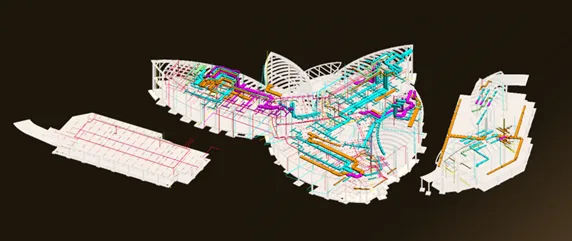
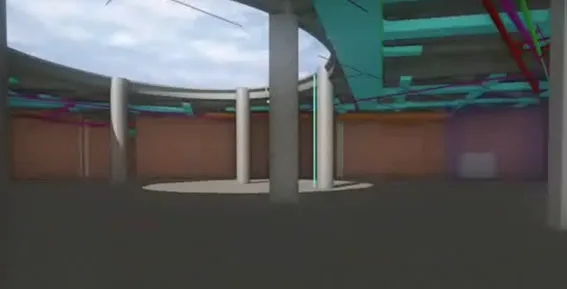
3. Roaming Simulation: Utilizing the BIM roaming feature, teams discussed and evaluated the safety and rationality of protective measures, identified major hazard sources and safety enclosures, enabling more effective hazard elimination.
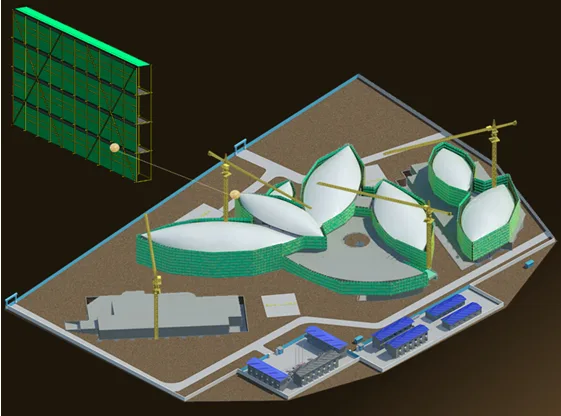
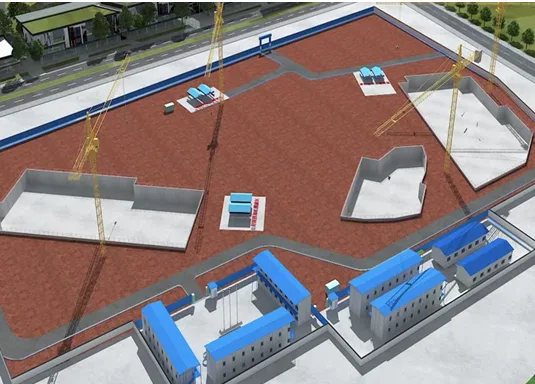
4. Construction Layout: Virtual reality technology was used to dynamically arrange the site, allowing intuitive analysis of the entire project’s layout status.
5. 3D Construction Visualization: Virtual construction functions simulated the building process from multiple perspectives, providing step-by-step guidance aligned with construction sequences.
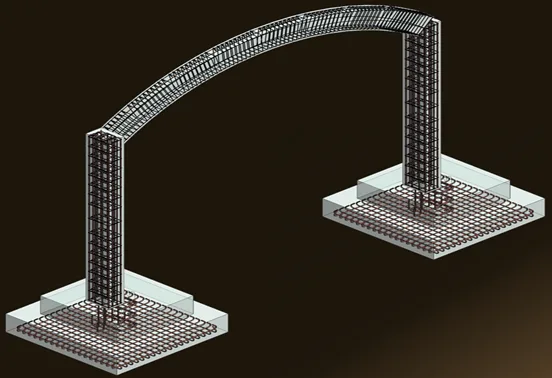
6. Complex Node Detailing: Detailed models of complex nodes displayed internal structures, aiding in the design and execution of steel bar cutting and binding.
7. Template Processing: The project’s roof construction involved labor-intensive operations. By creating template models and prefabricating components based on these models, labor demands during peak periods were significantly reduced.
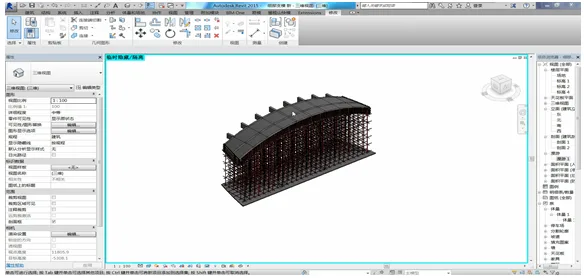
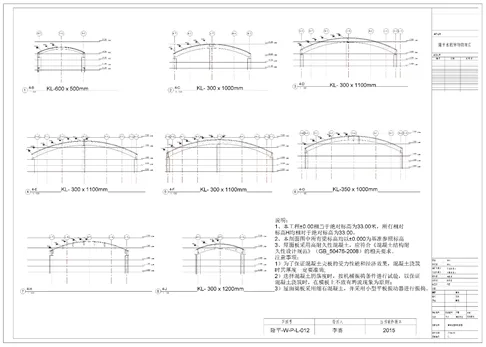
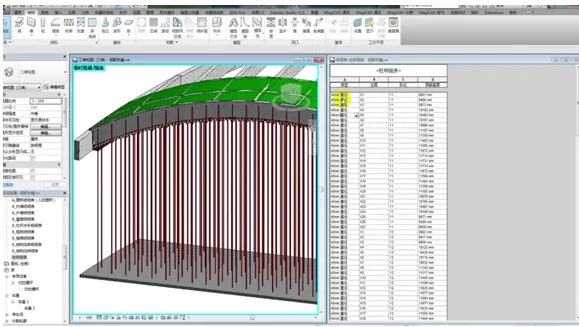
Because the shell structure’s roof has a complex design, the steel pipe support frame heights vary and are difficult to locate. Additionally, the curvature of roof beams and slabs differs at various cross-sections, creating significant challenges for positioning and construction.
To address this, technicians leveraged BIM technology to optimize and compare solutions, ultimately selecting a curved steel support construction plan. A shell roof model was created, enabling access to precise profile and 3D coordinates at any location. This allowed construction personnel to clearly understand drawings and plans, greatly simplifying construction operations.
Business Applications:
1. Quantity Calculation: By following basic modeling rules in Revit, the project model’s accuracy was ensured, making it easily importable and producing more precise quantity calculations.
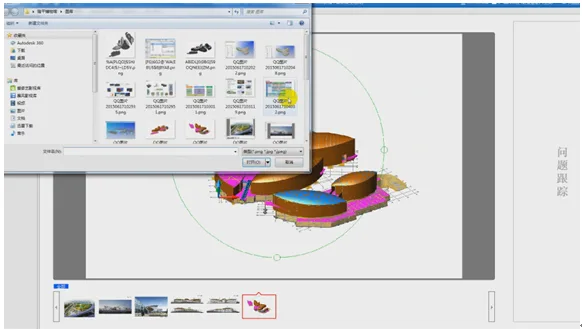
2. Data Integration & Document Management: The model linked critical project information such as change data, schedules, contracts, costs, quality, safety, drawings, materials, and special plans, allowing for integrated management.
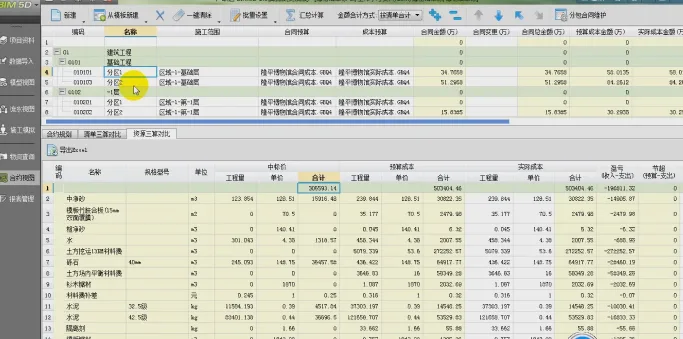
3. Cost Comparison: Target costs were prepared within the first month of the project and integrated into the model. Actual costs collected during implementation were input into the software to analyze and compare contract, target, and actual costs based on quantity and pricing, supporting simultaneous construction, control, and planning.
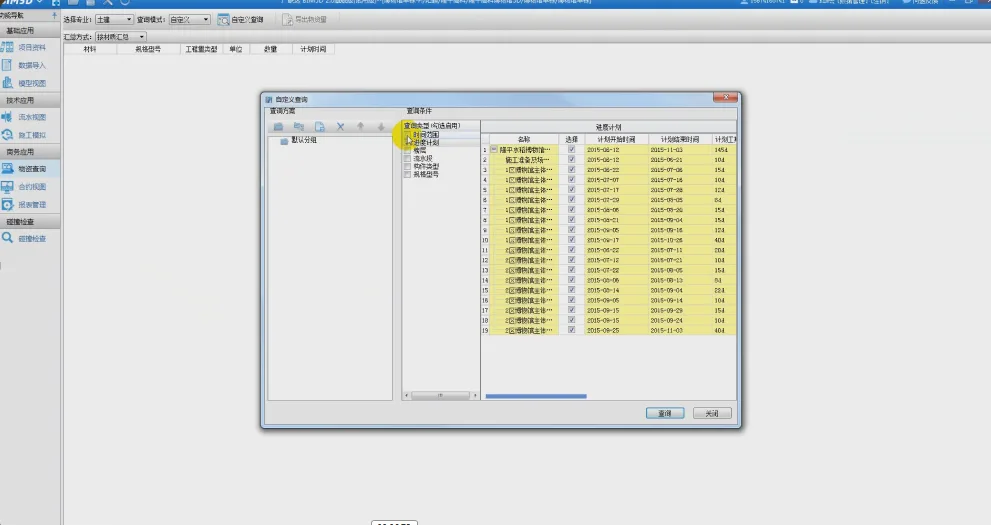
4. Material Management: Resource requirements for the following week were quickly generated. Based on profession, schedule, workflow, construction model, and component types, construction quantities were calculated rapidly to support regular reporting and subcontractor reviews.
Additional Applications:
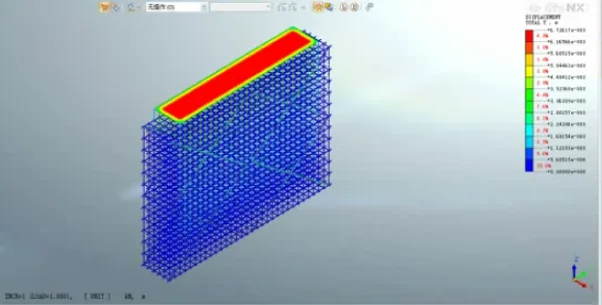
1. Advanced Construction Process Analysis: The project’s formwork system was complex. Dynamic simulations ensured formwork safety and mitigated risks.
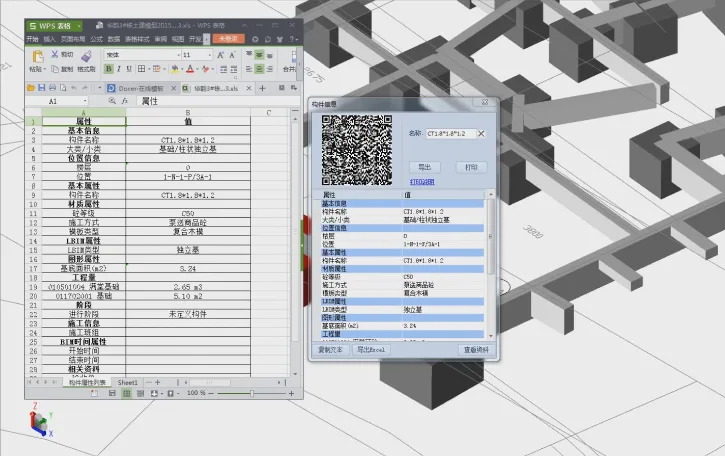
2. QR Code Integration: By scanning component QR codes via mobile devices, key information such as quantity, material, and location became instantly accessible. QR codes were also developed for critical construction processes to facilitate quality and inspection management.
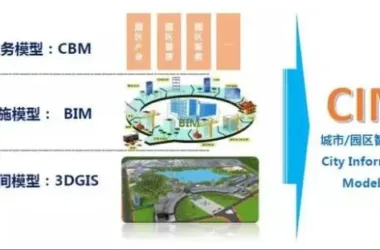
Our approach to BIM is not about reinventing the wheel, but rather integrating mature technologies, systems, and tools to align with our workflow. This integration improves quality and efficiency progressively—from individual points to lines and surfaces—through meticulous management, ultimately achieving significant cost reductions.














Must log in before commenting!
Sign Up