
“BIM” — Where is the magic?
Clearly visualize the position of every pipeline
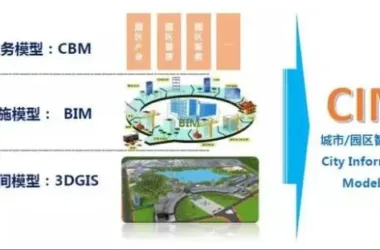
What exactly is “BIM” technology, and why is it considered so transformative? According to Jiang Wenhua, the chief engineer for the BIM project at Liangxi Bridge Station on Metro Line 2, BIM stands for Building Information Modeling. It integrates all design, construction, equipment, and material information into one computer platform, enabling different teams to collaborate seamlessly. Various professionals can come together on this platform to coordinate their efforts, knowing exactly what to do and how to work together.
Ultimately, all the information is combined into an intuitive 3D model where the installation position of each pipeline is clearly visible. This technology is similar to creating a detailed home construction rendering, where the placement of every piece of furniture—even down to a single screw—is precisely controlled.
“BIM” — What are the benefits?
Significantly reduces the rework rate for on-site mechanical and electrical installations
Project Manager Engineer Cai explained that mechanical and electrical installations are characterized by narrow spaces, numerous pipelines, and frequent intersections between different specialties. When construction relies solely on 2D drawings, conflicts between pipelines are inevitable. Such conflicts are hard to detect on traditional 2D plans but become immediately apparent in 3D models, allowing for prompt adjustments and optimizations.
In other words, using BIM to prepare three-dimensional models in advance for mechanical and electrical installation ensures precise pipeline positioning without deviation, greatly minimizing the need for on-site repairs.
BIM Smart Operation System
Effectively manages emergencies such as fires
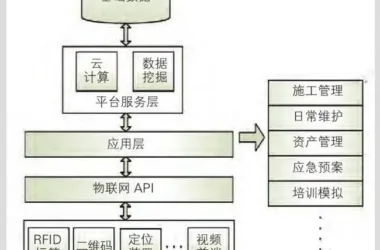
Subway systems are crowded environments where emergency response capabilities are crucial. The “BIM Smart Operation System” effectively supports prevention, alerting, and handling of emergencies. For example, in the event of a fire, the BIM system receives signals from sprinkler sensors and triggers an automatic fire alarm on the station’s equipment system interface.
The system immediately displays the 3D location of the fire and the affected room. Simultaneously, the control center can promptly access surrounding conditions and equipment status, providing vital information to facilitate timely evacuation and emergency management.
Exploring the Interior of Liangxi Bridge Station
More than 30 pipelines arranged neatly and efficiently
The civil engineering work at Liangxi Bridge Station on Wuxi Metro Line 2 is essentially complete, with mechanical and electrical installation well underway. The basic structure of the subway platform is already visible. Descending to basement level 1, where the mechanical and electrical installations are located, the equipment area corridor reveals an orderly arrangement of pipelines overhead.
There are over 30 pipes of various sizes, including lighting, air, smoke exhaust, and communication pipes. The smallest pipe measures 25 millimeters in diameter, while the thickest fire hose reaches 150 millimeters. Jiang Wenhua points out that the main equipment corridor is 1.8 meters wide, 2.1 meters high, with a net roof height of 4.6 meters. Thanks to BIM technology, pipeline space utilization has been optimized, leaving a 50-centimeter-wide access space for future maintenance work.
Domestic BIM Usage
Wuxi sets higher standards than other cities
BIM technology, as a cutting-edge innovation in the construction industry, is considered the second revolution in engineering construction. Iconic buildings like Beijing’s Bird’s Nest, Shanghai Disneyland, and the Shanghai Tower have all incorporated BIM. These structures can be visually inspected through BIM models, allowing issues to be identified and resolved promptly and precisely.
“Although BIM systems are widely used in subway construction in other cities, few projects in China currently meet the high standards set in Wuxi,” Chief Engineer Jiang said as he looked proudly at the pipelines above. The mechanical and electrical installation at Liangxi Bridge Station began in March. After 3 to 4 months of on-site surveying and data collection, the work is now nearly complete, and all the challenges have turned into a satisfied smile on his face.














Must log in before commenting!
Sign Up