
What is the unique feature of the curtain wall design?
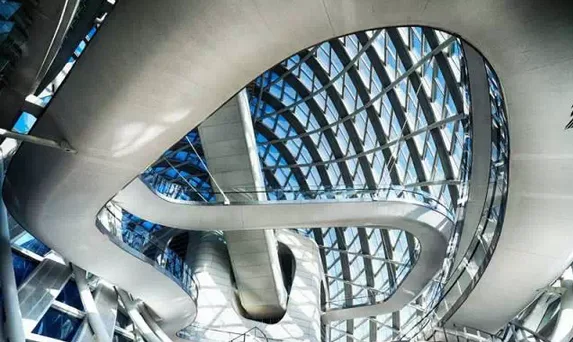
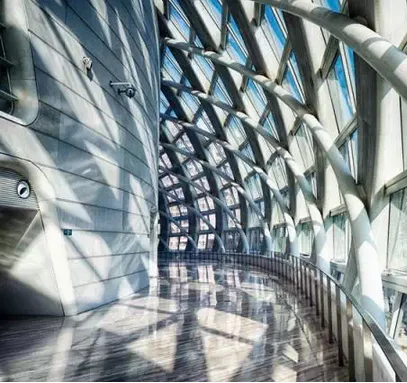
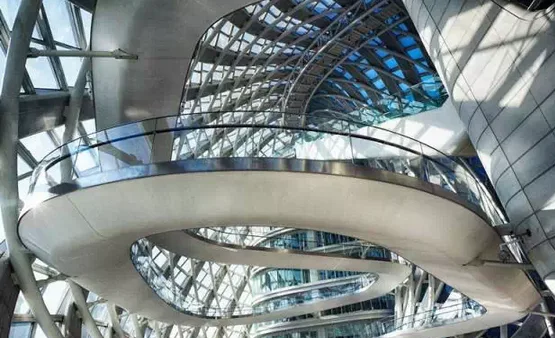
The curtain wall follows a consistent design logic, but each panel varies in size. Due to the large scale of the project, digital technology was adopted instead of traditional paper or CAD drawings. The curtain wall features a “breathing” concept, allowing improved overall air circulation through wedge-shaped openings. The top of the curtain wall is designed to open, with a maintenance track installed for cleaning and upkeep. Additionally, integrated lighting illuminates the entire cavity at night.
Can all windows be opened?
Not all windows can be opened. The model simulates operable windows only in areas requiring ventilation. The total cost of the building is approximately one billion yuan, with design, construction, and manufacturing all carried out locally in China. Notably, the steel structure manufacturer is the same company responsible for the Bird’s Nest stadium. The construction error for the steel framework was limited to just 6 millimeters.
This architectural design utilized a geometric control system, incorporating points, lines, surfaces, spatial curves, and shells to form a complete structural system. The curtain wall and the main building’s outer shell partially overlap. The main building itself is a concrete structure, while the steel framework on either side serves only as the curtain wall frame. It does not bear 100% of the structural load and is secondary in nature. However, the shell maintains the integrity of the entire steel structure and is integrated with the whole, rather than functioning as an independent system.
What is the design concept behind the main and secondary buildings?
Originally, the design was a flat ellipsoid, but adjustments were made to accommodate surrounding residential lighting concerns. The final design slopes from high in the south to low in the north, ensuring no obstruction of sunlight to nearby residences. The office areas, which require ample sunlight, are located in the south, while studios needing stable lighting are positioned in the north. This arrangement shaped the connecting shell design between the two sections.
Throughout the design process, many active decisions were made, and challenges arose that required continuous adaptation and refinement, ultimately resulting in the final architectural form.
What are the benefits of Building Information Modeling (BIM) in this project?
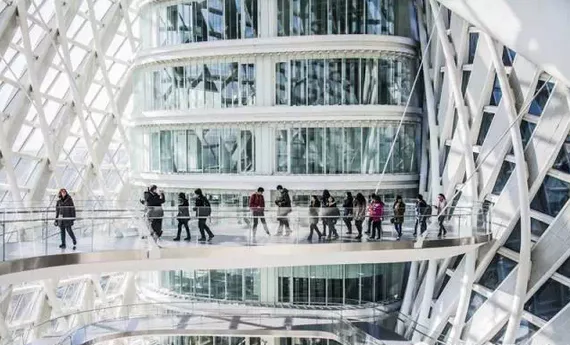
To put it simply, without BIM, this building wouldn’t exist. Around 2008, BIM was not as widely adopted as it is today. The project faced implementation challenges because this shell design could not be accurately represented with traditional 2D drawings. The curtain wall consists of over 3,100 unique pieces, making manual drafting impractical. The steel structure extends tens of thousands of meters, with each segment differing due to varying stress surfaces, despite a consistent exterior appearance.
BIM 3D software effectively addressed many design and construction challenges. The chief architect of the Phoenix International Media Center even joked that, under pressure, they had no choice but to embrace BIM technology.
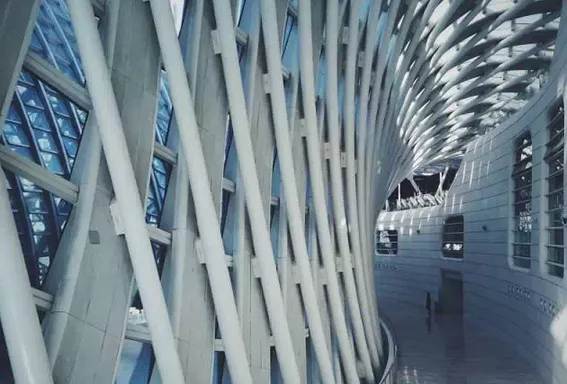
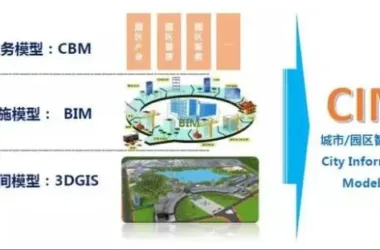
A notable aspect of this project is its pioneering use of BIM as a core design tool rather than just a validation method. Typically, BIM is used for clash detection or verifying aesthetics, but here it served as an essential design assistant. Even construction manufacturers relied on BIM models. This project embodies a spirit of research and development that spans design, construction, and manufacturing—an uncommon and valuable achievement.














Must log in before commenting!
Sign Up