
1. Project Overview
The project is situated at the intersection of Yujiang Road and Wudi Road in Hexi District, Tianjin. The building reaches a total height of 107 meters and is composed of three towers: A, B, and C, as illustrated in Figure 1.1-1. The total construction area covers 83,564.3 square meters. Tower A consists of 18 floors above ground and 3 underground levels, with a roof height of approximately 89.5 meters above ground. Tower B has 20 floors above ground and 3 underground floors, with a roof height of around 99.6 meters. Tower C comprises 9 floors above ground and 3 underground floors, with an above-ground roof height of about 43.8 meters. The structural systems vary: Towers A and B use a frame-core tube structure, Tower C uses a frame structure, and the underground garage features a frame shear wall structure.
The Yongli Building project is managed under the general contracting of Zhongtian Construction Group Co., Ltd. (referred to as Zhongtian Group), a modern large-scale enterprise group specializing in housing construction qualifications, real estate development, transportation infrastructure, and new materials development. It is recognized as a quality management award-winning unit, a national civilized entity, ranked among China’s top 500 large enterprises, one of the 50 leading private companies, and one of the top ten charitable enterprises in China.
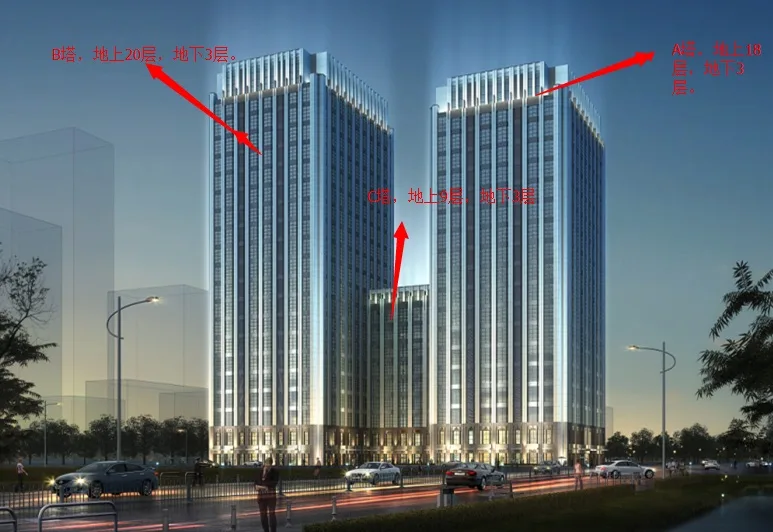
Figure 1.1-1 Rendering of Yongli Building Project
The construction site is constrained by limited space, a tight schedule, numerous professional teams, a wide variety of materials, and a complex process. These factors present significant challenges for the general contractor in managing the project on-site.
The main challenges include:
(1) Progress Management: Overlapping disciplines such as civil engineering, plumbing, HVAC, electrical systems, and decoration complicate schedule preparation and tracking. Conflicts between different work areas frequently occur, affecting timelines. Project managers often struggle to obtain timely, accurate updates on actual site progress, limiting their ability to proactively address potential delays.
(2) Cost Control: Managing an extensive workload related to cost budgeting, accounting, and change calculations often results in cost control being reactive—focused on post-analysis rather than proactive cost management.
(3) Data Management: The large volume of contracts, drawings, and other documentation makes it difficult to retrieve and summarize information efficiently, leading to overlooked risks and financial losses.
2. BIM Application Content
2.1 Overview of BIM Applications
The Yongli Building project’s BIM strategy centers on establishing a foundational platform with 5D models at its core. This is supplemented by modeling software, BIM drawing reviews, BIM browsers, and other tools to enable comprehensive horizontal integration of technology, production, and business processes. The 5D model application spans the entire main workflow from modeling through integration.
The specific 5D application process is illustrated in Figure 2.1-1:
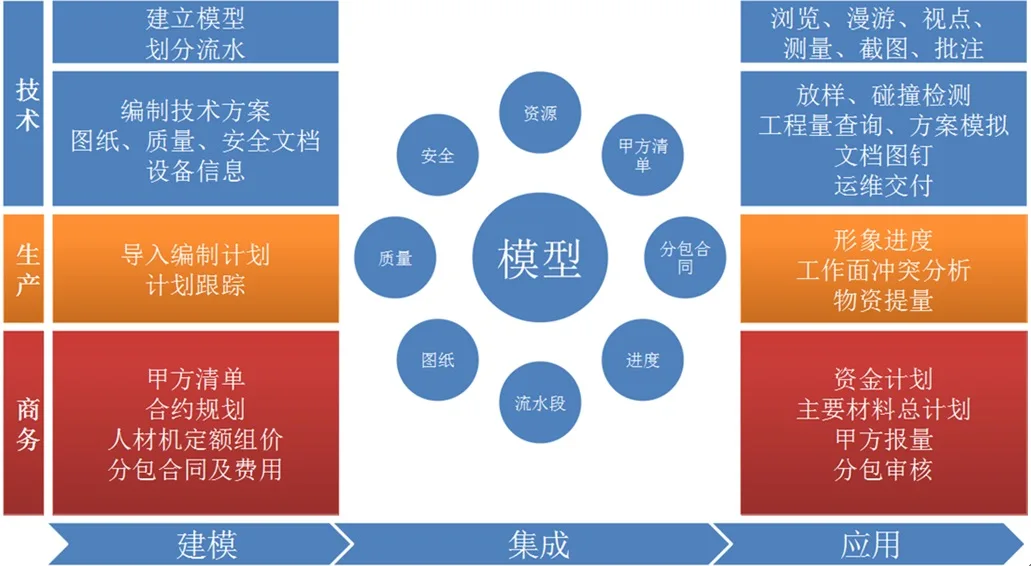
Figure 2.1-1 Application Process and Content of Guanglian Da BIM5D Software
2.2 Main Application Areas
The Yongli Building project utilizes Guanglian Da BIM5D software as its core project management tool. By integrating key data such as progress, budgets, resources, and construction organization into BIM models, the construction process is dynamically simulated. This approach provides accurate data on interface segmentation, resource consumption, technical requirements, and other critical factors for construction materials, operations, scheduling, and production management. It enhances communication and decision-making efficiency, ultimately reducing time and costs while improving overall project management.
Main applications include:
2.2.1 Model Integration
Modeling for the project employs Guanglian Da graphic calculation software, Guanglian Da steel bar calculation software, and Magicad mechanical and electrical design software. Following Guanglian Da’s modeling standards, all discipline-specific models are integrated into Guanglian Da BIM5D software via model import. The integration result is shown in Figure 2.2.1:
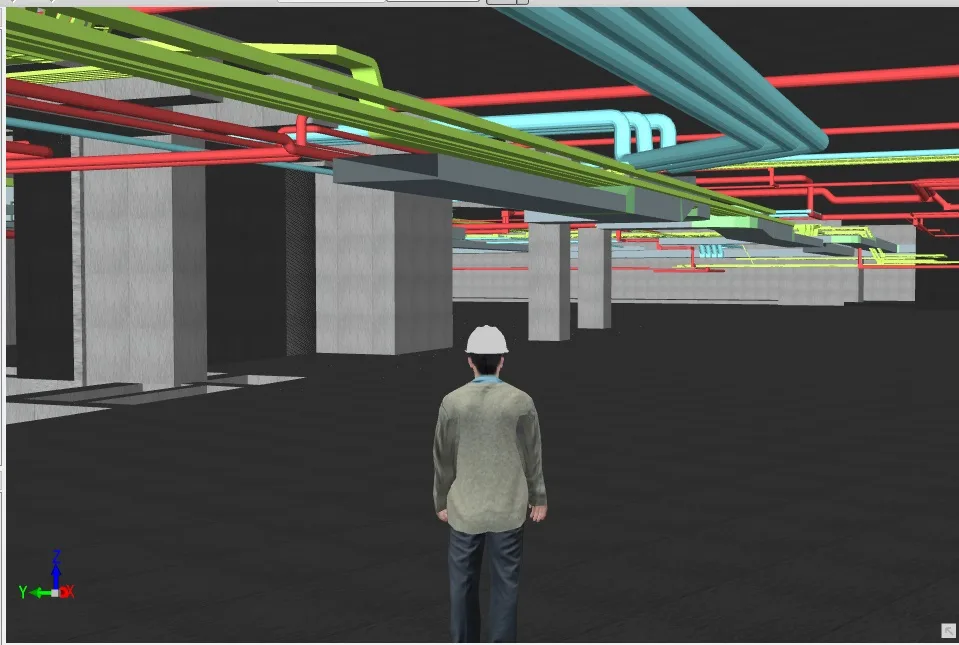
Figure 2.2.1 Model Integration Effect
2.2.2 Flow Section Division
To organize construction efficiently, improve productivity, and allocate resources optimally, the site was divided into manageable flow sections. Using Guanglian Da BIM5D software and based on the project’s site layout (see Figure 2.2.2-1), flow sections were defined within the model.
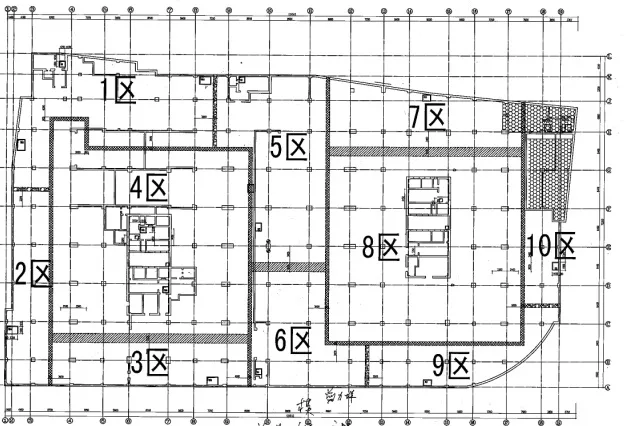
Figure 2.2.2-1 Site Layout of Yongli Building Project
Project information such as progress plans, subcontract contracts, owner lists, and drawings were organized according to these flow sections. This allows project personnel to clearly understand daily quantities, engineering volumes, required materials, and labor quotas for each team on every work front. This facilitates better production scheduling and helps prevent conflicts during on-site construction.
The flow section division is visualized in Figure 2.2.2-2:
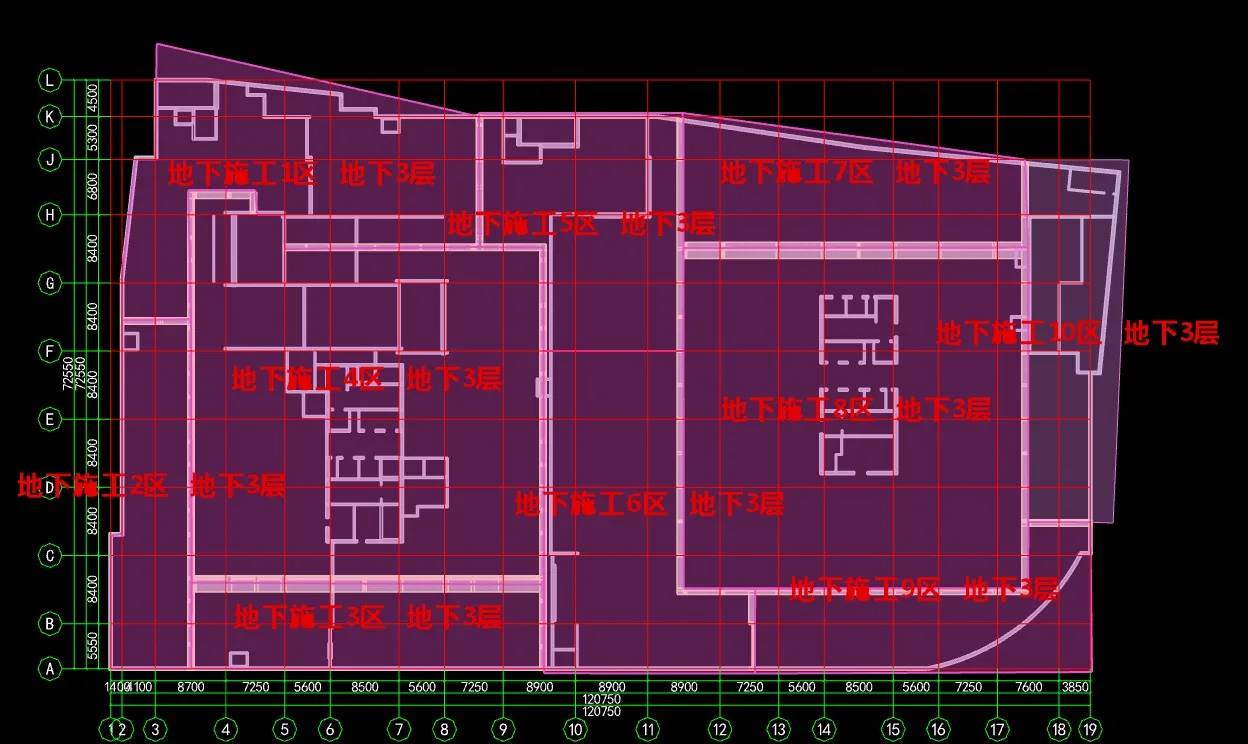
Figure 2.2.2-2 Rendering of Guanglian Da BIM5D Software Dividing Flow Sections
2.2.3 Construction Dynamic Simulation
The project schedule file was imported into Guanglian Da BIM5D software and linked to the model. Throughout construction, quantities can be queried from multiple perspectives, including schedule, floor, flow section, component type, steel bar classification, resource type, subcontracting, and materials.
Before each quarter, site conditions are predicted through dynamic construction simulation. The software simultaneously forecasts funding and resource investment curves for the upcoming quarter, aiding in financial and resource planning. The resource planning curve is shown in Figure 2.2.3:
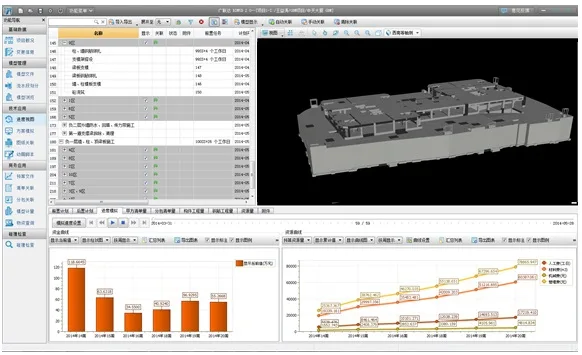
Figure 2.2.3 Construction Progress Simulation Fund Resource Plan
2.2.4 Progress Control
After finalizing the construction schedule, the project file is imported into Guanglian Da BIM5D software, linked to the model, and progress information is assigned to each component. During weekly progress meetings, the software’s progress view module displays task statuses from the previous week. If delays are identified, the corresponding models highlight the workloads for lagging tasks. Based on this data, next week’s plan is adjusted for precise control. Figure 2.2.4 shows task status statistics for a given month:
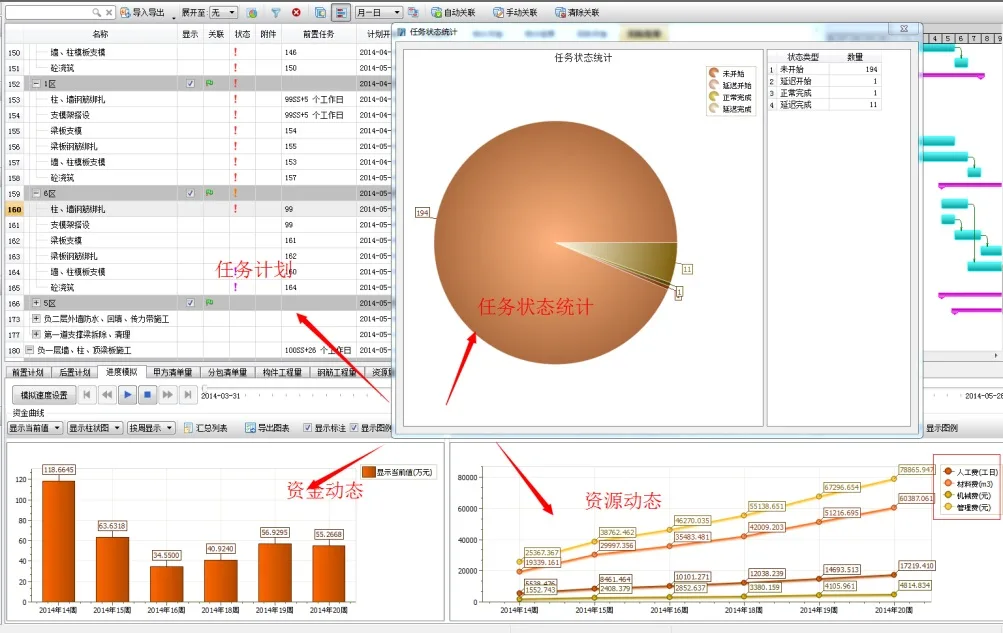
Figure 2.2.4 Simulation of Progress Control
2.2.5 Project Material Management
During modeling, quota resource data such as concrete, steel bars, and formwork are input into the model (Figure 2.2.5). On-site personnel calculate required quantities by time, floor, and flow section. Using Guanglian Da BIM5D software, project teams can accurately extract material quantities for overall material planning, monthly preparations, daily quantity plans, and milestones, quickly generating reports for departmental review.
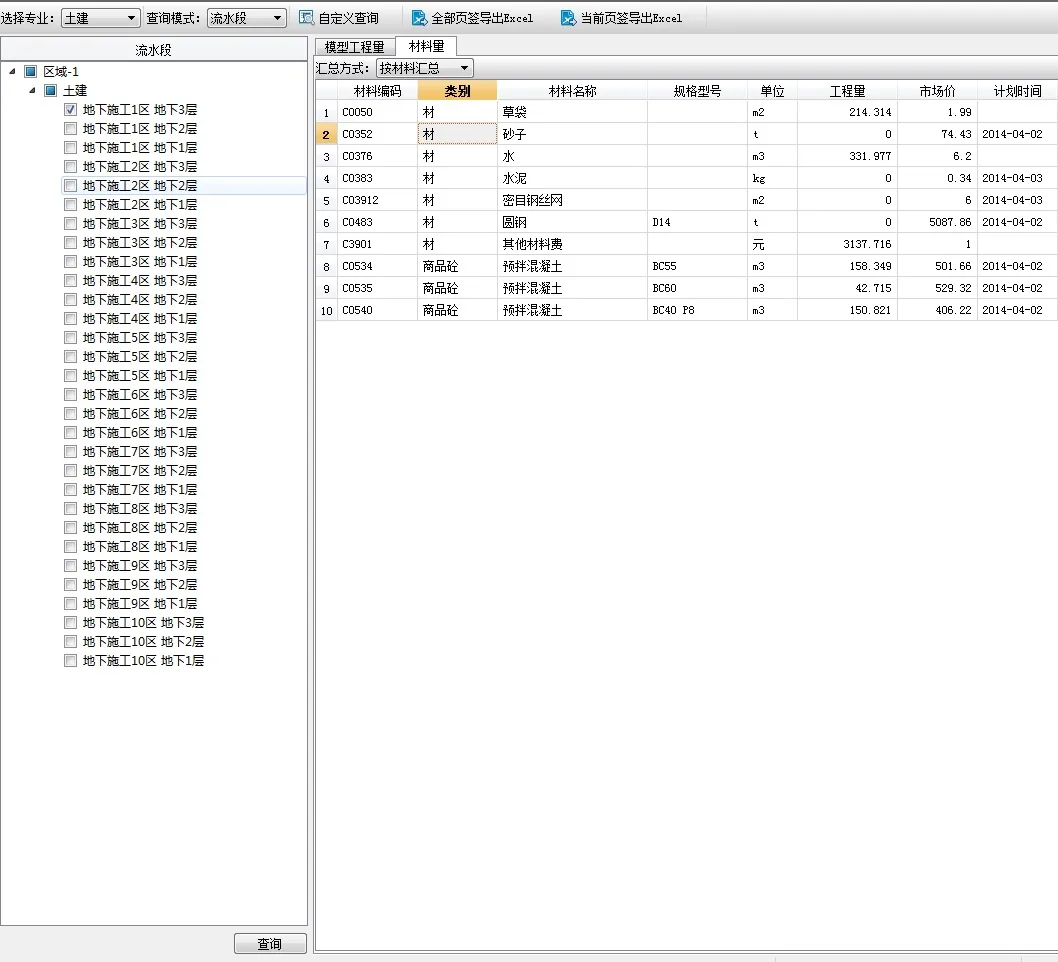
Figure 2.2.5 Material Quantity Inquiry for Zone 1 of the Underground 3rd Floor of Zhongtian Project Department
2.2.6 Collision Detection
At the early construction stages, after receiving mechanical and electrical design drawings, engineers used Magicad to re-model and integrate various MEP and structural models into Guanglian Da BIM5D software for clash detection. Any detected issues were promptly communicated to the design unit for drawing adjustments, reducing rework later on. Over 10,000 collision points were identified, with more than 8,000 requiring action after filtering out acceptable clashes. Coordination with design engineers and use of BIM review software streamlined the process, saving valuable engineering time. The clash detection results are shown in Figure 2.2-12:
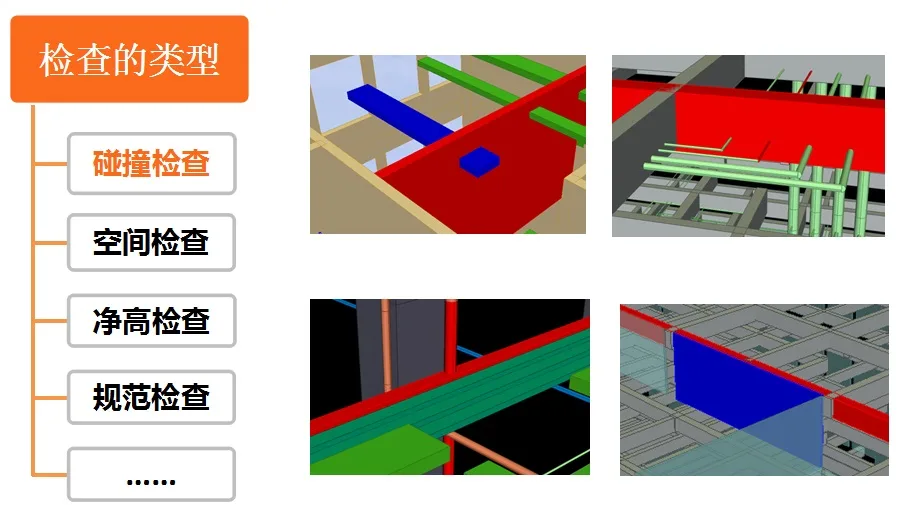
Figure 2.2-12 Effect of Collision Inspection
3. Organization and Implementation Process
3.1 Project Implementation Process
The implementation of the Wynn Tower project followed six key stages, each covering distinct activities:
Phase 1: Preparation, including internal briefings and material readiness.
Phase 2: Kickoff meeting to clarify BIM objectives, develop BIM plans and standards, define BIM teams, and set up communication channels.
Phase 3: Modeling, involving establishing modeling standards and building models.
Phase 4: Application, which includes software training, data entry, and coaching on BIM application.
Phase 5: BIM acceptance, covering result preparation, award material collection, and project summarization.
3.2 Project Organizational Structure
The BIM implementation team comprises internal personnel from the general contractor and representatives from the software provider.
1. Internal Personnel:
This group includes project managers, BIM modeling staff, and BIM application specialists.
a. Project Manager: Oversees the BIM team’s daily operations for the project.
b. BIM Modeling Staff: Responsible for creating and maintaining professional models.
c. BIM Application Specialists: Handle model application during project execution.
2. Software Provider Personnel:
Includes software project managers, implementation managers, and consultants.
a. Software Project Manager: Plans the overall Guanglian Da BIM5D software implementation process.
b. Software Implementation Manager: Manages BIM implementation maintenance throughout project phases.
c. Software Implementation Consultant: Provides support and resolves software-related issues.
3. Organizational Structure:
The organizational chart is shown in Figure 3.2:
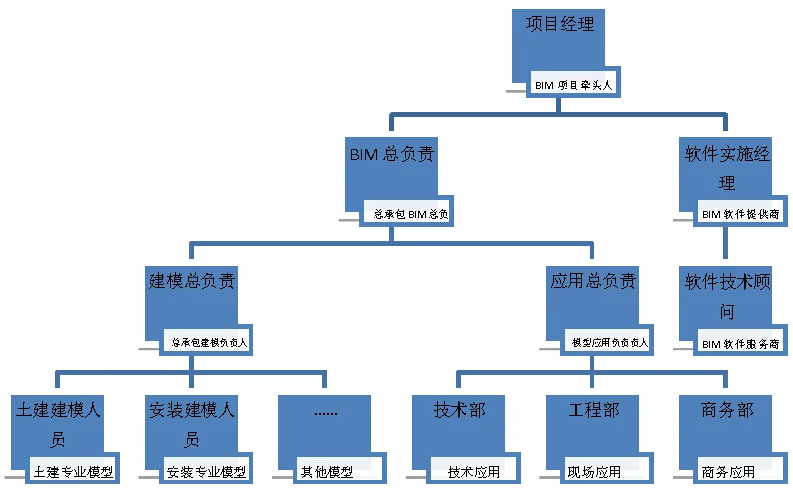
Figure 3.2 Project Implementation Organization
4. Challenges and Solutions
Throughout the BIM application process, several challenges arose but were successfully addressed through the in-depth use of Guanglian Da BIM5D software. Key difficulties and their solutions include:
Challenge 1: Integrating and Reusing BIM Model Data
Initially, models were created using Guanglian Da graphic calculation software, steel bar calculation software, and Magicad. However, inconsistent adherence to modeling standards prevented model import and integration into Guanglian Da BIM5D software.
Solution: Models were revised to meet Guanglian Da’s standards, enabling successful import and reuse. This saved considerable time by avoiding the need to remodel.
Challenge 2: Managing Complex Models and Schedules
The project’s complex schedule and numerous tasks led to high labor demands for associating the schedule with the model.
Solution: Utilizing Guanglian Da BIM5D’s flow segment association feature allowed quick linking of flow segments to area models, reducing the workload and labor costs while ensuring effective progress control.
Challenge 3: Extracting Quantities by Flow Section
While the BIM model contained detailed quantities, extracting quantities by flow sections manually was cumbersome and inefficient.
Solution: By integrating the model into Guanglian Da BIM5D software and defining flow segments, quantities, budget costs, subcontracting costs, and material quantities could be rapidly extracted per flow section, streamlining on-site quantity management.
5. Value and Effectiveness of BIM Application
5.1 Enhanced Progress Control to Shorten Construction Time
The deep integration of progress tracking with BIM models allows project personnel to manage weekly schedules efficiently through Guanglian Da BIM5D software. Previously, managers spent an entire day weekly breaking down plans and extracting work quantities manually. Now, these tasks are completed with a few clicks, saving valuable time. Construction simulation also optimizes on-site resource allocation, shortening the overall construction period and ensuring schedule commitments to the owner.
5.2 Optimized Flow Section Division for Refined Construction Management
Previously, flow section management relied heavily on regional engineering managers, which often led to insufficient early reserves and overlapping work processes. With Guanglian Da BIM5D software, models are divided into flow segments based on actual site conditions, enabling quick and accurate quantity verification. This eliminates the need for dedicated personnel and improves construction management through advanced preparation and simulation capabilities.
5.3 Accurate Material Quantity Calculation to Reduce Costs
Manual tracking of material consumption often made it difficult to monitor real-time use of reusable materials like formwork and scaffolding, leading to unnecessary waste and increased costs. Using Guanglian Da BIM5D’s material query module, quantities can be checked precisely by discipline, location, and flow zone, with accurate tracking of material entry and exit times. This transparency reduces material loss, lowers project costs, and offers a valuable reference for future projects.
5.4 Professional Clash Detection to Minimize Rework
Previously, verifying electromechanical pipelines relied on drawing reviews by experienced engineers, which was time-consuming and often missed issues. In this project, Guanglian Da BIM5D software enabled multiple clash detections across all models, generating fast and accurate reports. This proactive approach prevented many mechanical and electrical conflicts during construction, reducing rework and shortening the project timeline.
First author: Zhao Yuehua (Tianjin Branch, Zhongtian Construction Group)
Second author: Wang Yitao (Guanglianda Software Co., Ltd.)














Must log in before commenting!
Sign Up