
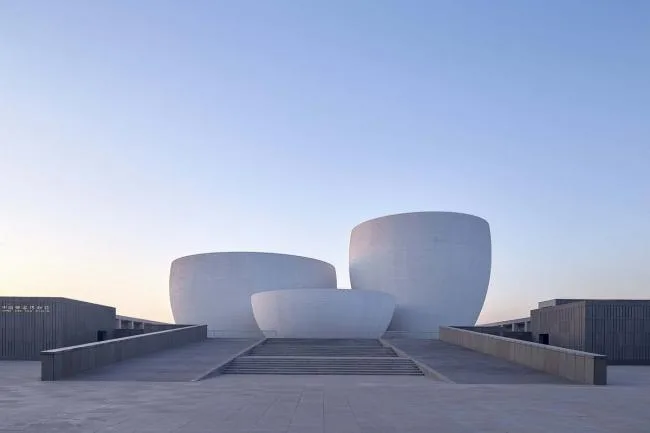
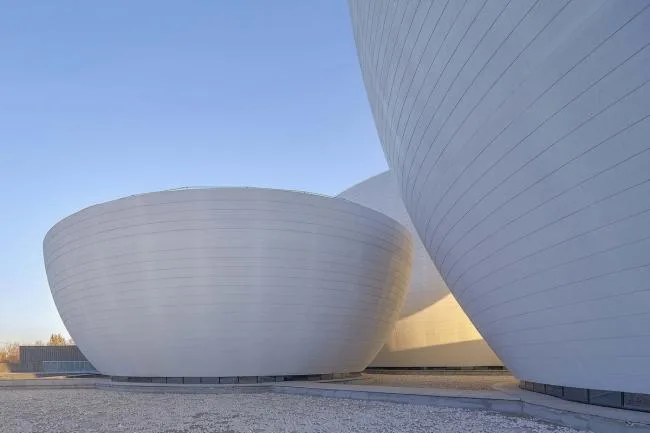
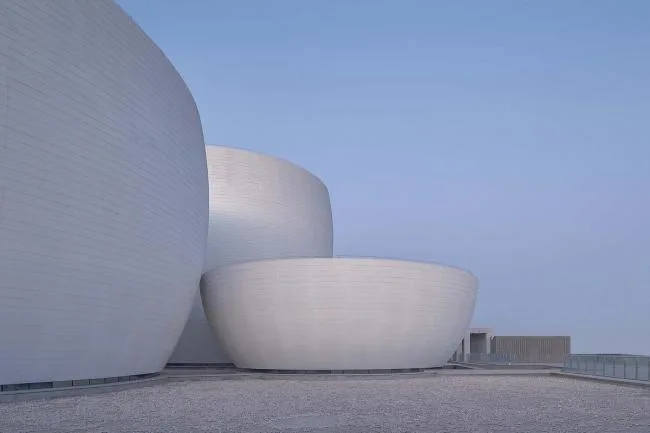
Xing Bai porcelain holds a significant place in the history of Chinese ceramics. Its creation marked a departure from the longstanding dominance of celadon since the Shang Dynasty, establishing a new dynamic of “southern blue and northern white” in Chinese pottery. The influence of Xing kiln’s white porcelain on subsequent generations of painted porcelain is profound, securing its important status in the annals of Chinese ceramic art.
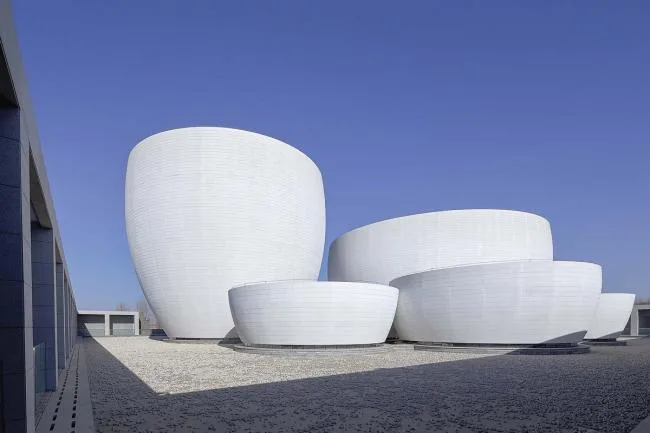
(BIM Design)
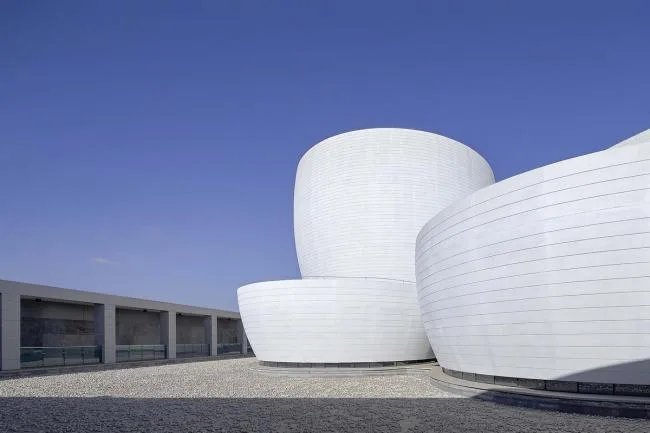
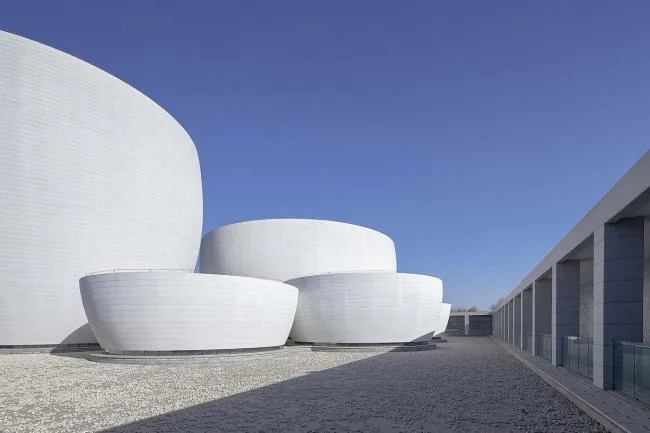
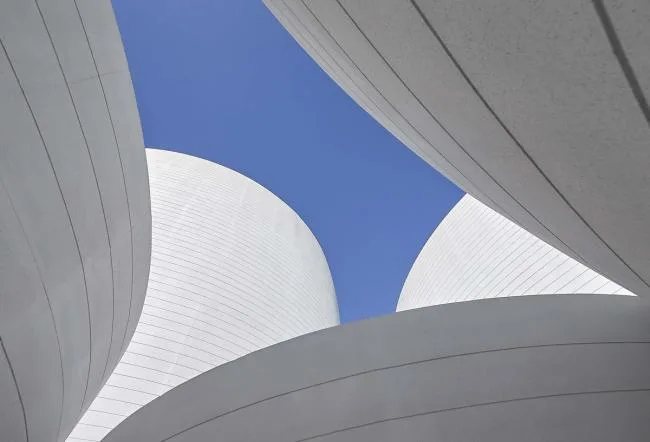
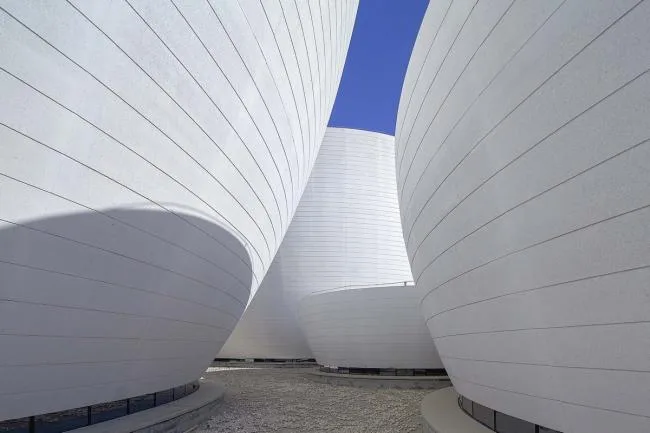
After the confirmation of the Xing kiln site in 2012, constructing a museum dedicated to Xing porcelain culture became a natural decision for the local authorities.
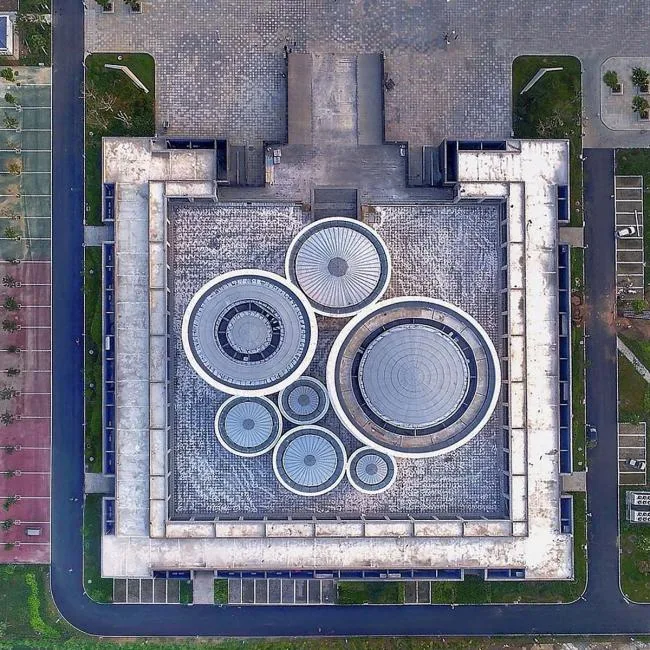
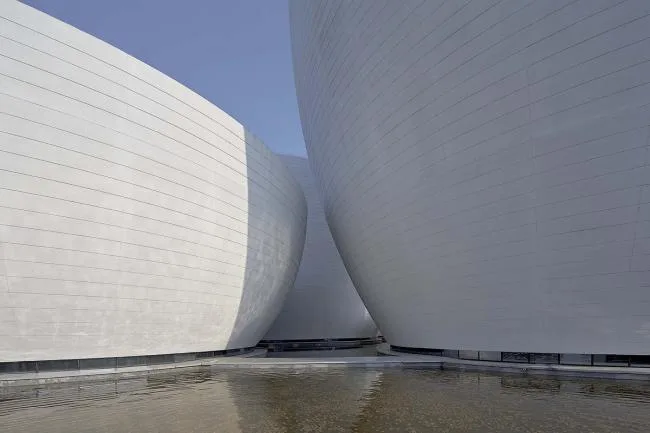
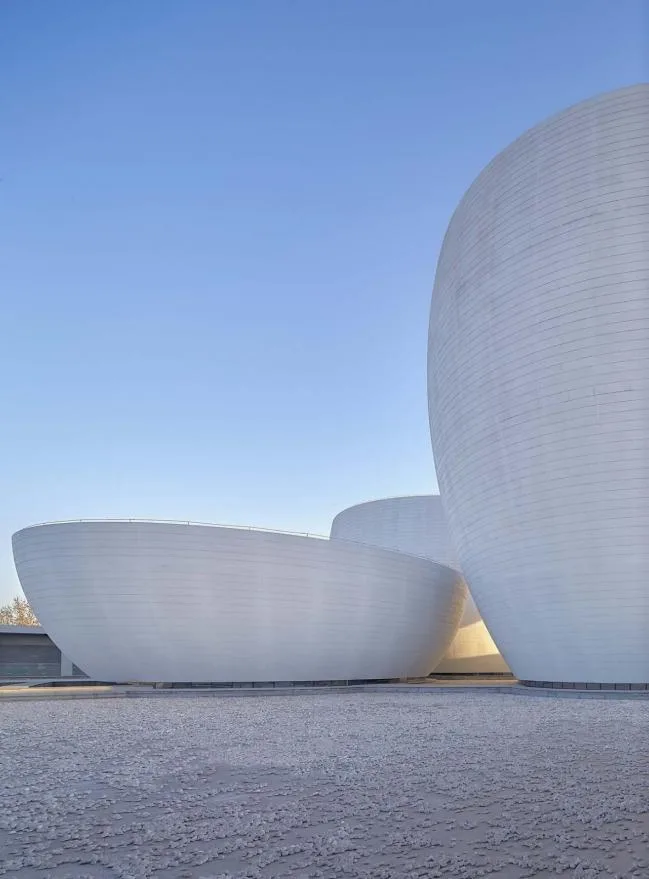
The museum’s internal research and office areas, along with (BIM tutorial) equipment rooms, form a protective “city wall” that separates the museum from the surrounding chaotic environment of farmland and low, dilapidated buildings. Beyond this “city wall,” an open corridor wraps around a raised pool. The public exhibition space resembles seven simple porcelain pieces floating on the water’s surface. Beneath the pool lies an integrated entrance and main exhibition hall. A symmetrical yet grand staircase connects the ring corridor, water pool, and the plaza to the north.
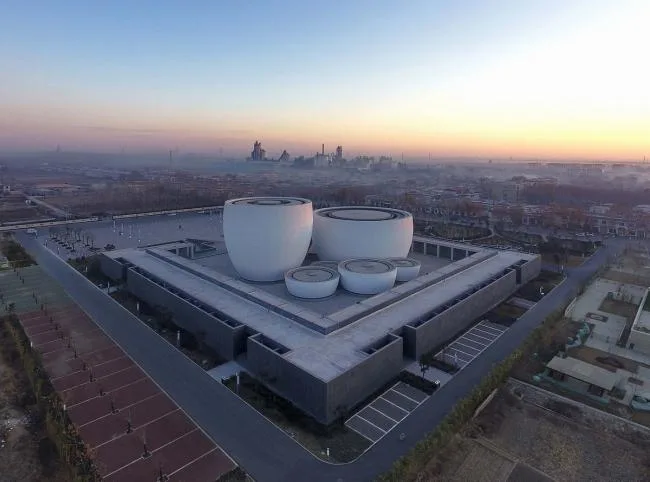
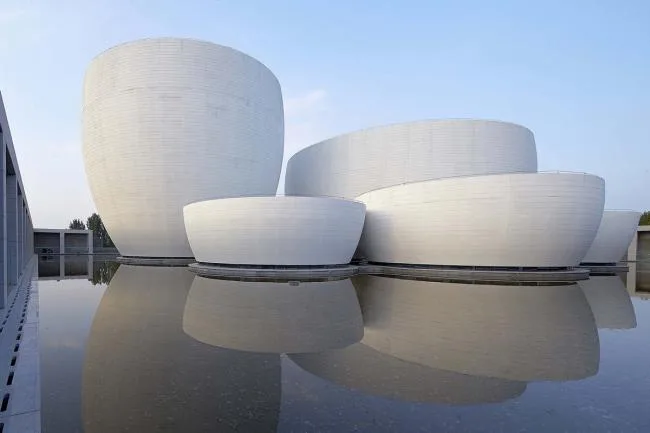
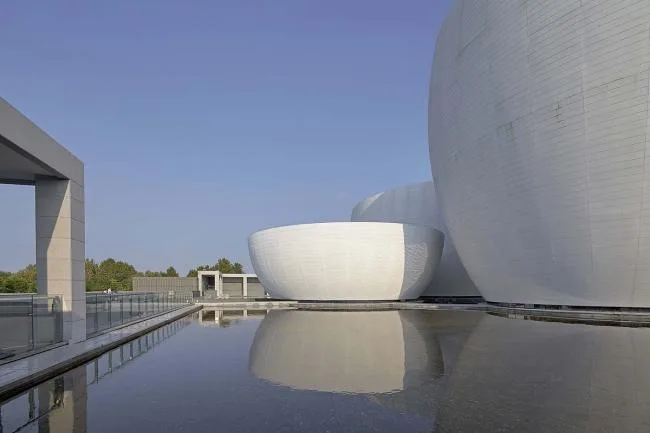
The sizes of the ceramic exhibition halls and their ancillary facilities vary. Our design employs a circular filling algorithm as the geometric framework, uniting these elements into a cohesive whole.
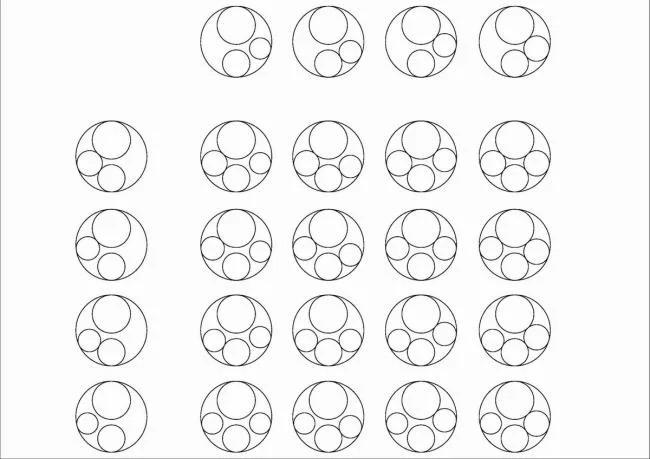
Research on the Order and Position of Circles
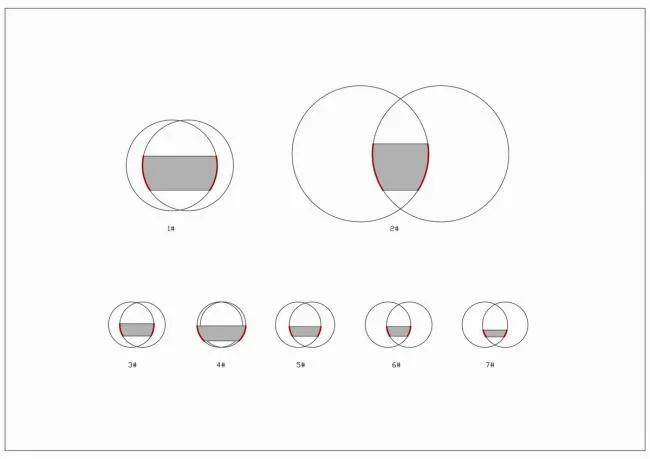
▲ Geometric Control of Profile
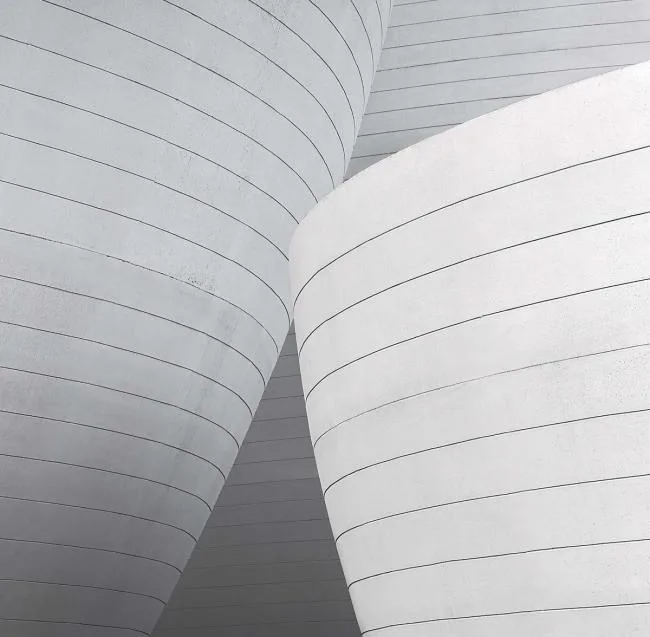
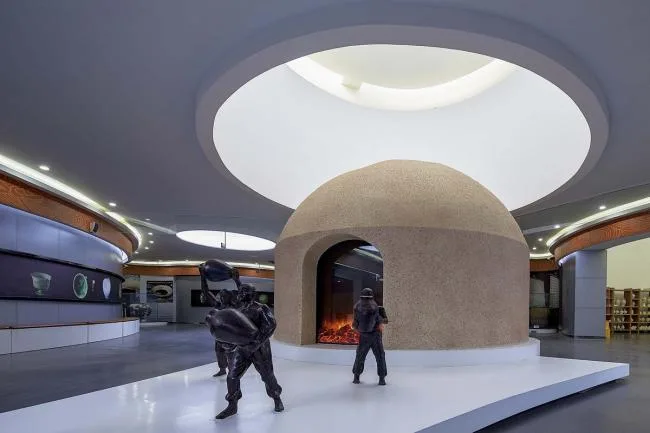
Visitors walking along the open square corridor are drawn to the bowl-shaped form at the center, no matter their position. In summer, one can enjoy the shimmering waves created by a clear stream at the base of the curved exterior wall. When winter comes, the warm, slanting sunlight captures the most beautiful moments here.
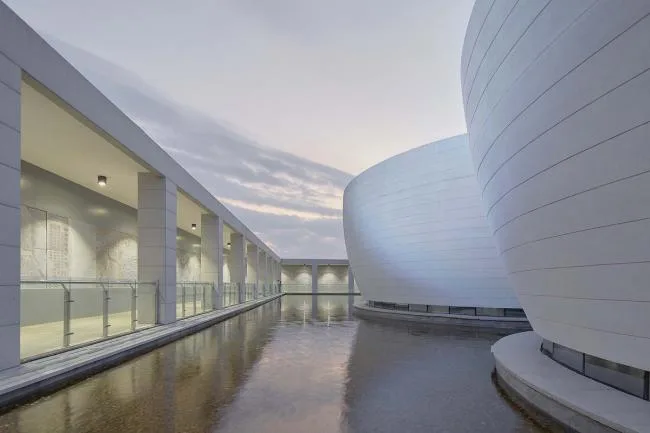
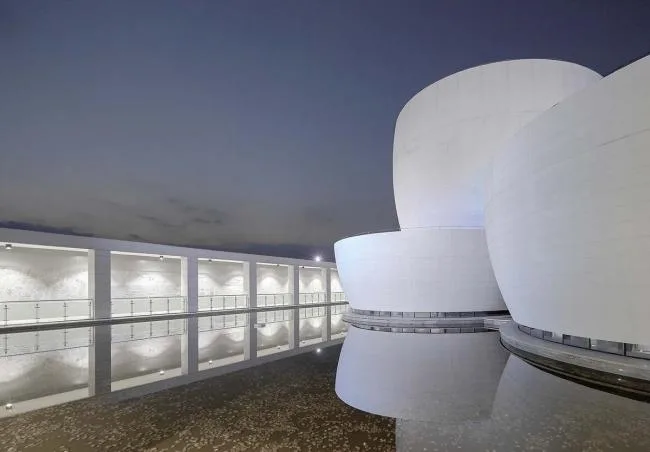
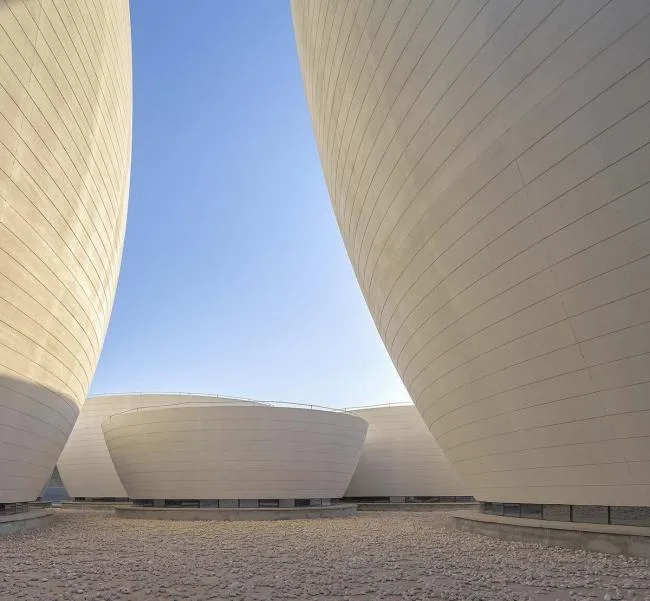
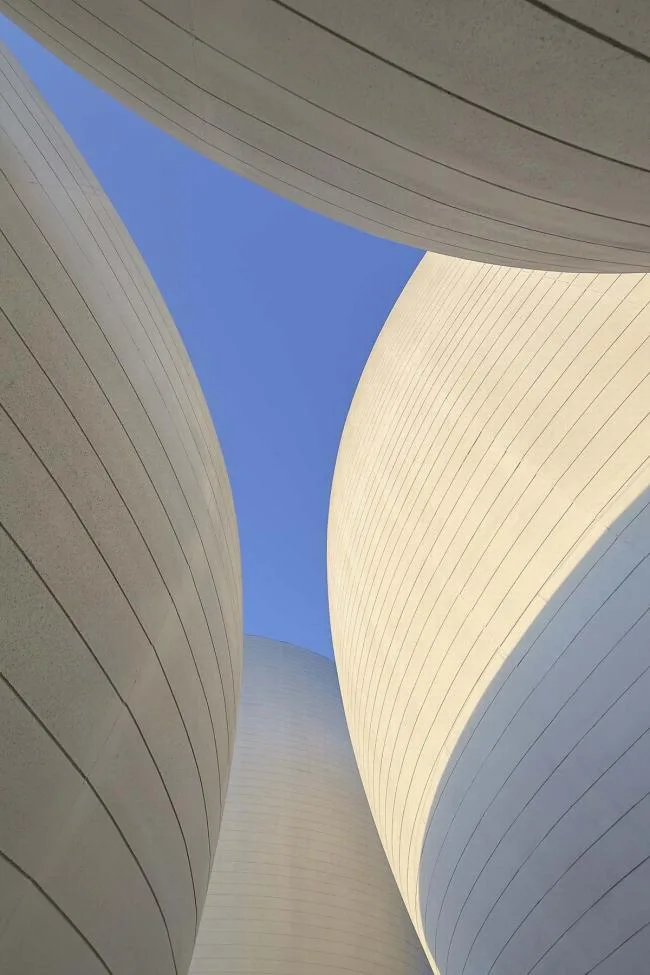
Xing porcelain originated during the Sui Dynasty and reached its peak of prosperity in the Tang Dynasty. The grandeur and vitality of the Tang era are closely linked to the simplicity of square and round shapes. How can we reinterpret these forms in contemporary design? This is a question we ask ourselves and seek to answer through this project.
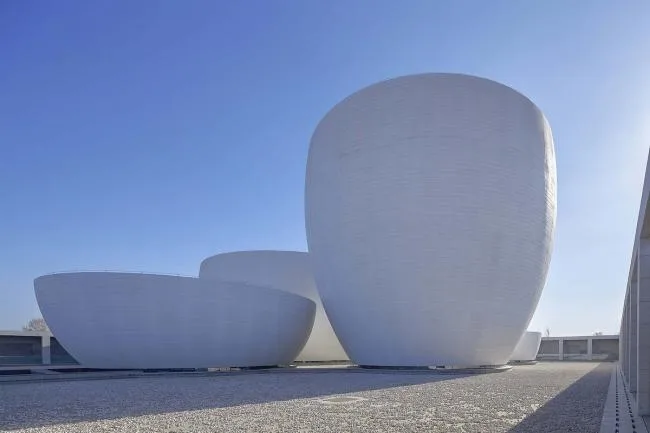
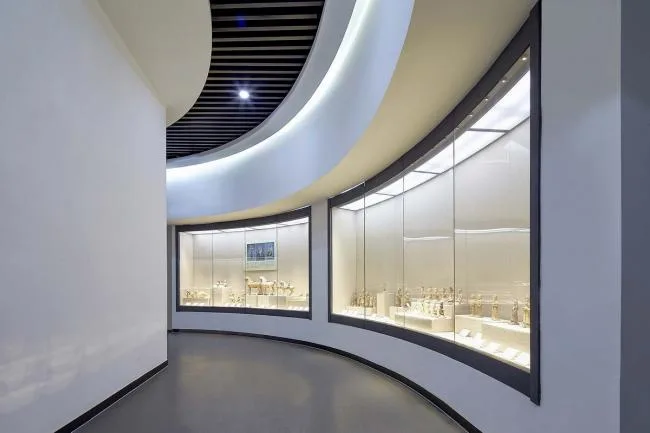
Interior Views:
Design Drawings:
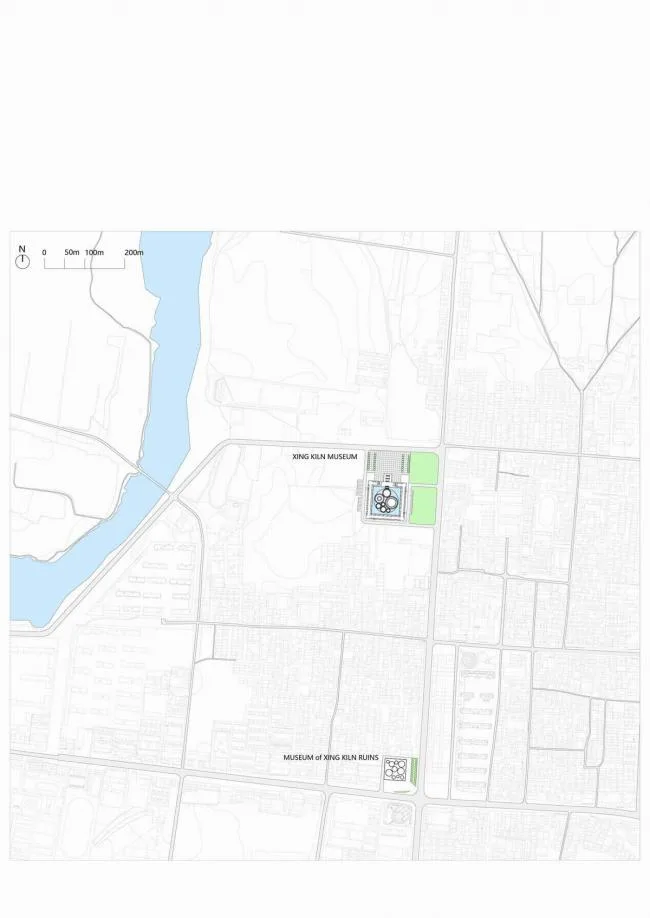
▲ General Layout Plan
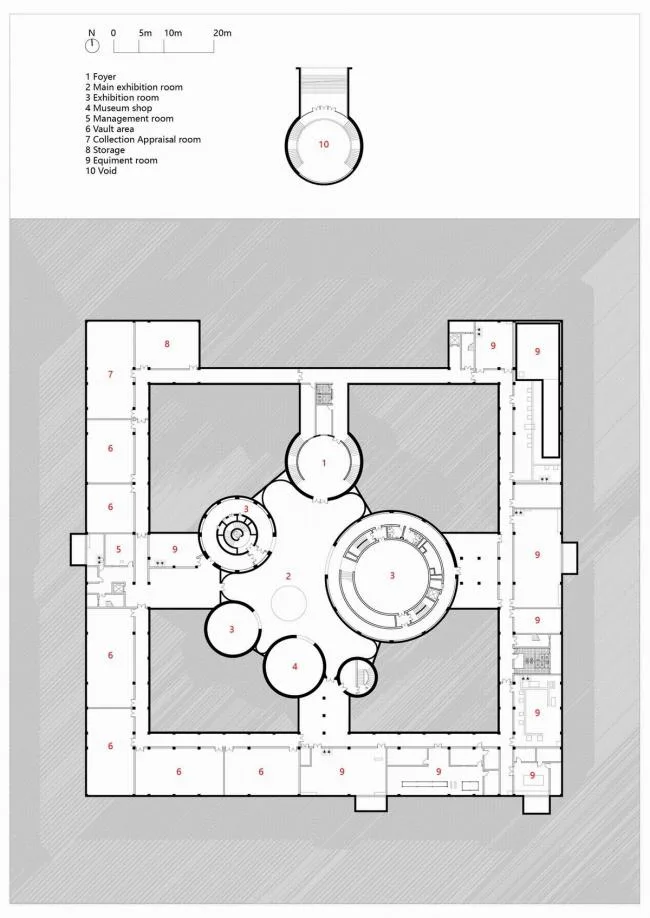
▲ Underground Floor Plan
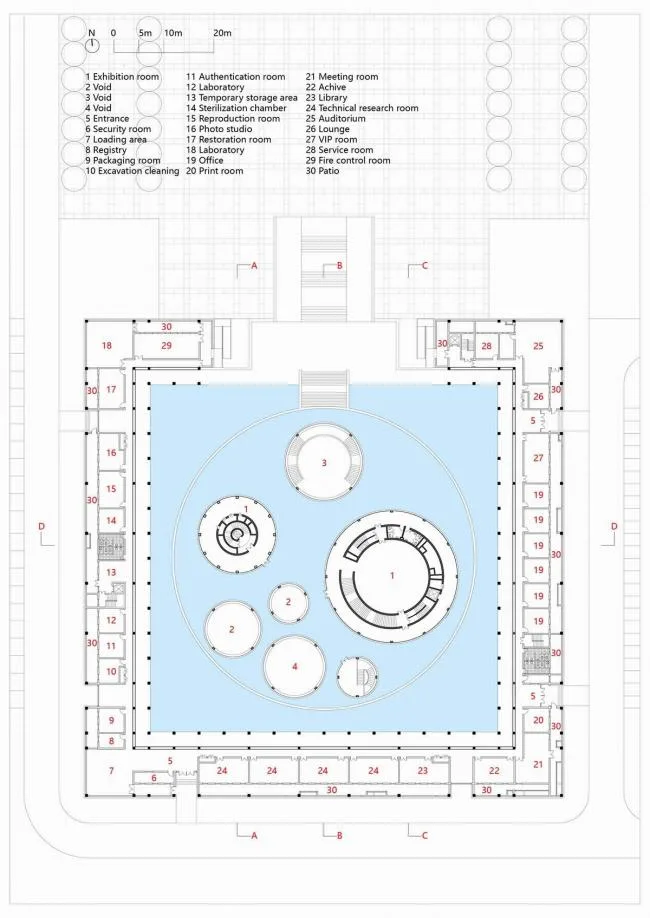
▲ First Floor Plan
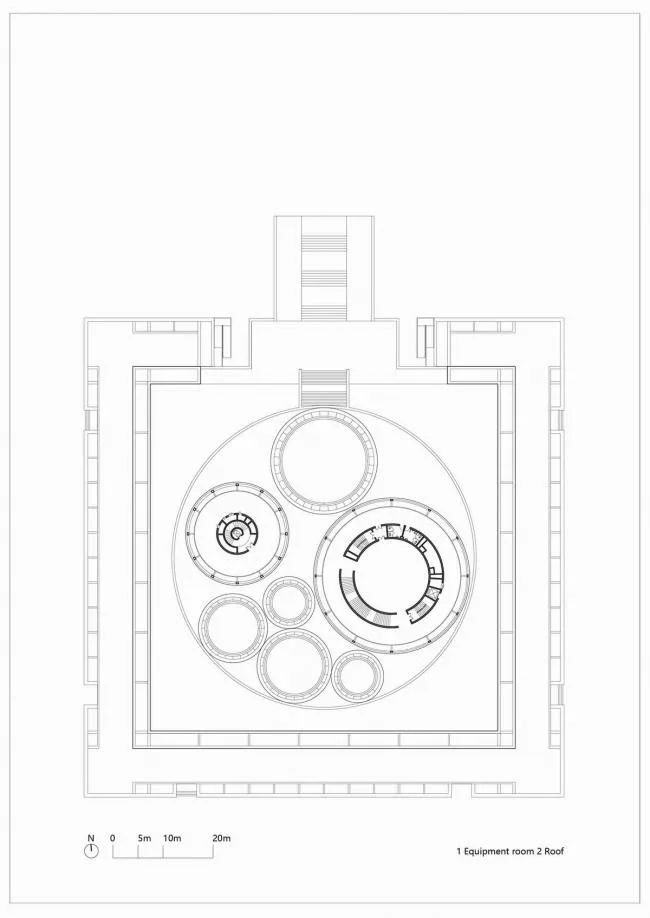
▲ Second Floor Plan
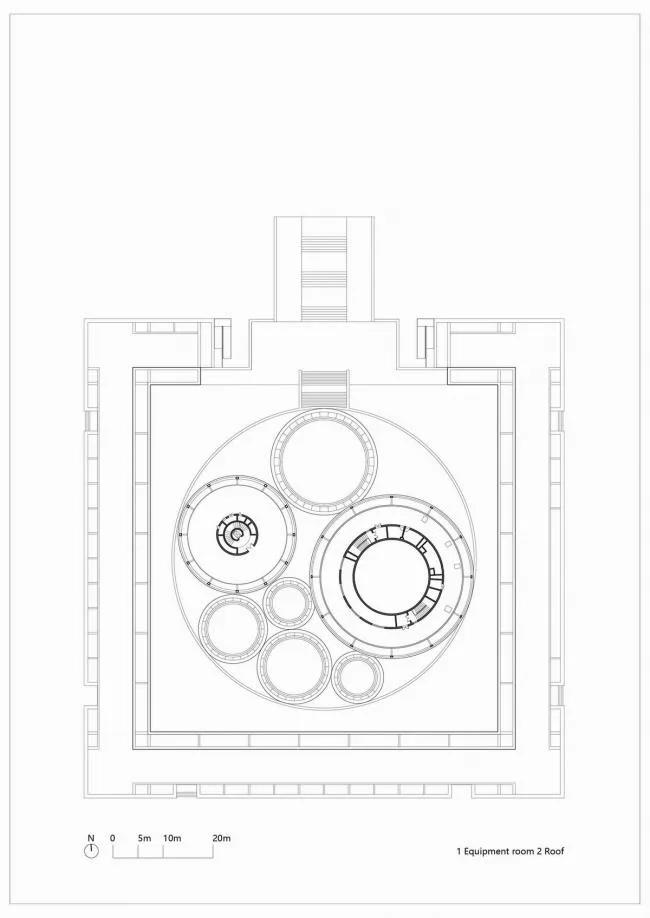
▲ Third Floor Plan
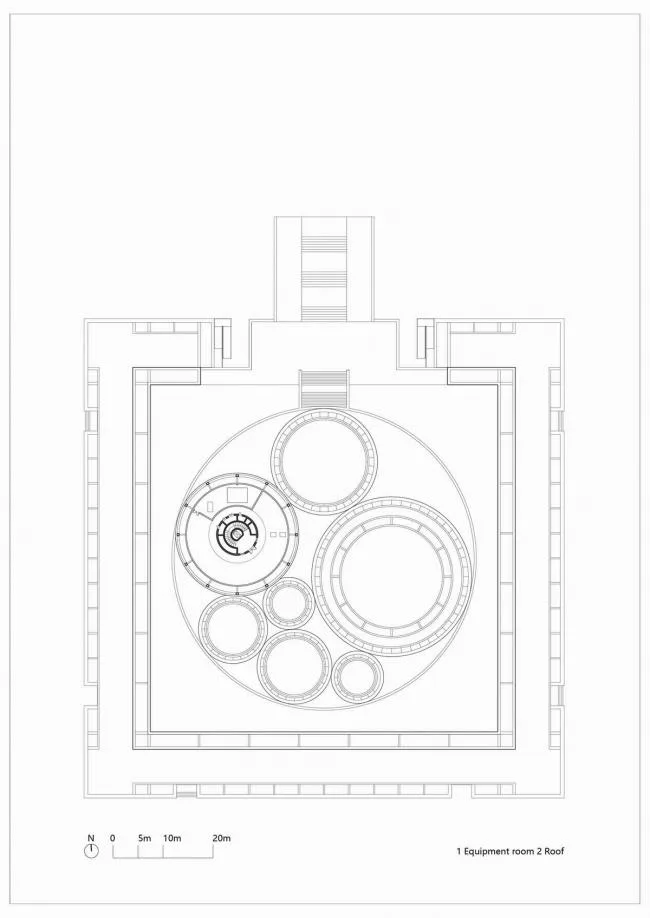
▲ Fourth Floor Plan
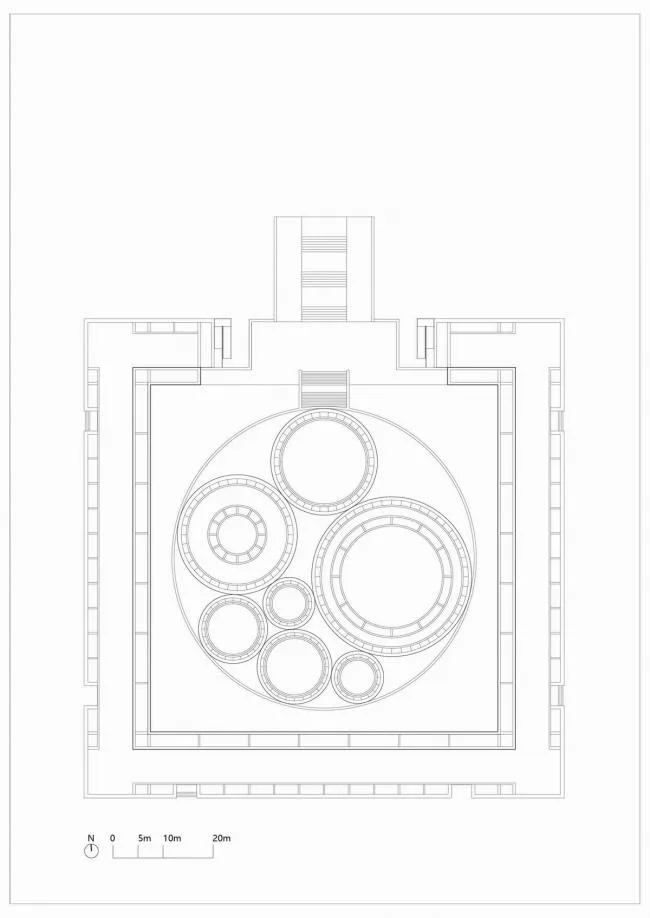
▲ Roof Plan
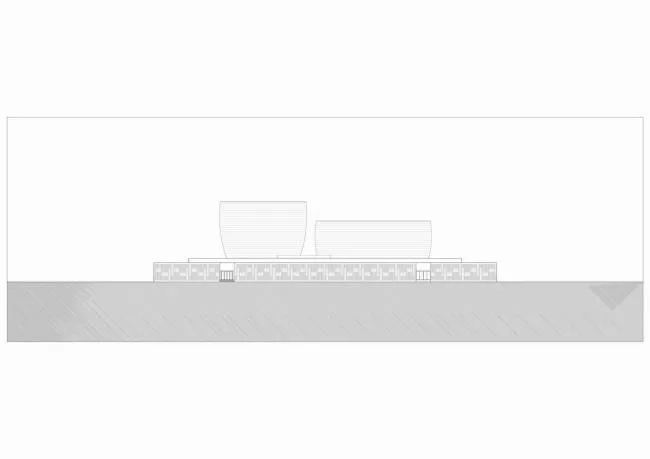
▲ South Elevation View
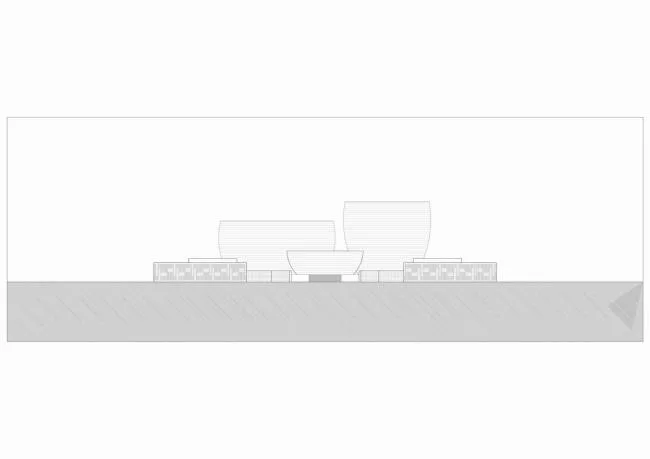
▲ North Elevation View
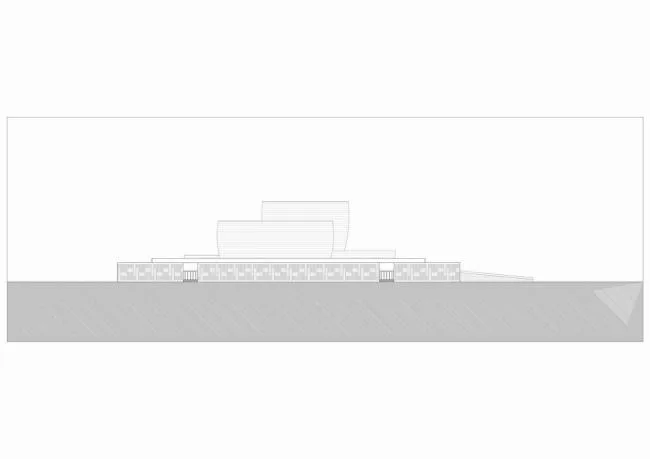
▲ East Elevation View
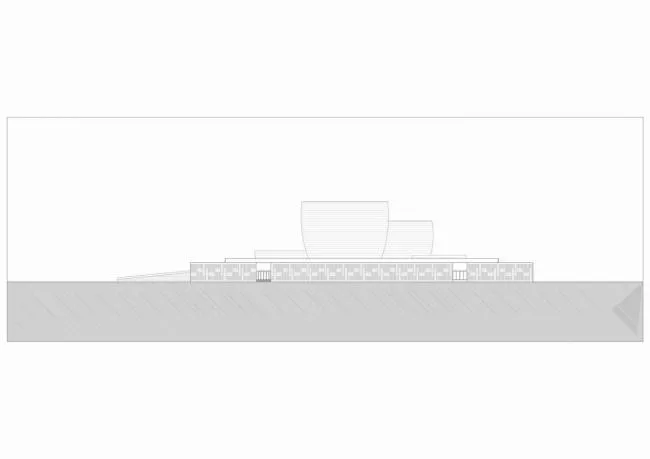
▲ West Elevation View
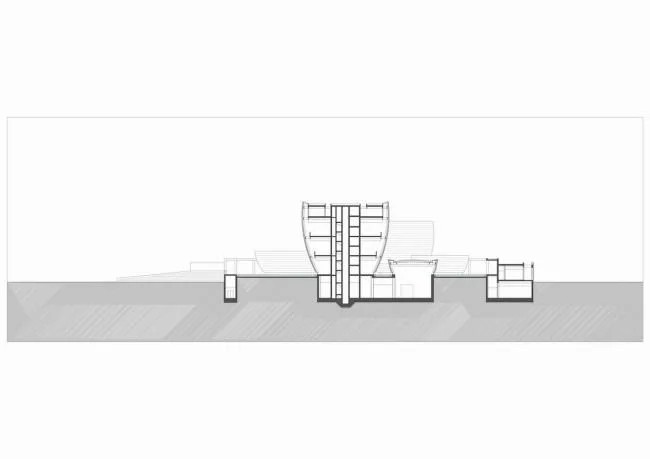
▲ Section A-A
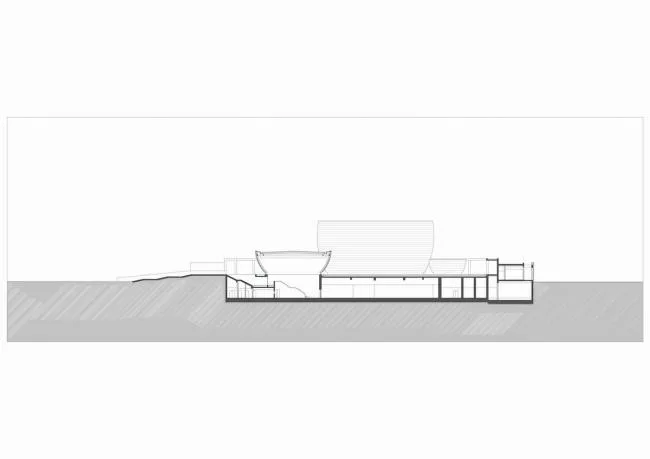
▲ Section B-B
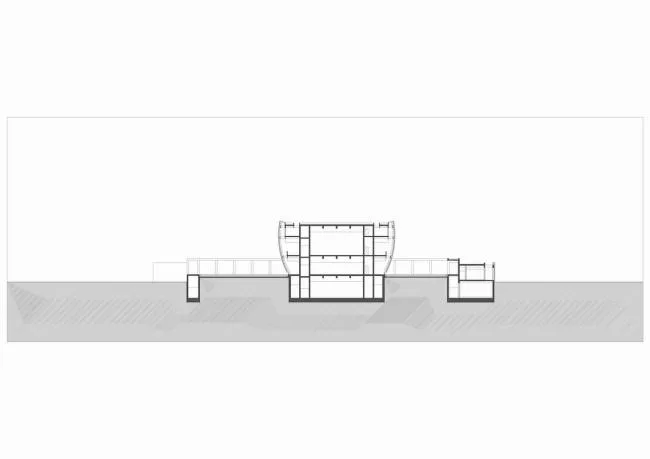
▲ Section C-C
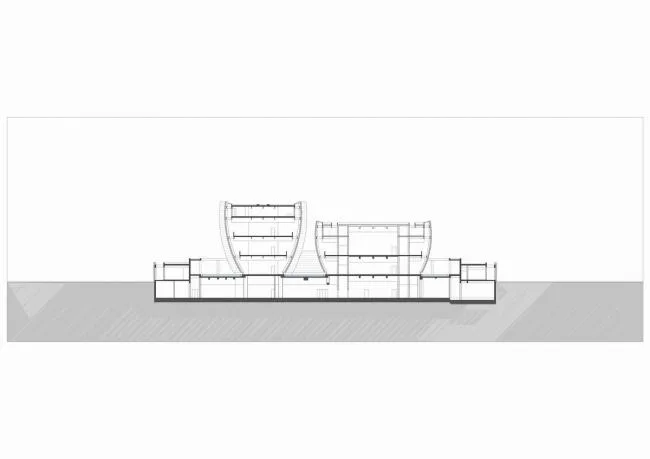
▲ Section D-D
Project Information:
Designer: Yanchuan Architecture
Location: Xingtai, Hebei, China
Category: Museum
Design Team: Liu Yanchuan, Tong Xiaowei, Yang Jie, Ma Jianlong, Zheng Zizhuang, Wei Yuanchen, Ma Yali, Duan Chenxiao
Building Area: 10,890 m²
Project Year: 2017
Photographer: Chen He
Suppliers: Marco Polo, Nippon
Project Manager: Meng Yiqiang
Construction Drawing Design: Zhongxu Architectural Design Co., Ltd.
Interior Design: Beijing Ruihe Kaida Engineering Design Co., Ltd.
Construction: Jiangsu Dadu Construction Co., Ltd.
Animation Production: Jiang Leyuan
Owner: Neiqiu County Tourism Bureau












Must log in before commenting!
Sign Up