
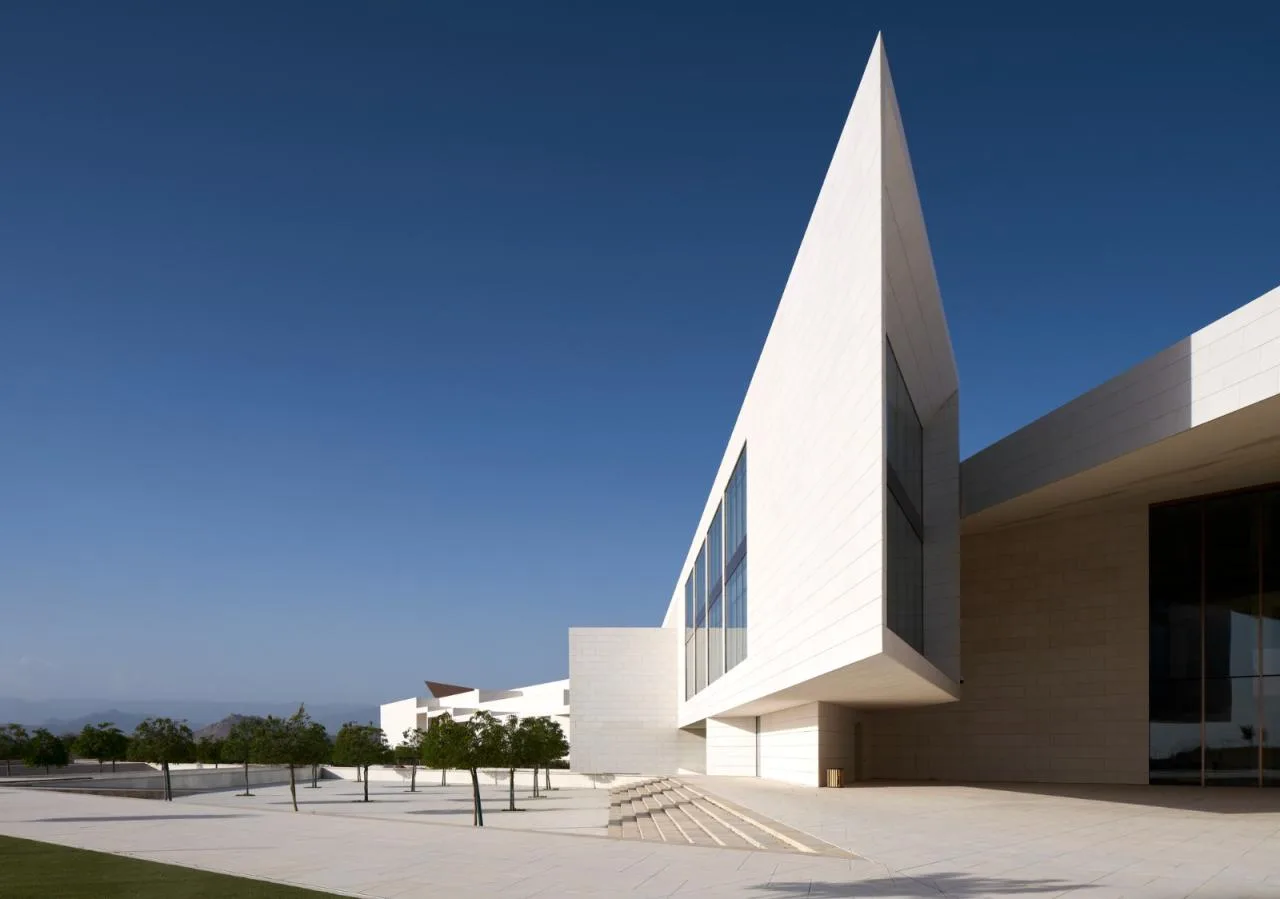
Located in Nizwa, one of Oman’s oldest cities, the museum draws inspiration from the distinctive landscape and geometric shapes of the Hajar Mountains and their canyons. The Oman Intergenerational Museum celebrates the nation’s rich history, culture, and economic development while offering deep insights into Oman’s future. Serving as a cultural and educational landmark, it welcomes both locals and tourists. Rising majestically from the desert, the building stretches toward the horizon with breathtaking scale.
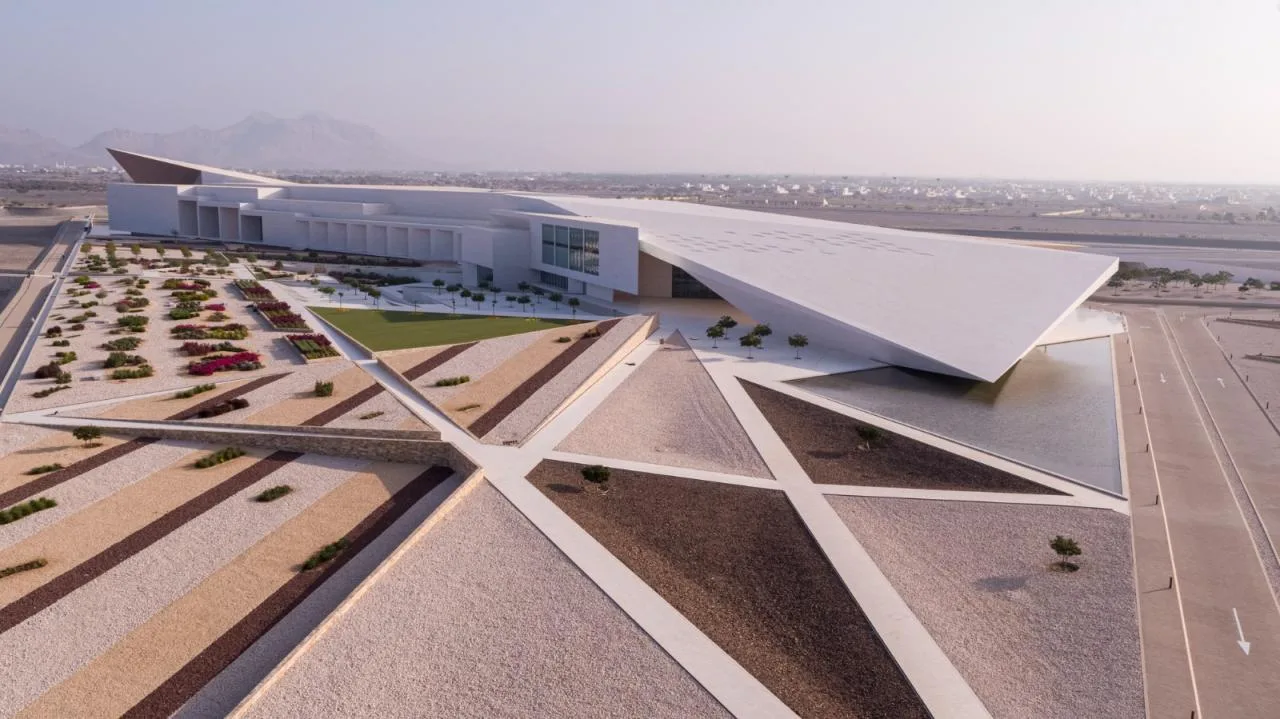
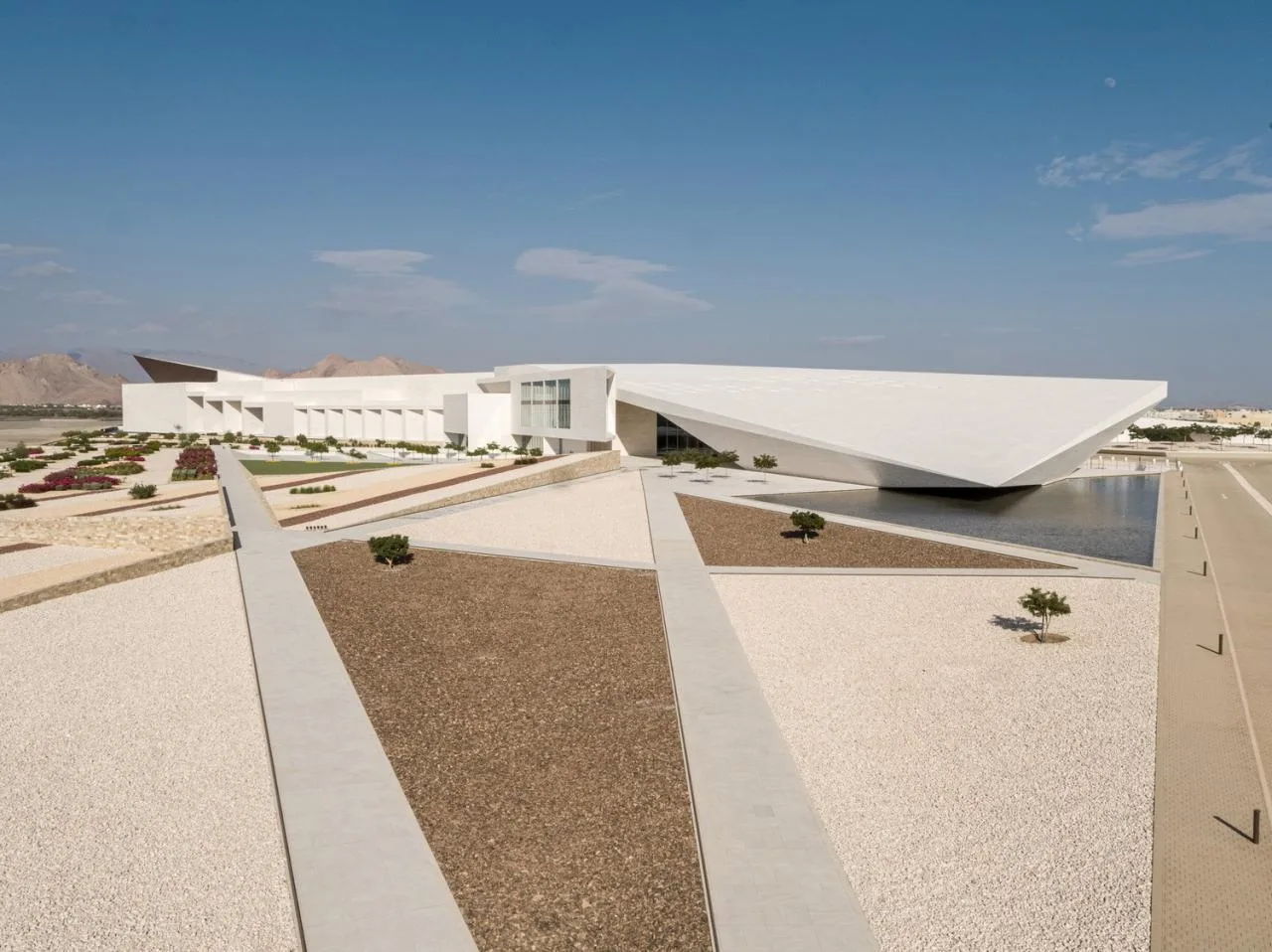
This cultural landmark guides visitors through Oman’s 800-million-year history with a series of immersive, high-tech experiences. The architecture stands out with angular, geometric forms that echo the peaks and ridges of the Hajar Mountains. Exhibition design and architecture harmonize, showcasing Oman’s heritage from prehistoric times to the modern era through cutting-edge immersive technology.
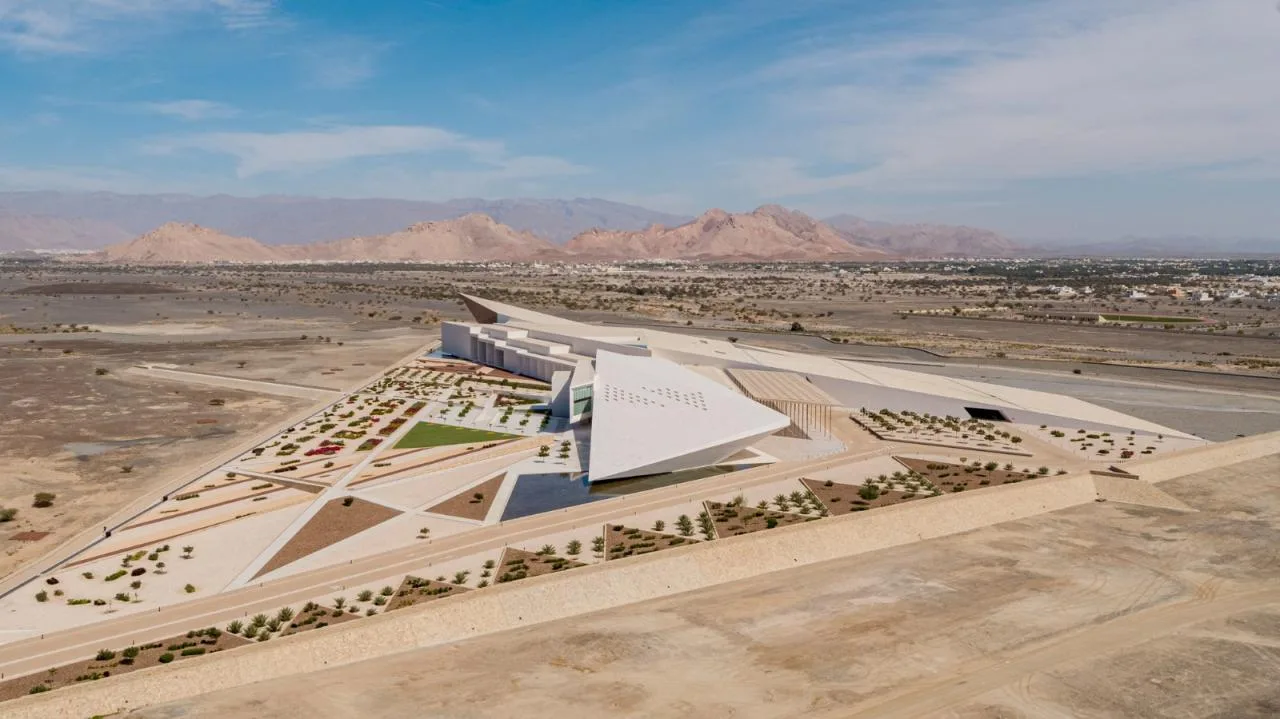
The building’s scale is truly remarkable. It houses galleries, a library, knowledge centers, auditoriums, workspaces, artist residences and studios, protected workshops, cafés, as well as social and research areas. The permanent exhibition alone spans 9,000 square meters, with some galleries soaring over 20 meters in height. Through large-scale installations and displays, the design team has crafted an immersive experience that highlights Oman’s rich history.
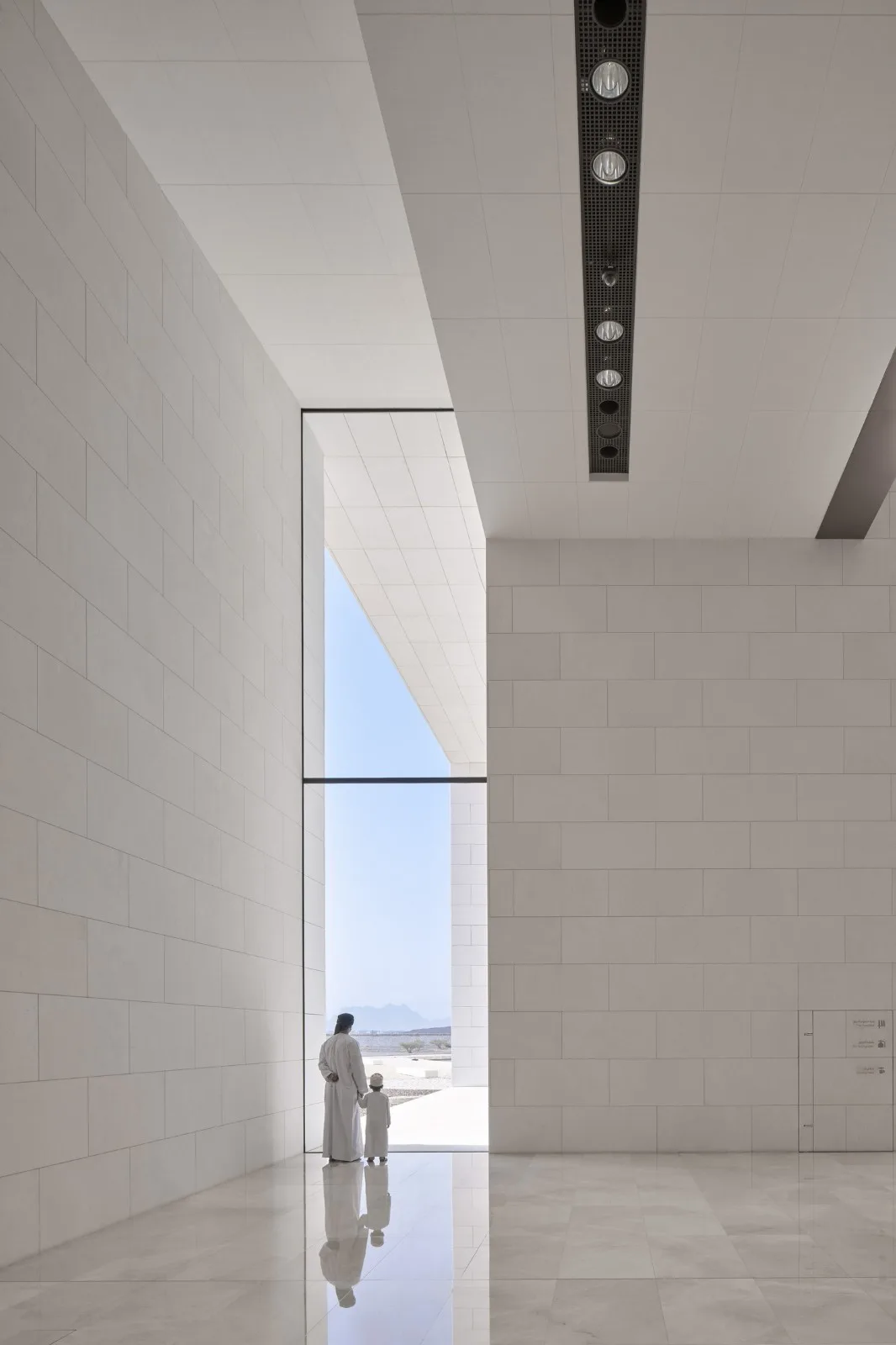
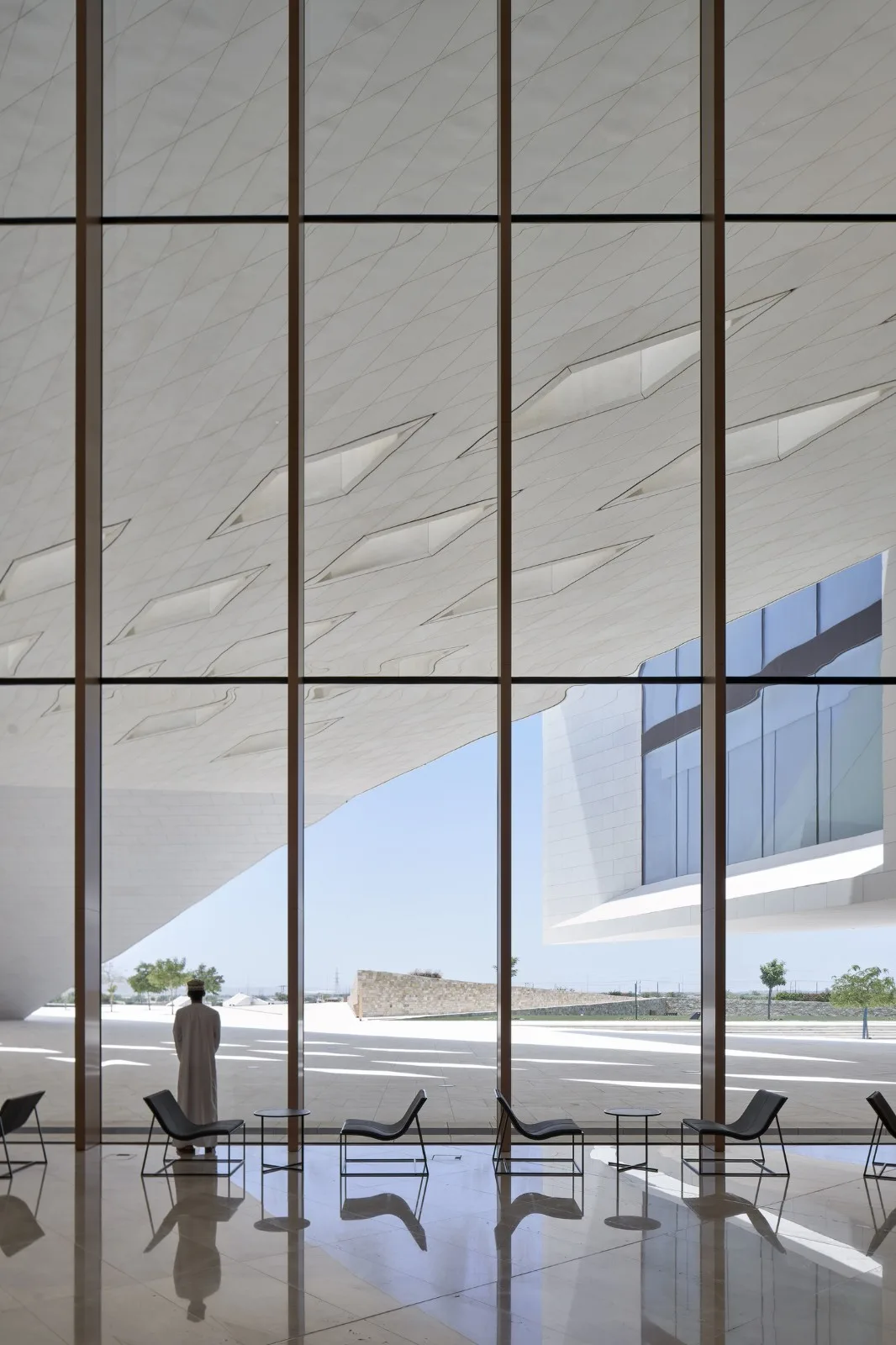
The design was inspired by two primary elements: landscape and culture. Oman’s landscape is powerful, raw, and stunning. Complementing this is the nation’s extraordinary history and culture, blending the magical geography with human achievements to form the core concept. The museum celebrates this union, combining remarkable human accomplishments and the captivating natural environment. The design seamlessly flows between intimate personal stories and grand historical narratives, making the architecture itself a natural extension of these inspirations.
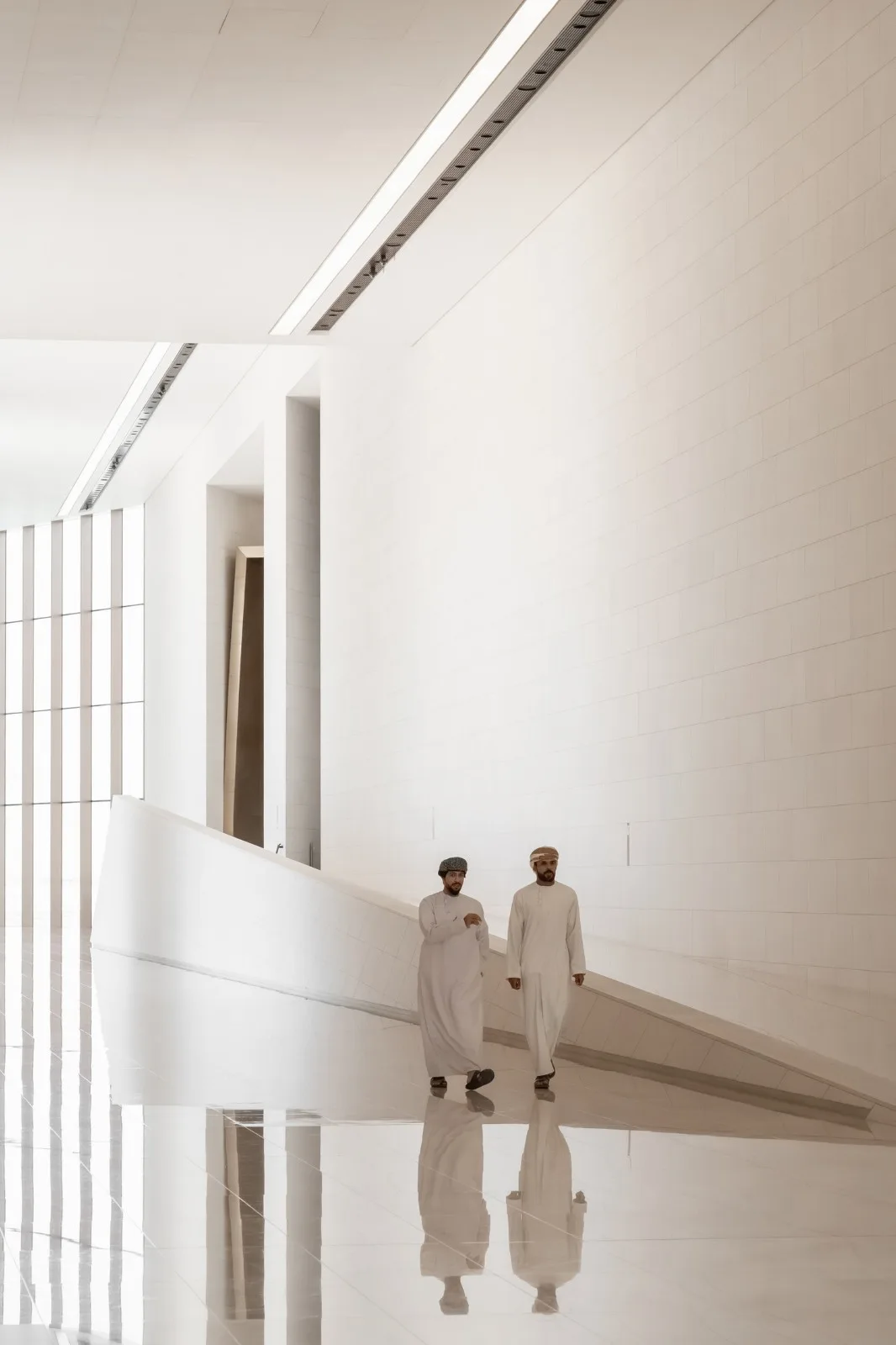
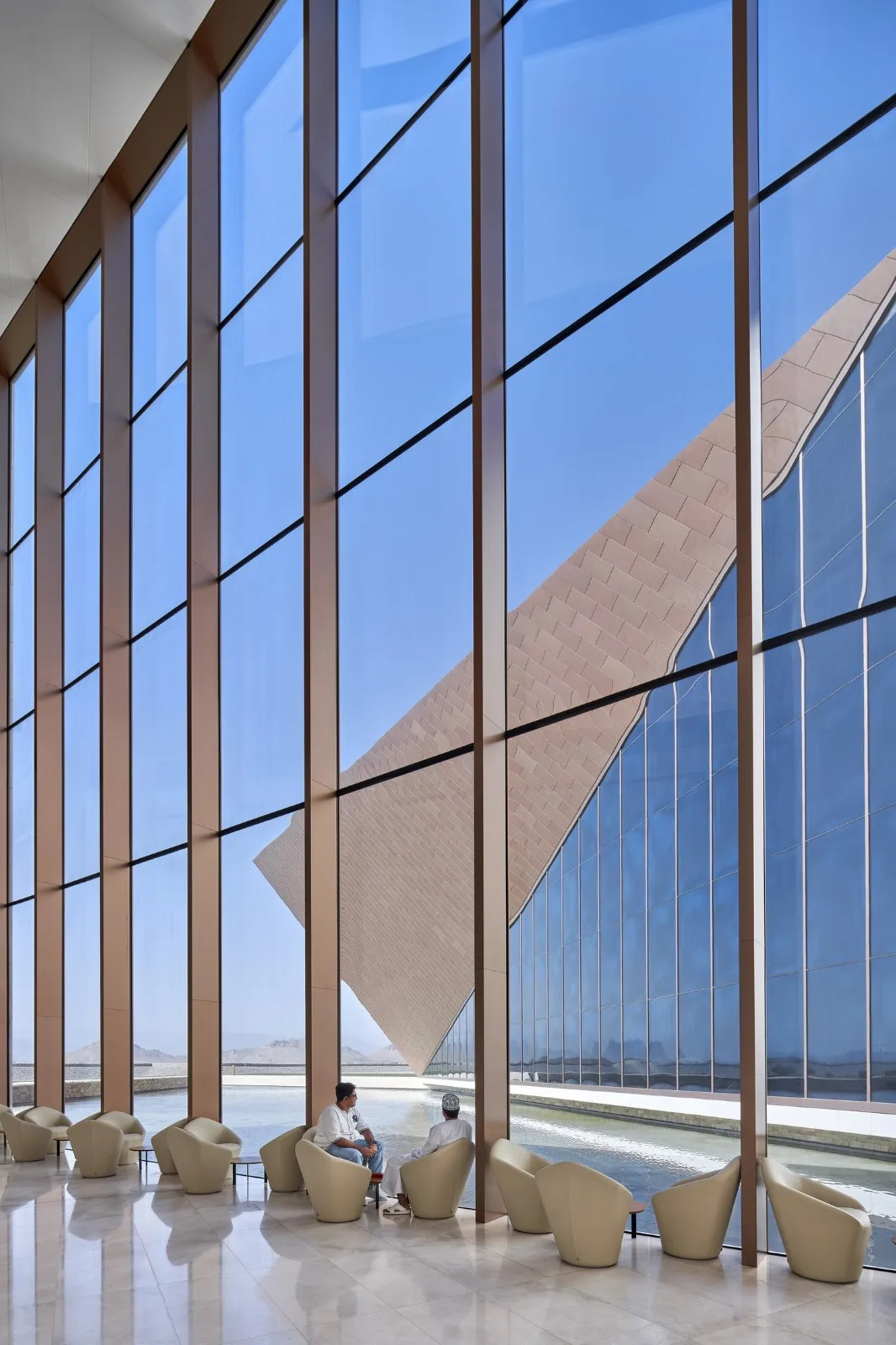
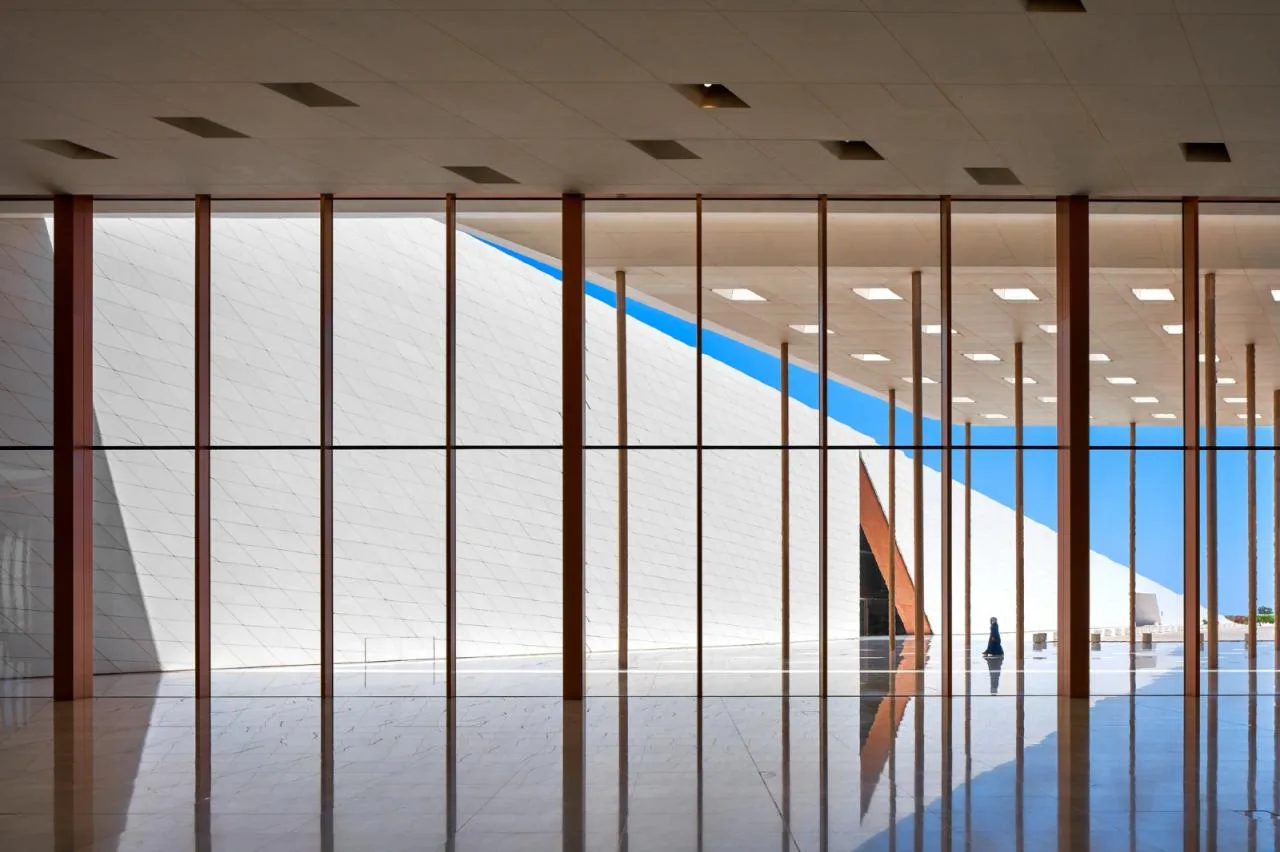
The jagged silhouette of the Hajar Mountains stands beside the museum, influencing its architectural form. Abstracted from these striking natural shapes, the building’s structure rises from the southern desert floor to the mountainous northern peak. The architecture itself becomes part of the storytelling, not just a container but an expressive medium that reinforces the museum’s core narrative. A successful museum blends storytelling, design, exhibitions, and immersive experiences—this synergy gives the museum its unique character and impact.
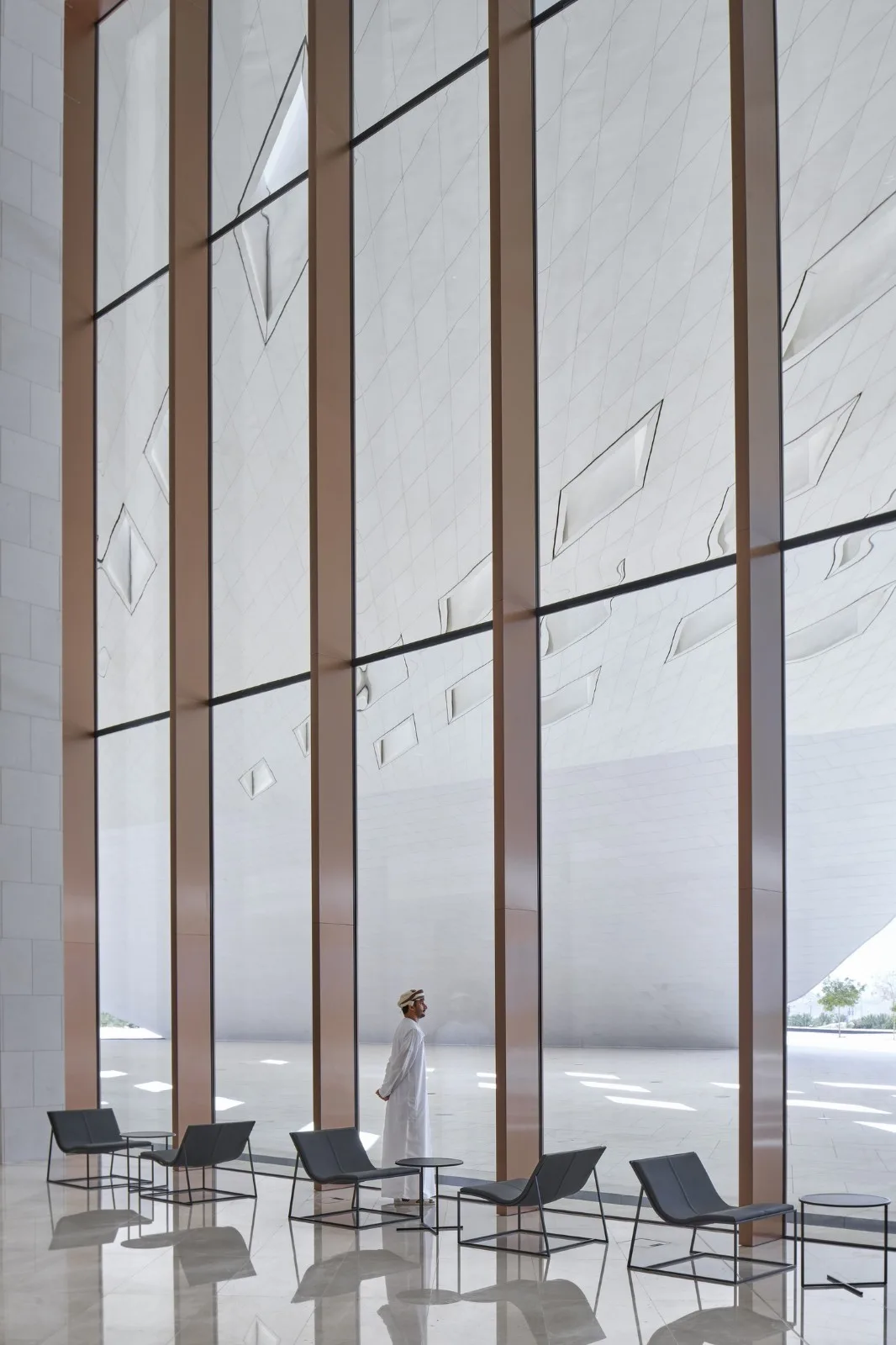
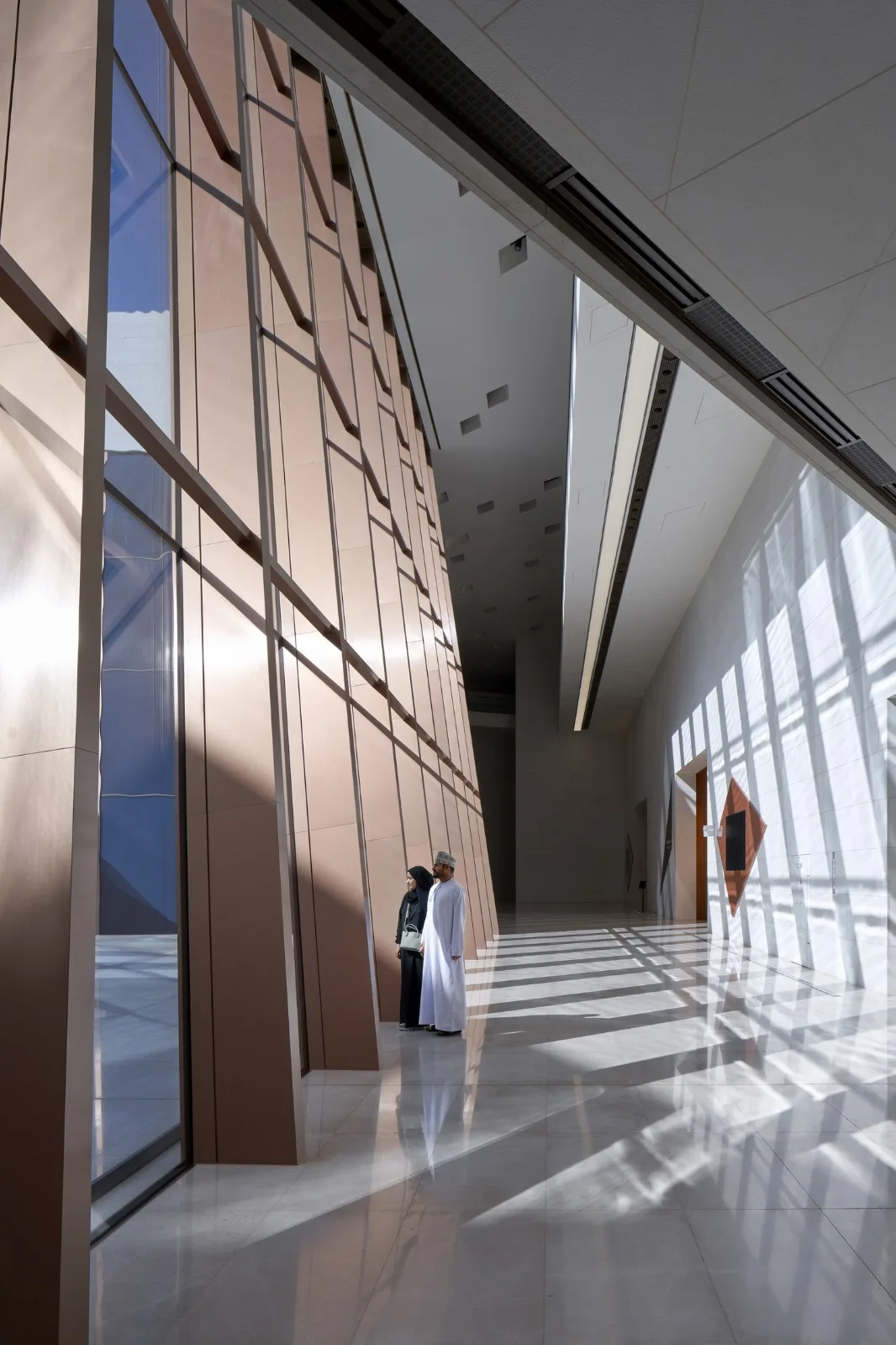
Visitors can enjoy panoramic views of the surrounding mountains while beginning their journey through the museum’s lobby. The experience guides them chronologically from prehistoric times to the present day, offering a compelling narrative progression.
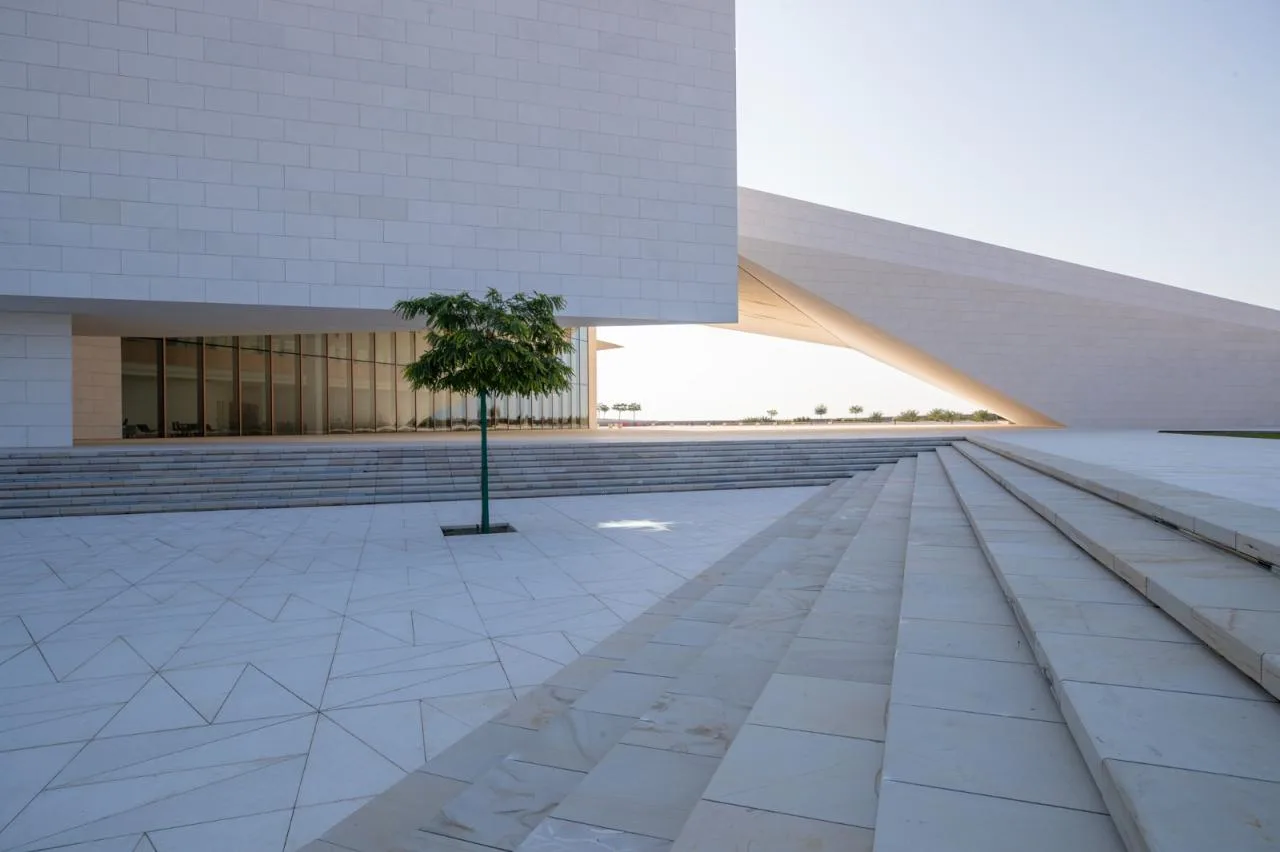
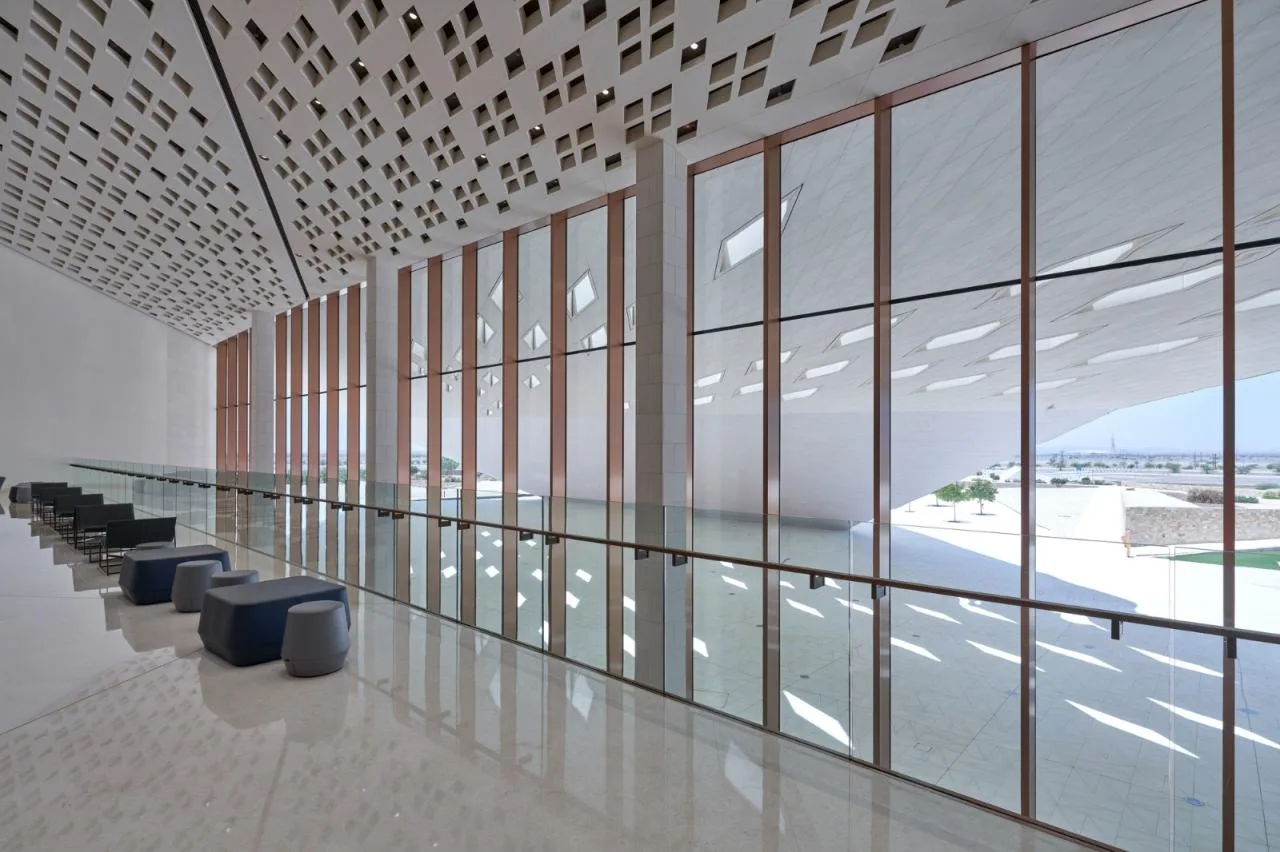
The Oman Cross Era Museum sets a new standard for museum experiences. Its design masterfully utilizes architectural elements such as scale, geometry, form, light, and perspective. These features not only express the museum’s identity but also create versatile spaces for installations, exhibitions, and performances.
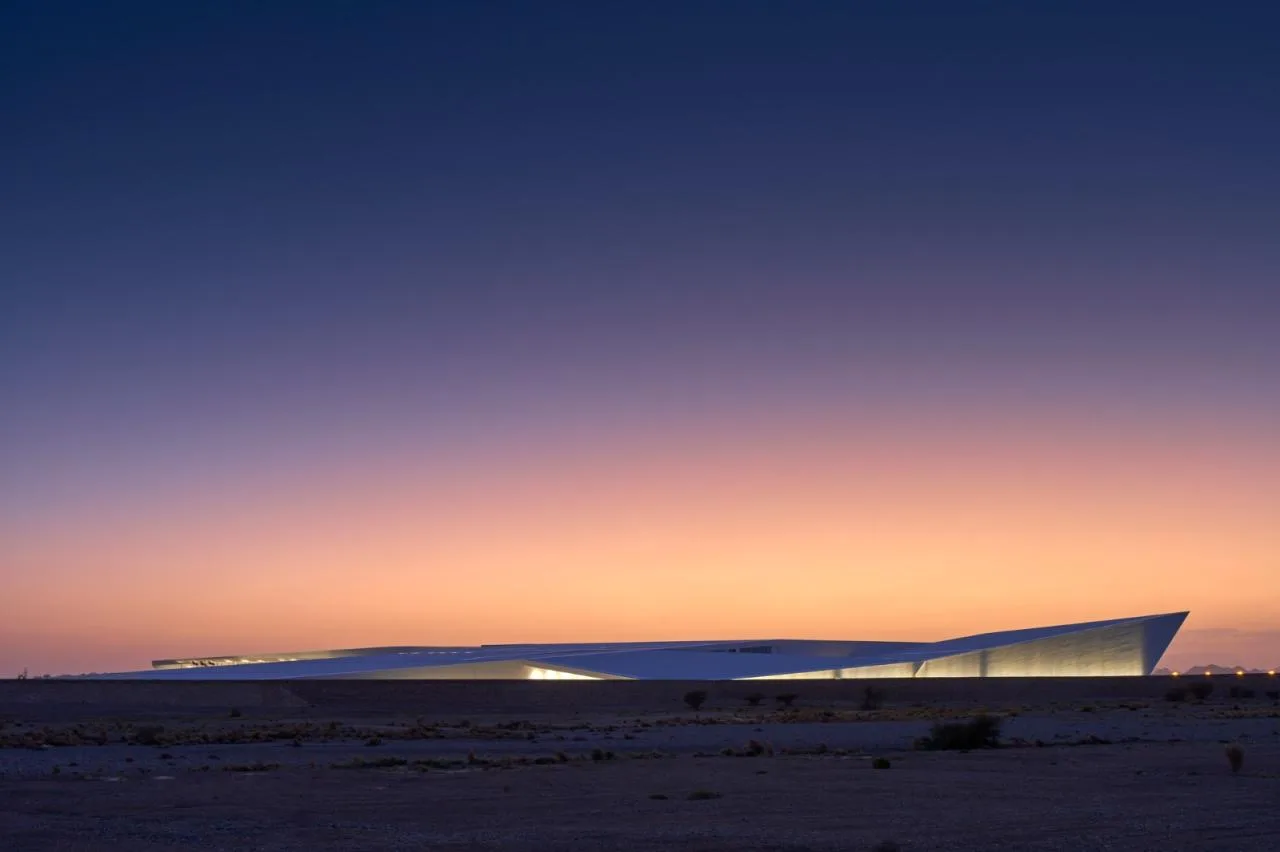
Project Drawings
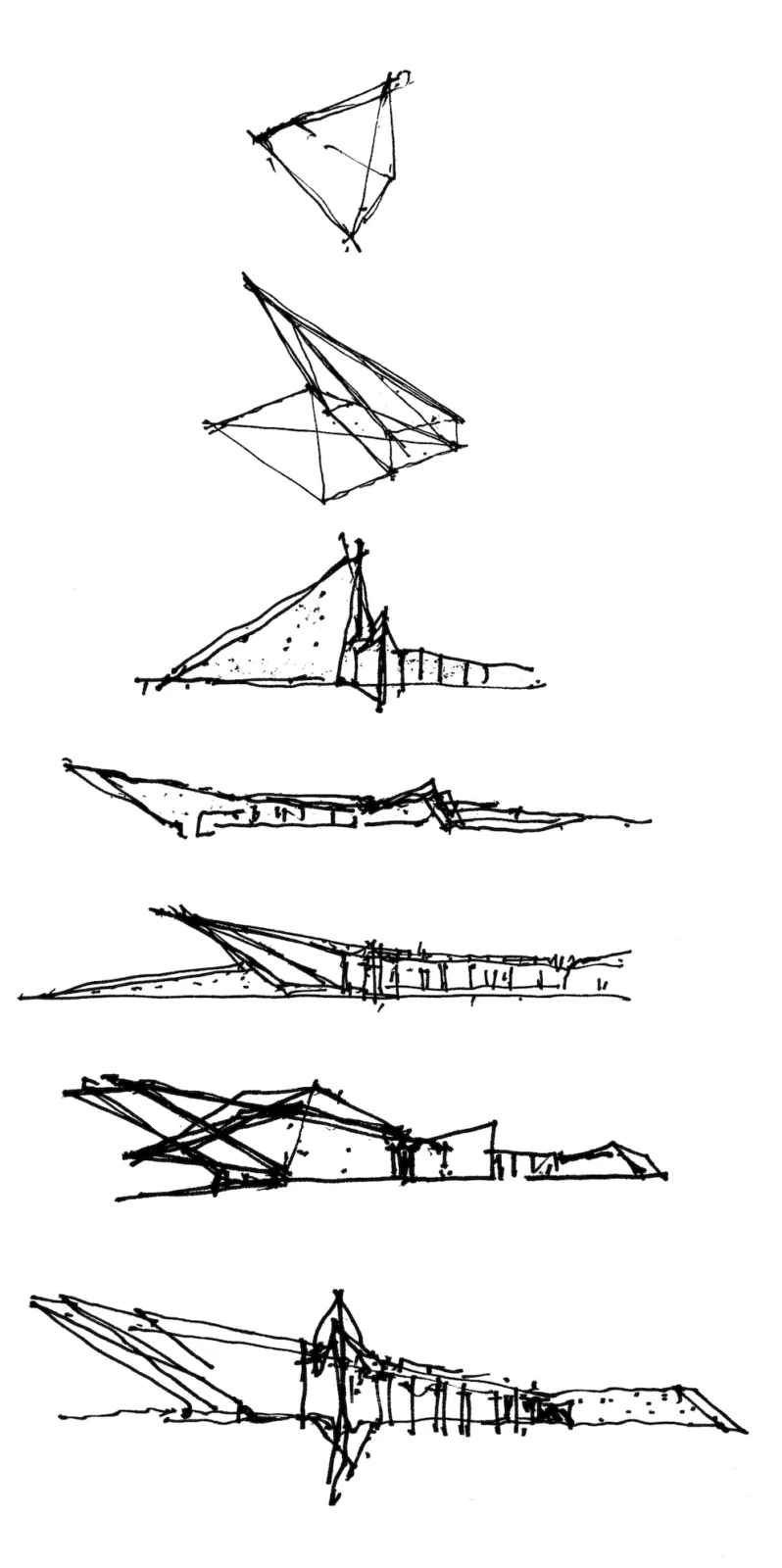
△ Hand-drawn drawing
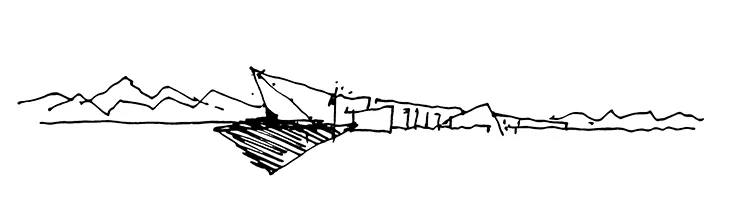
△ Hand-drawn drawing
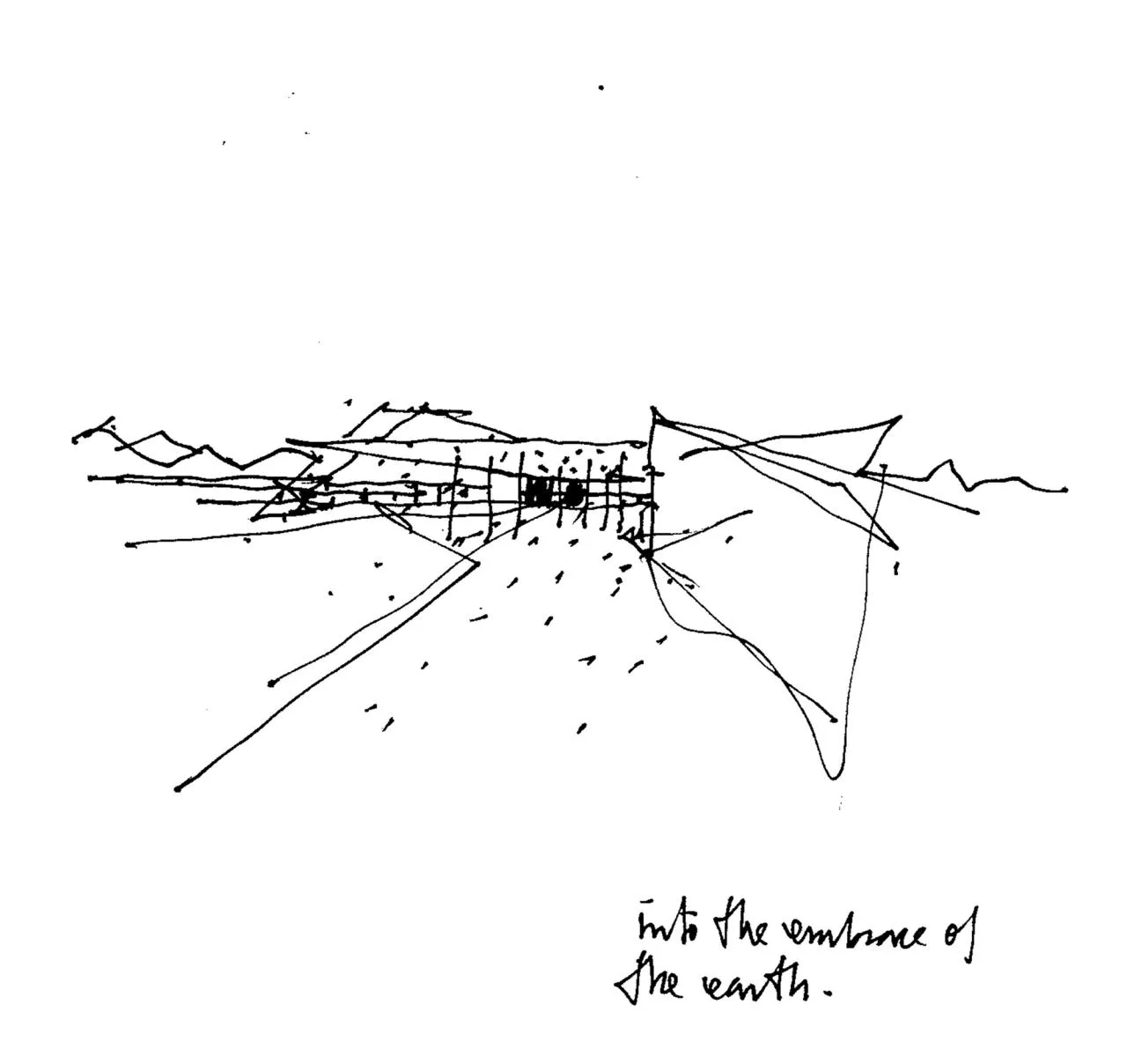
△ Hand-drawn drawing
Project Information
Architect: Cox Architecture
Area: 120,000 m²
Project Year: 2023
Photographer: Phil Handforth
Lead Architects: Steve Woodland, Greg Howlett, Amanda Ainslie
Museum Master Plan, Exhibition Designer: Event Communications
Signage Guidance System, Visual Communication: Spaceagency Design
Exhibition Content Management Development: Barker Langham
Main Exhibition Contractor: PICO
Engineering Structure: Aurecon
Architectural Lighting Designer: LDPi International
Exhibition Lighting Designer: DHA Designs
Main Contractor: Shapoorji Pallonji
Location: Nizwa, Oman













Must log in before commenting!
Sign Up