
The project is situated within an industrial park at the heart of the city, surrounded by numerous factories dating from the 1880s through 2004, representing relatively aged industrial infrastructure.
Regarding green development standards, the project operates as a food manufacturing facility, primarily producing chocolate and related products. The enterprise complies with the city’s environmental protection regulations and standards. As a low-pollution industrial entity, it is deemed worthy of preservation.
The Need for Urban Renewal
As the city has grown, the area around the museum has evolved into a vibrant service hub supporting daily life. The neighboring buildings exhibit cohesive architectural styles and include residential, commercial, and educational establishments such as Jingwei Hui (a commercial center), Baoshan Campus of Shanghai University, and Jingwei Urban Oasis (a newly developed residential area). However, this project currently forms a distinct “gap” within the surrounding urban fabric.
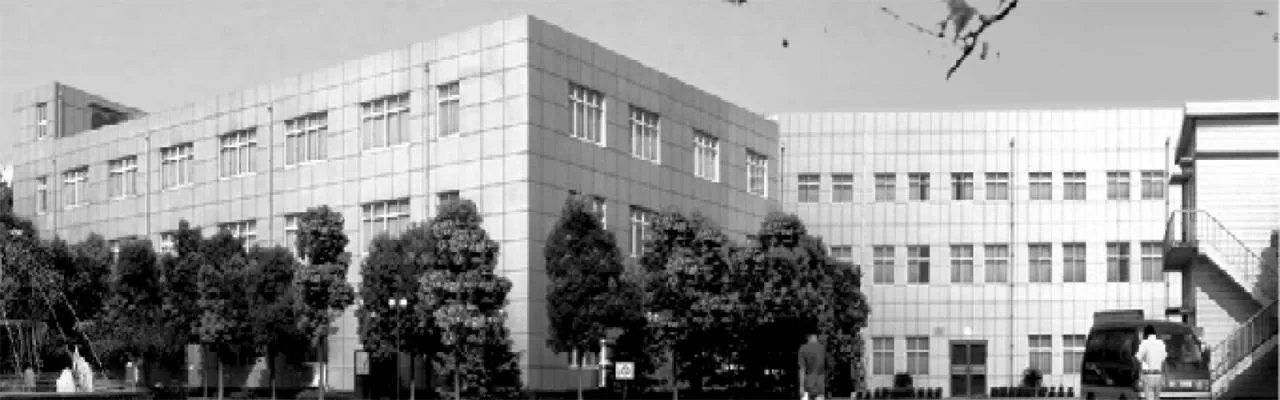
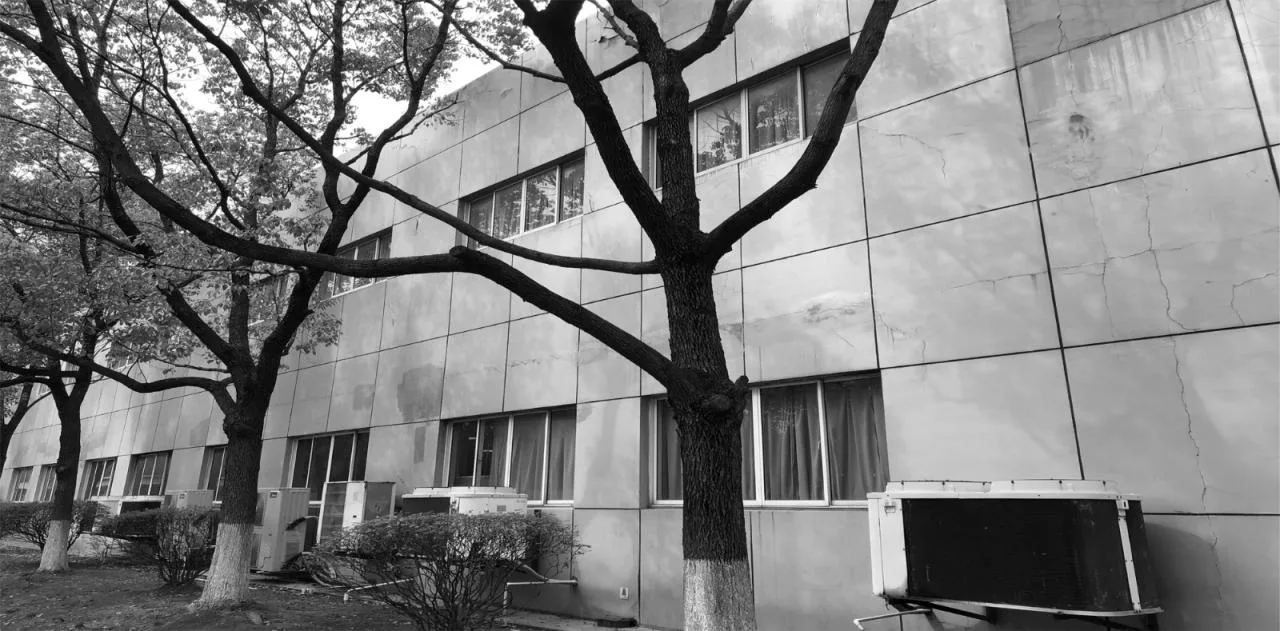
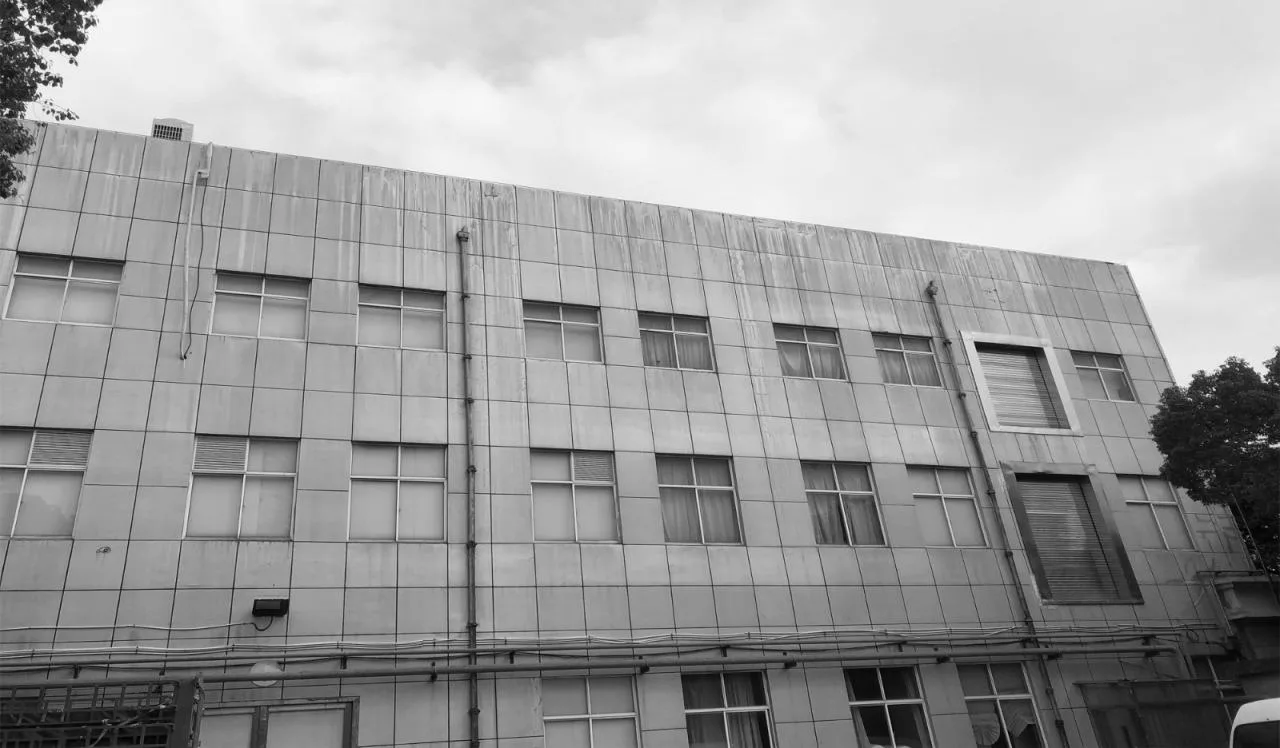
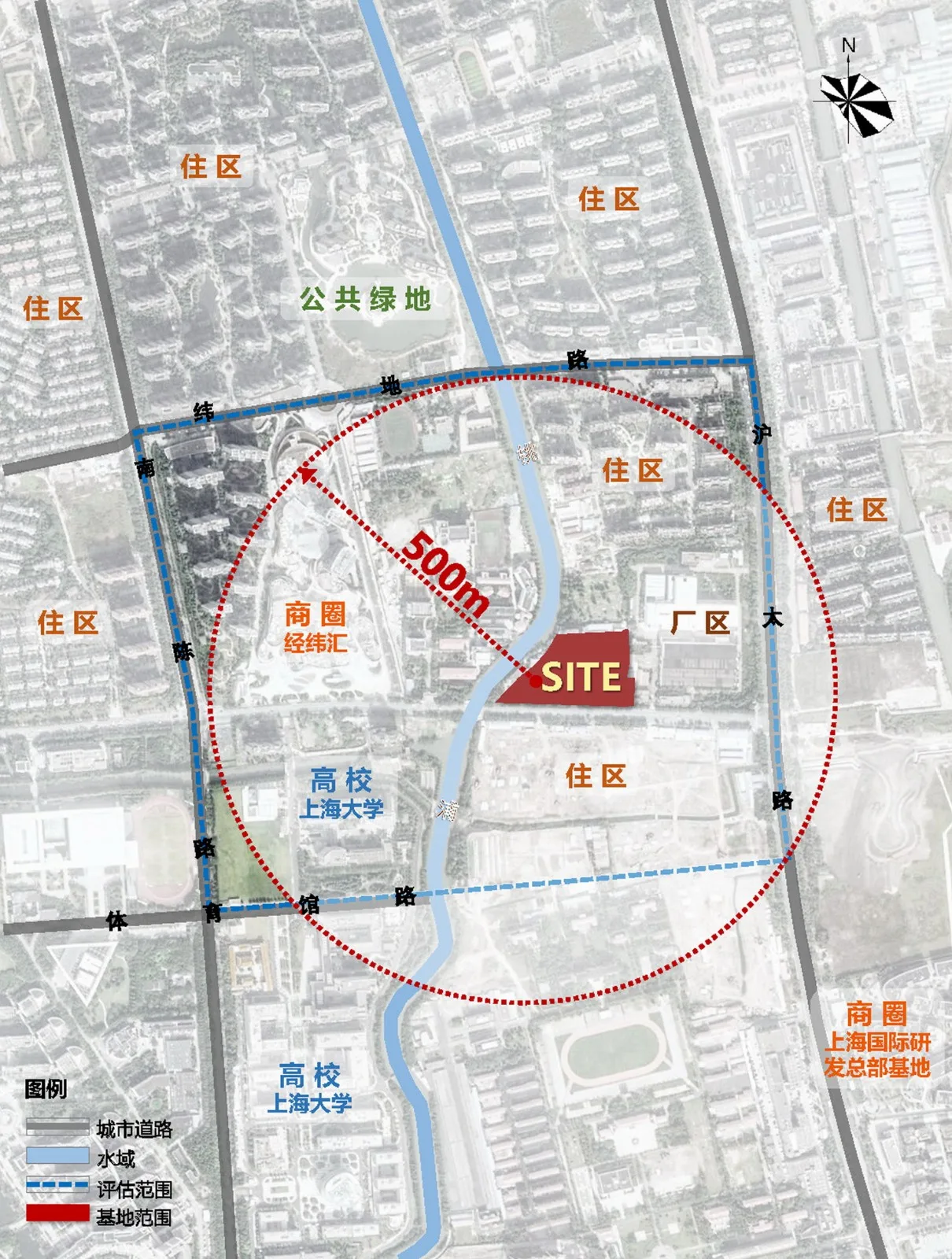
△ Pre-renovation photos and current land use around the site © Chuanglin Zebai
Industrial Upstairs and Intelligent Manufacturing Space
Rapid economic growth has led many cities to face challenges such as land scarcity and underutilized industrial land. This tension between industrial economic scale and spatial demands has motivated exploration of innovative spatial models like “industrial upstairs.”
In 2023, Shanghai introduced policies including the “Several Measures to Promote the Upgrading of Industry and the Creation of Intelligent Manufacturing Spaces” and the “Action Plan for High Quality Development of Shanghai’s Characteristic Industrial Parks (2024-2026).” These initiatives encourage mixed land use, promote intensive land utilization, and permit manufacturing enterprises to operate on comprehensive industrial land, provided environmental, fire safety, and other regulations are met.
The Value of Urban Renewal
As one of the few operational factories in Shanghai’s urban core, the renovation of the Bainuo Chocolate Factory was approached not as a simple industrial upgrade, but as a development of a high-value cultural facility. The aim was to establish a new model for renovating urban industrial buildings by balancing comprehensive design needs and strengthening industrial connections to stimulate fresh industrial vitality.
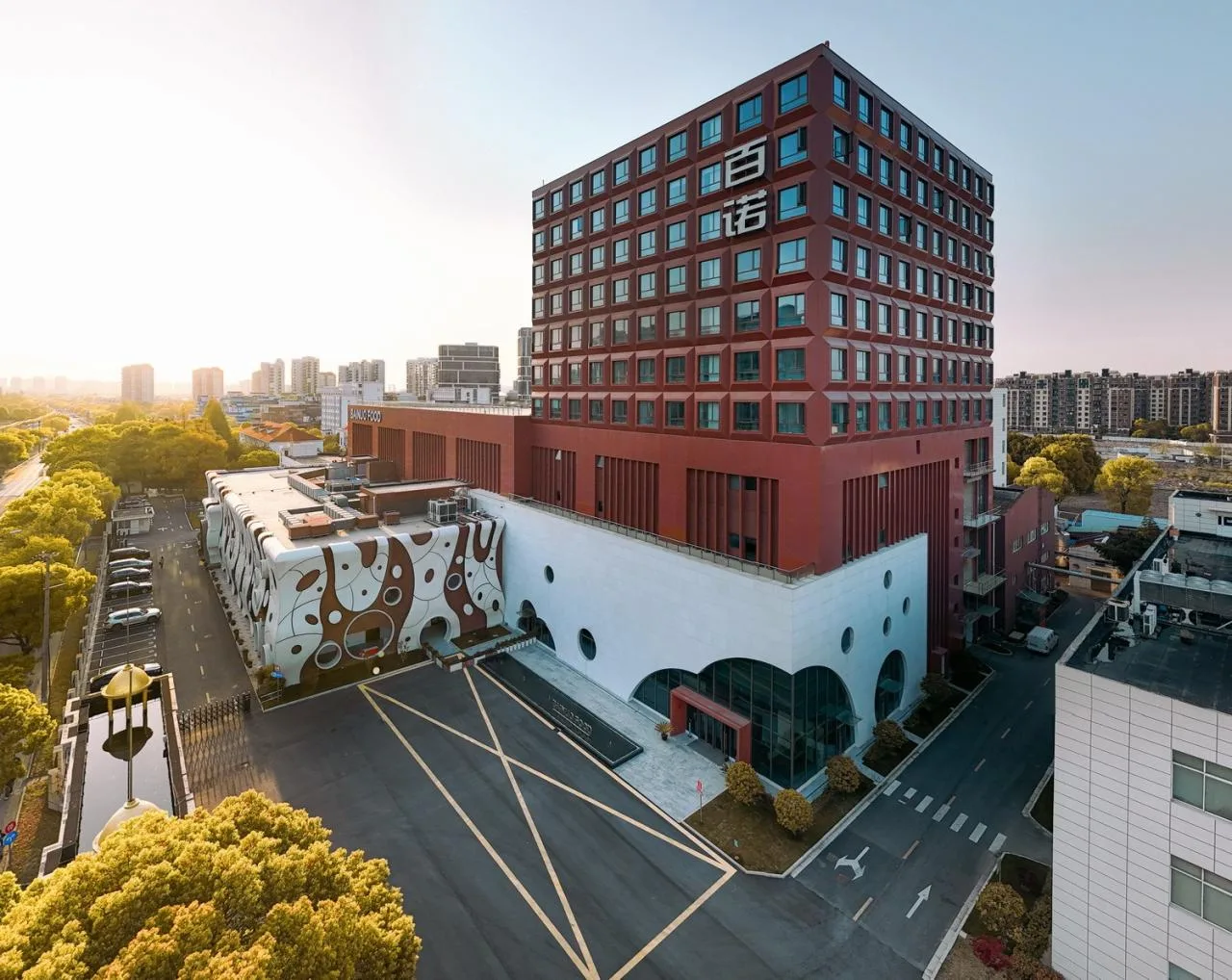
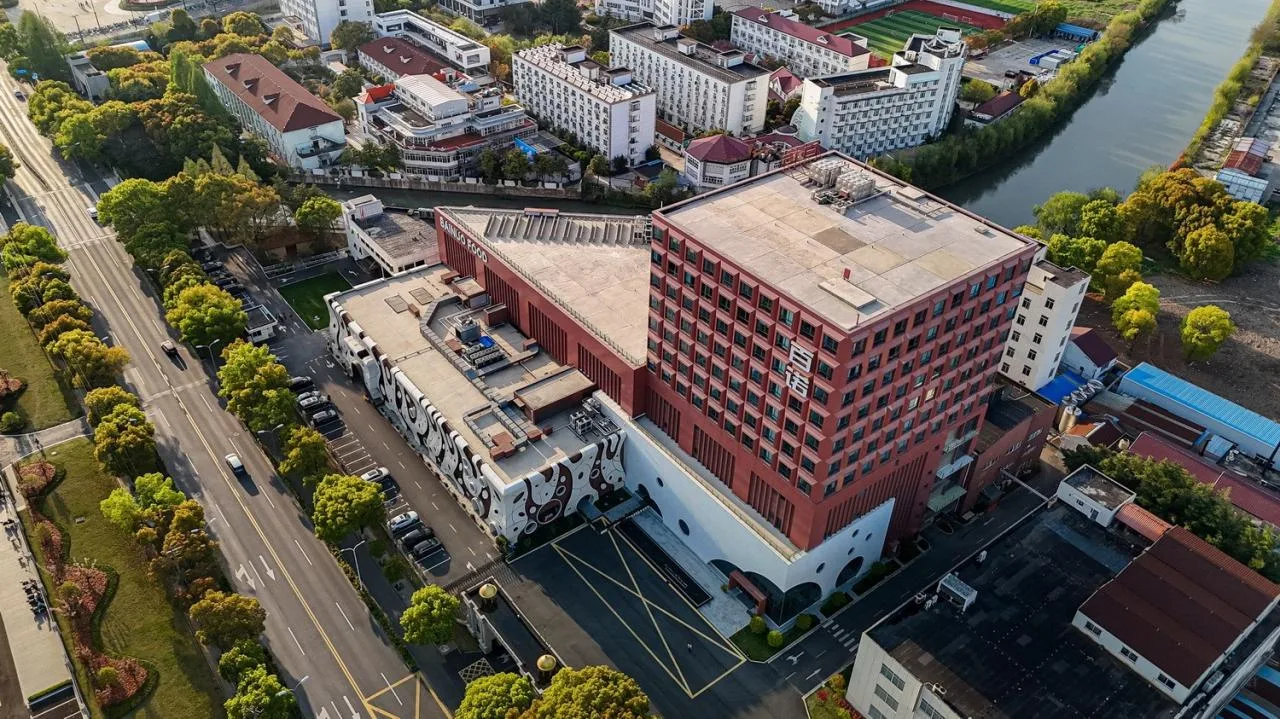
△ Aerial view of the site © Peng Xiaokai and Zhang Yi
From the outset, we embraced the site’s industrial character by converting the old factory into a multi-functional museum that combines industrial architectural elements with cultural uses. To support industrial transformation and upgrading, we expanded the original functions by adding research and development and museum spaces.
(1) Economic Value – From Single Production to Multifunctional Use
Before initiating design, we carefully analyzed the project’s core requirements. Unlike typical factory renovations that involve demolition and rebuilding, our refined urban renewal approach preserves historical functions while upgrading and adapting the site to harmonize with the surrounding environment. This strategy explores new directions for urban industrial transformation.
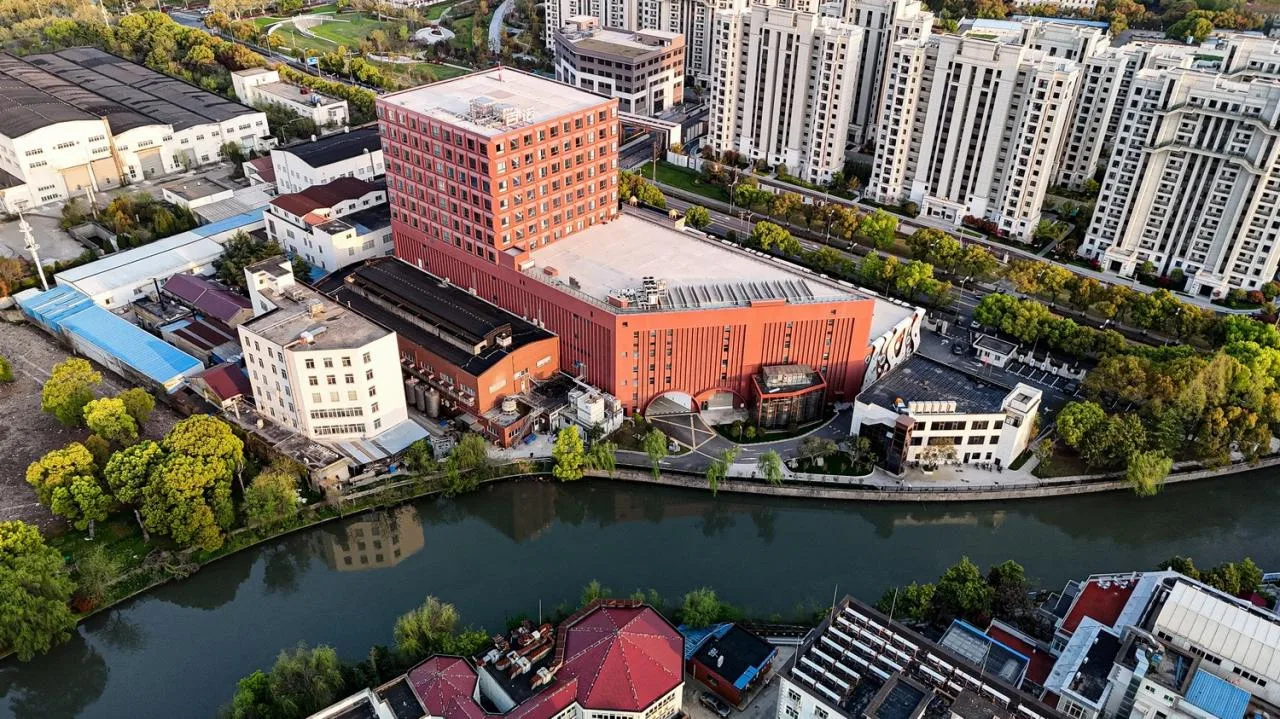
△ Aerial view of the site © Peng Xiaokai and Zhang Yi
We reviewed the park’s conditions and concluded that although it is mostly surrounded by residential zones, the project’s relatively small land area does not support conversion to residential use. Additionally, mature large-scale commercial complexes to the west make a fully commercial redevelopment unsuitable.
Therefore, the project is envisioned as an open park integrating industry, research and development, office spaces, education, entertainment, retail, and social interaction. It will serve a diverse user base including factory workers, R&D personnel, administrative staff, and visitors.
(2) Spatial Value – Revitalizing a Low-Value Area
Our design intervention reorganized the park to accommodate equipment upgrades, increased production capacity, and industrial transformation. Improvements include enhanced traffic flow and expanded green spaces. While increasing the building footprint, we introduced new facades that elevate the overall site appearance. This multifaceted land use optimizes urban space, improves regional functional hierarchy, and fosters coordinated development.
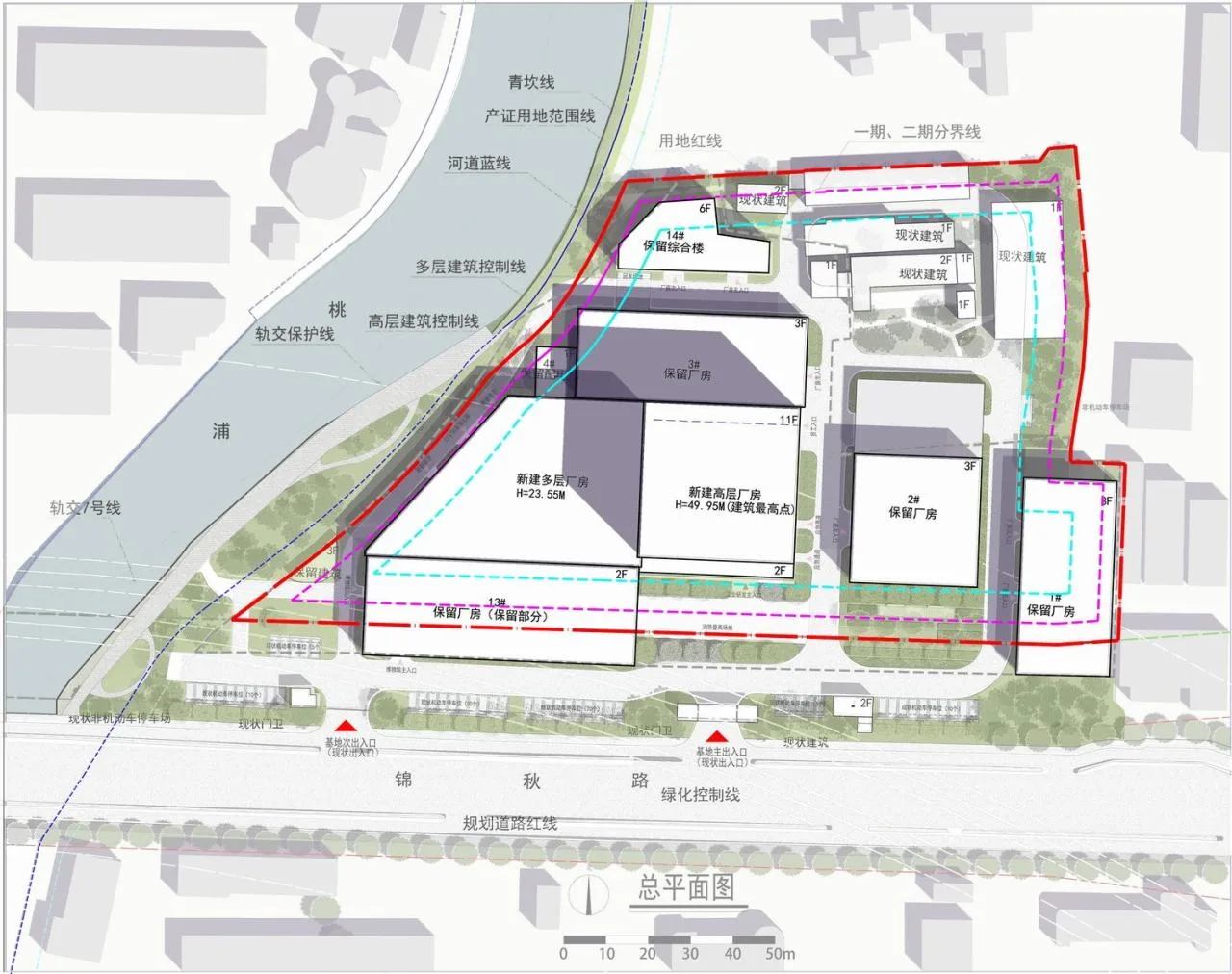
△ General layout plan © Chuanglin Zebai
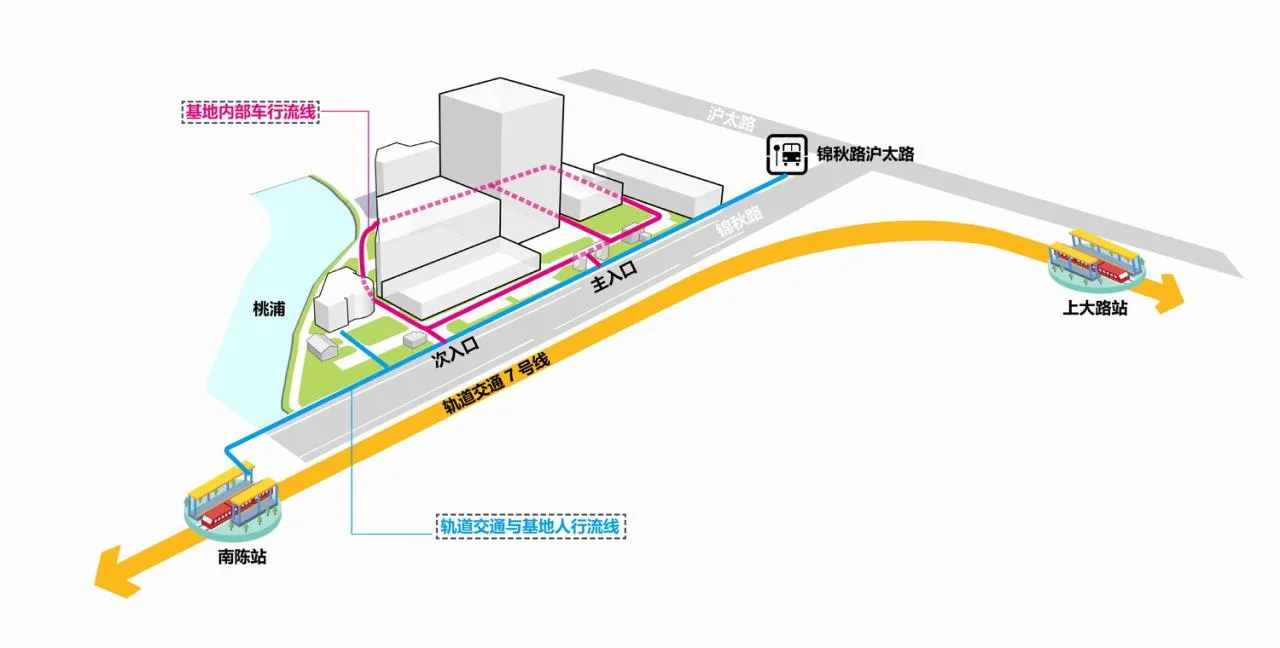
△ Spatial layout and circulation © Chuanglin Zebai
We preserved the original production function while integrating cultural exhibitions, industrial R&D, and other uses. The factory’s production processes, equipment, and worker operations serve as exhibits, complemented by explanations, guides, DIY workshops, and other interactive experiences. Visitors can enjoy diverse activities including sightseeing, leisure, education, crafts, and shopping.
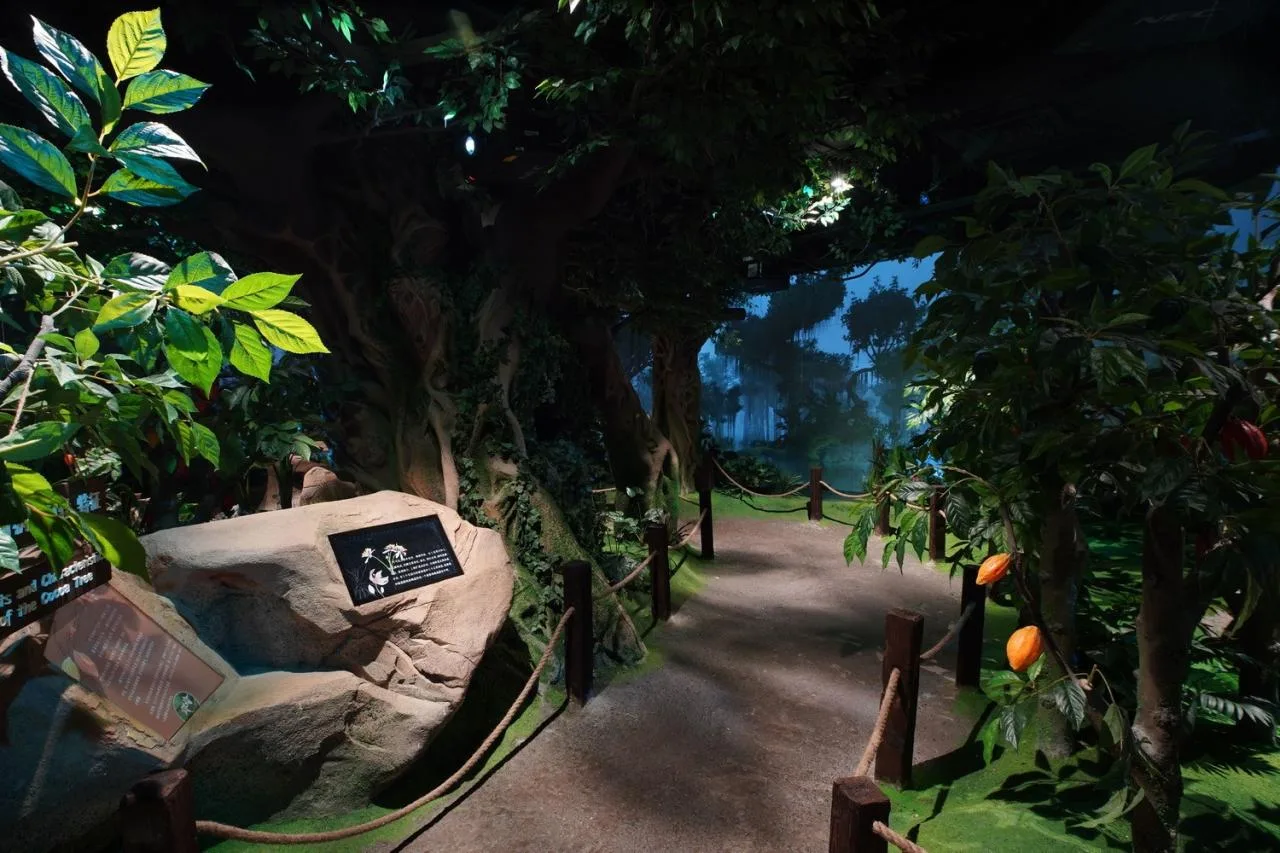
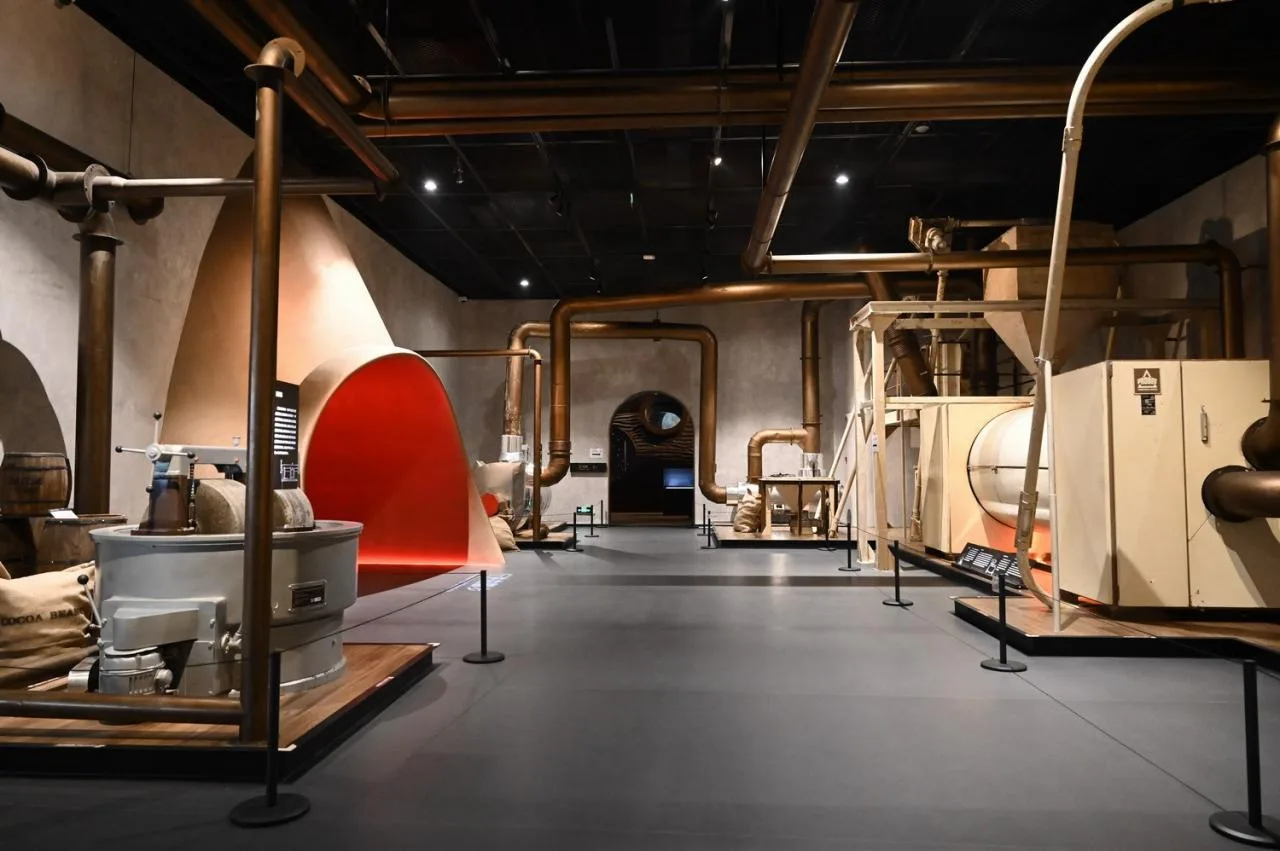
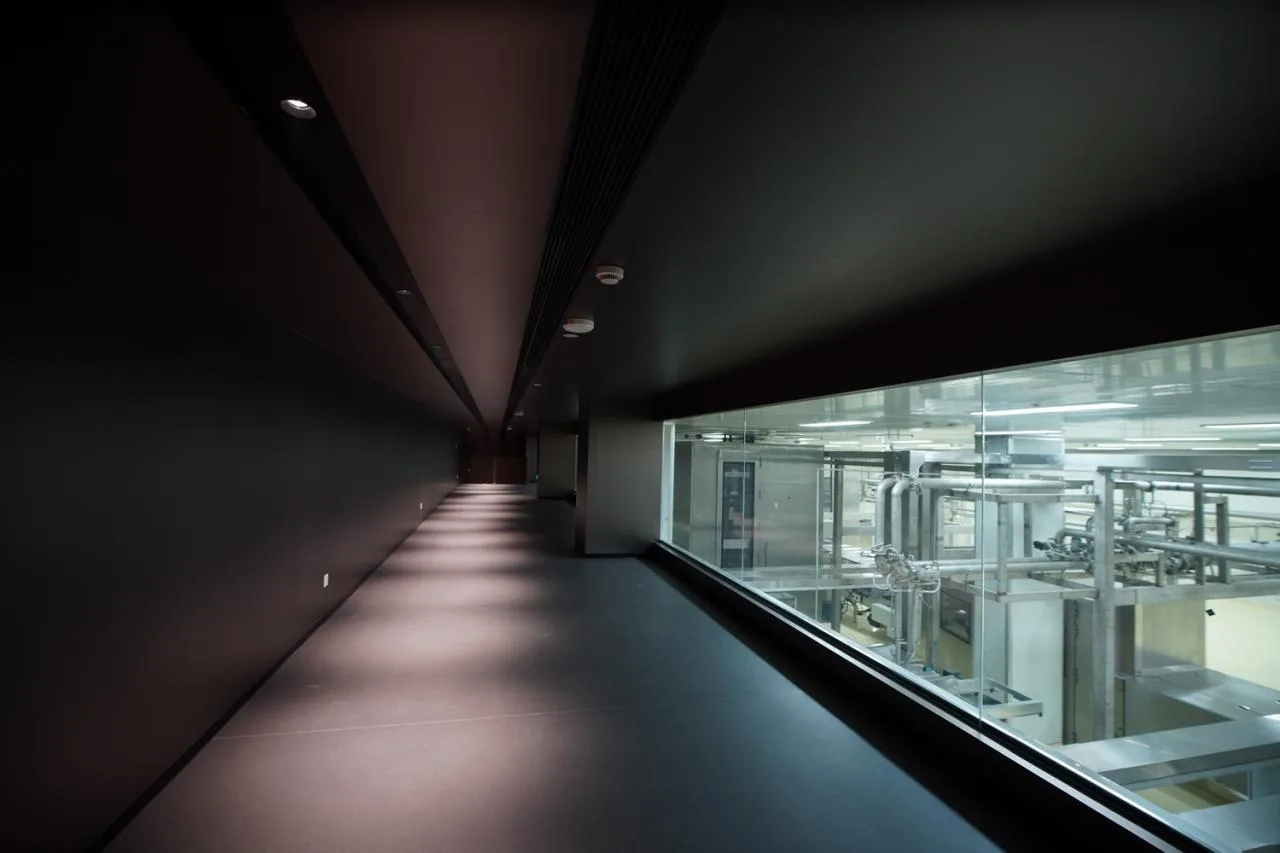
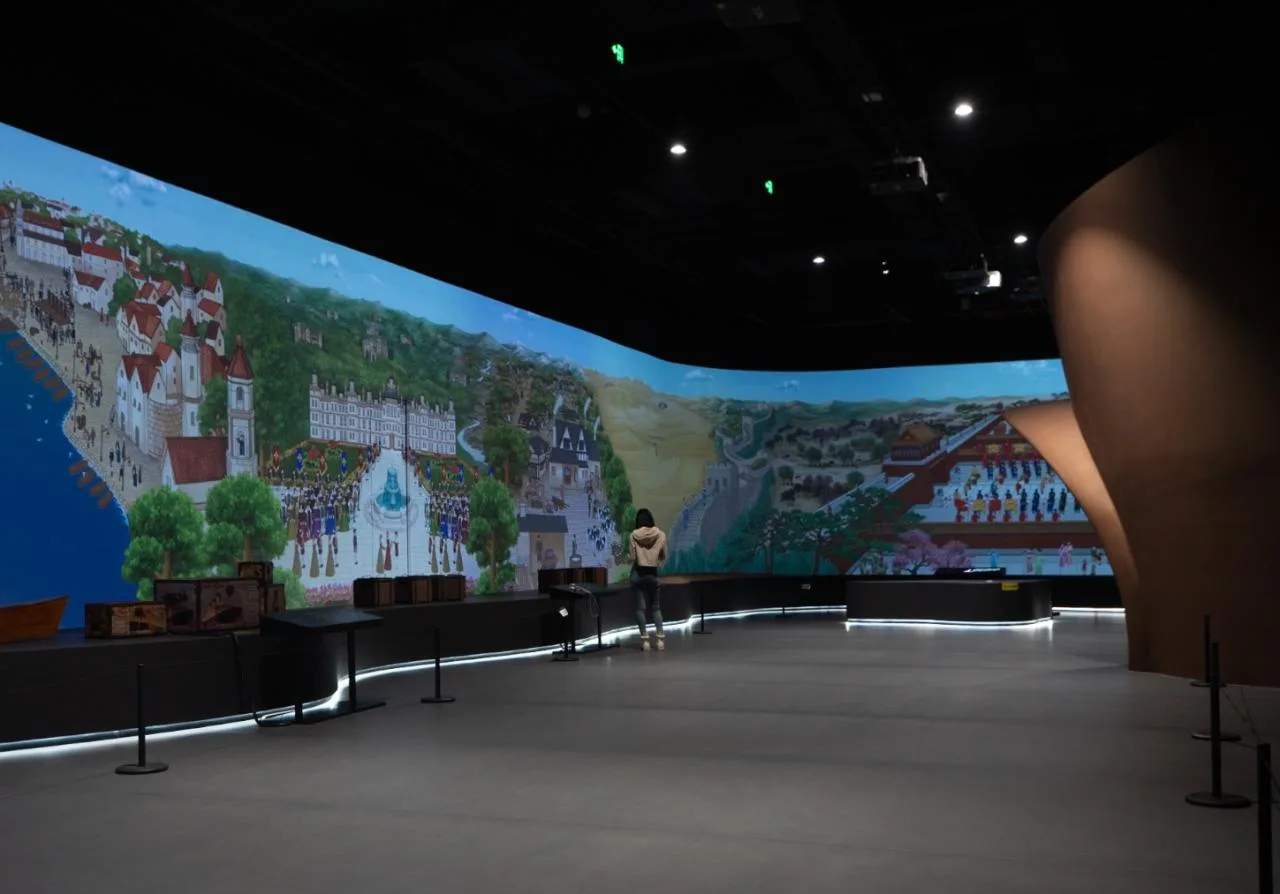
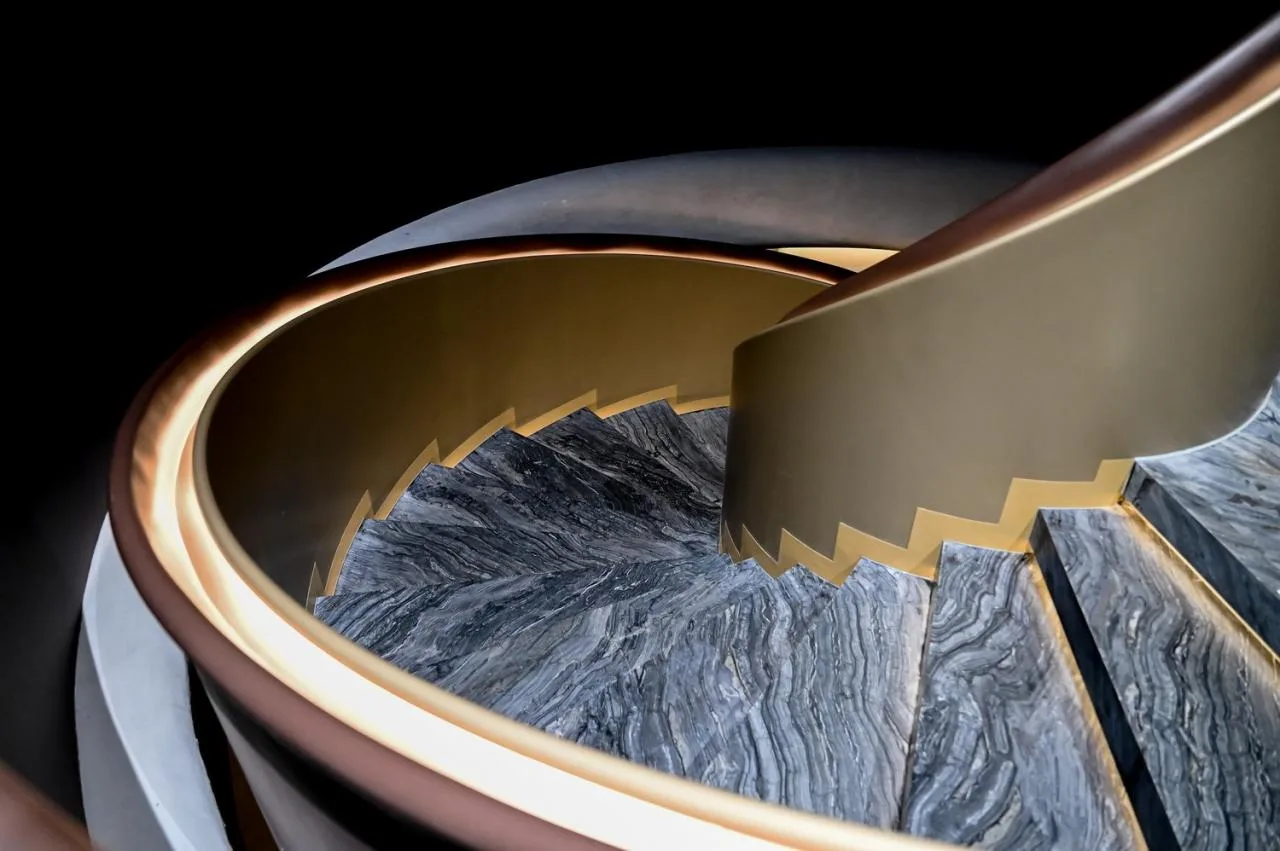
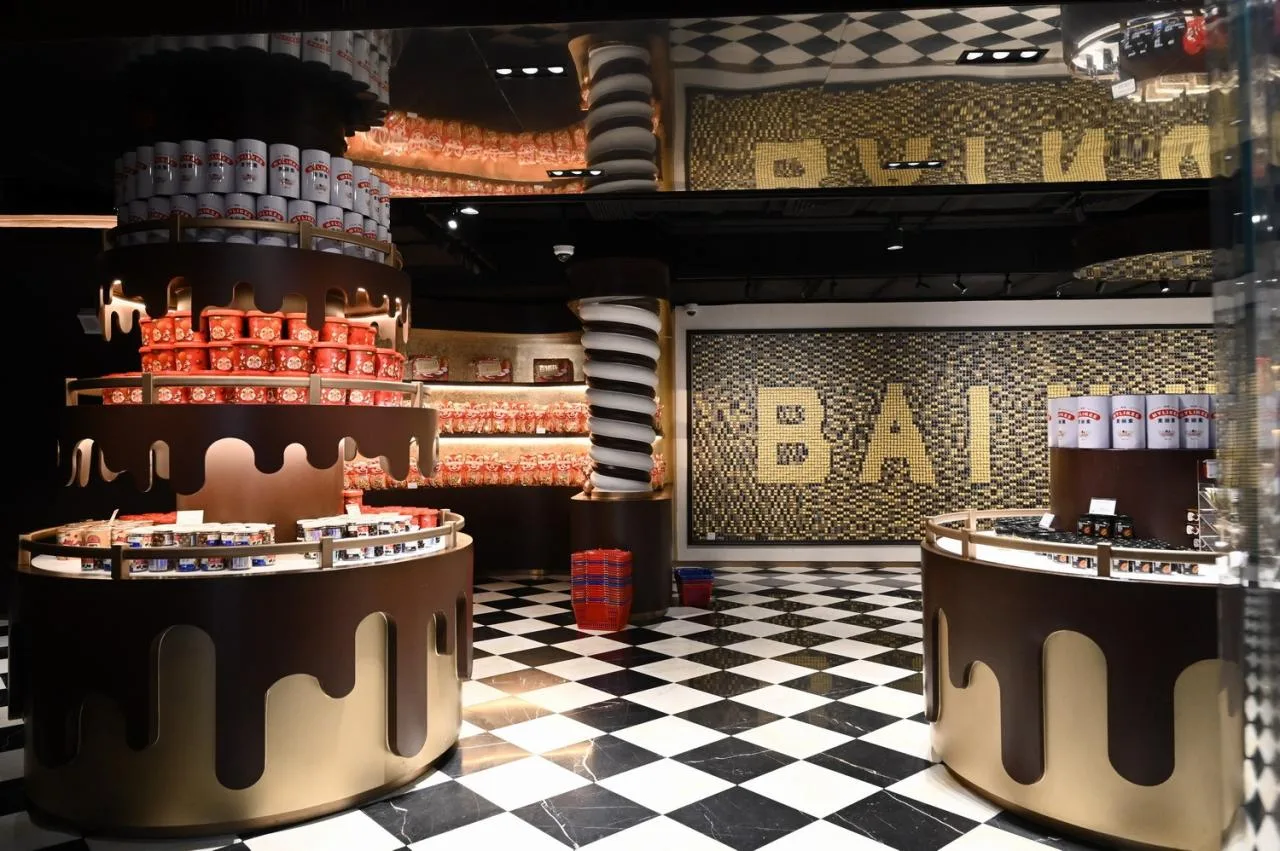
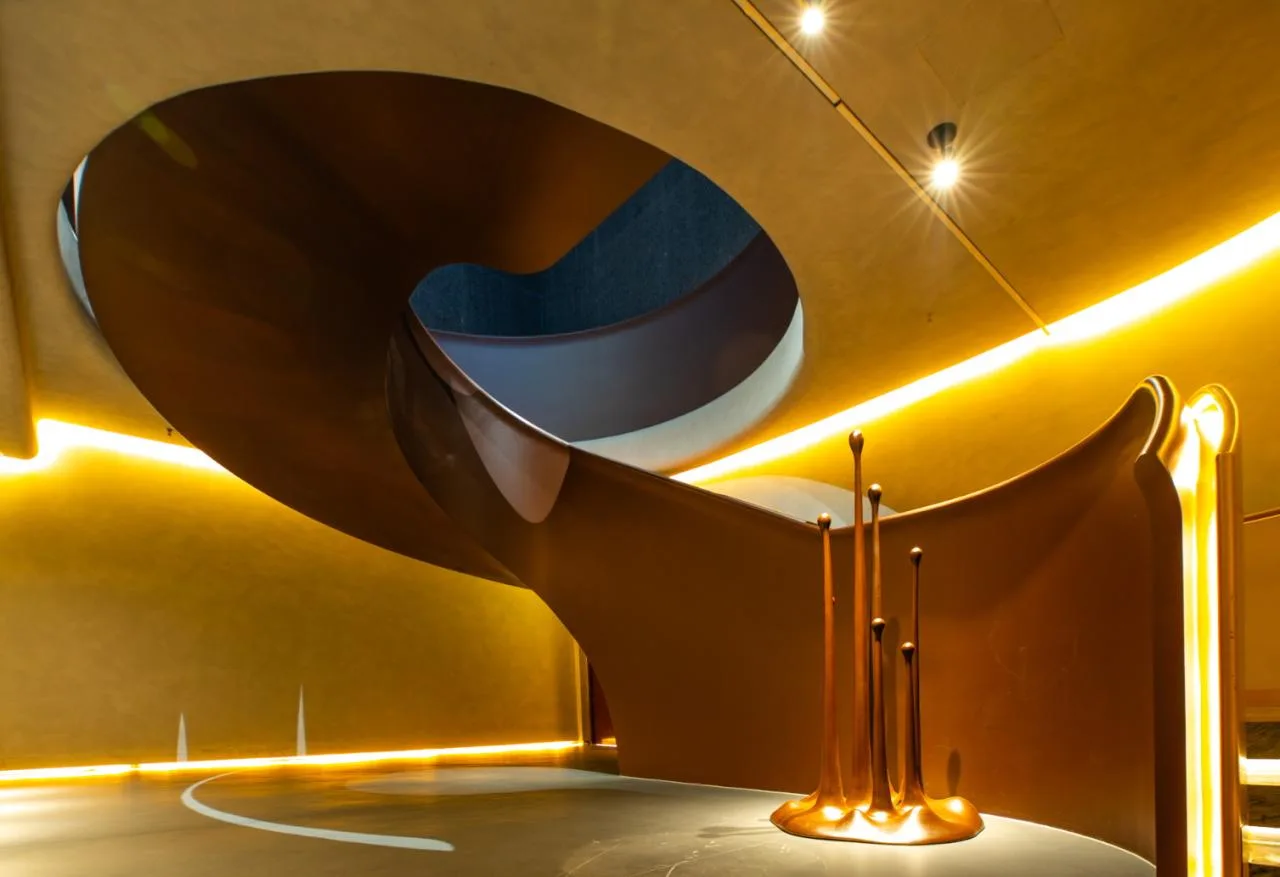
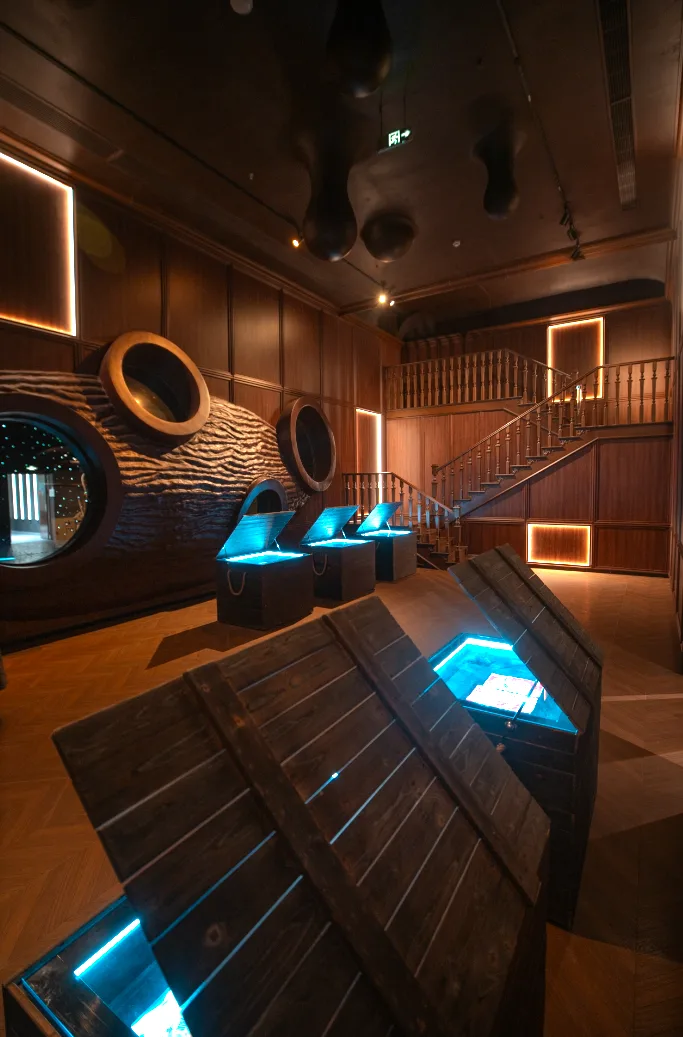
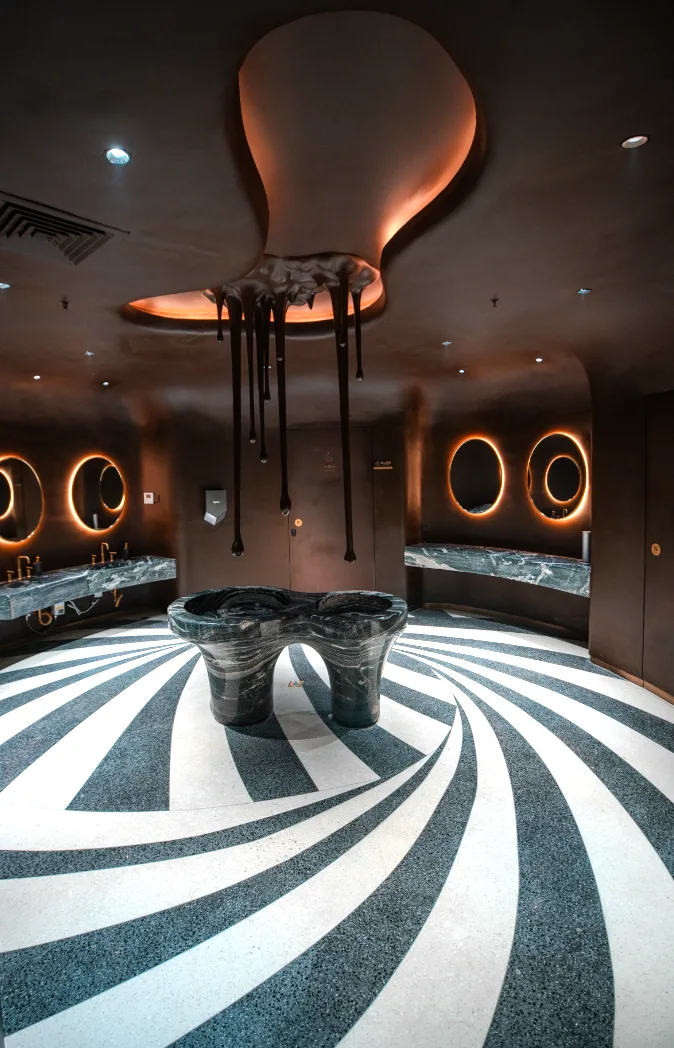
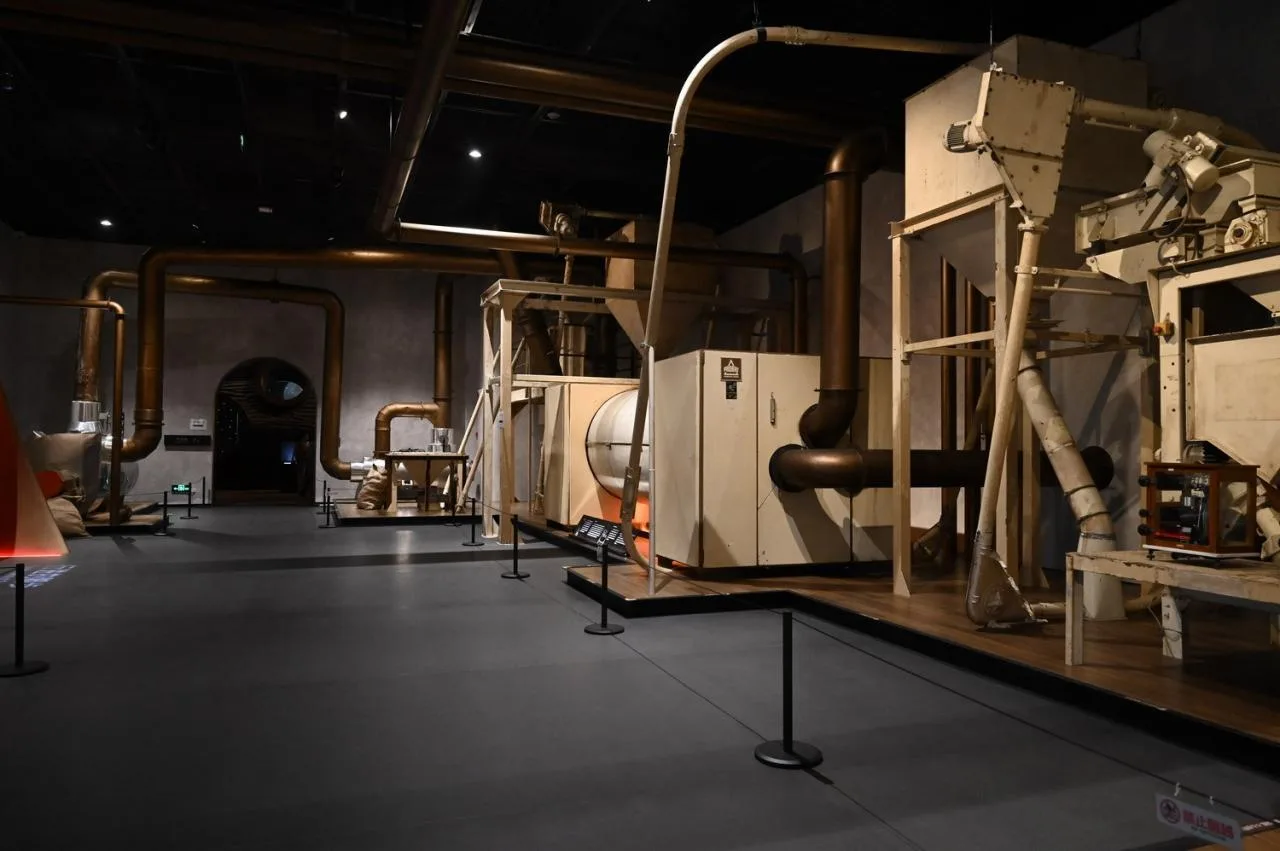
△ Museum interior space © Peng Xiaokai and Zhang Yi
(3) Cultural Value – Establishing China’s First Chocolate Museum
The museum’s design centers around chocolate as its main theme, creatively blending food elements with architecture to deliver a unique and inspiring building. The facade employs contemporary architectural techniques to abstractly symbolize chocolate, avoiding literal industrial motifs and achieving a more refined architectural expression.
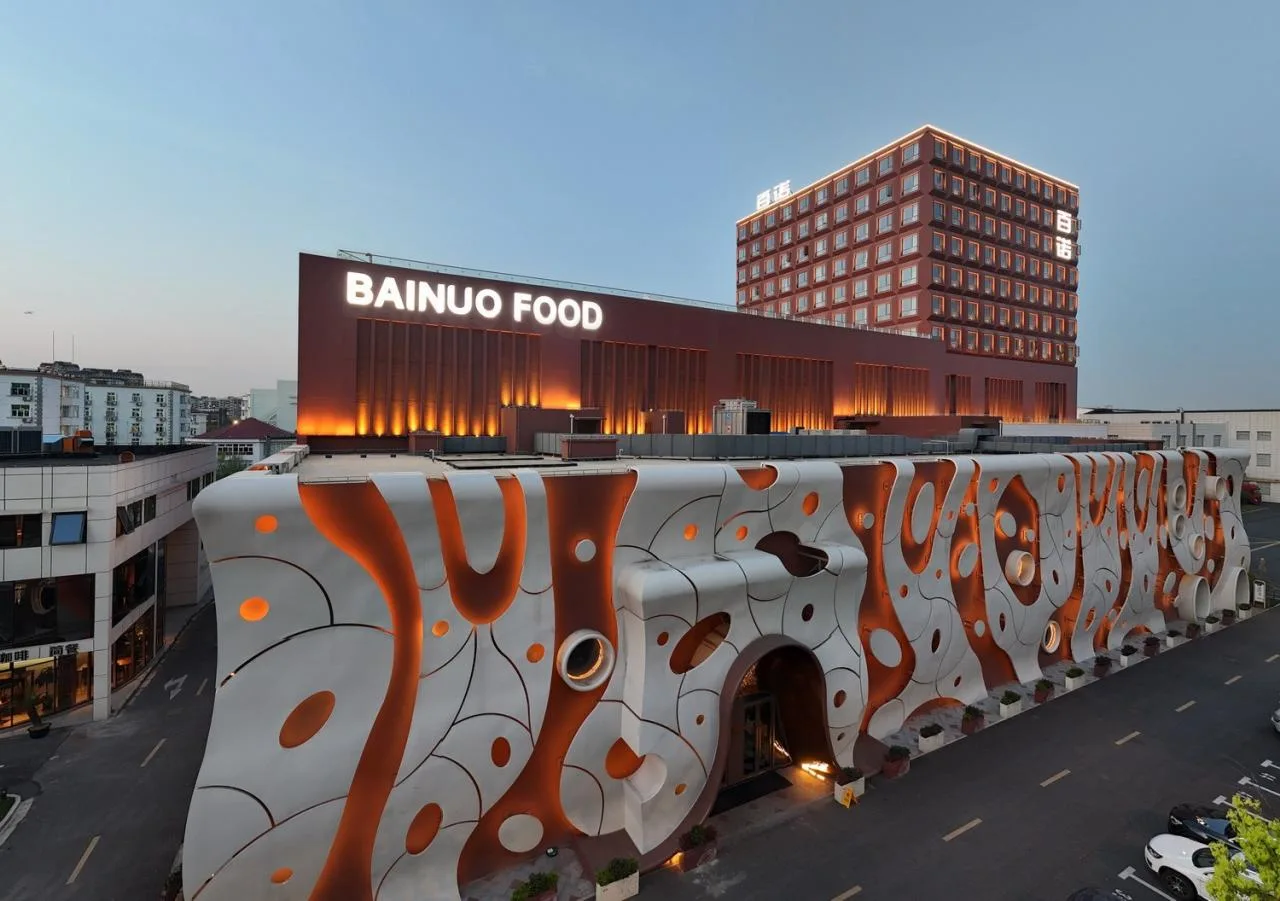
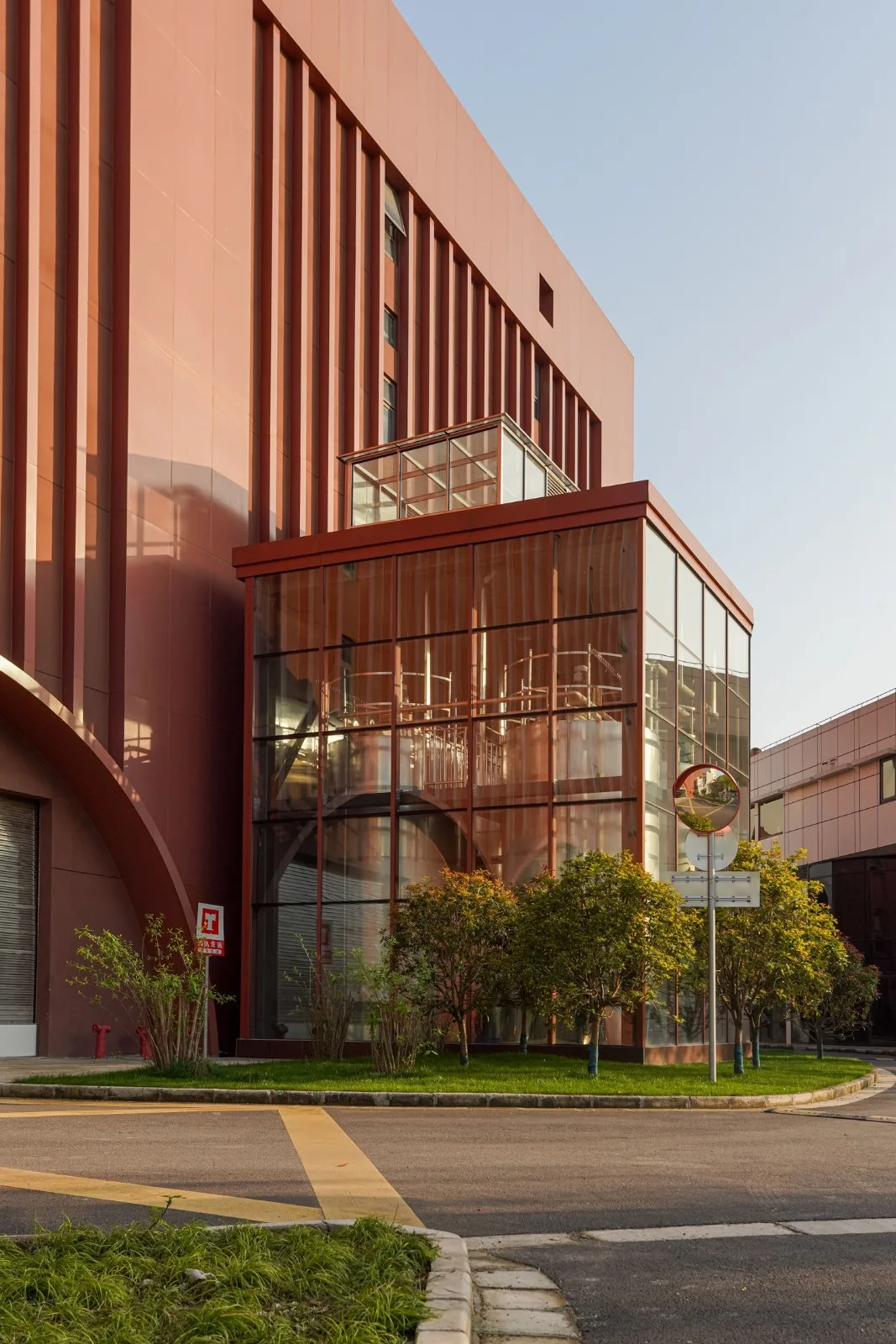
△ Museum exterior © Peng Xiaokai and Zhang Yi
Functionality and facade design correspond closely: four distinct chocolate-themed facade elements symbolize different internal functions. Through architectural techniques, the building is subdivided into four interlocking volumes, creating balanced proportions and a striking visual identity for the museum.
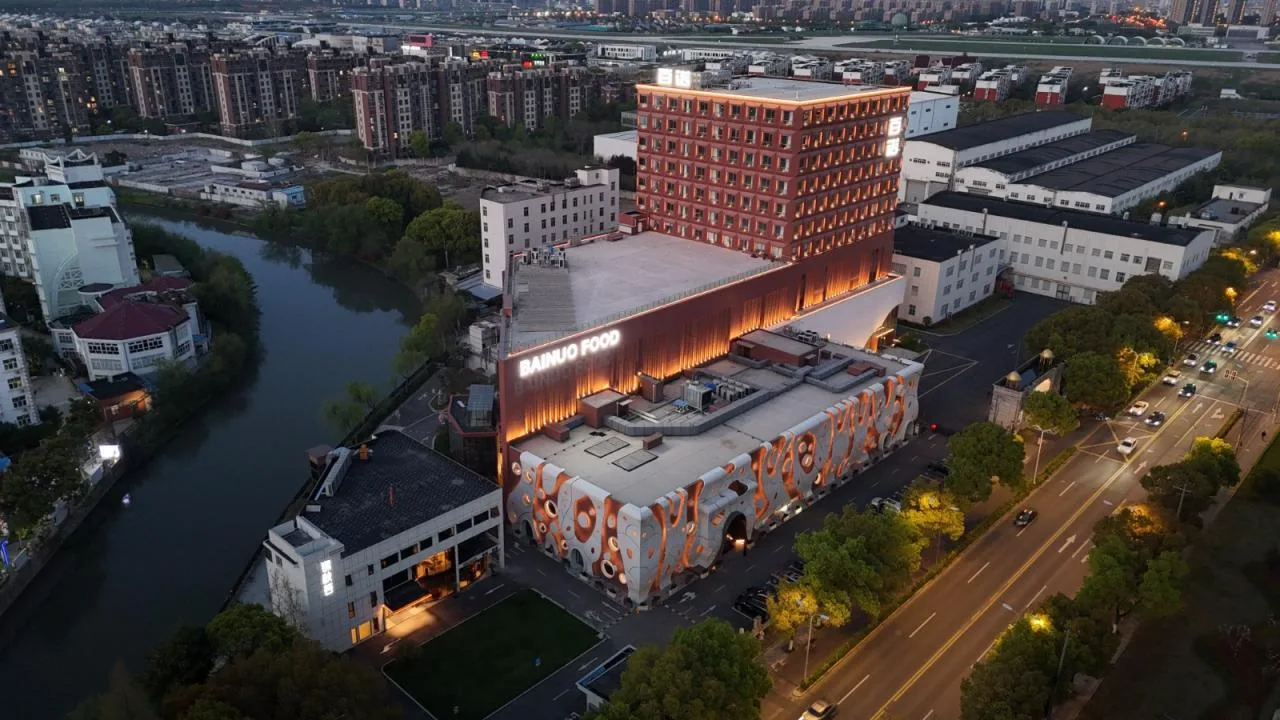
△ Aerial view of the site © Peng Xiaokai and Zhang Yi
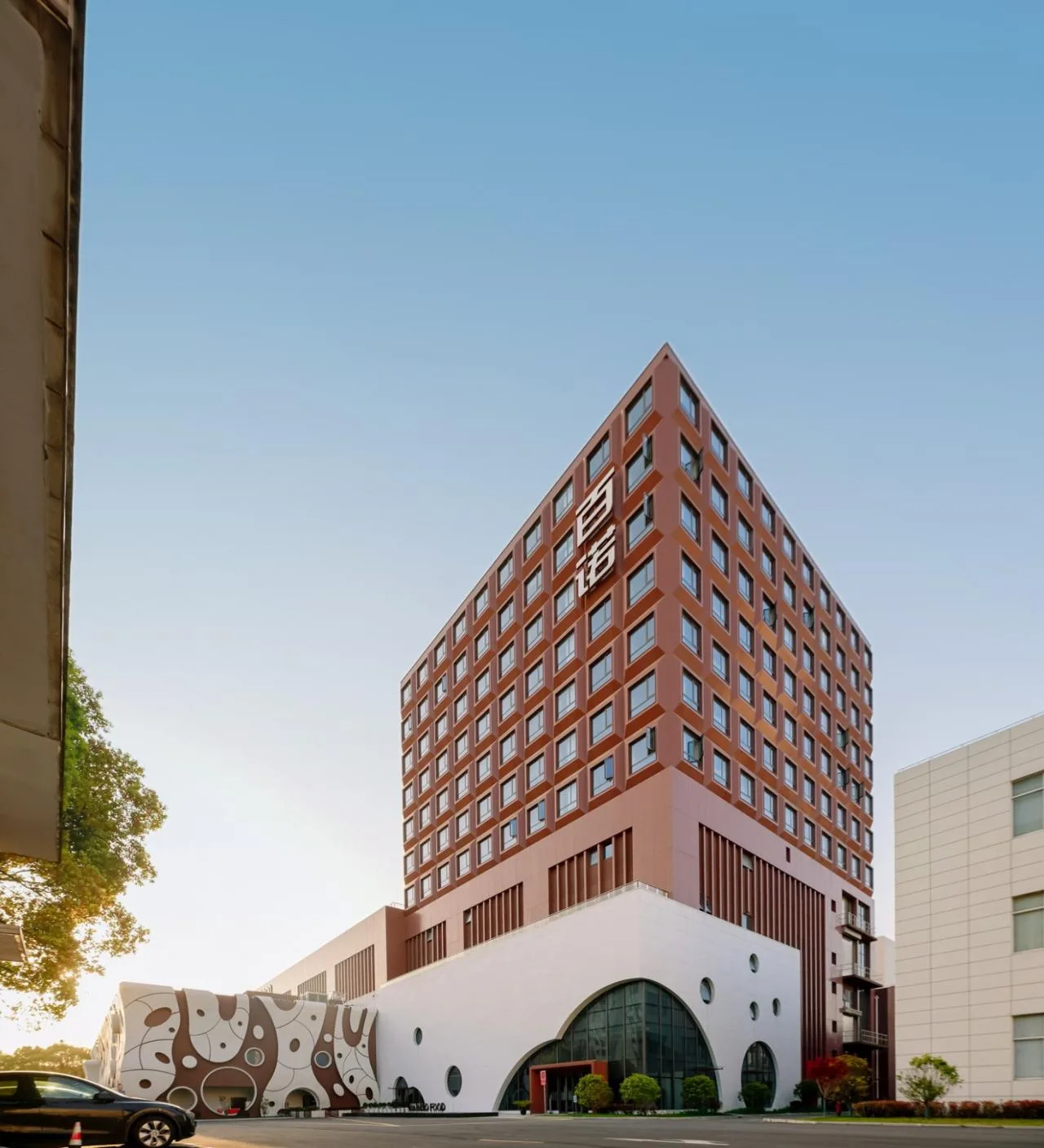
△ Perspective view © Peng Xiaokai and Zhang Yi
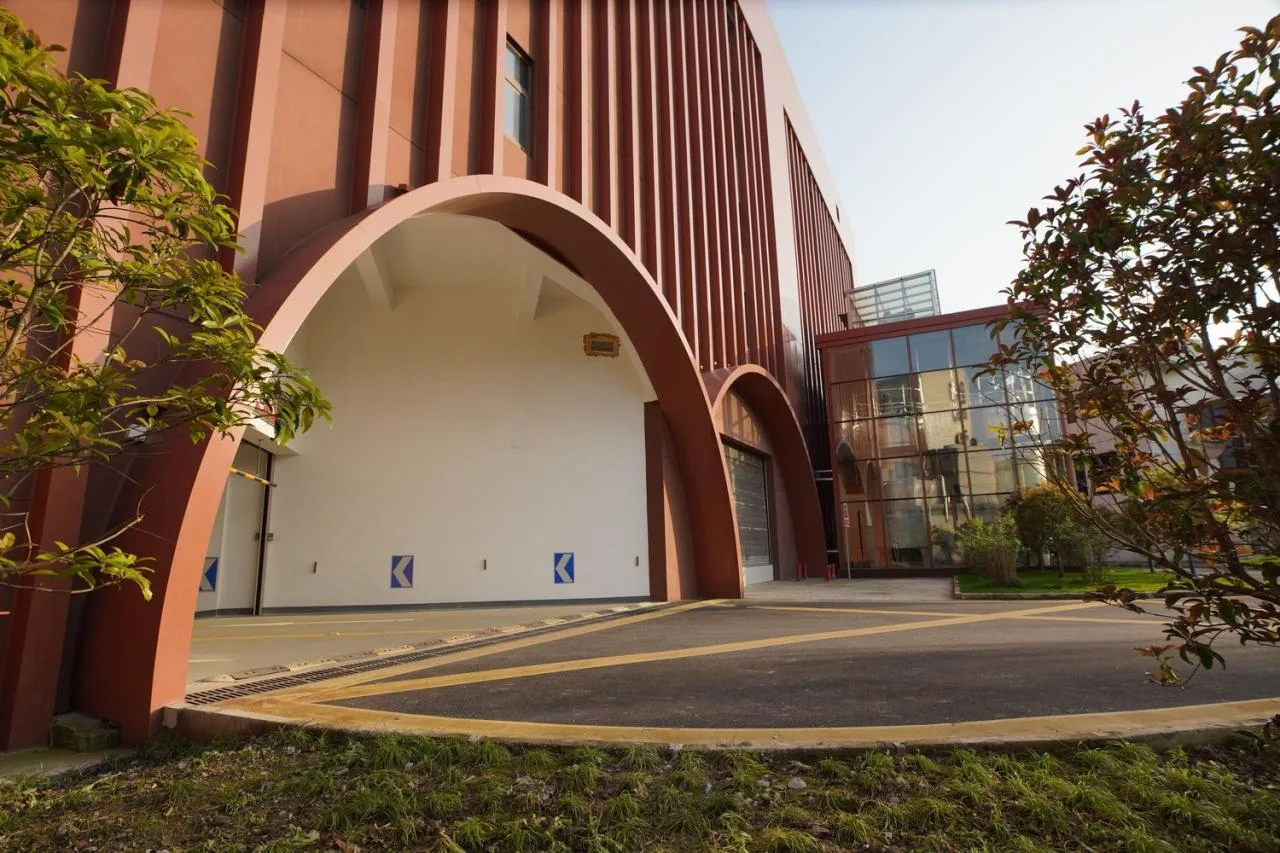
The film “Charlie and the Chocolate Factory,” directed by Tim Burton, delivers a vivid chocolate-themed visual experience. As China’s first chocolate museum and the headquarters of Shanghai’s leading food company Bainuo, the Chocolate Dream Factory Museum is more than a typical urban renewal project—it is a future landmark and a corporate emblem representing the enterprise’s spirit. This renovation perfectly aligns the museum with the chocolate cultural industry.
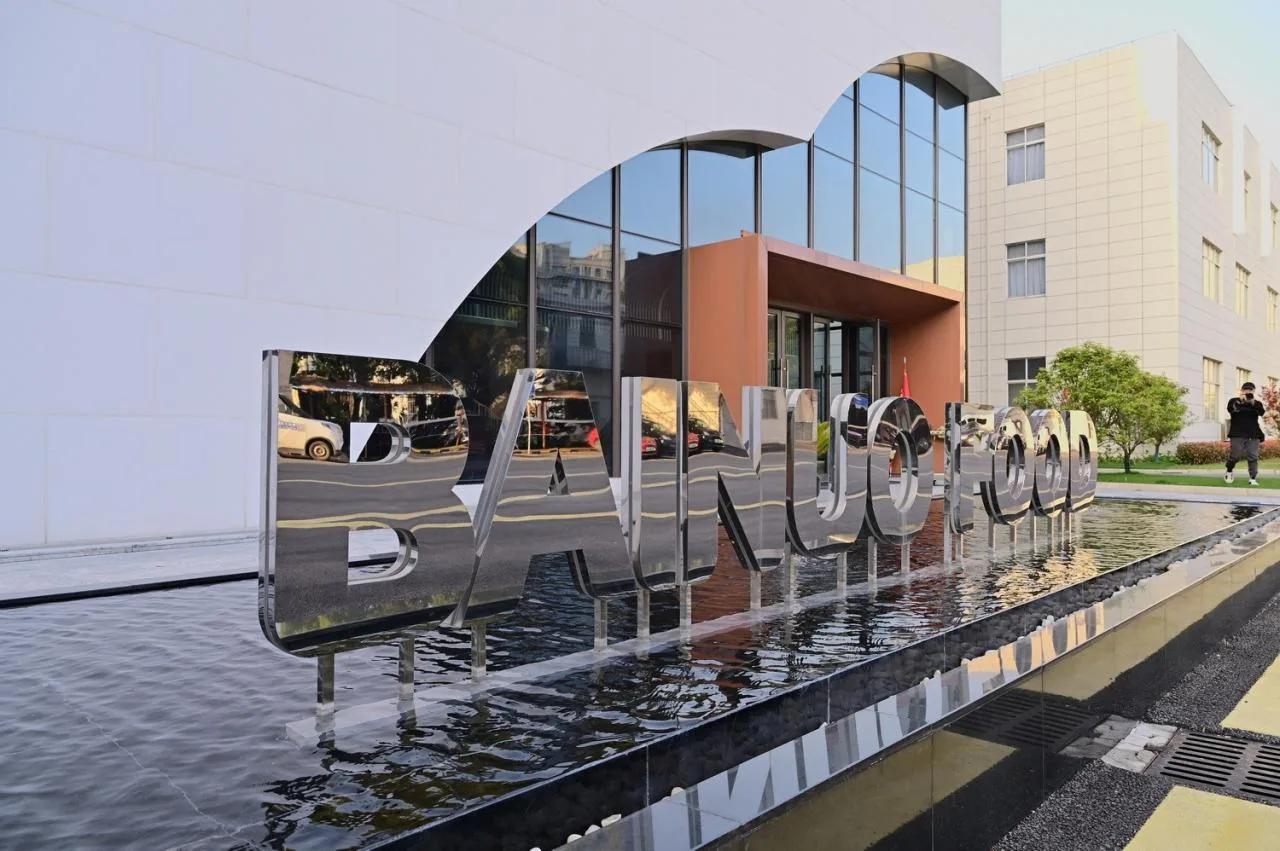
△ Museum entrance © Peng Xiaokai and Zhang Yi
Implementing Industrial Upstairs and Intelligent Manufacturing
(1) Setting a New Benchmark for Enterprise Offices: Advanced R&D and Intelligent Manufacturing Spaces
In line with government initiatives, the project transforms the low-rise factory into a high-rise intelligent building. This upgrade aims to elevate the city’s status and competitiveness, promote quality development, and integrate cultural and creative industries to establish a spiritual and cultural landmark for the city.
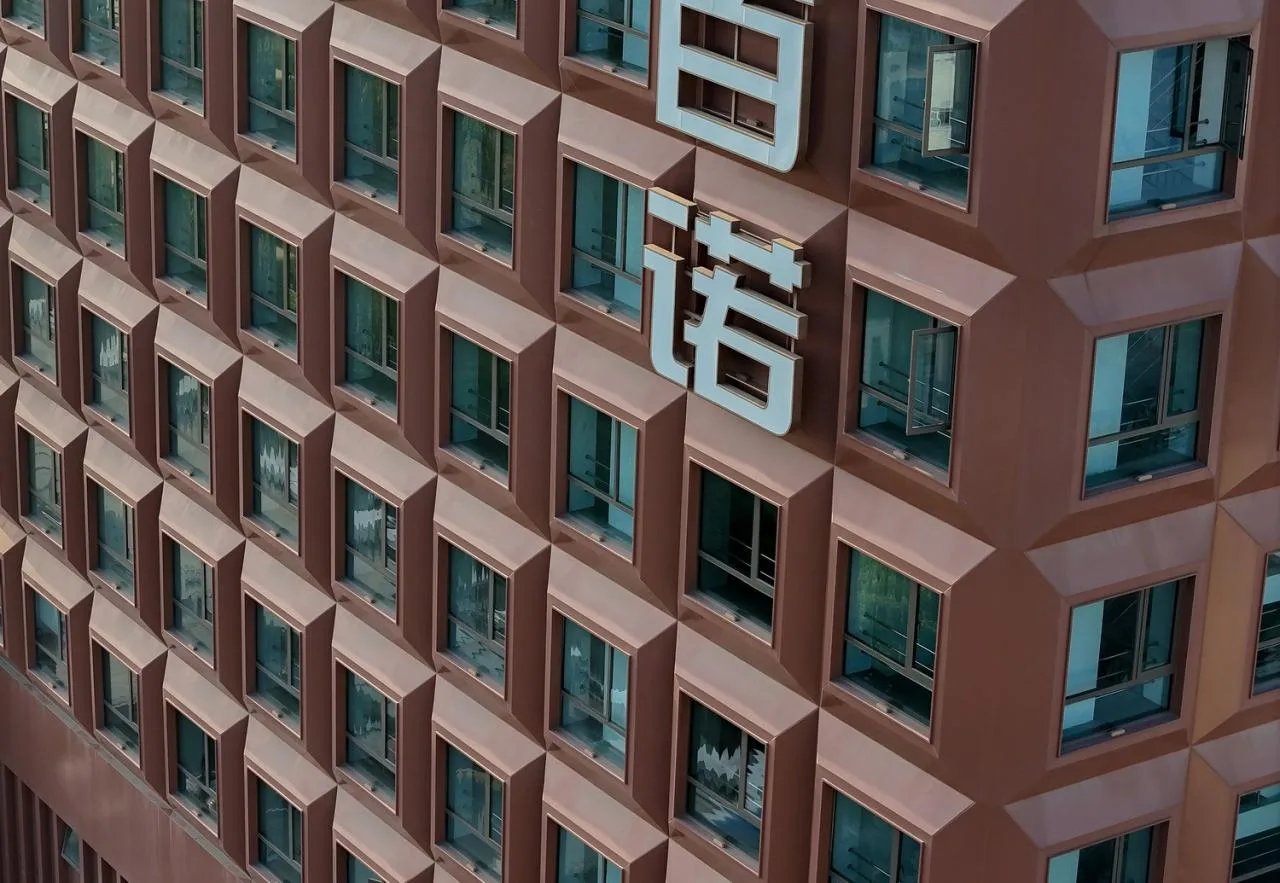
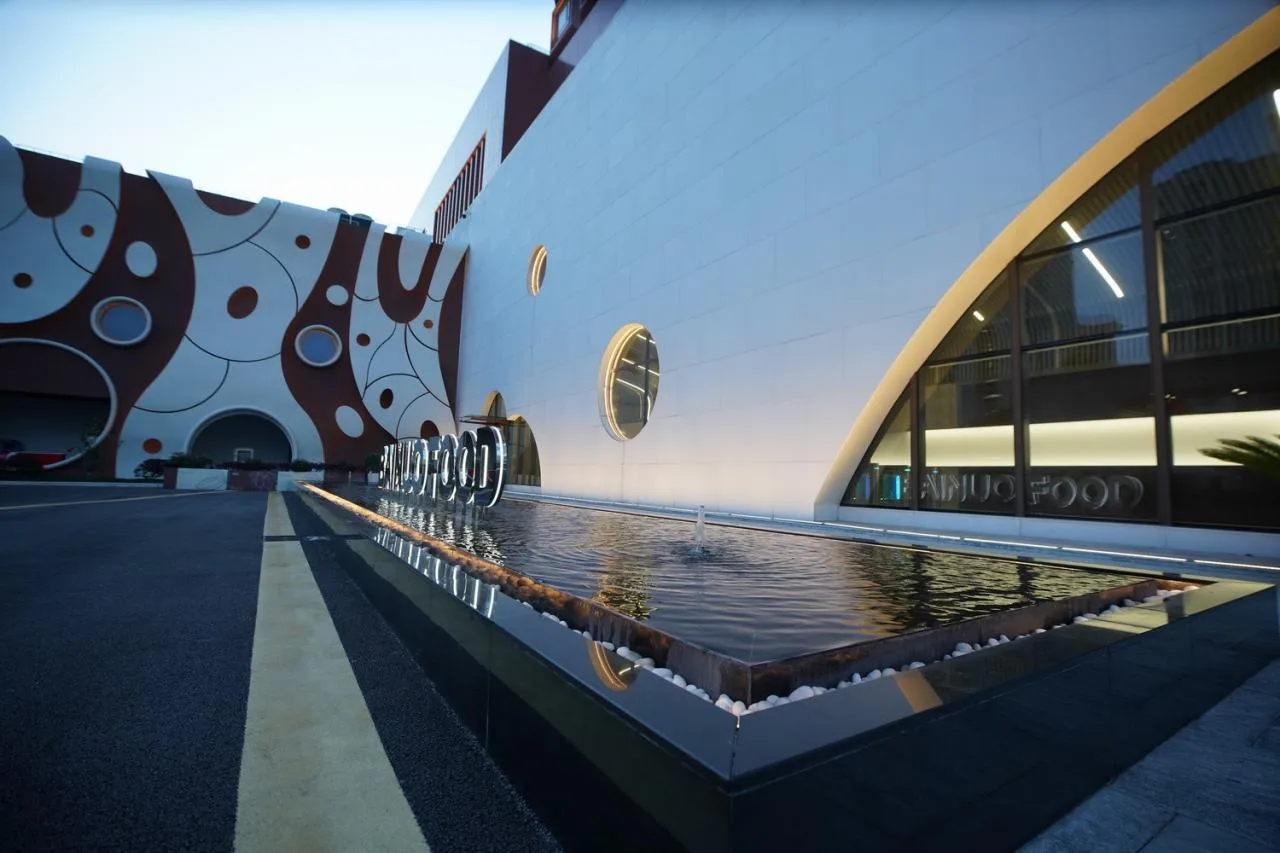
R&D building entrance © Peng Xiaokai and Zhang Yi
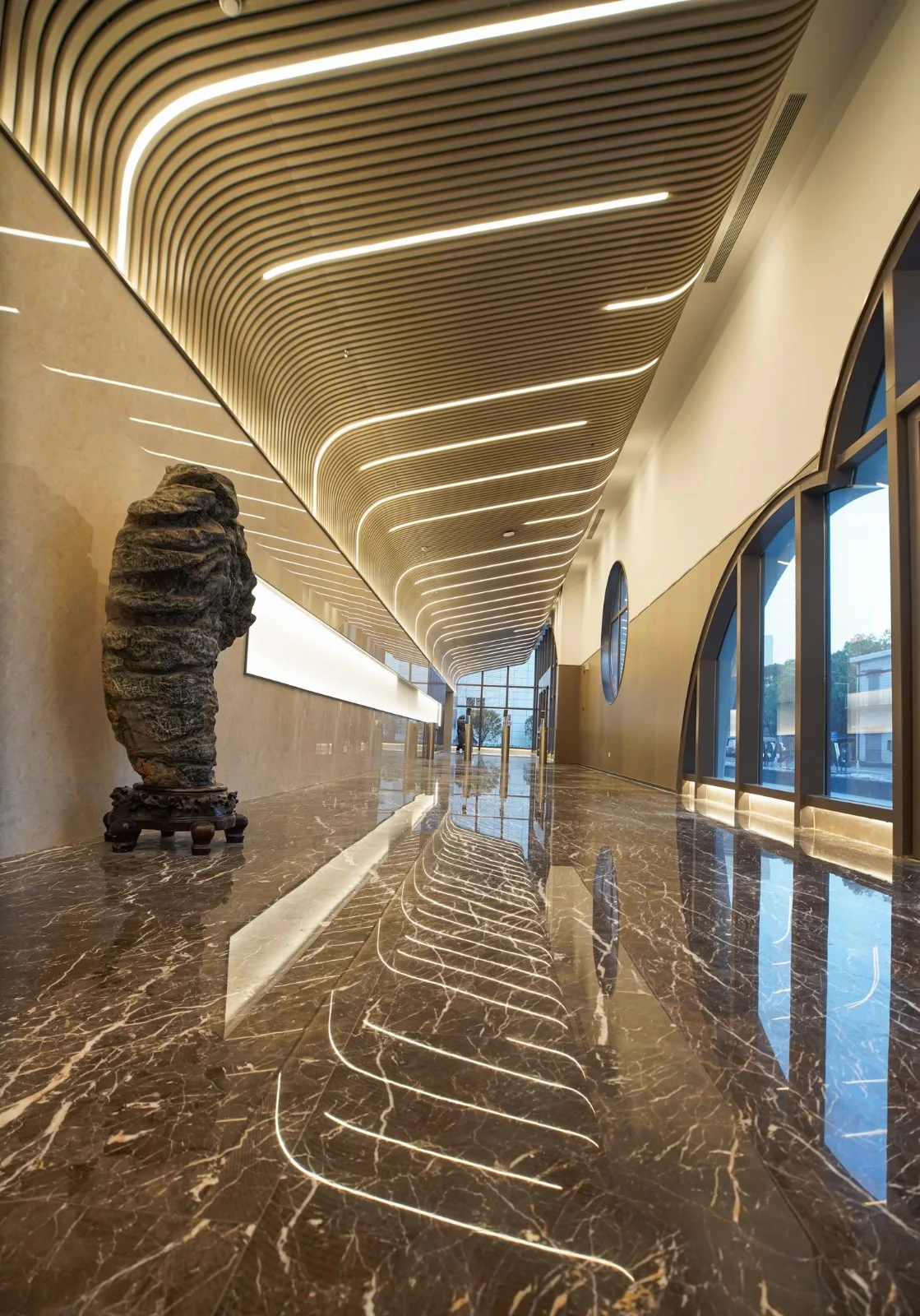
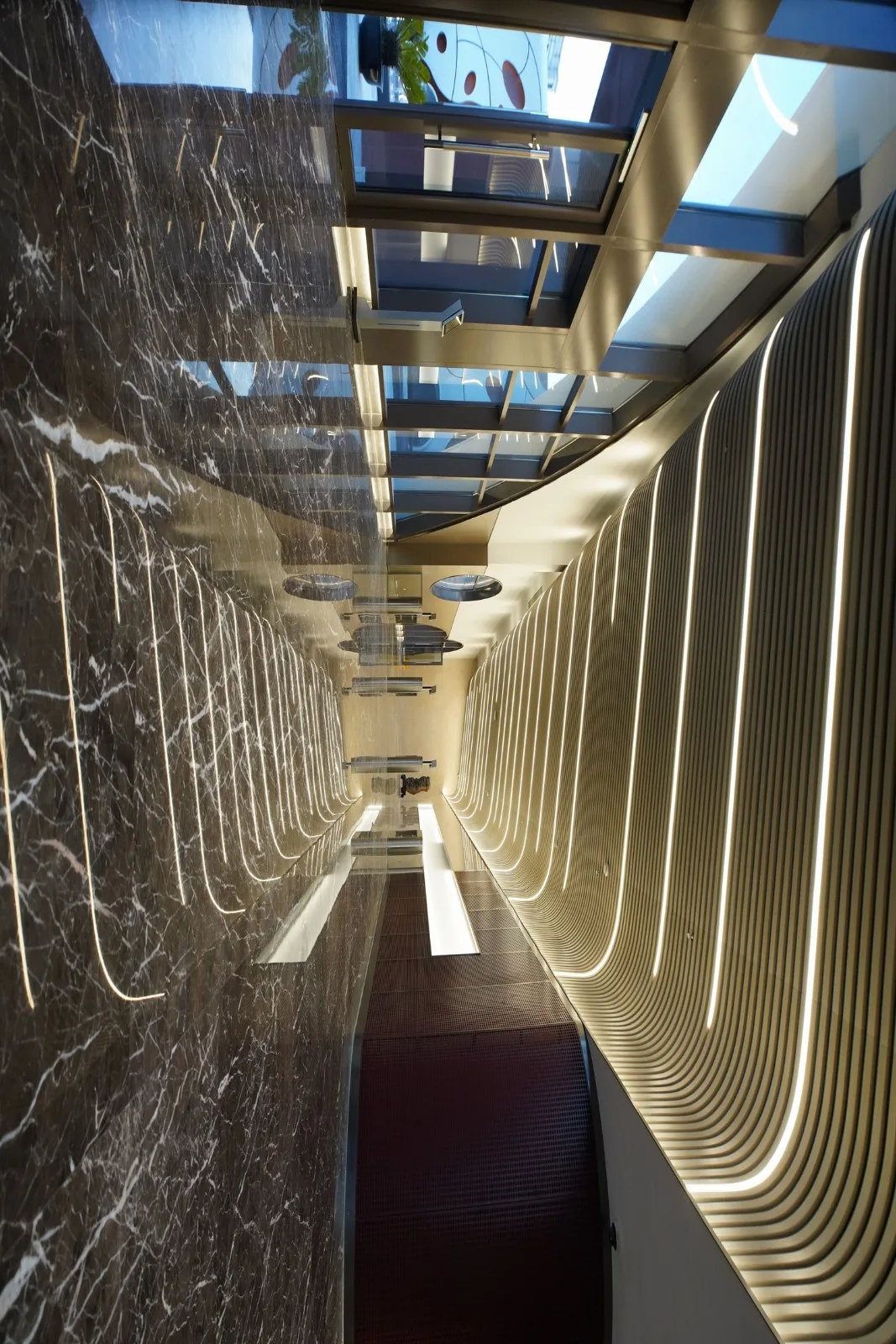
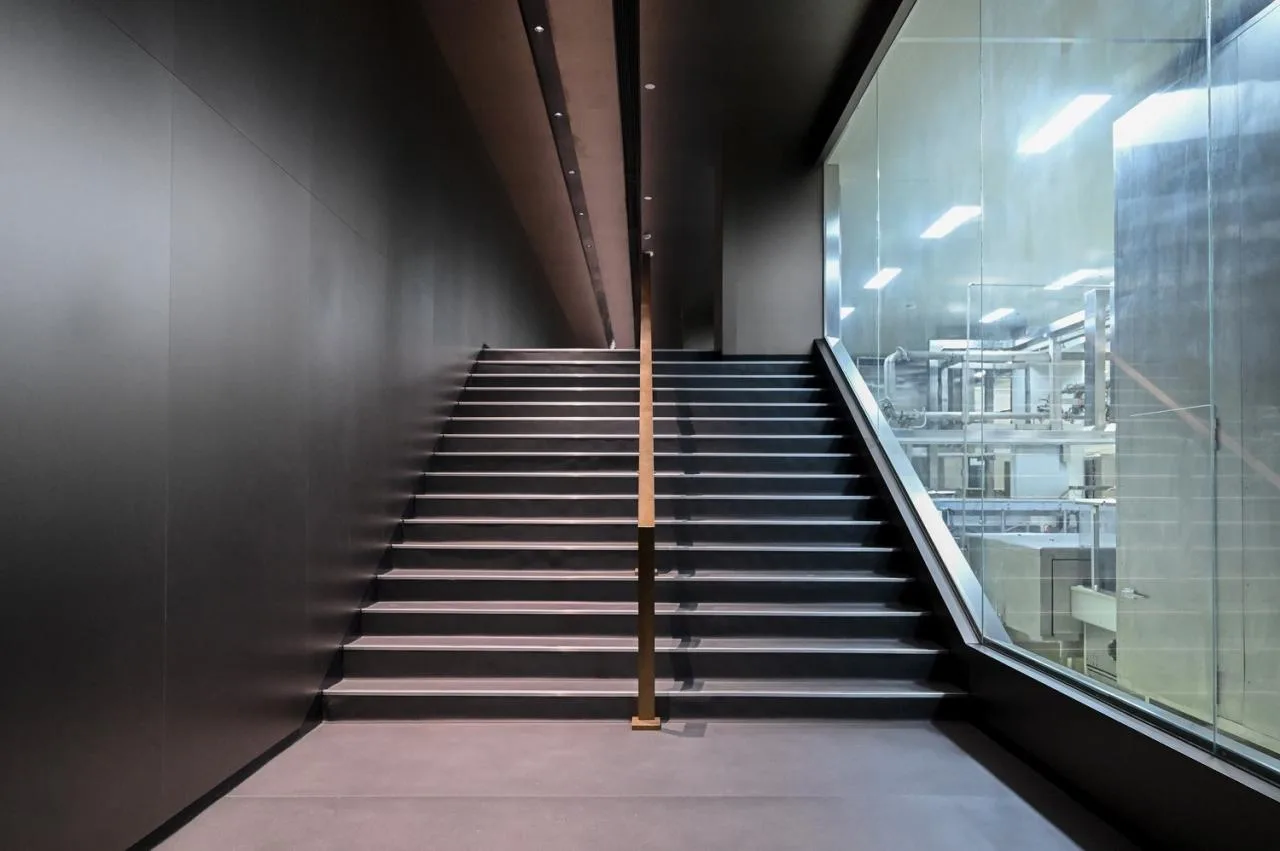
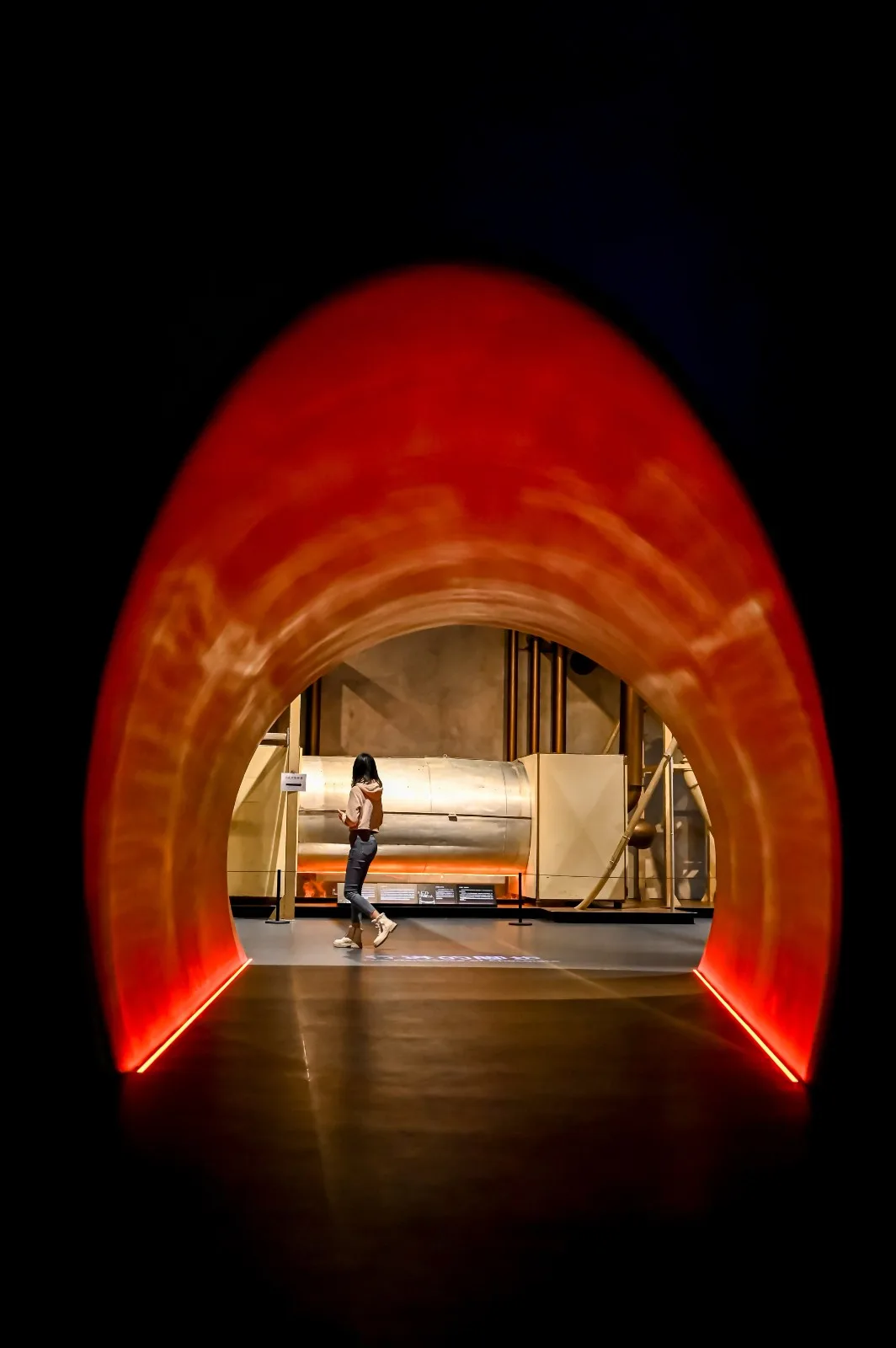
R&D and internal factory spaces © Peng Xiaokai and Zhang Yi
(2) A Multifunctional Urban Complex
The Shanghai Chocolate Dream Factory Museum injects fresh energy into traditional industrial enterprises. It broadens the park’s functions, enhances the chocolate industry chain, and serves as a model for industrial transformation and development. The project improves economic benefits, expands local product and brand influence, and facilitates integration of raw material processing, food manufacturing, and brand marketing with the tertiary industry.
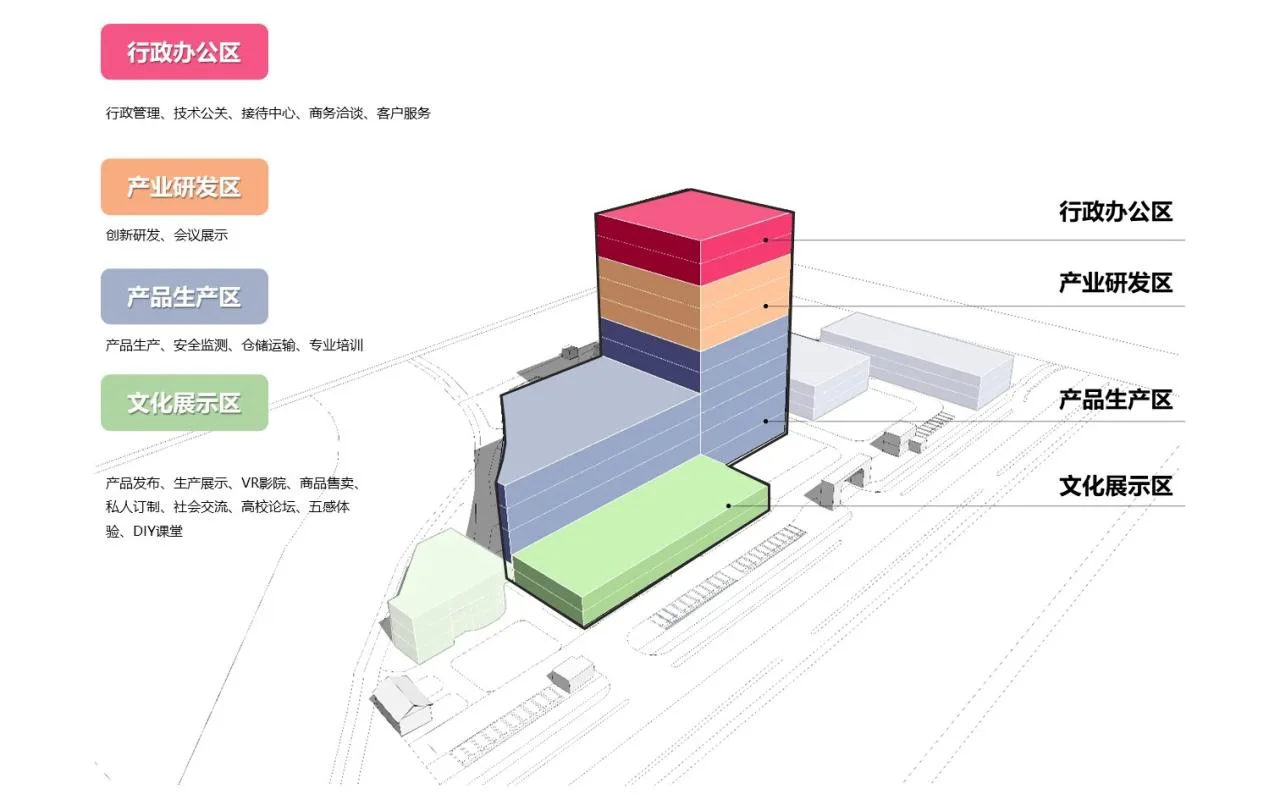
△ Functional zoning diagram © Chuanglin Zebai
Project Information
Project Name: Shanghai Bainuo Chocolate Dream Factory Museum
Designer: Shanghai Chuanglin Architectural Planning and Design Co., Ltd. – Zebai
Chief Creative Designer: He Jia
Project Manager: Zhang Qin
Design Team: Qian Yuxin, Zhang Zemin, Hu Xiaoxia, Chen Hui, Peng Xiaokai
Design & Completion Year: 2020-2022 & 2024
Project Owner: Shanghai Bainuo Food Co., Ltd
Interior Design: Shanghai Shangduan Construction Engineering Co., Ltd
Interior Design Team: Cao Weidong, Yu Haifeng, Sheng Dan, Tao Ruyi
Project Location: Baoshan, Shanghai, China
Building Area: 55,740 square meters
Photography Credits: Peng Xiaokai, Zhang Yi














Must log in before commenting!
Sign Up