
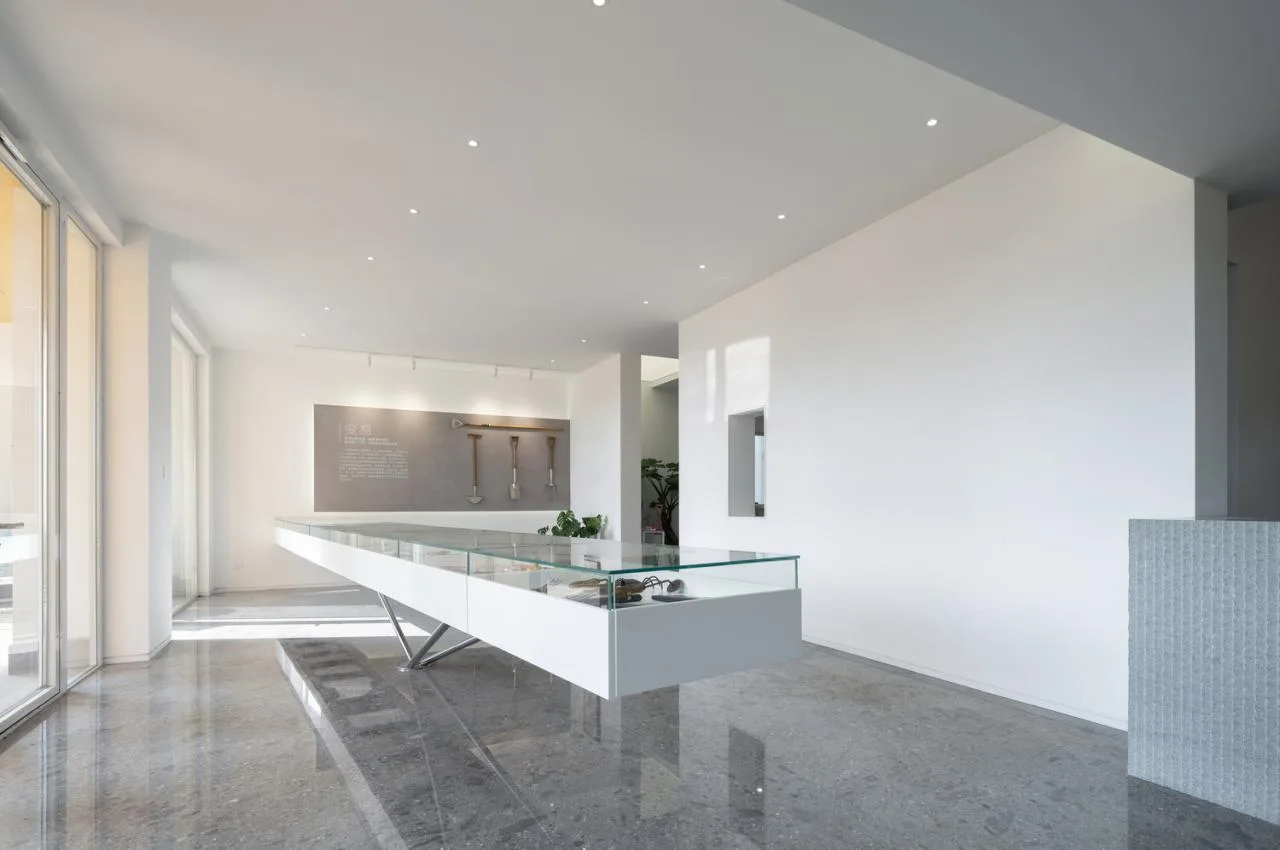
Introduction: As the first exhibition hall in China dedicated to horticultural tools, this museum showcases a dynamic interplay between modern and traditional spaces, highlighting the contrast of eras. The well-organized exhibition sequence immediately immerses visitors in the historical timeline of horticultural tools upon entering.
Gardener’s Tool Museum
The Gardener’s Tool Museum houses a diverse collection of horticultural tools, implements, and literature spanning different periods. It documents the evolution, design, material changes, and technological advancements of horticultural tools across China, Europe, and Japan from the last century to the present day. The museum offers a detailed and engaging exhibition that educates visitors about the rich history behind these tools.
Chronological Layout
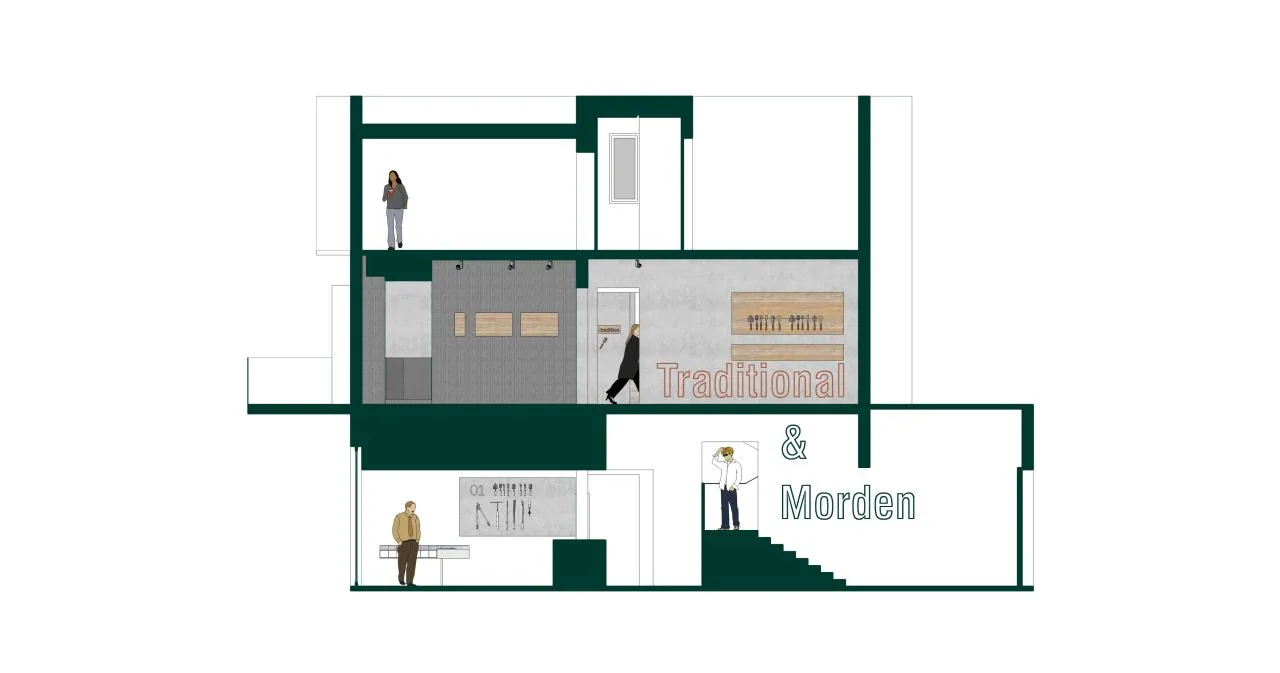
△ Spatial Profile
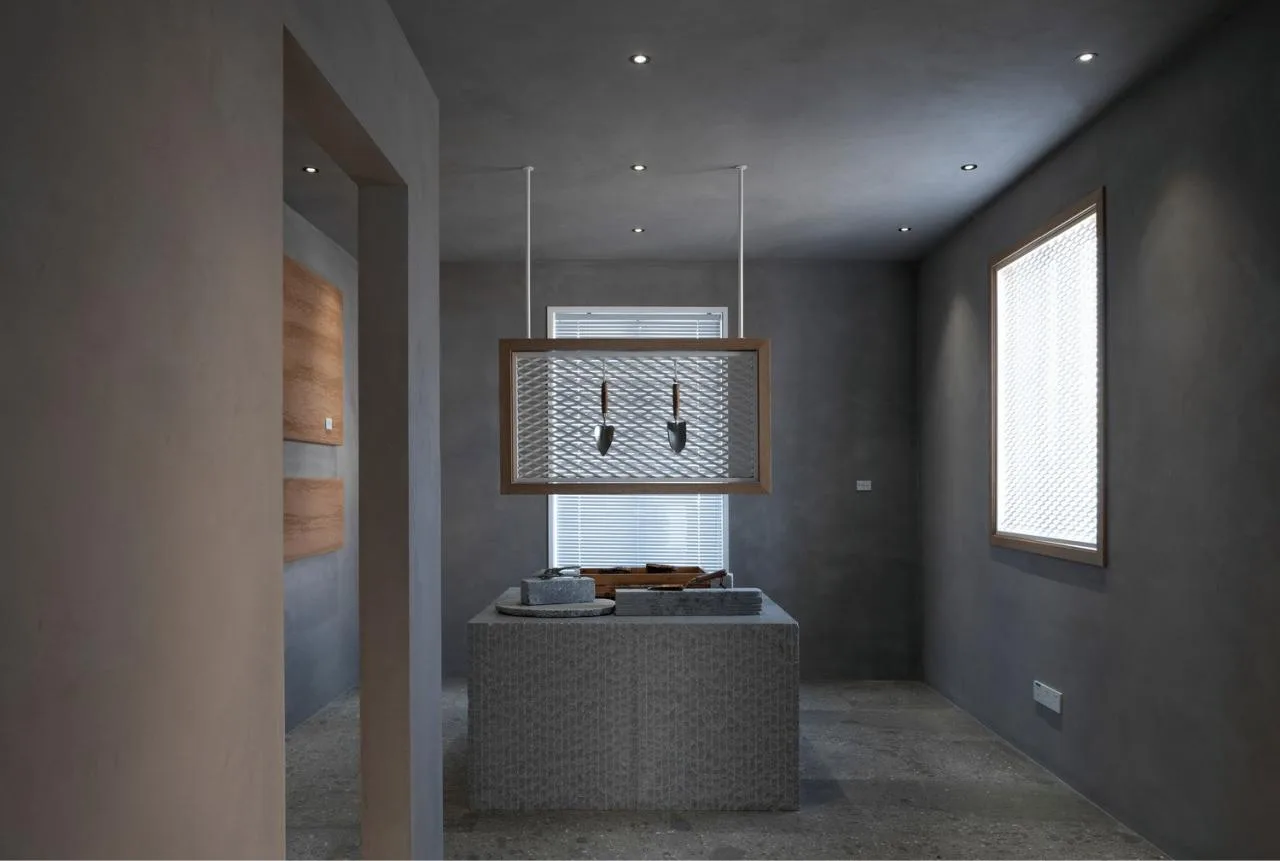
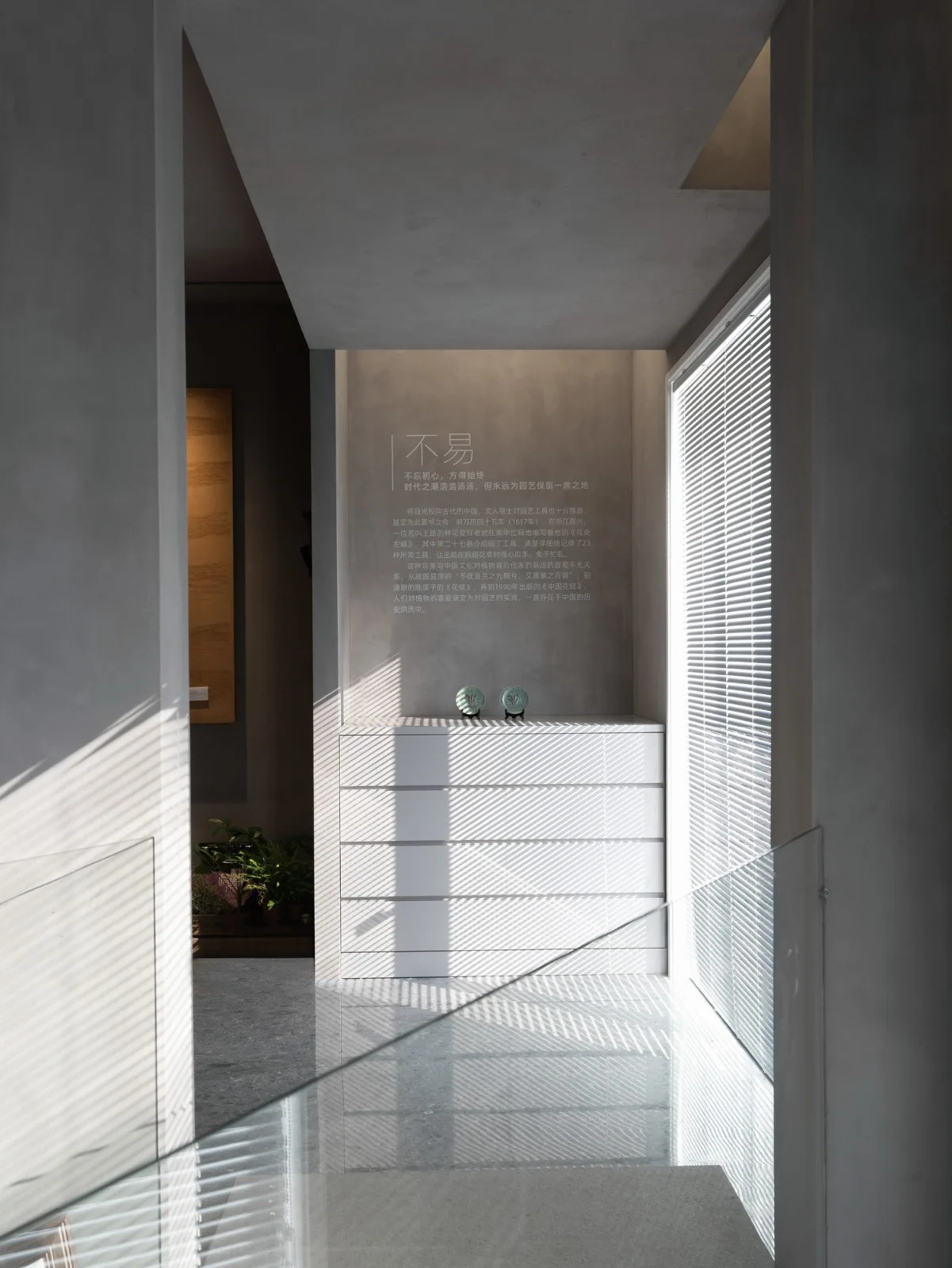
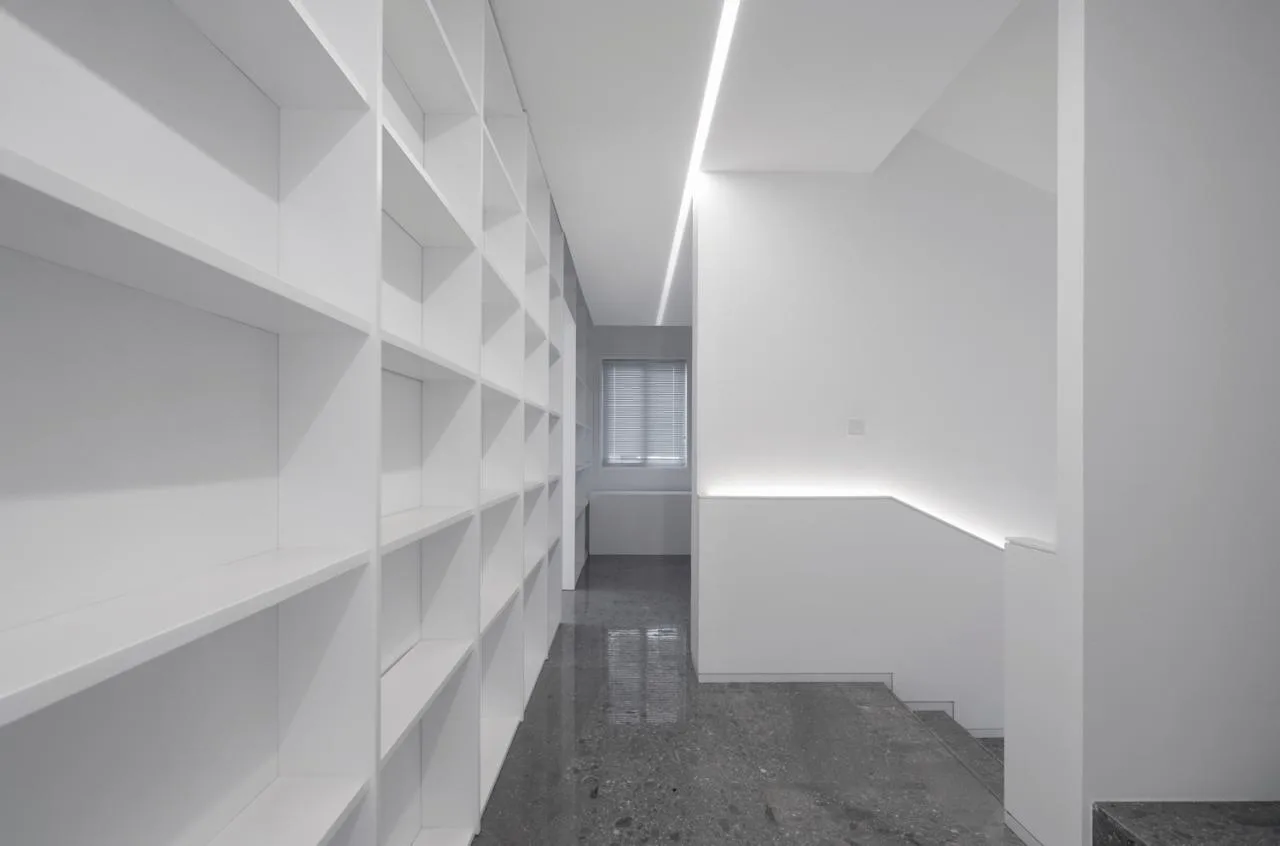
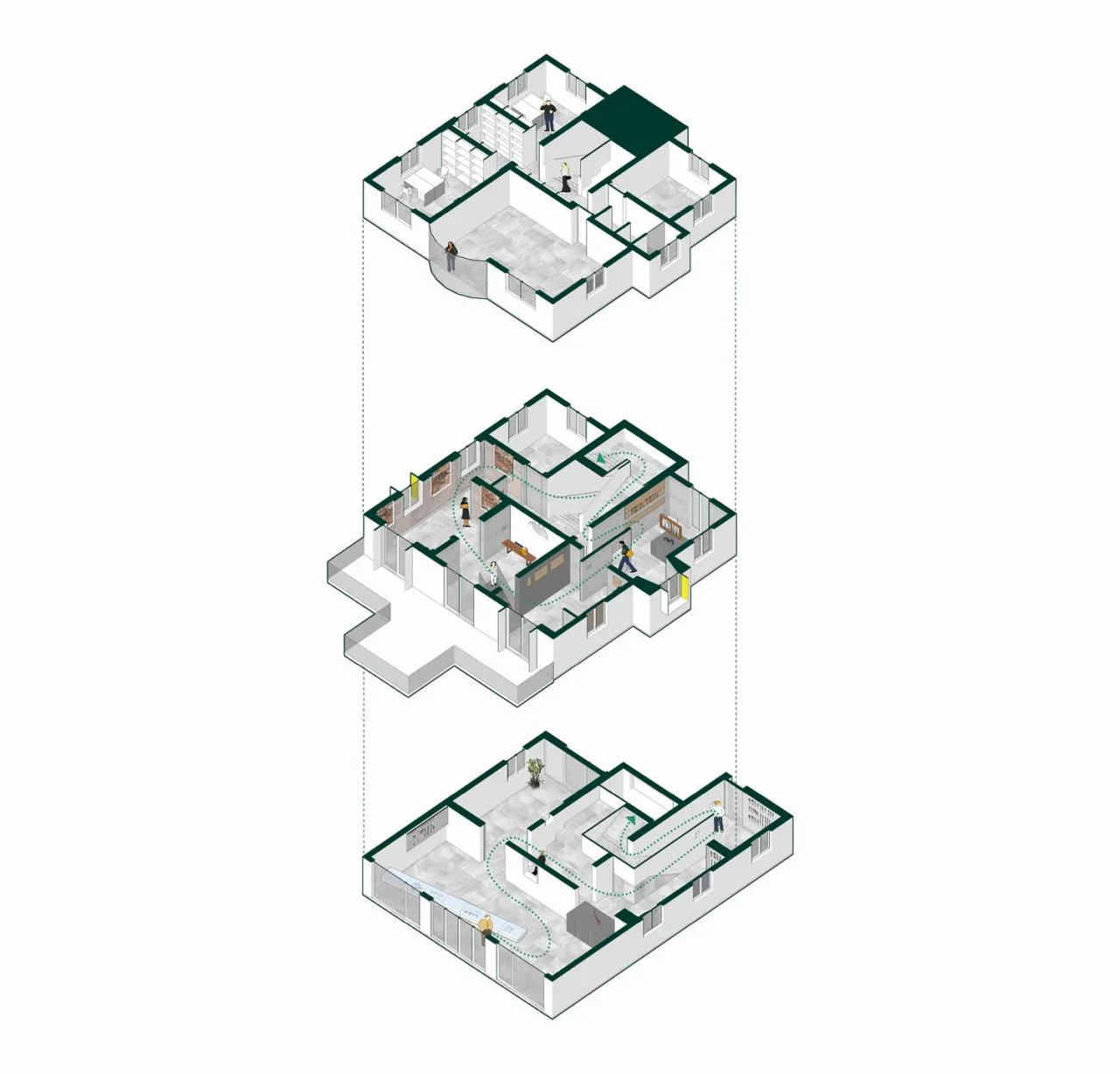
The Horticultural Museum is situated within the Hongyue Horticultural Community Center and showcases gardening tools from various brands, categories, and fields. The exhibition occupies a renovated three-story farmer’s house, with displays organized by floor: the first floor features modern equipment, the second floor highlights traditional tools, and the third floor serves as a data room and management area.
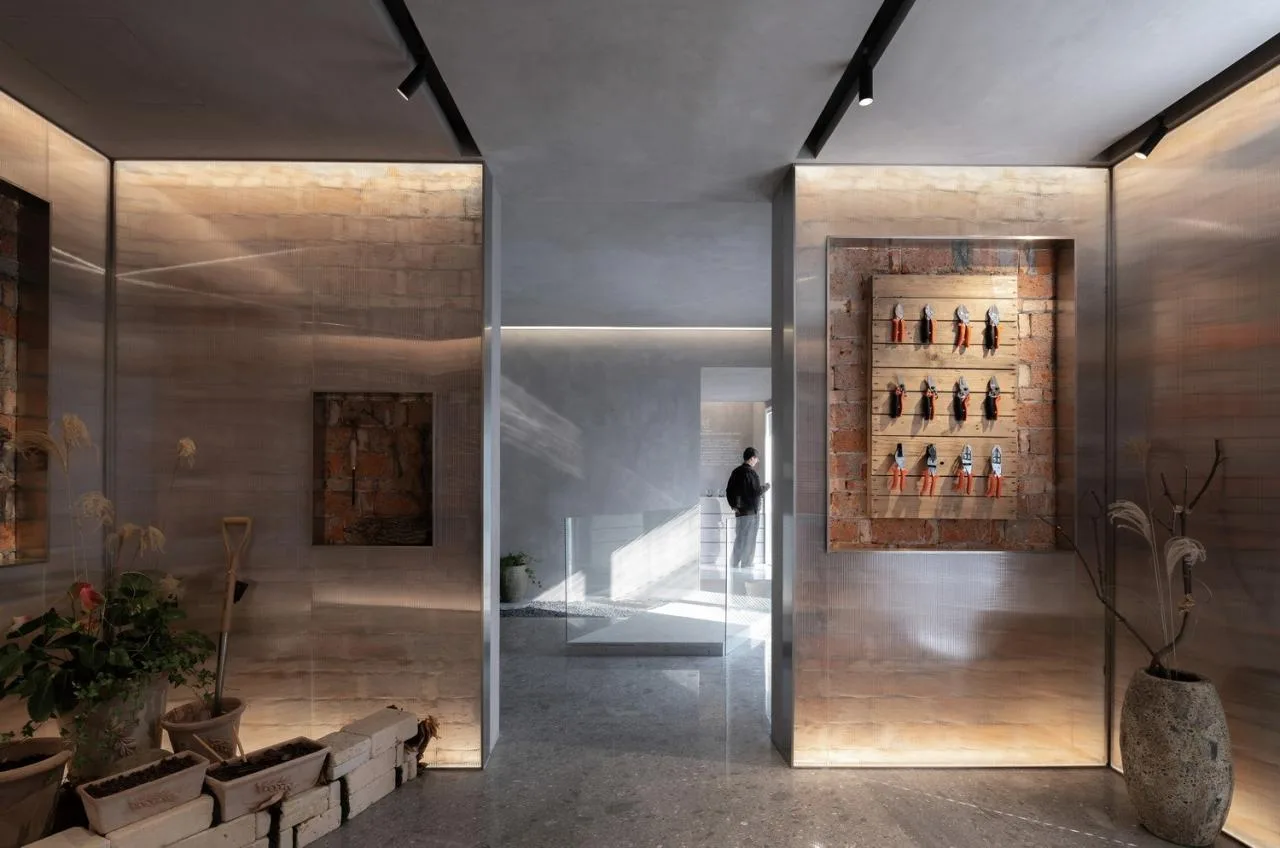
On the ground floor, visitors enter directly from the outdoor garden, blending the building’s surroundings with contemporary lifestyles. The second floor offers a stark visual contrast with darker tones, natural materials, and traditional design elements, evoking a classic horticultural ambiance. The third floor adopts a minimalist approach, dividing the space with bookshelves to create a unified data and research environment.
This transition between modern and traditional settings creates a compelling temporal contrast throughout the exhibition, enhancing the thematic experience in each area.
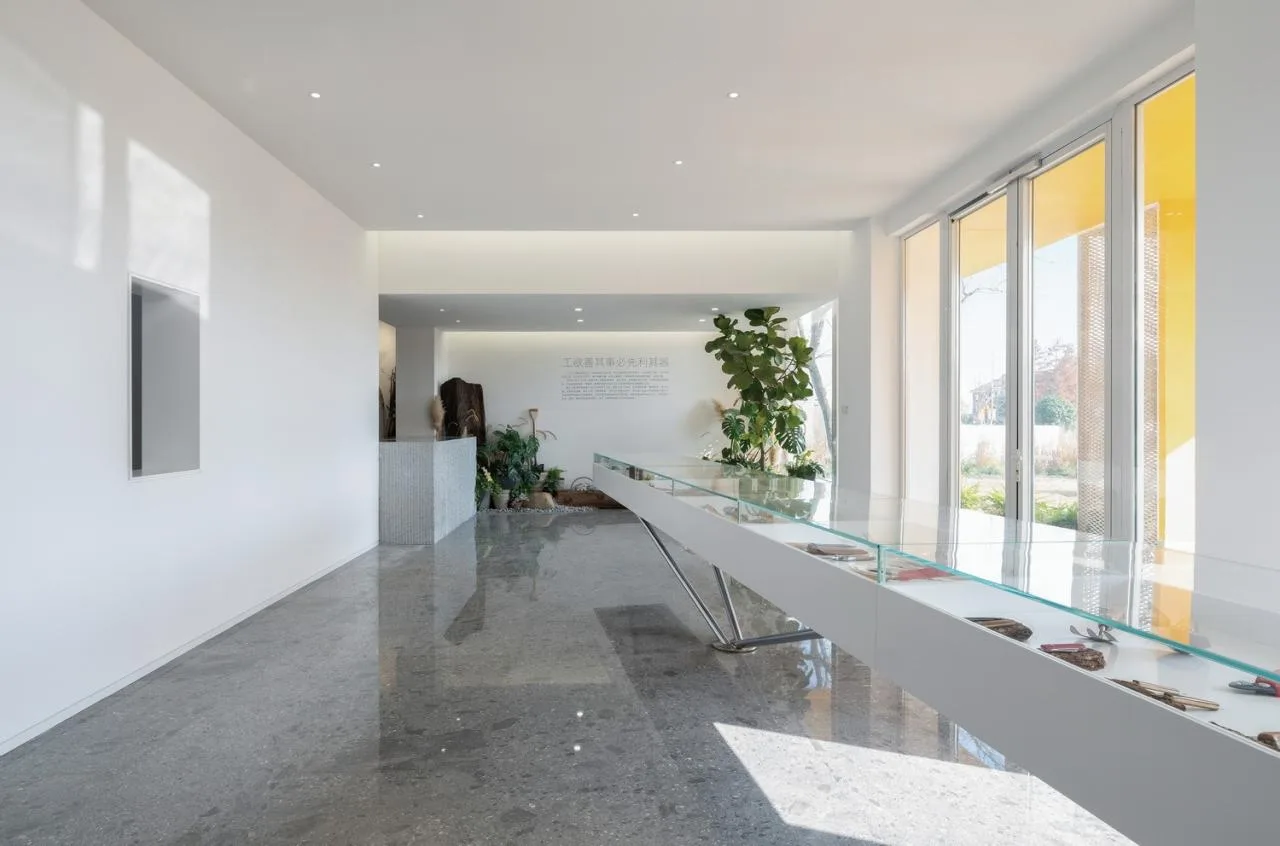
△ First Floor · Modern Exhibition Hall
△ Second Floor · Traditional Exhibition Hall
△ Third Floor · Data Room
Narrative Space
△ Spatial Narrative
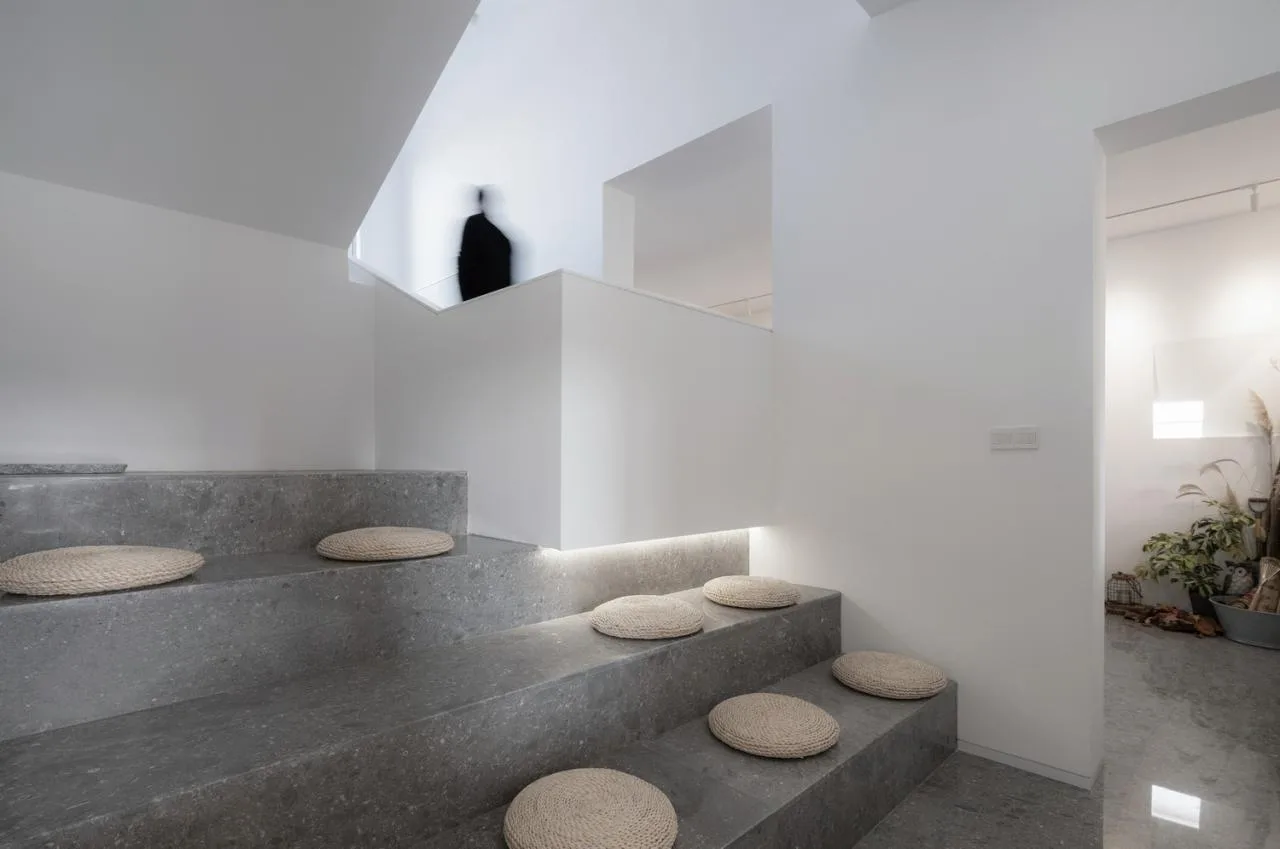
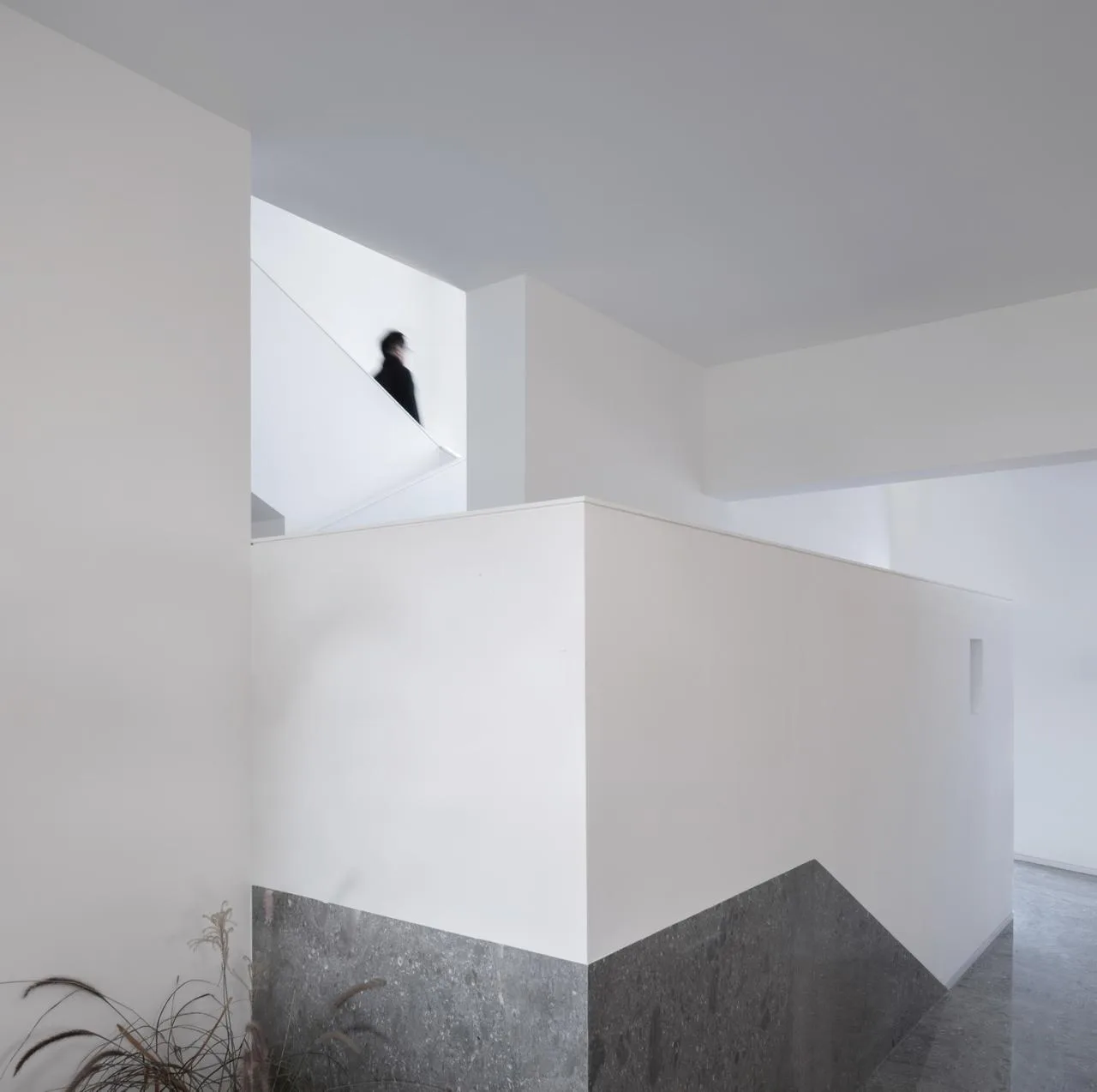
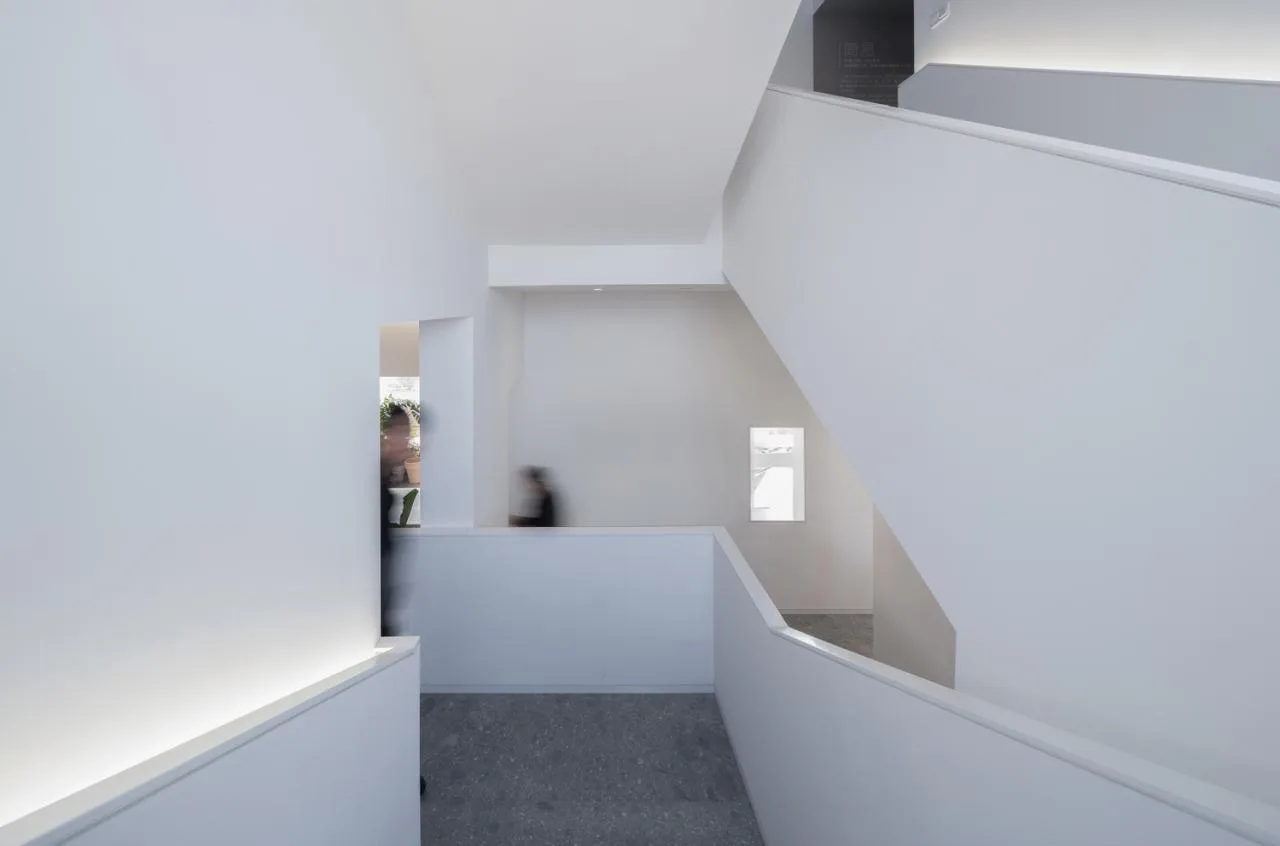
The farmer’s house layout is largely symmetrical, with a central staircase that restricts openness and flow within the exhibition space. To enhance visitor experience, the exhibition sequence has been carefully arranged for smooth navigation. By restructuring partition walls and renovating the stairwell, the once rigid and symmetrical layout has been transformed into a more fluid and open space.
Additionally, the bar counter at the entrance helps organize the visitor flow, guiding guests into the historical narrative of gardening tools from the moment they enter, encouraging exploration and engagement throughout the exhibition.
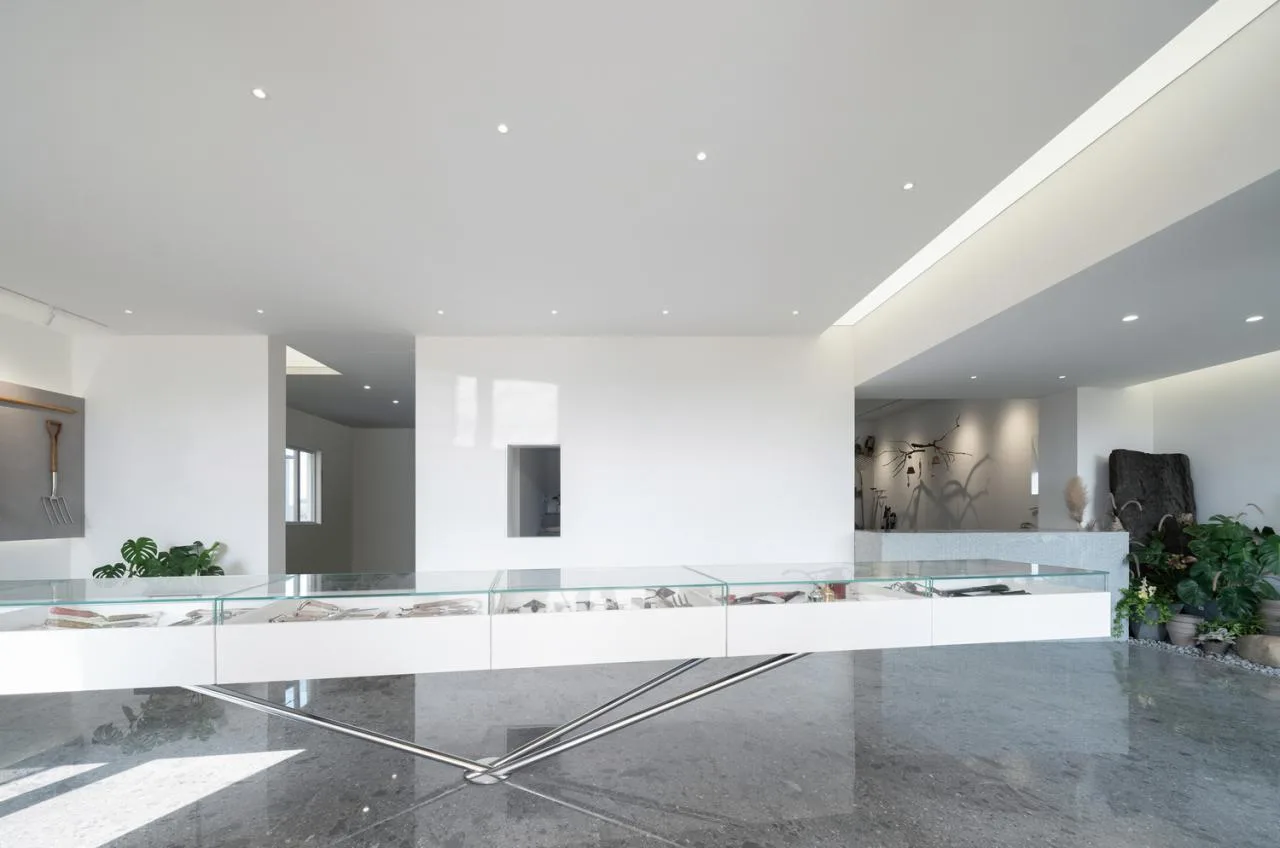
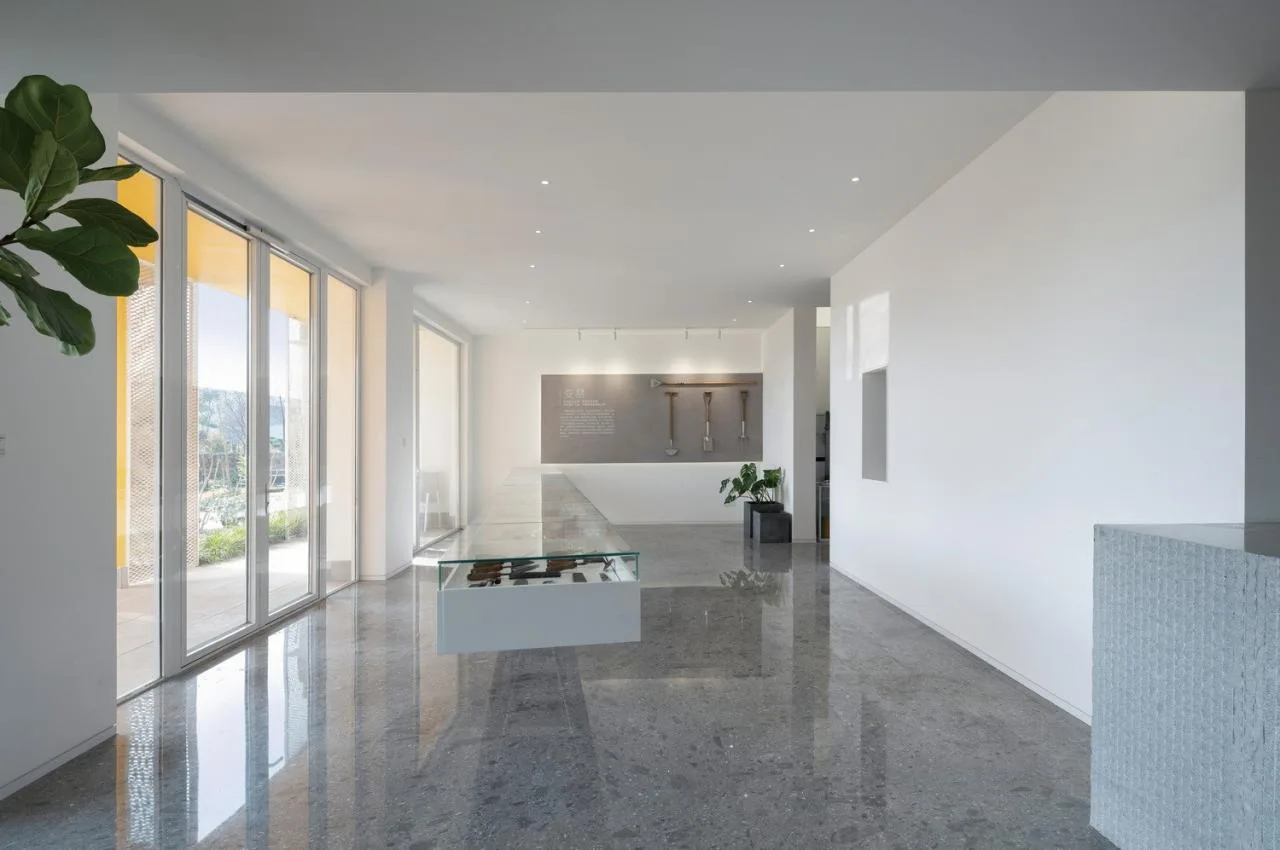
The entrance booth divides the space and directs visitor pathways
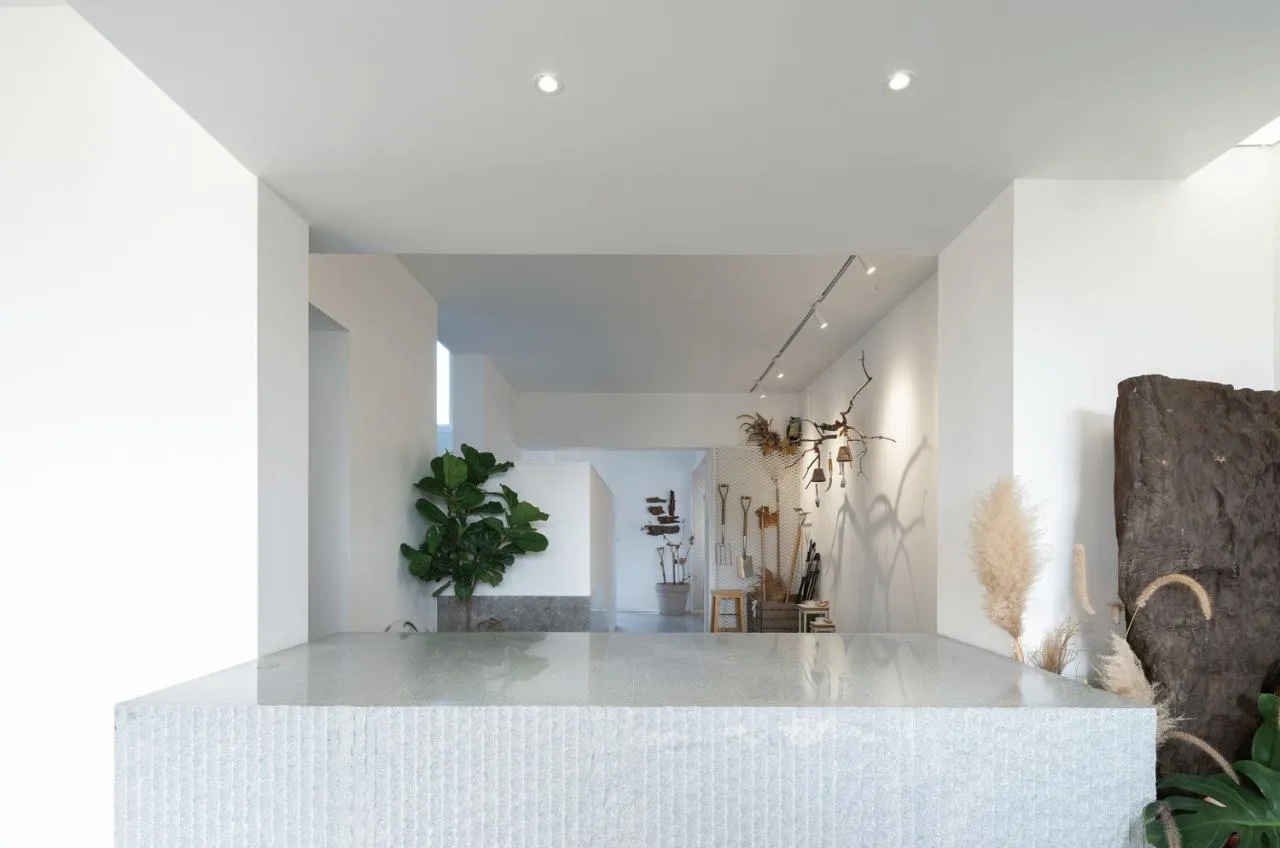
△ Levels at the Entrance
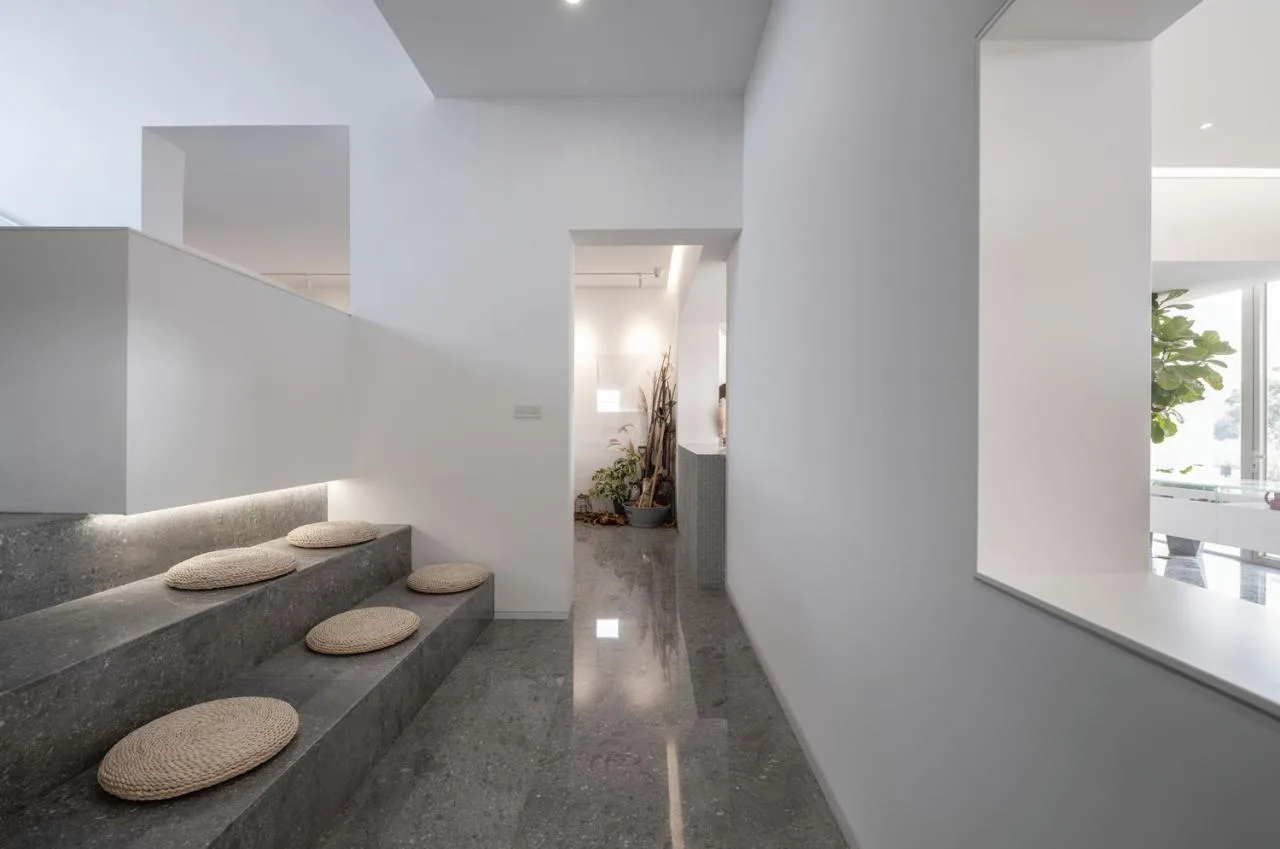
The previously enclosed staircase now integrates into the exhibition space
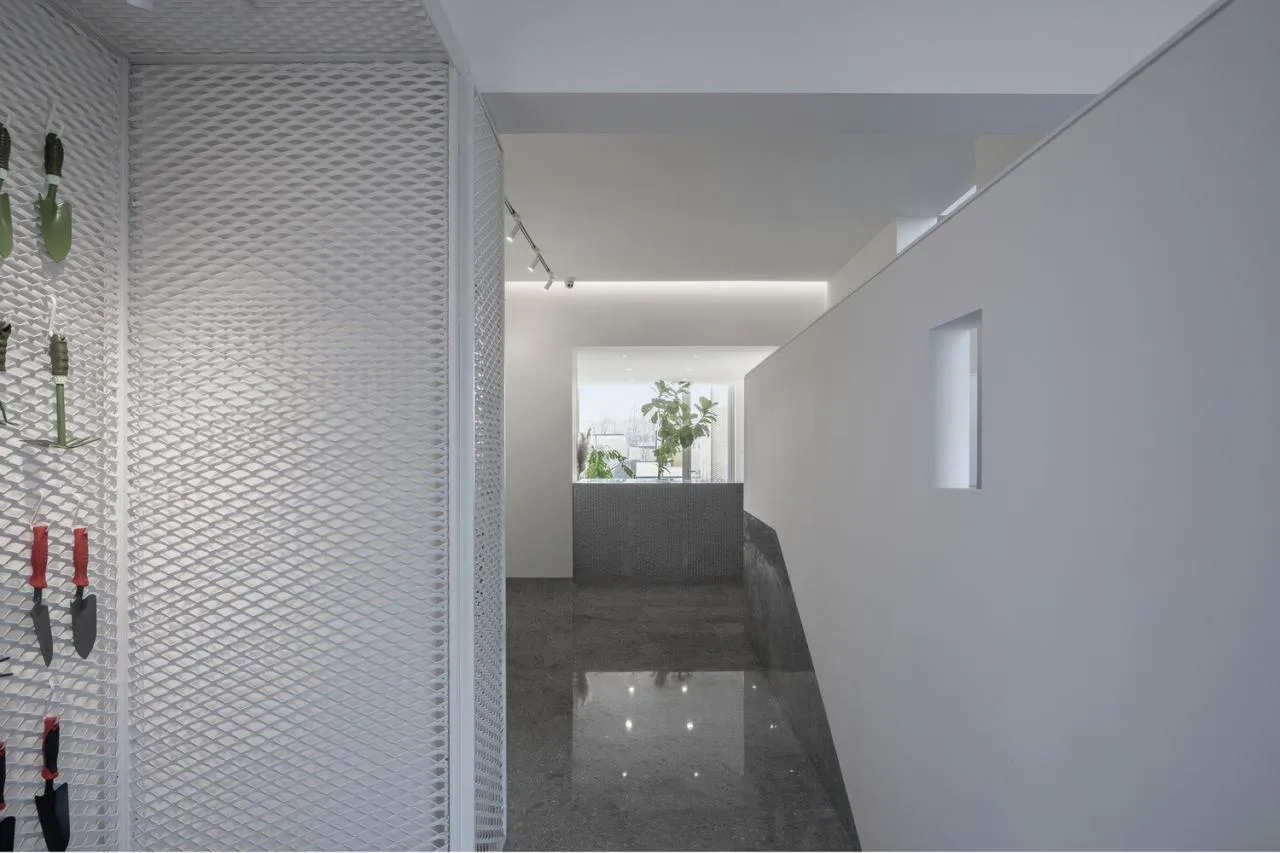
△ Ongoing Exhibition Experience
Renovating the stairwell was crucial to reorganizing the spatial layout. This change not only improved the exhibition flow but also enhanced spatial depth. The newly introduced folding path breaks up the previously closed-off staircase area, transforming it from a mere passageway into an active display zone, enriching the visitor’s overall experience.
Small Garden
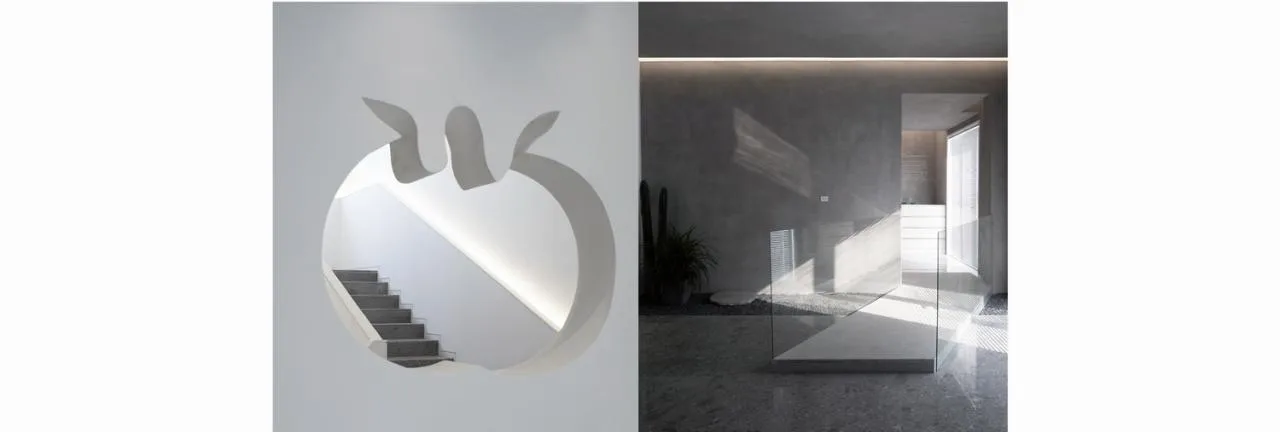
Extracting garden elements to showcase its charm
China’s horticultural tradition dates back to ancient times, with records of facility horticulture from the Qin and Han dynasties. The Wanli period’s “Left Compilation of Flower History” details the intricate folk horticultural tools of the era, including flower shears, wooden spoons, clam shells, and planting knives. This list of over 20 tool types reflects the lifestyle of Ming dynasty literati in their gardens.
The traditional exhibition area draws inspiration from garden elements, layering features like flower windows, dry streams, bridges, and pavilions to create an intimate, handcrafted garden atmosphere. This design introduces rhythmic variation along the visitor’s journey.
Compared to the modern exhibition space, this area utilizes more textured materials: exposed old bricks, common garden sun panels, and mud-plastered walls, all contributing to an immersive, scenic experience.
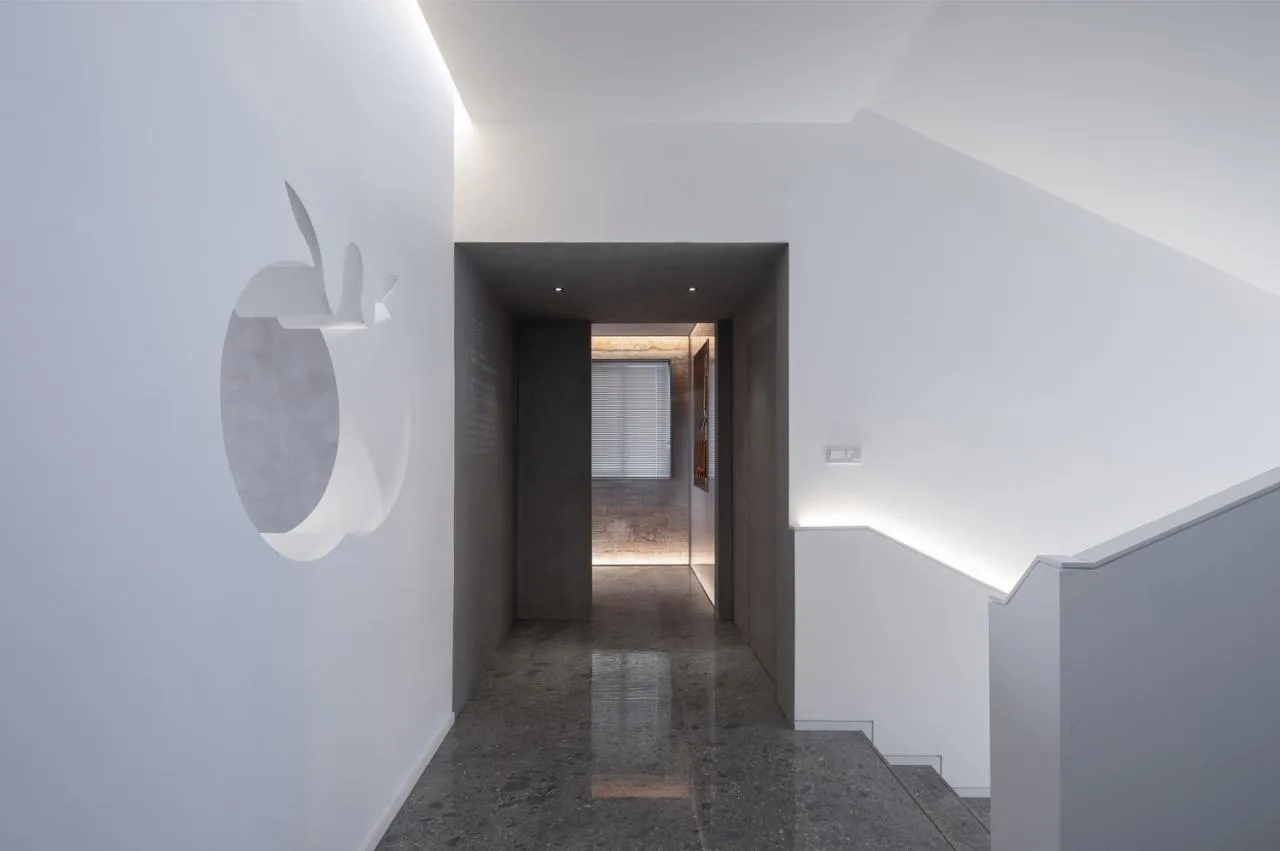
△ “Entering the Park”
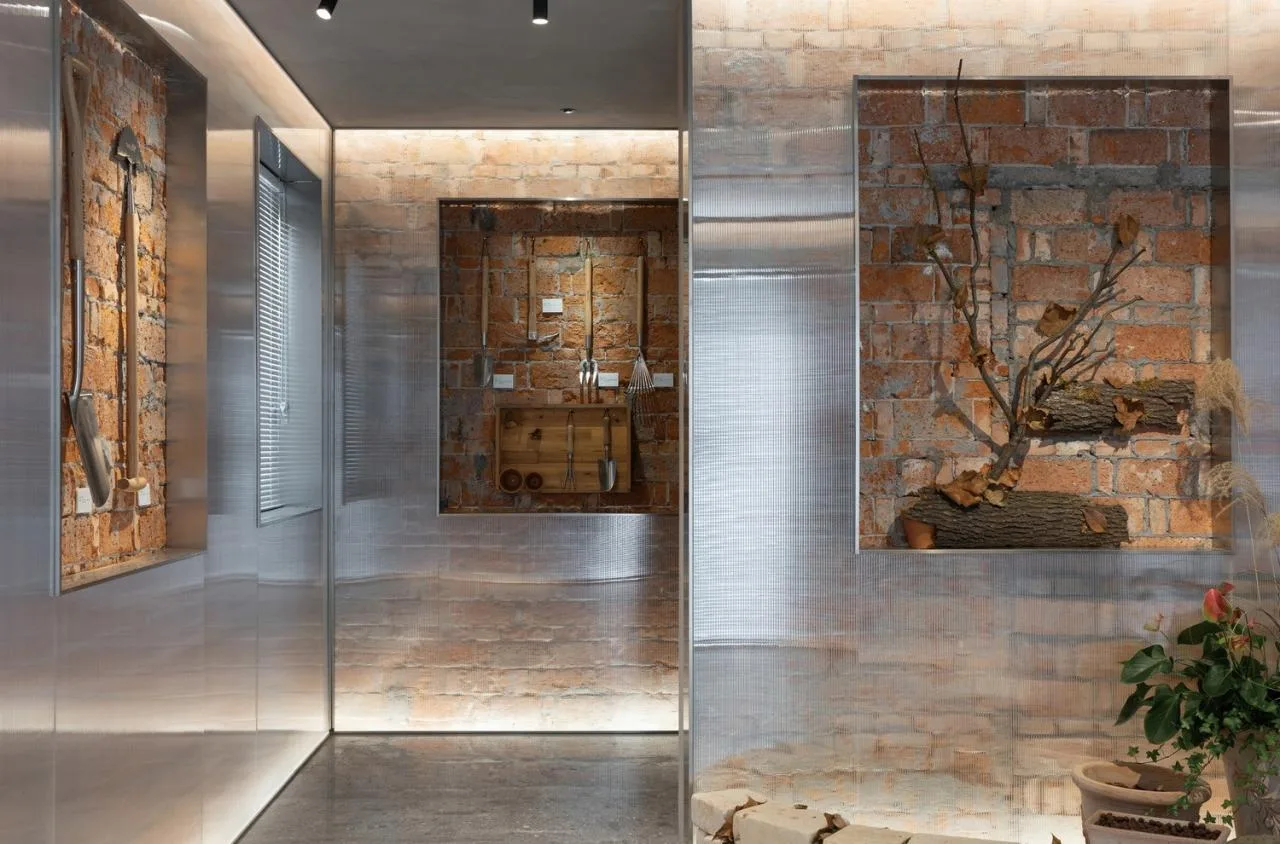
The weathered original walls and typical gardening materials
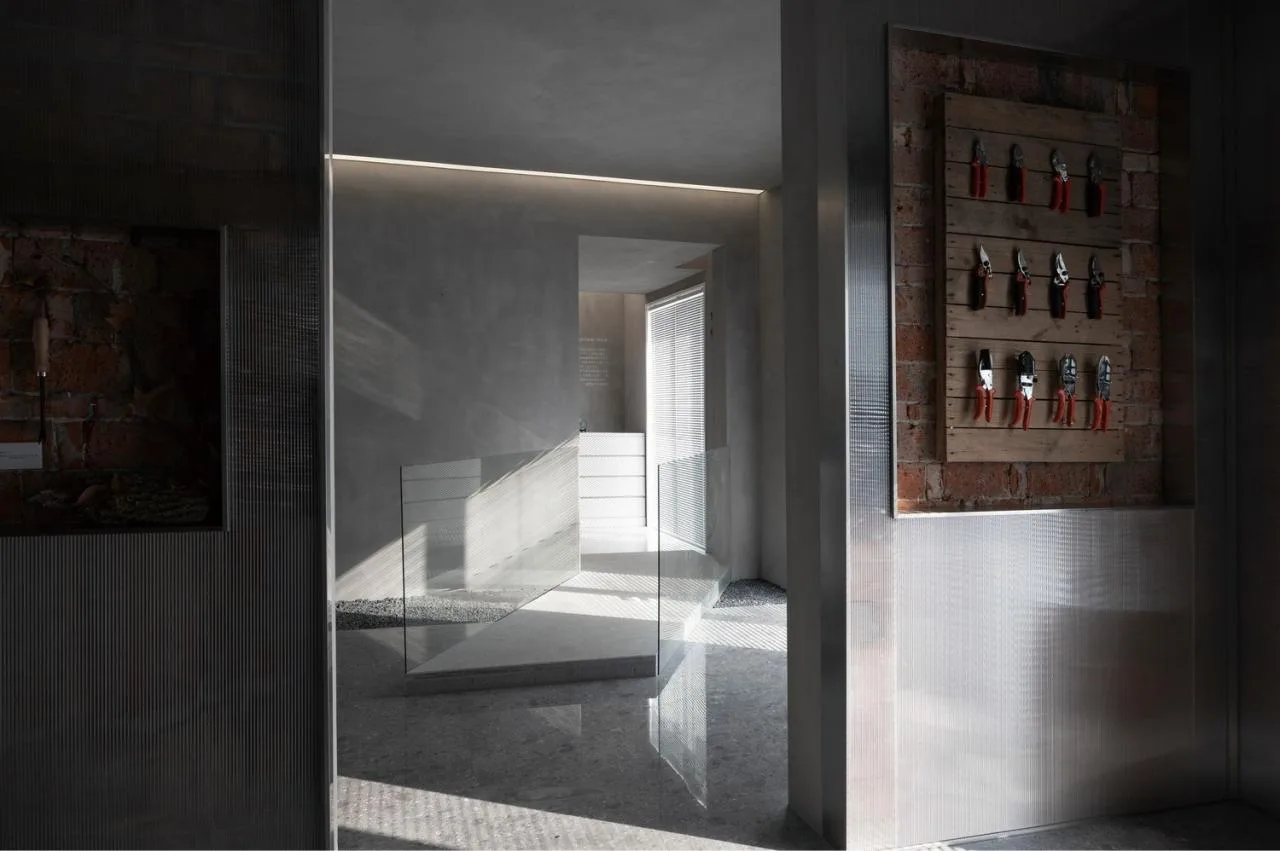
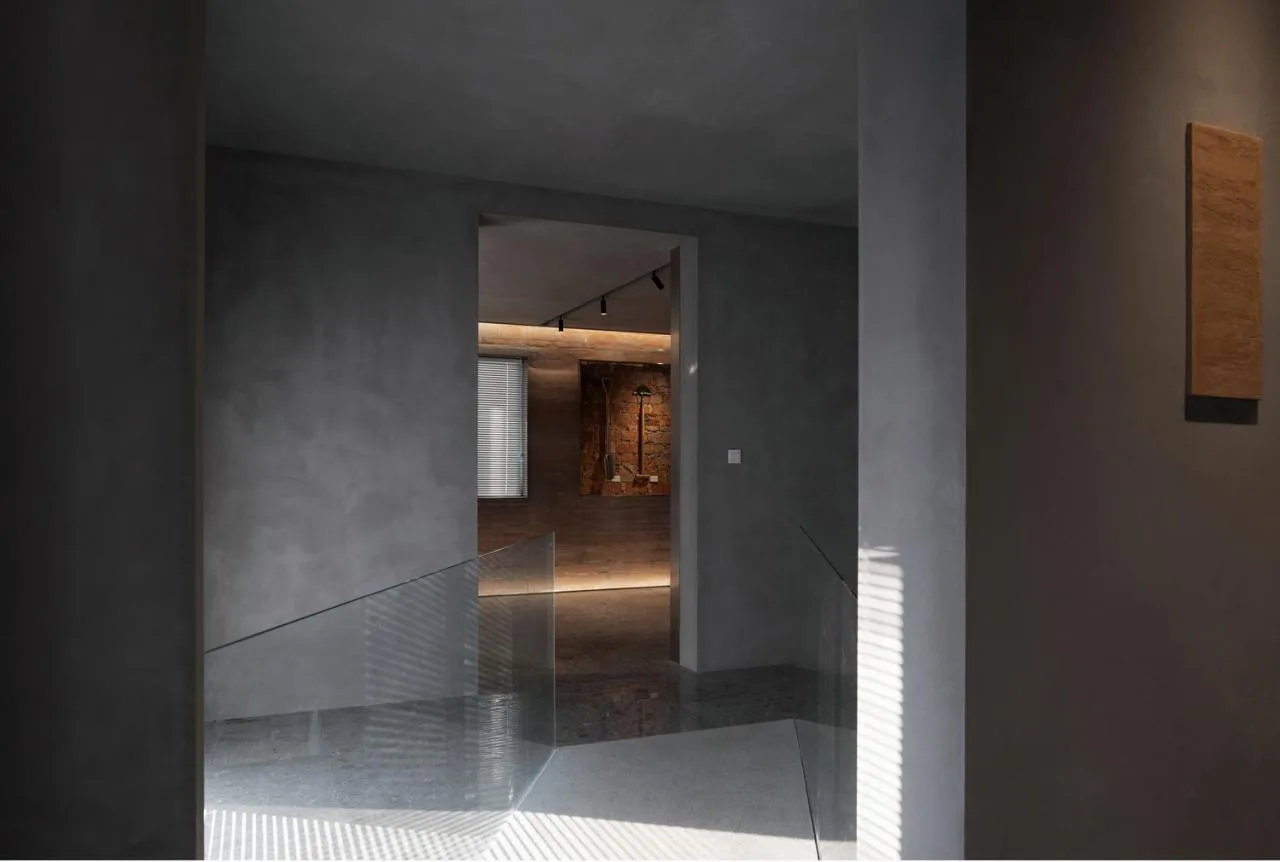
Guiding Pathways by the ‘Bridge’
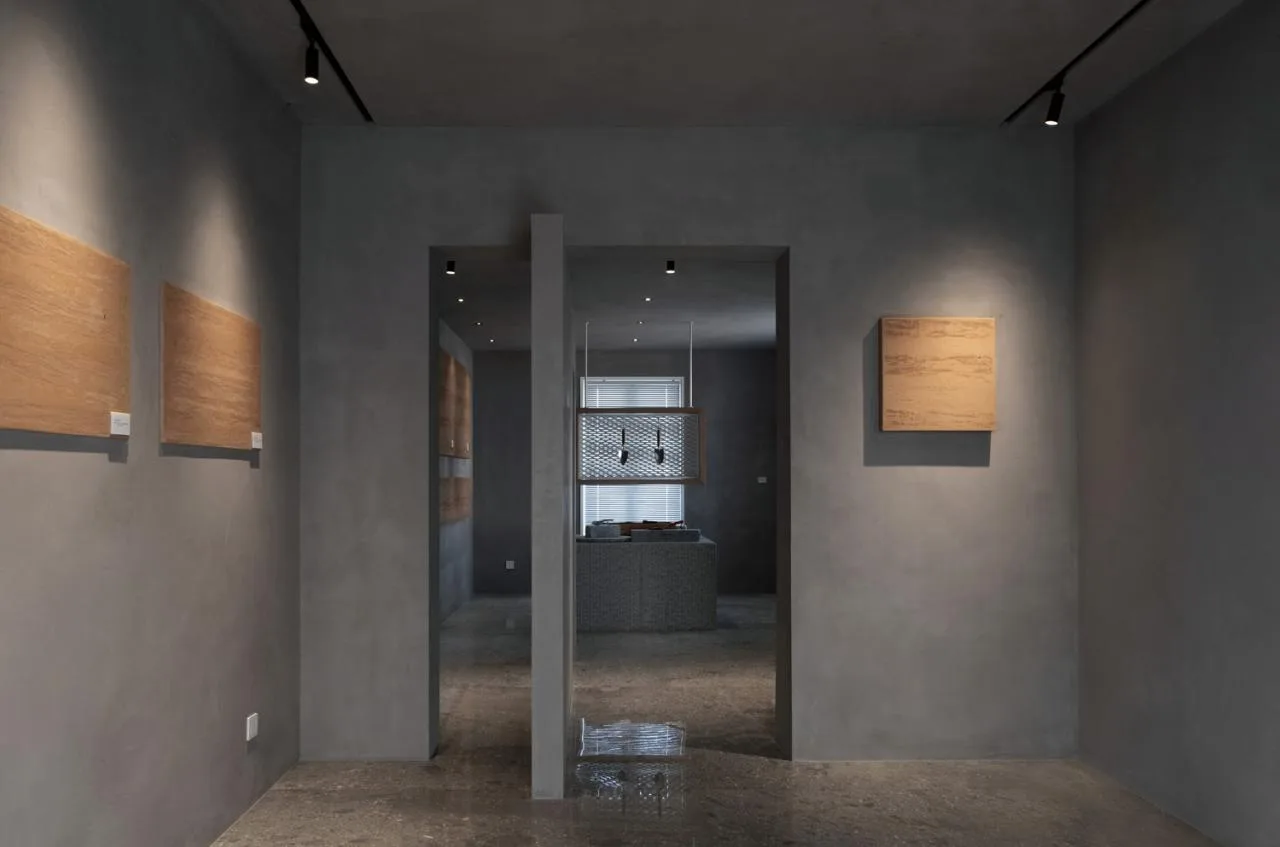
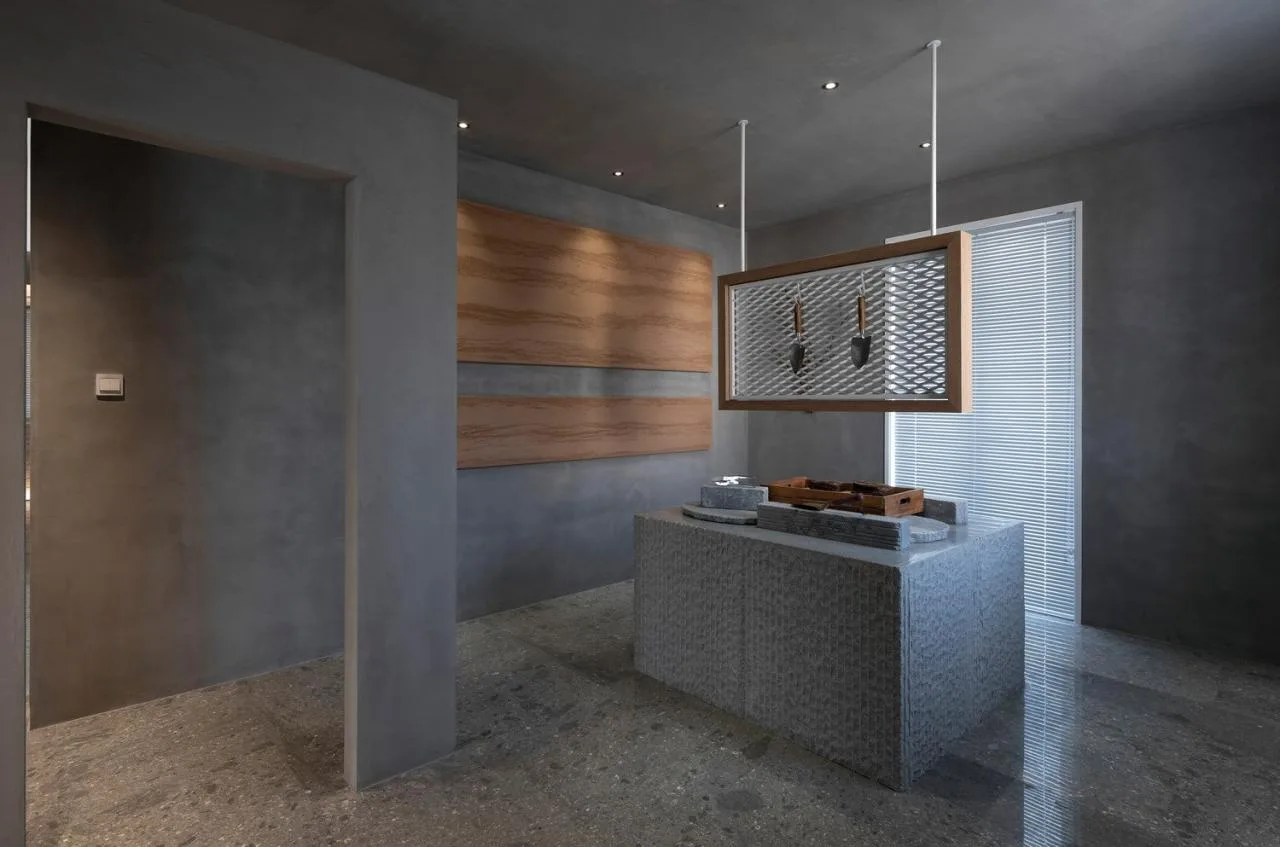
△ Stone, plaster, and natural textures enhance the organic feel
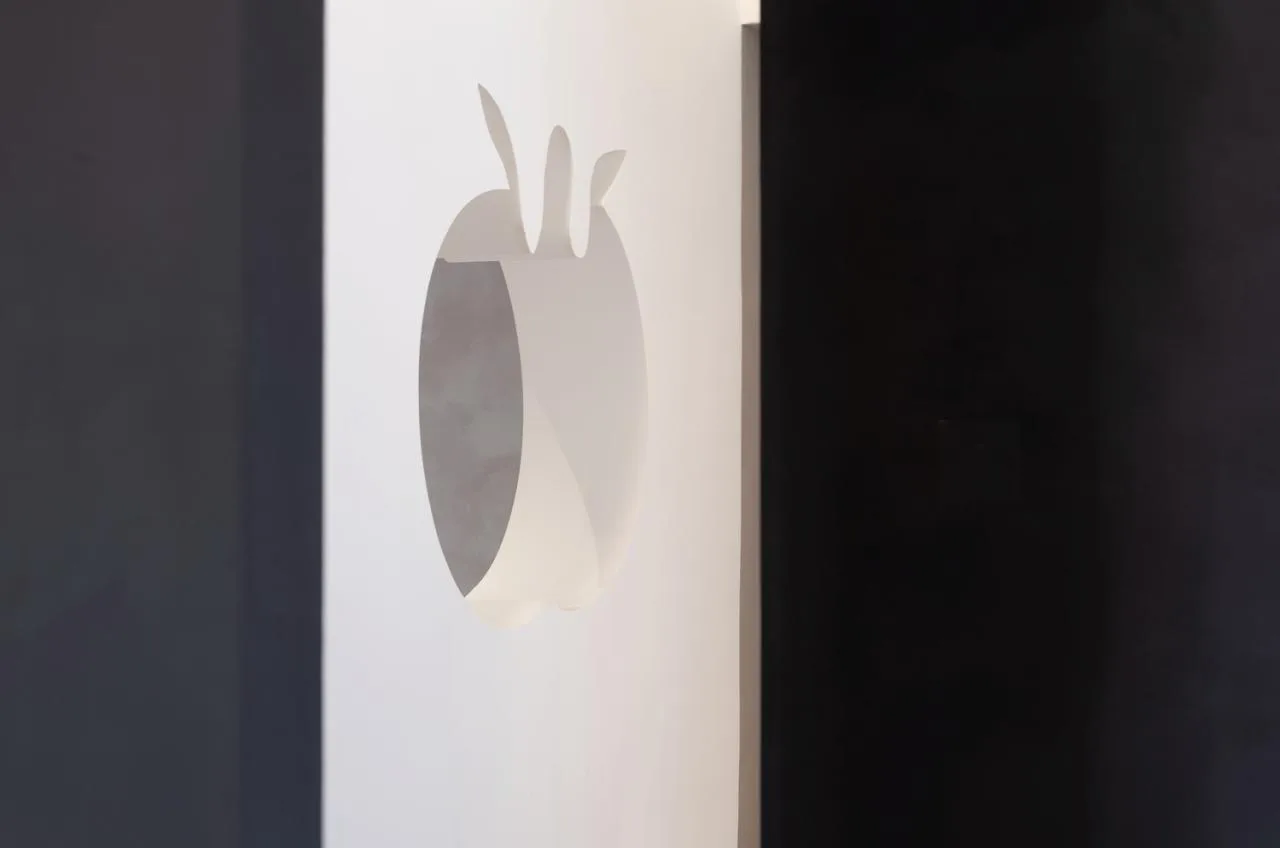
△ As you exit, the distinctive “pomegranate” window reappears
The spatial sequence unfolds with winding paths and lingering views. Each exhibition room along the route presents unique lighting and ambiance, reflecting diverse eras and styles. The combination of materials and design elements accommodates horticultural tools from various periods, blending tradition and modernity within the garden context.
The museum’s expansive exhibition halls evoke a strong sense of storytelling and temporal depth.
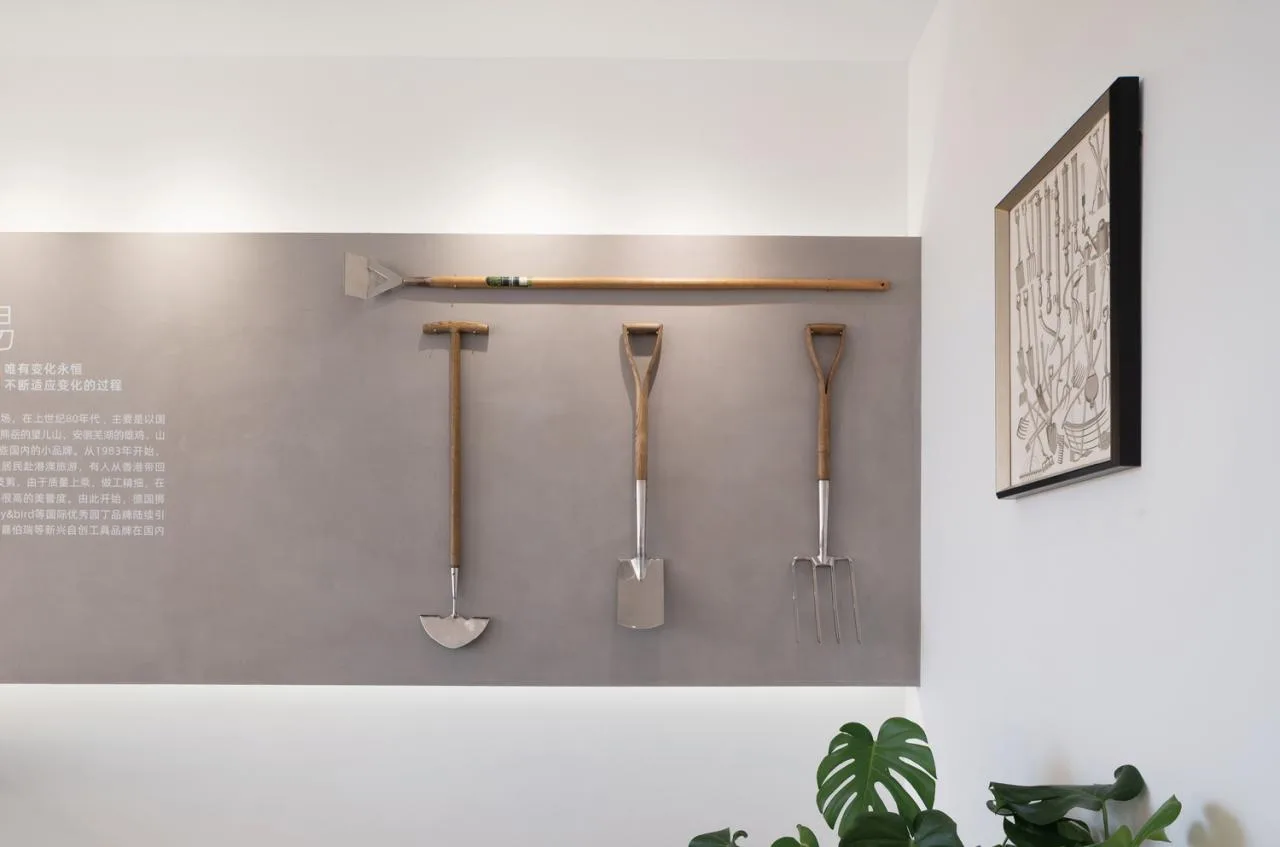
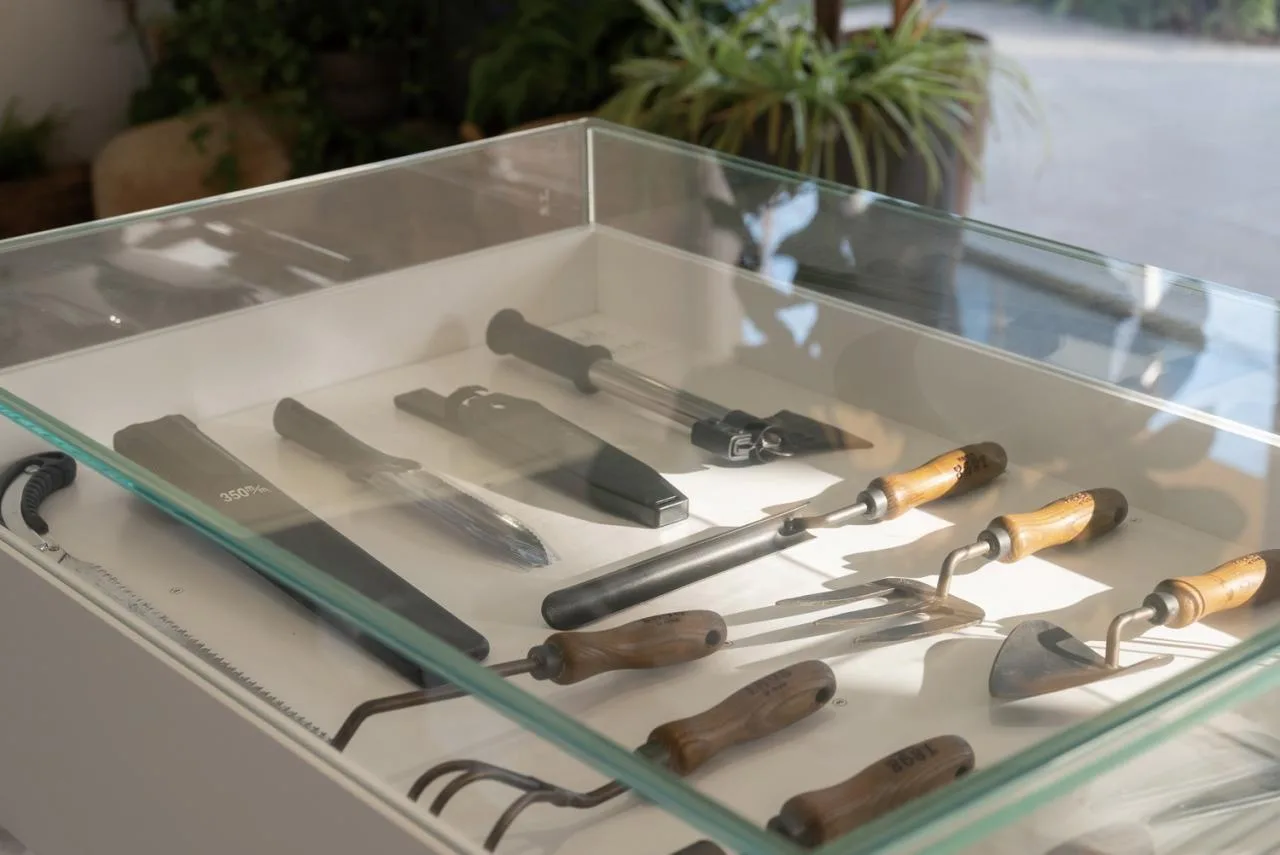
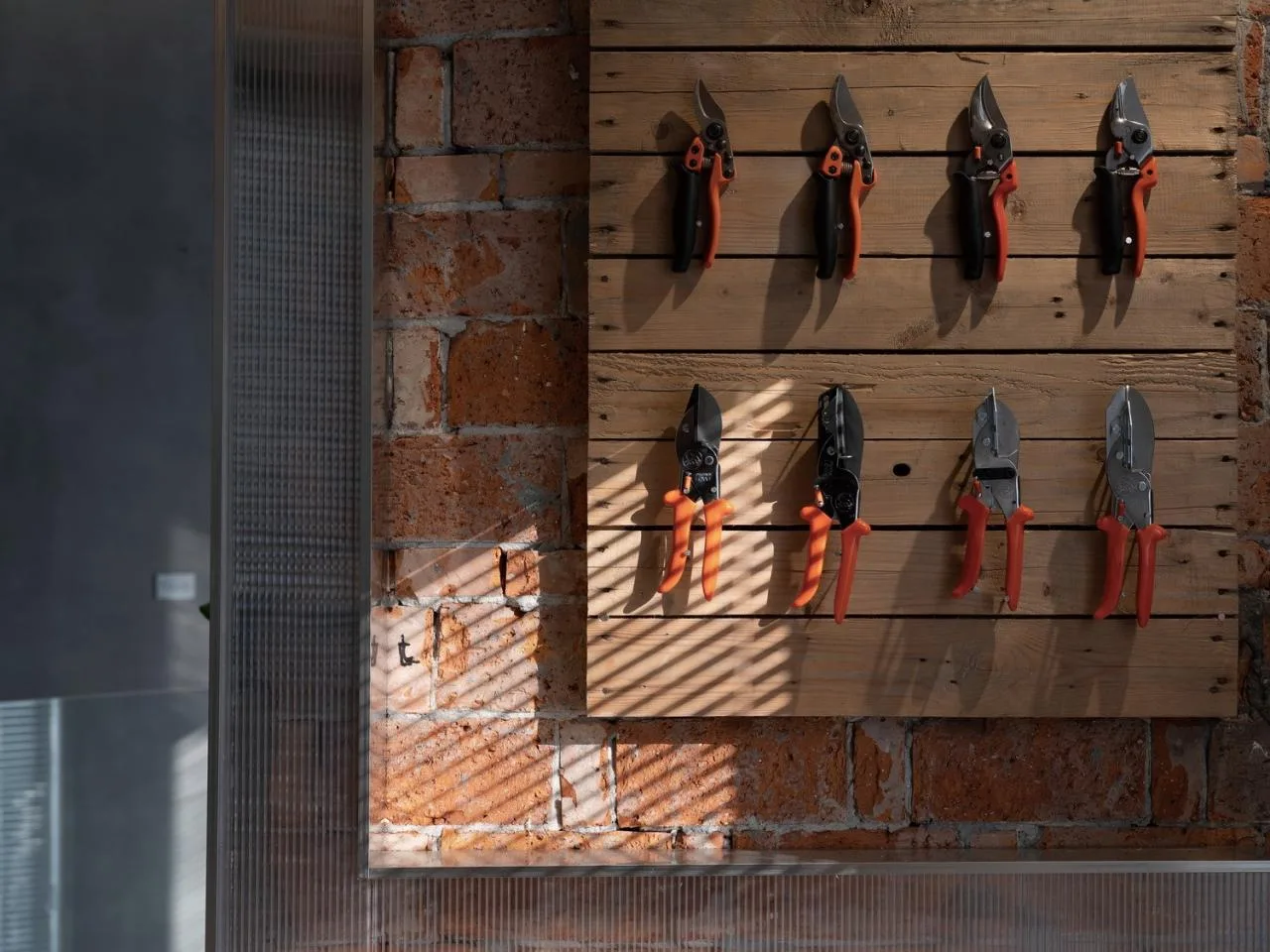
△ Tool Exhibition
Project Drawings
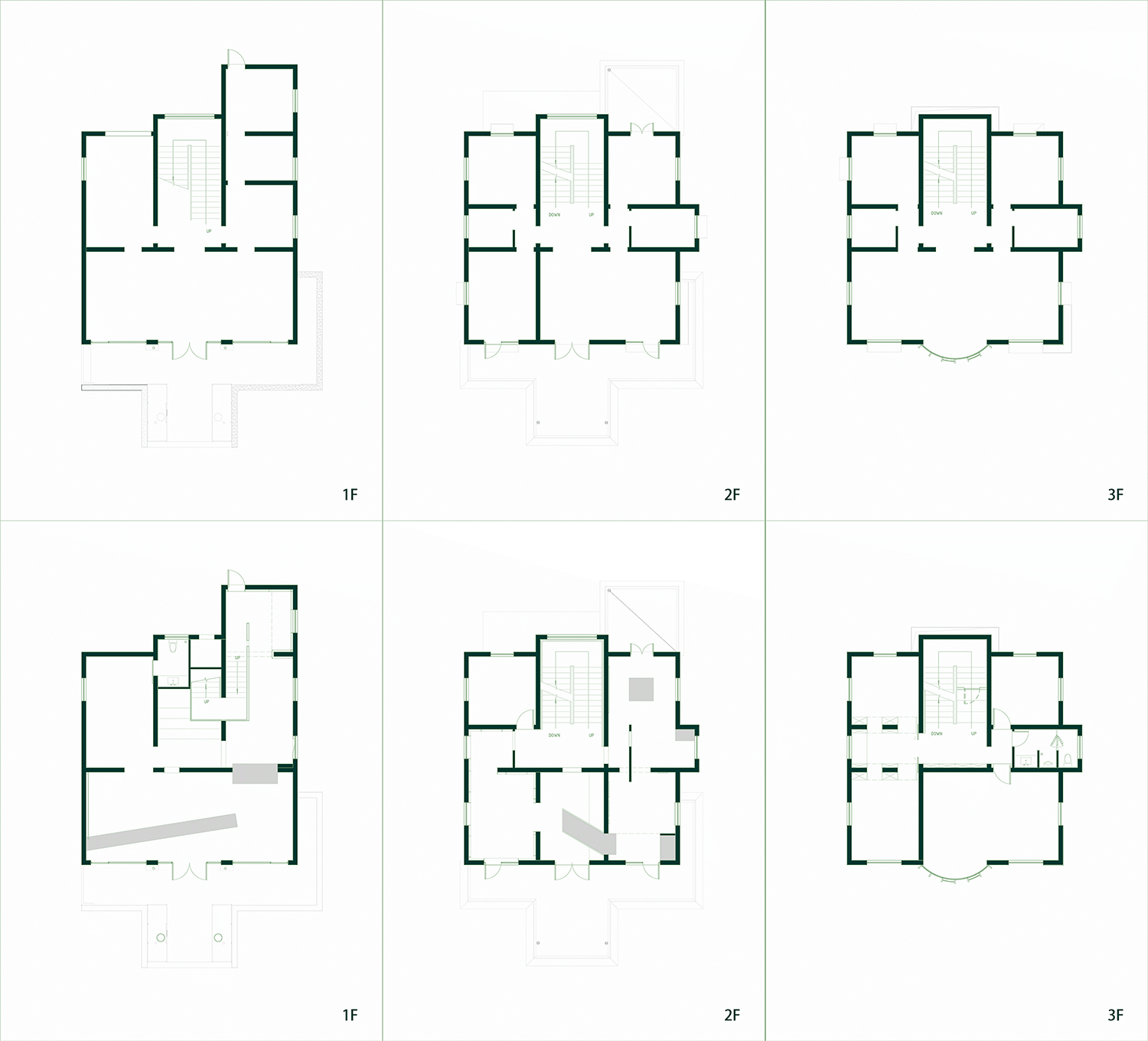
△ Renovation Plan Changes
Project Information
Project Name: The Story of Horticulture – Gardener’s Tool Museum
Project Type: Interior Design
Designer: Forest Architecture
Design Date: December 2021
Completion Date: September 2023
Design Team: Zhang Juntian, Sun Hongfei, Wang Xin, Ouyang Dan
Location: Haining, Zhejiang
Building Area: 400 square meters
Photography: Qiu Ripei
Client: Hongyue Flower Co., Ltd
Materials: Art paint, stone, steel mesh, polycarbonate sheet















Must log in before commenting!
Sign Up