
The Laogenli Incident
The Laogenli incident, which took place from July 26th to 29th, 1950, resulted in the deaths of approximately 150 people, with 13 still missing and 55 injured or disabled. However, these figures do not fully capture the tragedy—many more hid in tunnels and endured over three days of terror and suffering before ultimately losing their lives.
Despite more than fifty years having passed since this event, no one has stepped forward to take responsibility, and the full truth remains elusive. The incident occurred, but no clear clues have surfaced. Thousands of families have conducted ancestral funeral rites without having their loved ones’ graves to visit. Although countless efforts have been made to uncover the truth, it remains hidden and suppressed.
Some have attempted to frame the incident as a tragic byproduct of war or an unfortunate accident, seeking to soothe its impact by shifting focus elsewhere. Yet, every piece of evidence affirms that the Laogenli incident was significant and should not be dismissed as a mere footnote in the broader tragedy of war. Although the government has enacted a special law and planned commemorative ceremonies, the truth is still unknown. Key details remain concealed when the incident is recounted in history, leaving the victims’ fear and families’ pain as the most vivid memories.
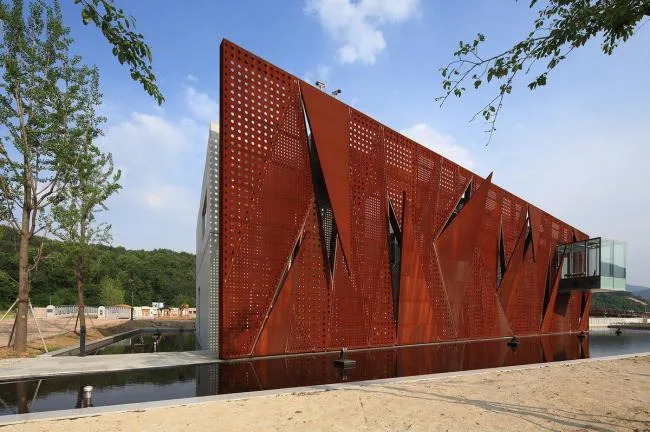
Collective Memory
The families of the victims have been the driving force in bringing the Laogenli incident to public awareness. Their tireless efforts have helped reveal parts of this historical narrative, yet the incident has still not been formally recognized in history despite substantial evidence.
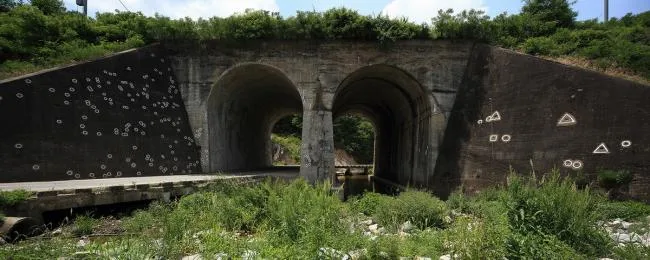
While some past experiences remain part of individual memory, historical memory is understood through documented records. The memories embedded in Laogenli remain a vital and positive part of our shared history. This process contributes to the formation of collective memory, which shapes our identity.
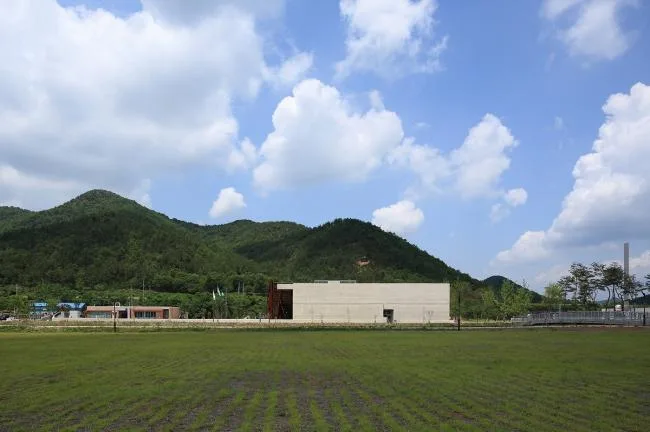
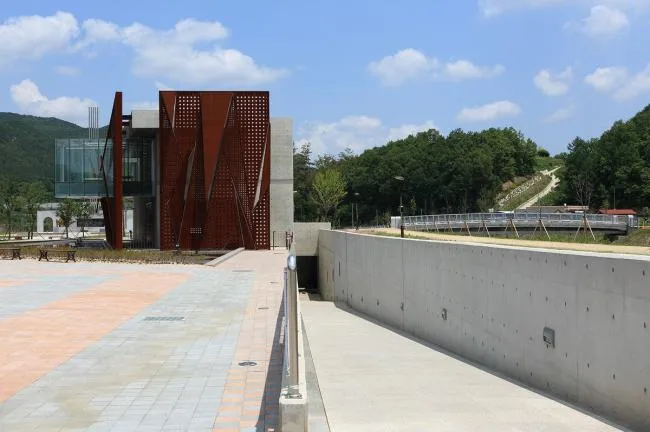
However, the process of constructing collective memory is complicated by an uneasy atmosphere fueled by varying expectations—from the government, victims’ families, and observers alike. This atmosphere is shaped by universal social memory, individual recollections, and shared human narratives. Until this unease is resolved, it is difficult to meaningfully discuss “history” or “peace” in this context.
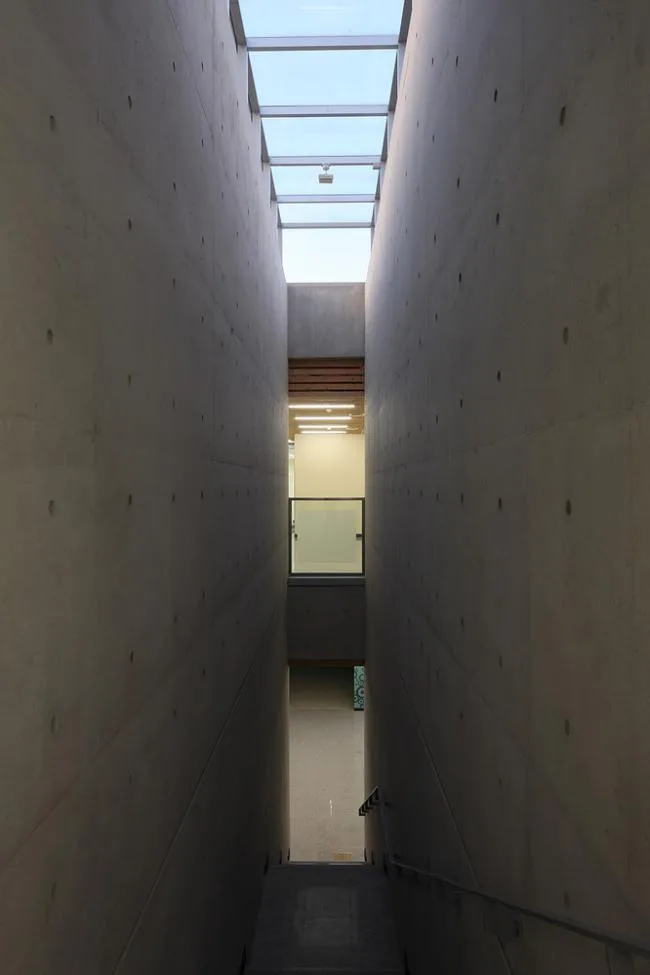
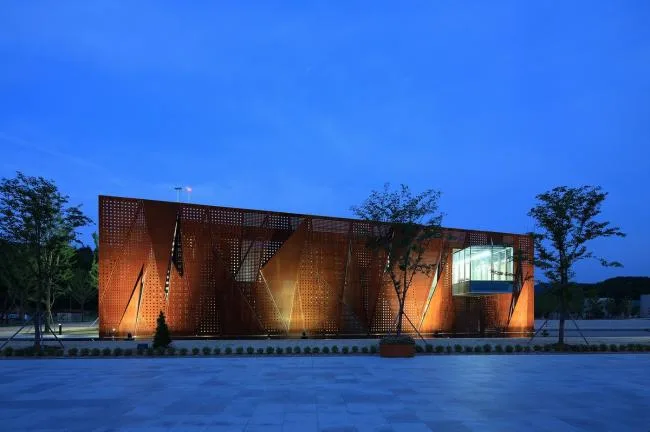
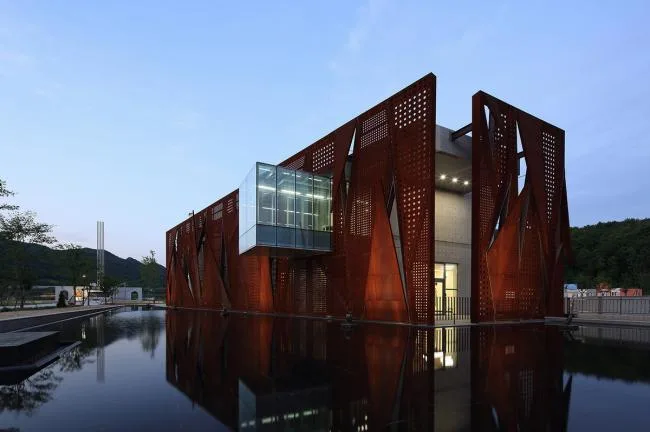
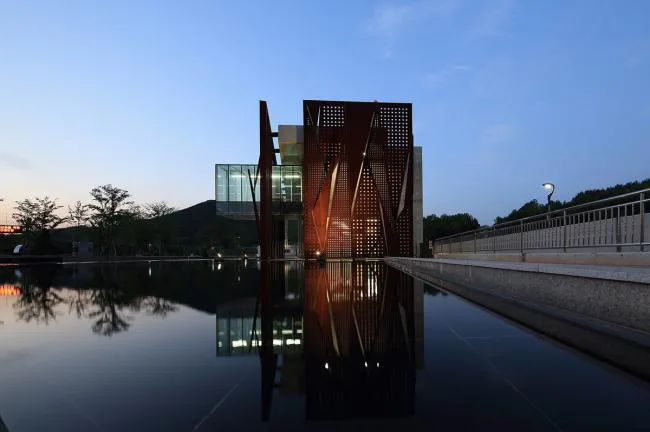
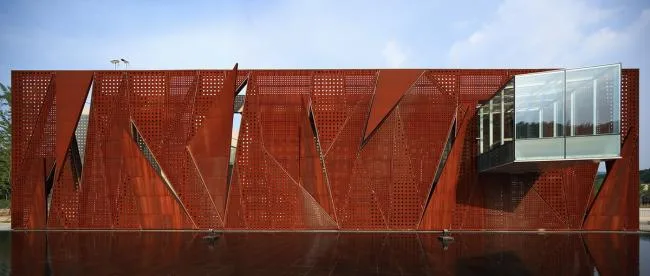
Moreover, the establishment of a museum on this site to symbolize “history” or “peace” emerges from this complex context. Constructing a building on a blank space represents a process of observing how public memory is formed.
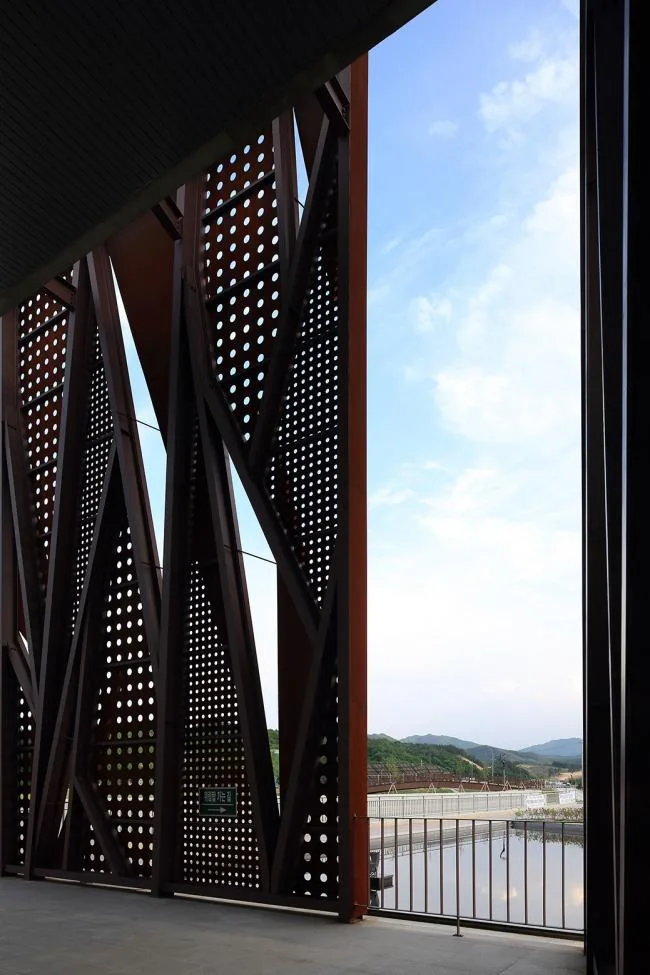
Counter-Memory
Memories that contradict or challenge official history are often referred to as “counter-memories.” These fragmented and personal recollections seek to insert alternative narratives into the dominant historical discourse, questioning the official memories that hastily establish monuments and commemorative symbols.
Personal experiences play a crucial role in shaping counter-memory—especially when people lead by example. In such cases, the spatial experience becomes more significant than mere visual perception.
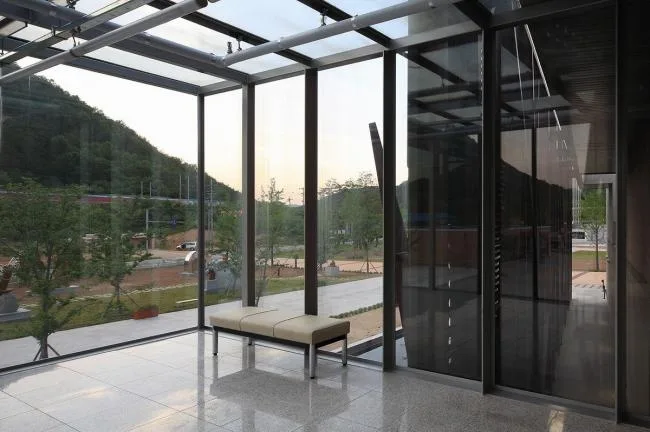
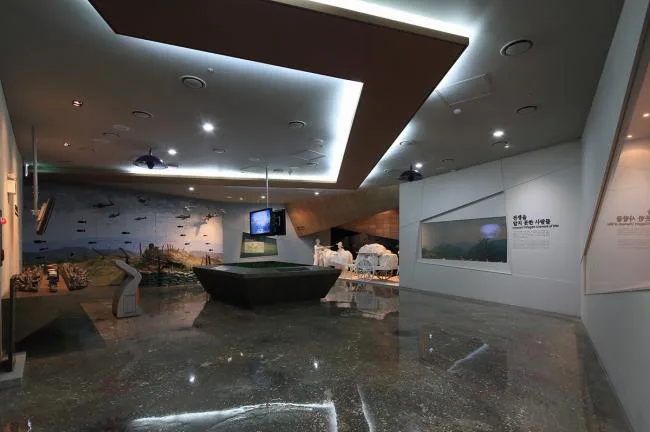
The construction of public memory around the Laogenli incident is still in progress. This museum, designed to represent peace and history, aims to reveal the truth—but for some, it cannot fully explain the entire history or define peace. Instead, it may serve to delay or obscure certain aspects of history that require official recognition.
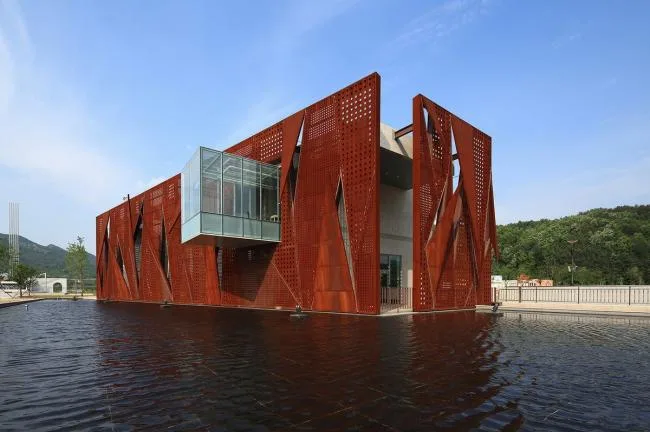
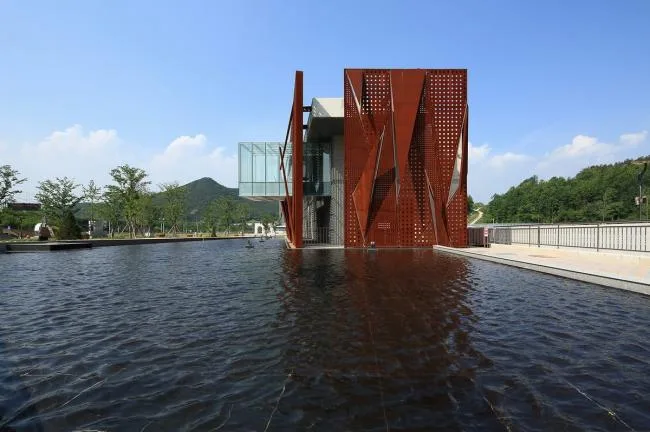
The Peace History Museum must capture the evolving process of public memory, becoming a space for counter-memory. It will engage visitors spatially, inviting them to reflect on their own experiences. Through this, it will become a building that accumulates spatial memories and fosters deeper understanding.
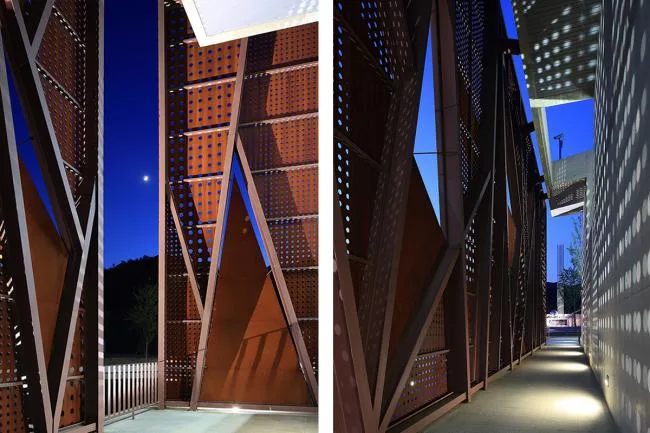
Rethinking and Adjusting
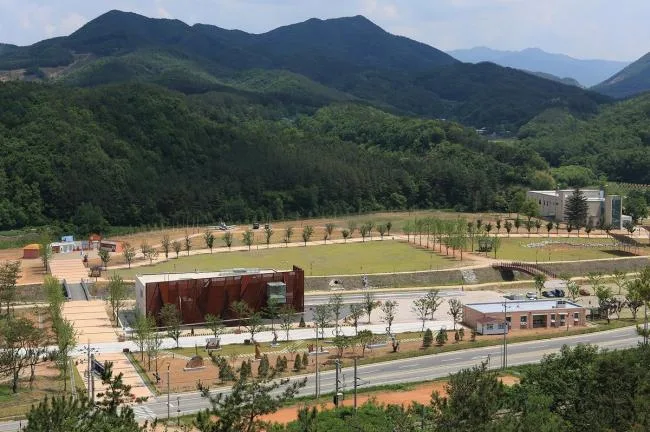
The museum, commemorative scarves, and the accident site near the twin tunnels are all closely linked in terms of location and symbolism. However, under the current assumptions, the original plan presents challenges in navigating the significance of these three elements.
Since the site is intended to serve as a starting point for visitors’ experiences, it is suggested to first reconsider the building’s location. This adjustment would allow the museum to better integrate into the overall landscape and enhance the visitor experience.
Design Drawings
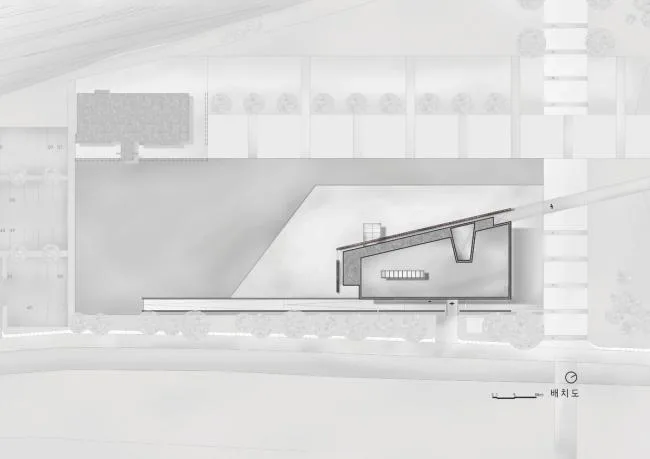
Master Plan
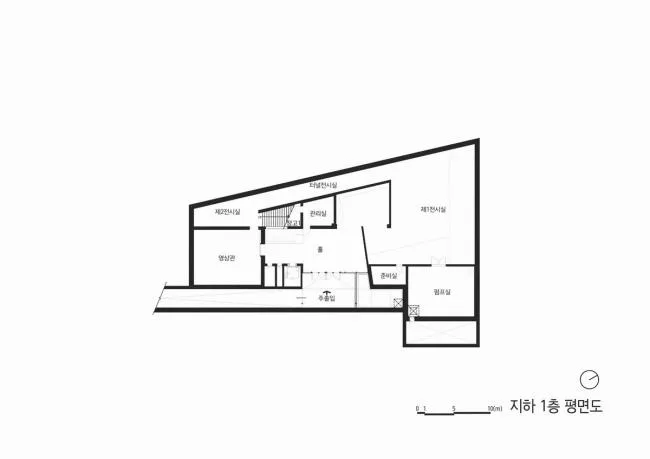
Floor Plan
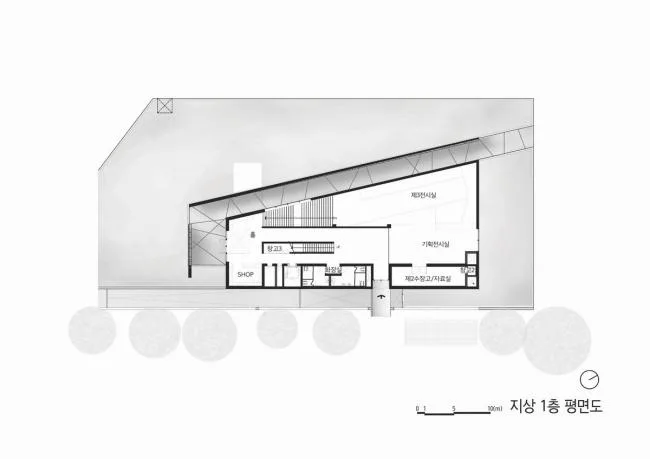
Floor Plan
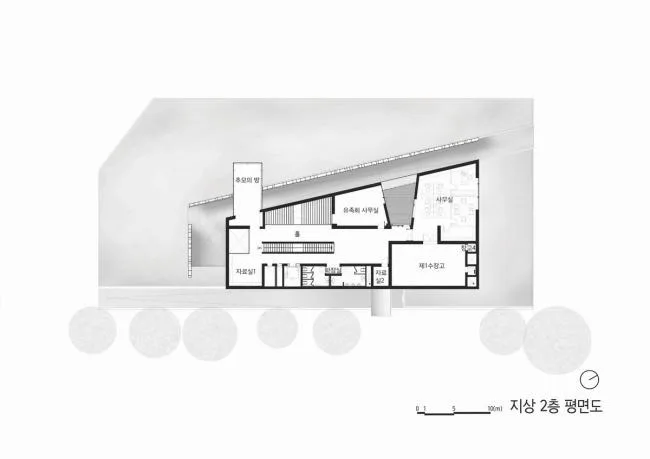
Floor Plan
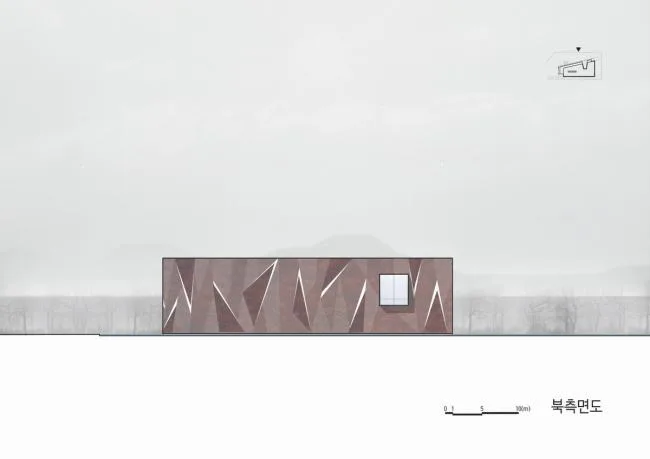
Elevation Drawing
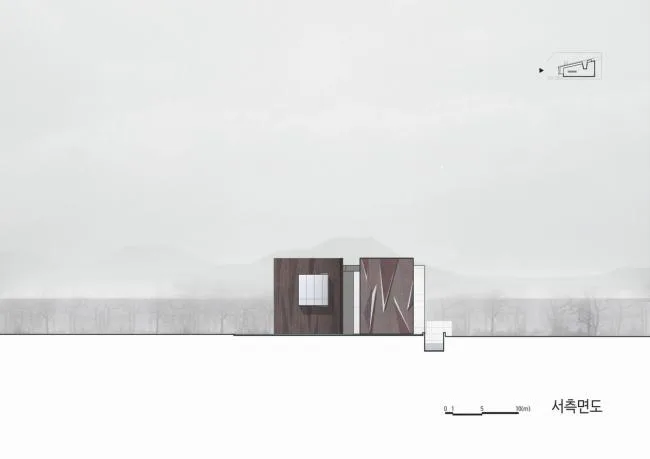
Elevation Drawing
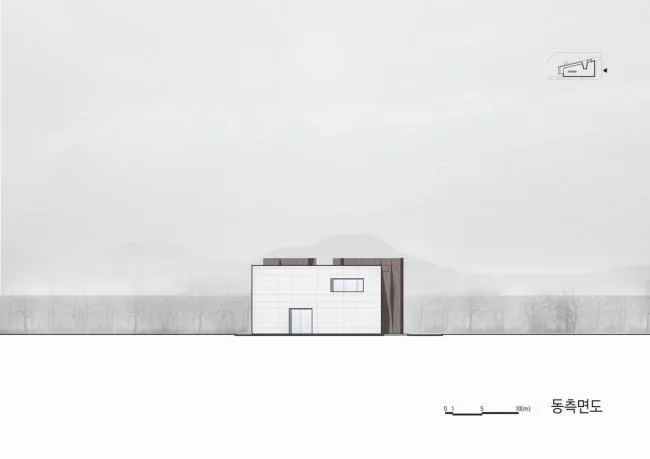
Elevation Drawing
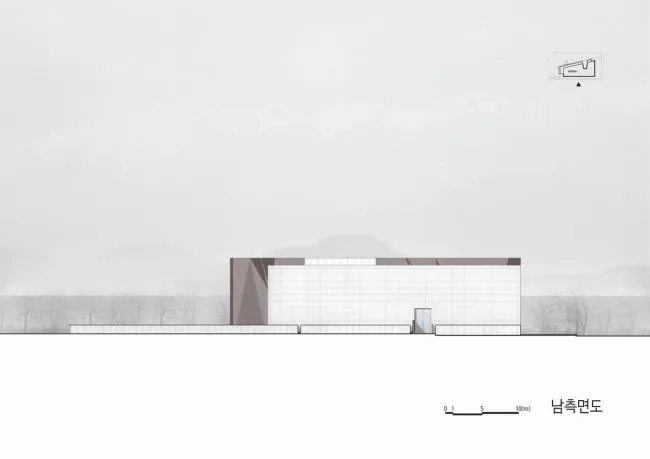
Elevation Drawing
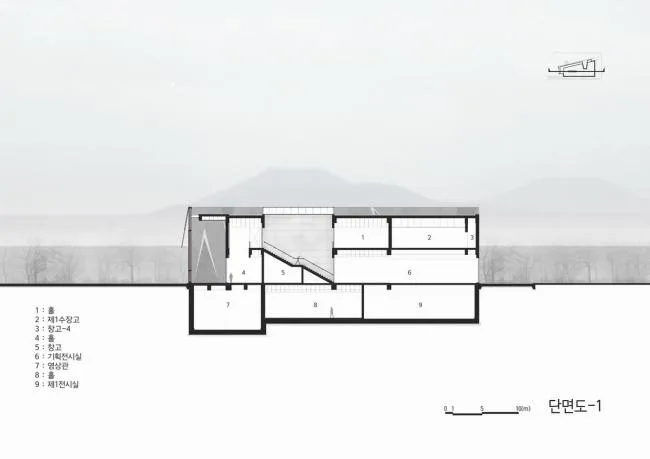
Sectional View
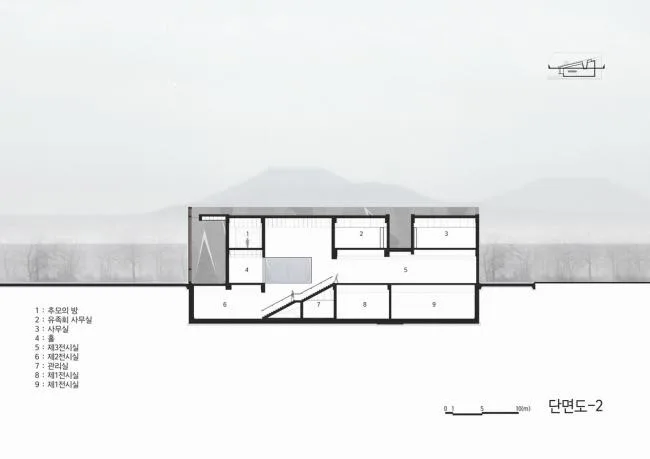
Sectional View
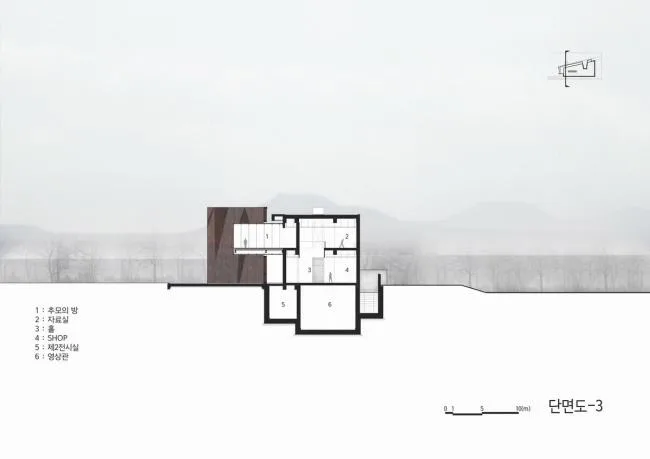
Sectional View
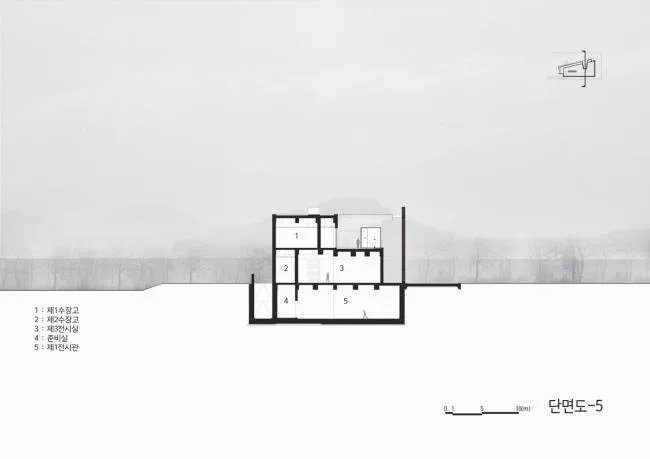
Sectional View
Project Information
Architect: Metaa
Location: Yongtong County, Chungcheongbuk-do, South Korea
Category: Exhibition Center
Lead Architects: Jongho Yi, Euijung Woo
Building Area: 1,892.0 m²
Year Completed: 2011
Photographer: Jaekyung Kim
Design Drawings: Kim Young Il, Kim Hyoung Suk
Interior Design: Metaa
Structural Engineer: Jeitech
MEP Engineering: GK ENG
Electrical Engineer: Geukdong ENG
Construction: Hanyan (BIM work) G Construction
Construction Management: Geun Hwa
Owner: Yongdong Gun Office
Cost: 2.7 billion KRW
Total Site Area: 132,240 m²
Site Area (BIM Design): 922.17 m²












Must log in before commenting!
Sign Up