
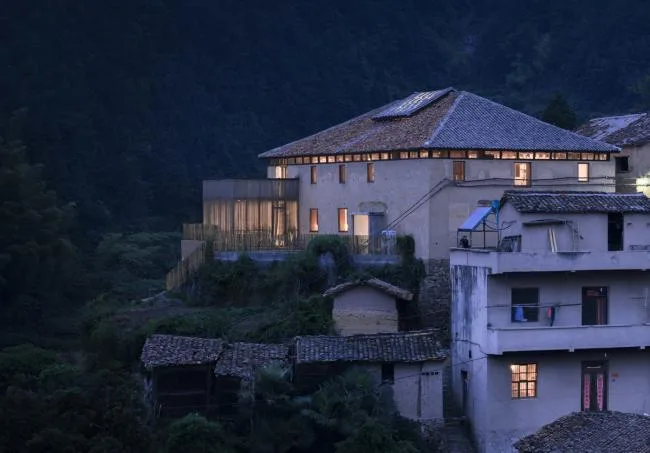
This project is situated in the hilly and mountainous regions of southeastern inland China, an area with unique cultural and geographical conditions. These have fostered the development of the cliff-dwelling settlement known as “Chenjiapu,” where the project is located. Regional identity plays a crucial role in this design. The architectural approach carefully integrates the architect’s personal style within the framework of local craftsmanship traditions—using materials that follow local principles, treated with care, and embracing the natural surroundings.
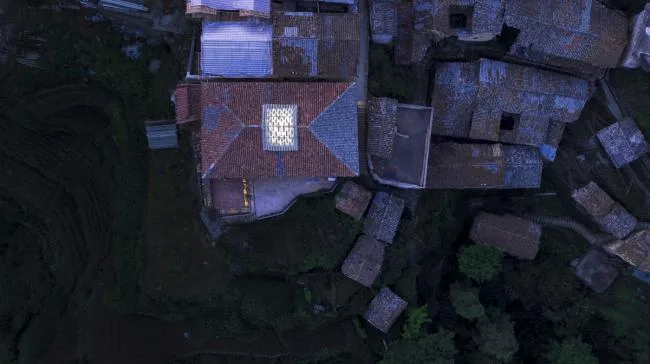
Craftsmanship Tradition
The renovation project began with the former village hall, which has become one of the largest public centers within the settlement. This two-story building, measuring 11 by 18 meters, was constructed about fifty years ago.
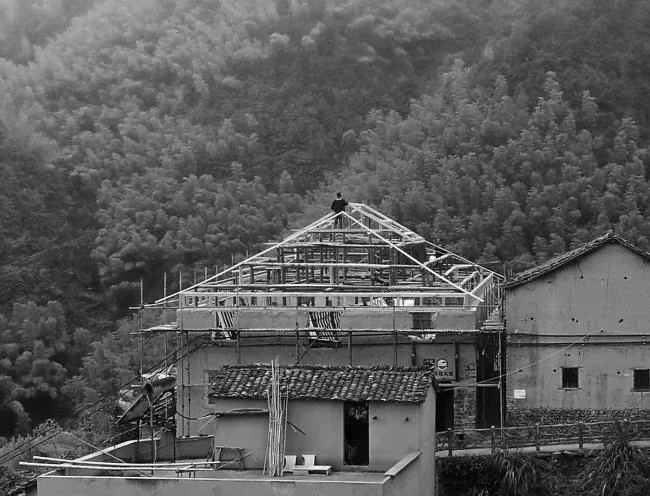
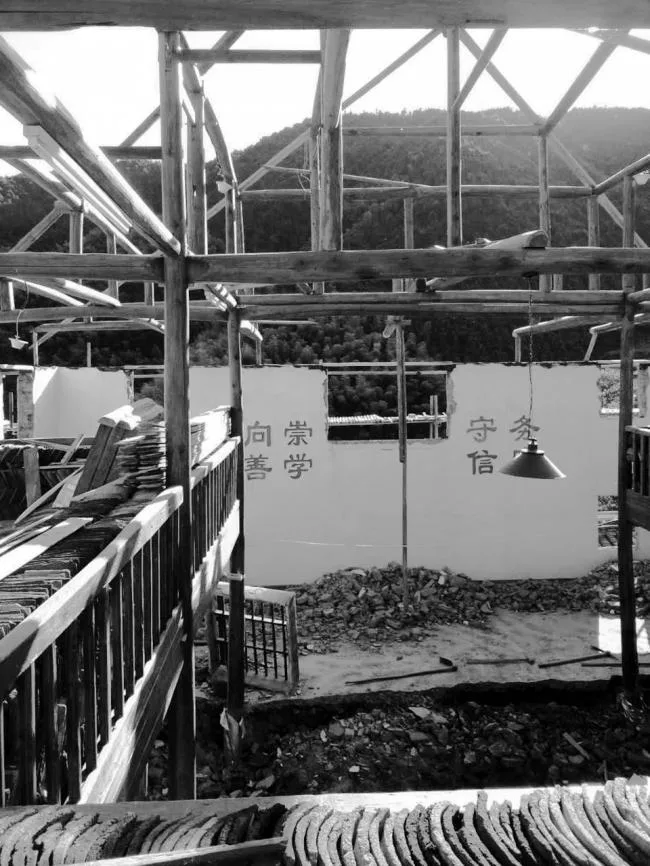
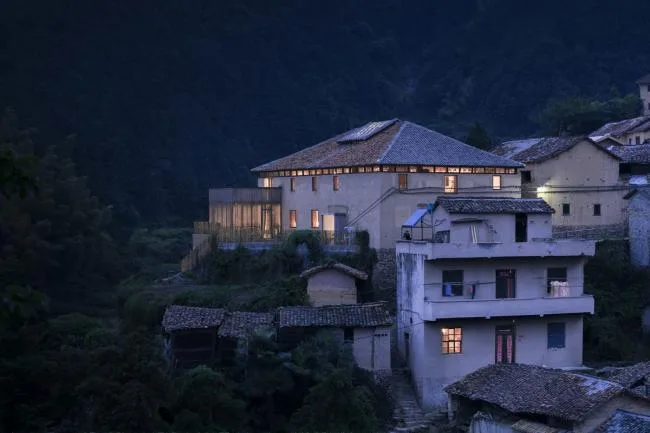
The design includes the addition of a single-story extension at the southwest corner, featuring a rooftop viewing platform. This addition transforms the previously enclosed hall into a more accessible public space, responding to the openness of the surrounding landscape. At the heart of the building’s open two-story interior hangs a semi-transparent suspended box connected to a skylight above, creating a soft container of natural light that anchors the internal space. This central feature also embodies the library’s theme of “meditation,” enhancing its ceremonial atmosphere.
A limited selection of pure, transparent, and semi-transparent materials such as glass and polycarbonate sheets subtly supports the traditional wooden structures. Spatial organization respects and reinforces the formal order established by original materials. Contemporary materials like metal, glass, and concrete are expressed through abstract geometric forms, while plaster, wood, and hemp rope emphasize tactile materiality.
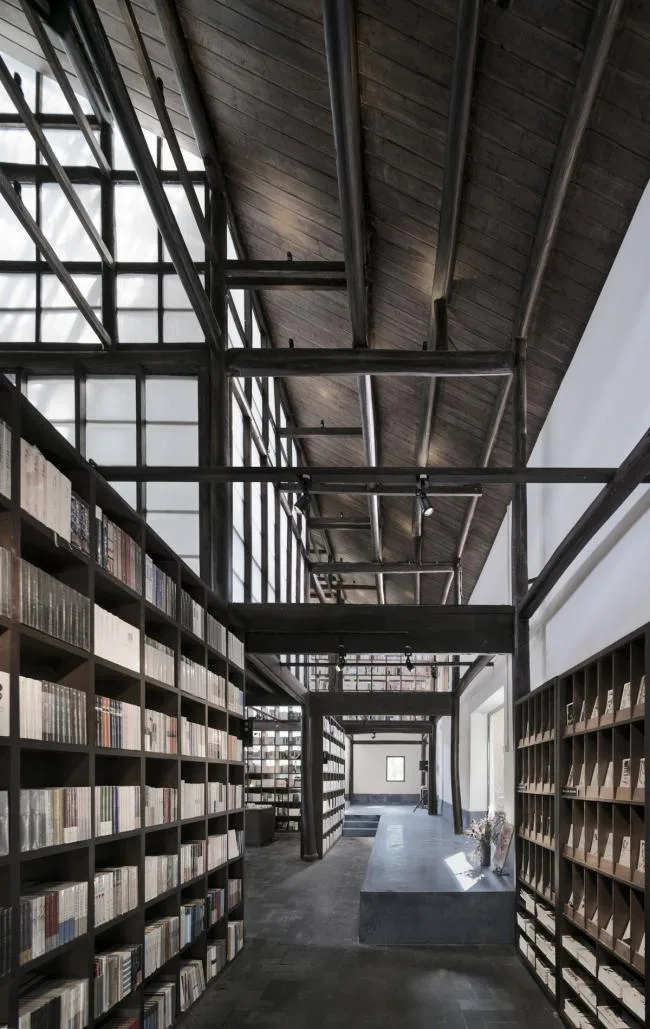
The secondary wooden frame elements have been significantly increased, creating a soft and intricate ceiling plane where the boundary gradually fades. This approach maintains a delicate balance between tradition and modernity.
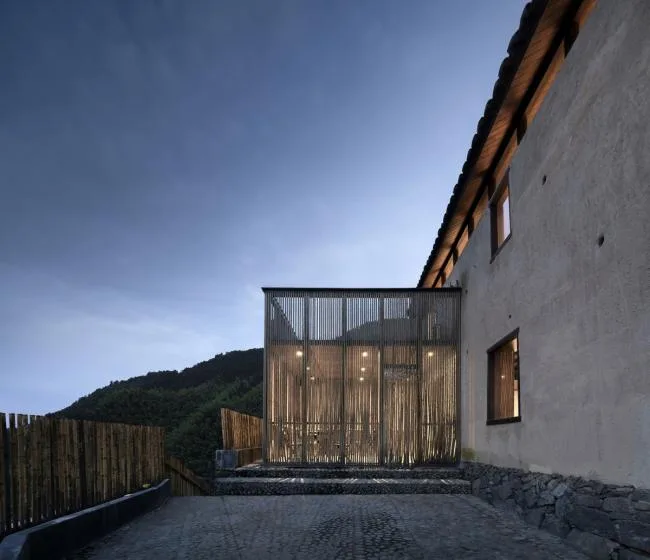
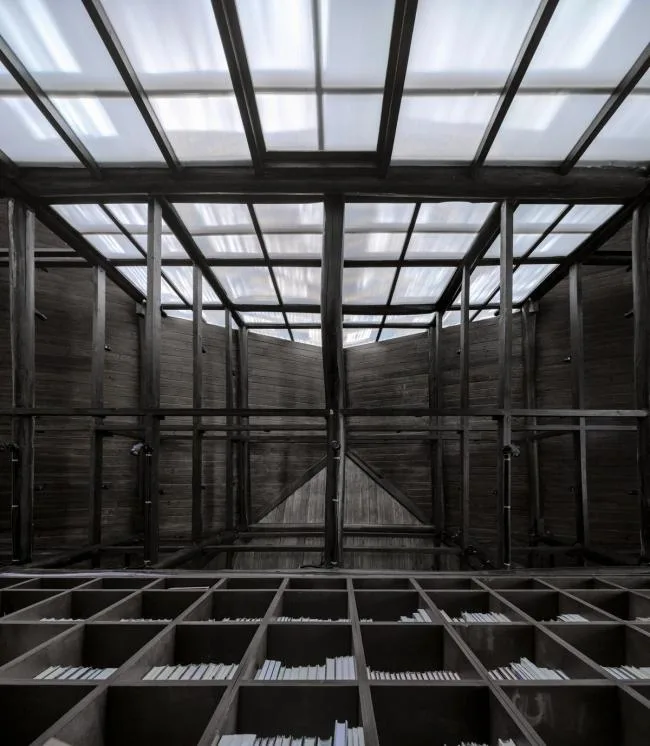
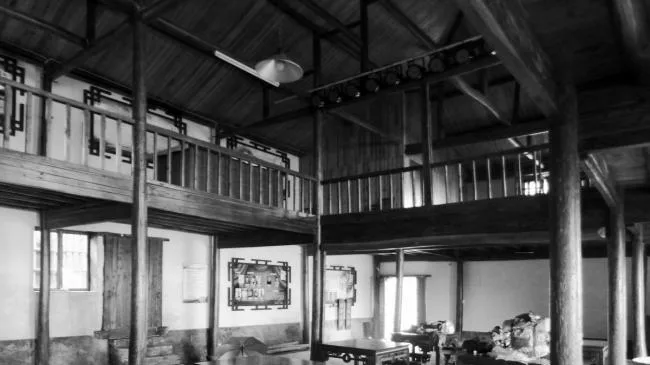
Except for a 3-meter-long glass box added at the southwest corner, the design retains most of the building’s original exterior construction characteristics. The new design subtly adjusts the dramatic interplay between interior lighting and the external landscape, creating a seamless extension of the settlement’s texture—from the bookstore and former auditorium to the surrounding older village structures.
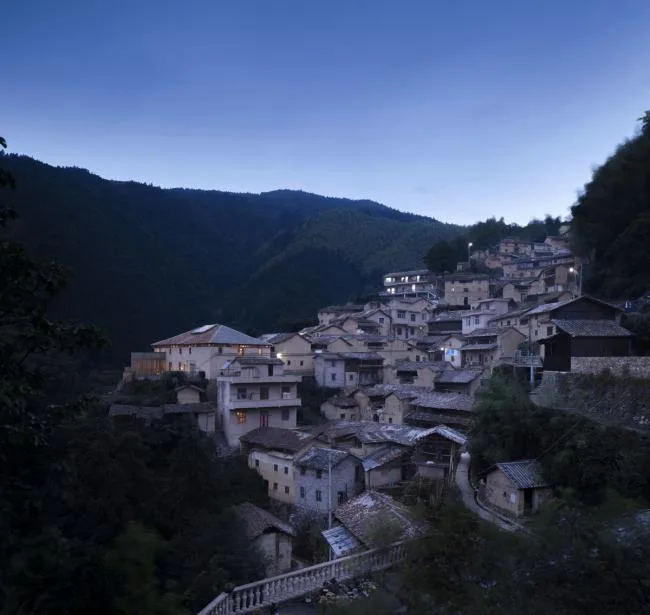
Reading Space
As a small village library and a rural bookstore that the operator Pioneer Bookstore aims to expand, the internal layout faces few functional constraints. The building’s symmetrical axis, combined with three independent vertical circulation paths guided by different staircases, creates a visually rich and dynamic experience characterized by calmness and openness, enclosing spaces while maintaining transparency.
The main entrance opens onto a high, wide corridor. One side features neatly arranged bookshelves, while the opposite side showcases a large frameless glass window set into a white wall, revealing the lights of a nearby alley and occasional glimpses of villagers passing by.
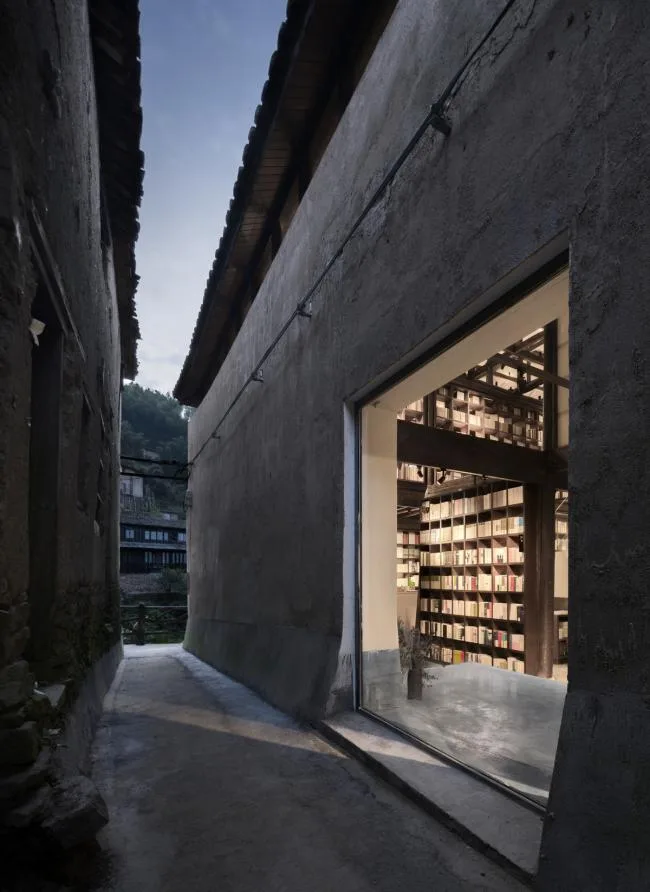
At the corridor’s end is a stepped reading area, with a large window facing the canyon opening from the building’s wall beside the seating. This spot serves as a gathering place for book lovers to share stories. Writers such as Ayi and poet Yu Xiuhua, among others, have shared their experiences here with visitors and villagers alike.
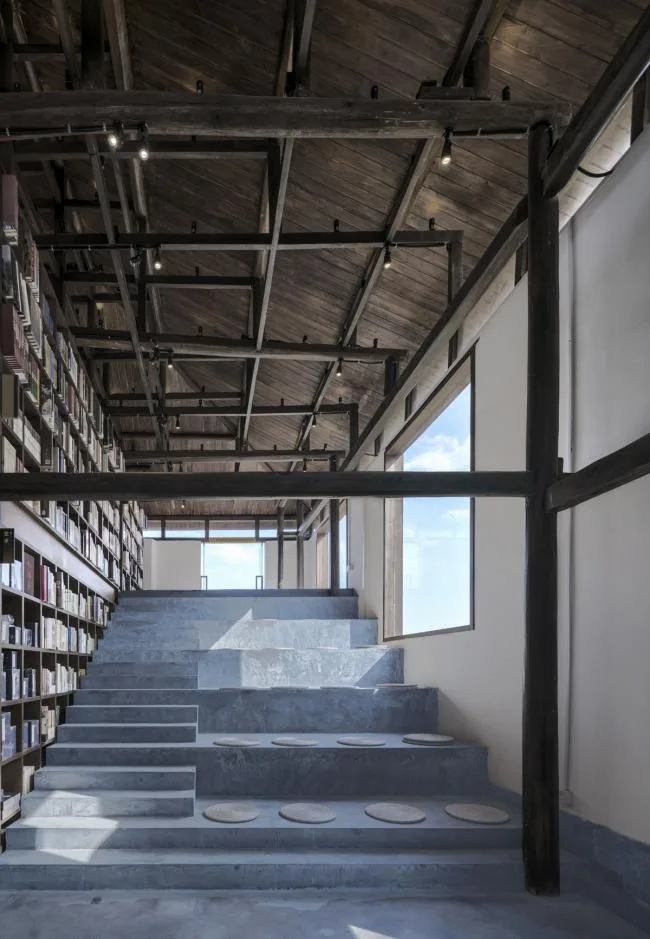
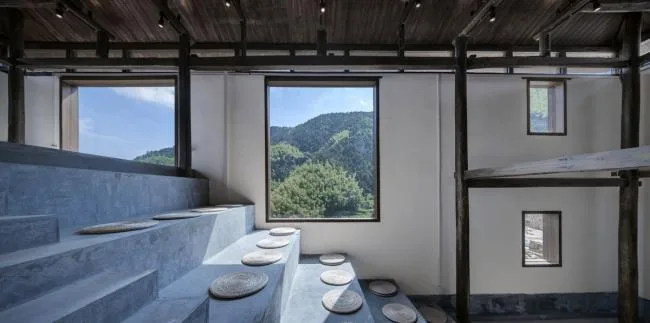
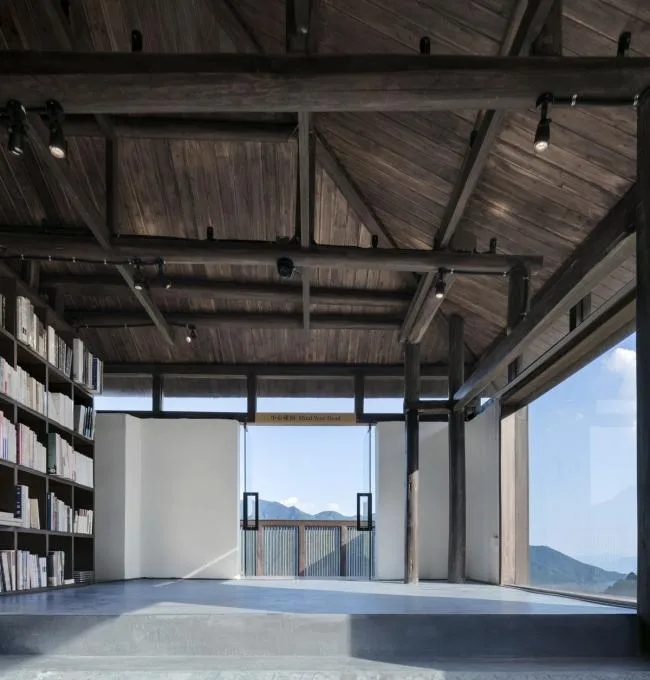
Ascending the stairs leads to the observation platform atop the building, one of the best spots in the village to enjoy panoramic mountain views.
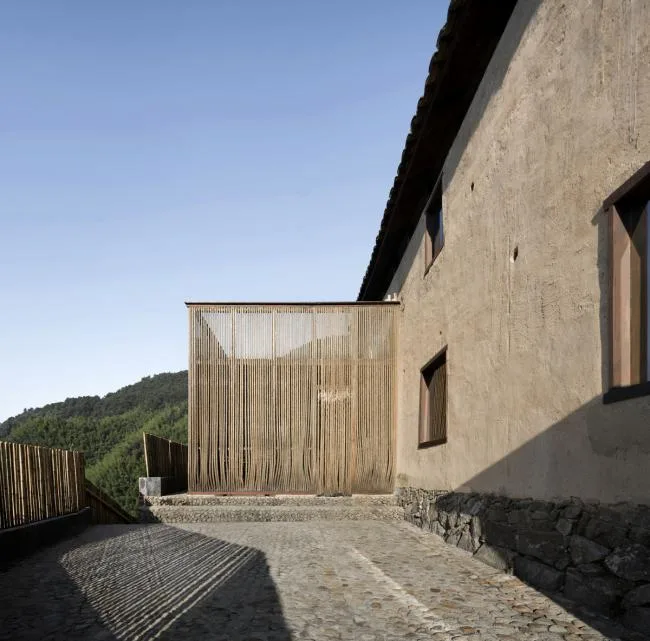
The other two staircases provide access to a suspended meditation space located centrally within the bookstore, and to a functional path connecting coffee seating areas and two seminar rooms.
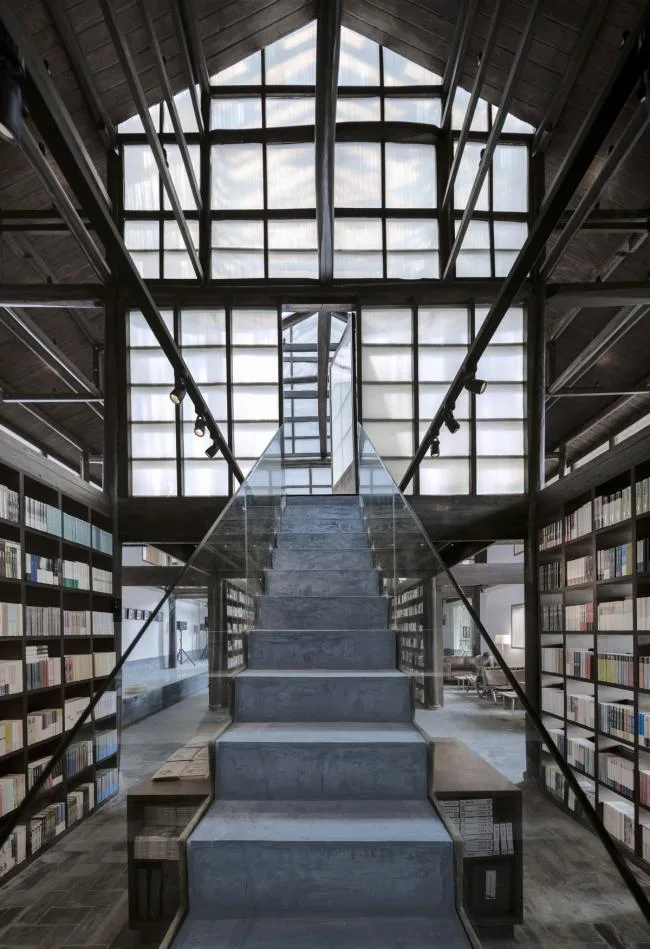
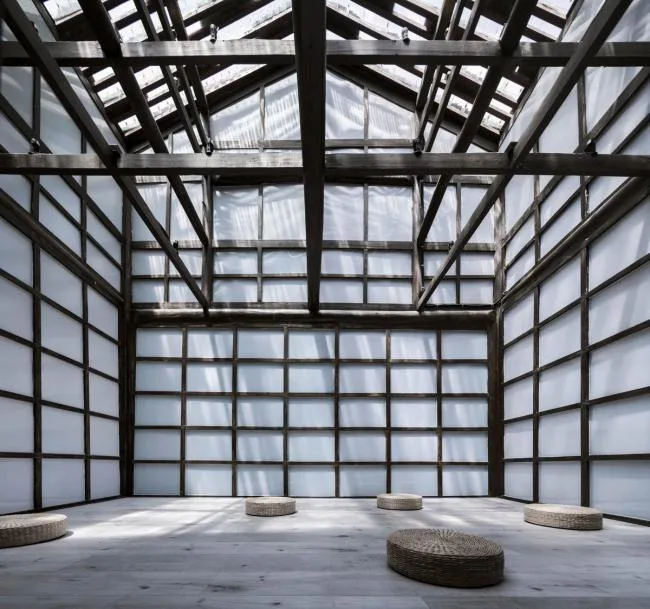
Each space dedicated to browsing, reading, or socializing maintains clear boundaries, while preserving transparency that fosters interaction between readers and nature, among readers themselves, and between readers and the surrounding space.
Community Engagement
Pioneer Bookstore is a successful urban bookstore operator based in Nanjing, with a loyal customer base. In recent years, motivated by a commitment to cultural dissemination and corporate brand innovation, Pioneer has invested in establishing rural libraries to revitalize traditional settlements and foster urban-rural public interaction.
These bookstores offer unique reading experiences and serve as social hubs for local elders and children, blending cultural heritage with community needs. The collection theme, focused on folk encyclopedias, is complemented by local handicrafts and creative cultural products. Regular poetry and literary events attract both villagers and tourists, bridging urban and rural communities in a broader spatial context.
The architect’s role is to create a platform that supports this vibrant cultural exchange. With the Chenjiapu Bookstore as a scenic window, visitors and locals alike can experience diverse mountain villages, natural landscapes, and cultural perspectives.

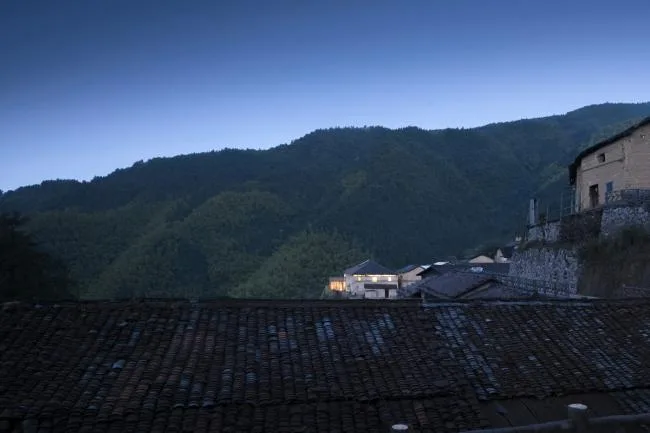
Since opening in mid-August, the bookstore has surpassed expectations. This remote mountain village, located over 800 meters above sea level and a three-hour drive from the nearest city, now welcomes hundreds of visitors daily and generates tens of thousands of yuan in revenue, much to the delight of Pioneer founder Qian Xiaohua.
Pioneer Bookstore regularly hosts renowned writers and poets who share their experiences. A nearby residential building has been converted into a writers’ residency, offering creative space within the mountain village. This small renovation project has breathed new life into the once-depopulated Chenjiapu Village and promises to transform the future of this remote mountain community and the wider Songyang region in southern Zhejiang.
Design Drawings
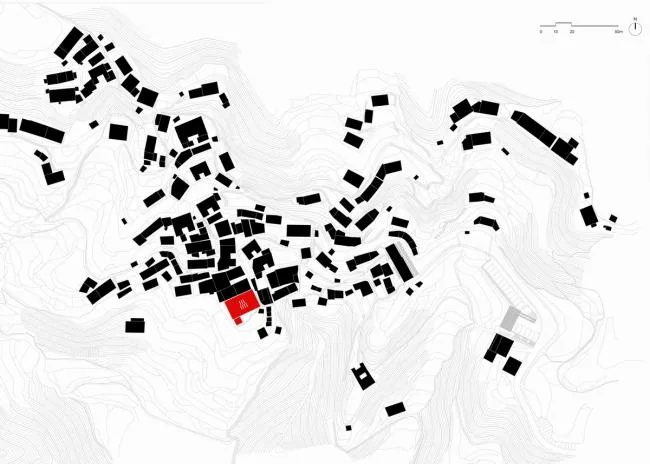
Site Plan
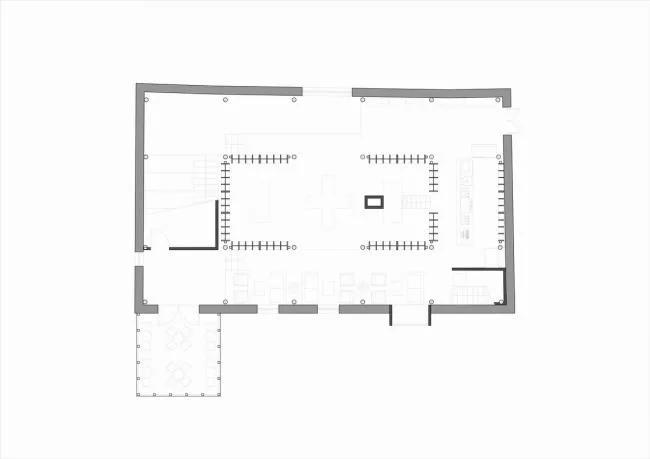
First Floor Plan
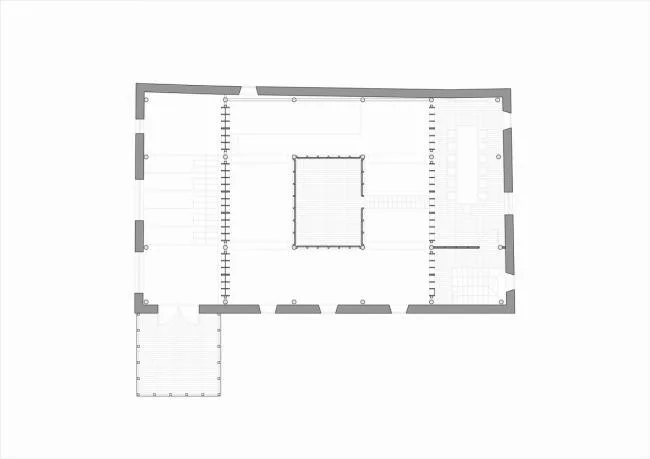
Second Floor Plan
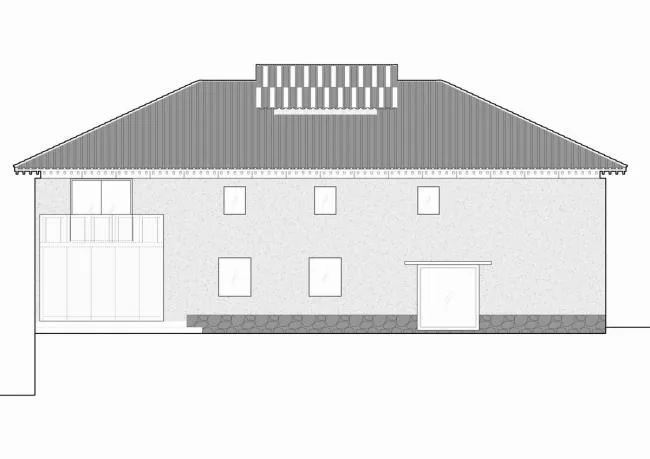
South Elevation
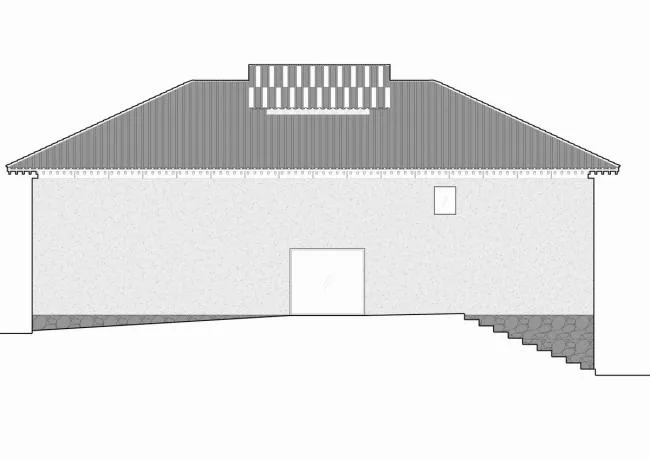
North Elevation
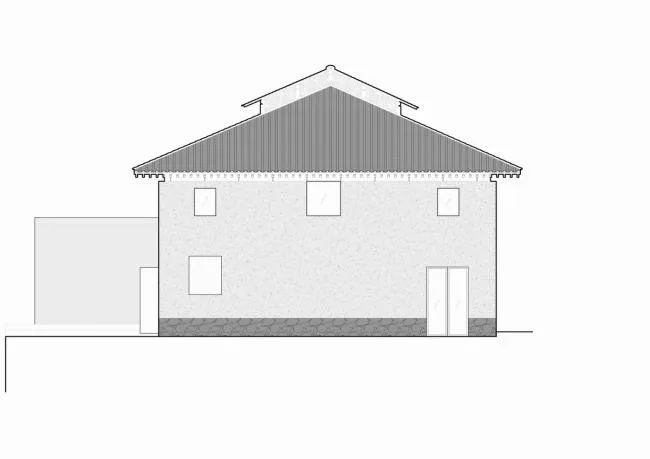
East Elevation
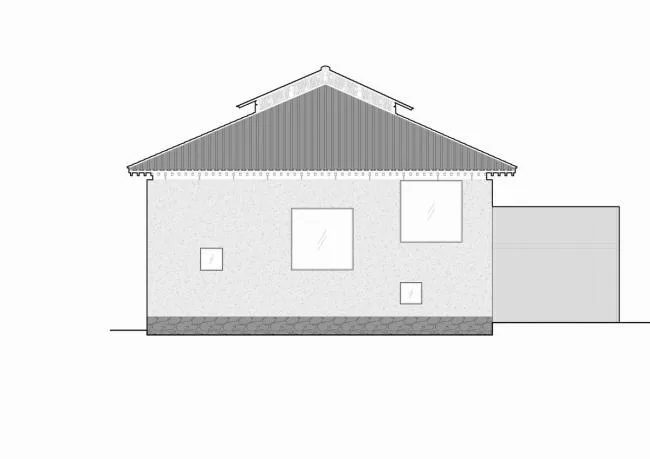
West Elevation
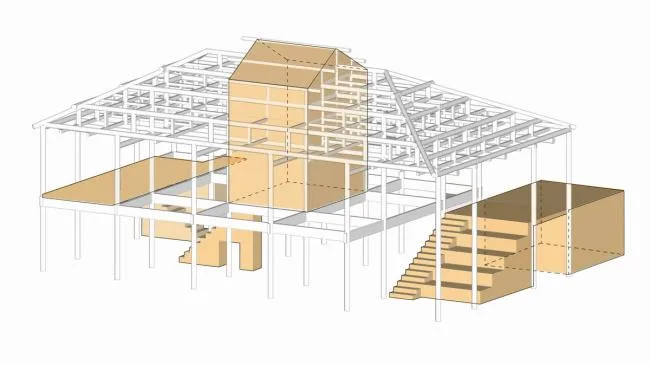
Three New Spaces
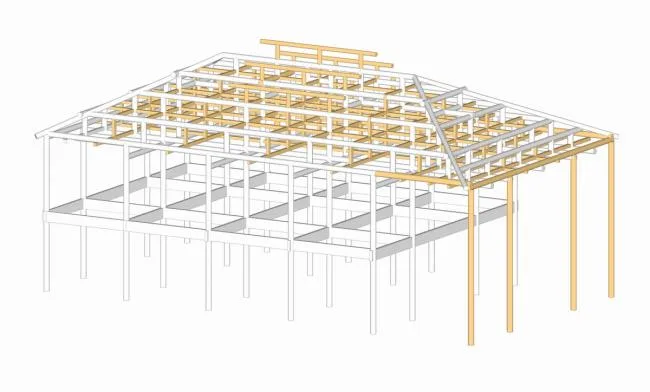
Wooden Roof Trusses Added to Wooden Structures
Project Information:
Architect: Zhang Lei United Architectural Firm
Location: Songyang, Zhejiang, China
Category: Cultural Center
Lead Architects: Zhang Lei, Qi Wei
Design Team: Ma Haiyi, Hong Siyao
Building Area: 338.0 m²
Year of Completion: 2018
Photographer: Hou Bowen















Must log in before commenting!
Sign Up