
Recently, the China Construction Third Engineering Bureau completed the highest prefabricated residential project in Fujian Province — Fuzhou Zhonghai Wanjin Garden Section II. The project has successfully reached structural topping out!
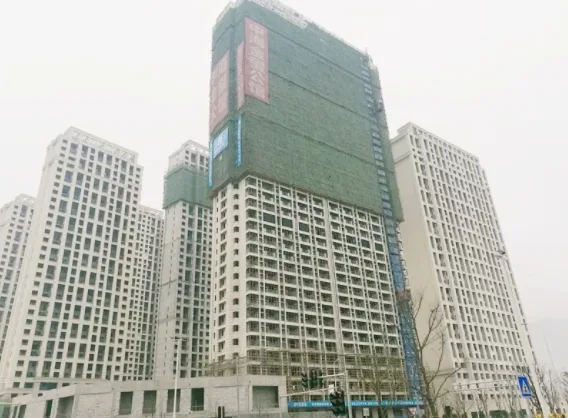
This project is a pilot for lean construction by China Construction Third Engineering Bureau and has been honored with the title of Fuzhou Worker Pioneer.


The project recently hosted the Fuzhou Municipal Observation Conference, attracting 3,300 participants.
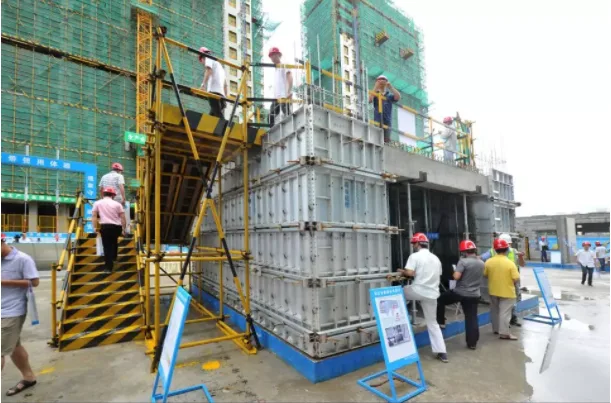
Notably, this is the tallest prefabricated residential building in Fujian Province.
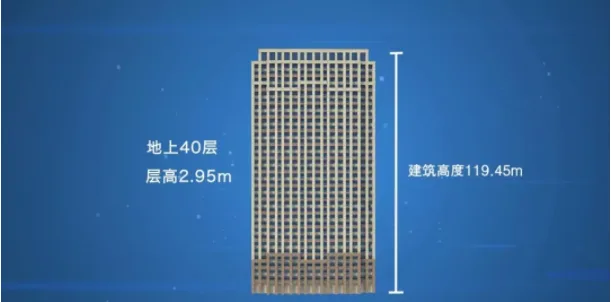
The media often describe prefabricated construction as assembling a house like building blocks. Locals also marvel at how clean construction sites have become. But what exactly is prefabricated building? Let us walk you through the process.
How “Building Blocks” Are Assembled Quickly
While the term “building blocks” is commonly used, the lifting and installation of prefabricated components (PC components) is far more complex than a simple modular structure. Below is a detailed step-by-step overview:
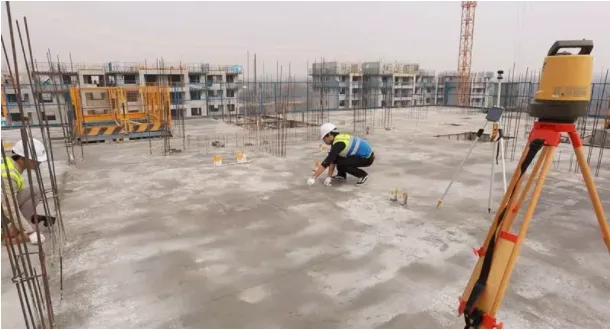
Surveying and setting out
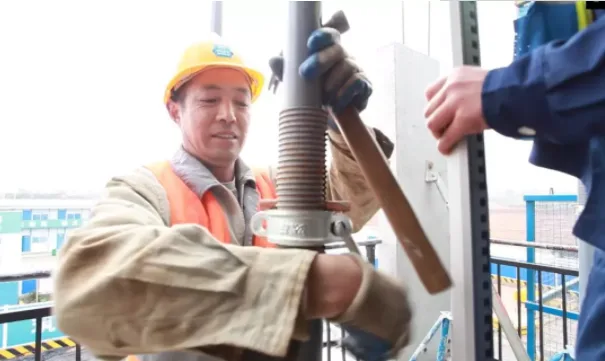
Independent steel support adjustment
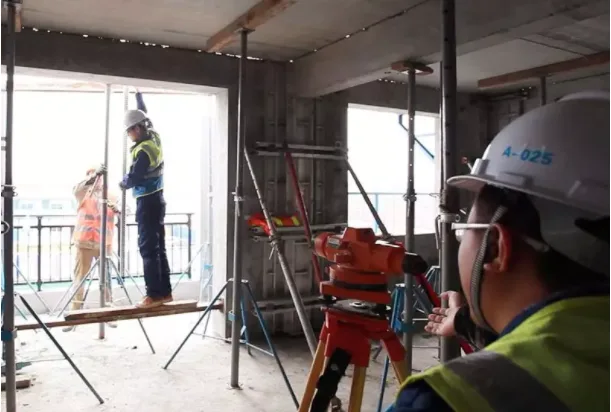
Support elevation review
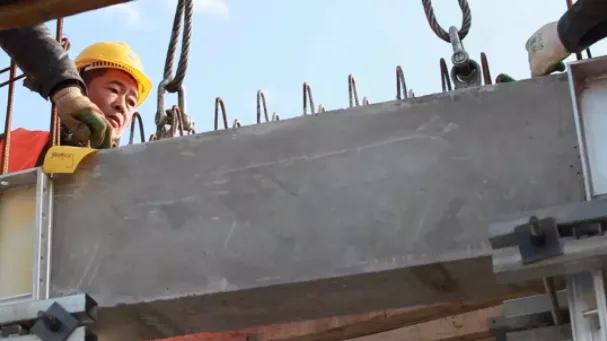
Prefabricated beam hoisting
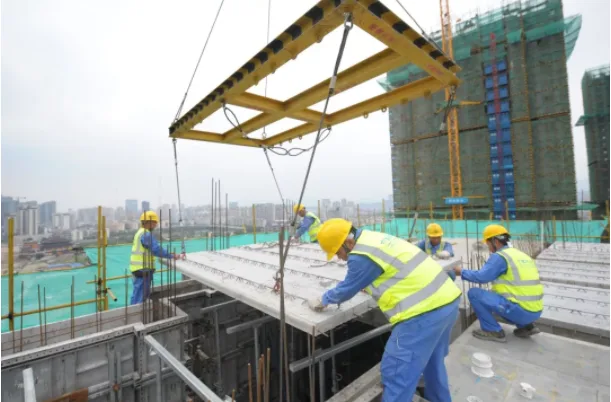
Prefabricated board hoisting
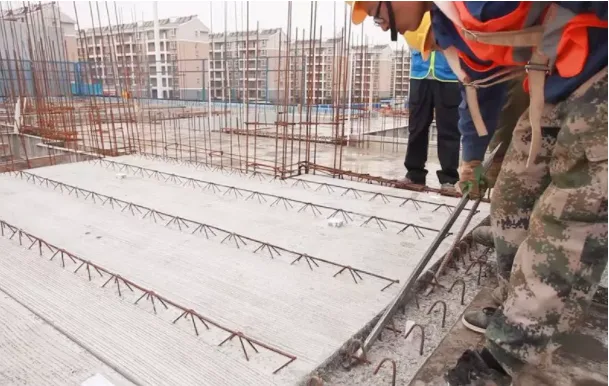
Plate position adjustment
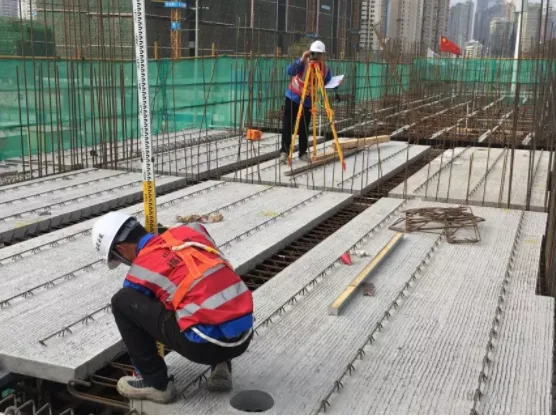
Elevation review
Stable Building Blocks and the Importance of Technology
This project employs an integrated construction system combining PC (prefabricated components) with aluminum formwork, replacing traditional wooden formwork with reusable aluminum molds. Prefabricated beams and slabs are precisely mass-produced at the factory, and the main structure is assembled on-site like “building blocks” to enable rapid construction.
To maximize the benefits of prefabricated components and aluminum formwork, the project undertook a secondary detailed design phase to eliminate conflicts and interface issues between prefabricated parts and assembled aluminum molds, ensuring seamless integration.
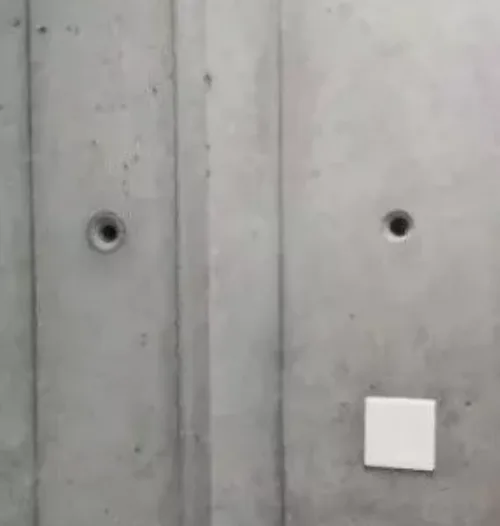
Door stacks are formed in a single process.
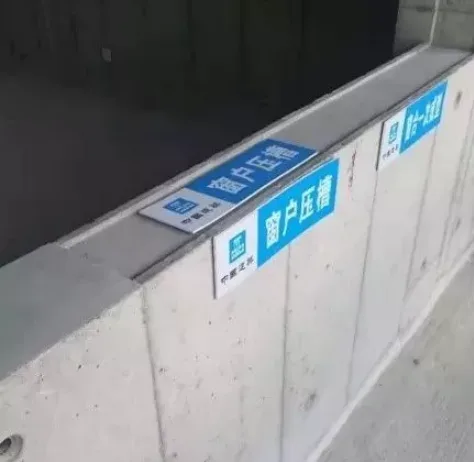
Window sills and pressure grooves are also formed in one go.
Using BIM technology, the project compares and selects the best support schemes for prefabricated components and performs collision detection for complex three-beam node steel reinforcements, facilitating easier assembly of the “building blocks”.
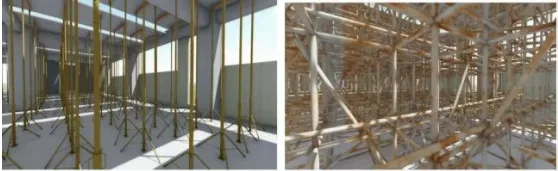
Comparison and selection between independent steel support and full frame schemes
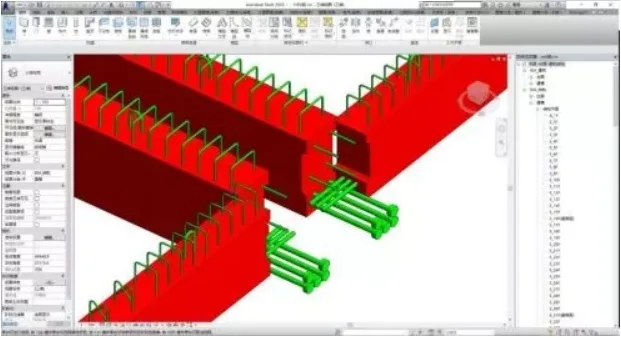
Collision inspection of complex three-beam node reinforcement
Well-Built Blocks Improve Quality and Reduce Waste
The main distinction between prefabricated buildings and traditional cast-in-place construction lies in shifting some construction processes to the factory. This project achieved over 30% labor reduction, more than 50% decrease in construction waste emissions, and over 40% reduction in on-site auxiliary material usage compared to conventional methods.
1. Superior Quality Control
Standardized modular designs ensure product quality right from the source. Factory manufacturing keeps dimensional deviations within millimeter-level tolerances, resulting in finer component quality.
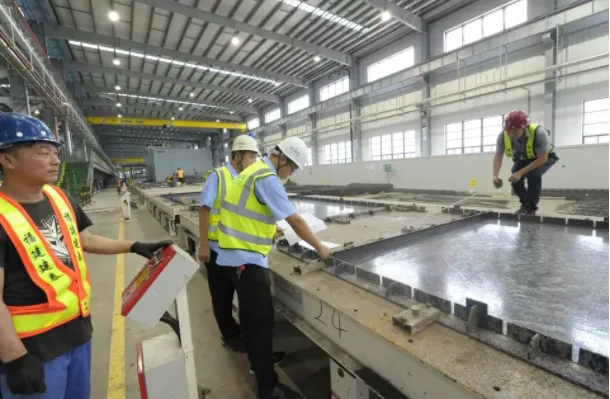
Standardized mass production process
2. Environmentally Friendly and Energy Efficient
Compared to traditional cast-in-place methods, this approach significantly reduces on-site concrete pouring, cuts construction water consumption by 20%, and lowers construction waste by 50%. Additionally, noise and dust pollution during construction are greatly minimized.
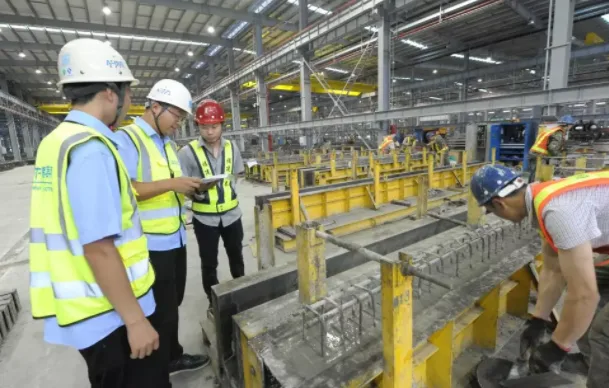
Factory workshop production
3. Labor Cost Savings
By transferring significant construction tasks to the factory, labor intensity and input on-site are substantially reduced.
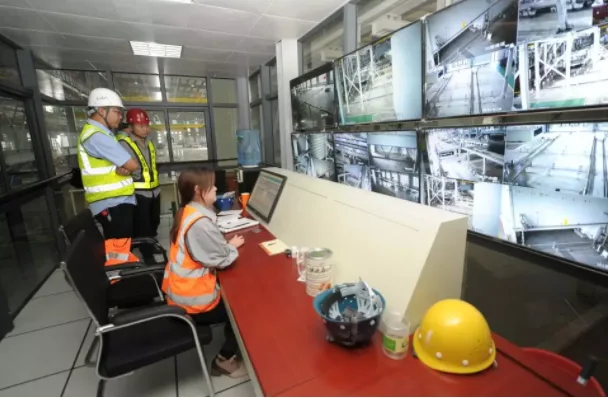
Large-scale automated CNC center for prefabricated component production
Now that you’ve seen how buildings can be constructed like building blocks, what do you think?
















Must log in before commenting!
Sign Up