
What actions should we take in response to the growing energy shortage?
Our answer is simple:
Green Building & Green Construction
Green buildings and sustainable construction practices are crucial strategies for conserving energy and protecting the environment within the construction industry. During engineering projects, appropriate control measures must be implemented, alongside the research and development of innovative green construction technologies. These efforts aim to achieve efficient, low-consumption, and eco-friendly construction, maximizing the environmental benefits of each project.
On March 1, 2017, the Ministry of Housing and Urban-Rural Development released the 13th Five Year Plan for Building Energy Efficiency and Green Building Development, outlining specific goals:
By 2020, the energy efficiency of newly constructed urban buildings is targeted to increase by 20% compared to 2015. Energy efficiency standards for key components such as doors and windows in select areas will reach or approach advanced international levels. Over 50% of new urban construction should consist of green buildings, with green building materials making up more than 40% of usage. Additionally, energy-saving renovations will be completed on 500 million square meters of existing residential buildings and 100 million square meters of public buildings. The share of energy-saving buildings in urban residential areas across China will exceed 60%, while renewable energy will replace more than 6% of conventional energy use in civil buildings. Significant progress will also be made in rural areas of economically developed regions, with over 10% of rural buildings adopting energy-saving measures.
Recently, the Shandong Provincial Government introduced the Shandong Province Green Building Promotion Measures (hereinafter referred to as the “Measures”). These regulations clarify how the government and relevant departments can promote green building development through planning, construction, operation and management, technology promotion, incentives, and legal responsibilities.
Effective implementation of these policies depends heavily on advanced green construction technologies.
For enterprises, it is essential to prioritize green construction planning and promotion, invest in research and development of new green technologies, and gradually establish a comprehensive set of green construction methods and specialized processes. The development trends include:
(1) Expanding the use of prefabricated materials and components tailored to actual construction sites;
(2) Promoting standardization of temporary facilities;
(3) Innovating and popularizing new construction technologies;
(4) Enhancing integration between information technology and green construction measures;
(5) Establishing and continuously improving a green construction standards system.
What are the objectives of green construction?
1. Establish a robust green construction management system;
2. Develop comprehensive green construction planning documentation;
3. Display clear and prominent green construction promotional signage on site;
4. Implement a green construction training program combining professional and job-specific training, with records of participation;
5. Conduct thorough batch and stage evaluations of green construction efforts, ensuring documentation and meeting required frequency;
6. Collect and preserve typical images or video materials of green construction activities during implementation, ensuring adequate coverage;
7. Maintain complete data on continuous improvements from batch and stage evaluations;
8. Promote the adoption of ten new technologies in the construction industry, emphasizing four key new technologies;
9. Include green construction performance indicators in subcontracting and labor contracts, especially concerning prefabricated building packages.
How should construction companies manage green construction?
1. Organizational Management
Establish a green construction management system with clear objectives and policies. Responsibilities for green construction should be assigned to various departments, creating a job responsibility system that supervises all phases, including planning, preparation, material procurement, on-site construction, and project acceptance, ensuring genuine green construction practices.
2. Planning and Management
Develop thorough green construction plans, environmental impact assessments, environmental management plans, and energy conservation and emission reduction strategies early in the project. Regularly identify and address major environmental risks during construction with timely corrective actions.
3. Implementation Management
Control personnel, materials, equipment, and construction quality to integrate engineering with environmental protection effectively. Conduct self-assessments on the adoption of green technologies, materials, and processes. An expert evaluation team should comprehensively review the green construction plan, its execution, and project completion.
What are the new green construction technologies?
1. Green Construction Digital Supervision System
This system collects, transmits, summarizes, analyzes, and queries data related to water and electricity consumption, construction noise, dust emissions, and live site video. It operates through a combination of automatic/manual and wired/wireless transmission, offering stable, reliable, and 24/7 monitoring unaffected by weather. It effectively reduces noise and dust emissions, enhancing environmental quality at construction sites and nearby areas. When integrated with fog cannons and sprinklers, it can automatically activate dust suppression devices upon detecting threshold breaches, linking environmental monitoring with dust control.
2. Fully Automatic CNC Steel Bar Processing Technology
This technology uses microcomputer control and a complete hydraulic system to automatically straighten, size, bend, and cut steel bars. It boasts high construction efficiency, precise processing, and smooth operation, making it ideal for large-scale steel reinforcement projects. Compared to traditional methods, it increases work efficiency significantly, replacing the labor of 20-30 steel reinforcement workers.
3. Energy-saving and Environmentally Friendly Masonry Materials
This technology employs lightweight aggregate concrete hollow partition panels and gypsum blocks produced via mechanized assembly lines, reflecting factory-level masonry production. It improves construction speed, reduces labor and material costs, and generates minimal waste, thereby minimizing environmental impact.
4. Vegetation Ecological Concrete Technology
Shaped like rice candy with multiple voids, this concrete suits cast-in-place construction on various surfaces and slopes without requiring mechanical rolling equipment. It is applied in slope stabilization, vegetation growth, road drainage, noise reduction, industrial water purification, and harmful gas adsorption, effectively preventing soil erosion and enhancing ecological environments.
5. External Wall Self-Insulation System Construction Technology
This system uses autoclaved fly ash bricks, aerated concrete blocks, and ceramic aggregate blocks as wall materials, supplemented by insulation measures such as EPS board thin plastering, prefabricated insulation decoration, rock wool boards, and TCC formwork systems. It meets design standards for 50% energy savings in regions with hot summers and cold or warm winters.
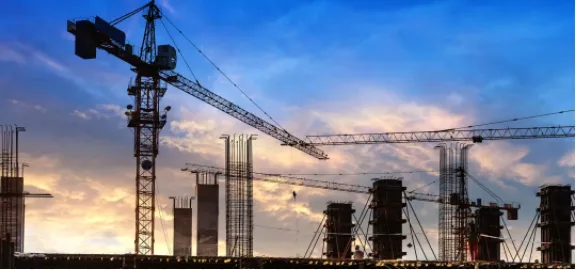
Precautions for Green Construction
1. Improve Material Utilization Efficiency
(1) Before construction, develop management plans for material entry, storage, and exit, including recycling methods for renewable waste. This reduces loss rates during transportation and waste during use, ensuring materials are used effectively and sufficiently.
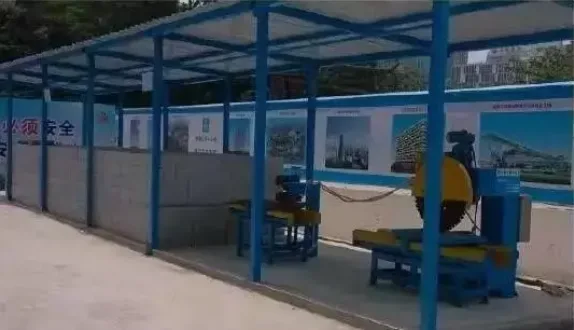
(2) Establish a dedicated material management team. Use local materials whenever possible for conventional supplies, selecting suppliers based on planned usage timing to ensure timely delivery. For leased materials, accurately calculate usage duration considering maintenance schedules.
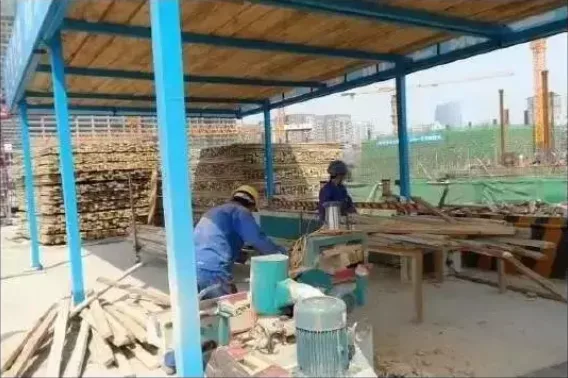
(3) Maintain a material usage ledger for centralized management. Materials should be allocated following consumption quotas to avoid misuse, such as overuse of premium materials or underuse of longer-lasting items. Waste materials should be reused whenever possible.
2. Strengthen Environmental Protection
(1) Before construction, prepare environmental management and emergency response plans to minimize environmental impact, protect nearby facilities and cultural relics, and ensure the safety of pipelines and buildings around the site.
(2) Erect fences around construction sites and implement dust control measures such as covering materials, segmented operations, timed construction, regular watering, and cleaning of surfaces and vehicles. During earthwork, dust visibility should remain below 1.5 meters; during structural and decoration phases, it should be below 0.5 meters and must not spread beyond the site.
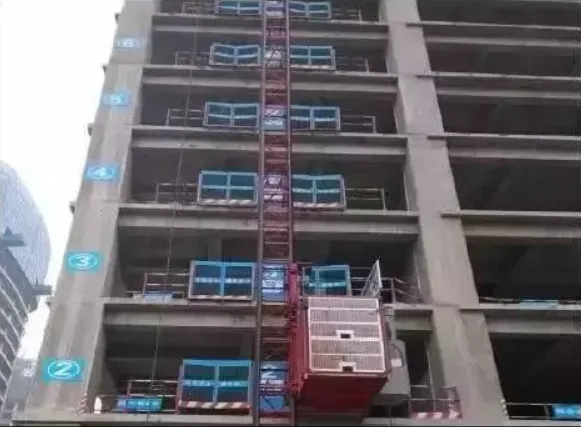
(3) Control noise levels to prevent disturbance to residents. During the day, noise should not exceed 70dB during structural phases and 60dB during decoration. Nighttime noise must remain below 55dB.
3. Reasonably Arrange the Site
(1) Protect land at the construction site by establishing temporary land indicators, general layout plans, and land-saving measures.
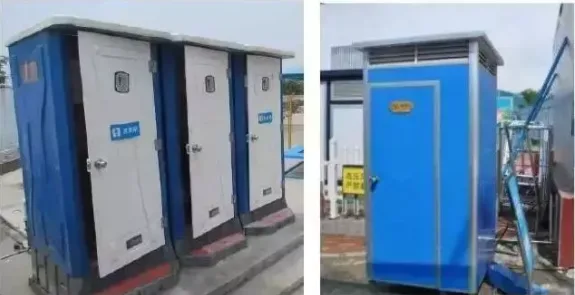
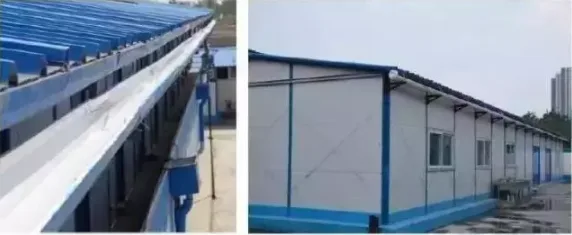
(2) Install separation facilities to distinguish living and construction areas. Position warehouses, processing zones, and material storage yards close to transportation routes to minimize transport distances. Use multi-story light steel movable board houses or steel skeleton cement movable board houses for temporary offices and living quarters to reduce footprint and allow flexible adjustments.
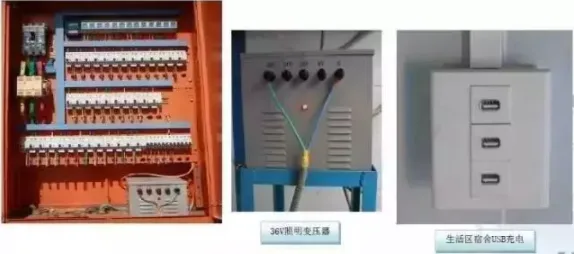
(3) Optimize deep foundation pit construction plans to reduce excavation and backfilling. Store excess earthwork on-site when possible to protect the surrounding natural ecosystem.
4. Reduce Energy Waste
(1) Establish reasonable energy consumption targets before construction, including electricity usage for production, living, office, and equipment. Regularly monitor these to improve energy utilization efficiency.
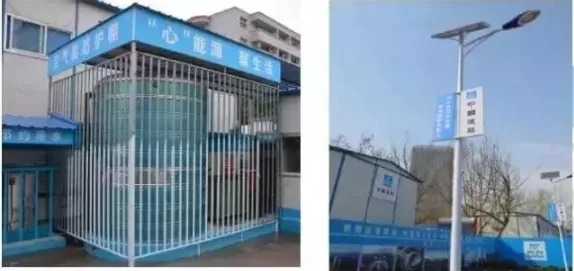
(2) Arrange construction sequences and work areas efficiently, maximizing the use and full load of equipment and tools. Reduce the number of devices in operation areas and prioritize low-energy, high-efficiency, and environmentally friendly equipment.
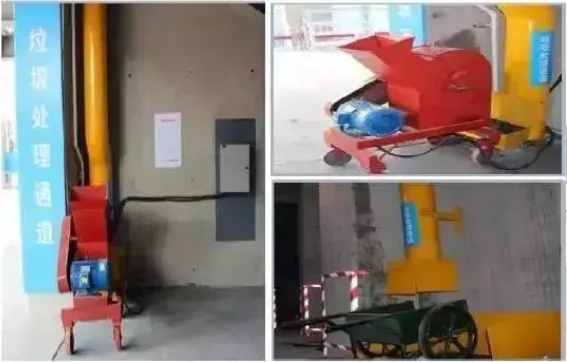
(3) For temporary electricity, use energy-saving wiring and lighting fixtures. Design and arrange power lines thoughtfully, incorporating automatic controls for temporary power equipment.
5. Recycle Water Resources
(1) Set up systems for collecting and treating reusable water on-site. Apply advanced water-saving construction techniques and avoid using municipal tap water for road spraying and irrigation. Install circulating water devices for washing machinery, equipment, and vehicles.
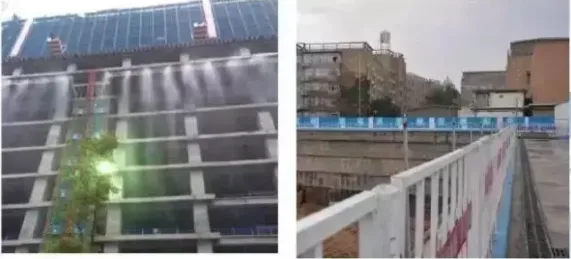
(2) Design water supply networks based on consumption needs, ensuring appropriate pipe diameters and simple layouts. Regular maintenance is essential to prevent leaks and wastage.
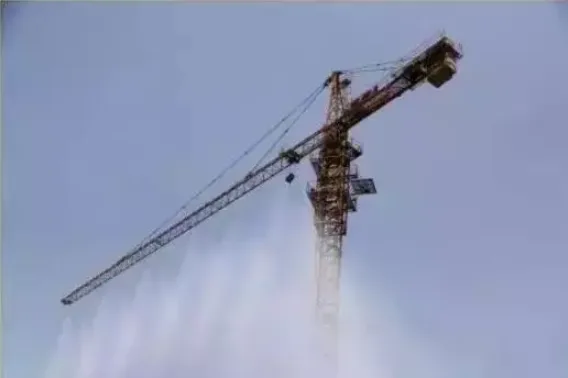
(3) Install water meters on equipment during construction, establish water consumption quotas for engineering and domestic use, and display clear water-saving signs.
Currently, green construction is predominantly implemented during the engineering phase. Moving forward, it should be effectively integrated with BIM, cloud computing, and other technologies to achieve coordinated green construction management. Continuous research and development of new green construction technologies will further conserve resources, reduce energy consumption, and promote sustainable development within the construction industry.













Must log in before commenting!
Sign Up