
Issues with Prefabricated Components and Embedded Parts
The challenge with embedded parts in prefabricated components involves deviations in the alignment and embedding depth of items such as wire boxes, conduit pipes, lifting points, and embedded metal pieces beyond the allowable tolerance specified in standards. When these embedded parts have widespread defects during production, it results in rework and repairs that disrupt schedules and can severely impact the construction and long-term performance of the project.
The primary quality concerns related to embedded parts include:
- Center positions of wire boxes, embedded metal parts, suspension nuts, lifting rings, and anti-corrosion wooden blocks exceeding allowable deviation limits.
- Purchased or in-house fabricated embedded parts failing to meet drawing and specification requirements.
- Incorrect specifications or quantities of embedded parts used, violating drawing requirements.
- Embedded parts lacking galvanization or anti-rust coating.
- Incorrect specifications for grouting sleeves in wall panels leading to component rework.
- Significant height deviations of embedded parts affecting installation and future use—especially issues with floating or sinking of embedded wire boxes during final inspection.
- Wall panels missing diagonal supports to secure suspension nuts, leading to drilling and fixing with expansion bolts during installation.
- Obstruction or detachment of sleeves, grouting pipes, or embedded wire boxes and pipes during concrete pouring and vibration.
Such problems can range from cosmetic and installation issues to severe structural stress concerns.
Cause 1: Use of purchased or self-made embedded parts without proper acceptance inspection.
Solution: Embedded parts must be fabricated according to design specifications for material, size, and shape. Outsourced or in-house parts require inspection and approval by qualified inspectors before use.
Cause 2: Missing or misaligned positioning holes on molds, or deformation of positioning fixtures after repeated use, resulting in sinking or floating embedded parts.
Solution:
- Molds must meet installation and positioning requirements with accuracy conforming to technical standards.
- Embedded parts should be fixed securely and sealed properly during installation to prevent movement or deformation, and to avoid blockages or detachment during vibration. If displacement is detected during concrete pouring, pouring must stop immediately to identify and correct the cause before proceeding.
- To prevent sinking or floating of embedded wire boxes, ensure fixture stability and regularly correct any deformation. Manual inspection and adjustment during plastering are essential. Ideally, fix embedded parts by drilling holes in the base mold and avoid vibrating this area directly to minimize floating or twisting deviations.
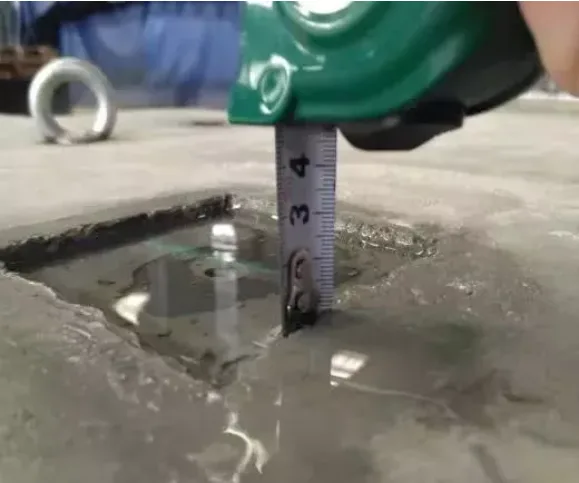
Cause 3: Failure of production and inspection personnel to verify embedded parts against design drawings, leading to incorrect specifications, missing parts, or excessive positional deviations.
Solution:
- Before concrete pouring, production and quality teams must thoroughly inspect the specifications, positions, quantities, and installation quality of embedded parts. Only after passing inspection should pouring proceed. Any deviations require rework.
- Conflicts between embedded parts and other conduits, reinforcing bars, or embedded items must be reported promptly. Unauthorized displacement or design modifications are strictly prohibited.
Cause 4: Inadequate care during production causing improper fixation of embedded parts.
Solution: Strengthen process inspections and strictly implement comprehensive quality checks.
Cause 5: Embedded parts being damaged by vibrating rods during concrete pouring.
Solution: Avoid direct contact between vibrating rods and steel reinforcements, formwork, or embedded parts during pouring.
Cause 6: Lack of corrective action during plastering.
Solution: After concrete pouring, inspect the position of all embedded parts carefully, promptly identifying and correcting any issues.
Issues with Reserved Holes in Prefabricated Components
Problems with reserved holes occur when their size and quantity do not meet drawing requirements, or when the centerline position deviates beyond tolerance. Large reserved holes may intersect with internal reinforcement bars during drilling, and without proper structural reinforcement, this compromises component quality.
Cause 1: Missing reserved or positioning holes during mold production, or positioning hole centerlines deviating beyond tolerance.
Solution: Molds must comply with installation and positioning requirements for reserved holes.
Cause 2: Production and inspection teams not following construction drawings, resulting in incorrect reserved hole specifications, missing holes, or positional deviations.
Solution:
- Prior to concrete pouring, production and quality inspectors must thoroughly check the specifications, sizes, positions, quantities, and installation quality of reserved holes. Work can only proceed after passing acceptance. Deviations require rework.
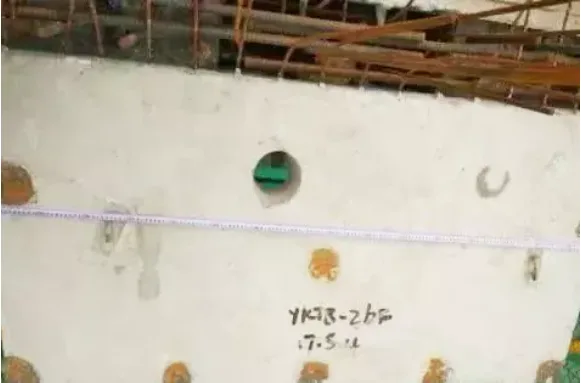
Cause 3: Insufficient fixation causing reserved holes to shift or detach during concrete vibration.
Solution:
- Apply reliable fixing and protective measures during installation to prevent movement or deformation, and avoid detachment during vibration. If displacement of the reserved hole mold is detected during concrete pouring, stop pouring, identify the cause, and address the issue before continuing. Refixing must be done before concrete sets.
- Conflicts between reserved holes and conduits, reinforcement, or embedded parts must be reported immediately. Unauthorized relocation or design changes are prohibited. Reserved holes should be sealed or filled before pouring to prevent concrete intrusion. Any concrete entering reserved hole formwork must be cleaned immediately to avoid structural impacts.
- When vibrating concrete near reserved holes, keep vibrating rods at a safe distance to avoid displacement or deformation of the reserved hole edges, ensuring dense compaction.
Cause 4: Rough handling during demolding causing significant damage to reserved hole locations.
Solution: Wait until concrete achieves sufficient strength before removing formwork, and use gentle dismantling methods. Avoid prying with bars to prevent damage to reserved holes and surrounding concrete. After demolding, production and inspection personnel must re-examine reserved hole positions, specifications, dimensions, and quantities to confirm accuracy.













Must log in before commenting!
Sign Up