
Su Mansion stands as a steadfast guardian, patiently awaiting the return of its long-time resident through rain or shine. No matter the circumstances, coming home is always a heartfelt experience. This mansion not only embodies the rich cultural heritage of Shuanglin Lane in Suzhou but also preserves the marks of historical transformation.
Background
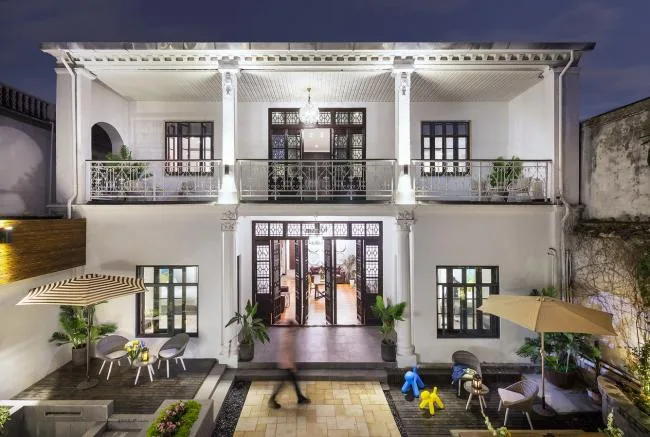
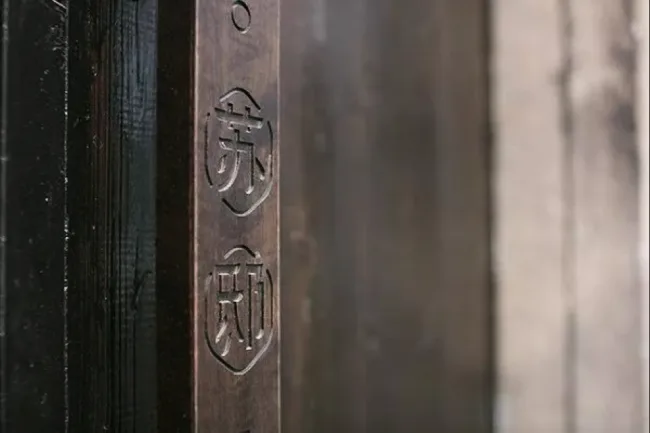
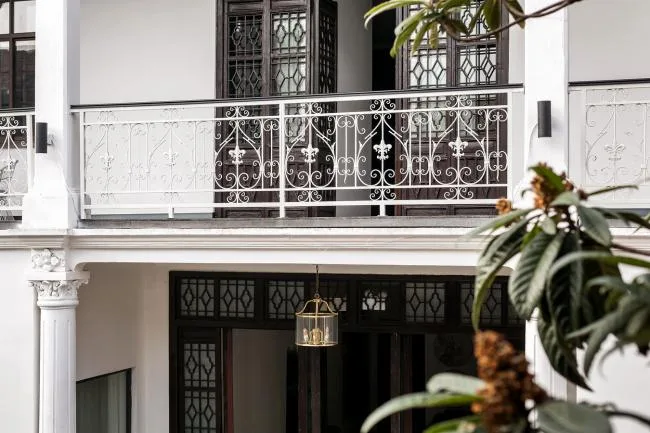
Located in Shuanglin Lane, Suzhou, Su Mansion was originally a worn blue brick building dating back to the Republican era. When the designer first opened its small door, they were captivated by the mansion’s strong charm. Roman-style carved columns, lofty loquat trees in the courtyard, and weathered brick walls all contribute to its simple yet compelling architectural beauty.
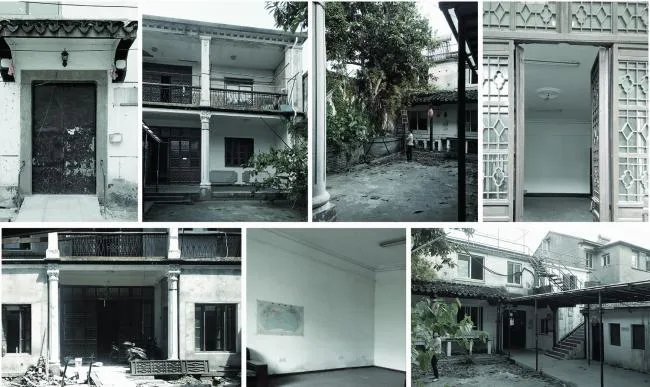
Photos before renovation
The designer and their team transformed this Republican-style building by carefully integrating the structure with its environment and historical context. The renovation created a tranquil space where visitors can briefly experience the authentic life of Suzhou and Shanghai.
Concept
For the homestay renovation, the designer aimed to reveal the true essence of life through BIM engineering, allowing travelers a glimpse of Suzhou’s calm and humble spirit during their short stay.
Years of neglect had left the building structurally compromised, with dark, oppressive spaces, unauthorized courtyard additions, and outdated sewage systems threatening its integrity. The renovation focused on the space’s form, functionality, and interconnectivity, ensuring every detail supported openness and flexibility to accommodate diverse guest needs.
Transformation
1) Aging and deteriorated building structure
The original structure consisted of two small brick and tile buildings positioned front and back. The front building was a later addition, while the rear was once home to affluent merchants during the Republic of China era. With no load-bearing beams or columns and limited original support, renovating the building posed significant challenges. The designer and construction team carefully tested each wall to determine where reinforcement was possible, prioritizing safety and adapting the layout to existing walls.
2) Long-term wall damage
The old walls were heavily affected by mold and dampness. The designer treated every facade with waterproofing and anti-mold measures. After repainting and repairing the damaged walls, the homestay gained a more comfortable atmosphere. The fresh white walls also enhanced the existing simple and clean facade.
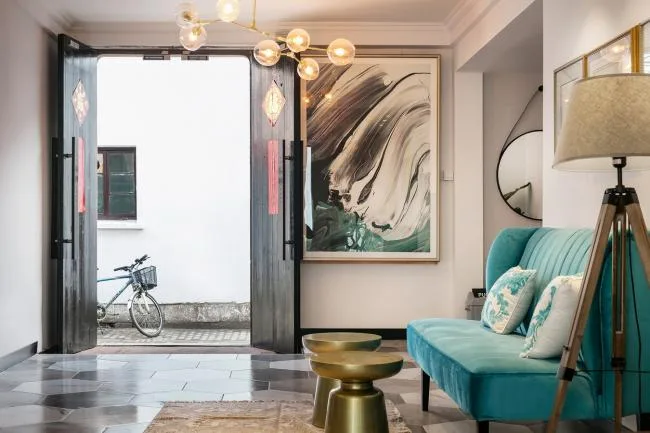
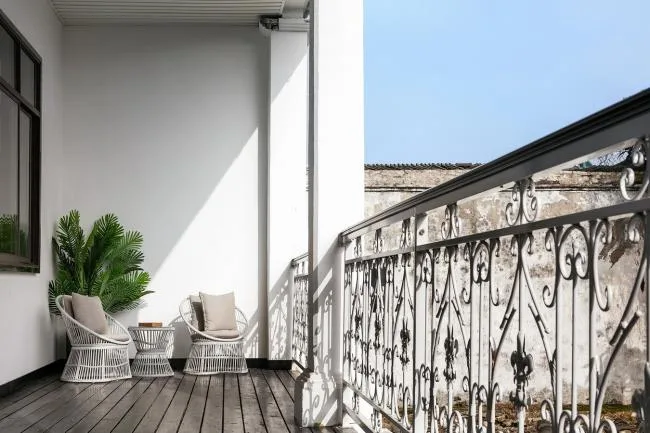
3) Courtyard and urban space
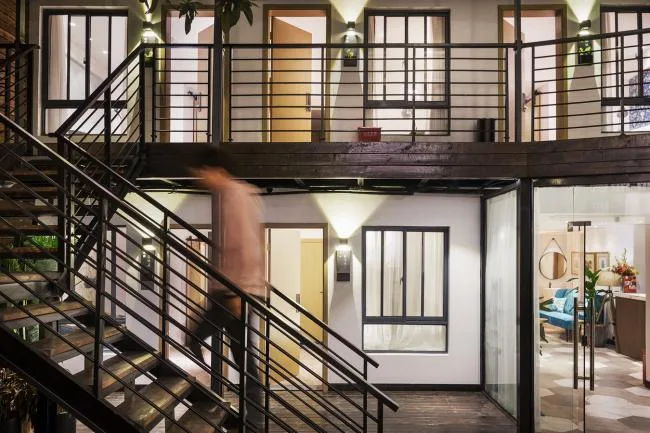
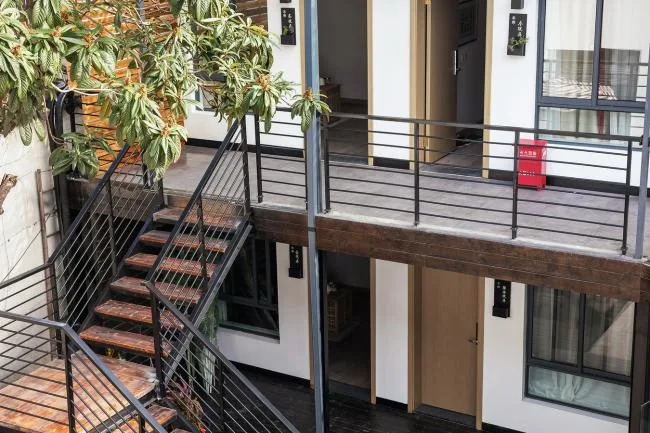
Traditionally, the courtyard served as a private living area. However, unauthorized structures within the courtyard had fallen into disrepair. Given the homestay’s open residential character, the designer sought to foster social interaction through the semi-public courtyard space. During renovation, illegal buildings were removed, some plants preserved, and the courtyard’s landscape was thoughtfully redesigned. Taking into account the terrain and character of the small courtyard, a Republican-era garden atmosphere was created, offering guests diverse communal spaces.
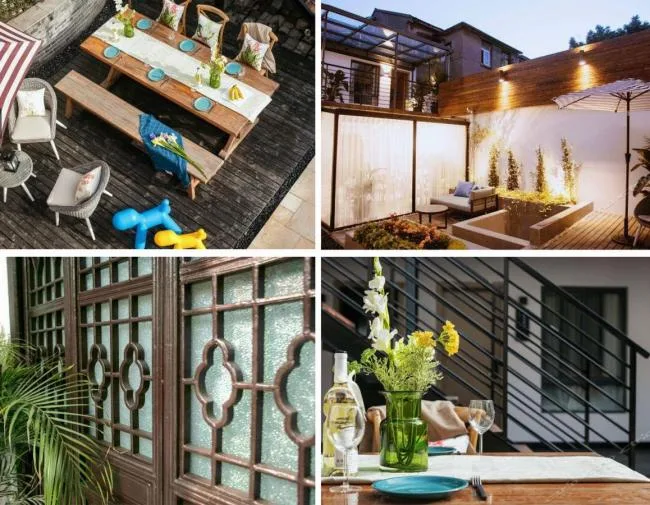
4) Spatial storytelling
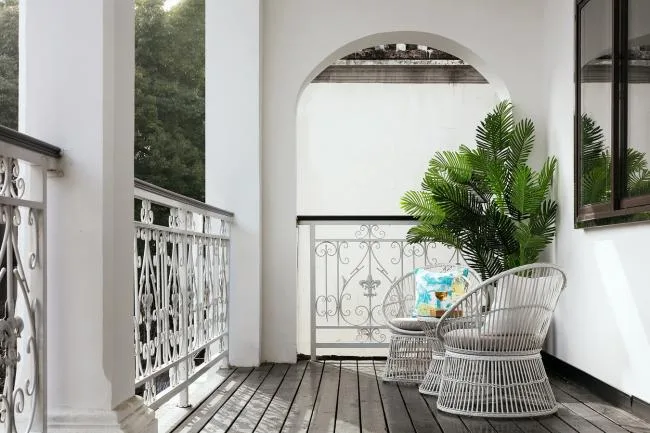
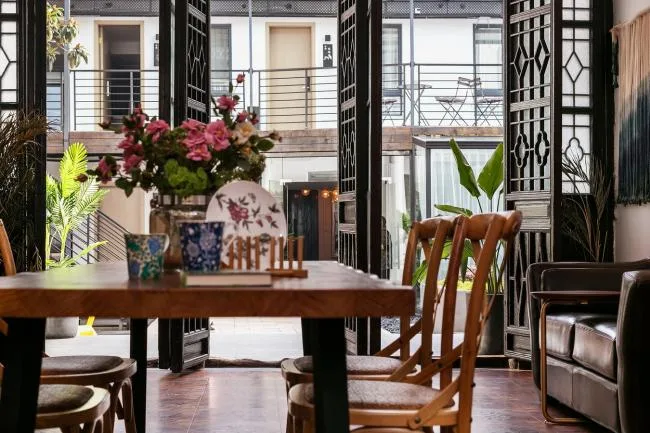
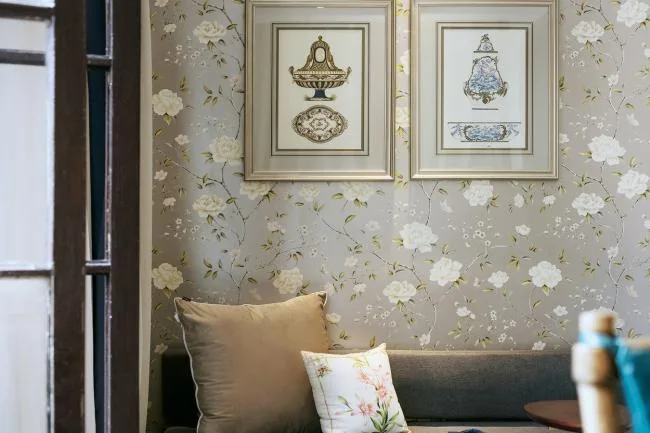
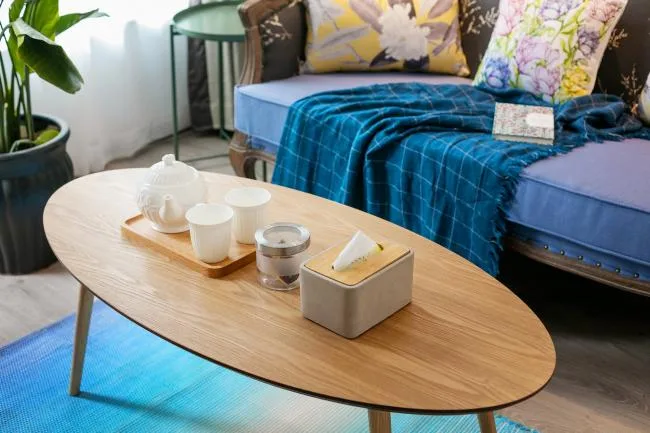
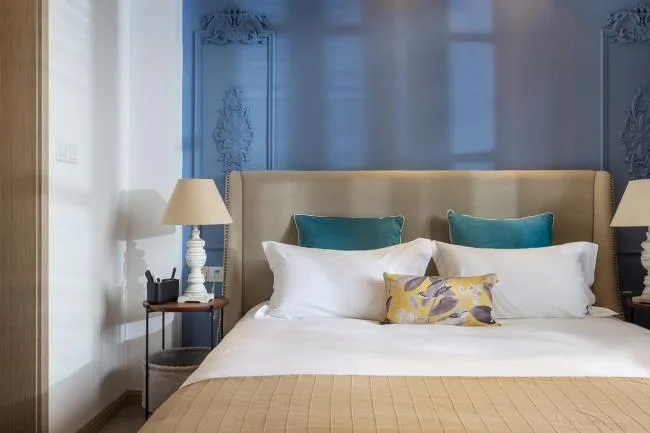
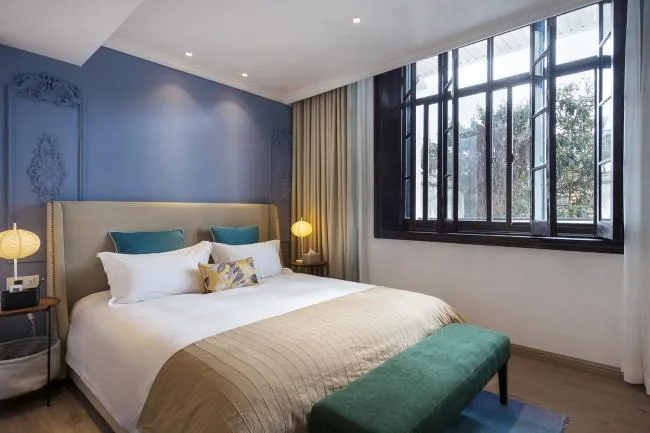
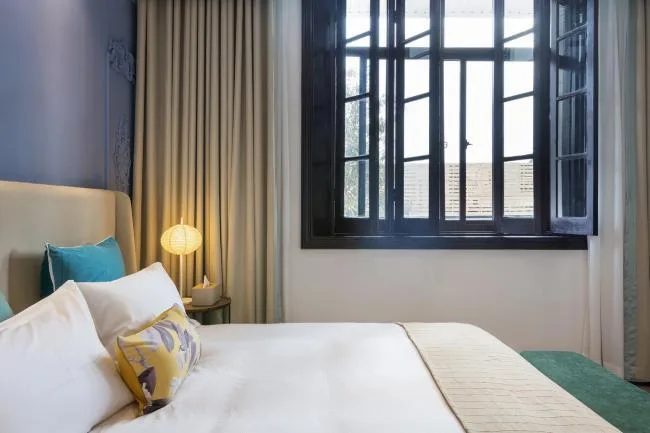
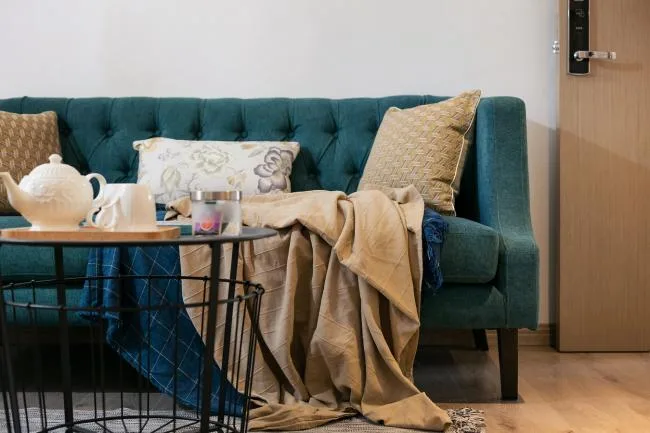
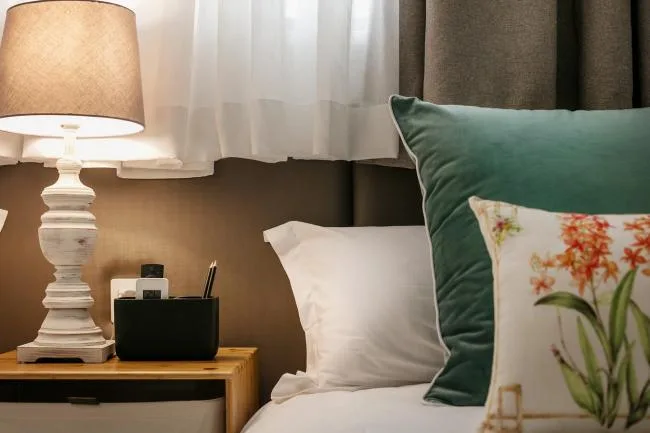
Most homestays in Jiangsu and Zhejiang feature cool gray and white tones, but Su Mansion, located deep within Shuanglin Lane, was originally a gray, aged building that could feel oppressive. To counter this, the designer transformed the space with abundant white tones and colorful accents, aiming to create a fresh and inviting atmosphere.
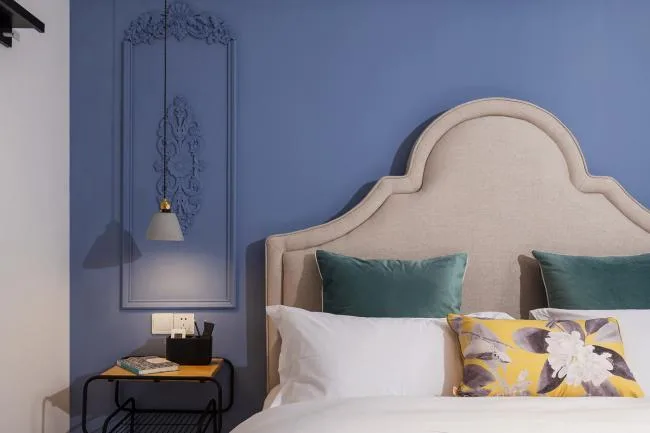
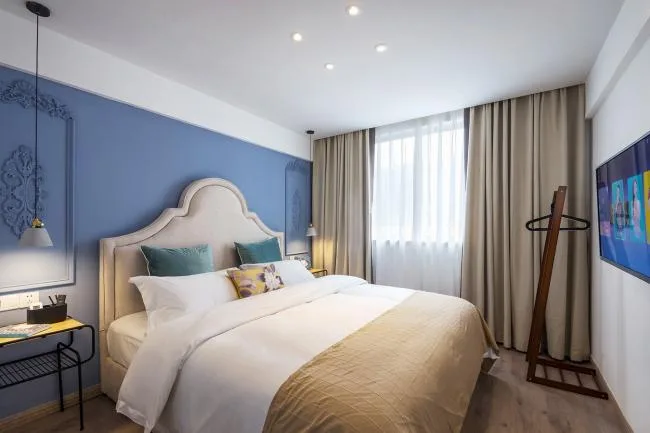
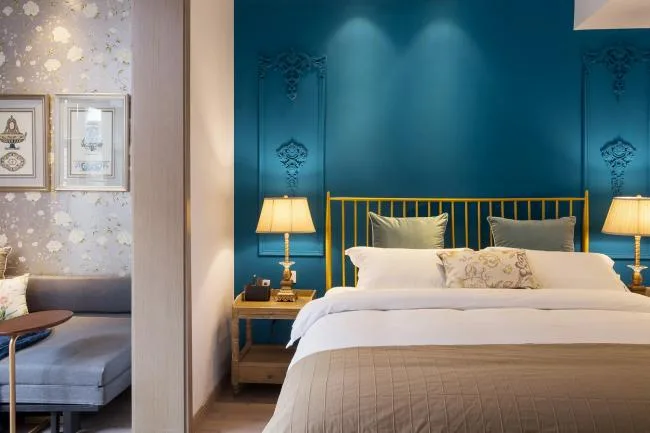
After the homestay opened, guest feedback revealed that young people and families with children especially appreciated this design. While children often fear staying in old houses, they were drawn to the soft, bright colors used throughout the space.
Value
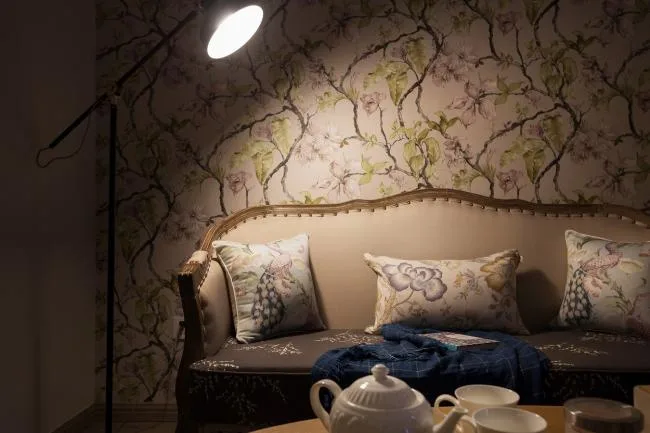
Renovating old buildings goes beyond simply erecting new walls; it involves embedding profound urban culture within the space. The true value lies not only in providing tourists with a place to rest, but also in exploring the harmonious blend of old and new. Throughout the project, carefully restored carved doors and windows, traditional horsehead walls, and subtle ink painting elements in the decor all pay homage to Suzhou’s unique heritage and deserve thoughtful appreciation.
Drawings
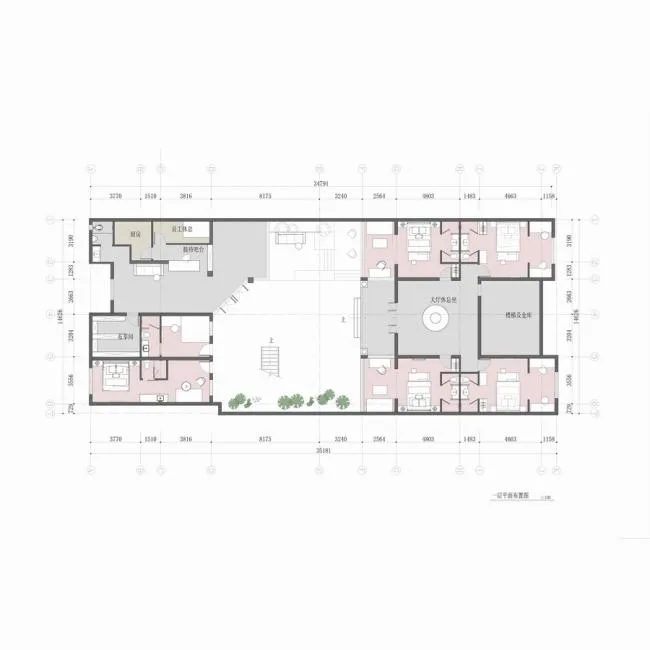
First Floor Plan
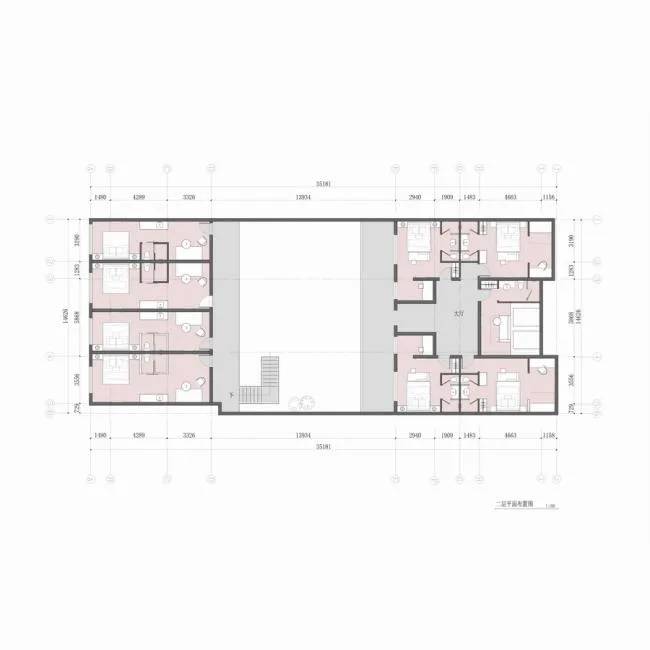
Second Floor Plan
Project Information
Project Name: So Deep Su Di Boutique Hotel, Suzhou
Project Location: Suzhou, China
Interior Design: China Academy of Art Landscape Architecture Design and Research Institute Co., Ltd. First Comprehensive Branch
Design Team: Li Xin, Wu Jiang
Project Area: 800 square meters
Design Period: March 2017 to April 2017
Construction Period: April 2017 to August 2017












Must log in before commenting!
Sign Up