
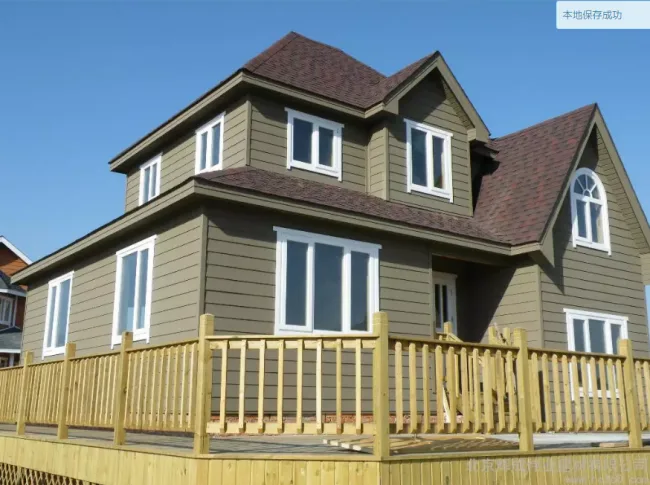
The external wall insulation system refers to non-load-bearing insulation structures made up of insulation layers, protective layers, and fixing materials (such as adhesives and anchors) designed for installation on the exterior surface of walls. When properly installed and maintained, these systems should have a service life of at least 25 years.
Based on design requirements, external wall insulation systems can be categorized into the following types:
1. Simple Bonding System: This involves full surface bonding, strip bonding, or point bonding methods.
2. Mechanically Fixed Bonding System: Here, the adhesive layer carries the load, while mechanical fasteners stabilize the adhesive before it cures, preventing detachment. Mechanical fixation also provides added stability in case of fire.
3. Mechanical Fixing Assisted by Bonding: The mechanical fixing devices bear the entire load, with adhesive bonding ensuring flatness during installation.
4. Simple Mechanical Fixation System: The insulation system is secured solely through mechanical fixing devices.
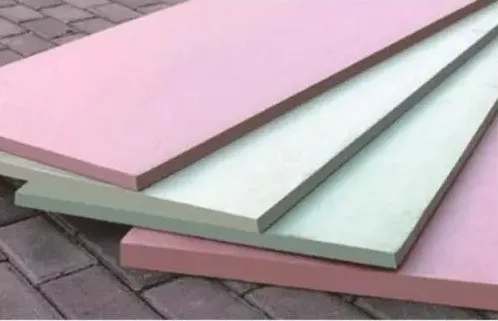
1. Key Points for Material Control
According to Article 4.2.1 of GB 50411-2007 “Code for Acceptance of Construction Quality of Building Energy Saving Engineering,” materials and components used for wall energy-saving projects must comply with design specifications and relevant standards.
Key considerations: Verify board dimensions, check the certificate of conformity, and review the factory inspection report.
Article 4.2.2 of the same code states that insulation materials must meet design requirements for thermal conductivity, density, compressive strength, and combustion performance.
Key considerations: Confirm quality certification and on-site re-inspection reports; ensure type inspection reports are valid (reports are valid for two years); check density standards (18–22 kg/m³); test combustion by igniting a sample—there should be no open flame; and take samples for further inspection to confirm compliance with design specifications.
Article 4.2.3 requires retesting of thermal conductivity, density, compressive strength, bonding strength, mechanical properties, and corrosion resistance of insulation and bonding materials upon arrival at the site.
Key considerations: Conduct witness sampling for experimental verification; perform random inspections at least three times for projects under 20,000 m² and six times for larger projects.
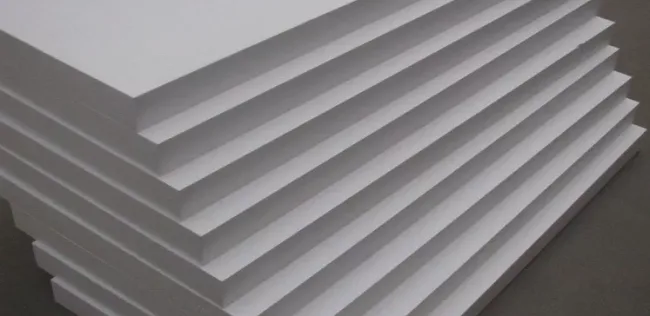
Article 6.1.3 of JGJ 144-2004 “Technical Specification for External Wall Insulation Engineering” specifies that EPS board width should not exceed 1200mm, and height should not exceed 600mm.
Key consideration: Confirm board sizes with the manufacturer before ordering.
2. Key Points for Construction Control
According to Article 4.2.7 of GB 50411-2007, wall energy-saving construction must adhere to the following regulations:
- The thickness of insulation materials must meet design specifications, including not only EPS boards but also bonding and crack-resistant layers applied on site.
- For systems with thin plaster layers, the protective layer thickness should be between 3mm and 6mm. Crack-resistant mortar thickness is specified as 3–5mm for ordinary types and 5–7mm for reinforced types. For systems with thick plaster layers, the plaster thickness must be 25–30mm.
- The bond between insulation boards, base layers, and structural components must be firm. On-site inspections should verify mortar strength and bonding methods per design and specifications. Bonding strength should be tested via pull-out tests, and the quantity of plastic expansion anchors must be strictly controlled. Full bonding methods are recommended for winter construction.
Article 6.1.7 of JGJ 144-2004 states that when applying EPS boards, adhesive must cover at least 40% of the board’s back surface. Each inspection batch requires at least three spot checks.

Article 4.3.2 of GB 50411-2007 addresses the use of reinforced mesh for crack prevention. The mesh must be laid and overlapped according to design and construction plans, ensuring compact mortar without hollowing. The mesh should not wrinkle or be exposed.
- Grid cloth must be attached at four corners of openings, sized 300mm × 200mm, set at a 45° angle.
- External corner overlaps should be at least 20mm; internal corner overlaps at least 100mm.
- The protective layer should be centered within the second layer of crack-resistant mortar, with no mesh exposure on the surface.
- The crack-resistant mortar thickness must be strictly controlled.
- Mesh cloth overlaps should be 100mm; reinforced mesh cloths are connected by docking, not overlapping.
Article 6.1.9 of JGJ 144-2004 requires EPS boards at wall corners to be interlocked in a staggered pattern. Boards at door and window corners must be full pieces, with joints located at least 200mm away from corners.
Additional notes: Seams should be staggered and overlapped by half the board length. Full boards must be used around openings, with no joints within 200mm of the openings.

Per 5.02J1 Prefabricated R&D 21-1 A1 “Construction of Exterior Wall Insulation Buildings (1)” Article 9:
Expansion joints are required when the continuous height or width of a wall exceeds 23 meters. An expansion joint must be installed every 7 layers. The insulation boards should be completely separated at the joint, which must be 20mm wide. The joint is filled with polyethylene foam rods and polystyrene foam strips, topped with a 15mm thick sealant to ensure a smooth, decorative surface.
Article 4.2.10 of GB 50411-2007 mandates that base and surface layers of decorative finishes comply with design requirements and GB50210-2002 “Code for Acceptance of Construction Quality of Building Decoration and Renovation Engineering.”
7.02J121-1 A1 Article 6 details board installation requirements:
- Board joints must be tightly compacted, with gaps no larger than 2mm and height differences under 1mm.
- If gaps exceed 2mm, they must be filled with polystyrene strips (not glued), and adhesive should not be used directly in joints.
- Areas with height differences over 1mm must be leveled and polished.
- Plastic anchor bolts must have an effective anchoring depth of at least 25mm; plastic discs should be no smaller than 50mm in diameter, with casing outer diameters between 7–10mm.
- The standard tensile capacity of a single plastic anchor bolt in C25 concrete must be at least 0.80kN.
During insulation construction and for 24 hours after completion, the base layer and ambient air temperature should not fall below 5°C. Avoid direct sunlight during summer and refrain from construction in wind above level 5 or during rainy conditions.

3. Key Control Points During Acceptance Stage
For prefabricated houses, inspection batches cover 500 to 1000 square meters; any area under 500 square meters is treated as a single batch. At least one inspection point per 100 square meters is required, with each inspection point covering 10 square meters.
The process is divided into five sub-items:
- Main structure base treatment
- EPS board installation
- Plastering layer
- Deformation joints
- Decorative layer
Main Control Items:
- The external insulation system and main materials must comply with JGJ 144-2004 “Technical Specification for External Wall External Insulation Engineering”.
- The insulation layer thickness must meet design requirements.
- EPS board bonding area in thin plastering systems should follow specification.
General Items:
Verticality and allowable dimensional deviations of the insulation layer must comply with GB 50411-2007. For counting inspections, the passing rate should be at least 90%, with no serious defects.
Required Documentation:
- Design documents, drawing reviews, design changes, and negotiation records related to external insulation systems.
- Construction plans and technical procedures.
- Type inspection reports, product qualification certificates, factory inspection reports, on-site re-inspection reports, and acceptance records of main materials.
- Construction technology disclosures.
- Construction technology records and quality inspection reports.
- Other necessary supporting documents.
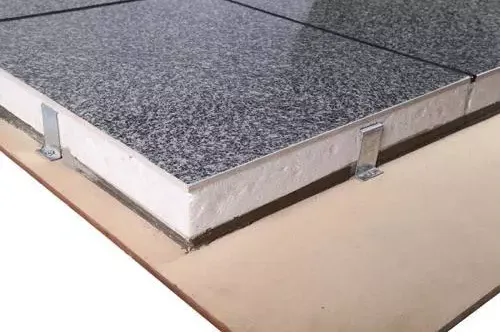
4. Key Points for On-Site Inspection and Control
1. Bonding and Pull Tests
Purpose: To verify the bonding strength between the insulation board and adhesive.
Sampling principle: Collect 3 samples per inspection batch (500–1000 m²), with 3 pieces per group.
2. Anti-Cracking Mortar for Plastering
Purpose: To check bonding strength between insulation boards and crack-resistant mortar.
Sampling principle: Same as bonding and pull tests—3 samples per batch, 3 pieces per group.
3. Energy-Saving Construction of Exterior Walls
Purpose: To verify compliance with design drawings and review the insulation structure.
Sampling principle: At least 3 core samples per insulation method should be taken on-site. The insulation thickness perpendicular to the core surface is measured. If the average thickness reaches 95% or more of the design thickness and the minimum is at least 90%, the layer meets design criteria; otherwise, it fails.
Article source: China Construction Fifth Engineering Bureau Third Construction Co., Ltd
















Must log in before commenting!
Sign Up