
Constructing irregular structures presents numerous challenges. To overcome these obstacles and deliver high-quality results, it is essential not only to strictly follow construction plans and technical disclosures but also to pay attention to several other critical factors.
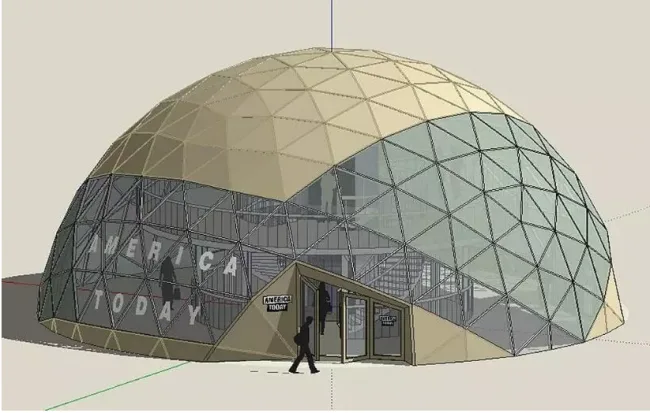
Overall Construction Planning
When constructing irregular structures, adhere to the standards of prefabricated building technology. Plan construction procedures logically and organize personnel efficiently. Employ scientific construction methods to manage human and material resources effectively.
Incorporate advanced construction technologies and modern management techniques to accomplish tasks with high quality and efficiency. Take proactive steps to enhance mechanization, manage material reserves wisely, and ensure all project requirements are met.
Construction Technology Preparation
1. Construction Surveying: Using framework structural calculation data, key information such as center pile numbers, intersection angles, and lengths can be determined to accurately measure the center piles and axes of the frame bridge. Surveying primarily involves establishing the center pile’s position and the axis direction. To facilitate axis restoration during construction, protective stakes are placed along the axis direction.
2. On-site Verification: Before beginning framework construction, verify the position, direction, aperture, length, and elevation of entrances and exits against design data and actual site topography and geological conditions. This ensures accuracy of all measurements.
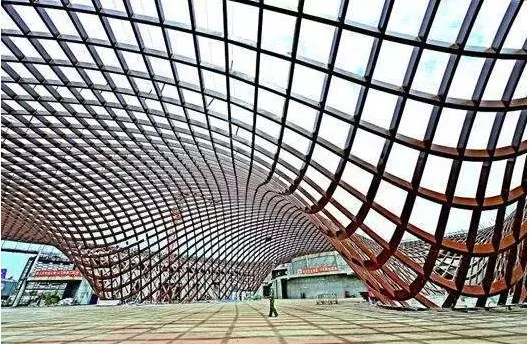
Key Construction Stages
1. Construction Sequence: The workflow follows these steps: preparation → layout and positioning → foundation pit excavation and leveling → cushion layer construction → foundation construction → reinforcement binding of the bottom plate → pouring bottom plate concrete → side wall reinforcement installation → formwork setup → side wall concrete pouring → prefabrication and assembly of supports and formworks (including preloading) → top plate reinforcement installation → side wall and top plate concrete pouring → curing → demolding → final curing.
2. Foundation Pit Excavation and Leveling: Excavators, assisted manually, clear and level the foundation pit floor to the design elevation. To prevent water accumulation during rain, brick drainage ditches are constructed around the pit. Collected water is pumped via water pumps to existing road rainwater wells for drainage.
3. Cushion Layer Construction: After excavation, the foundation pit’s dimensions, position, and elevation are self-checked and inspected by supervisors. Upon approval, the concrete cushion layer beneath the bottom plate is constructed. The formwork is made from bamboo plywood or standard plywood, secured with tie rods. Back supports use materials such as square timber, wedges, steel bars, and steel pipes to stabilize the excavation sides.
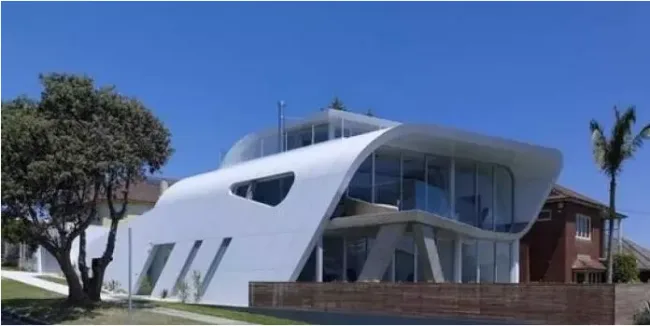
Quality Assurance Measures
1. Control of Brackets and Formwork: Templates must meet thickness and size standards, providing adequate strength, rigidity, flatness, and smoothness. The number of formworks on exposed surfaces should not exceed the number of beams. Advanced techniques should be used for formwork joints to ensure appearance quality and concrete durability. After dismantling, templates must be promptly cleaned, repaired, and treated with release agents.
2. Steel Reinforcement Quality Assurance: All reinforcement must come with factory quality certification; uncertified materials are not accepted. Reinforcements must undergo strict sampling and testing before use. The steel bar batching card must be reviewed by a technical supervisor prior to cutting. Cut steel bars should be labeled according to drawing numbers and neatly stacked in rust-protected storage areas. After tying, steel reinforcements must be inspected and approved by the supervising engineer before concrete pouring. Any displacement or embedded part issues during construction must be addressed immediately.
3. Concrete Mixing Quality Control: Continuous monitoring of concrete mixing quality is required to meet design specifications. During seasonal construction, concrete cooling and insulation should be considered. Key parameters such as slump, expansion, bleeding rate, and air content must be measured to ensure workability and pumpability. Aggregates must be free of impurities, and the mix proportions and slump must be strictly controlled.
Source: Architectural Technology Magazine
















Must log in before commenting!
Sign Up