
Japanese construction workers typically earn a monthly salary ranging from 300,000 to 400,000 yen, which is approximately 20,000 yuan. Daily working hours usually do not exceed 8 hours, and weekends are generally reserved for rest. The common domestic practice of deploying large workforces and relying heavily on overtime is nearly nonexistent in Japan. This raises the question: does this mean that construction timelines in Japan are significantly longer?
Based on three projects observed by the Construction Division during their training in Japan, the construction periods are comparable to similar projects at home. For instance, a fully furnished, 60-story prefabricated residential building takes about three years from start to completion.
So, what is the pace of planning and project management for these developments? Let’s first review the progress of two projects visited during the training.
Project 1: 28-Story Fully Furnished Prefabricated Residential Building
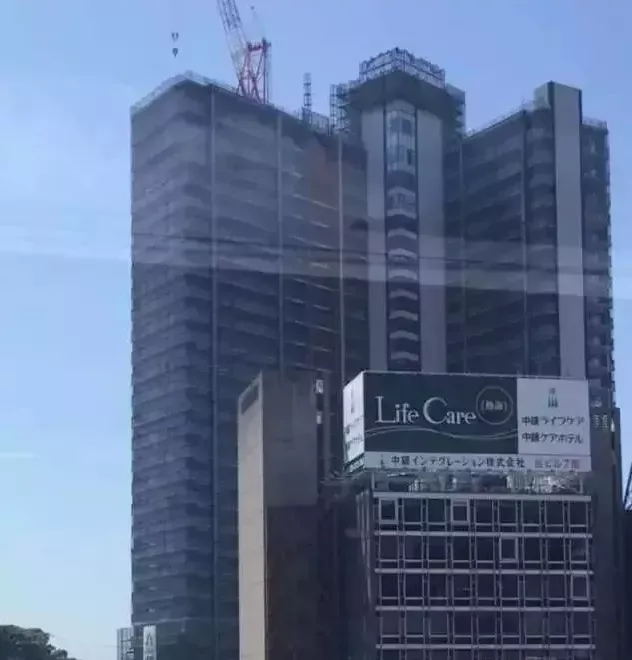
The entire tower has been topped out, the exterior facade is mostly enclosed, and interior installations and decorations are fully underway. The tower crane and construction elevator are still in place.
The inspection route runs from the top floor to the bottom, providing a clear view of the work progress on each level.
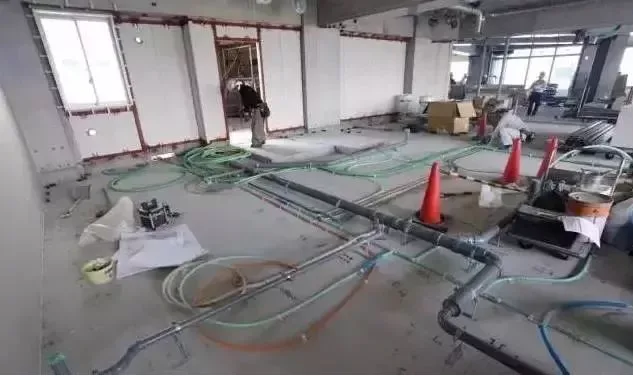
10th Floor: Household walls completed, mechanical and electrical pipeline installation in progress.
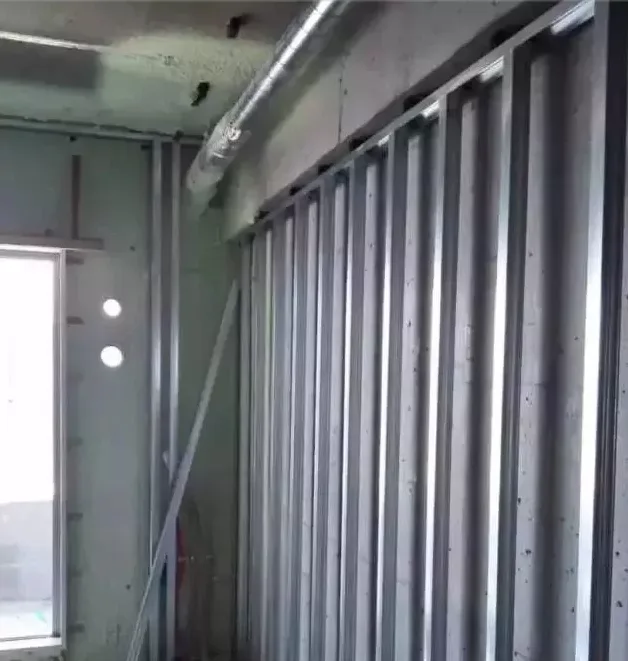
9th Floor: Installation of lightweight indoor partition walls synchronized with base decoration work.
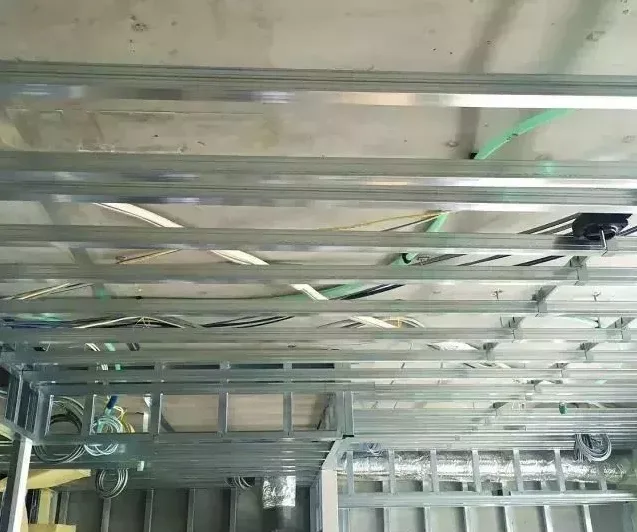
8th Floor: Installation of decorative keel and detailed adjustments, along with insulation and sound-absorbing rock wool installation.
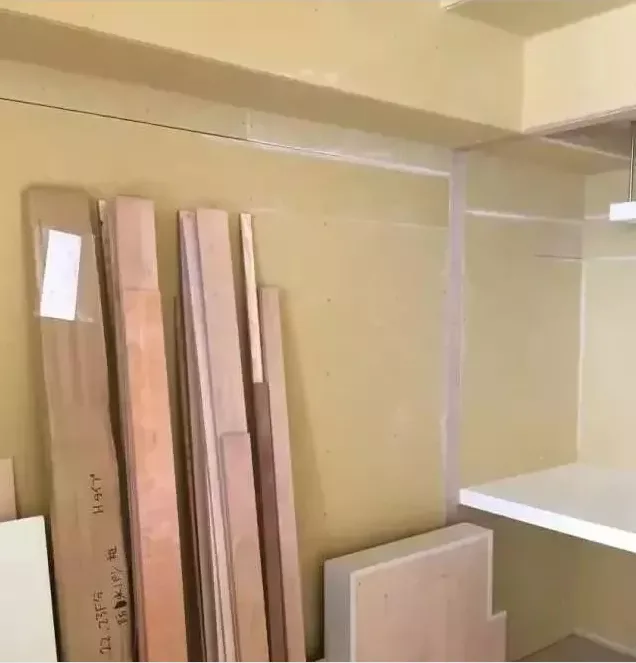
7th Floor: Panel installation and elevated floor laying are underway.
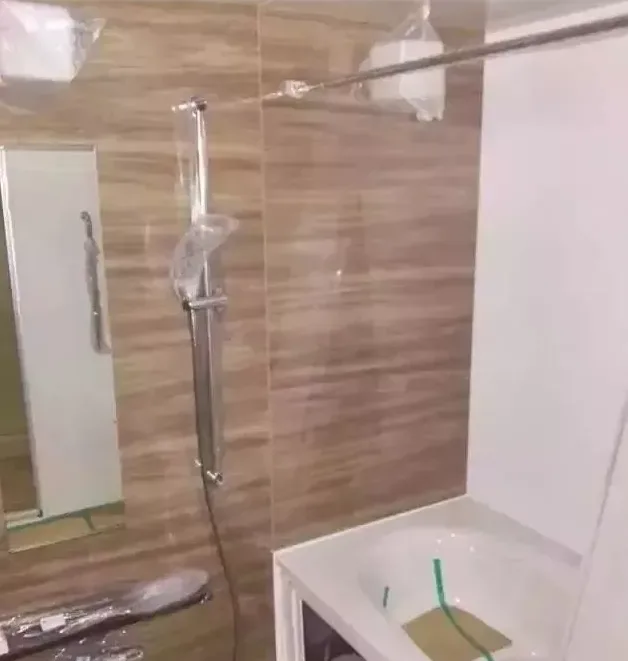
6th Floor: Interior decoration and complete bathroom installation.
Each floor follows a distinct construction process. The workflow from top to bottom is well-organized, with tight coordination and minimal interference between different stages.
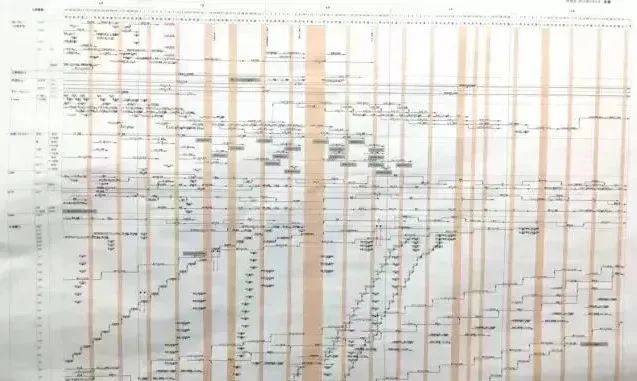
Construction progress plan displayed at the site office.
Project 2: Prefabricated Residential Building with 2 Underground Floors and 60 Floors Above Ground, Standing 208 meters Tall
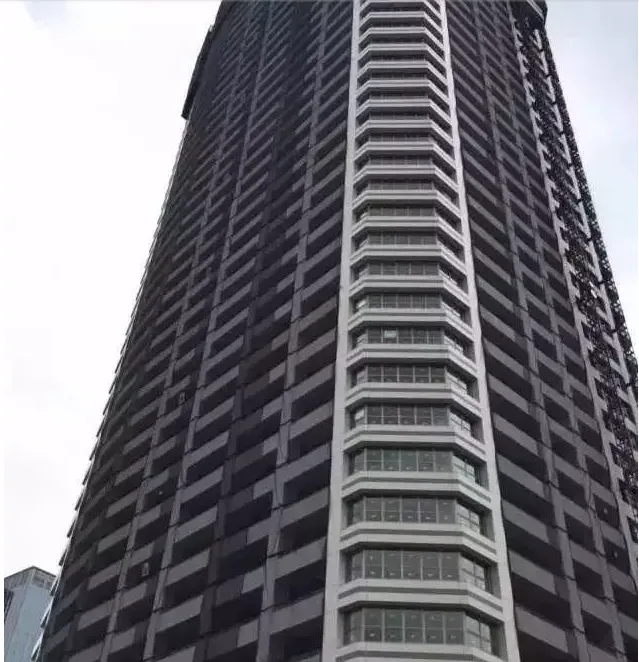
This super high-rise prefabricated structure has its main framework constructed up to the 43rd floor, with the lower half of the building’s exterior windows already sealed.
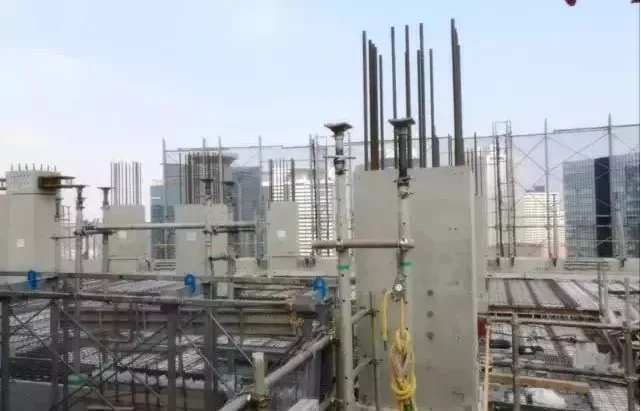
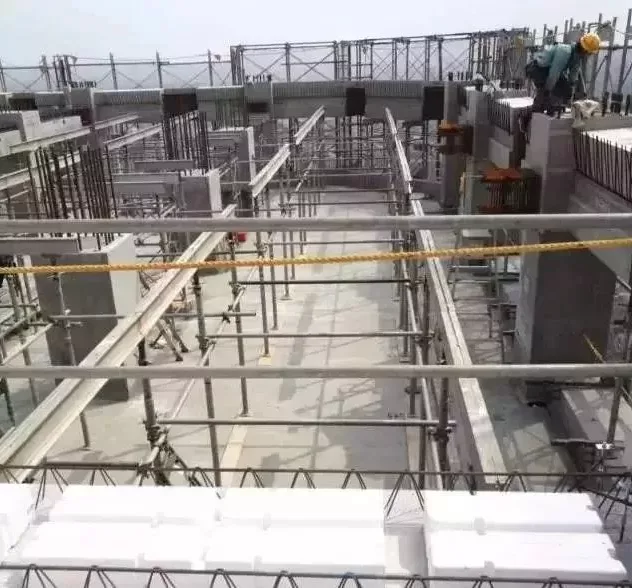
The 43rd floor is currently under structural construction and PC component installation.
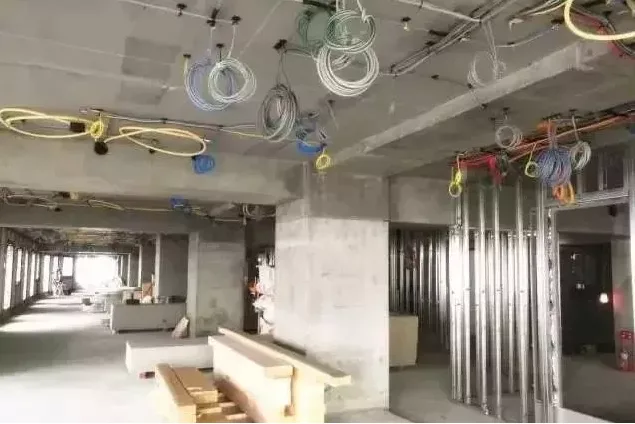
On the 38th floor, mechanical and electrical installations are complete, and decoration keel and indoor partition wall installation have commenced.
After reviewing these two projects, industry insiders like us can appreciate how intricately intertwined the construction processes in Japan are.
This exemplifies the concept of “lean management,” where inventory is regarded as the greatest “evil” and waste. In construction, the workface itself can be seen as a form of inventory, and the project management teams have integrated this lean philosophy into their planning.
Additionally, this approach is supported by the Japanese regulatory system governing construction processes. For example, in prefabricated housing, unlike in China where subsequent phases can only proceed after the main structure is fully or partially completed and inspected, Japanese authorities allow the next steps to be initiated anytime after inspection or random checks. Moreover, Japan boasts a high level of industrialization in construction, with less on-site wet work and more installation of finished or semi-finished components, enabling staggered construction and assembly-line operations.
Interestingly, the project schedules were all created using Excel or AutoCAD. Despite not employing advanced planning software common in Europe or America, the plans were meticulously detailed and executed with precision. Dynamic adjustments, constant updates, and ongoing corrections were rarely needed.
Article source: Prefabricated Construction Department, China Resources Land Construction Business.














Must log in before commenting!
Sign Up