
Currently, China is in a crucial phase of actively promoting construction industrialization. Yet, many industry professionals remain unfamiliar with precast concrete (PC) component factories, which play a vital role in the construction industrialization supply chain.
This article uses Fujimi Kogyo Co., Ltd.’s Shirakawa Factory in Japan as a case study to thoroughly examine various aspects of PC component factories. These include factory scale, layout, workforce composition, organizational structure, product positioning, manufacturing equipment, production processes, and quality management. The goal is to offer a valuable reference model for developing PC component factories in China.
Overview of the Shirakawa Factory
Located in Saitama Prefecture, Japan, Fujimi Kogyo Co., Ltd.’s Shirakawa Factory was established in the 1960s and has specialized in producing PC components since the early 1990s, accumulating nearly 30 years of experience. (Figure 1)
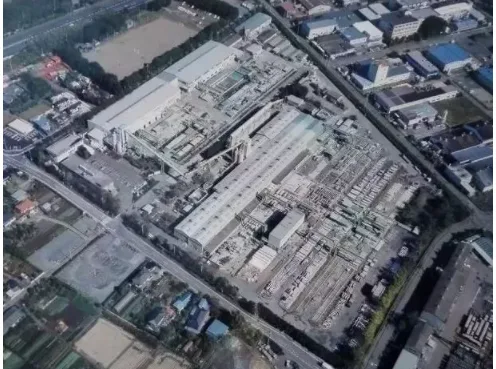
Aerial view of the Shirakawa Factory
1. Factory Scale
The Shirakawa Factory spans 75,000 square meters, with a total plant area of 13,780 square meters. The PC component production workshop occupies 10,000 square meters, while the outdoor yard covers 15,000 square meters. Additionally, a temporary rental yard outside the factory extends over approximately 150,000 square meters. The facility’s maximum storage capacity for PC components is 2,500 cubic meters, matching its monthly production capacity of 2,500 cubic meters. The factory’s annual output value is around 100 million yuan. (Figure 2)
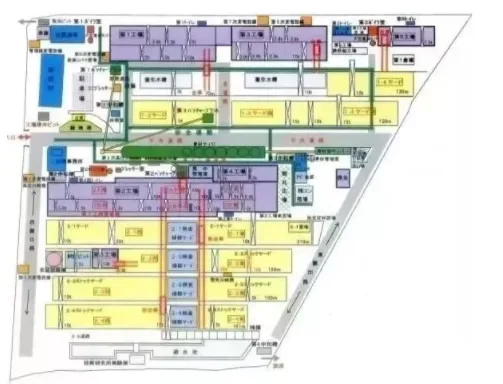
General layout plan of the Shirakawa Factory
2. Workforce Composition
The Shirakawa Factory currently employs around 200 people, including 100 outsourced workers and 89 permanent staff members, of which 27 specialize in PC component production. Certified technical personnel fall into eight main categories: technicians, first-class architects, first-class construction management technicians, concrete diagnostic engineers, concrete structure evaluators, chief concrete technicians, concrete technicians, and prestressed concrete technicians. The factory has a total of 43 certified technical professionals. (Table 1)
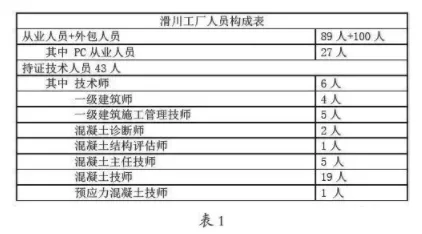
3. Organizational Structure
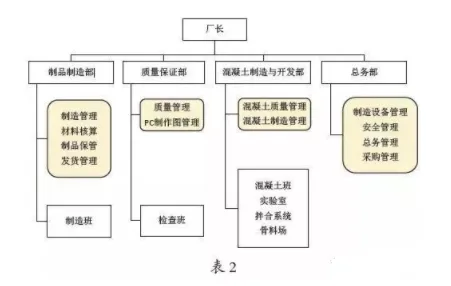
The factory’s organizational hierarchy is structured into three tiers, led by the factory director who oversees all operations. The organization includes four main departments:
- Product Manufacturing Department: manages manufacturing operations, material accounting, product storage, shipping, and supervises the manufacturing team;
- Quality Assurance Department: responsible for quality control, PC drawing management, and overseeing inspection teams;
- Concrete Manufacturing and Development Department: handles concrete quality and manufacturing management, overseeing concrete teams, laboratories, mixing systems, and aggregate yards;
- General Affairs Department: manages manufacturing equipment, safety, general affairs, and procurement.
(Table 2)
4. Product Positioning
Classification of PC Components
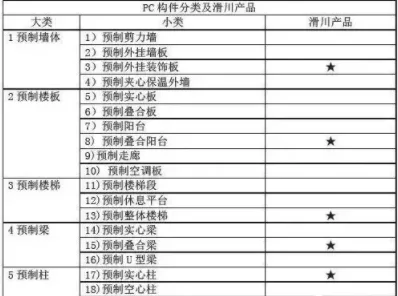
PC components are broadly categorized into five main groups and 19 subcategories:
- Prefabricated walls: including prefabricated shear walls, external wall panels, decorative exterior walls (reverse exterior walls), and sandwich insulated exterior walls;
- Prefabricated floor slabs: consisting of solid panels, composite panels, balconies, composite balconies, corridors, and air conditioning panels;
- Prefabricated stairs: including stair sections, rest platforms, and complete stairs;
- Prefabricated beams: including solid beams, composite beams, and U-shaped beams;
- Prefabricated columns: such as solid columns, hollow columns, and decorative columns.
Product Focus at Shirakawa Factory
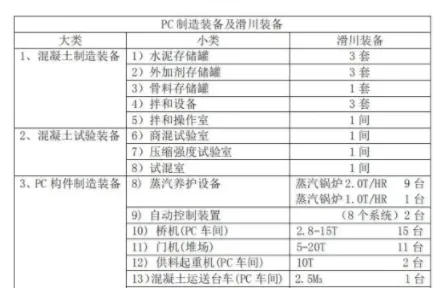
Considering the development trends and competitive landscape of the Japanese PC industry, the Shirakawa Factory focuses on producing high-end, complex PC components. It deliberately avoids low-profit, less technically demanding, and highly competitive products like prefabricated composite floor slabs. Key products include prefabricated exterior decorative wall panels (reverse walls), composite balconies, BIM-integrated stairs, composite beams, and solid decorative columns. (Figure 3) (Table 3)
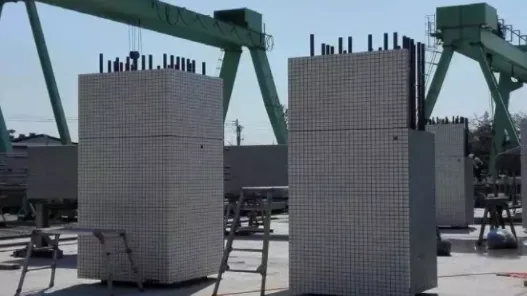
(Figure 3) Solid decorative column produced at the Shirakawa Factory
5. Manufacturing Equipment
The factory’s manufacturing equipment falls into three main categories:
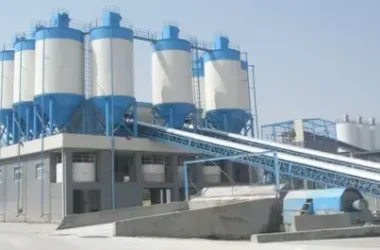
- Concrete Manufacturing Equipment: including cement storage tanks, admixture storage tanks, aggregate storage tanks, mixing systems, and a centralized management room. (Figures 4-6)
- Concrete Testing Equipment: comprising a commercial mixing laboratory and a compressive strength testing laboratory;
- PC Component Manufacturing Equipment: featuring steam curing systems, automatic control devices, bridge cranes, gantry cranes (yard), feeding cranes, concrete transport carts, and component handling carts.
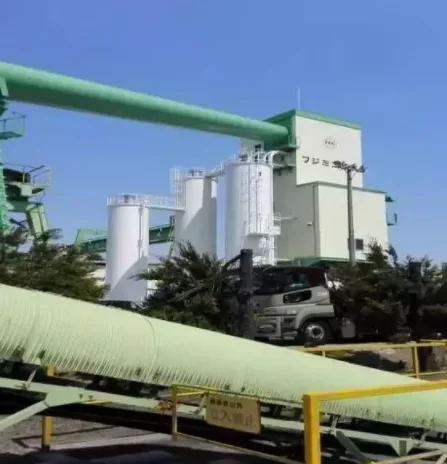
(Figure 4) Concrete mixing system diagram
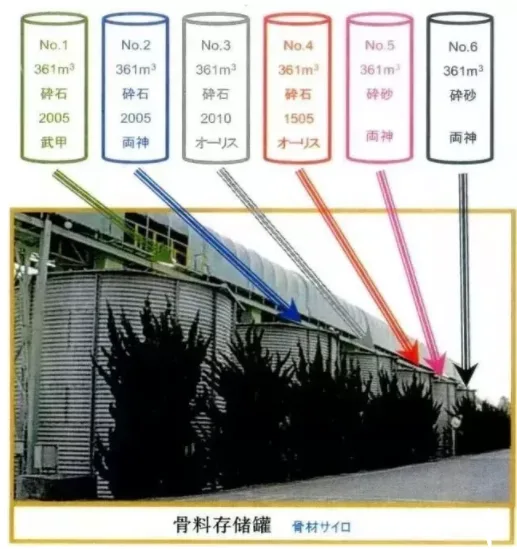
(Figure 5) Aggregate storage tank
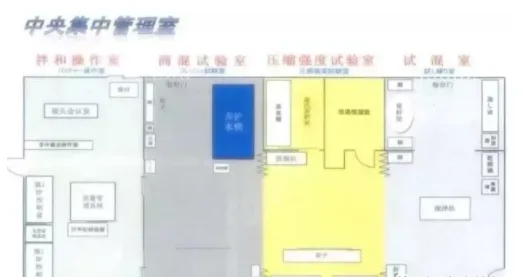
(Figure 6) Layout plan of the centralized management room
6. Production Process and Quality Management of PC Components
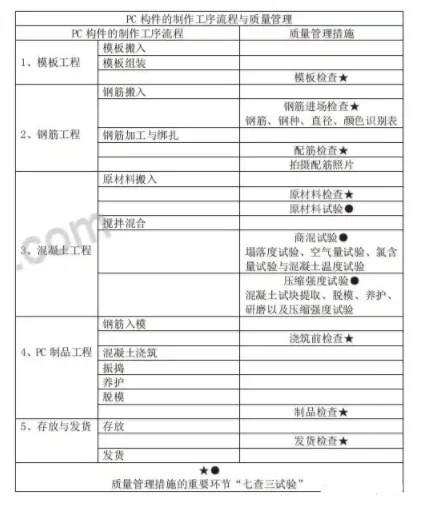
The production workflow at the Shirakawa Factory includes five primary stages: formwork engineering, steel reinforcement engineering, concrete engineering, PC product assembly, and storage & shipment of finished components. (Table 5)
a. Formwork Engineering
This stage covers three key processes: formwork moving, assembly, and inspection.
b. Reinforcement Engineering
Reinforcement work involves five main steps: steel bar delivery aligned with BIM design, incoming inspection, processing and binding, reinforcement inspection, and photographic documentation. Upon receipt, steel bars are classified and inspected by type, grade, diameter, and color using a dedicated identification chart, ensuring material quality control from the outset. (Figures 7-8)
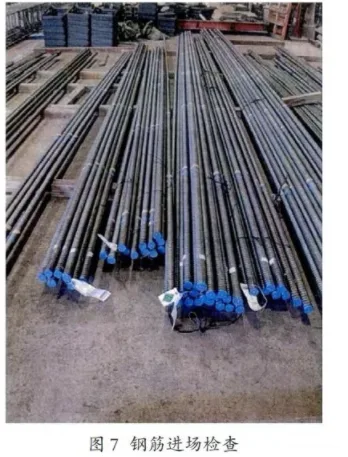
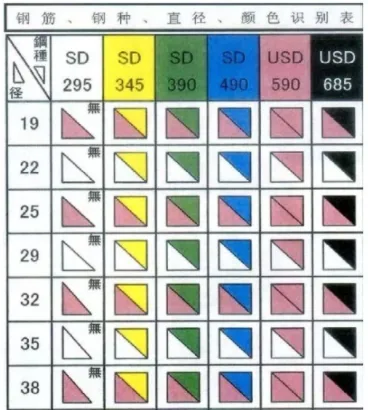
Figure 8: Reinforcement steel grade, diameter, and color identification chart
c. Concrete Engineering
This phase includes six critical steps: loading raw materials (cement, aggregates, admixtures), inspection, testing, mixing and blending, commercial mixing tests, and compressive strength testing. The commercial mixing tests conducted at Shirakawa Factory assess slump, air content, chloride content, and concrete temperature. Concrete failing any test is discarded, while qualified batches are entered into the quality management system before undergoing compressive strength tests. These tests involve specimen extraction, demolding, curing, grinding, and strength testing, with all data recorded in the quality management system.
d. PC Product Assembly
PC product assembly integrates the outputs from formwork, reinforcement, and concrete engineering into finished PC components. This process consists of seven steps: reinforcement shaping, pre-pour inspection, concrete pouring, vibration, curing, demolding, and final product inspection. (Figures 9-11)
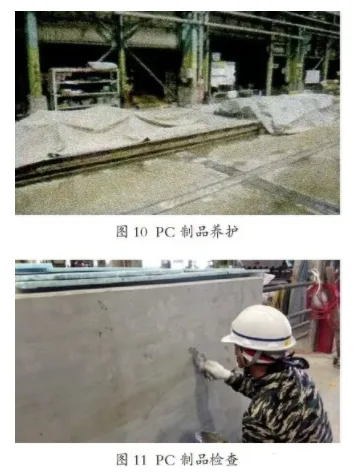
Notably, the Shirakawa Factory employs table molds rather than automated assembly lines. Instead of vibration tables, vibration rods are used during concrete pouring, and curing is performed using trolleys, canvas coverings, and steam ducts. These cost-saving measures significantly reduce production expenses.
e. Storage and Shipment of PC Components
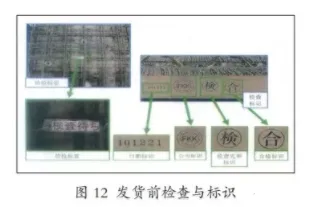
Storage and shipment involve three main steps: finished product storage, pre-shipment inspection, and delivery. Before shipment, all PC products are labeled with four tags: date, company, inspection completed, and quality certified. (Figure 12)
Conclusion
As China vigorously advances construction industrialization, PC component factories remain a relatively unfamiliar segment for many industry players. Key considerations include how to plan and build factories at an appropriate scale, establish effective workforce composition and organizational structures, determine precise product positioning, and equip factories with suitable manufacturing technologies. Equally important is implementing robust production workflows and quality management systems to ensure product quality while minimizing costs.
The Japanese model exemplified by the Shirakawa Factory offers a valuable blueprint. Adopting such practices can help elevate construction quality and reduce expenses, providing meaningful guidance for developing PC component factories in China.













Must log in before commenting!
Sign Up