
In residential building design, we can integrate three types of compact kitchen modules into the overall layout. During the detailed planning phase, considering both decoration style and size, these basic modules can be expanded and optimized. The use of modular functional spaces combined with high-end finishes allows for rapid integration and efficient development of housing layouts, helping to quickly enhance residential properties.
Kitchen design is primarily governed by architectural standards, balancing functionality and workflow. Common kitchen layouts include the following:
1. I-Shaped Kitchen – A Compact Choice for Small Spaces
The I-shaped kitchen arranges all appliances and cabinets along a single wall, allowing work to be done in a straight line. This narrow, efficient design suits small to medium-sized households or situations where only one person uses the kitchen at a time. To maximize storage, double-row wall cabinets or taller wall cabinets can be installed, fully utilizing vertical space.
2. L-Shaped Kitchen – The Most Popular Design
The L-shaped kitchen is practical and widely used, especially in smaller spaces. By positioning work areas along two adjacent walls, it creates an effective work triangle between the stove, sink, and refrigerator. This layout helps prevent splashing and overcrowding by separating workstations and is ideal for optimizing small kitchen footprints.
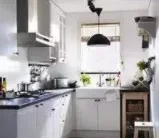
3. U-Shaped Kitchen – Ideal for Spacious Layouts
The U-shaped kitchen design allows for easy access to all work surfaces, maximizing cooking and storage space. It comfortably accommodates two people working simultaneously without interference. However, this layout requires a larger kitchen area. To ensure comfort, avoid placing opposing work surfaces too close; a minimum distance of 1.2 meters between opposing cabinets is necessary, with 1.5 meters allowing an additional person to stand in the center.
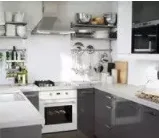
U-Shaped Kitchen
4. I-Shaped Kitchen with Central Island – Common in Western-Style Villas and Luxury Apartments
This layout features a central island (Nakajima) that provides additional countertop and storage space, facilitating multiple users working simultaneously. Modern appliances such as dishwashers and built-in ovens can be integrated into the island. Before finalizing the design, ensure that plumbing, electrical, and ventilation connections for the island’s range hood are feasible. Also, maintain an adequate workspace between the stove and sink.
The Nakajima style typically adopts an open kitchen concept, though it may disrupt traditional kitchen flow and require repositioning of floor sockets.
I-Shaped Kitchen with Central Island
5. Type II Kitchen – A Luxurious Double-Row Design
The Type II kitchen features two rows of work and storage areas on opposite walls. This layout is particularly advantageous when food preparation is the main focus. Despite its efficiency, it does not require a large footprint, often including a door or window at one end for ventilation and light. A minimum clearance of 1.2 meters between opposing cabinets is necessary to allow cabinet doors to open fully. For narrower spaces, one side can have cabinets with a depth of 60 cm, while the opposite side uses shallower 35 cm cabinets.
Type II Kitchen
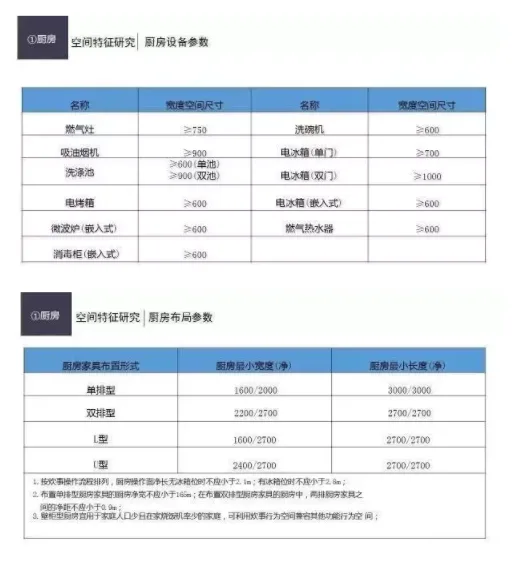
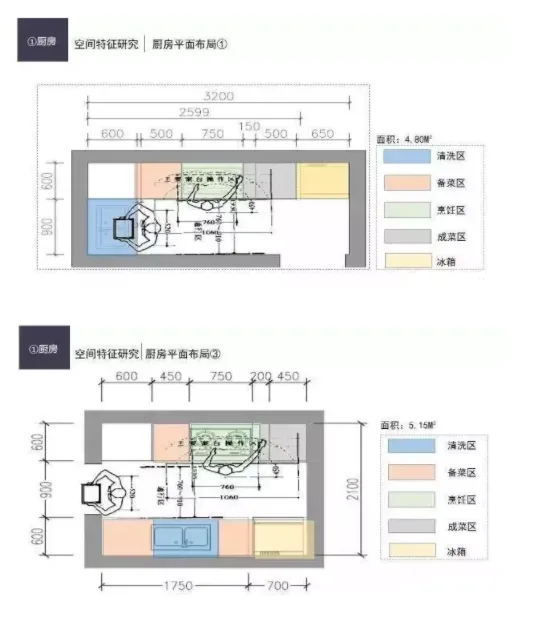
Kitchen Layout – Building Plan Generation













Must log in before commenting!
Sign Up