
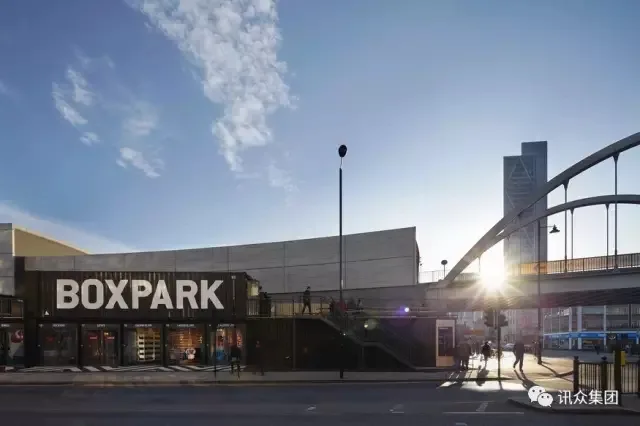
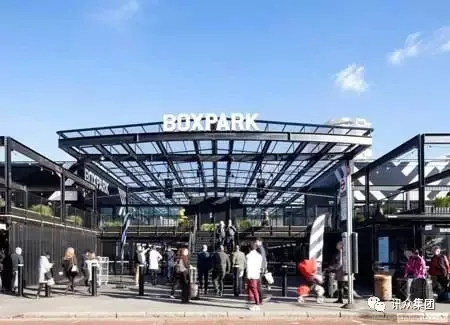
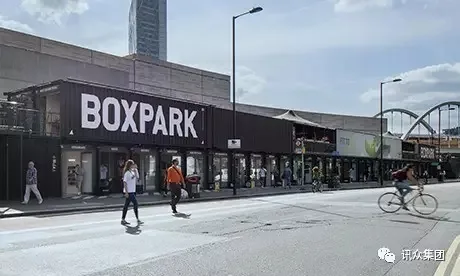
The Box Park Container Shopping Center is an excellent example of how temporary structures can revitalize abandoned, narrow urban spaces. This long building accommodates 60 shops, all constructed from shipping containers, each featuring a unique design style. Its most notable advantage is its mobility—it can be easily relocated.
Project Overview
Location: London, UK
Purpose: Pop-up shopping center
Completion Year: 2011
Number of Containers: 72
BOXPARK is the world’s first temporary shopping center made entirely from containers, located in Shoreditch, London. This innovative shopping destination offers visitors a distinctive dining and shopping experience, with each container operated by independent local traders.
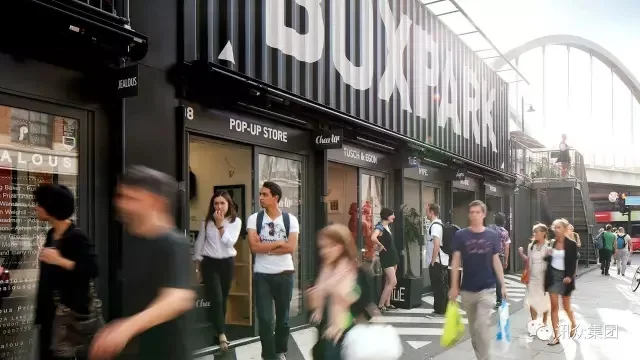
Constructed over the course of a year using 60 repurposed containers, this project transformed them into unique, low-cost, and low-risk “box stores.” The containers are stacked two stories high and arranged in five rows. The center is planned for demolition after five years. Each container measures approximately 30 square meters, with annual rent set at £25,000.
Currently, BOXPARK hosts 42 trendy brands, predominantly independent designers, making it a hub for London’s fashion-forward crowd. It is recognized as one of the world’s most environmentally friendly shopping centers, utilizing recycled materials without generating pollution.
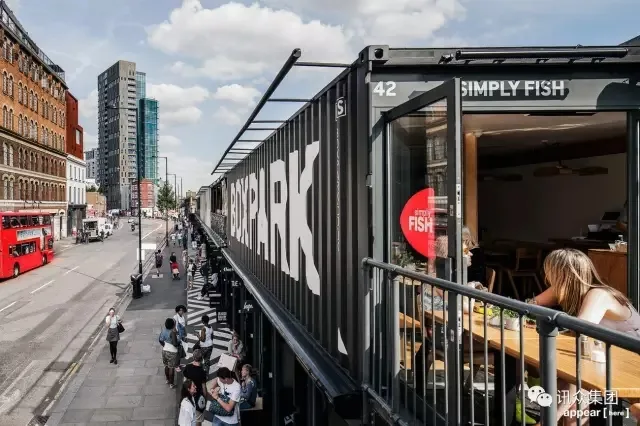
The design was completed by the acclaimed firm BDP, who aimed to create a semi-enclosed shopping mall reminiscent of London’s Covent Garden and Barcelona’s La Boqueria Market. The containers are interconnected, and a green natural space surrounds the mall, enhancing the atmosphere.
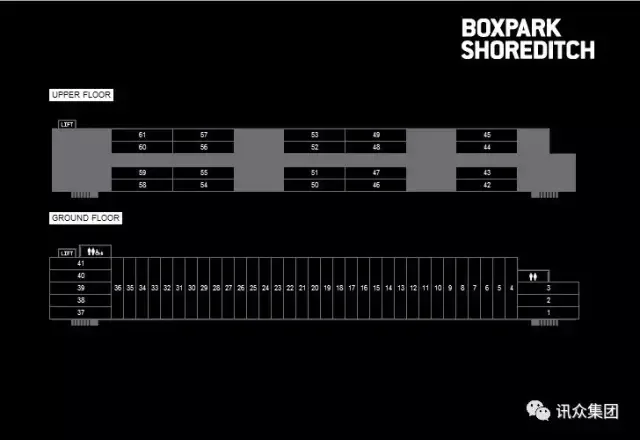
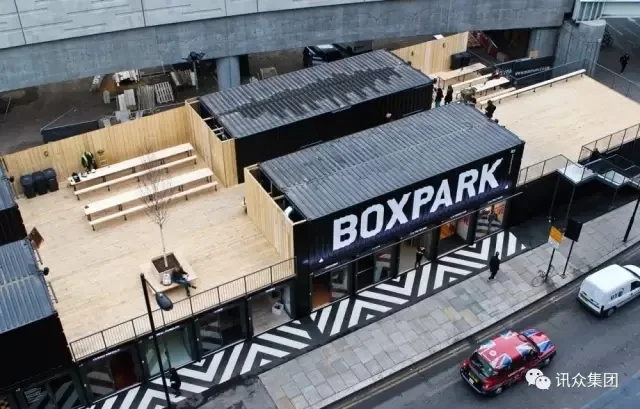
Unlike traditional retail leases that often span five to ten years, this project leases containers on a one-year basis. Roger Wade, the developer, describes this as a retail revolution—the world’s first pop-up shopping center. It is the first in a series of ambitious, temporary, eco-friendly container malls, offering carefully curated and vibrant merchandise.
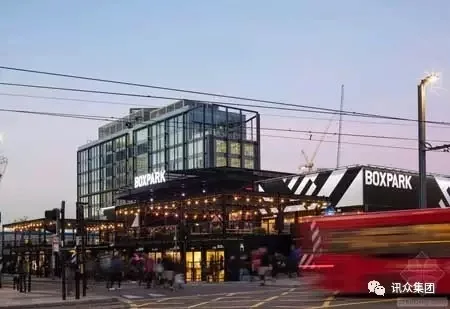
Each container in Box Park serves as an exclusive brand store. The lively space features over 40 retail outlets, including cafes, restaurants, and galleries. Brands range from well-known names like Nike and Puma to lesser-known independent labels. The presence of concept stores and cafés makes it a hotspot for young British trendsetters.
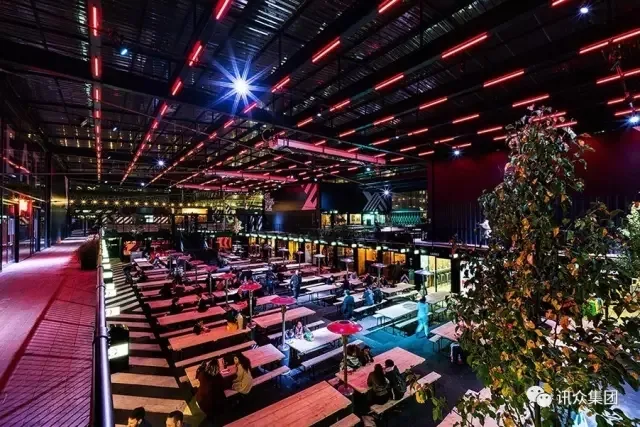
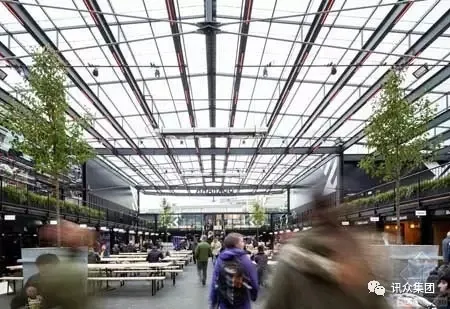
The elevation difference between the station entrance and Dingwall Road allows for multiple entry points, adding to the vibrancy and accessibility of the space. The use of shipping containers as building blocks gives the mall a unique character—ordinary materials are transformed into something captivating and valuable. Items typically overlooked become treasured displays, attracting both locals and tourists.
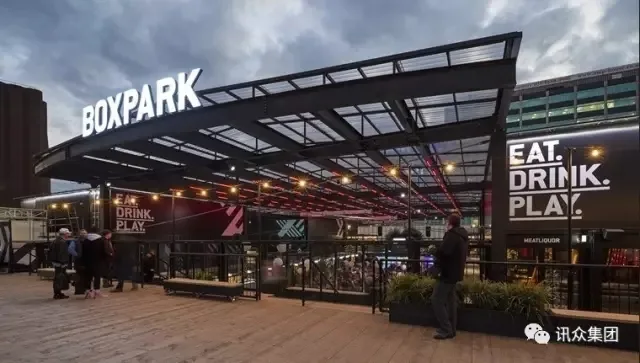
While Box Park lacks the glossy display windows and lavish interiors of traditional department stores, it has attracted a diverse crowd of London’s trend-conscious shoppers. Beyond fashion, the center offers handmade crafts, creative products, and a wide array of delicious food options. Nearby office workers also frequent the space to unwind with drinks, socialize, and sample world cuisines after work.
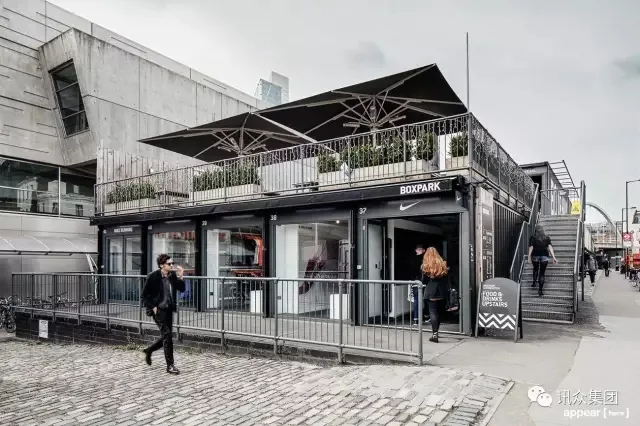
This container shopping center exemplifies an economical and ecological balance by offering affordable retail space with minimal resource consumption. The containers and supporting structures were assembled onsite within weeks, reducing costs and waste. Thick insulation on the exterior walls enhances heating efficiency and cuts down on air conditioning needs. When the lease ends, the entire structure can be dismantled and reused, restoring the land to its original condition.
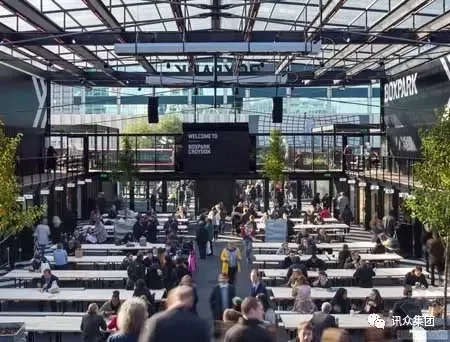
Wade shared that Box Park took one year to construct, decorate, and open. It is scheduled for demolition after five years, with the land returned to its original state. At that point, the local community will decide whether to build a permanent shopping center. Currently, Box Park is the most environmentally friendly shopping center globally, constructed with recycled materials and designed for pollution-free demolition.
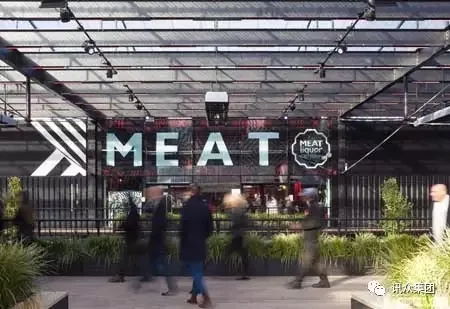
He explained, “If operators aren’t satisfied with their profits, they can relocate anywhere in the UK where there is vacant land. There’s no need to close down or dismantle anything.”
 prefabricated structure
Anna Zulgenelli, Senior Technical Advisor at the UK Green Building Council, highlights that discussions about building energy efficiency often overlook the “embodied” carbon emissions—the emissions generated during the production of building materials.
She adds, “Building construction impacts biodiversity and the environment through activities like deforestation, water pollution, and mineral extraction. Architects must prioritize recyclable materials during the design process.”













Must log in before commenting!
Sign Up