
Red bricks and green tiles beautifully represent the essence of ancient Chinese architecture.
It seems that the Chinese have an innate talent for working with bricks.
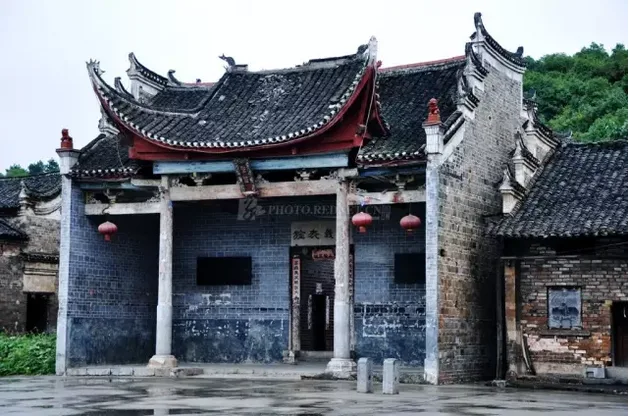
In my experience, the brick buildings found in the water towns of Jiangnan stand out as the most elegant and refreshing.

The river towns south of the Yangtze River have a unique charm.
However, with the rise of the Industrial Revolution, the role of bricks in architecture began to be challenged by glass and steel.
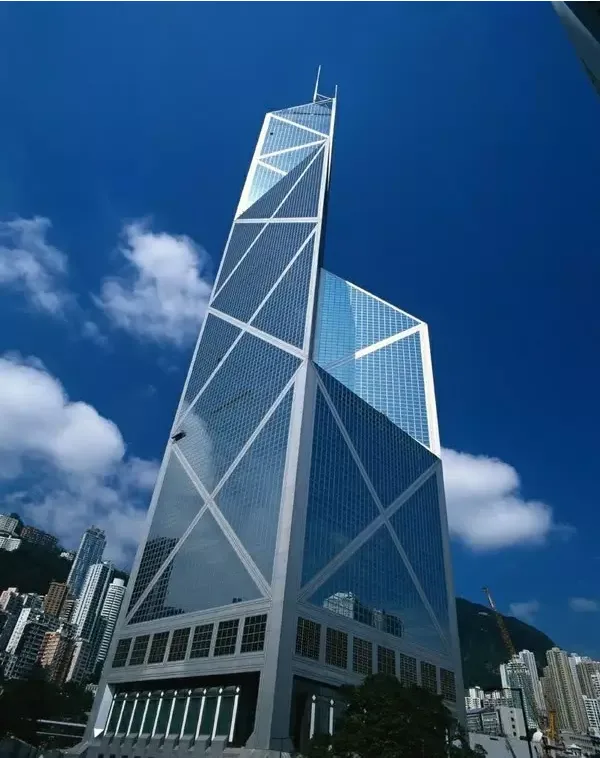
For example, the Bank of China Tower in Hong Kong showcases this shift.
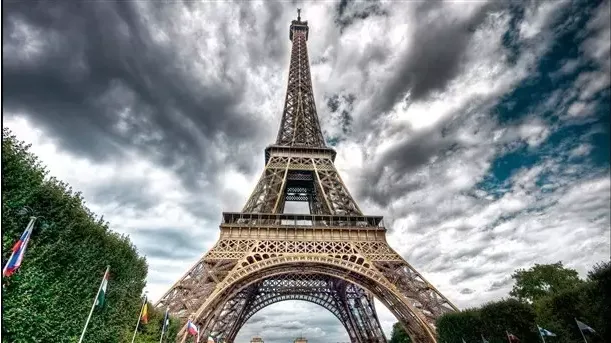
Similarly, the Eiffel Tower is an iconic example of steel architecture.
Today, cities are like forests of steel and iron, with building facades dominated by dazzling glass.
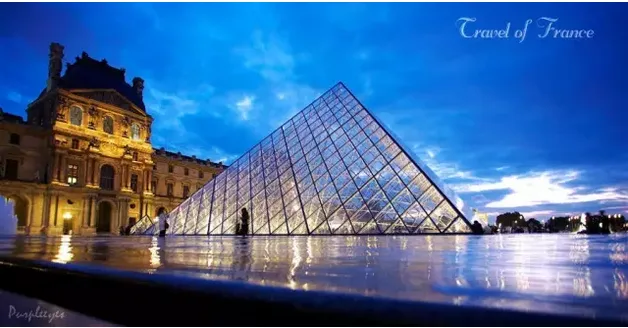
The Louvre Palace in France is another stunning example of this modern architectural trend.
Yet, bricks seem to possess a uniquely Chinese quality — resilience.
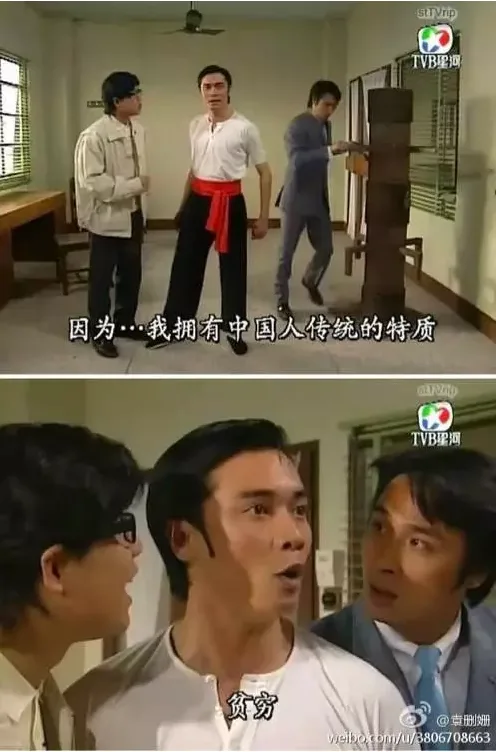
Just kidding! As a traditional building material, bricks have endured despite the rise of glass and steel.
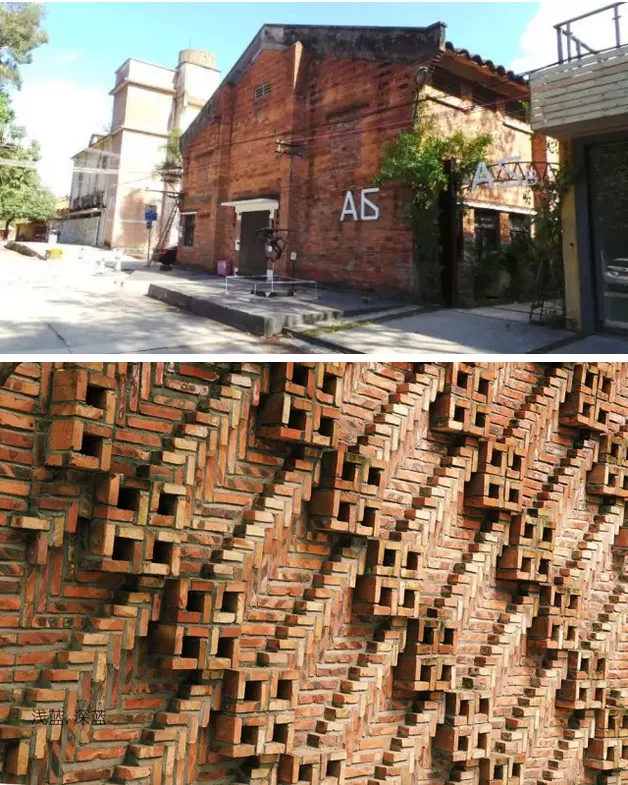
The Guangzhou Red Brick Factory is a testament to this enduring legacy.
Bricks are not limited to suburban housing; many renowned architects have incorporated them into extraordinary works.
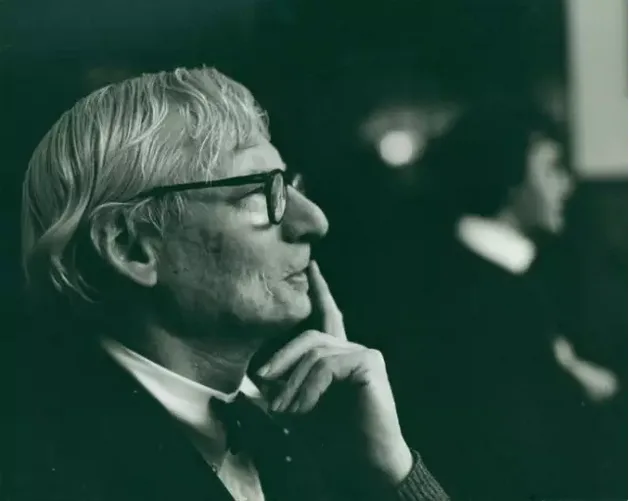
Louis Kahn is one such master.
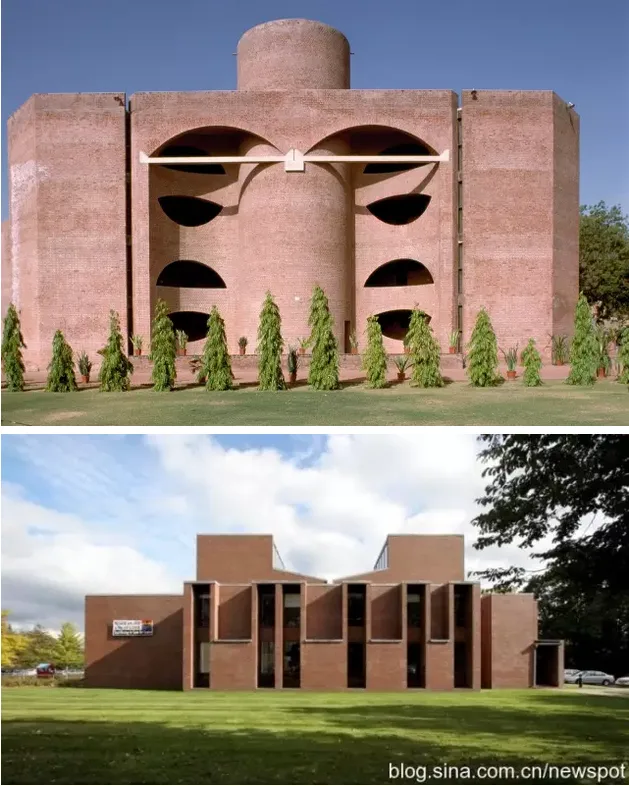
Here are some works by Louis Kahn.
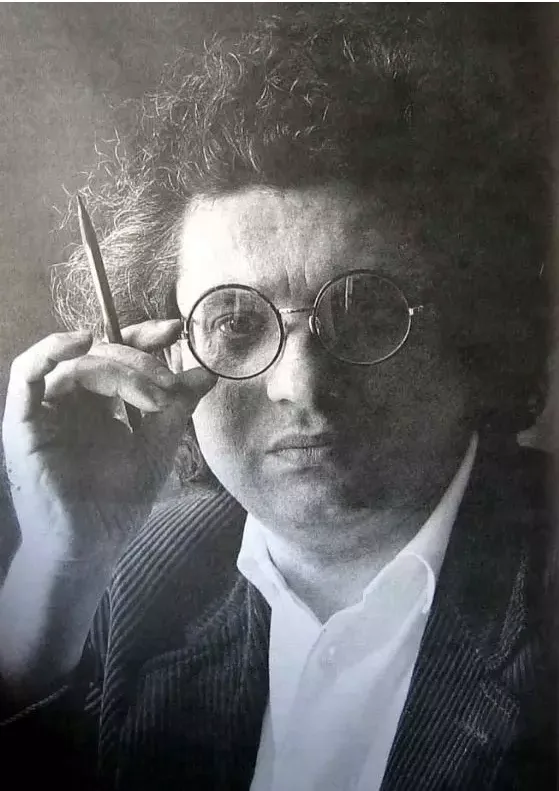
Mario Botta is another architect known for his impressive brick designs.
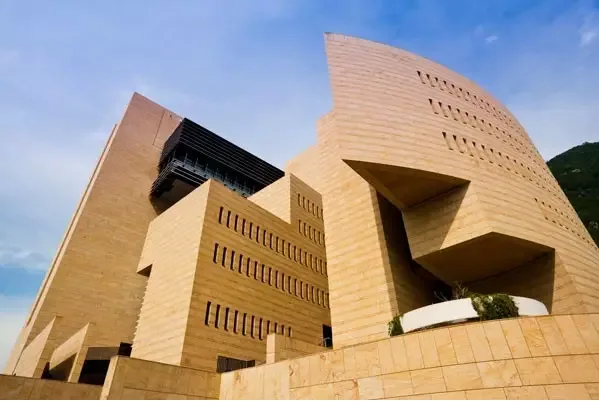
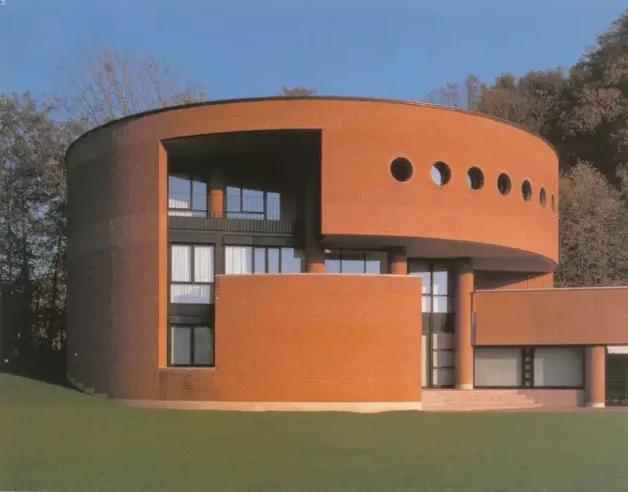
These are some notable works by Mario Botta.
When it comes to bricks in China, one cannot overlook Wang Shu.
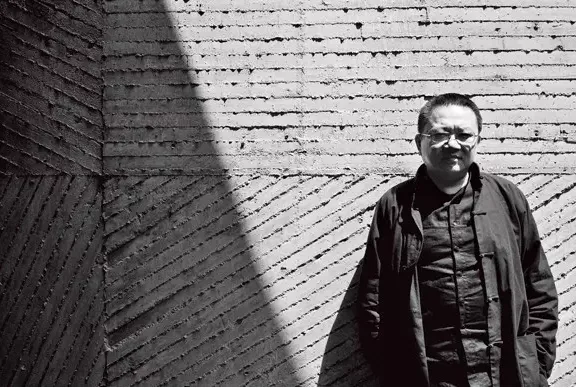
Wang Shu has a deep passion for bricks.
He is less like an architect and more like a poet, with bricks serving as his ink and brush.
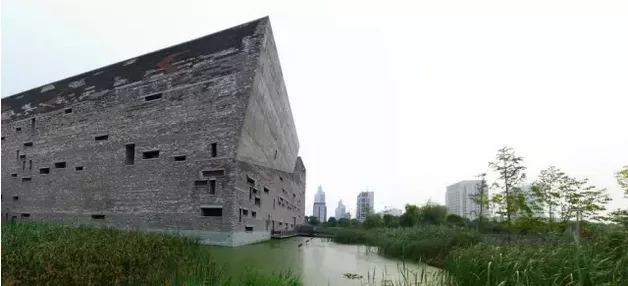
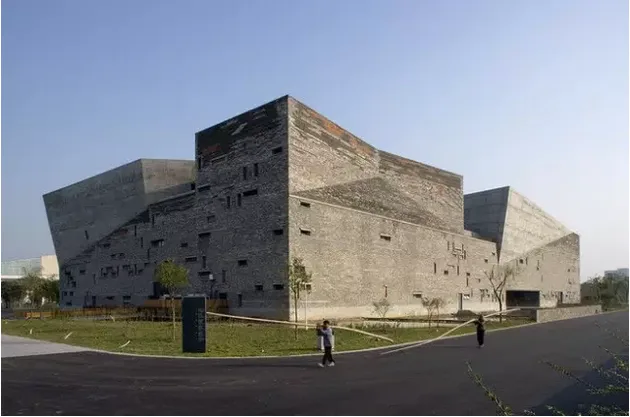
This is the Ningbo Museum, one of his remarkable projects.
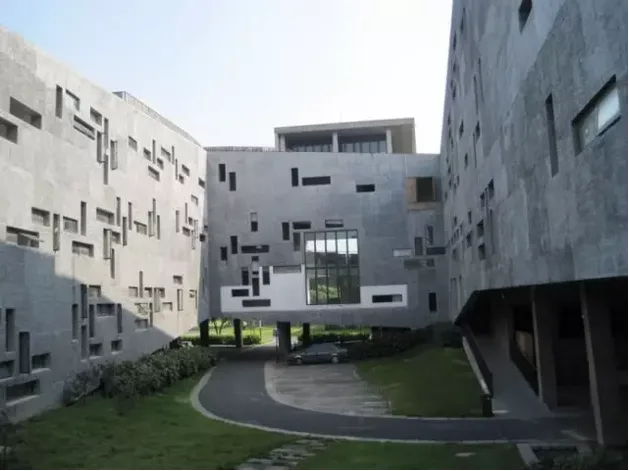
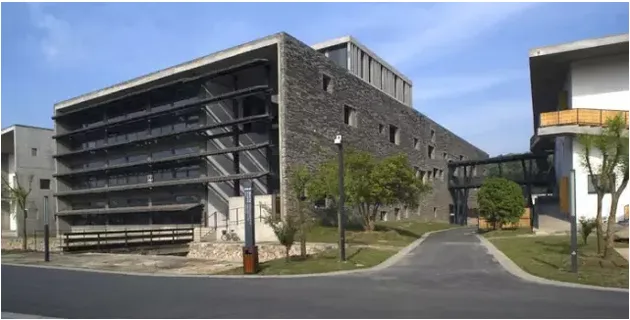
Another impressive work is the China Academy of Art Xiangshan Campus Phase I.
Since winning the prestigious Pritzker Architecture Prize, Wang Shu has brought Chinese brick architecture back into the global spotlight.
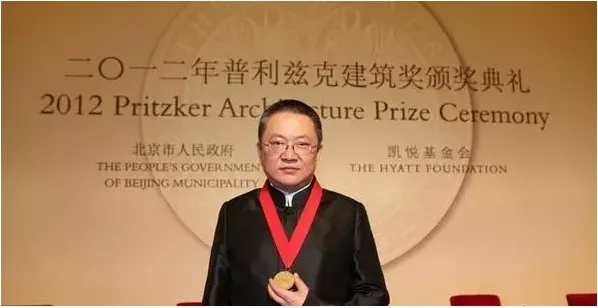
Brick architecture has been a sleeping giant.
Once awakened, it will surely make the world take notice.
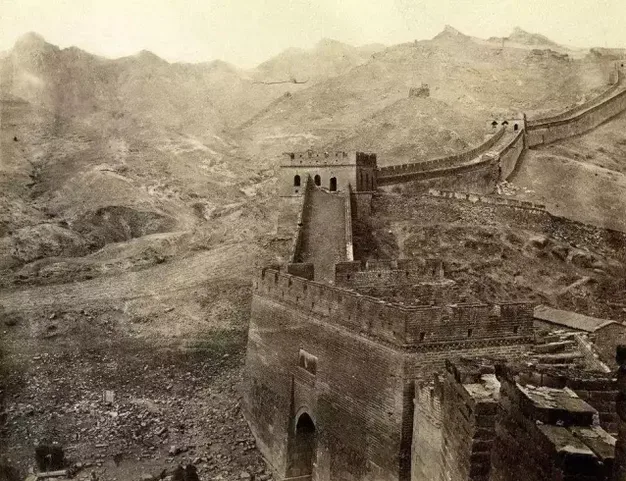
The Great Wall stands as a symbol of this enduring strength.
Yet, what we see is a friendly lion.
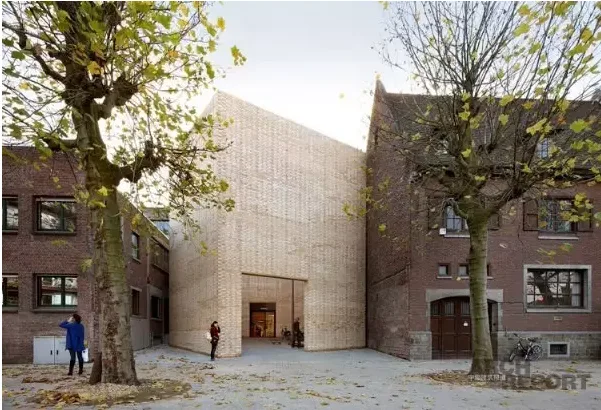
The Buda Art Center is a contemporary example of brick architecture.
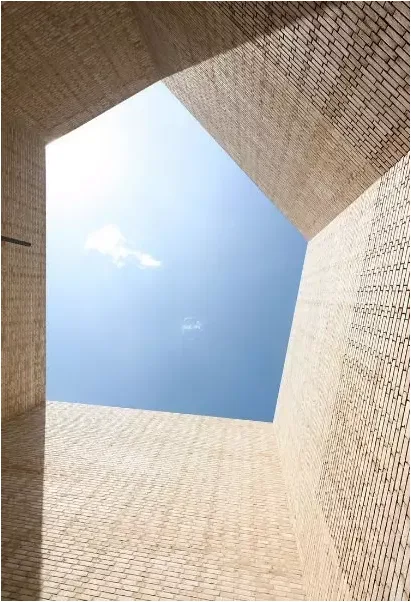
For this project, the designer repurposed leftover yellow bricks from a renovation to create a polyhedron, offering a tactile, approachable space that humanizes industrial residential architecture.
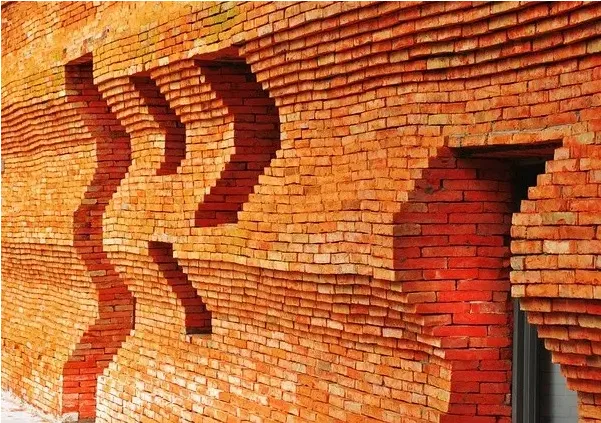
Kantana Film Academy in Bangkok, Thailand, is another inspiring project.
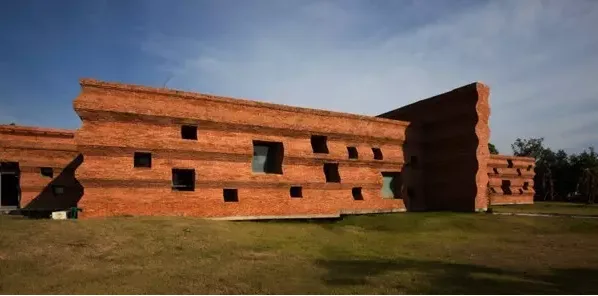
Constructed with over 600,000 handmade bricks, the building is simple yet aesthetically pleasing.
It is a single-story structure that blends seamlessly into the surrounding landscape.
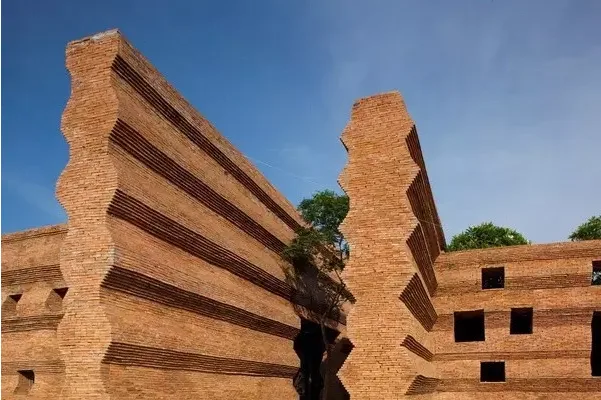
Today, the use of bricks has expanded beyond housing to public buildings.
Glass and steel no longer dominate urban landscapes as they once did.
The era of brick architecture’s resurgence has begun.
Article material sourced from the internet.















Must log in before commenting!
Sign Up