
Design optimization is grounded in engineering design theory and informed by practical engineering experience. It relies on a thorough understanding and flexible application of design standards, employing advanced and effective engineering design methods. The goal is to refine, adjust, and enhance engineering designs, while reviewing and controlling project costs throughout the process.
The primary objective of design optimization is to deliver better economic, environmental, and social benefits to the owner. This is achieved by reducing energy consumption, ensuring continuous and reliable operation, and meeting performance and reliability targets based on the completed project design. Simultaneously, it aims to effectively control the scope of work and improve construction conditions, ultimately controlling investment and reducing costs.
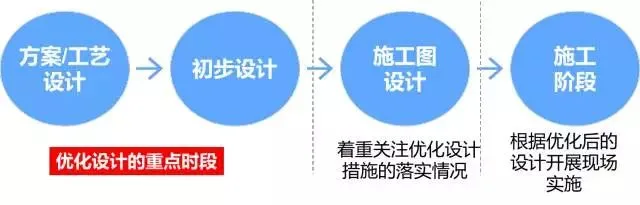
Design optimization management spans the entire project lifecycle. The earlier this process begins, the more beneficial it is. Key stages for optimization include the scheme/process design and preliminary design phases. The construction drawing design phase emphasizes implementing optimization measures, while the construction phase focuses on on-site execution based on the optimized designs.
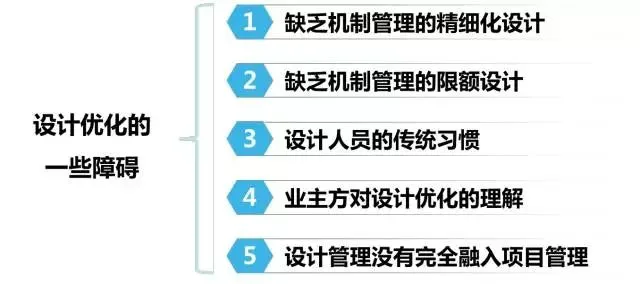
1. Obstacles to Design Optimization
2. Principles of Design Optimization
Design optimization must maintain existing design standards and functionality, ensuring project quality, contract timelines, investment control, and ease of construction. It should also enhance operational efficiency and economy. These efforts should adhere to the principles of rationality, economy, and feasibility.
3. Implementation of Design Optimization
(1) Plan/Process Design Stage: Optimize the design unit and overall design plan, specifying optimization requirements in the design subcontract agreement.
(2) Preliminary Design Stage: Strengthen communication with the design team to ensure they fully understand construction goals such as performance indicators and cost control objectives. Develop design principles focusing on system and equipment selection and overall layout optimization.
(3) Construction Drawing Design Stage: Organize the design team to refine and optimize construction drawings based on the initial design scheme and contract requirements. Expand the design scope and depth while implementing engineering quantity control.
(4) Construction Phase: Ensure ample design information exchange between the design team and general contractor. Enhance on-site collaboration with the construction team, provide technical support for key construction plans, participate in decision-making for major construction activities, optimize designs based on site conditions, and control design change volumes.
4. Methods for Design Optimization
(1) Establish an expert database for design optimization and select key technical personnel to support the optimization process.
(2) Leverage scientific research, engineering experience, extensive domestic and international information, and the design unit headquarters’ resources to propose optimization ideas and plans for both preliminary and construction drawing design.
(3) Clearly define optimization content, provide sufficient supporting documentation (including calculation sheets if necessary), and maintain communication with the design team.
(4) Conduct a comprehensive economic analysis covering the entire project lifecycle—including construction and operation phases—to justify the optimization proposals.
(5) Collect and analyze preliminary design data, equipment selection information, and design drawings to build a library of typical optimized designs and a database of similar projects, fostering the development of specialized design talent.
5. Incentive Mechanisms for Prefabricated Structure Design Optimization
Following the main contract settlement principles, a floating rate system is applied to the design contract. During the optimization design phase, the design unit receives proportional incentives based on project investment control, encouraging deeper and more accurate surveying and design efforts.
Conclusion
Design is the foundation of any project. Strengthening design management and implementing design optimization allows for capturing value early and benefiting downstream processes. Establishing an efficient, pragmatic, and comprehensive design system is essential to harness the advantages of design optimization in PPP projects, providing strong support for enterprise profitability and sustainable development.














Must log in before commenting!
Sign Up