
Industrialization in construction does not simply mean assembly, nor does it imply using traditional production methods combined with assembly. Applying conventional construction management models to assembly construction is not true industrialization. The new wave of construction industrialization is defined by five key characteristics:
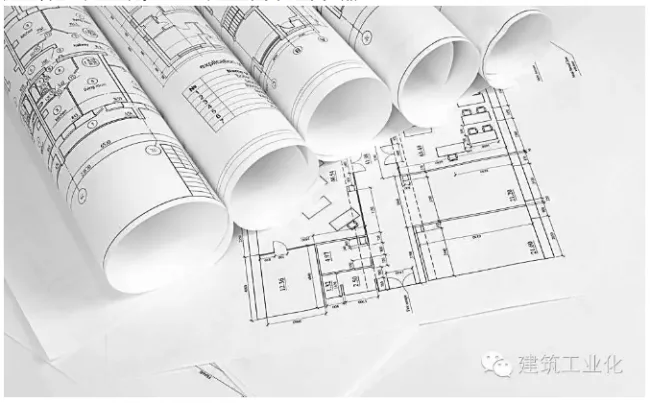
1. Standardized Design. At the heart of standardized design is the creation of standardized units. Unlike early efforts focused on modular design or standard atlases that addressed limited aspects, modern standardized design leverages information technology, especially BIM (Building Information Modeling). The powerful capabilities of information sharing and collaborative work break previous constraints, enabling the establishment of standardized units that can be repeatedly used throughout the construction process. For instance, Hong Kong’s public housing has developed seven mature design layouts that are user-friendly and highly efficient to produce.
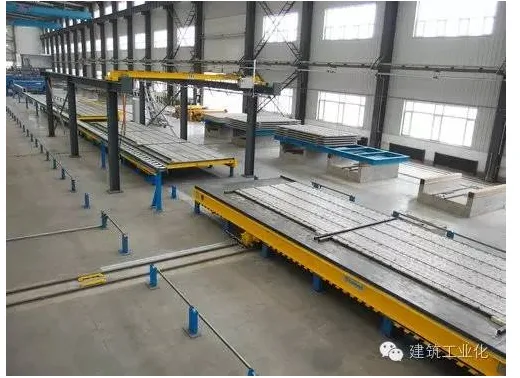
2. Factory Production. Factory production is the cornerstone of construction industrialization. Many perceive industrialization as merely producing prefabricated parts, but true industrialization focuses on the main structural components. Traditional construction struggles with accuracy, often allowing significant errors in elements like doors and windows, where dimensions vary by floor. It relies heavily on large numbers of frontline workers, which can lead to wasteful material usage and environmental damage. On-site quality control is also difficult to maintain. These challenges can be addressed by producing main structural components in factories, achieving millimeter-level precision and standardization of decorative elements. Genuine industrial construction demands a fundamental shift in production methods beyond simply increasing prefabrication rates.
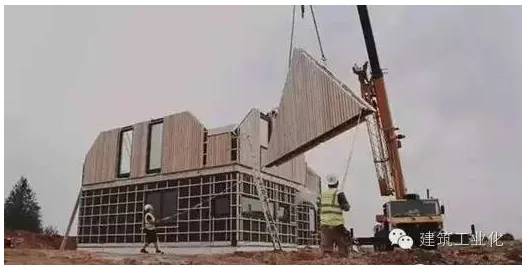
3. Prefabricated Construction. Prefabricated construction centers on both construction technology and management, with a particular emphasis on the latter. The industrial operation model differs significantly from traditional approaches. Instead of the typical hierarchical subcontracting system, construction industrialization promotes the “EPC” (Engineering, Procurement, and Construction) model, a comprehensive contracting approach often used in early stages of construction industrialization. EPC integrates design, production, and construction, optimizing project design, pooling resources and technology, and maximizing efficiency throughout the building process. This ensures a transformation in production methods, consolidating technology and resources into a streamlined, integrated workflow.

4. Integrated Decoration. Integrated decoration begins at the design stage and aligns with the production and manufacturing of components as well as assembly construction. This approach integrates decoration directly with the prefabricated main structural assembly, rather than starting decoration only after the unfinished building is completed.
5. Information Management. Digitalization throughout the construction process starts with creating an information model during the design phase. Various disciplines collaborate on this shared platform, optimizing drawings before factory production. Construction simulations are conducted during assembly, and components are equipped with chips to facilitate quality tracking. The extensive application of BIM accelerates the shift toward industrialized, standardized, and intensified construction. It promotes higher-level resource sharing among different stages and professionals, effectively addressing coordination issues between disciplines. This helps resolve disconnects between design and construction, as well as between components and construction technology, significantly enhancing precision, efficiency, and overall quality. Ultimately, it highlights the advantages of modern building industrialization.
The current wave of construction industrialization is primarily driven by the construction industry itself, not the real estate sector. Construction enterprises stand to gain the most from this evolution, and their proactive involvement is the key to successful implementation.












Must log in before commenting!
Sign Up