
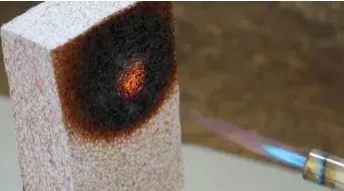
In China, external wall insulation materials are categorized into four main classes: Class A, B1, B2, and B3. Class A materials are non-combustible and consist of inorganic insulation materials. The B-class materials are subdivided into three levels: B1 is flame retardant, B2 is flammable, and B3 is highly flammable.
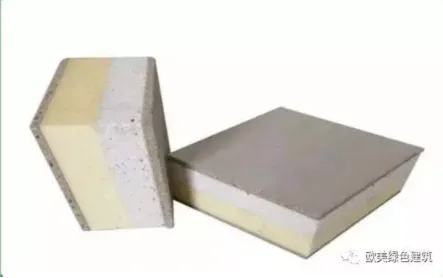
B1 Level: This includes commonly used EPS/XPS insulation boards treated with flame retardants.
B2 Level: These are combustible insulation materials, mainly composed of EPS expanded polystyrene foam boards and XPS extruded boards, often referred to as standard insulation boards. They have a low ignition point and release a significant amount of harmful gases when burning.
B3 Level: Highly flammable insulation materials, primarily made of polyphenyl foam. Due to their high flammability, these materials have been phased out for use in external wall insulation.
2. Types of Wall Insulation: External, Internal, and Sandwich
(1) External Wall Insulation: This method involves installing an insulation layer on the exterior surface of the wall, which includes the insulation layer, protective layer, and fixing materials. Its advantages are high thermal efficiency, excellent insulation performance, and relatively low overall cost. It is suitable not only for new construction but also for retrofitting older buildings, making it versatile.
The insulation layer wraps around the exterior of the main structure, protecting it and extending the building’s lifespan. It effectively eliminates thermal bridges, prevents condensation and mold growth, and enhances indoor comfort. However, since the insulation layer is exposed to harsh environmental conditions, the materials must meet strict standards for durability, weather resistance, and compatibility. Additionally, construction is more complex and requires skilled workers and technical support.
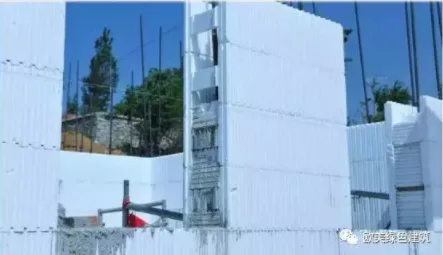
(2) Internal Wall Insulation: This involves adding an insulation layer inside the external wall structure. Its main advantage is that, in summer nights, the interior surface temperature drops quickly with the outside air temperature, reducing stuffiness. It also offers better durability than external insulation and enhances fire safety. Construction is simpler, less affected by weather, and generally less expensive.
However, internal insulation is prone to thermal bridging, which reduces its effectiveness. These thermal bridges often cause condensation, moisture buildup, and mold growth on the inner wall surfaces. The insulation layer inside the building reduces usable space and can be damaged by interior renovations or wall-mounted fixtures, making repairs difficult. Additionally, cracks in the insulation and walls are common, negatively impacting aesthetics and resident satisfaction.
(3) Sandwich Insulation: This method places insulation materials between the inner and outer wall panels of the same exterior wall. Both panels can be made from traditional materials such as clay bricks or concrete hollow blocks.
The advantages include good waterproofing and weather resistance, effective protection of both the insulation and inner wall panels, and the ability to use a variety of insulation materials like polystyrene, glass wool, or rock wool. Construction is less sensitive to seasons and conditions, allowing for winter work.
Drawbacks include weakened insulation due to thermal bridges from structural components like beams and columns. The thicker walls reduce usable space, and seismic performance is poor because the insulation is sandwiched between two rigid load-bearing walls. Prefabricated panel joints may leak, and temperature fluctuations can damage the wall structure.
3. Thermal Conductivity and Heat Storage Coefficient of External Wall Insulation
Thermal Conductivity: This measures the amount of heat transferred through a 1 square meter area of material, 1 meter thick, over one second, with a 1-degree temperature difference between its surfaces. Numerically, it equals the heat flow density divided by the negative temperature gradient. Generally, lower thermal conductivity indicates better insulation performance.
Heat Storage Coefficient: This is divided into material heat storage coefficient and surface heat storage coefficient. The material heat storage coefficient reflects a material’s capacity to store heat. The surface heat storage coefficient measures the amount of heat stored or released per square meter of surface area in one hour when the surface temperature changes by 1°C due to periodic thermal effects. A higher value indicates better thermal stability. Simply put, materials with lower heat storage coefficients heat up and cool down faster.
4. Preventing External Wall Insulation from Falling Off
(1) Proper Selection and Control of Insulation System Materials
Ensure the quality of materials such as polymer mortar, insulation boards, and anchor bolts used in external wall insulation systems. Adhesives should be carefully proportioned to guarantee adequate polymer content and additives. Insulation boards must meet quality standards; for example, rock wool boards require anchor bolt reinforcement, XPS boards should be coated with interface agents to improve adhesion, and so on. Anchor bolts must be selected based on the base wall type, ensuring proper anchoring depth and strength to prevent failures.
(2) Thoughtful Design of the Wall Insulation System
Wall insulation is a complex system where compatibility between each layer must be considered. For materials with low strength or poor adhesion, reinforcement with anchor bolts and improved bonding rates are necessary. Exterior finishes should complement the insulation system, preferably using breathable coatings. Flexible bricks and well-designed expansion joints are advisable.
(3) Strengthened Construction Supervision
Construction is often the weak link in insulation quality control. Prior to installation, inspect the base wall to ensure tensile bonding strength meets standards, surface flatness is adequate, and there are no issues like hollowing, powdering, or oil contamination. During installation, monitor the application rate of bonding mortar closely to avoid improper practices such as insufficient bonding of insulation boards, inadequate anchoring, or dry hanging of reinforcement nets. Also, protect materials from weather exposure before the mortar cures fully.
5. Benefits of External Wall Insulation
External insulation composite walls involve applying high-efficiency insulation materials on the outside of the main exterior wall structure. Key benefits include:
- Protecting the main structure from extreme outdoor temperature fluctuations, thereby extending its lifespan.
- Reducing or eliminating thermal bridging, which is a significant issue with internal insulation.
- Maintaining the main structure indoors, leveraging its thermal mass to moderate indoor temperature swings.
- Minimizing disruption during retrofits, since external insulation avoids interior space reduction and damage common with internal insulation.
- Offering strong economic benefits; although initial costs are higher, the increased usable area and energy savings reduce overall expenses.
Overall, external insulation significantly enhances energy efficiency and indoor comfort.
6. Principles for Selecting External Wall Insulation Systems
- External insulation systems should have better crack resistance than internal insulation.
- Stress should be released gradually and flexibly, layer by layer, to prevent cracking.
- Avoid using ordinary cement mortar as the leveling or protective layer on external insulation surfaces.
- Systems should be designed to minimize or eliminate cavities, improving stability.
- The protective layer’s crack resistance is the primary factor in crack control.
- All systems should undergo large-scale weather resistance testing to verify crack resistance.
- Whenever possible, paint-based exterior systems should be selected.
- Material compatibility and matching across all layers must be thoroughly considered.
- Strengthen sealing at insulation cut-off points, especially in prefabricated buildings.
- Suppliers should provide complete system material sets to ensure compatibility and performance.
7. What Are Thermal Bridges (Cold Bridge and Hot Bridge)?
“Hot bridge” and “cold bridge” describe the same phenomenon, with terminology differing regionally. Thermal bridges are weak spots in an insulation layer where heat readily transfers from warmer to cooler areas due to reduced insulation capacity. These areas act as “bridges” that allow heat to bypass insulation, leading to energy loss.
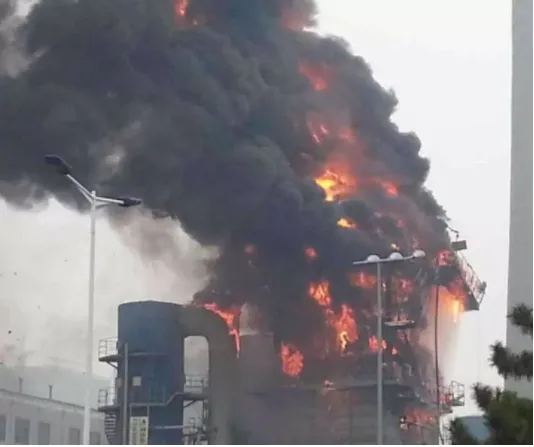
8. Causes of Fires in External Wall Insulation Materials
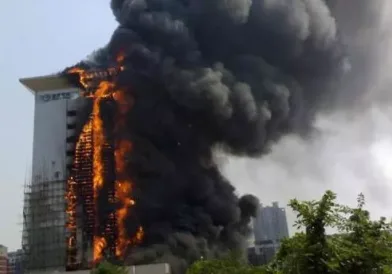
Fire risks arise primarily from the lack of uniform industry standards and uneven product quality. Additionally, long construction periods introduce many hidden hazards on-site. Furthermore, the high cost of quality materials sometimes leads contractors to substitute inferior alternatives disguised as premium products.
9. Why Does Condensation Occur in Some Rooms During Winter?
Many residential buildings have numerous thermal bridges on exterior walls and roofs. In winter, corners of exterior walls, roof eaves, junctions between exterior walls and interior partitions, and connections between exterior walls and floor slabs often experience condensation or heavy moisture buildup on interior surfaces, sometimes even water dripping. Areas behind kitchen cabinets, beds, and other furniture may develop severe condensation and mold. This creates a humid indoor environment that damages clothing and food, seriously affecting residents’ daily lives and health.
Condensation occurs because of insufficient insulation and the presence of thermal bridges. When heating is inadequate, indoor temperatures are low, and humidity is high, the surface temperature inside the enclosure and at thermal bridges falls below the indoor dew point, causing moisture to condense.
10. Why Do Insulation Materials Need to Be Moisture-Proof?
Thermal insulation materials are typically lightweight, porous, fibrous, or powdery substances containing large amounts of static air. Since air is a poor heat conductor, these trapped air pockets provide effective insulation. However, if moisture penetrates the insulation, it replaces some of the air. Water has a thermal conductivity over 20 times higher than still air, and when frozen into ice, its conductivity is more than 80 times higher.
As a result, damp insulation materials lose much of their insulating ability. The higher the moisture content, the more the insulation is compromised. Therefore, it is crucial to keep insulation materials dry during transportation, storage, and installation to maintain their effectiveness.
11. What Is Building Energy Efficiency?
Building energy efficiency means minimizing energy consumption throughout the production of materials, construction, and operation of buildings while meeting the same functional requirements.
Energy conservation in buildings involves applying energy-saving standards, technologies, processes, equipment, materials, and products during planning, design, construction (including renovation and expansion), and operation. It focuses on improving the thermal insulation of building envelopes, increasing the efficiency of heating, air conditioning, and refrigeration systems, strengthening the management of building energy systems, utilizing renewable energy sources, and enhancing thermal resistance between indoor and outdoor environments. All these measures aim to reduce energy consumption associated with heating, cooling, lighting, and hot water supply, without compromising indoor thermal comfort.














Must log in before commenting!
Sign Up