
Aluminum alloy formwork combined with fully cast-in-place and precast concrete (PC) stairs offers an excellent construction solution. In domestic mid- to high-rise building projects, stairs are often the primary components suitable for PC usage.
Precast Concrete (PC) refers to concrete products manufactured through standardized and mechanized processes in factories. Unlike traditional cast-in-place concrete, which requires on-site molding, pouring, and curing, PC components are prefabricated and then transported to the construction site. These components are widely applied in construction, transportation, and water conservancy sectors, playing a crucial role in national infrastructure development.
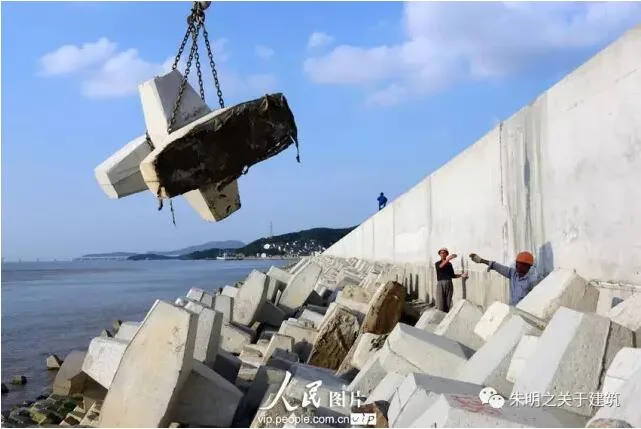
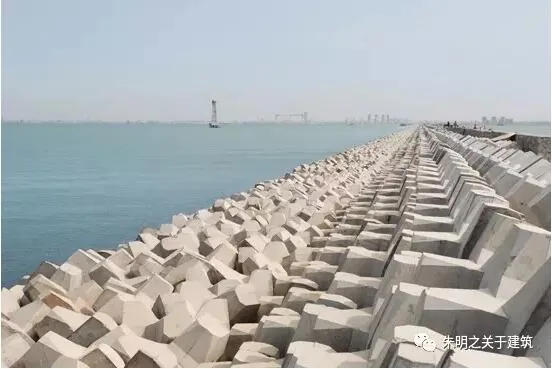
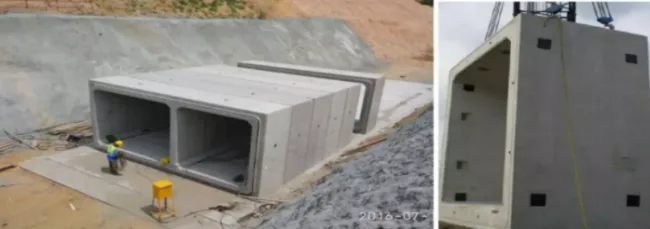
For example, in hydraulic engineering, PC components include the so-called “twisted king block.”
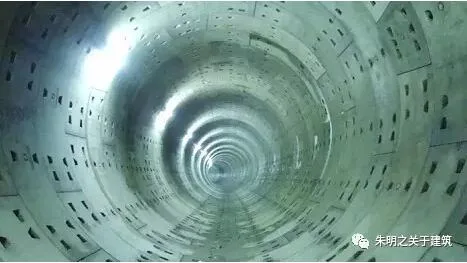
Pipe segments are also widely used in subway shield tunneling construction.
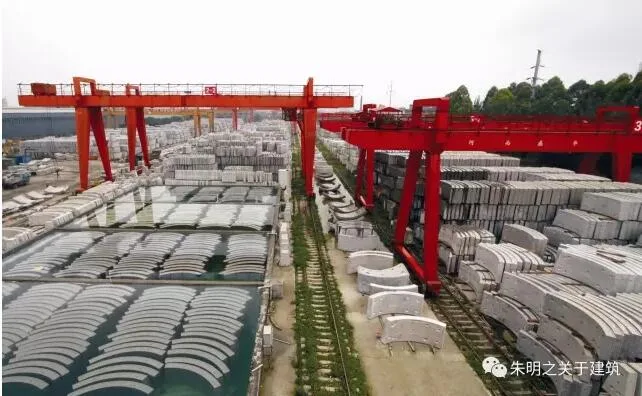
PC stairs are also common in building construction projects.
In mid- to high-rise buildings, stairs are particularly well-suited for PC integration, especially in prefabricated residential buildings.
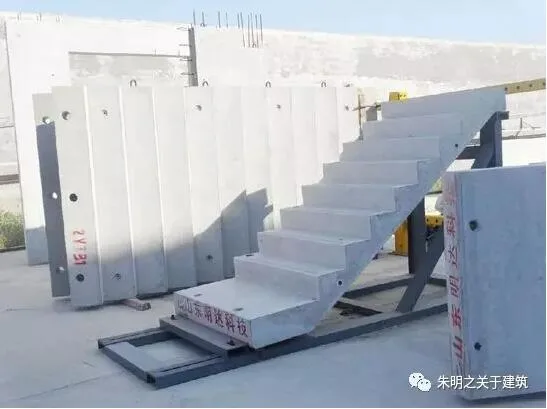
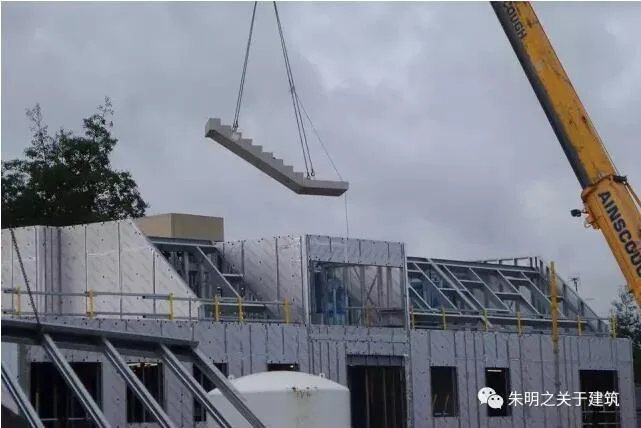
Constructing stairs using aluminum molds requires significant labor.
Real estate developers can optimize floor heights and staircase designs during the design phase, rather than waiting for the construction unit to finalize before outsourcing PC staircase production.
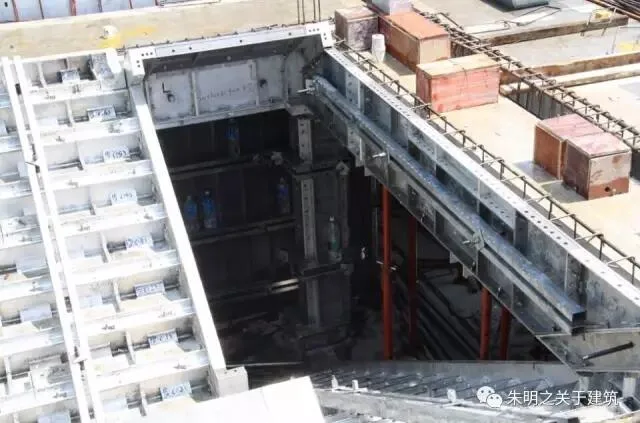
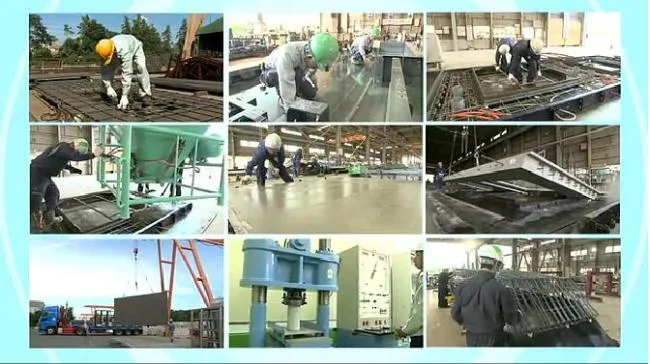
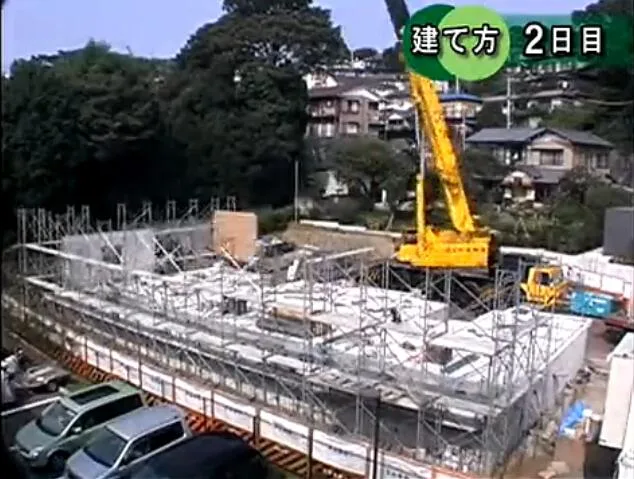
Below is a video from Dacheng showcasing the PC stairs production process.
The Japanese construction industry is famously known by the phrase “political Kashima, technological Shimizu, and capable Daihatsu,” highlighting Daihatsu Construction’s outstanding shaping capabilities both in Japan and globally. Dacheng Construction has gained extensive experience across strategy, organization, operations, finance, and human resources, as well as company processes. Their strength in capacity building serves as a valuable reference for the development of construction enterprises in China.
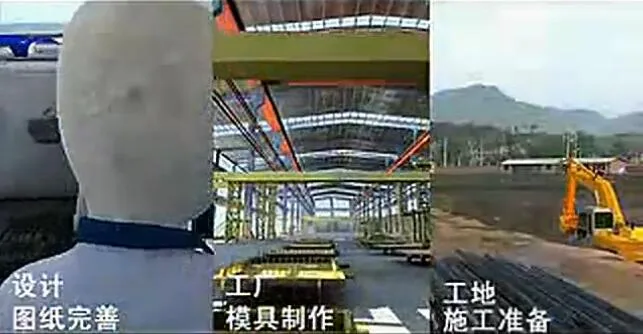
Attached below is a comparison from Vanke.
Successful experience
Dacheng Construction’s management philosophy prioritizes quality and technology, supported by information technology and focused on nurturing technical and management talent. Starting from fundamental management, every aspect is strengthened, setting a benchmark for the growth of Chinese construction enterprises.
1. Competitive Advantage Analysis
Dacheng Construction is Japan’s largest construction company and one of the world’s top construction firms. It sponsors numerous environmental and cultural initiatives. As a world-class civil engineering enterprise, it boasts advanced technology and equipment, large-scale projects, modern management, and diversified industries. After years of overseas operations, Dacheng has developed several core competitive advantages:
(1) World-Class Architectural Qualifications
Dacheng is qualified to undertake large-scale civil engineering projects globally. In fiscal 2008, its output value reached 164.12 billion yen (about 116.8 billion yuan) with just over 8,000 employees. The company operates on a large scale with high efficiency and a relatively small workforce. Dacheng has completed projects in major Chinese cities like Beijing, Shanghai, Shenyang, and Dalian. Notably, the Tokyo Bay New Sea Area Improvement Project, involving sea reclamation, land reclamation, and landfill, as well as a coastal buried tunnel, showcases world-leading construction technology.
(2) Refined and Practical Design
Japan, an island nation of approximately 380,000 square kilometers—about 1/25 the size of China—with a population of around 130 million (1/10 of China’s), has scarce resources. Yet, its network of highways, electric trains, light rail, and subways is extensive. For instance, Osaka Kyobashi Station, primarily constructed by Dacheng, spans underground floors 4 to 6 with complex cross-connections. Above ground, floors 1 to 6 house various supermarkets, while floors 7 to 28 contain high-grade hotels and offices. Infrastructure projects like the Tokyo Bay Cross Island Highway, featuring a 10-kilometer tunnel and a 5-kilometer bridge, are masterpieces in scale, design, functionality, durability, and aesthetics. The project cost totaled 9.8 billion yuan—half the cost of the Three Gorges Project.
(3) A Refined and Efficient Work Team
Dacheng Construction maintains extremely high work efficiency, managing projects averaging 70 million RMB with only one to two project managers per assignment. Modern management techniques enable this efficiency.
The workforce often includes Filipino laborers, valued for their English proficiency and affordability, while claims and legal matters are handled by British professionals. This combination results in rigorous work standards and strong legal compliance.
(4) Strong Technological Research and Development Capabilities
Dacheng’s construction success is supported by robust R&D. Over 1,300 design professionals make up more than 14% of total employees. To support international operations, Dacheng has established both a technology research institute and a biotechnology institute. These entities undertake projects like the Urban Development Port 21 Project, studying urban planning, airflow between skyscrapers, temperature, humidity, and human comfort. Dacheng integrates cutting-edge technologies into its projects.
To meet modern demands, Dacheng has ventured into bioengineering, developing insecticide-free lawns. Wherever Dacheng operates—in Asia, the Middle East, Africa, North America, Latin America, or Europe—its work is characterized by quality and meticulous attention to detail. Dacheng aims to become a globally recognized enterprise.
(5) Advanced Information Management
After over 20 years of development, Dacheng has built a comprehensive information management platform. All management activities are based on the G-NET network management platform, developed in-house. Over 4,000 affiliated companies connect with Dacheng’s headquarters through this platform. Specialized management modules include engineering monthly reporting and target management systems.
This online platform allows Dacheng headquarters to monitor production, operations, technical, and financial statuses of branches and projects in real time. It supports fund management, profit and loss tracking, technical management, design services, material supply, and subcontractor selection. Annually, Dacheng invests 500 million RMB in hardware and software upgrades to keep pace with evolving management needs.












Must log in before commenting!
Sign Up