
We often overlook those closest to us, like our parents, and forget the most important things, such as family advice. Similarly, architects frequently neglect the most common building material: concrete. However, with advancements in industrial technology, concrete is poised to become one of the most innovative building materials in the coming decades.
1. Clear Water Concrete
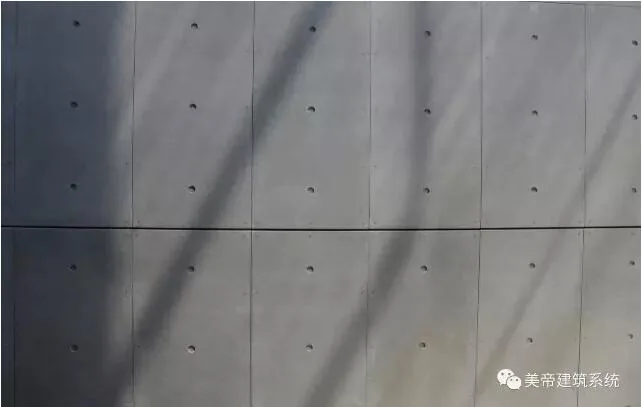
Clear water concrete, also known as decorative concrete, is named for its highly aesthetic finish. It is formed through a single casting process without any additional decoration, using the natural surface of cast-in-place concrete as the decorative element. Unlike ordinary concrete, its surface is smooth, uniformly colored, sharply edged, and free of damage or stains. A thin layer of transparent protective coating is applied, maintaining a natural and solemn appearance.
A. Material Performance Characteristics
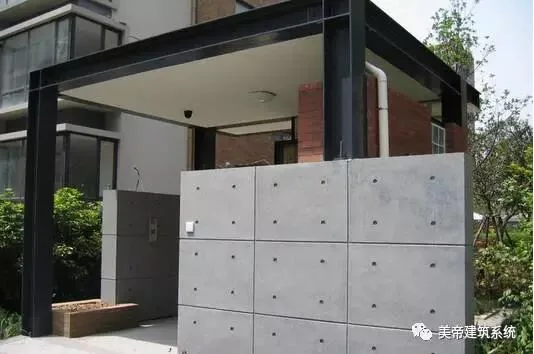
Clear water concrete represents the highest level of concrete expression, showcasing an inherent beauty and a refined “plain yet uplifting” aesthetic. The material’s balance of softness, hardness, warmth, and coolness influences human perception and evokes architectural emotion.
It is truly an eco-friendly concrete: concrete structures require no additional coatings or chemical finishes, thereby reducing environmental impact. The single-pour process eliminates chiseling, repairs, and plastering, significantly cutting construction waste.
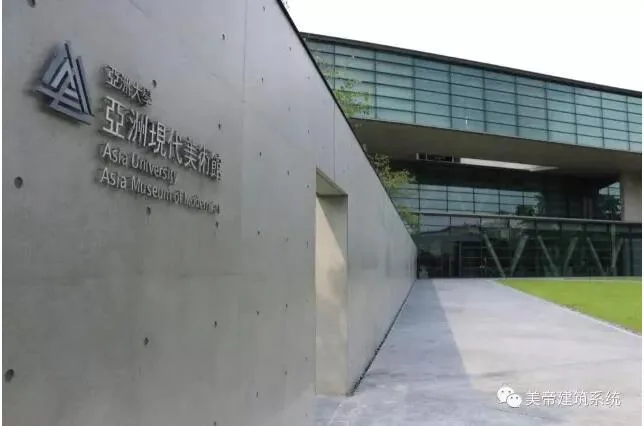
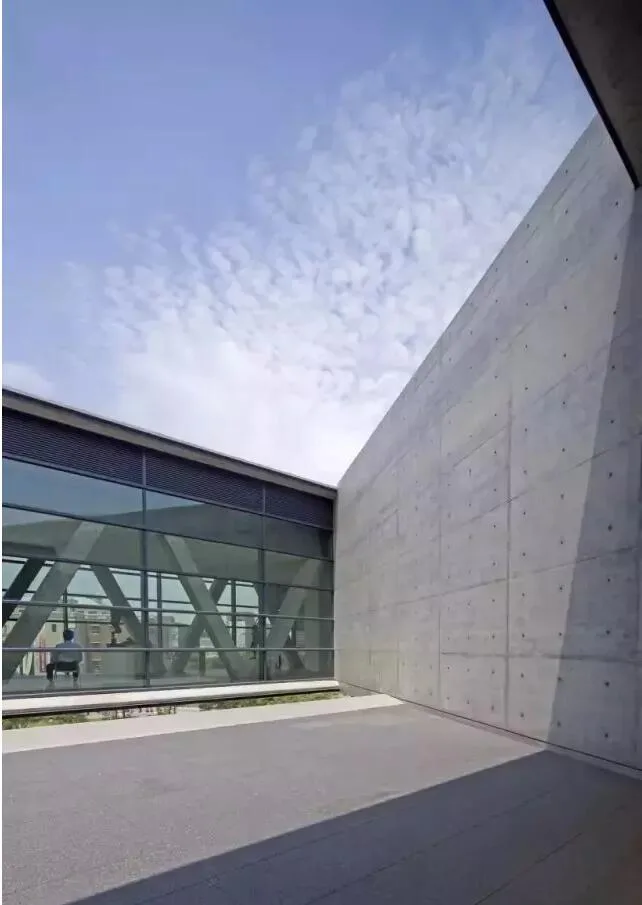
△ Asian Museum of Modern Art
Clear water concrete promotes enhanced quality management during construction. Since no chiseling or repairs are allowed after pouring, every step must be carefully controlled, improving overall structural quality.
Although the construction requires significant manpower and materials and may extend the timeline, the elimination of plastering and decorative layers reduces maintenance costs, lowering the total project expense.
Due to the one-time pouring process, door and window openings, as well as other components connected to walls, need precise pre-design and embedding during construction.
B. Production Process and Classification
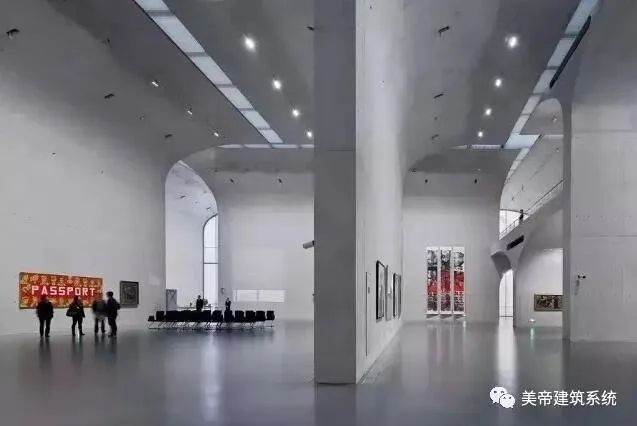
△ Natural Plain Concrete
Clear water concrete is categorized into natural clear water concrete and colored clear water concrete based on surface color. Natural plain concrete is also called plain concrete, while colored concrete refers to concrete with added pigments or aggregates to achieve specific colors.
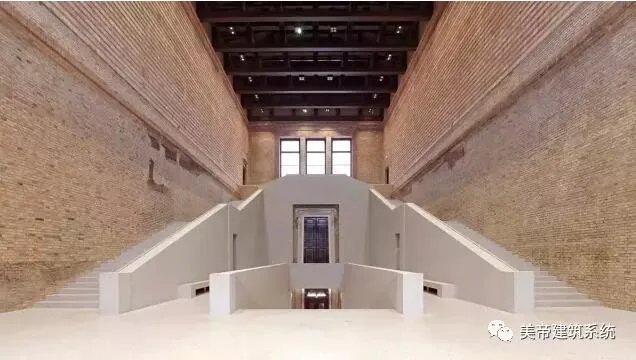
Berlin Sex Museum renovation featuring colored concrete
Colored concrete can be produced by using naturally colored aggregates like red sandstone or by adding metal oxides that chemically react to create the desired hue. For example, in the early renovation of Berlin’s New Museum by David Chipperfield, white cement mixed with Saxon marble aggregate was used to create a pink stone effect on staircases and exhibition halls.
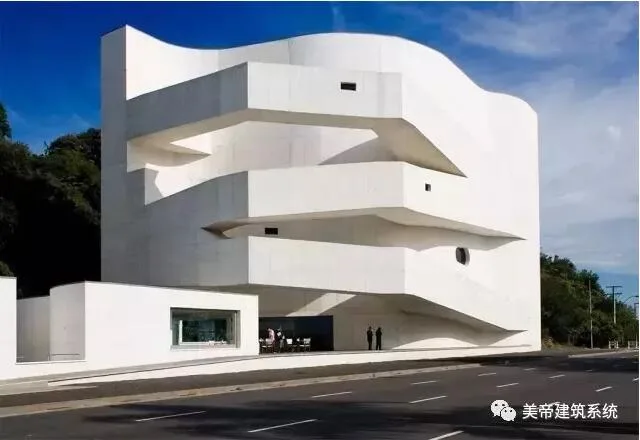
Mr. Iberê Camargo Foundation Museum – White Concrete
Alternatively, pigments can be directly added to white cement to achieve designer-specified colors. Notable examples include Raphael Moneo’s Notre Dame Cathedral in Los Angeles and Akihisa Hirata’s Akabane Nishiyama Residence in Japan, both awarded the Second Colored Concrete Engineering Award.
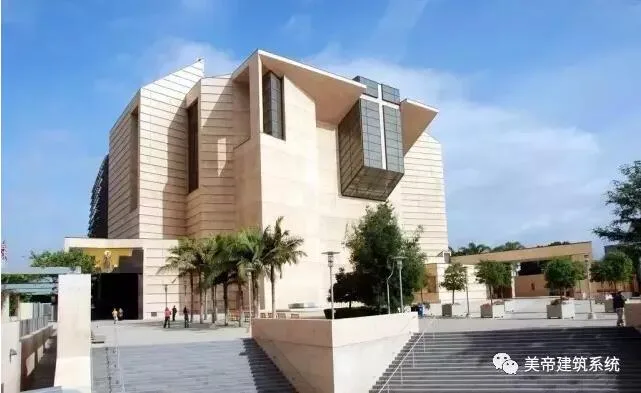
Colored clear water concrete at Notre Dame Cathedral, Los Angeles
Both colored and plain clear water concrete share the characteristic of being poured in one go without surface treatments. The color is integral throughout the material, unlike surface-applied paint.
2. Precast Concrete Hanging Panels
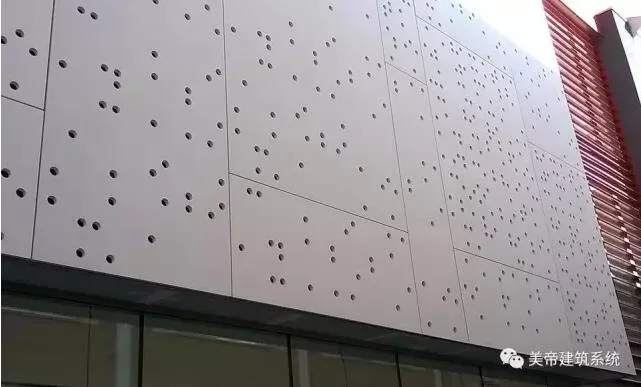
Precast concrete hanging panels are decorative exterior wall panels made primarily of concrete. Produced in factories with standardized curing, their surfaces can be molded or pre-coated to achieve various decorative effects. Molds allow for multiple textures and realistic concrete finishes while maintaining concrete’s inherent weight and durability.
A. Material Performance Characteristics
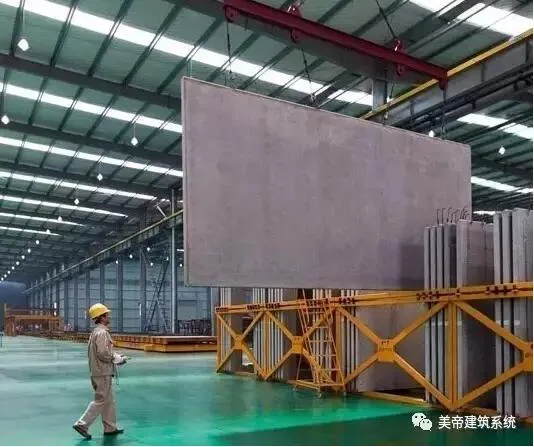
Factory prefabrication allows customizable textures, gloss, colors, sizes, patterns, and functions tailored to designers’ and owners’ preferences and environmental needs. Once selected, production and surface treatment are completed in the factory, ensuring consistent quality.
Raw material-wise, these panels are classified as plain concrete components but can achieve various decorative colors by mixing inorganic pigments.
The texture can be replicated or altered through mold changes and surface treatments to meet specific design requirements.
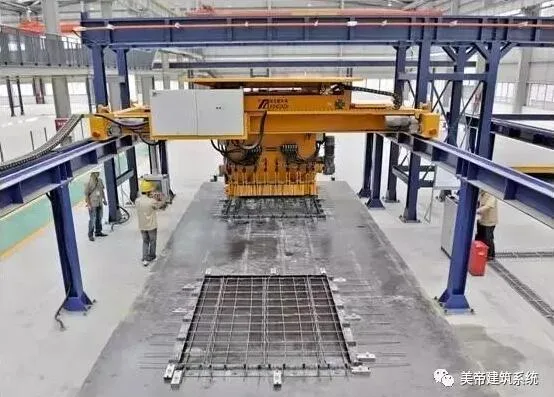
Steel reinforcement is pre-embedded during production to achieve ultra-high strength similar to concrete. Exterior cladding typically uses ordinary or lightweight aggregate concrete with a minimum strength grade of C30. Some premium foreign products reach up to C80 or higher.
Standardized design and factory production enable mass manufacturing of precast concrete panels, improving project quality and shortening construction time.
Installation often uses dry-hanging techniques combined with light steel keel systems for prefabricated curtain walls. The embedded reinforcement also allows for wider panels, providing a substantial visual presence distinct from thin decorative plates.
As inorganic concrete boards, they offer excellent durability, mechanical strength, and workability comparable to standard concrete structures.
B. Production Process and Classification
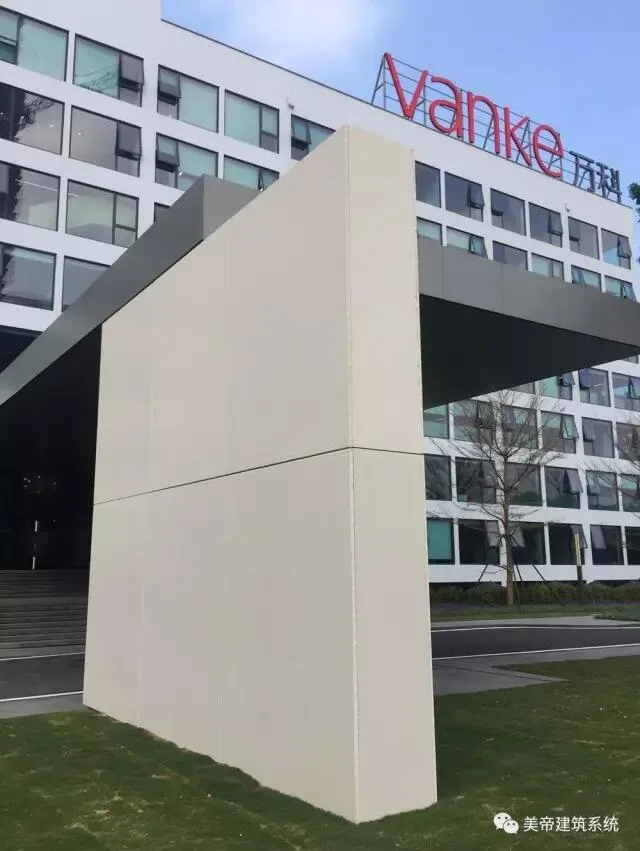
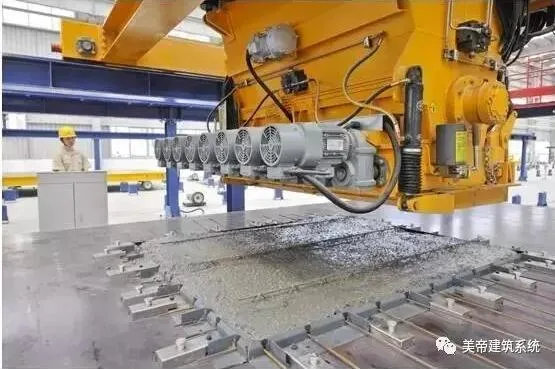
Precast concrete hanging panels were developed to address challenges in cast-in-place concrete construction. The production process includes seven primary steps: mold preparation, steel reinforcement, embedded parts processing, concrete mixing, panel pouring and forming, curing, demolding, and surface treatment.
Unlike cast-in-place concrete, these panels undergo high-temperature and high-pressure curing, enhancing strength and durability while minimizing defects like cracking and alkali damage.
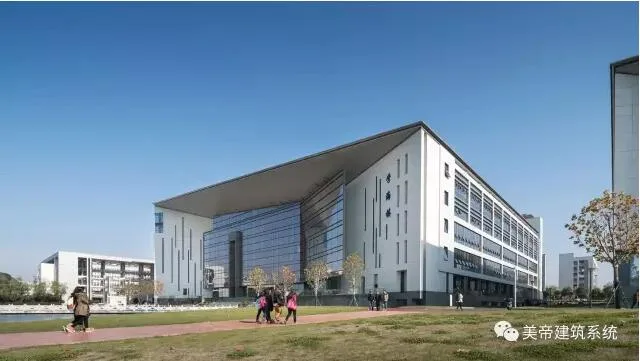
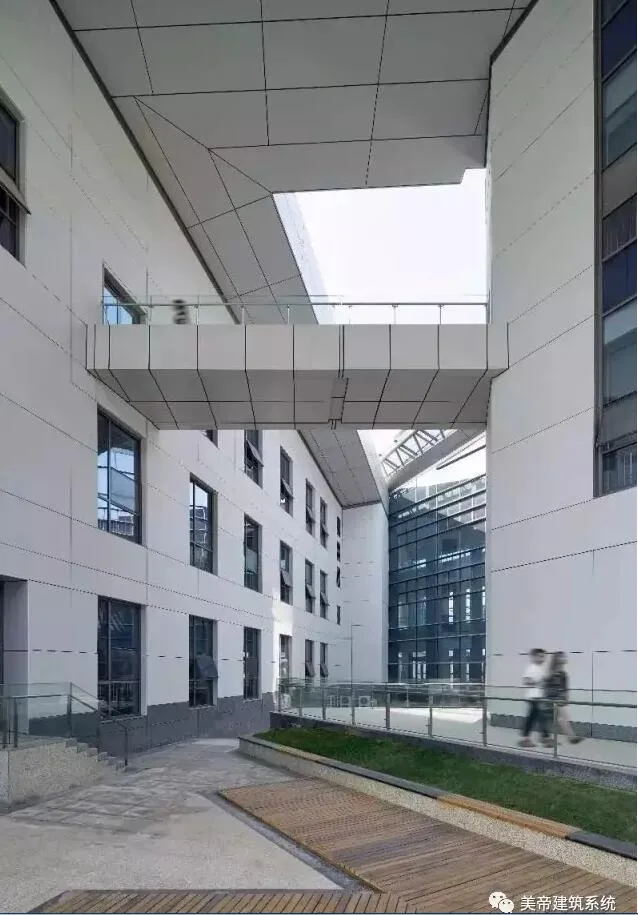
Nanjing Medical University Jiangning Campus
Various surface effects are achievable through mold selection, polishing, and pre-coating. Precise early-stage design controls panel size and surface hole placement, ensuring the final product aligns with the designer’s vision.
Surface texture replicates cast-in-place concrete by managing production processes. This precision guarantees the panel meets predetermined design divisions.
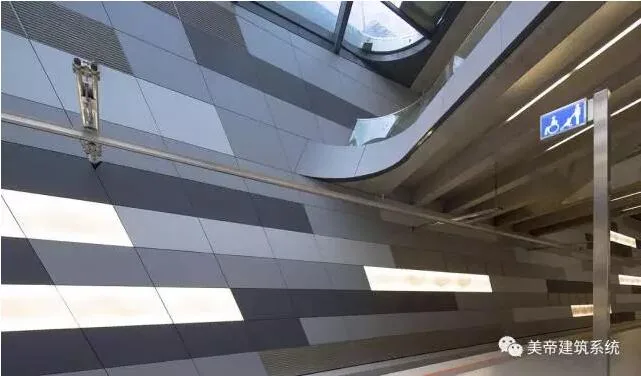
Durango Railway Station designed by Zaha Hadid
There are two main trends in domestic and international precast concrete hanging panels. The first pursues a plain water effect, featuring open seams, Zen-inspired joints, bolt holes, and natural textures. Japanese products emphasize repairability and prefer protective coatings with a glossy finish, while European clear water panels favor a natural, matte, and unified color without glossy films.
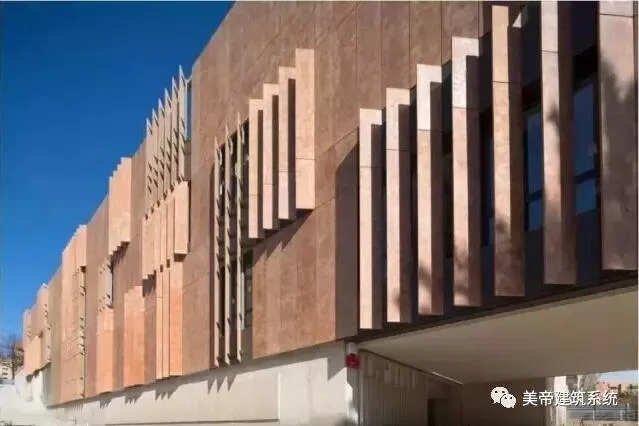
△ Colored decorative concrete hanging panel at Badalona Hospital, Spain
The second trend focuses on diverse decorative effects while preserving concrete properties, especially in colored concrete panels. Surfaces can vary widely in color, and molds can simulate stone, wood, and other textures. Surface treatments offer artistic forms such as exposed aggregate, uniform or mottled coloring, and custom patterns, providing buildings with unique character and cultural integration.
Decorative concrete panels can also feature large or custom perforations for windows, transparent panels, green walls, and more, giving designers considerable flexibility.
3. Extruded Cement Prefabricated Panels
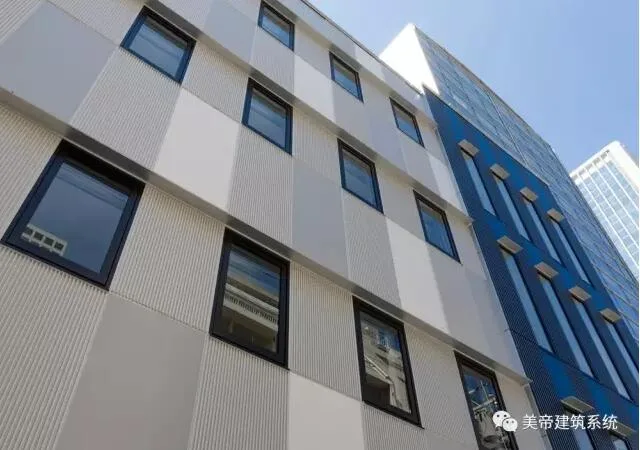
Extruded cement prefabricated panels are made from cement, silicate, and fiber materials. They are shaped into hollow strips via extrusion and then cured under high temperature and pressure. Widely used for exterior walls and interior partitions in offices, residences, commercial buildings, factories, and warehouses, they significantly enhance construction efficiency and support the industrialization of building production.
A. Material Performance Characteristics
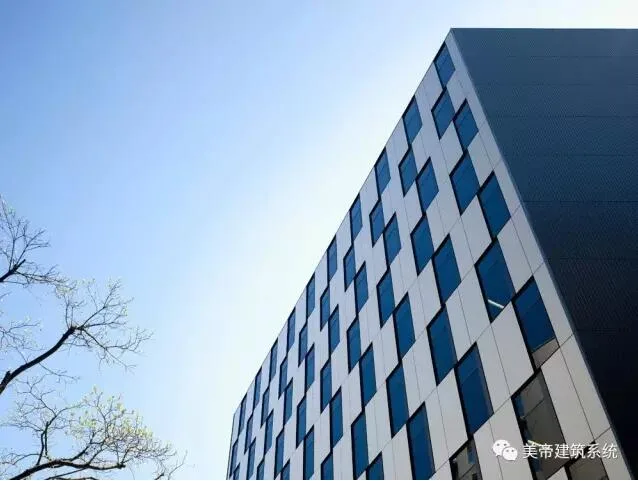
With a thickness of 6 cm and weight between 60-70 kg per square meter, extruded cement panels are much lighter than traditional precast concrete. Their flexural strength is five times greater than concrete, and compressive strength is twice as high.
They offer high strength and rigidity, capable of spanning large distances, which reduces steel reinforcement during installation. Panels can be up to 5 meters long, minimizing joints, enhancing visual impact, and delivering a robust, compact appearance.
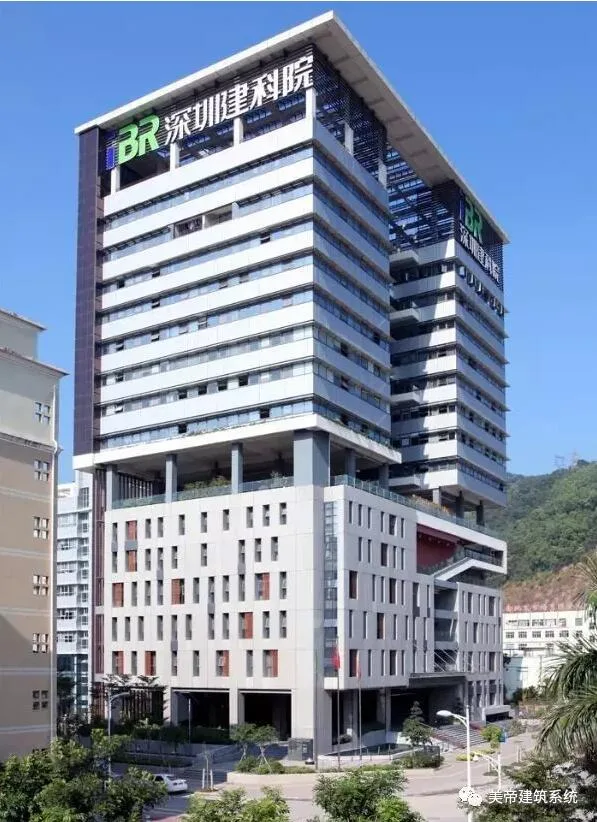
△ Shenzhen Academy of Building Sciences
These panels are highly earthquake-resistant, constructed to standards that prevent cracking or detachment during seismic activity (interlayer displacement test 1/60). Their compact material has low water absorption and requires no waterproofing treatment. They also exhibit strong frost resistance, long service life, and stable performance.
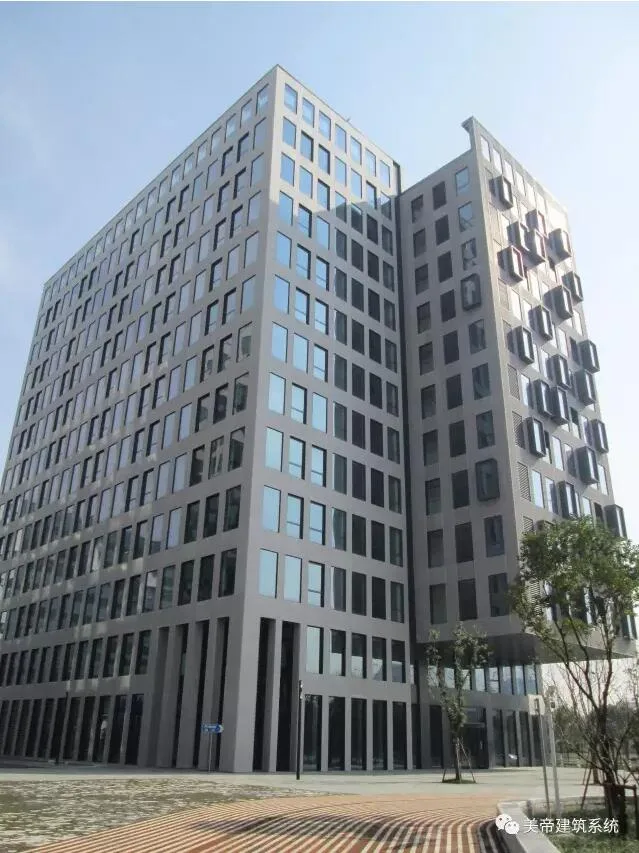
Shanghai Zhangjiang Power Port
These hollow-structured panels are lightweight and do not require heavy lifting equipment, reducing structural and foundation loads during construction.
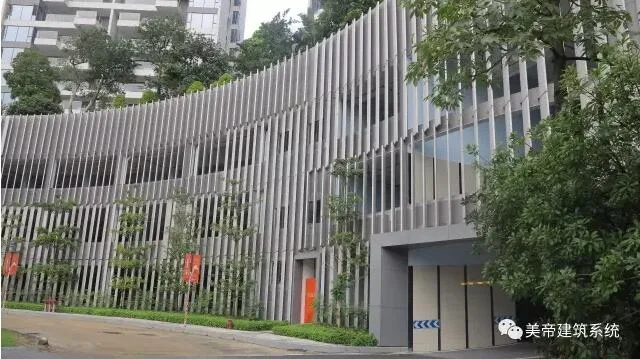
△ Guangzhou Nanhu Banshan Villa Garage
The smooth surface features a natural texture and can be used as-is, coated for decoration, or adhered with ceramic tiles and other materials. Various relief effects can be created by changing molds or using rolling techniques.
B. Production Process and Classification
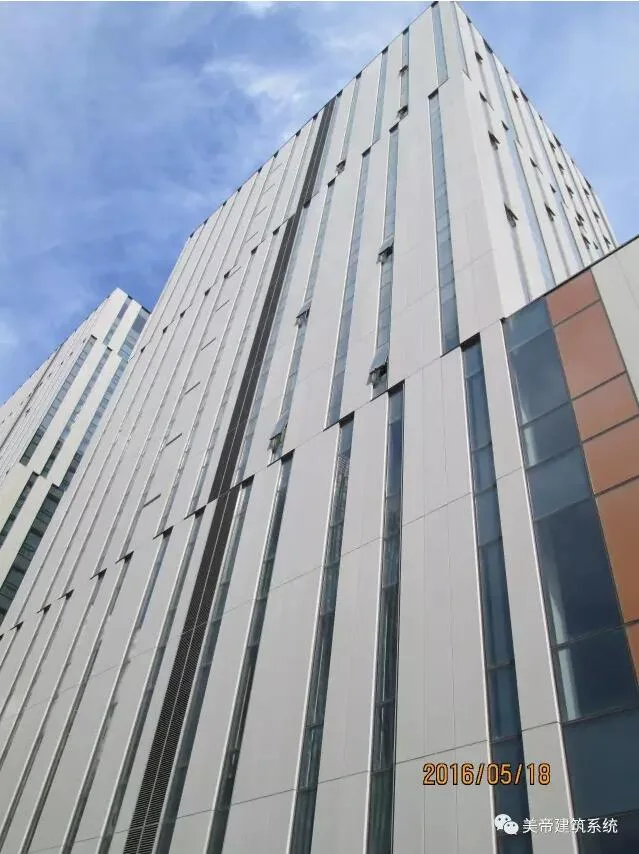
△ Qingdao Zhongtian Building
Extruded cement prefabricated panels excel with their plain-colored surfaces, showcasing the distinctive texture of cement through a clear water effect. They can also be painted or finished with ceramic tiles, stone, and other materials.
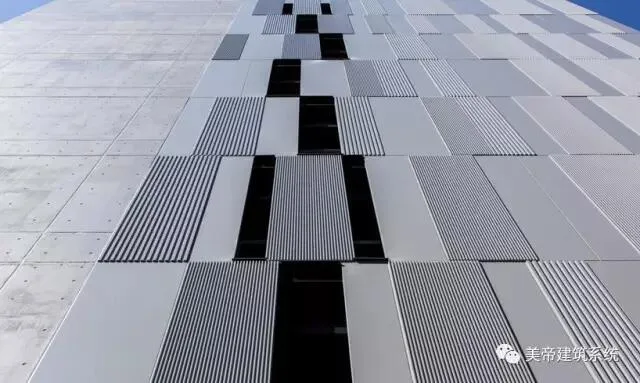
Combination of flat, coarse stripe, and fine stripe panels
Based on surface color, panels are classified into clear water effect and coated types. Surface textures include flat, coarse stripe, fine stripe, and embossed. Functional options such as sunshades are also available.
4. Fiber Reinforced Cement Board
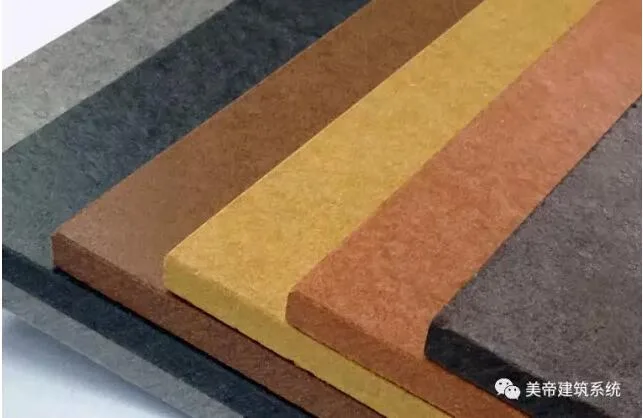
Fiber reinforced cement board is made from cement as the base material and adhesive, with mineral fibers and other fibers as reinforcement. It is processed through pulping, forming, and curing. Widely used as a fire-resistant and flame-retardant material in public places such as power plants, chemical facilities, shopping malls, hotels, and cinemas in China, it is also popular for interior and exterior wall decoration, favored by designers for its versatility.
A. Material Performance Characteristics
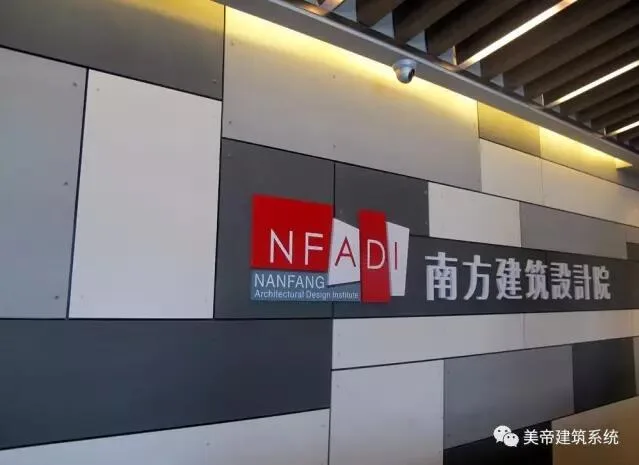
Fiber cement boards are used as indoor ceiling materials, including perforated sound-absorbing ceilings. Standard panels serve in walls and decorative surfaces, while thick panels are suitable for LOFT steel structure floors, jump floors, exterior wall cladding, and clear water panels. Their notable features include:
- Fire resistance: Rated non-combustible Class A, the boards do not burn or emit toxic smoke during fires, making them excellent insulators.
- Waterproof and moisture-proof: Stable in semi-outdoor and high humidity environments, resistant to sinking or deformation.
- Thermal and sound insulation: Low thermal conductivity provides efficient insulation and soundproofing.
- Lightweight and high strength: Produced under 5000-ton hydraulic press, boards are strong, resistant to deformation, and suitable for roof partitions and suspended ceilings.
- Ease of construction: Dry installation methods simplify and speed up mounting. Deep-processed products further enhance construction efficiency.
- Longevity: Strong weather resistance, impervious to moisture and insects, with strength and hardness improving over time, matching building lifespans.
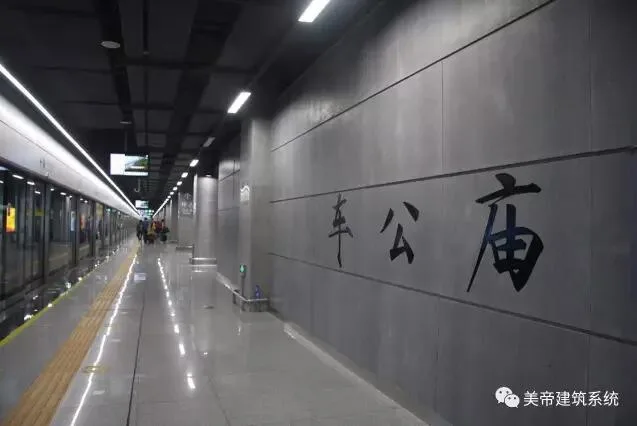
△ Shenzhen Metro Chegongmiao Station
B. Production Process and Classification
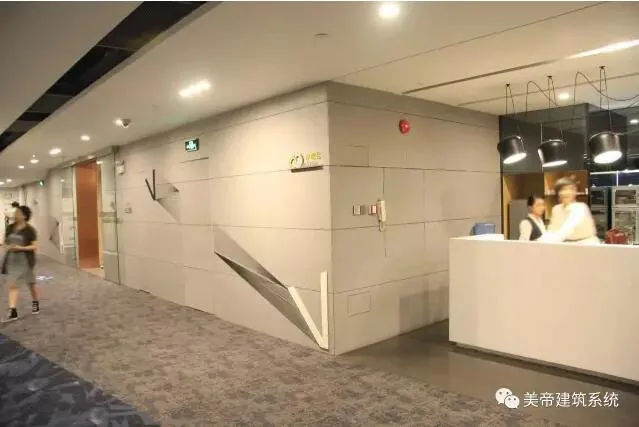
△ Shenzhen Vanke Cloud City Sales Center
Fiber cement boards are classified by fiber content into asbestos-containing and asbestos-free boards, with paper fiber being commonly used domestically today.
Density classifications include low (0.9-1.2 g/cm³), medium (1.2-1.5 g/cm³), and high (1.5-2.0 g/cm³). Low-density boards are typically used for ceilings and partitions, medium density for mid-range partitions and ceilings, and high density for premium steel structure exterior walls and floor slabs.
In China, fiber cement boards are also categorized by manufacturing pressure: pressureless boards for low to medium density, and pressure boards—also called fiber cement pressure plates—for high density. Pressure boards require specialized presses and cannot be produced by companies lacking this equipment.
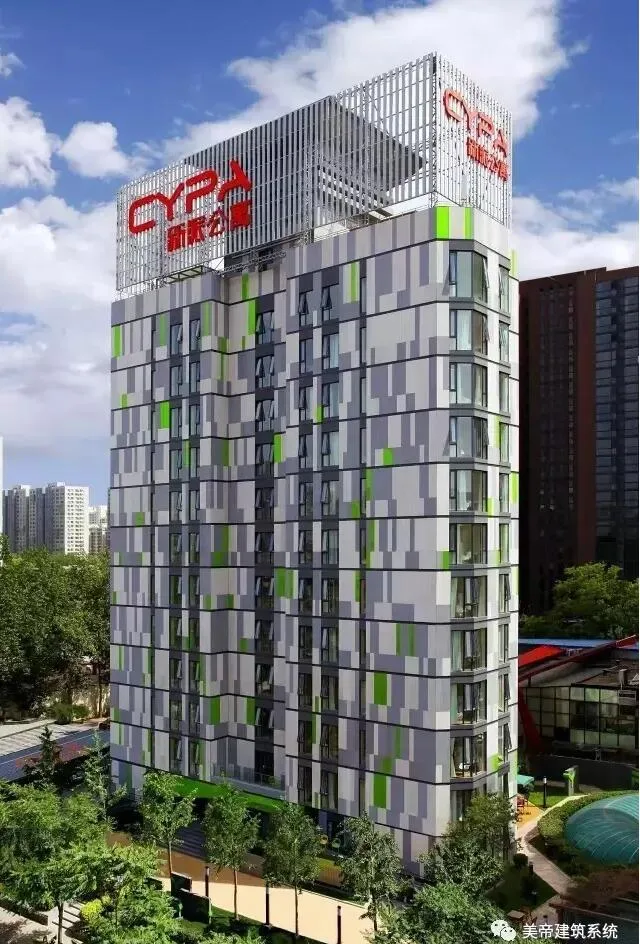
△ Beijing New Style White Collar Apartment
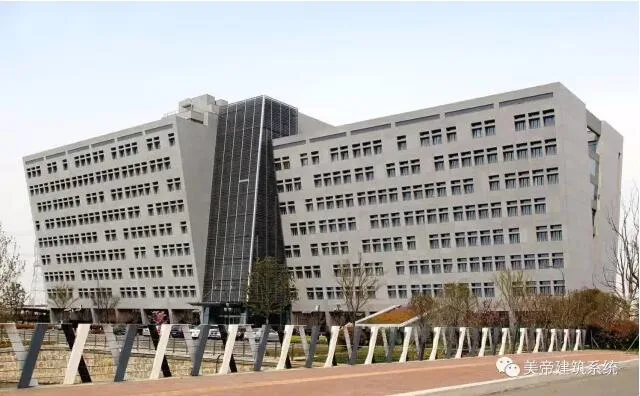
Changzhou Weilu Building














Must log in before commenting!
Sign Up