
Building modular dreams—much like IKEA’s modular furniture—has always been an aspiration for Greenland. To realize this vision, the people of Greenland have made significant efforts. Today, we will share Greenland’s insight and appreciation of modular building systems.
So, what exactly is a prefabricated building? How are these buildings produced? How is the on-site construction carried out? What about costs and expenses? And what advantages do prefabricated buildings offer compared to traditional methods?
What is a Prefabricated Building?
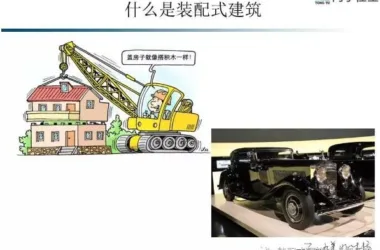
Have you ever played with LEGO? (Or at least seen it?) Imagine prefabricated components—such as beams, slabs, columns, and walls—as LEGO blocks that are pre-made and then assembled on-site.
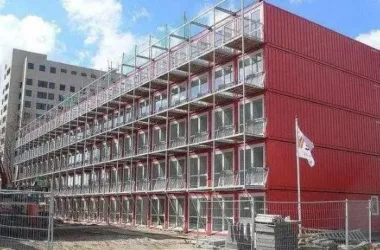
Similar to building with LEGO, prefabricated buildings involve manufacturing some or all components in a factory, which are then transported to the construction site for assembly. But assembling isn’t just about putting pieces together. Once the prefabricated components arrive on site, they are overlapped and reinforced with poured concrete, ensuring a very secure structure. This “industrialized” approach to construction has been widely adopted in Europe, America, and Japan.
There’s always a good reason behind love—so why do these developed countries favor prefabricated buildings? The benefits are substantial:
1. Improved Construction Quality
Prefabricated components are produced in controlled factory environments, which helps minimize common issues such as wall cracking and leakage. This process enhances the overall safety, fire resistance, and durability of residential buildings.
2. Faster Project Completion
Efficiency pays off. Prefabricated construction is approximately 30% faster than traditional building methods, speeding up project timelines significantly.
3. Enhanced Building Quality
Prefabrication acts like a “hyaluronic acid” for the construction industry, keeping building materials durable and fresh. With industrialized interior decoration, components can be quickly delivered and assembled, ensuring a smooth and efficient process.
4. Better Supply Regulation
Prefabrication improves the speed at which real estate properties become available, easing the shortage in the housing market. This reduces the need for long queues when buying homes, and as the industry matures, construction costs decrease, helping to stabilize housing prices.
5. Safer and More Organized Construction Sites
Traditional construction sites typically require many workers on location. Prefabrication shifts much of the work to factories, leaving fewer workers on site and greatly reducing the risk of accidents.
6. Environmental Protection and Resource Conservation
With minimal on-site concrete pouring, noise and dust pollution are greatly reduced, improving the surrounding environment. Additionally, materials like steel formwork can be reused more frequently, cutting waste, loss, and energy consumption by over half.













Must log in before commenting!
Sign Up