
The modernization of China’s green building industry is progressing rapidly. Industrial pilot projects are now driving the development of eco-friendly, high-quality, affordable, and comfortable prefabricated buildings, which are set to become the cornerstone of future residential construction.
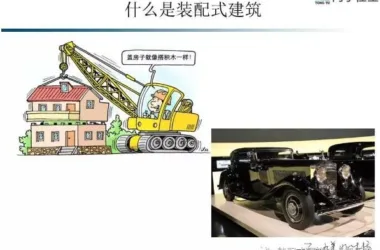
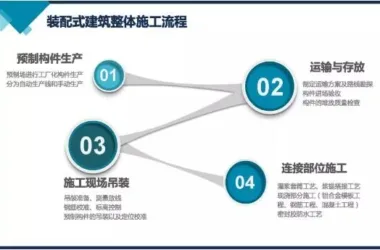
Sustainable architecture is comparable to manufacturing a smartphone—assembling standardized parts on an assembly line. Steel structures, doors, windows, light bulbs, and other “building components” are produced in factories according to strict standards. These modular parts are then transported to factories for assembly before being delivered to construction sites. This approach revolutionizes the nearly century-old construction industry and replaces traditional building methods.
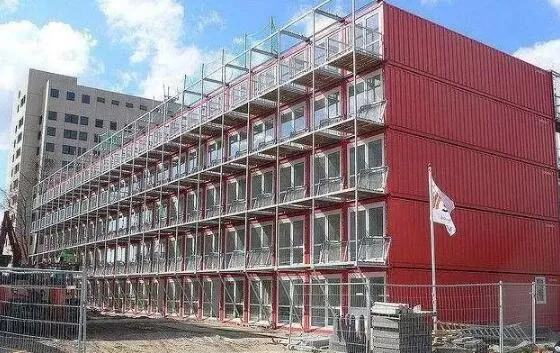
1. Tenfold increase in construction safety (100% quality assurance)
Steel structural components are manufactured with high precision in factories using advanced technology. On-site construction is mechanized, reducing human error and enhancing quality and safety. This method also boosts construction efficiency by 4 to 5 times compared to traditional methods.
2. Higher occupancy rate (Building weight reduced by one-third)
Steel-structure walls combine the strengths of steel and concrete, resulting in fewer protruding columns and walls, doubled structural strength, and a 4% to 6% increase in indoor space utilization. The overall building weight is reduced by two-thirds compared to traditional buildings. Lightweight, non-load-bearing interior walls can be freely reconfigured, allowing for flexible decoration.
3. Superior earthquake resistance (Level 9 seismic rating)
Casualties in earthquakes are closely tied to building structures. Traditional reinforced concrete buildings typically withstand earthquakes up to level 7 but are prone to collapse. Steel structures boast a level 9 seismic resistance, excellent ductility, and can absorb more seismic energy, significantly enhancing earthquake resilience.
4. Shorter construction time (One-quarter of traditional duration)
Since steel components are factory-made and assembled on-site, construction is less affected by weather. Prefabricated steel truss self-supporting floor slabs enable multi-floor construction simultaneously, accelerating the building process to three floors per day and reducing the construction period by 75% compared to traditional methods.
5. Factory production accounts for 93% (Only 10% on-site work)
Most work traditionally done at construction sites now happens indoors in factories using computer simulations for layout. Between 85% and 95% of components are factory-processed, cutting labor needs by approximately 60%. The modular parts, such as wall panels and stairs, are easily assembled on-site with machinery, and many components can be dismantled and reused, supporting material recycling.
6. Minimal construction waste (Only 1% of traditional waste)
Conventional buildings generate about 200 kg of waste per square meter, with a large-scale project producing up to 10,000 tons of debris. Construction waste contributes 30% to 50% of urban garbage, and material transport and dust cause 10% to 30% of air pollution. Prefabricated buildings minimize waste through precise factory finishing, eliminating on-site fire, water, dust, and odor issues. There is no welding, cutting, cement, or gauze used, reducing waste to less than 1% compared to traditional buildings.
7. Five times greater energy efficiency (Air conditioning uses only 20% of traditional energy)
Walls are made from lightweight, energy-efficient prefabricated panels instead of clay bricks, offering excellent insulation. This results in 50% energy savings compared to reinforced concrete buildings, maintaining a stable indoor temperature year-round. Heating energy is conserved in winter, and air conditioning energy consumption in summer is reduced to just one-fifth of that in traditional buildings.
8. Environmentally friendly construction (Green building)
Steel-structure residences use dry construction methods, greatly reducing noise, dust, and water pollution. The consumption of sand, stone, and ash is significantly lowered. Materials are predominantly green, 100% recyclable or biodegradable, preventing pollution during demolition.
9. Air purification 20 times cleaner
Innovative electrostatic precipitators and high-efficiency filters enable sustainable buildings to provide indoor air that is 20 times cleaner than outdoor air. This system effectively filters out inhalable particulate matter, ensuring 100% filtration of outdoor contaminants.
10. Long-lasting value (600-year service life)
These buildings are designed to last up to 600 years, fulfilling the dream of a “century-old building.” They are easy to dismantle and can be reconstructed in different locations, truly embodying sustainable building practices.
11. Promotes regional development
Steel-structure buildings, as a key green building type, boast a steel recycling rate of up to 90%. When produced in large quantities, these buildings will act as “steel storage warehouses,” supporting regional resource efficiency.
12. Enhanced quality of life
Beyond conventional development, intelligent building control systems and automation technologies can be integrated. These advanced systems maximize the benefits of prefabricated buildings, creating comfortable, safe, and healthy living environments.
The modernization of China’s green building industry continues to accelerate, with industrial pilot projects championing the adoption of eco-friendly, high-quality, affordable, and comfortable steel-structure buildings as the future of residential construction.














Must log in before commenting!
Sign Up