
The painting area for steel structures is determined by the actual unfolded surface area of the steel.
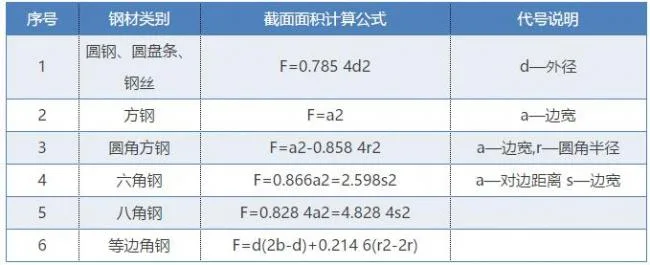
Painting for steel structures can also be calculated based on the steel’s weight.
Calculation Methods and Guidelines for Steel Structure Engineering Quantities
Metal Structure Engineering
1. Steel Roof Trusses and Steel Grid Structures
(1) Calculate based on the steel weight derived from the design drawing dimensions. No deductions are made for holes, edges, or limbs. The weights of welding rods, rivets, bolts, and similar fasteners are not added.
(2) Irregular or polygonal steel plates should be calculated according to the area of their bounding rectangle.
(3) Differentiate between connection types such as spherical nodes and steel plate nodes in steel trusses.
(4) The unit of measurement is tons (t).
2. Steel Brackets and Steel Trusses
(1) Calculate based on the steel weight from design dimensions. No deductions for holes, edges, or limbs, and no additions for welding rods, rivets, bolts, etc.
(2) Irregular or polygonal steel plates are calculated based on their bounding rectangle area.
(3) The unit of measurement is tons (t).
3. Steel Columns and Beams
(1) Calculate based on steel weight as per design dimensions. No deductions for holes, edges, or limbs, and no additions for welding rods, rivets, bolts, etc. This includes solid web columns, hollow web columns, steel pipe columns, steel beams, and steel crane beams. Irregular or polygonal steel plates are calculated based on their bounding rectangle area. The unit of measurement is tons (t).
(2) Cow legs attached to steel columns are included in the steel column quantity.
(3) Node plates, reinforcement rings, lining pipes, cow legs, and similar components on steel pipe columns are included in the steel pipe column quantities.
(4) The quantities for steel brake beams, steel brake trusses, and car stops should be included within the steel crane beam quantities.
4. Profiled Steel Plate Floor Slabs and Wall Panels
Profiled steel plate floor slabs are calculated based on the horizontal projection area from the design drawings. Areas of columns, piers, and holes smaller than 0.3 m² are not deducted. The unit of measurement is square meters (m²).
Pressed steel sheet wall panels are calculated based on their installation area according to design dimensions. Holes smaller than 0.3 m² are not deducted. Corner wraps, edge wraps, and window sill flashings are not calculated separately. The unit of measurement is square meters (m²). Concrete and reinforcing steel poured into profiled steel plate floor slabs are calculated separately following relevant concrete and reinforced concrete standards.
5. Steel Components
General calculation rules for steel components include:
(1) Calculate based on steel weight from design dimensions, including steel supports, purlins, skylight frames, wall frames (columns, beams, connecting rods), platforms, walkways, railings, funnels, brackets, and other miscellaneous steel components. No deductions for holes, edges, or limbs, and no additions for welding rods, rivets, bolts, etc.
(2) Irregular or polygonal steel plates are calculated according to the bounding rectangle area. The unit of measurement is tons (t).
6. Metal Mesh
Calculate by area based on design drawing dimensions. This includes production, transportation, installation, and painting.
Roofing and Waterproofing Engineering
1. Tile and Profiled Roofs
Calculate based on the sloped surface area from design drawings. No deductions are made for areas occupied by chimneys, hood bases, air ducts, small air windows, or inclined ditches. Eaves of small air windows are not extended. The unit of measurement is square meters (m²). Small green tiles, oil felt tiles, cement flat tiles, glazed tiles, Spanish tiles, etc., are categorized under tile roofs. Color steel corrugated tiles, color steel insulation boards, sun panels, fiberglass prefabricated house tiles, etc., fall under profiled roofs.
2. Roof Waterproofing
1. Membrane and Coating Waterproof Roofs
Calculate by area according to design dimensions. Units are square meters (m²). For sloped roofs (excluding flat roofs with slopes), calculate using the sloped surface area; flat roofs use the horizontal projection area. No deductions for chimneys, hood bases, air ducts, small air windows, or inclined ditches. Curved parts of parapets, expansion joints, and skylights are included in roof quantities.
Materials such as petroleum asphalt felt, glass cloth asphalt felt, glass fiber asphalt felt, rubber rolls, polyvinyl chloride rolls, and similar are listed as roofing rolls. Qingji waterproof coatings, polymer-modified asphalt coatings, synthetic polymer coatings, and others are listed under coating roofs. Membrane waterproofing, coating waterproofing, and rigid waterproofing are suitable for walls, floors, and ceilings. Additional layers, joints, finishing, and leveling layer filling for roll roofing should be considered in cost estimation.
2. Rigid Waterproof Roofs
Calculate by area based on design dimensions, with no deductions for chimneys, hood bases, air ducts, etc. The unit is square meters (m²).
3. Drainage Pipes
Calculate by length from design dimensions. If no dimensions are specified, calculate based on the vertical distance from the eaves to the outdoor ground. The unit of measurement is meters (m).
4. Roof Gutters
Calculate by area according to design dimensions. For iron sheet and coil gutters, calculate using the unfolded area. The unit is square meters (m²).
3. Waterproofing for Walls and Floors
1. Roll, Coating, and Rigid Waterproofing
Calculate based on area from design drawings. Units are square meters (m²).
(1) Floor areas are calculated as the net clear space between main walls. Areas occupied by structures, equipment foundations, etc., protruding from the floor are excluded. Columns, piers, partition walls, chimneys, and holes smaller than 0.3 m² are not deducted.
(2) For wall foundations, exterior walls are measured along the centerline, and interior walls along the clear line.
2. Expansion Joints
Calculate by length according to design drawings. Units are meters (m).
Anti-Corrosion, Thermal Insulation, and Heat Preservation Engineering
1. Anti-Corrosion Surface Layers
Anti-corrosion layers such as concrete, mortar, adhesive, fiberglass, polyvinyl chloride, and block coatings are calculated by area according to design dimensions. Areas occupied by protruding structures or equipment foundations are deducted. Protrusions like brick stacks on facades are included in wall anti-corrosion quantities based on unfolded areas. The unit of measurement is square meters (m²). Skirting boards deduct areas occupied by door openings and correspondingly increase the area for door opening sidewalls.
2. Other Anti-Corrosion Projects
1. Asphalt Isolation Layers and Anti-Corrosion Coatings
Calculate by area as per design drawings, deducting areas occupied by protrusions and equipment foundations. Protrusions such as brick stacks on facades are included in wall anti-corrosion quantities based on unfolded areas.
2. Asphalt-Impregnated Bricks for Masonry
Calculate by volume according to design dimensions. The unit of measurement is cubic meters (m³).














Must log in before commenting!
Sign Up