
The indoor temperature remains consistently between 18°C and 24°C throughout the year.
The rooms are equipped with fresh, prefabricated residential air systems that maintain a dry, mold-free environment year-round.
Energy consumption is remarkably low—only 10% to 25% of that of typical energy-saving buildings. When converted to domestic standards, the building’s energy efficiency reaches approximately 92%.
Based on estimates for northern heating regions, up to 3.4 billion tons of standard coal could be saved by 2050, with annual heating energy consumption increases controlled to within 1 million tons.
During winter in the Yangtze River Basin, the usual phenomenon of “warmer outside than inside” will no longer occur, effectively solving heating challenges in southern regions.
All these benefits stem from an innovative technology and architectural approach known as passive houses.
On September 22-23, 2016, the first Asia Passive House Conference was successfully held at the Passive House Technology Experience Center in Qingdao Sino-German Ecological Park. Experts from Germany, Austria, Italy, Japan, South Korea, and other countries engaged in in-depth discussions with prominent domestic passive house proponents. Among the topics, BIM technology emerged as a highlight of the conference.
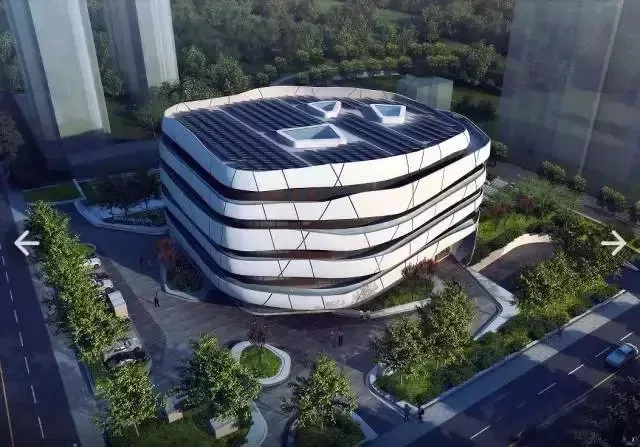
BIM: Building Information Modeling
BIM, or Building Information Modeling, is a process that creates a digital representation of a building based on comprehensive project data. It simulates real-world building information through digital modeling, facilitating planning and management.
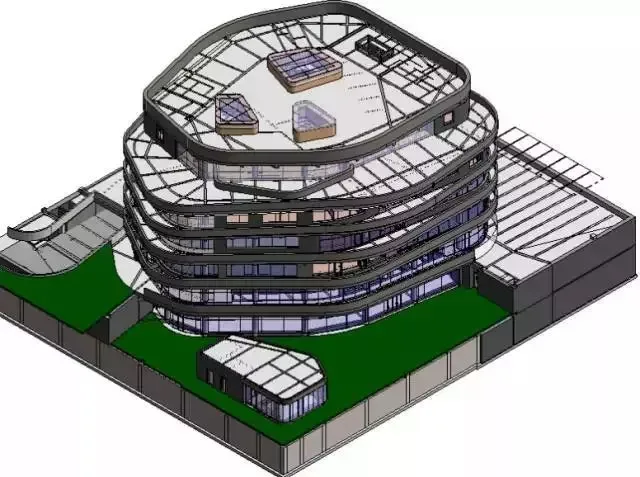
3D Modeling for Constructible Buildings
From project initiation through operation, the Passive House Technology Experience Center leverages BIM technology for 3D construction planning and virtual visualization. This approach significantly reduces changes and rework, optimizing both project duration and costs.
Additionally, the seamless integration between BIM models and the building’s intelligent control systems allows the energy management center on the first floor to clearly display real-time energy consumption. This provides visitors with a deeper understanding of the green and energy-saving advantages of passive houses.
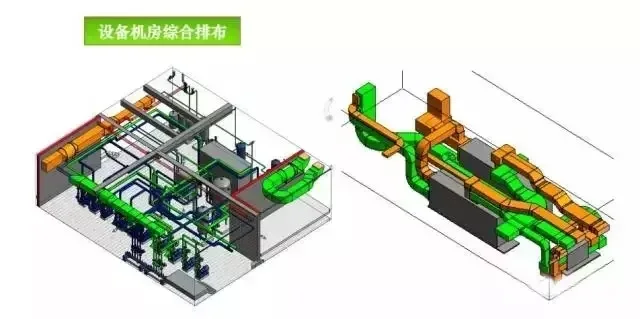
Optimizing Equipment Rooms and Pipeline Layouts
At the Passive House Conference, experts highlighted the crucial role of BIM technology in both construction and operation of passive houses. They discussed BIM’s advantages in optimizing design schemes and simulating aspects such as building optics and thermodynamics, sparking lively discussions among attendees.
There is a consensus that the close integration of BIM technology with passive houses will shape the future development of passive building concepts. BIM will provide essential support for promoting passive building technologies across different climate zones in China.
Real-time Monitoring and Energy Consumption Display
To meet central government mandates on BIM technology adoption, the Sino-German Ecological Park formulated the “Opinions on Accelerating the Application of Building Information Modeling (BIM) Technology,” actively promoting BIM in park engineering projects. This approach has already been successfully applied in projects like the Passive House Technology Experience Center and Hande D-ZONE.
Recently, China’s first steel-structured, prefabricated ultra-low energy green passive house—the Shandong Jianzhu University Comprehensive Experimental Building Project—constructed by China Construction Eighth Engineering Bureau, completed its structural sealing, marking a significant milestone.
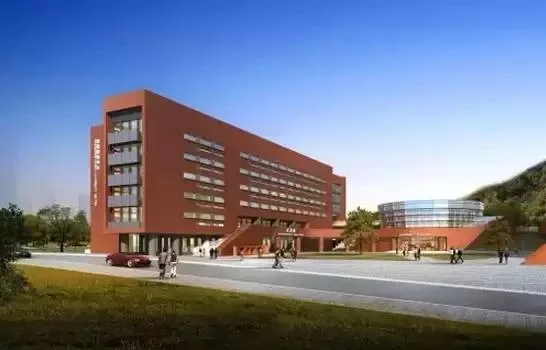
The teaching and experimental complex at Shandong Jianzhu University includes a six-story main building, 24 meters tall, with an independent foundation and steel frame structure, mainly housing laboratories and research rooms. Additionally, a combined classroom building with two floors and a height of 13.4 meters features an independent foundation and frame structure, designed for large conference rooms and classrooms accommodating 90 people.
This project represents China’s first steel-structured, prefabricated ultra-low energy green building, using approximately 900 tons of steel in its frame system.
What Is a Passive House?
The passive house concept, originating from Germany’s low-energy buildings of the 1980s, is an innovative energy-saving building approach promoted internationally. It employs various energy-efficient technologies to create an optimal building envelope and indoor environment, significantly enhancing insulation and airtightness, while minimizing heating and cooling demands.
Notably, passive houses combine multiple advanced technologies—including high insulation and soundproofing materials, strong sealing of exterior walls, and renewable energy use—to ensure that total primary energy consumption does not exceed 120 kWh per square meter per year.
Origins and Innovations
The initial design principles and technologies for passive houses were developed based on the climates of central European countries such as Germany and Austria. Since then, northern and southern European countries have adapted the concept to their own climates, while Eastern European nations like Hungary and the Czech Republic continue related research and implementation.
China’s vast territory spans seven distinct climate zones, each with unique heating and ventilation needs. The construction of passive houses across these regions can benefit from the European experience tailored to similar climate conditions.
Comparison of Similar Technologies Domestically and Abroad
This project incorporates several innovative features:
- Energy-saving technologies for enclosure structures
- Prefabricated construction methods
- High-efficiency heat recovery fresh air systems
- Renewable energy utilization technologies
The Shandong Jianzhu University comprehensive experimental building, built by China Construction Eighth Engineering Division Co., Ltd., is not only a passive house but also innovatively combines steel structure and prefabrication.
Advantages of Combining Steel Structure with Prefabrication
Steel structures offer benefits such as lightweight design, high strength, rapid construction, easy pipeline layout, and reduced environmental impact during construction.
Prefabricated construction ensures high-quality components, speeds up building processes, shortens project timelines, and effectively reduces costs related to materials, labor, and logistics.
By integrating steel structure, passive house principles, and prefabrication, this project achieves low pollution, low cost, and minimal energy consumption throughout. Upon completion, it is expected to save nearly 800,000 yuan in energy and related expenses.
Can Passive Houses Be Widely Promoted with Steel Structure and Prefabrication?
On one hand, this approach transforms the traditional construction industry model by adapting to local climates and environments, making full use of renewable energy sources like solar, wind, and geothermal energy, and minimizing or eliminating the use of conventional materials and fossil fuels. This paves the way for the realization of nearly zero-energy buildings.
On the other hand, it stimulates the growth of related industries and increases employment opportunities. According to recent data from the German Federal Ministry of Economic Affairs, Germany’s policy incentives and subsidies for renewable energy have created nearly 280,000 jobs—a 10% increase from the previous year—offering valuable insights for China’s development.
Moreover, this approach emphasizes climate-responsive design, redefines the relationship between people, buildings, and their environment, promotes natural ventilation and lighting, reduces noise, light, and air pollution, and enhances the surrounding ecological environment. It represents a crucial path toward sustainable development and the future of architecture.













Must log in before commenting!
Sign Up