
Source: EDUBIM, Sohu
Recently, Premier Li Keqiang chaired a State Council executive meeting that resolved to vigorously promote the development of prefabricated buildings, alongside industrial restructuring and upgrading. The plan targets major urban clusters such as Beijing-Tianjin-Hebei, the Yangtze River Delta, and the Pearl River Delta, focusing on cities with permanent populations exceeding three million. The goal is to accelerate the share of prefabricated buildings within newly constructed areas.
So, what exactly is a prefabricated building? How are these buildings produced? How does the on-site construction process work? What about the costs involved? If you’re curious, let’s explore these questions together.


What is a prefabricated building?
Imagine prefabricated building components—such as beams, slabs, columns, and walls—as Lego blocks that are manufactured in advance and then simply assembled on-site.

Just like building with LEGO, prefabricated buildings involve manufacturing some or all components in a factory and then transporting them to the construction site for assembly. But assembly isn’t just about putting pieces together; after components arrive on site, reinforced concrete is overlapped and poured to ensure the structural safety of the assembled rooms. This industrialized approach has been widely adopted internationally in regions such as Europe, America, and Japan.
Advantages of Prefabricated Buildings:
● 1. Improved Construction Quality.
Prefabricated components are manufactured in controlled factory environments, effectively minimizing common problems like wall cracking and water leakage. This enhances overall safety, fire resistance, and durability of the buildings.
● 2. Accelerated Project Timelines.
Prefabricated construction is approximately 30% faster than traditional methods, increasing efficiency and rewarding timely delivery.
● 3. Enhanced Building Quality.
With industrialized interior decoration, prefabricated buildings can achieve “ready-to-move-in” status quickly, allowing rapid disassembly and reassembly if needed.
● 4. Balanced Supply and Demand.
Prefabrication improves real estate market supply speed, easing shortages. As the industry scales, construction costs drop, helping stabilize housing prices.
● 5. Safer and More Organized Construction Sites.
Since much of the work shifts from the site to factories, fewer workers are needed on location, significantly reducing on-site accidents.
● 6. Environmentally Friendly and Resource Efficient.
Minimal on-site concrete pouring reduces noise and dust pollution for residents. Steel formwork and other materials enjoy higher reuse rates, cutting waste and energy consumption by over 50%.
How Are Prefabricated Components Produced?
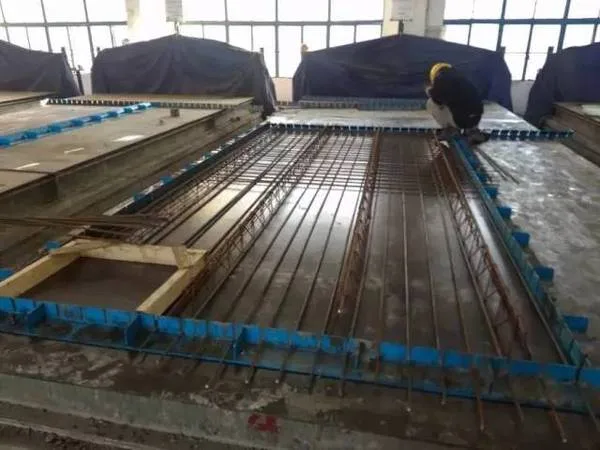
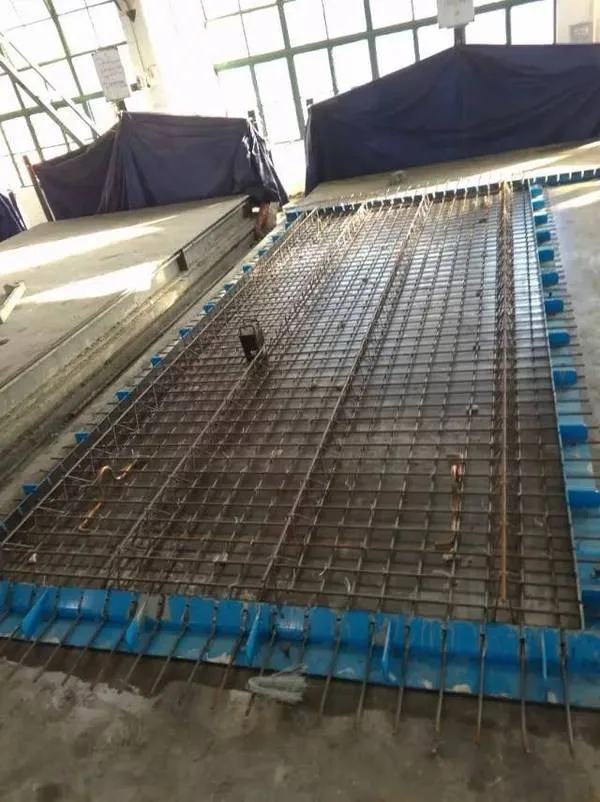
Let’s take prefabricated building panels as an example. The production steps include: steel mold fabrication → steel bar binding → concrete pouring → demolding.

When binding steel bars, holes must be reserved to accommodate future connections.
When binding steel bars, hooks should be pre-embedded into the structure.
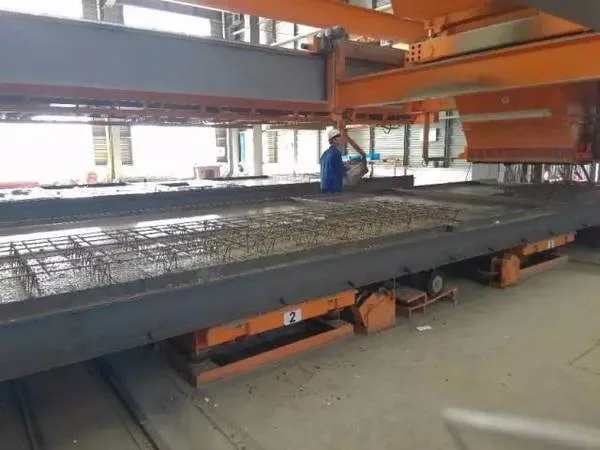
Concrete is poured using assembly line operations.
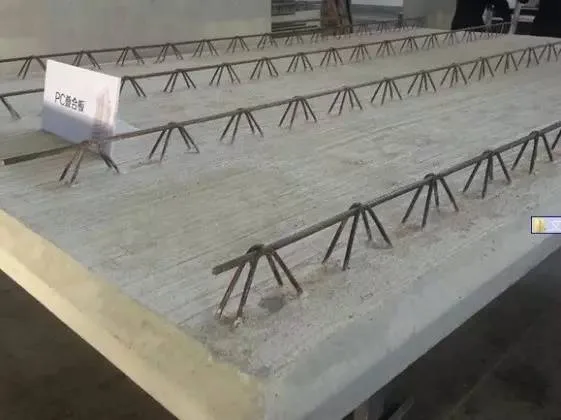
Once demolded, the finished panels are temporarily sorted and stacked in the factory, awaiting transportation to the construction site.
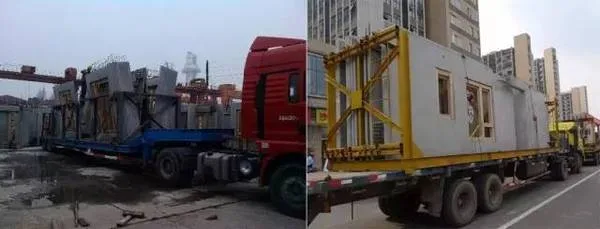
Finished prefabricated components are loaded onto trucks and transported to the site.
Construction Process
Using prefabricated frame structures as an example: after completing the first floor, the columns are hoisted first, followed by the main beams, secondary beams, and floor slabs. Once all components are lifted, steel bars at connection points are tied, then nodes and cast-in-place layers of beams and slabs are poured.
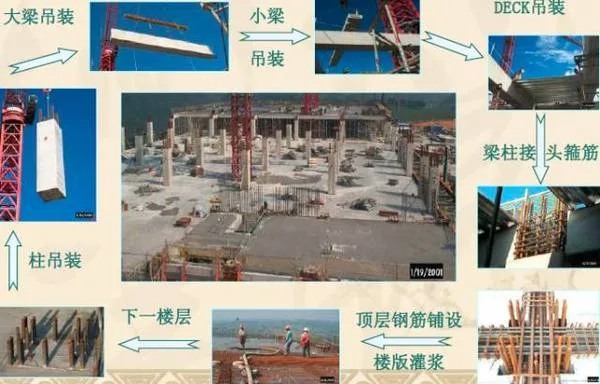
One image illustrating the on-site construction process of prefabricated assembly structures.

Which step demands the highest technical skill?
The answer is the lifting of prefabricated components.

To ensure smooth lifting, components must be stacked on-site in an organized manner to facilitate easy access. Just like moving furniture, the order of handling is planned to minimize workload.

How is this critical lifting step performed?
As illustrated below:

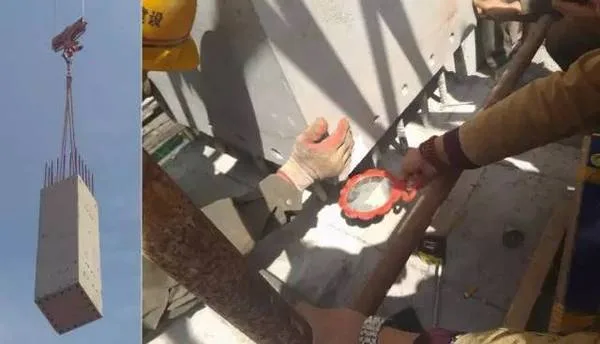
Hoisting a prefabricated column.
An interesting feature in the photo is the presence of a dressing mirror at the construction site. Its purpose is to assist with column lifting where the lower space is tight and difficult to observe directly. By reflecting the image, workers can better align the embedded steel bars in the lower layer with the holes in the upper prefabricated column.
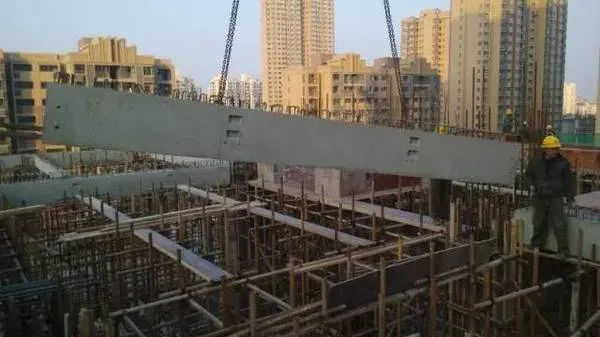
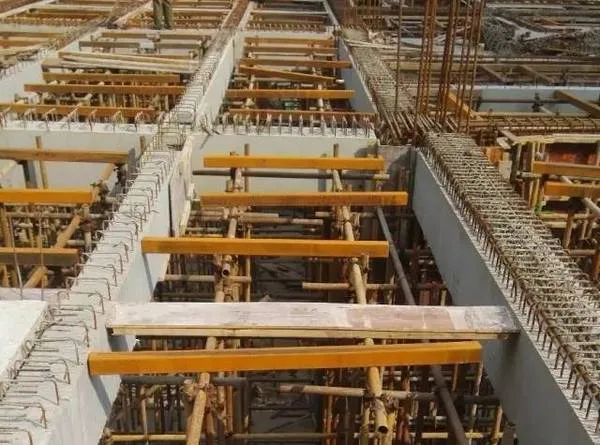
Hoisting a prefabricated composite beam.
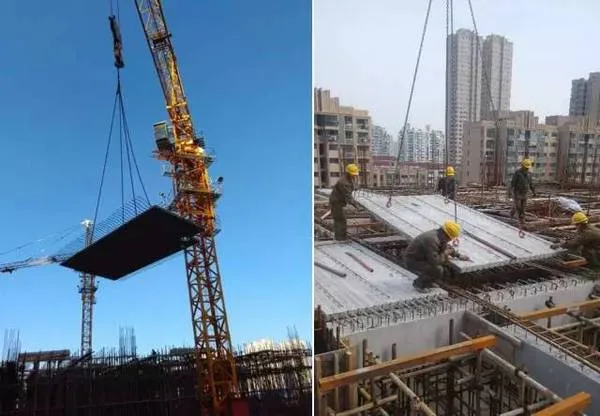
Hoisting a prefabricated composite panel.
For components that are difficult to lift, pre-assembly or onsite prefabricated display areas can be set up as demonstrations.
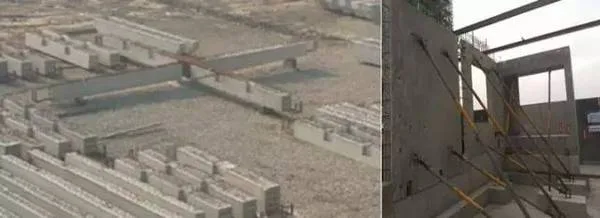
Pre-assembly of frame structure beams and display area for shear wall residential buildings.
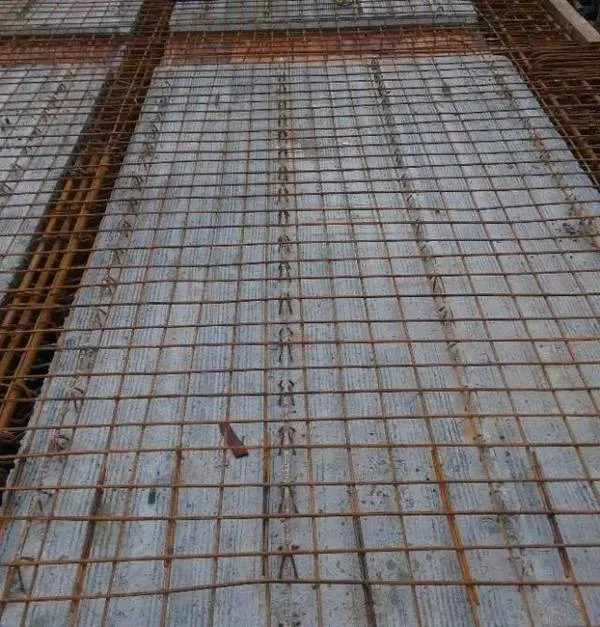
After lifting, steel bars for the cast-in-place layer are tied and prepared for concrete pouring.
To strengthen the bond between prefabricated components and cast-in-place layers and ensure structural safety, key slots or roughened surfaces are left on prefabricated components. Multiple connection methods exist; for example, floor slabs often use a 7+8 format (70mm prefabricated slab + 80mm cast-in-place layer). The following images illustrate the diverse connection techniques for primary and secondary beams:
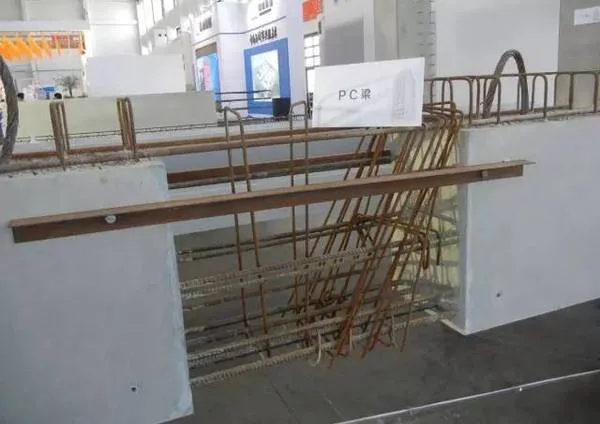
Edge node where primary and secondary beams connect — reserved slot for the main beam.
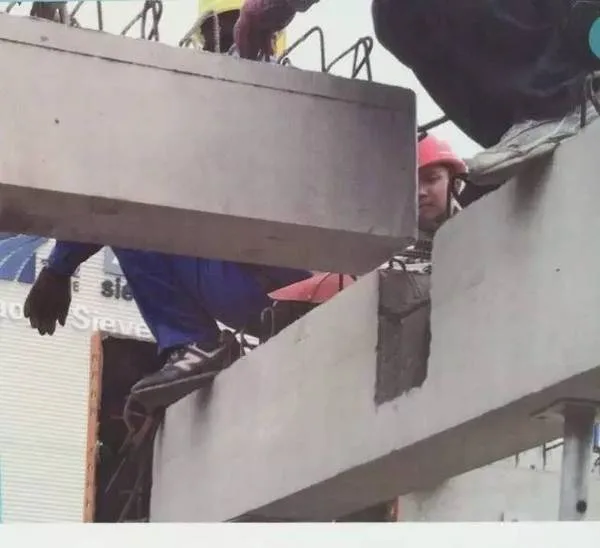
Connection node between primary and secondary beams — reserved section for post-pouring of the main beam.
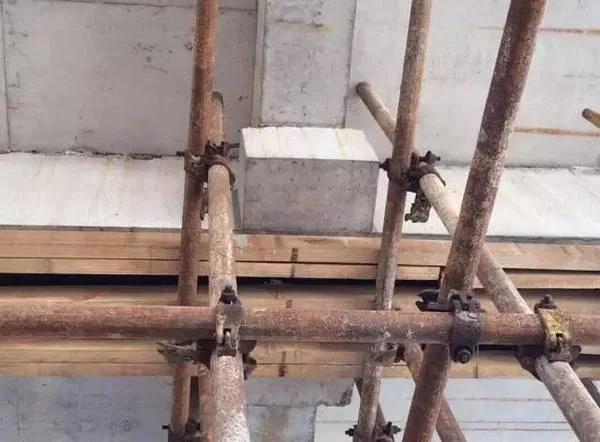
Primary and secondary beam connection node — main beam equipped with support brackets.

How do so many components avoid errors?
To prevent mistakes, reduce construction errors, and speed up progress, each prefabricated component carries its own “ID card” with a unique identification number.

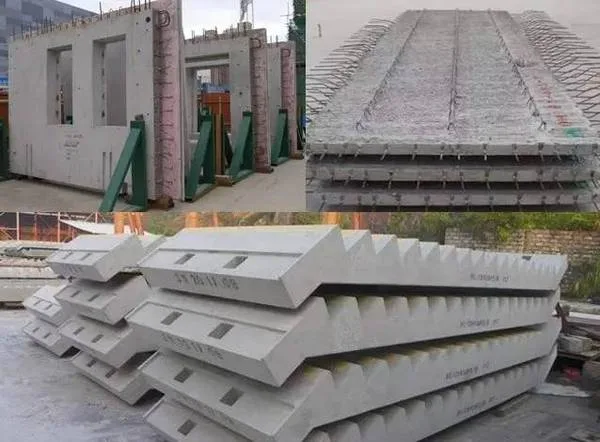
Components including walls, slabs, and stairs each have their unique identification numbers.
Cost Management
While prefabricated buildings have seen significant advancements, cost control and design management remain crucial during implementation.
Two key performance indicators stand out:
Assembly rate = implemented assembly area ÷ total aboveground capacity area.
Prefabrication rate = total volume of prefabricated components ÷ total concrete volume.
Shanghai, leading the country in prefabricated construction, is gradually raising its assembly and prefabrication rate requirements. Higher prefabrication rates increase costs. Preliminary data shows that every 10% increase in prefabrication rate adds about 150 yuan to expenses. Currently, Shanghai mandates a minimum 40% prefabrication rate for new buildings, reflecting significant costs.
Let’s review some examples from the Green Space Department 2 projects — Hongkou Commercial, Haiwan Residential, and Songjiang Zhongshan Street:
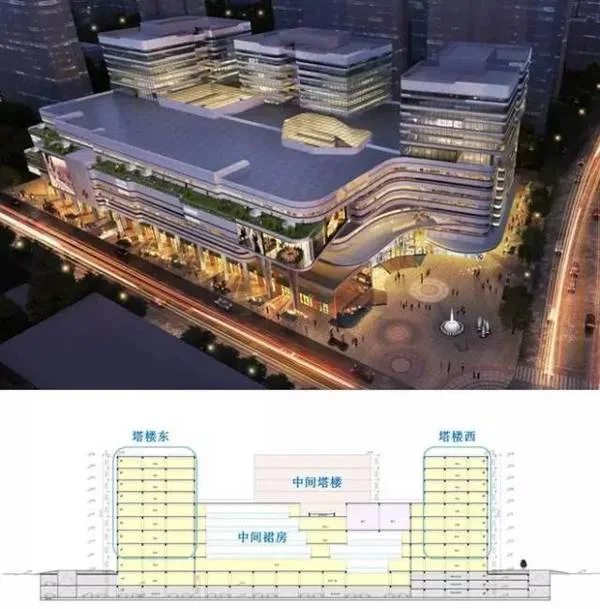
Hongshang Effect
25% of the total area is implemented as prefabricated buildings.
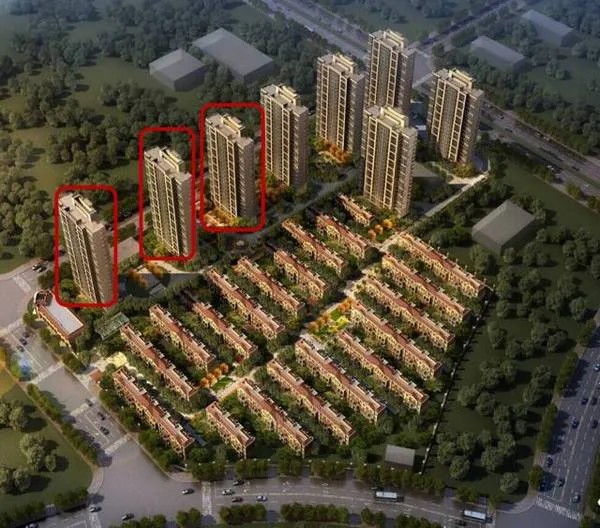
Bay Residence
The above-ground residential area measures 77,994 m²; the contract requires 25% prefabrication: 77,994 × 0.25 = 19,498 m². Three high-rise buildings are prefabricated.
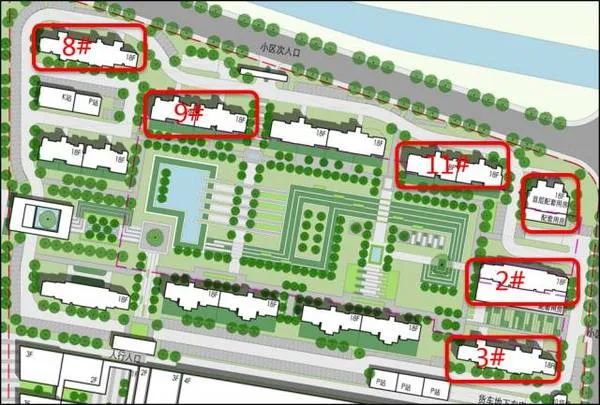
Songjiang Zhongshan Street
50% of the total residential area is constructed using prefabricated buildings, with six prefabricated buildings at blocks 1, 2, 3, 8, 9, and 11.
Thus, cost control remains a critical factor in prefabricated building implementation.
First, avoid applying assembly to initial development phases as much as possible. Assembly requirements in contracts can be balanced through phased project development. Because prefabricated components require prior coordination with factories—whose production capacity is limited—early phases face significant time and cost pressures.
Second, structural components should be segmented and individual prefabricated parts with high repetition rates selected. Generally, components repeated over 100 times yield better cost-efficiency.
How are so many prefabricated components selected and disassembled?

● 1. Prefabricated components should adhere to the principle of fewer specifications but more combinations.
● 2. Exterior protective facade components should be divided into separate compartments as much as possible.
● 3. Choose joint positions for prefabricated shear walls where structural stress is minimal.
For longer components, symmetrical centering is advisable.
● 5. Considering on-site demolding, stacking, transportation, and lifting, each component’s weight should be as uniform as possible—generally below 6 tons. Height should not exceed floor height; length should not surpass 6 meters.
Compared to traditional cast-in-place buildings, prefabricated construction demands higher coordination among various disciplines during design and construction, requiring early involvement and collaboration.
● Architecture: Consider facade style, insulation type, setback areas, staircase finishes, embedded window frames, ceramic tiles, and stone detailing.
● Equipment: Detailed drawings are essential, including reserved holes and embedded pipes for components.
● Interior Decoration: Mechanical and electrical installation timing must be significantly advanced.
● Construction: General contractors, lifting teams, and component manufacturers must engage early.

During design, BIM simulation is used to assess the positioning and connections between reserved steel bars in prefabricated components and cast-in-place steel bars, significantly reducing displacement and clashes during on-site assembly.
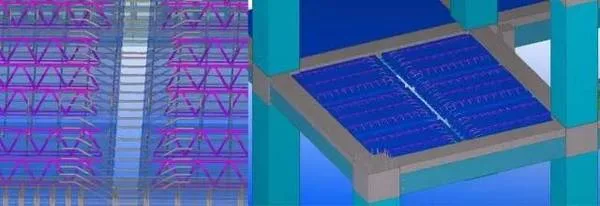
BIM simulation of reinforcement and joint connections.
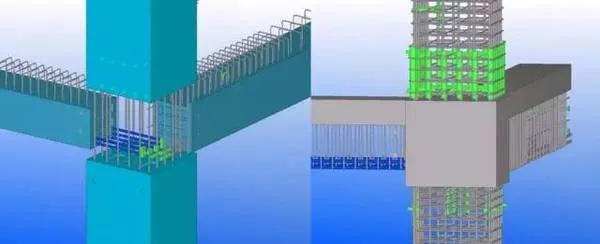
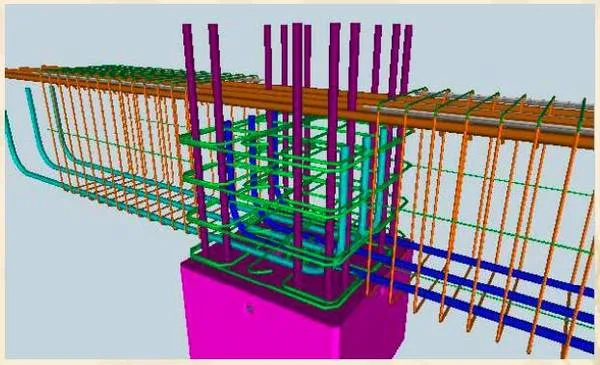
BIM simulation of connection nodes.
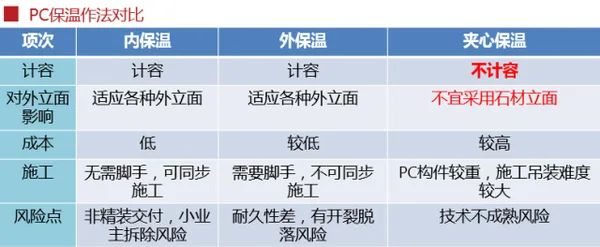
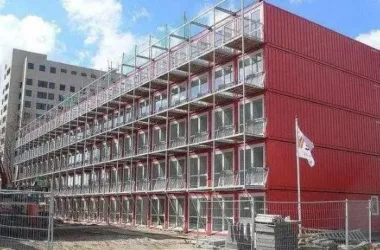
Prefabricated construction significantly impacts many traditional building practices, especially external wall insulation and stone facade methods. The following tables clearly compare the advantages, disadvantages, costs, construction factors, and applicability of various approaches.
















Must log in before commenting!
Sign Up