
The editor uses a land port project as the engineering background to introduce the key applications and technical achievements of BIM technology throughout the entire construction process. This project fully leverages BIM technology, providing strong technical support to ensure construction quality, reduce risks, and guarantee the safe and reliable completion of the project. It aims to serve as a reference for similar projects to adopt BIM technology comprehensively in the future.
Project Overview
The land port project is situated on the artificial island of the Zhuhai Macau Port in Zhuhai. It serves as the connecting hub between the main project of the Hong Kong-Zhuhai-Macau Bridge and the cities of Zhuhai and Macau. The port occupies a land area of approximately 658,000 square meters, with a total construction area of 593,600 square meters.
The division of the project into sections and the main individual units are illustrated in Figure 1. The project is characterized by the following points:
1. It follows Macau standard design and construction, with the contractor responsible for detailed design drawings.
2. The construction period is extremely tight, with a contract duration of only 384 days. Therefore, detailed design, construction process management, and schedule control during construction are critical to project management.
3. The project is divided into 4 sections and 4 contractors. The construction interfaces between sections overlap, making construction organization complex. Early consideration of construction interface issues is necessary.
4. The project has attracted worldwide attention. Diverse and visualized technical methods are employed to promote construction and demonstrate construction effects during the process.
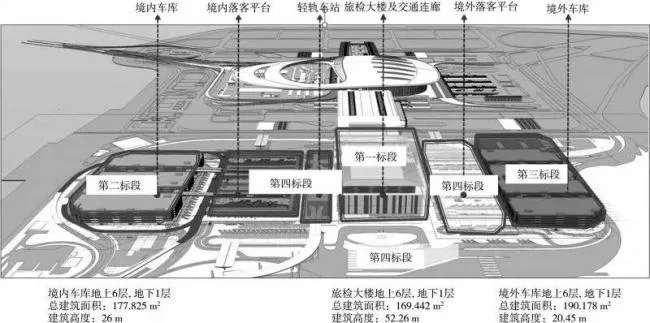
Figure 1: Project Section Division and Main Individual Units
BIM Application
01 Implementation Process
(1) Construction Drawing Model Stage
At the initial stage of the project, the general contractor and each section’s BIM team establish construction drawing models for the 4 sections. They provide timely feedback and modifications to address any issues encountered during modeling.
(2) Deepening Design Model Stage
During project implementation, the BIM model assists in refining construction design. The model is continuously maintained and updated to reflect any construction changes. Beyond design refinement, BIM is also applied for construction progress management, site management, and quantity take-offs.
(3) Completion Model Stage
At the project completion phase, technical information is input into the model based on each section’s data lists. The model is updated according to as-built drawings until completion. The general contractor uses this completion model throughout a two-year maintenance period to provide technical assistance for maintenance and repairs, as well as support future project operation and management.
02 Drawing Review
BIM is used to create a comprehensive professional model for the construction phase, enabling visual display and clash detection. This identifies issues such as conflicting drawings, missing data, and errors, greatly improving the quality and predictability of drawing reviews. During the review stage, the BIM team raised 354 issues for communication and resolution between the technical department and the design team. Each section’s BIM-based review is estimated to be equivalent to three manual reviews, significantly enhancing efficiency.
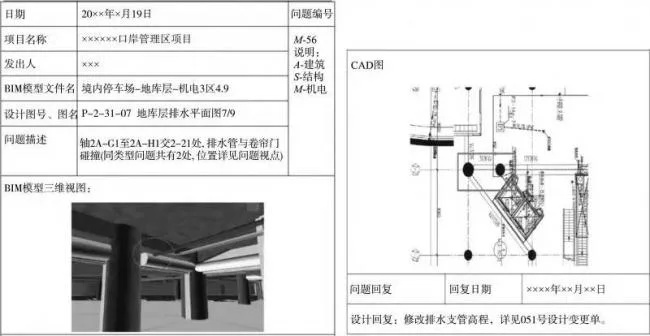
Figure 2: Drawing Review Issue Report
03 Deepening Design Management
The application of BIM to assist deepening design strengthens design control and guidance over construction, including secondary verification of design results, as illustrated in Figure 3. Sub-projects such as steel structure, curtain wall, and fine decoration follow similar BIM workflows. The project’s use of BIM across civil, mechanical, electrical, and fine decoration engineering enhanced collaboration between disciplines and effectively resolved approximately 2,200 issues related to errors, omissions, and clashes. This ensured accurate fabrication and installation, minimized rework, and compressed the schedule by over 50%. All construction tasks were completed under the owner’s extremely tight timeline.
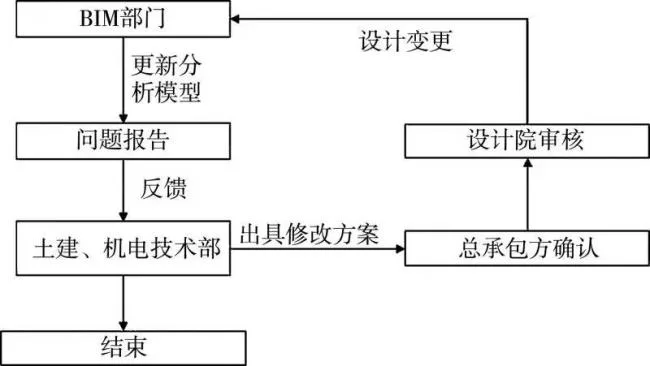
Figure 3: Typical BIM-Assisted Deepening Design Process
04 Construction Progress Management
During project implementation, the BIM team creates a weekly construction status display model to visually manage weekly construction plans. Additionally, monthly construction comparison videos (see Figure 4) are produced, comparing monthly plans against actual on-site progress. This enables clear analysis of construction progress. The general contractor evaluates the actual progress against the 4D visualization BIM model to dynamically and intuitively monitor task execution. When deviations arise between on-site status and progress forecasts, timely adjustments and corrective measures are implemented. Continuous comparison between planned schedules and actual progress improves schedule control capabilities.
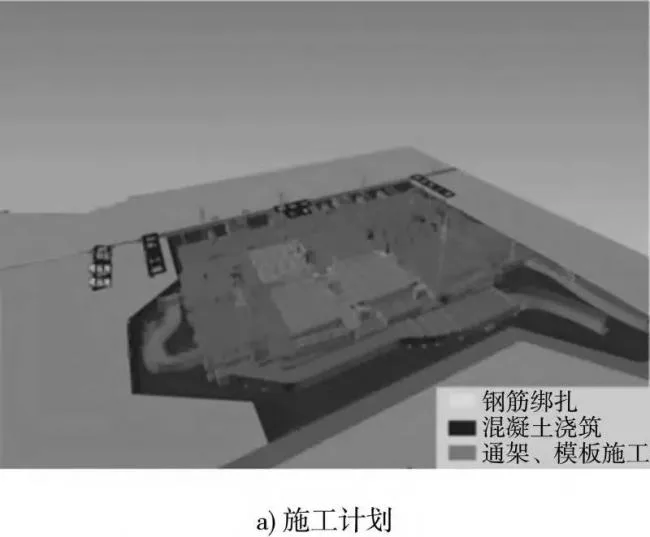
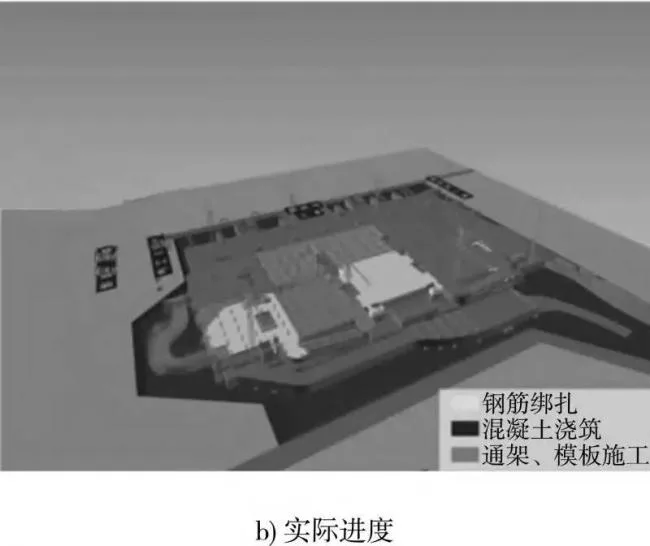
Figure 4: Monthly Construction Plan vs. Actual Progress
05 Construction Site Management
The general contractor enhances the BIM model by adding detailed site data and information. Combined with general layout drawings and aerial photographs, this supports simulation for optimal placement of materials, temporary drainage works, site handover, and construction interfaces. This approach helps select the best solutions and improve construction efficiency. Additionally, engineering and technical management personnel are equipped with iPads to adopt a new management model that leverages visualized BIM models for on-site management.













Must log in before commenting!
Sign Up