
Le Corbusier
He developed a prefabricated small residence called Citrohan (pronounced like Citroën).
Fuller
Then create the house you want to create
Named Ford.
Early pioneers of modernism envisioned a dream where the construction industry would operate like the automotive industry, emphasizing modular manufacturing.
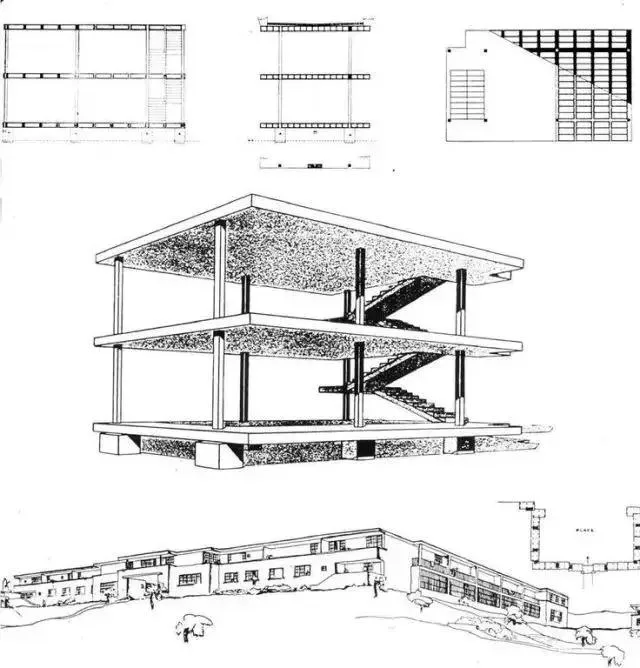
▲ Le Corbusier’s Maison; the earliest prototype of the Citrohan series, Maison Domino, was introduced in 1944.
‘Construction’ vs. ‘Manufacturing’
What is the difference between construction and manufacturing? Construction traditionally separates design from building, while manufacturing involves producing standardized modular components in a factory, which are then precisely assembled on site.
The earliest prefabricated buildings date back to the 17th century, when wooden frames were used to assemble houses during immigration to the Americas.
The concept and implementation of prefabricated apartments were proposed by John Alexander Brodie, an engineer from Liverpool, England, in the early 20th century. Interestingly, Brodie also invented the football goal net. Although his idea was not widely accepted in England, it gained popularity in Eastern Europe.

▲ John Alexander Brodie (1858–1934)
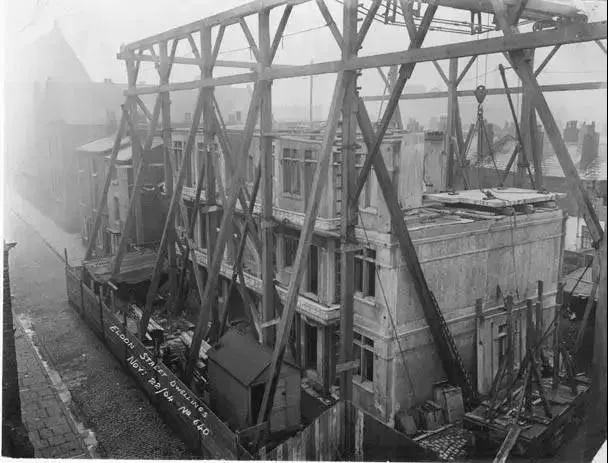
▲ John Alexander Brodie’s 1903 project on Elden Street in Liverpool: using precast concrete as a building material.
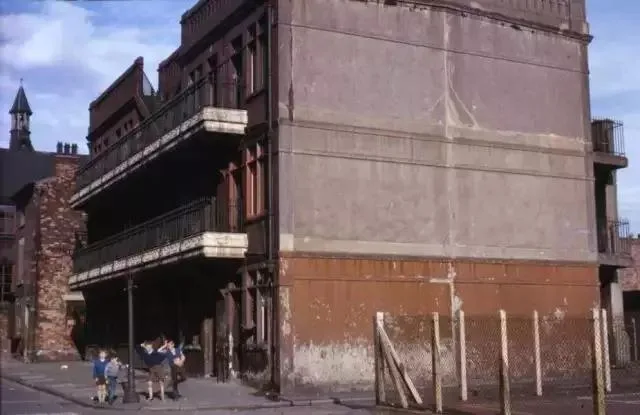
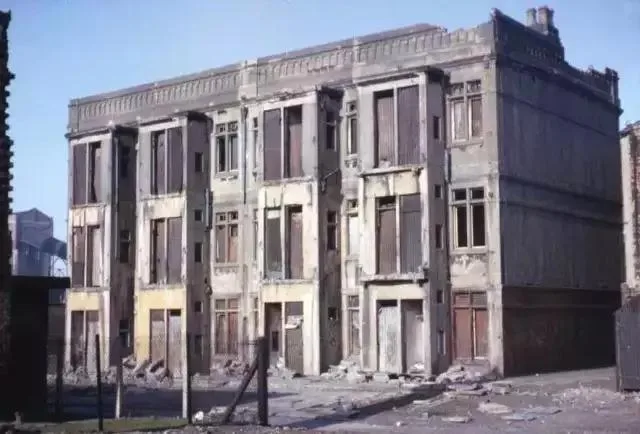
▲ Elden Street photographed in 1964
(Despite the impact of war, it remains a rigorous example of industrialized architecture.)
Throughout the history of architectural industrialization, especially in the development of industrialized housing, several key opportunities and driving forces have played a major role:
Industrial Revolution
The advancement of technology brought modern building materials and techniques. At the same time, urbanization accelerated as large numbers of farmers moved to cities, creating urgent housing demands.
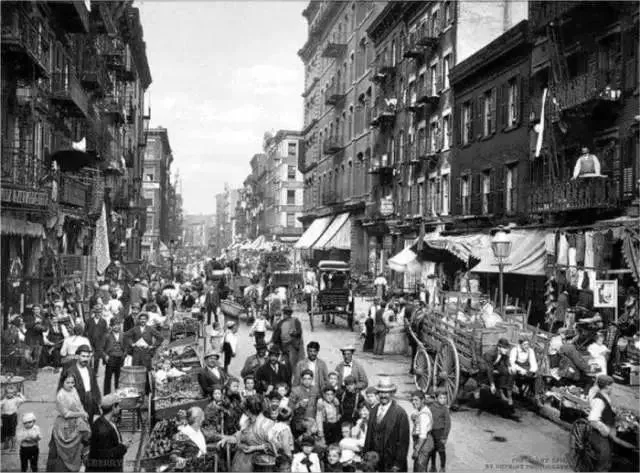
▲ During the Industrial Revolution, a large influx of farmers migrated to urban areas.
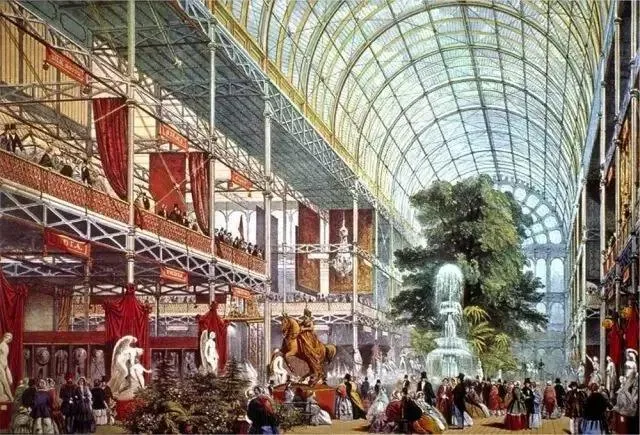
▲ An iconic achievement of the Industrial Revolution: the Crystal Palace in London, the first large-scale prefabricated public building.
Demand Driven by War and Disaster
The rapid industrialization of construction gained momentum after World War II, when European countries and Japan faced severe housing shortages. Prefabricated buildings became essential to address urgent needs.
French modernist architect Le Corbusier envisioned houses industrialized and mass-produced like car chassis. His influential book, Towards a New Architecture, laid the foundation for modern theories on industrialized housing and the concept of living machines.
Efforts to standardize construction products have greatly advanced, promoting international exchange and cooperation.
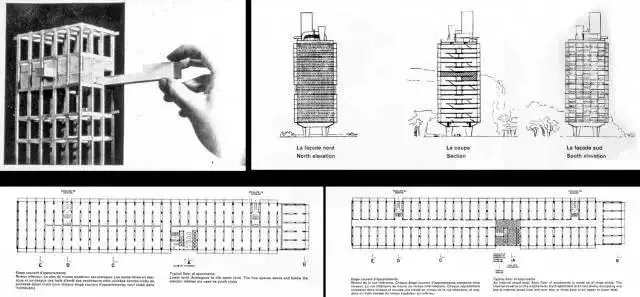
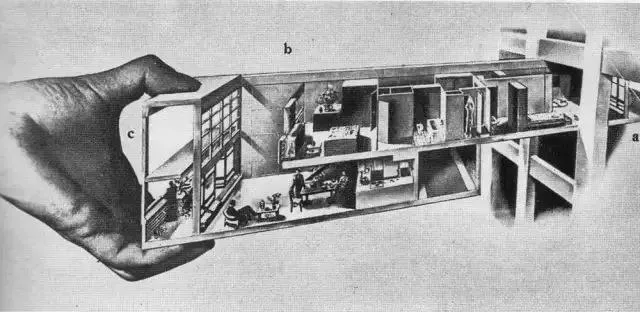
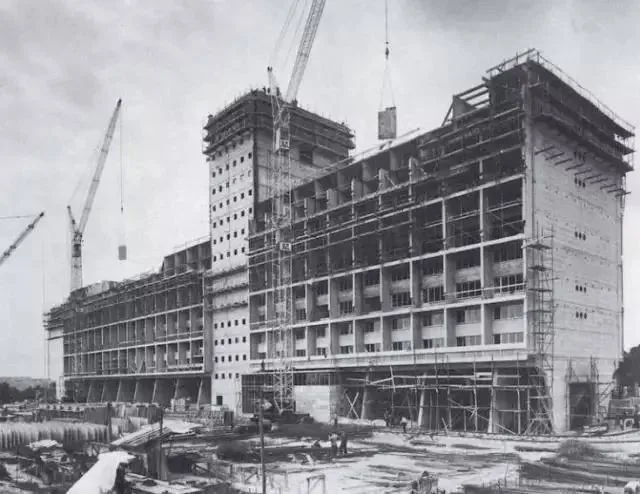
▲ In the context of large-scale post-war reconstruction, Corbusier developed a series of modular, standardized residential units in 1952.
A notable example of reconstruction driven by disaster is Tashkent, the capital of Uzbekistan. In 1966, a massive earthquake destroyed one-third of the city’s housing, leaving 300,000 people homeless. Cultural relics and historic sites were heavily damaged, requiring urgent urban rebuilding.
Over the next two years, the Soviet government rebuilt the city rapidly through industrialized methods, constructing 23 million square feet of residential buildings and 15 schools. Notably, 60% of houses and 70% of schools were prefabricated and assembled, making Tashkent a prime example of industrialized urban reconstruction.
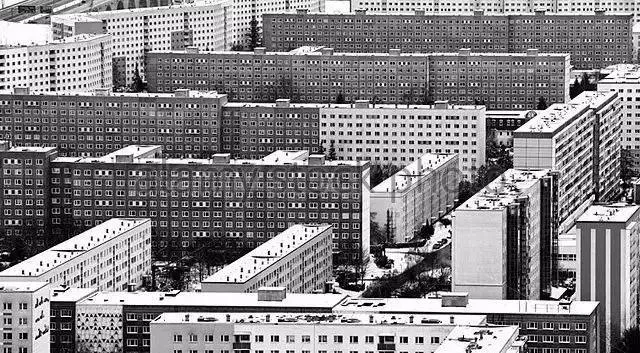
▲ Rapid urban housing construction in Tashkent through industrialized methods.
Urban Construction Driven by Communism and Utopian Ideals
Eastern European countries, especially the Soviet Union, exemplify this trend.
Guided by utopian ideals, rapid urban construction fueled the growth of industrial society by expanding the working class and reducing the rural population.













Must log in before commenting!
Sign Up