
Subway engineering is widely recognized within the construction industry as a highly complex and systematic endeavor. It involves a challenging construction environment, multiple specialties, significant risks, high difficulty levels, and extended construction timelines.
As a key driver for technological transformation and advancement in the construction sector, the degree of BIM technology application reflects, to some extent, the overall quality level of enterprises. Today, we explore how BIM technology is applied in the mechanical and electrical construction of the xx subway station.
The site layout for subway construction is typically situated in downtown areas, where the arrangement of construction fences and living areas significantly impacts surrounding traffic and air quality. Before construction begins, a 3D site BIM model is developed to visually analyze the site layout’s efficiency. This approach supports land, water, material, and energy conservation, ensuring a more systematic construction process.
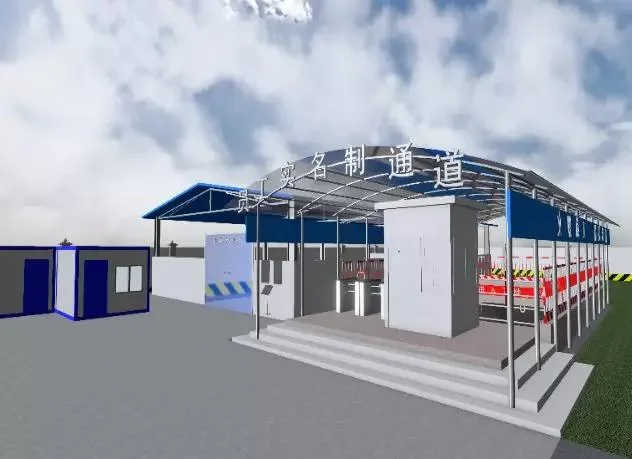
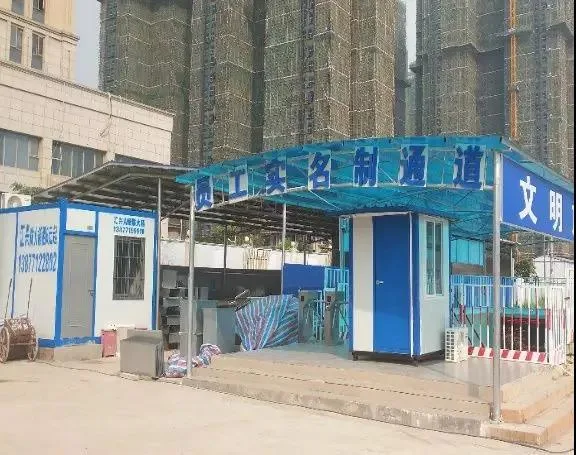
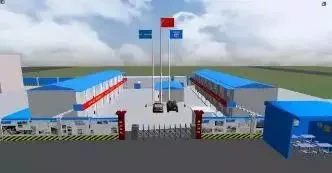
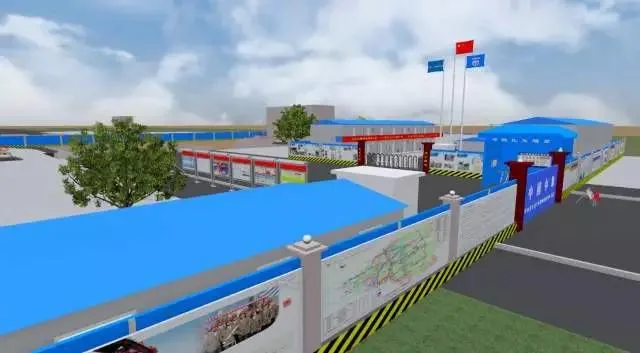
(BIM model and on-site images)
The temporary construction layout involves creating three specific temporary models for water, electricity, and edge protection. These models help develop protection strategies and layout plans for water and electrical pipelines and equipment. Using 3D animation, on-site technicians can visually assess the layout, identify any unreasonable elements, and rearrange routes to optimize the plan’s logic and ensure construction safety. This method effectively prevents rework after installation by addressing issues beforehand.
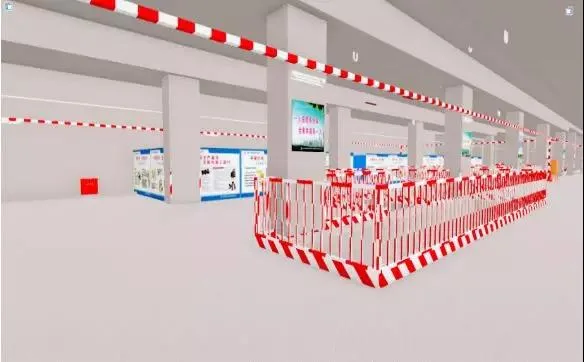
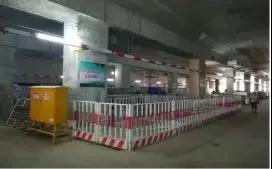
Drawing review and refinement are enhanced by visualizing 2D drawings into 3D models. This greatly improves the ability of team members to read and understand the documents, boosting communication efficiency. During model creation, BIM engineers can quickly detect inconsistencies or clashes in the drawings and coordinate with relevant parties to resolve them, avoiding costly rework. In essence, the model creation process serves as an effective drawing review, saving both time and costs.
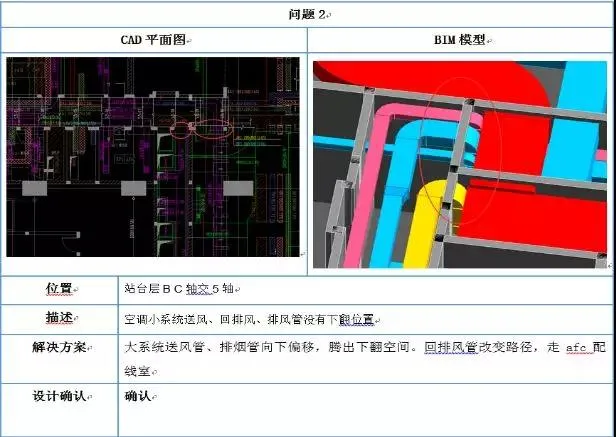
(Before model refinement)
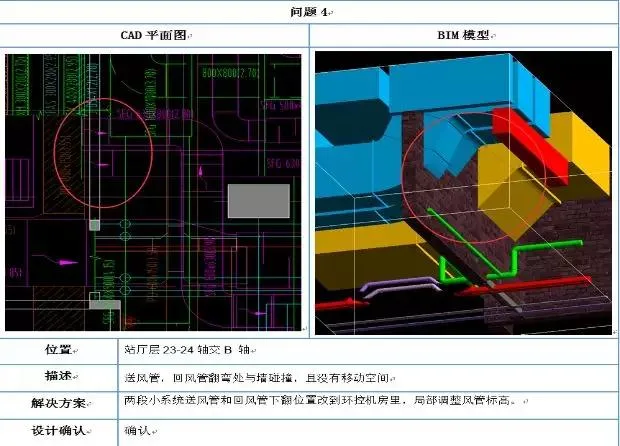
(After model refinement – Figure 1)
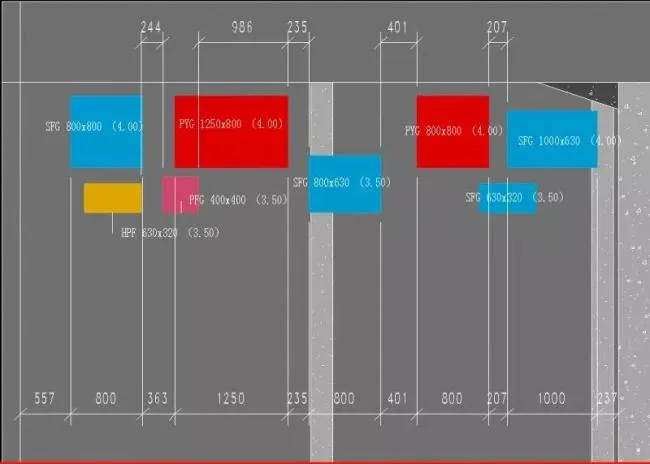
(After model refinement – Figure 2)
Optimized 3D models allow for exporting embedded drawings that highlight key and challenging points. These serve to guide on-site workers during construction and facilitate on-site inspections to ensure work aligns with the drawings.
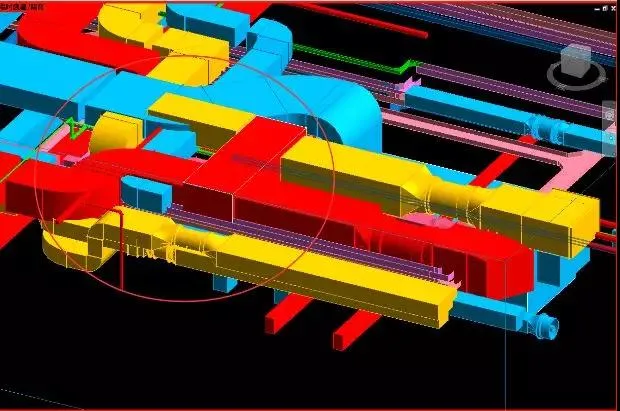
By utilizing BIM models, comprehensive mechanical and electrical pipeline drawings can be produced, including sectional views, specialty-specific drawings, 3D axonometric diagrams, images, and animations. These detailed outputs help construction teams fully understand the design intent and installation hierarchy, minimizing misinterpretations that could lead to rework.
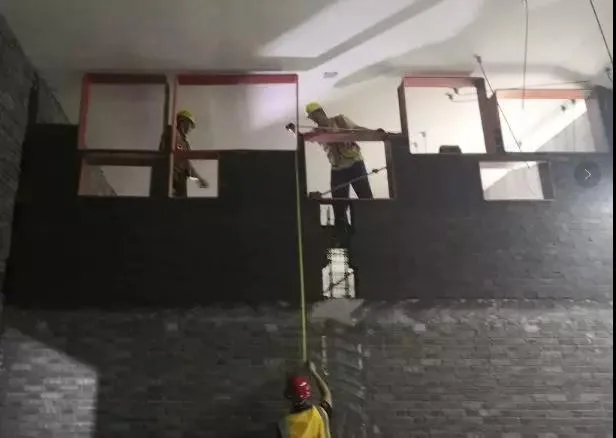
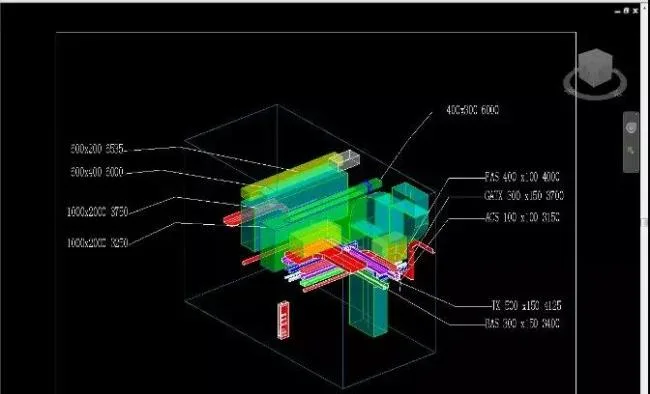
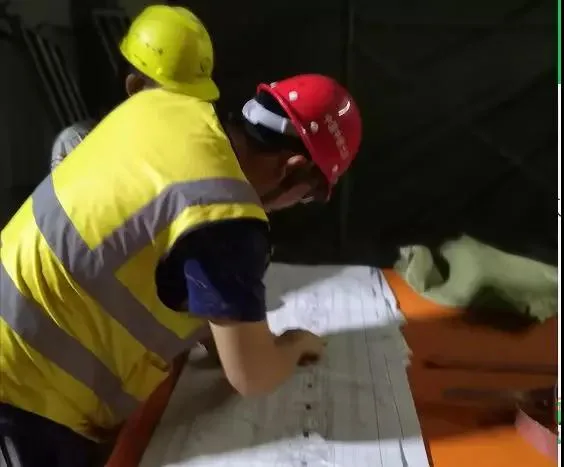
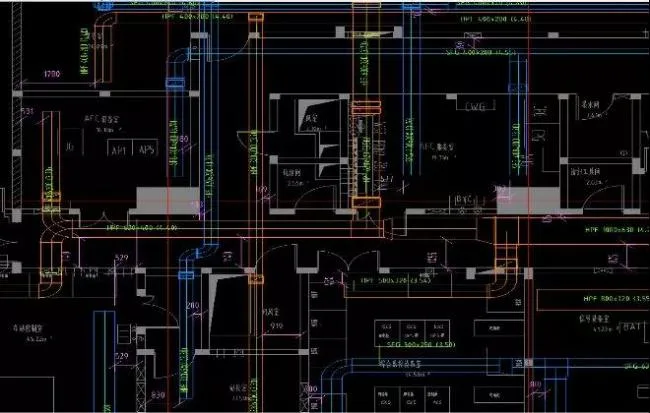
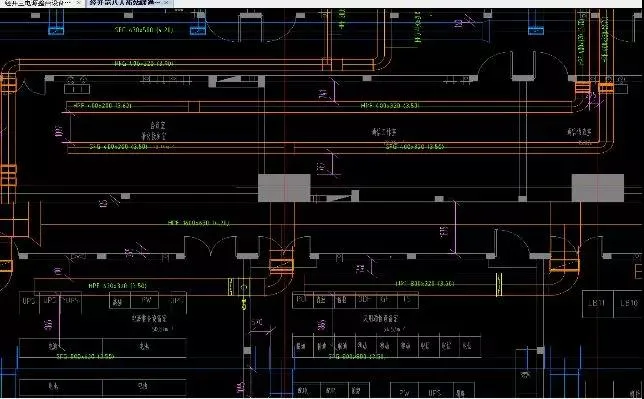
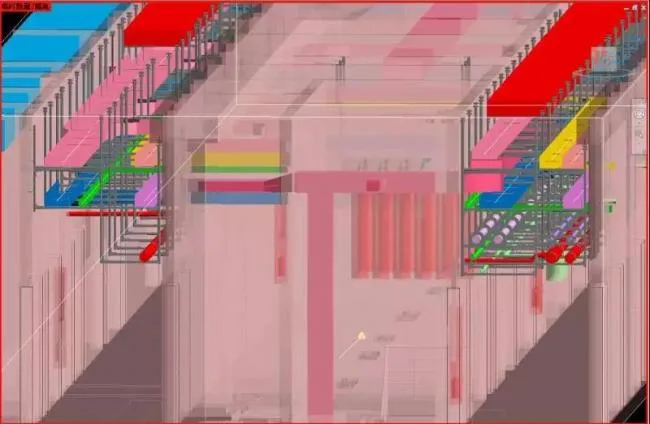
As is well known, the subway equipment area corridors have a dense layout, involving multiple system specialties. Detecting issues in support and hanger drawings is often difficult. By creating support and hanger models, drawing problems can be identified early, avoiding secondary construction.
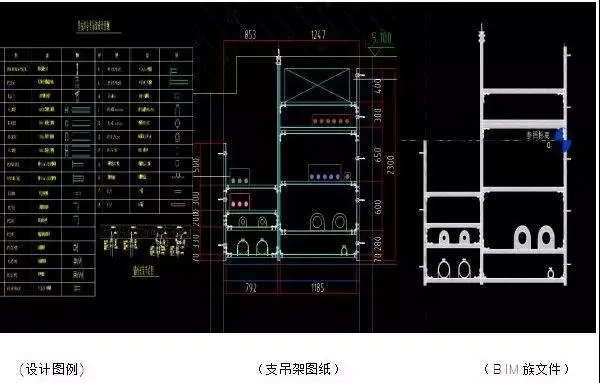
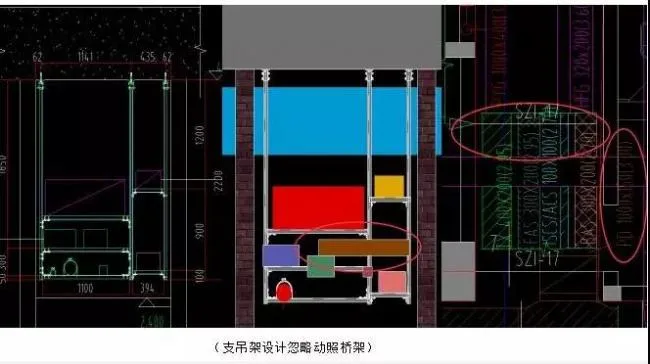
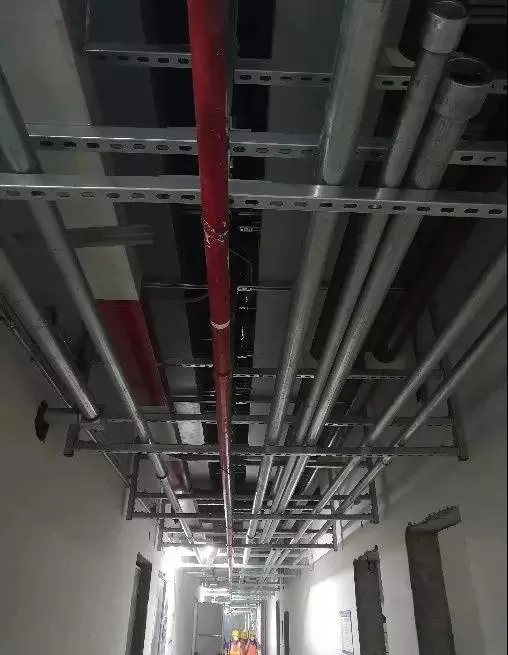
Construction simulation leverages the planned schedule provided on site and is managed through BIM models to visually simulate the construction progress. By comparing the actual progress with the planned timeline, the simulation effectively controls the production cycle, allowing for advance preparation and reducing waste of time, materials, labor, and other resources.














Must log in before commenting!
Sign Up