
1. BIM technology should be utilized for professional coordination, pipeline integration, parameter review, support and hanger design, as well as mechanical and electrical endpoints and reserved embedded positioning during the detailed design of electromechanical systems.
2. When applying BIM to mechanical and electrical detailed design, a comprehensive mechanical and electrical model can be created based on construction drawing design models or architectural, structural, and mechanical and electrical professional design files. This enables the integration of multidisciplinary mechanical and electrical models, verification of system rationality, generation of bills of quantities, detailed mechanical and electrical pipeline drawings, specialized construction deepening drawings, and related coordination condition drawings.
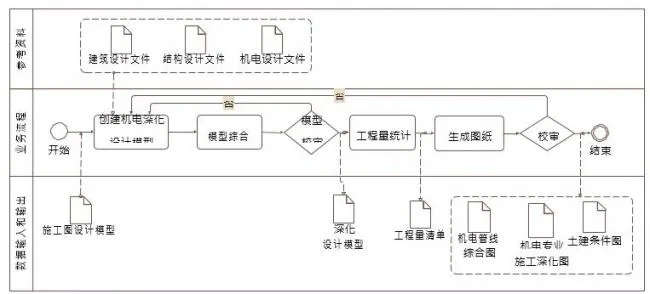
3. During the detailed design process, model elements such as equipment, accessories, and endpoints that were not finalized during the initial design phase should be supplemented or refined within the model.
4. After completing the comprehensive pipeline layout, system parameters need to be reviewed carefully. This review should include factors such as pump head and flow rate, fan pressure and airflow volume, pipeline section sizes, support forces, cooling and heating loads, as well as lighting illumination levels.













Must log in before commenting!
Sign Up