
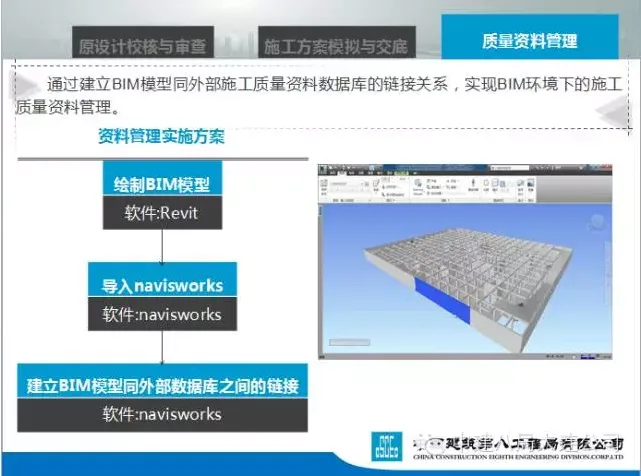
During construction, comparing and verifying the BIM model against on-site results helps to effectively and promptly prevent errors. The introduction of BIM technology has transformed project quality inspection and management by linking quality information directly to BIM models. This integration allows for efficient circulation of quality issues across various levels through intuitive model browsing. Unlike traditional document-based recording, this method breaks away from abstract text, enhancing coordination in addressing quality concerns. Moreover, combining BIM with modern technologies further refines quality inspection and control processes.
Original Design Verification and Review
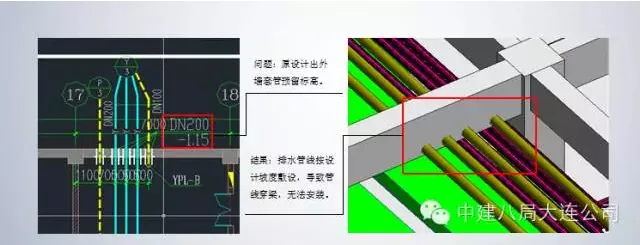
Creating a BIM model enables clear identification of issues such as errors, omissions, clashes, and deficiencies within the design drawings. This facilitates generating statistical reports to confirm design accuracy. Resolving these problems before construction begins helps reduce costly rework. For instance, if the drainage pipeline on the B1 floor follows the original design’s elevation and slope, it may intersect with beams. Adjusting the elevation during installation could also cause the pipeline to reverse slope at the connection with the municipal external network, indicating the need to re-examine the original design.
Construction Plan Simulation and Disclosure
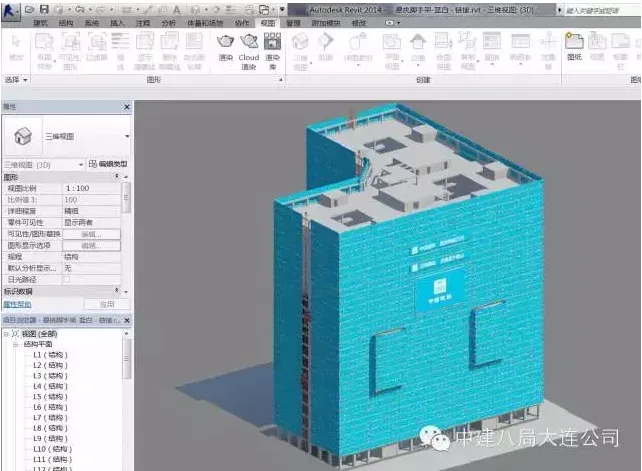
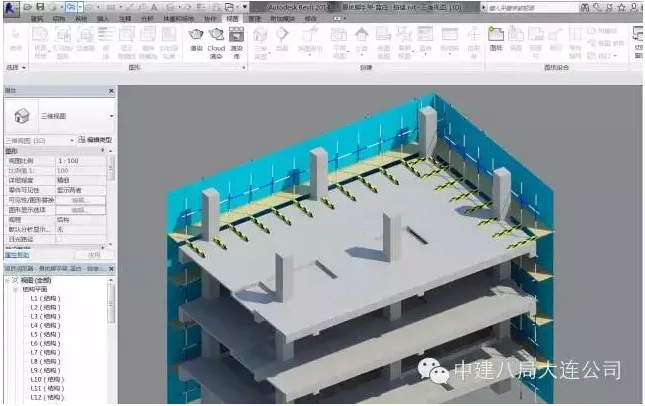
Using BIM technology to develop construction plans transforms the understanding from a flat, two-dimensional view into a three-dimensional, intuitive perspective. When combined with process simulation, the logical relationships between various construction steps and procedures become visually clear, improving project planning and communication.
Data Management
In project management, BIM technology integrates models from different disciplines to achieve multi-disciplinary coordination. Combining BIM with cloud and mobile technologies allows project teams to synchronize and store building information models and related data files securely in the cloud. This ensures that engineering documents circulate quickly, securely, conveniently, and under control within the project. Additionally, project members can access models anytime, anywhere through browsers and mobile devices to perform queries, approvals, tagging, and communication. This capability greatly enhances on-site office work and cross-disciplinary collaboration.














Must log in before commenting!
Sign Up