
The video I am sharing today showcases the Yifang Commercial Center project, undertaken by Hunan Construction Fourth and Shenzhen Hongrongxuan Construction. It provides an overview of the project and the application of BIM technology, covering aspects such as global parameter control, construction process visualization, foundation pit simulation, BIM-based basement jumping method construction simulation, mechanical and electrical works, decoration, steel structure, curtain wall, and more.
The use of BIM technology has significantly shortened the construction timeline by 120 days and saved 30 million yuan in costs.
Project Introduction
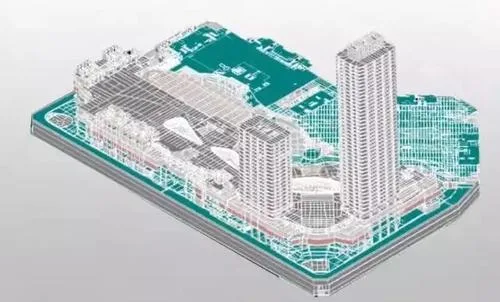
The Tencent Binhai Building project is located in the Qianhai Economic Zone, Bao’an District, Shenzhen. It spans an area of 100,000 square meters, with a total construction area of 880,000 square meters and a total investment of 12 billion yuan. The goal is to create the largest urban complex in Qianhai.
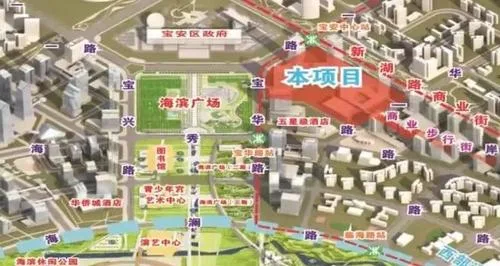
This project features a large-scale construction with complex process control, challenging surrounding geological conditions, and numerous pipelines. These factors impose higher demands on construction management.
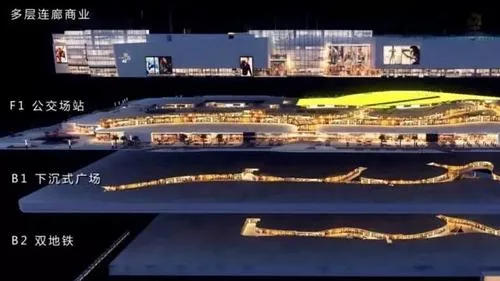
Introduction to BIM Technology Applications
- Global Parameter Control
Using Dynamo programming and parameter logic, data is leveraged to predict potential construction risks.
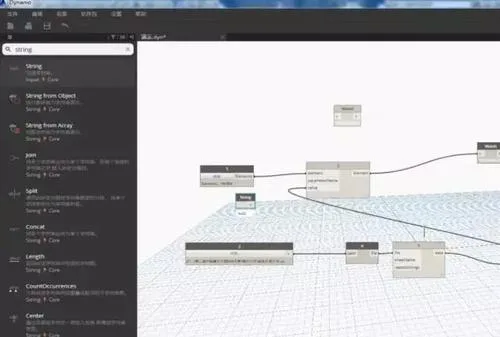
- Parameterized Pile Foundation Construction Monitoring and Analysis
Data is read through a parameter controller, enabling direct modification of parameter information within the model.
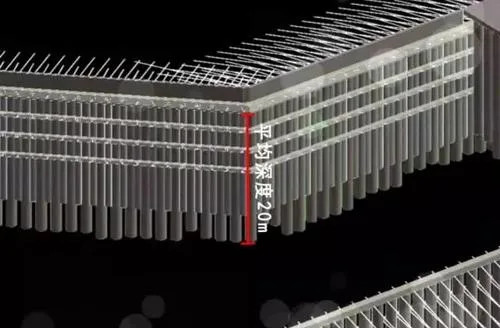
- Visualization and Disclosure of Construction Techniques
Model simulation and visualization are utilized to prevent rework.
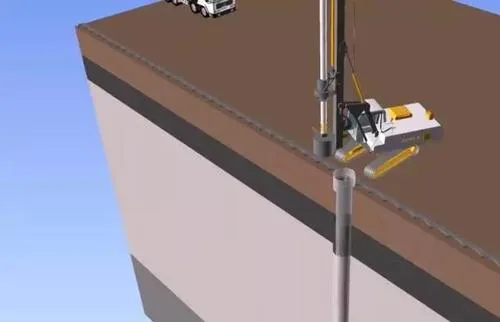
- Simulation of Surrounding Conditions and Construction Site Layout
Given the complex foundation pit surroundings, simulation is applied to minimize the impact on existing pipelines and enhance site mapping accuracy.
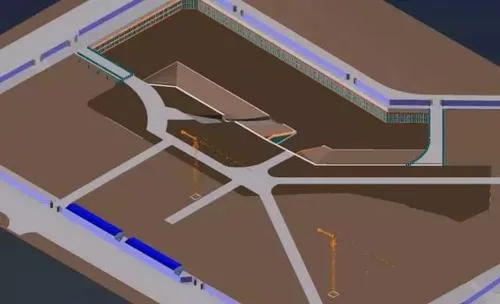
- Comprehensive Foundation Pit Simulation
A global simulation of the foundation pit facilitates digital visualization of underground spaces, reducing risks associated with uncertain spatial operations.
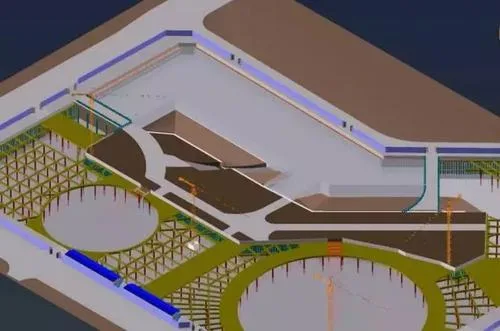
- BIM-Based Construction Simulation for Basement Jumping Method
This approach reduces cracking in large-volume concrete pours, provides clear information to management, offers optimal planning options, and ensures quality and schedule adherence.
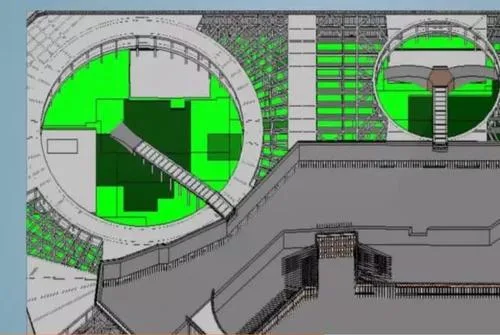
- Standardized Data Management
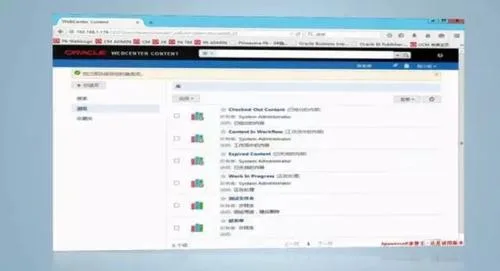
Due to the volume and complexity of project data, P6 software is employed for management, achieving data visualization and standardization. This supports future operations and maintenance.
- Construction Progress Control and Optimization
The project faces challenges such as large volume and high steel consumption. Integration of P6 and NW systems allows real-time updates and rehearsals, facilitating timely adjustments to construction activities.
- BIM in Mechanical and Electrical Engineering
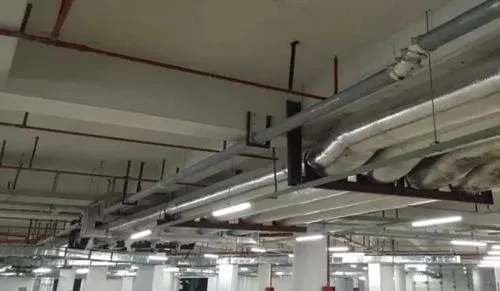
BIM is utilized for optimization, including net height inspections and multidisciplinary pipeline clash detection.
- BIM in Decoration Engineering
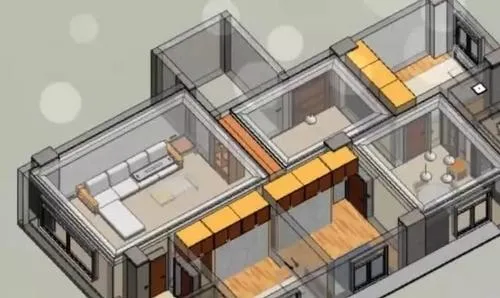
Interior decoration models are established and used to create renderings that replace traditional sample rooms.
- BIM in Steel Structure Engineering
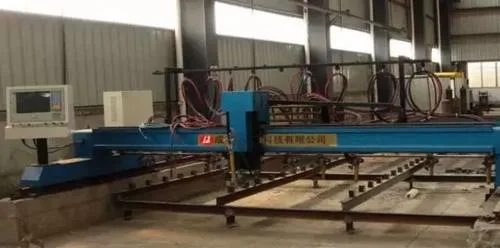
Steel structure models are created using TEKLA, with CNC graphic files output for direct production and processing on CNC machines.
- BIM in Curtain Wall Engineering
Based on the model, curtain wall designs are fine-tuned and prefabricated in the factory, ensuring precise on-site installation.















Where is the video?
I found a video online: __AI_S_TURL_0__