
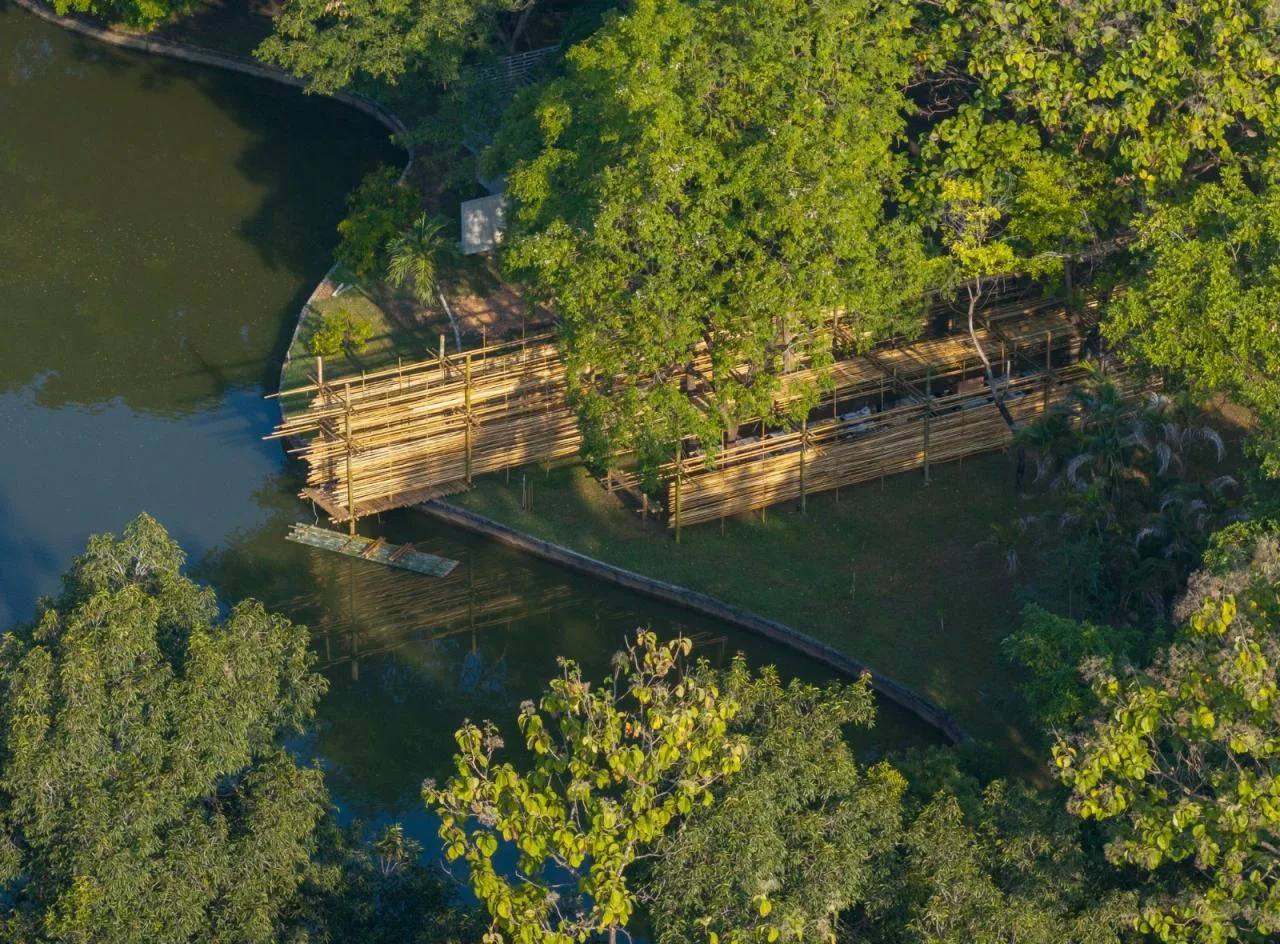
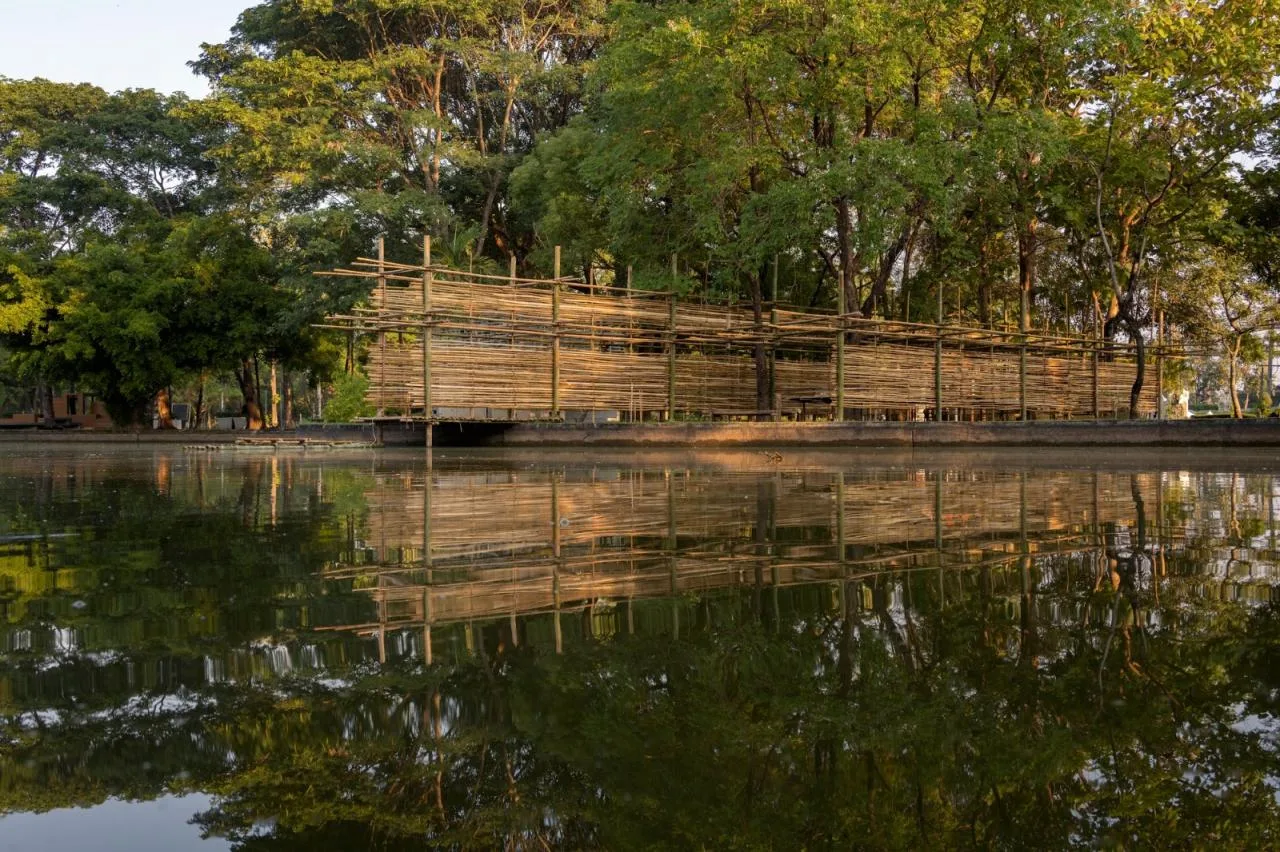
Temporary buildings are non-permanent structures designed to exist only for a limited period. When designing these buildings, it is essential to balance aesthetics with practical considerations, including the entire construction process. The goal is to efficiently use limited resources, maximize impact, and minimize environmental harm.
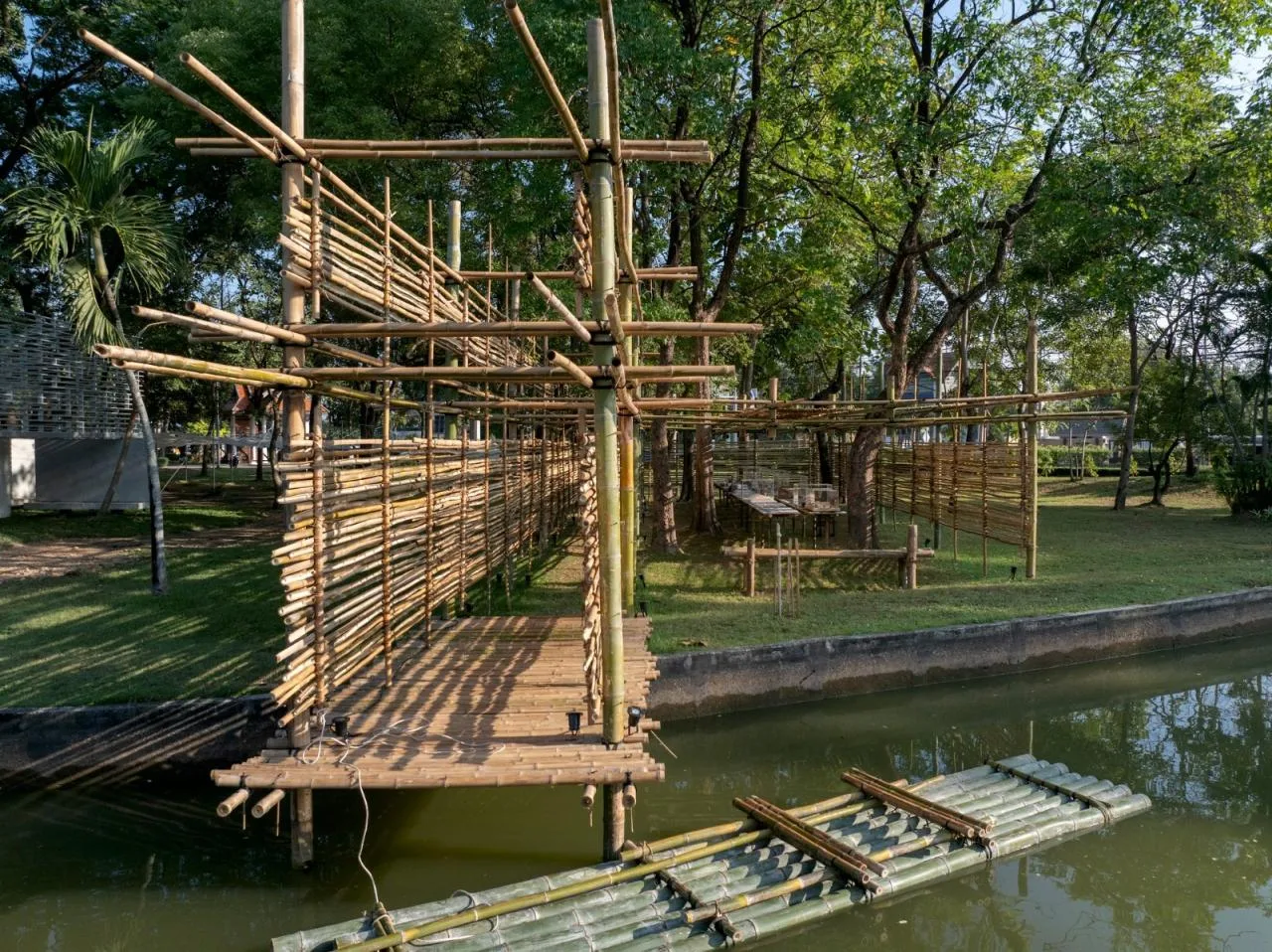
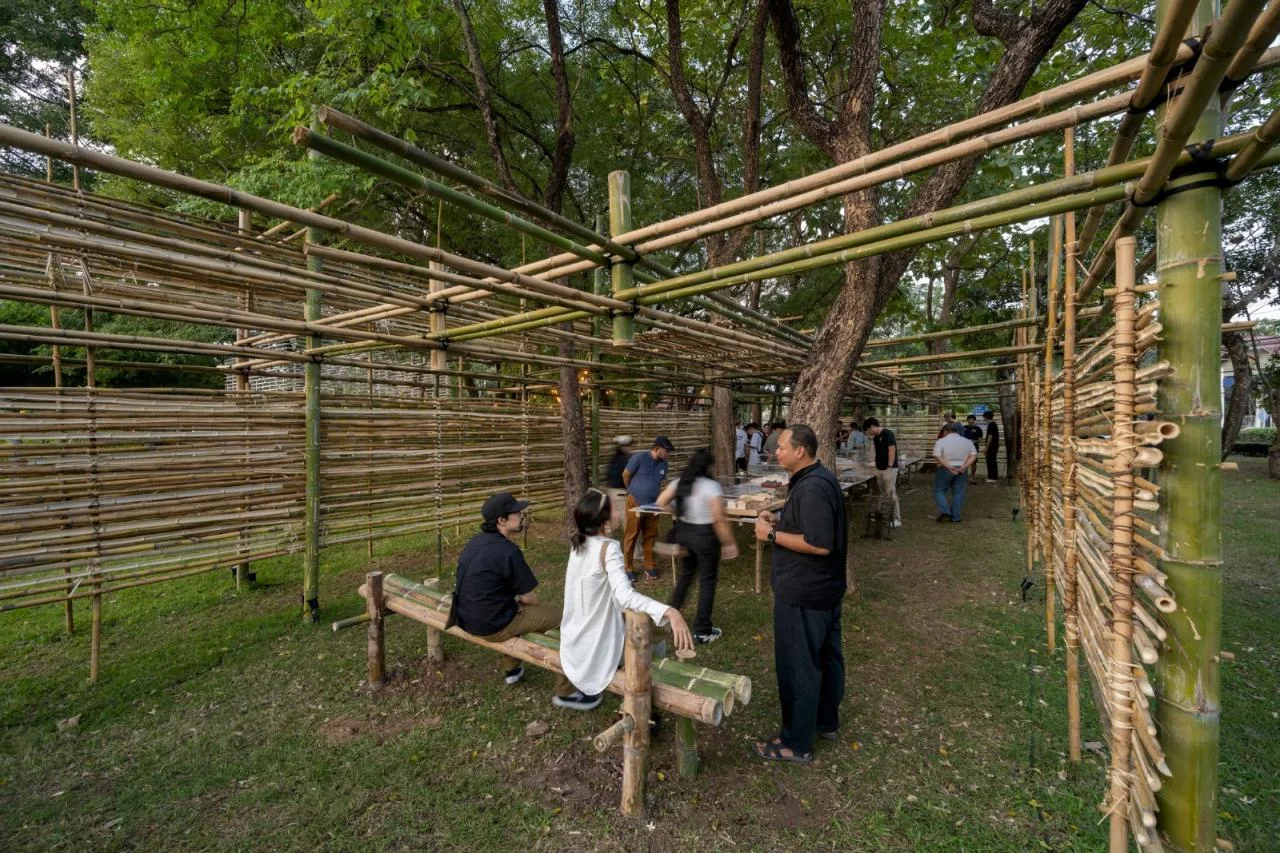
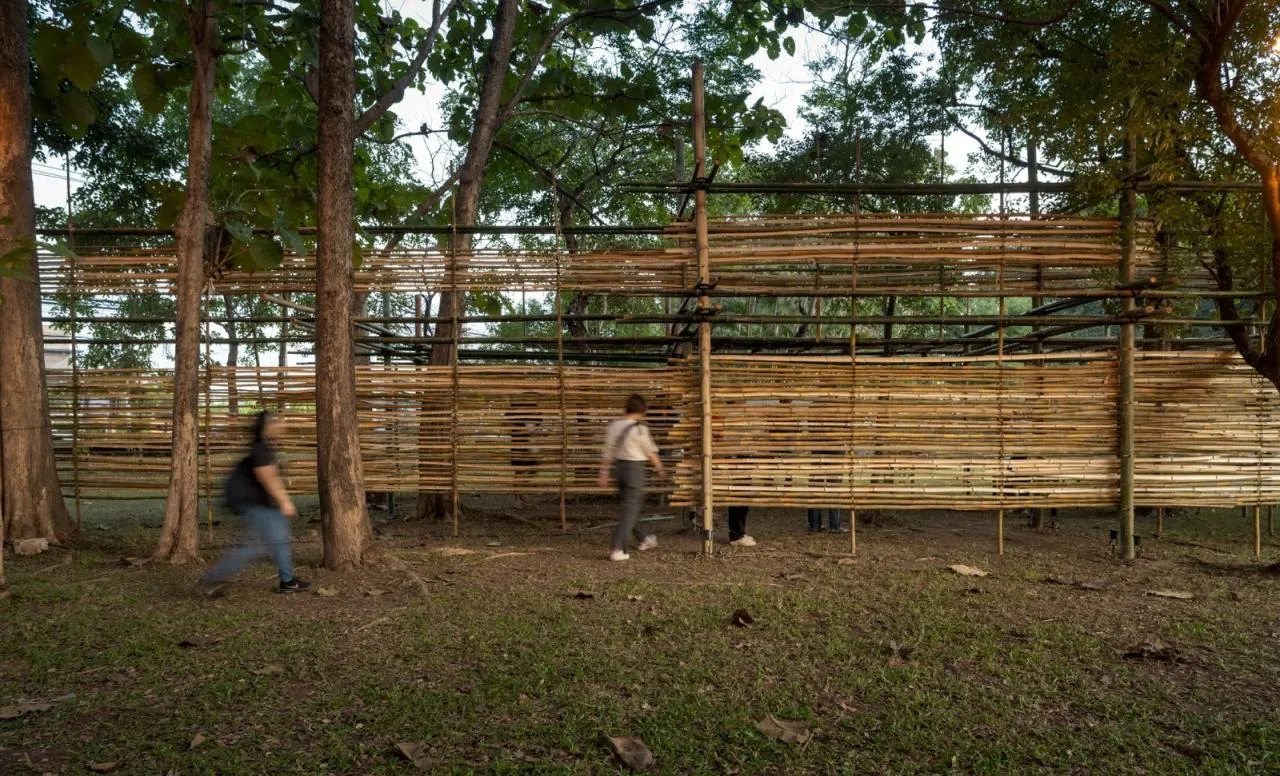
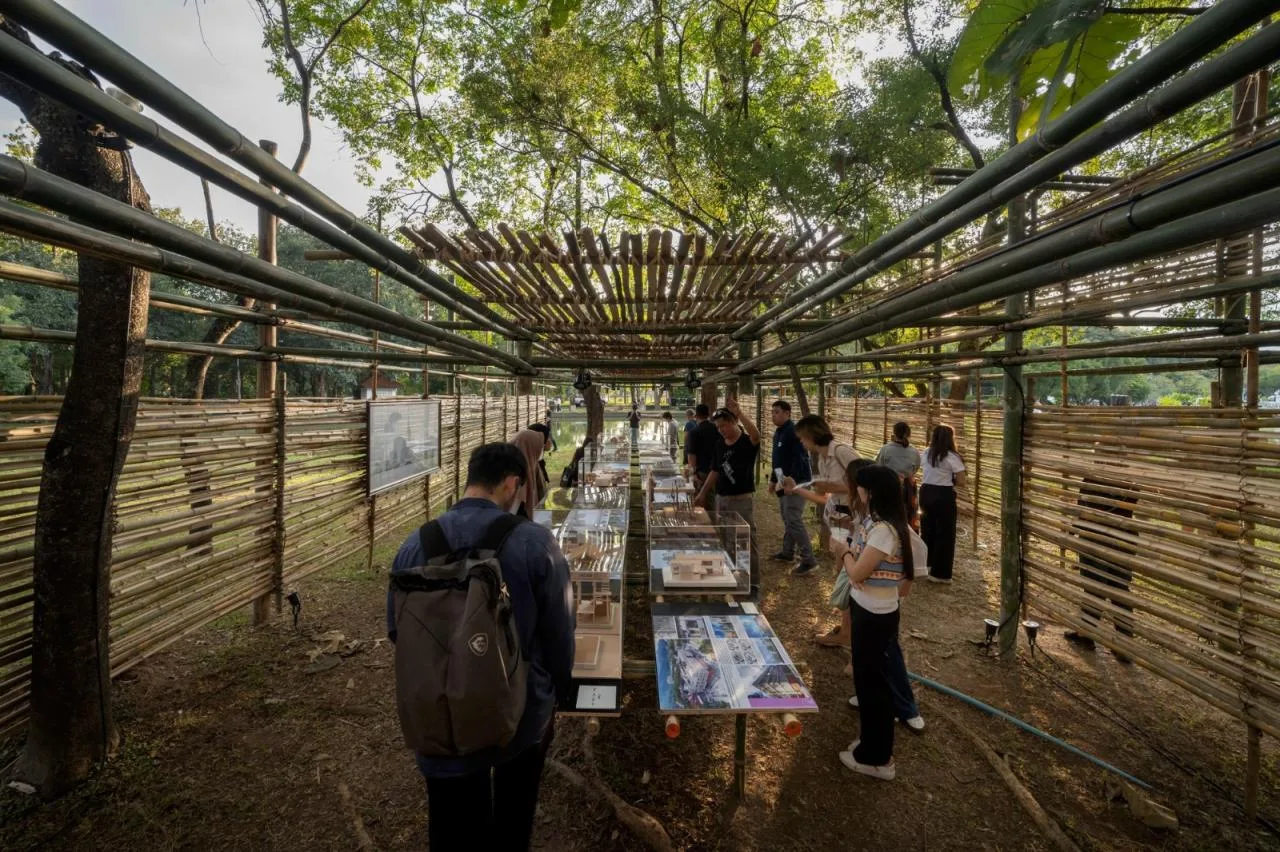
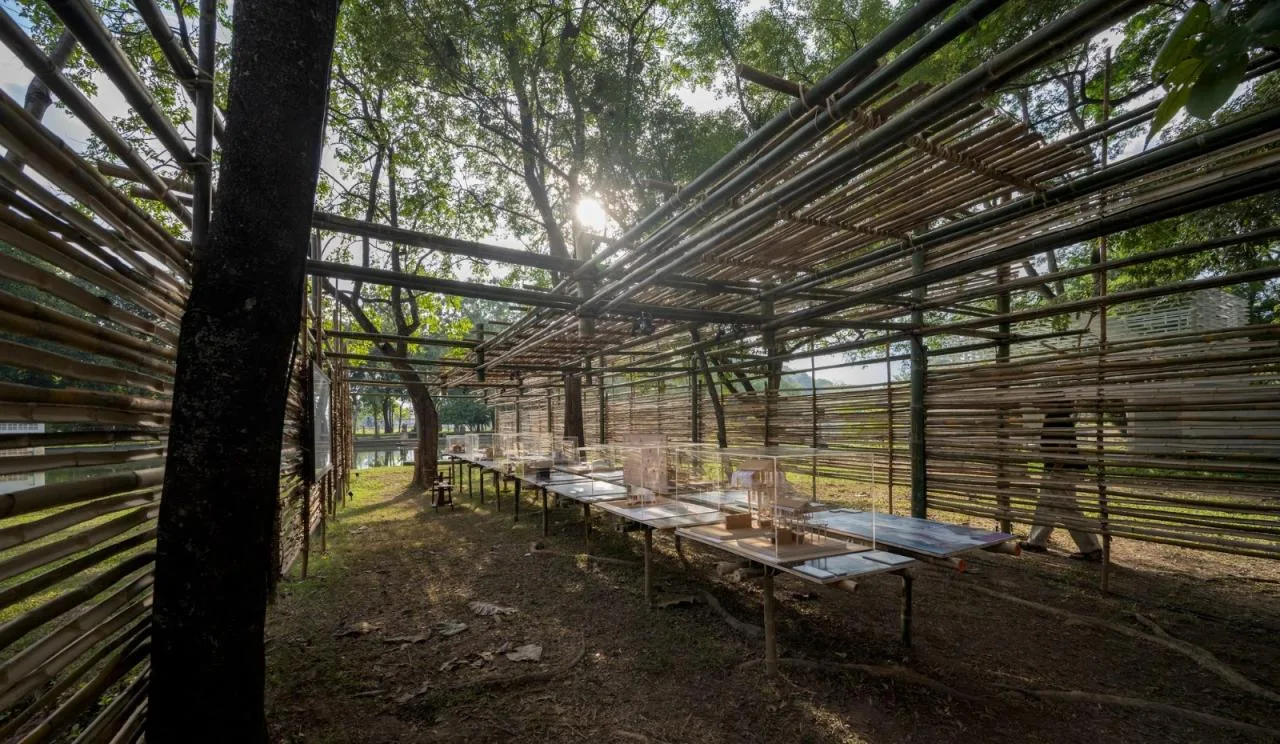
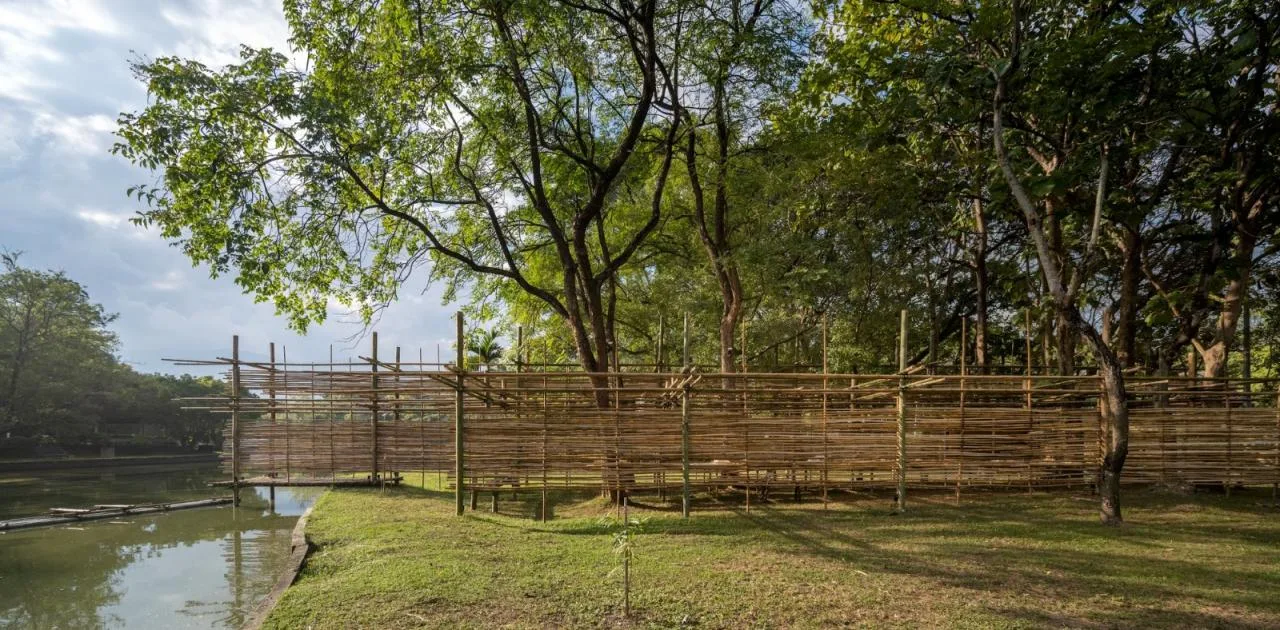
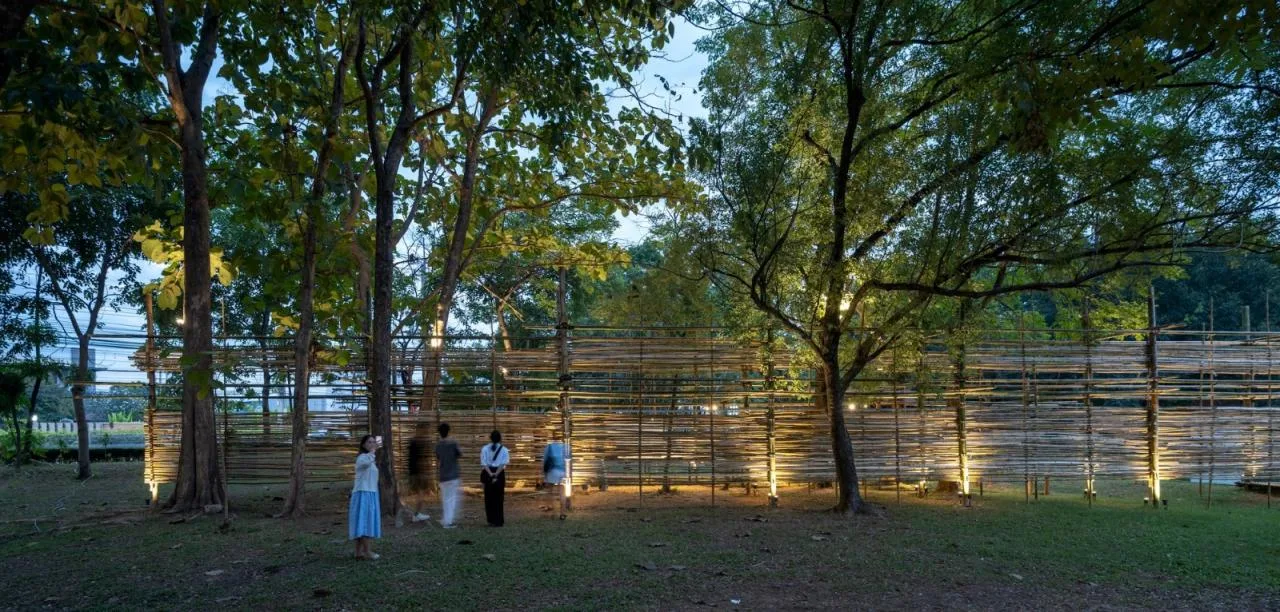
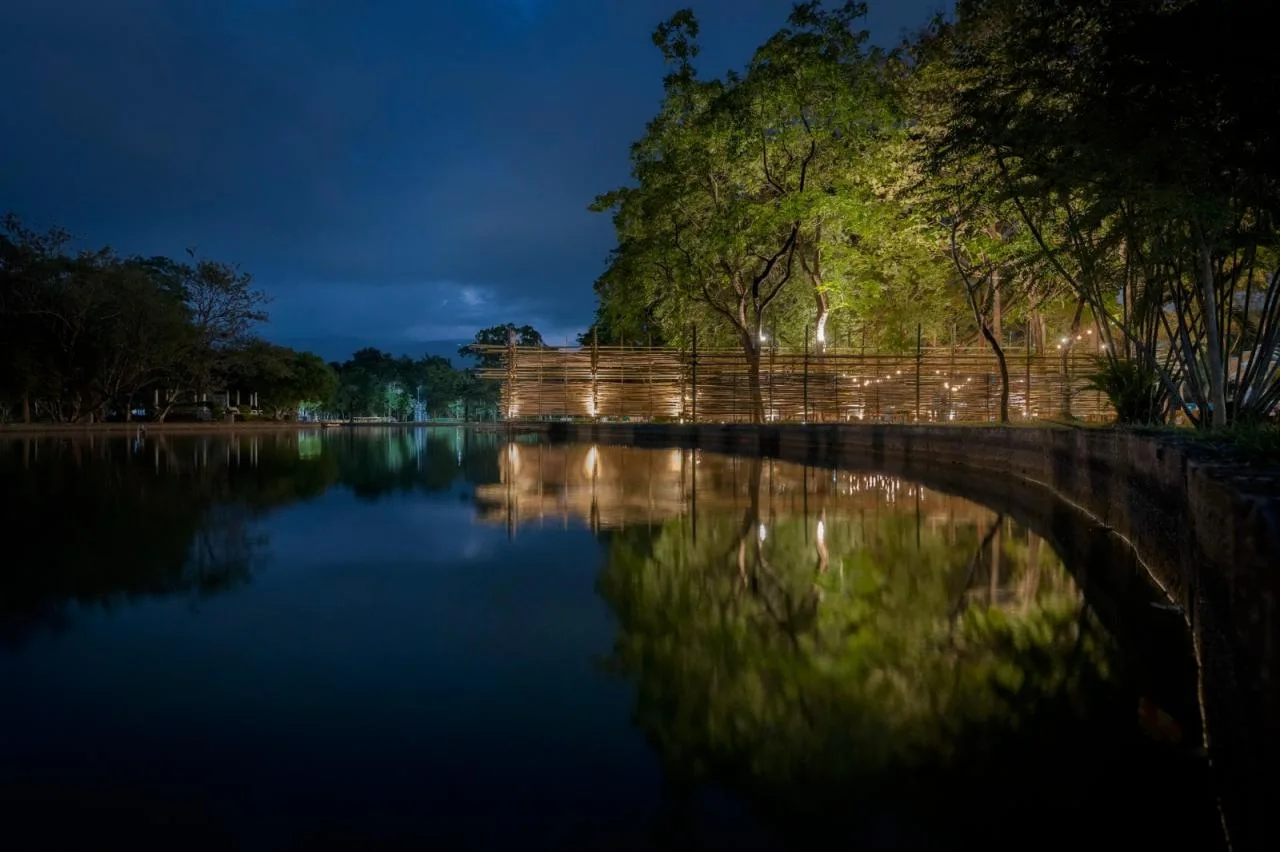
This project embodies the concept of “ชั่วครั้ง – ชั่วคราว” (meaning “temporary temporary”). It was designed to meet the needs of an exhibition showcasing selected architectural works from Northern Thailand. Held over three days at Rama IX Lanna Park in Chiang Mai, the exhibition highlights building materials that reflect the unique local environment, traditional wisdom, and the people behind the architecture.
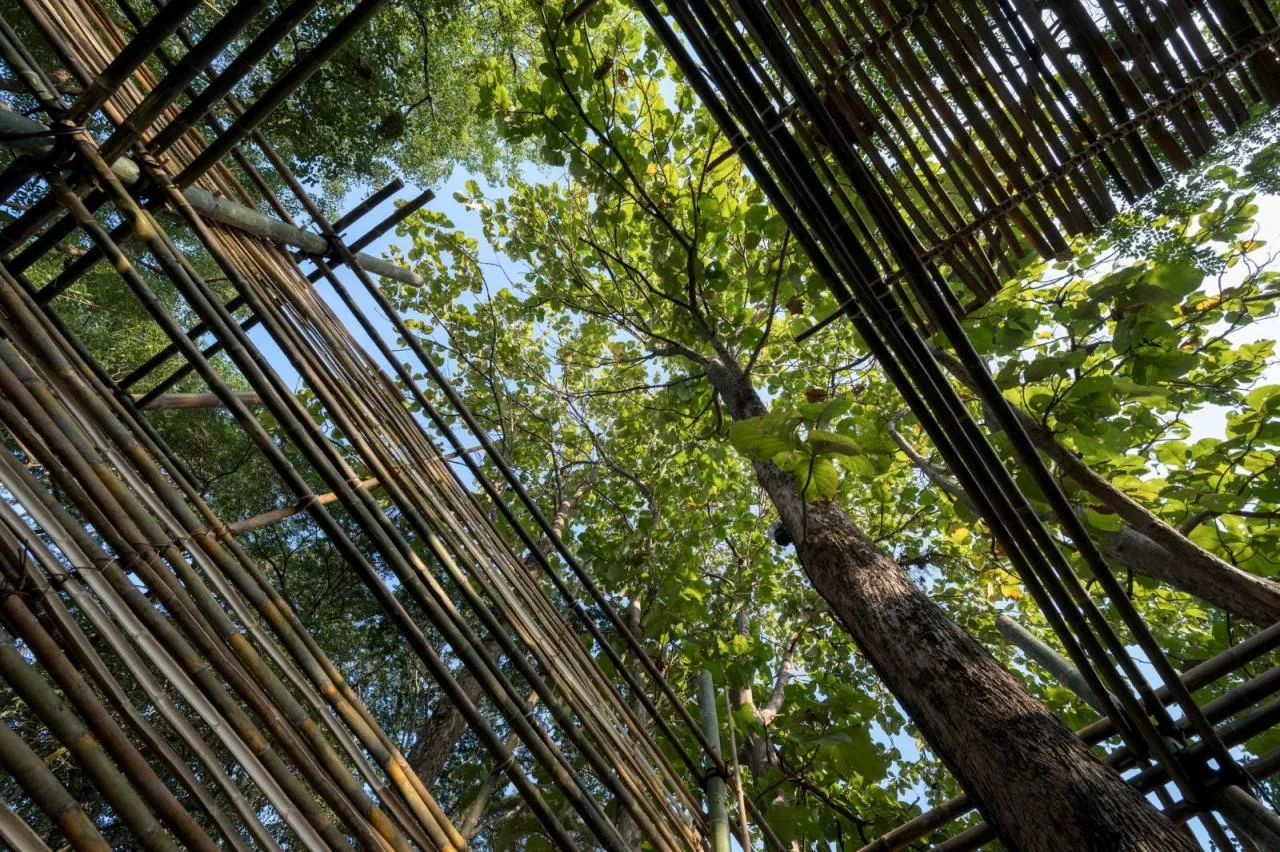
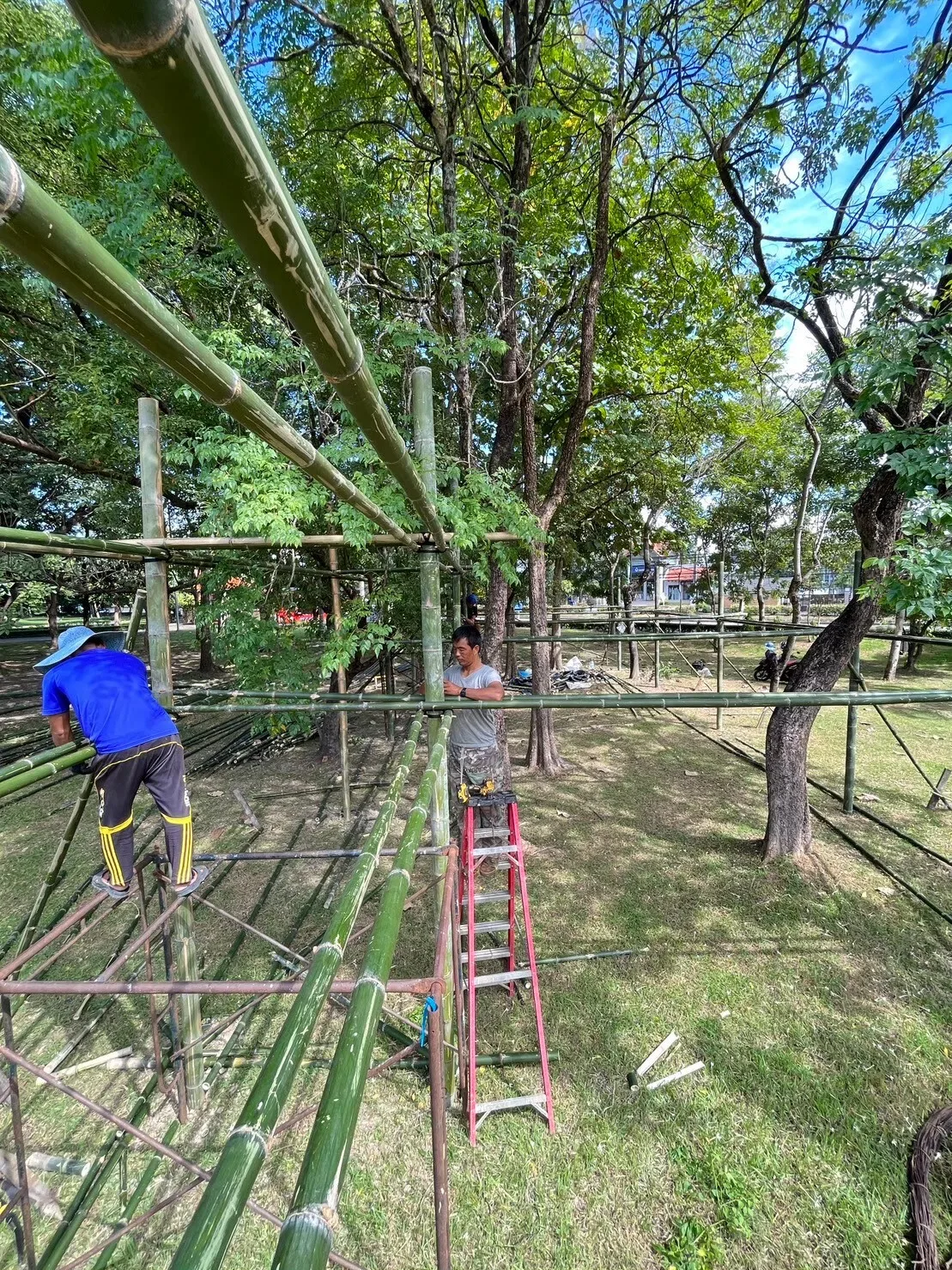
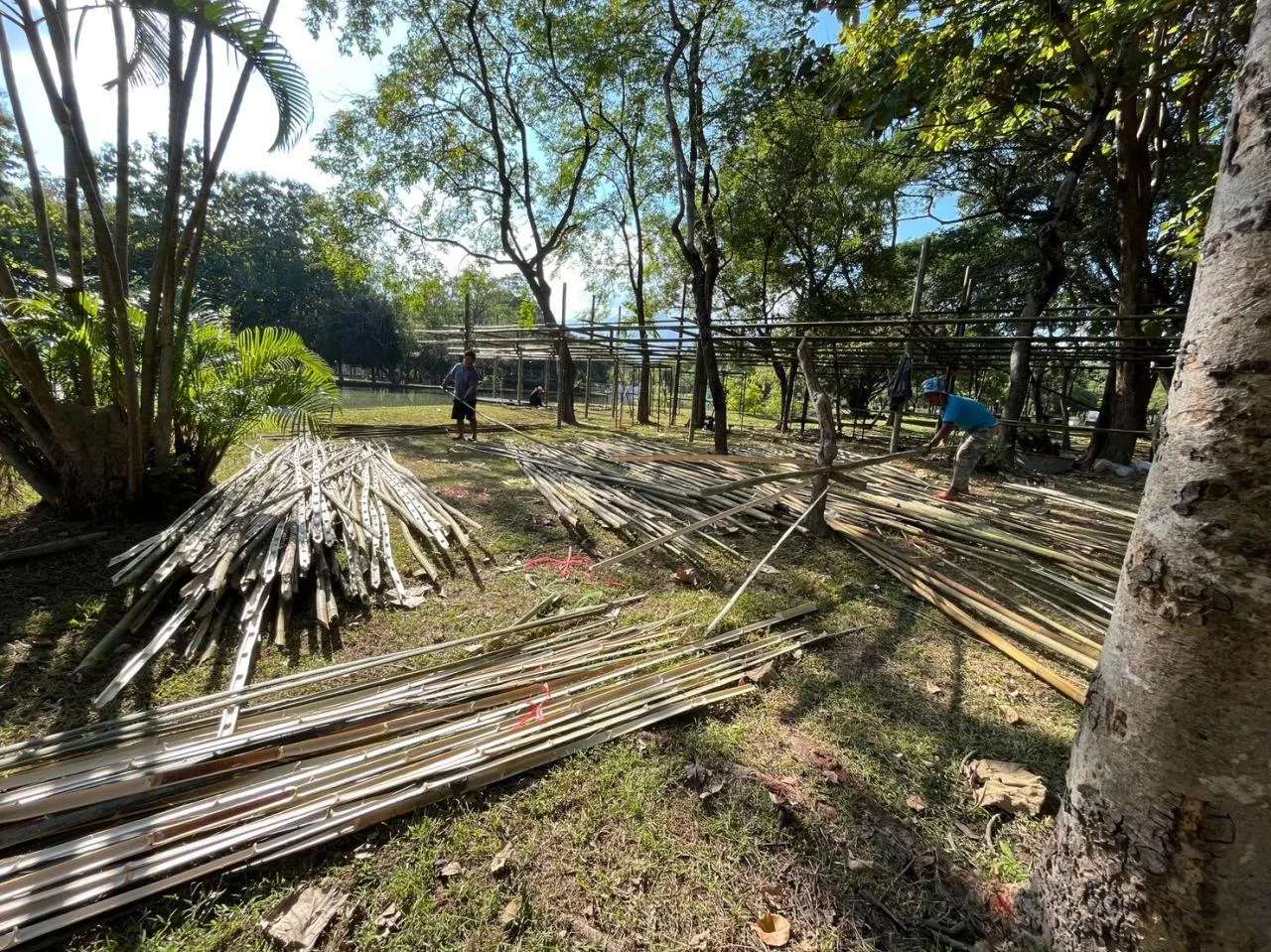
Environmental consideration was paramount in the design process. The project aimed to avoid site degradation and reduce carbon emissions by maximizing the use of reusable materials.
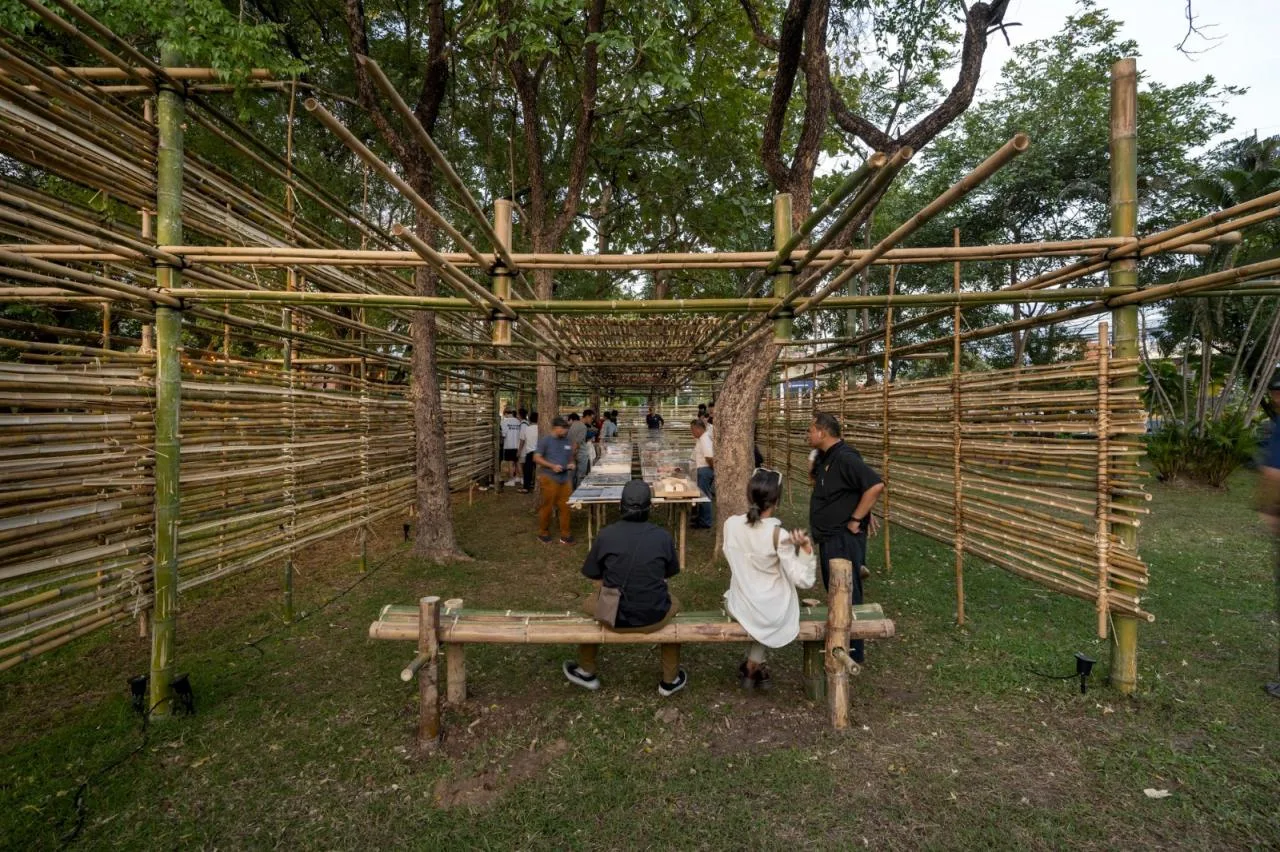
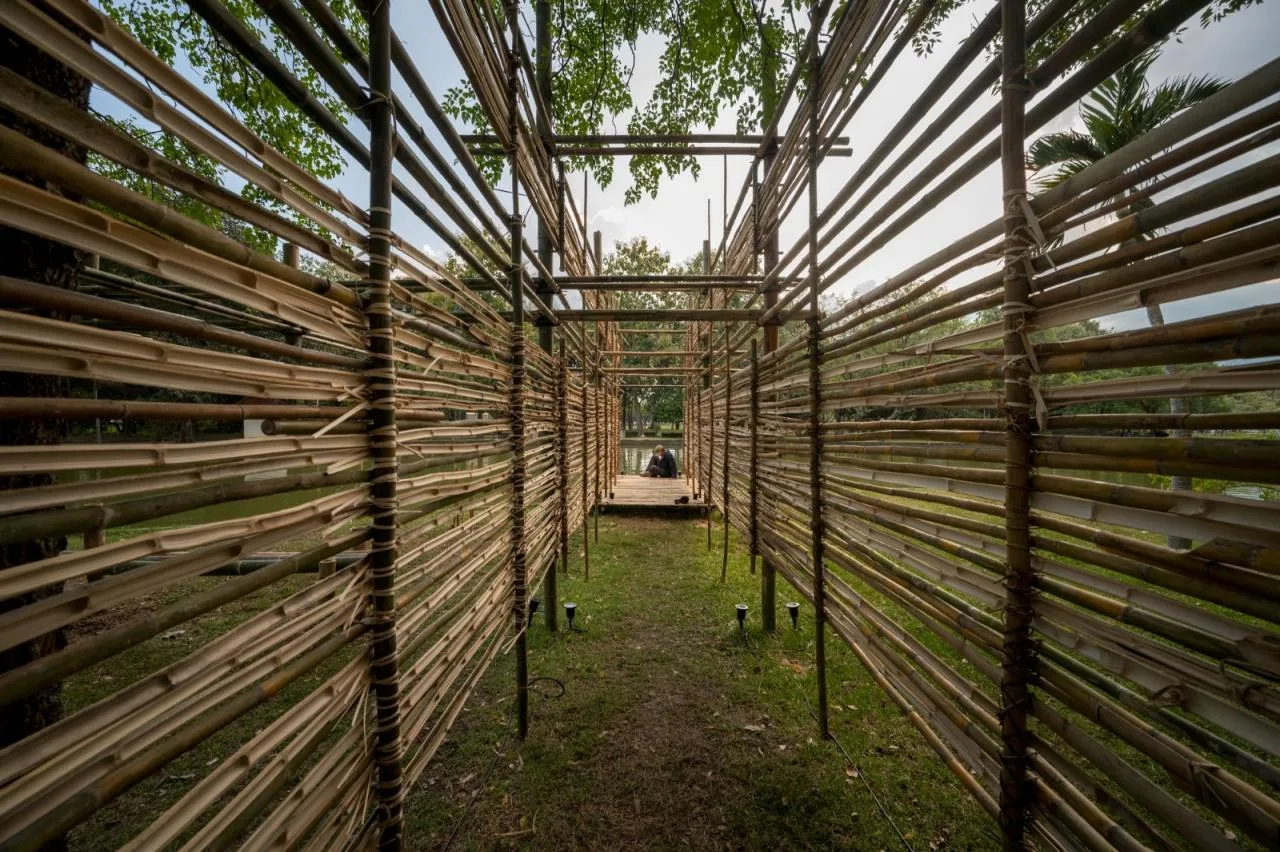
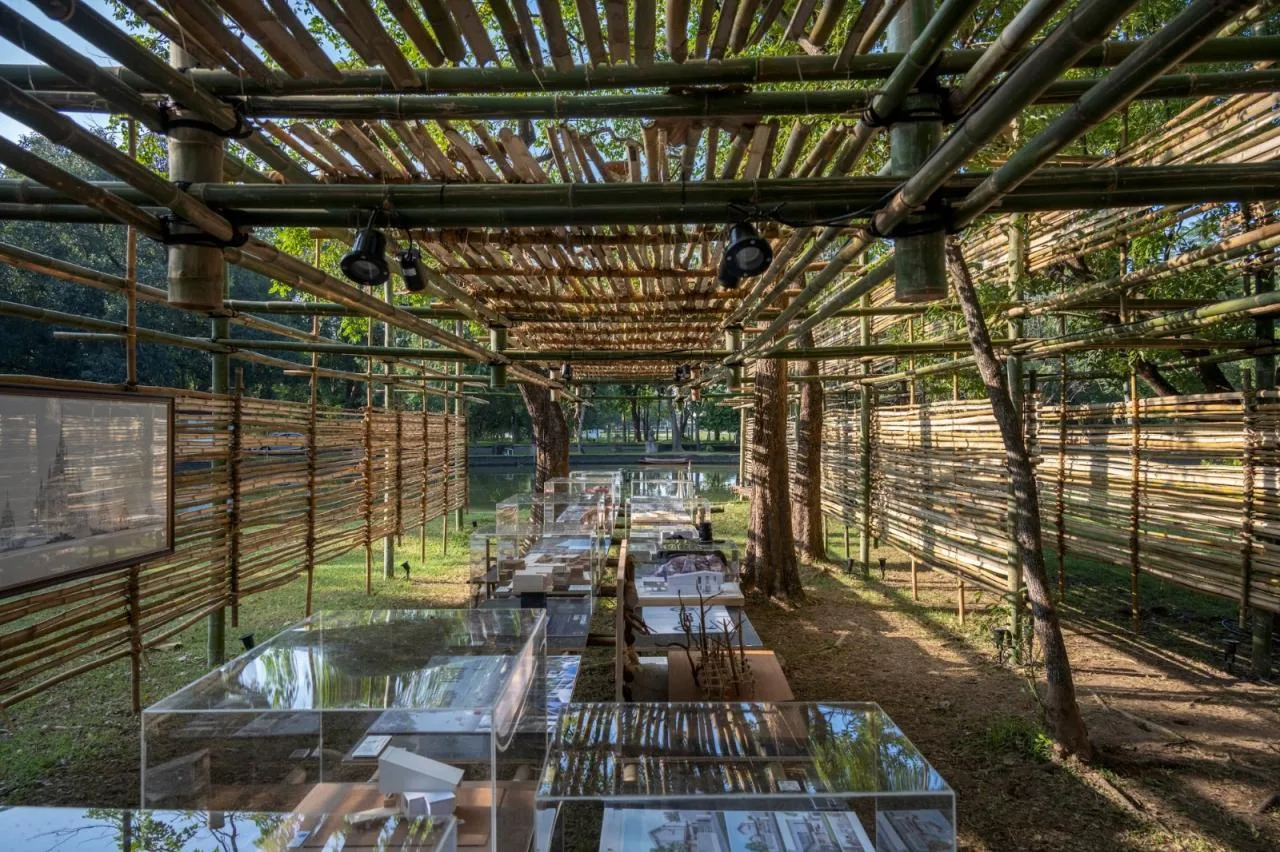
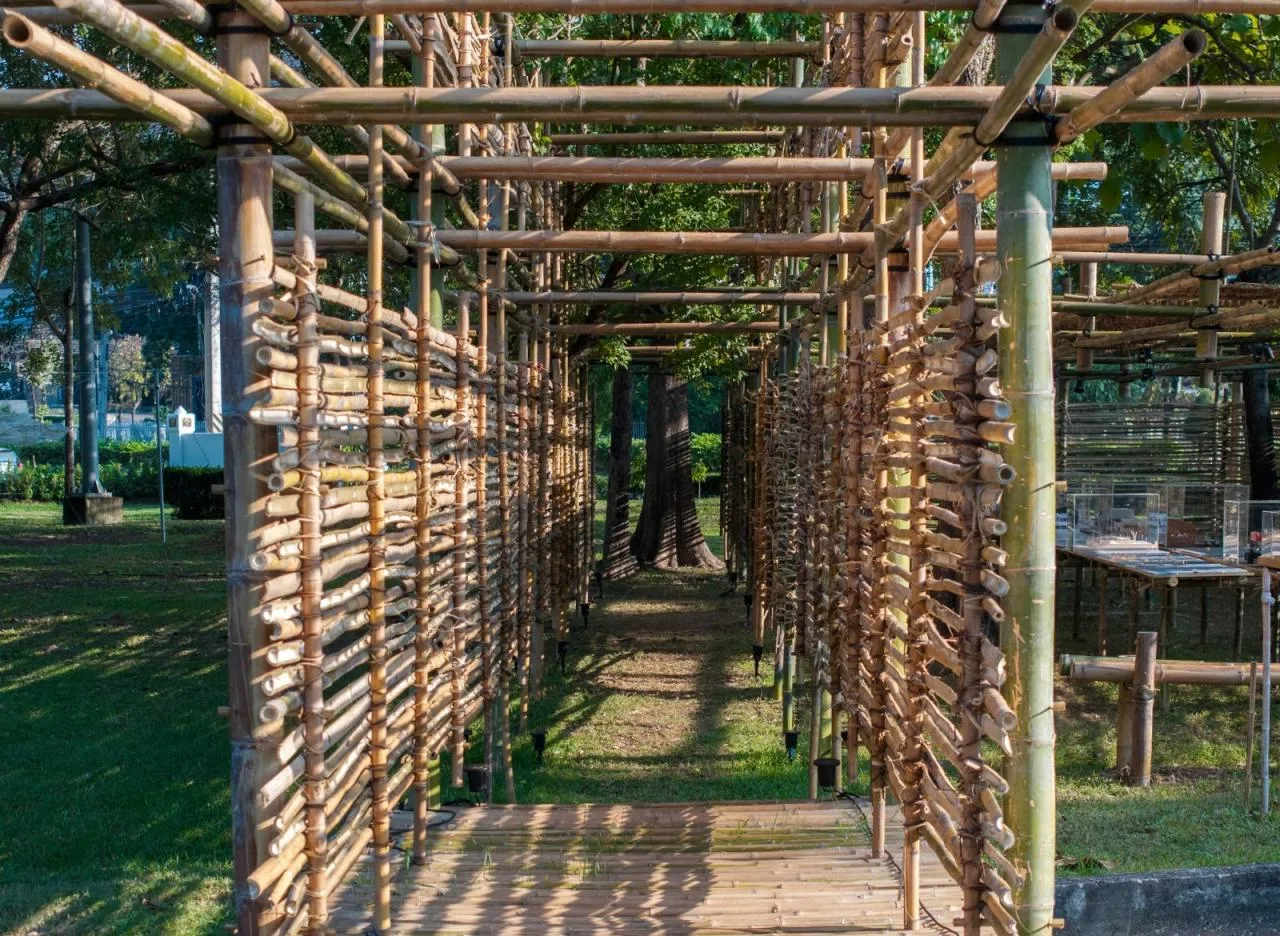
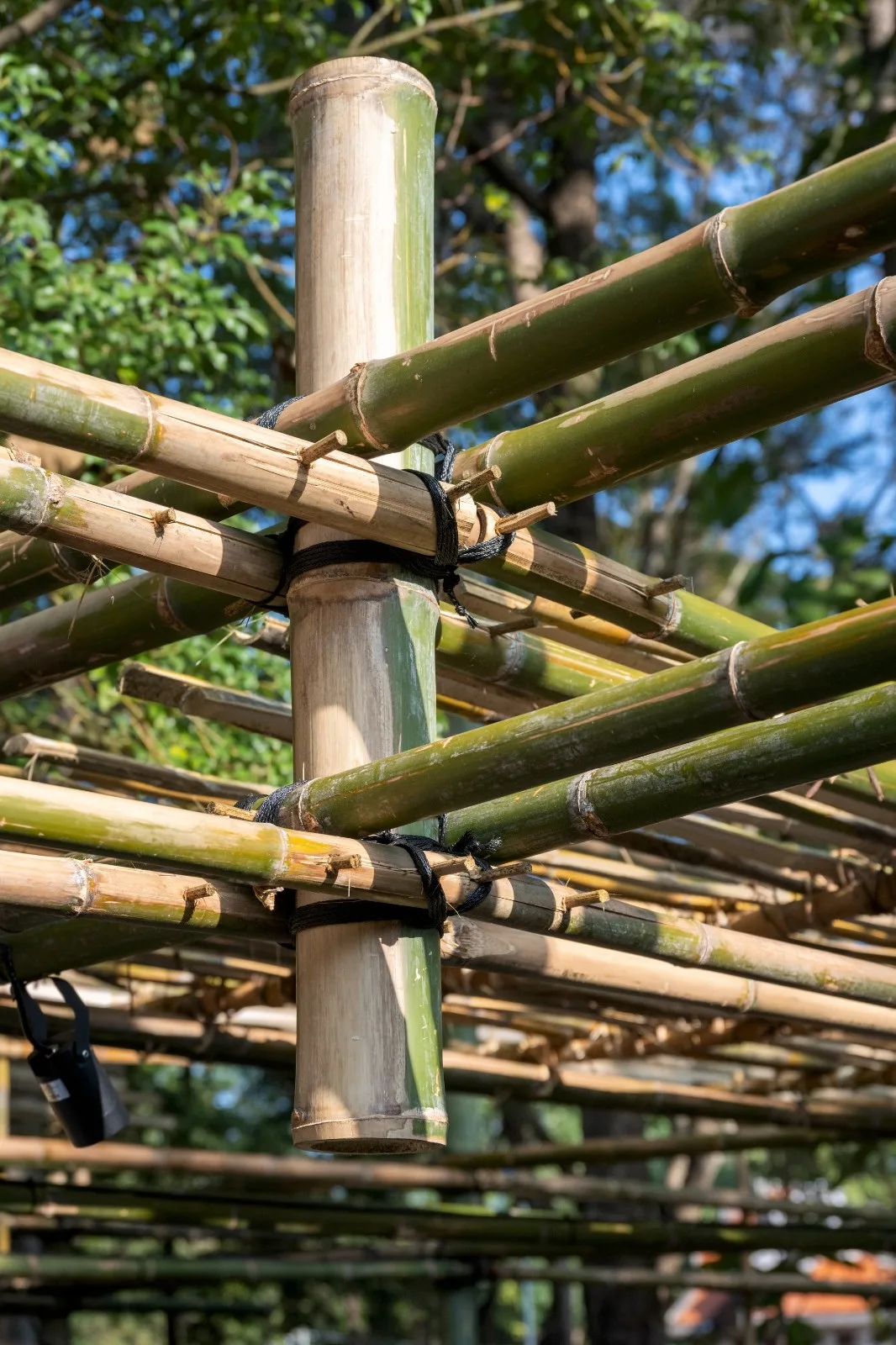
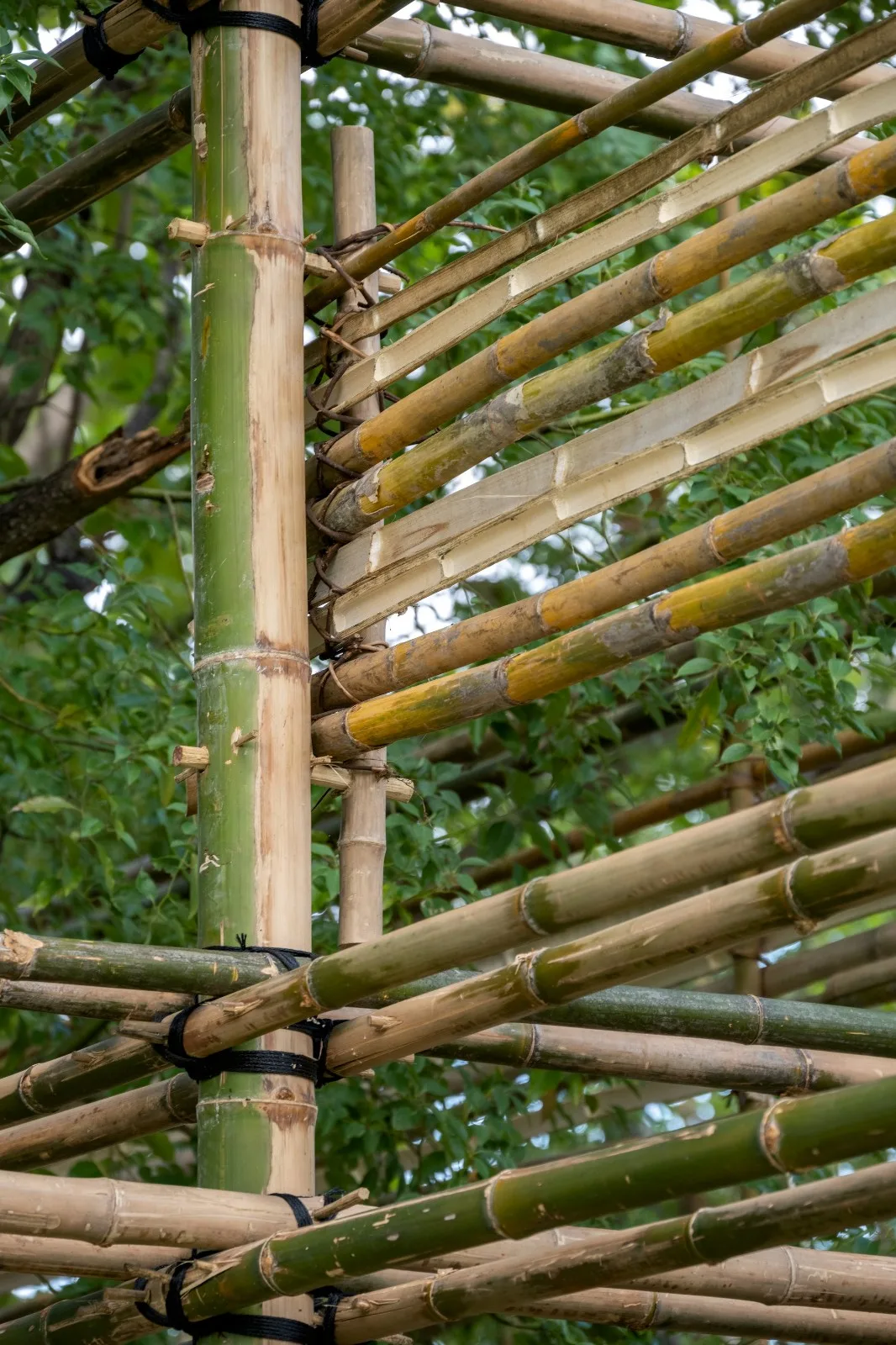
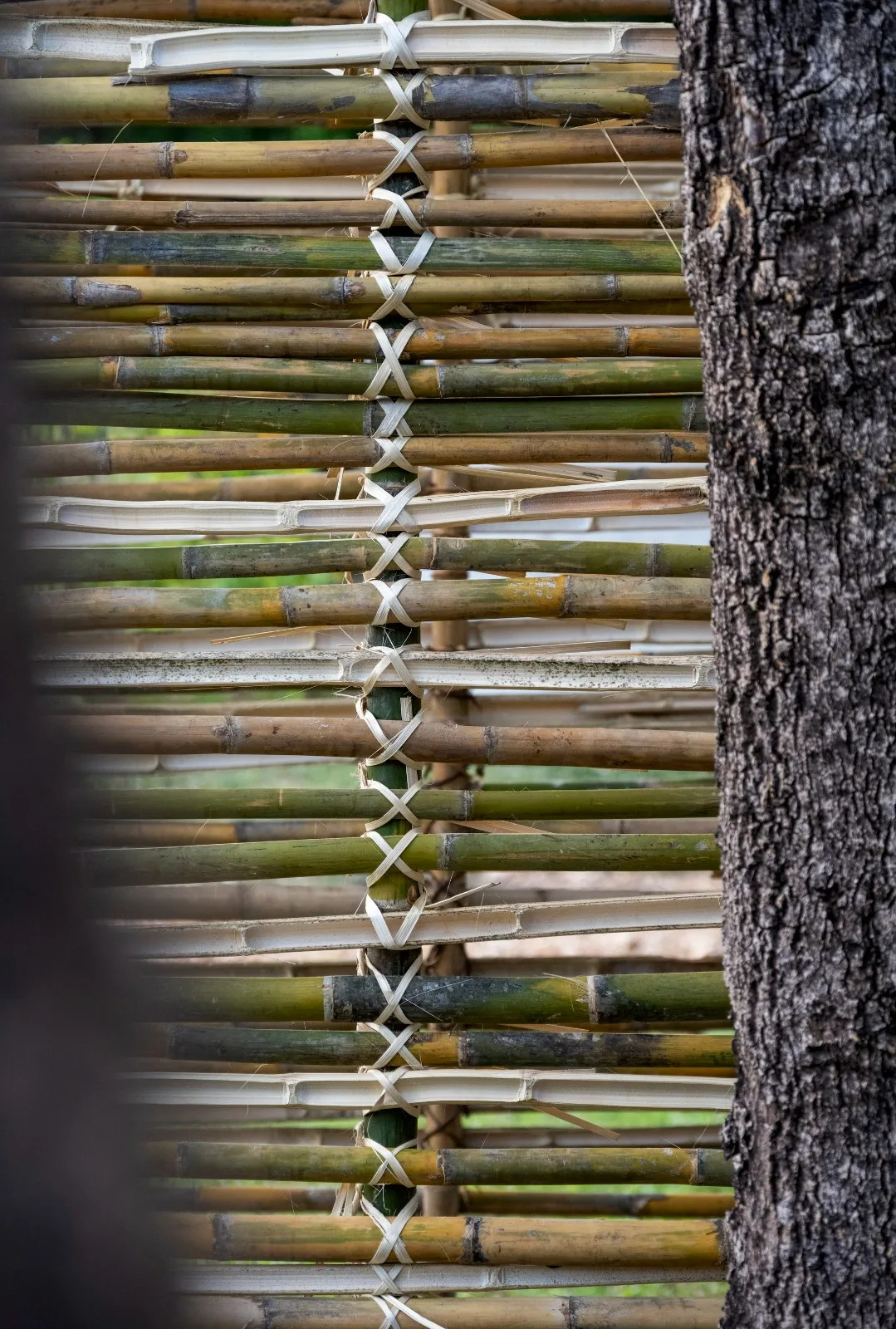
The construction primarily uses bamboo native to Northern Thailand, including Thyrosostachys Siamensis, Bambusa Nutans, and Dendrocalamus Sericius. These materials form the basis for simple, functional structures that respect the natural characteristics of each bamboo species.
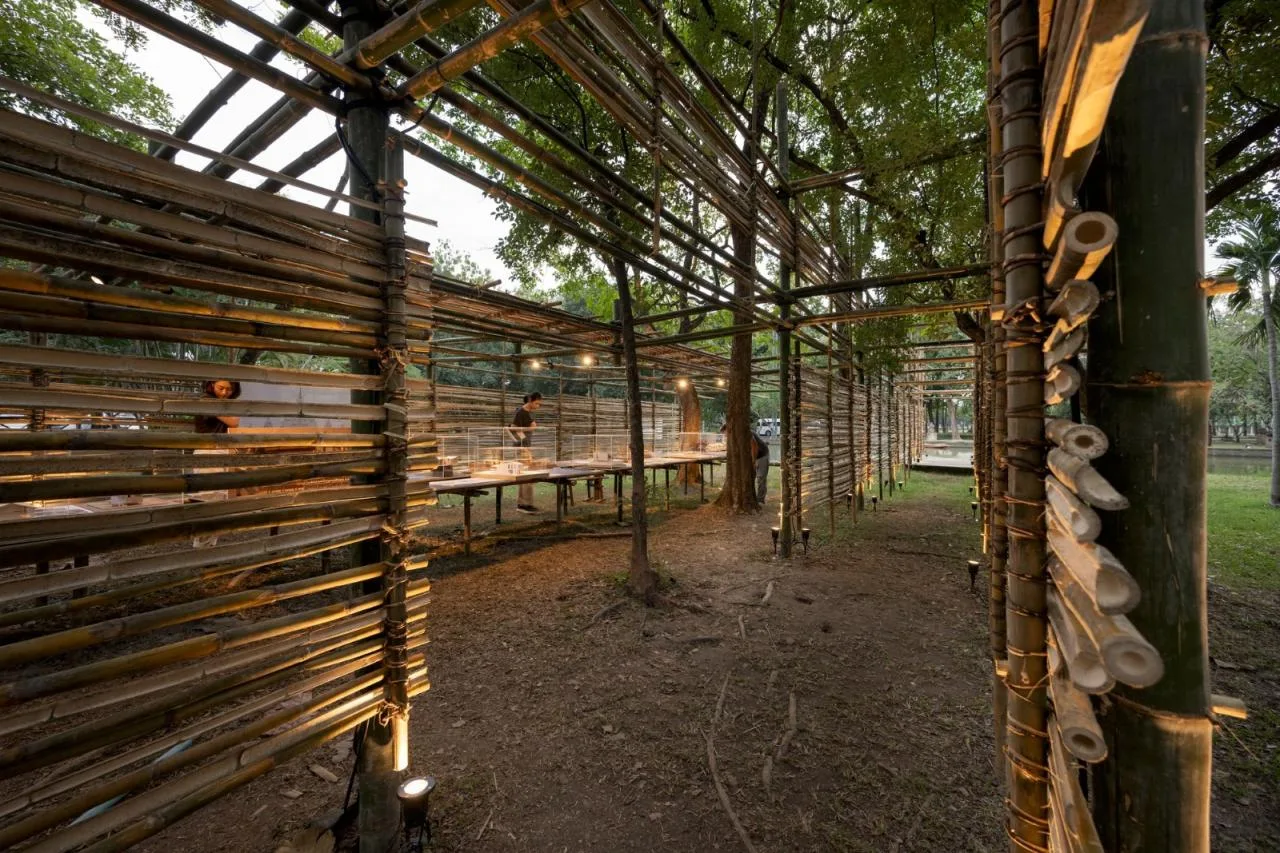
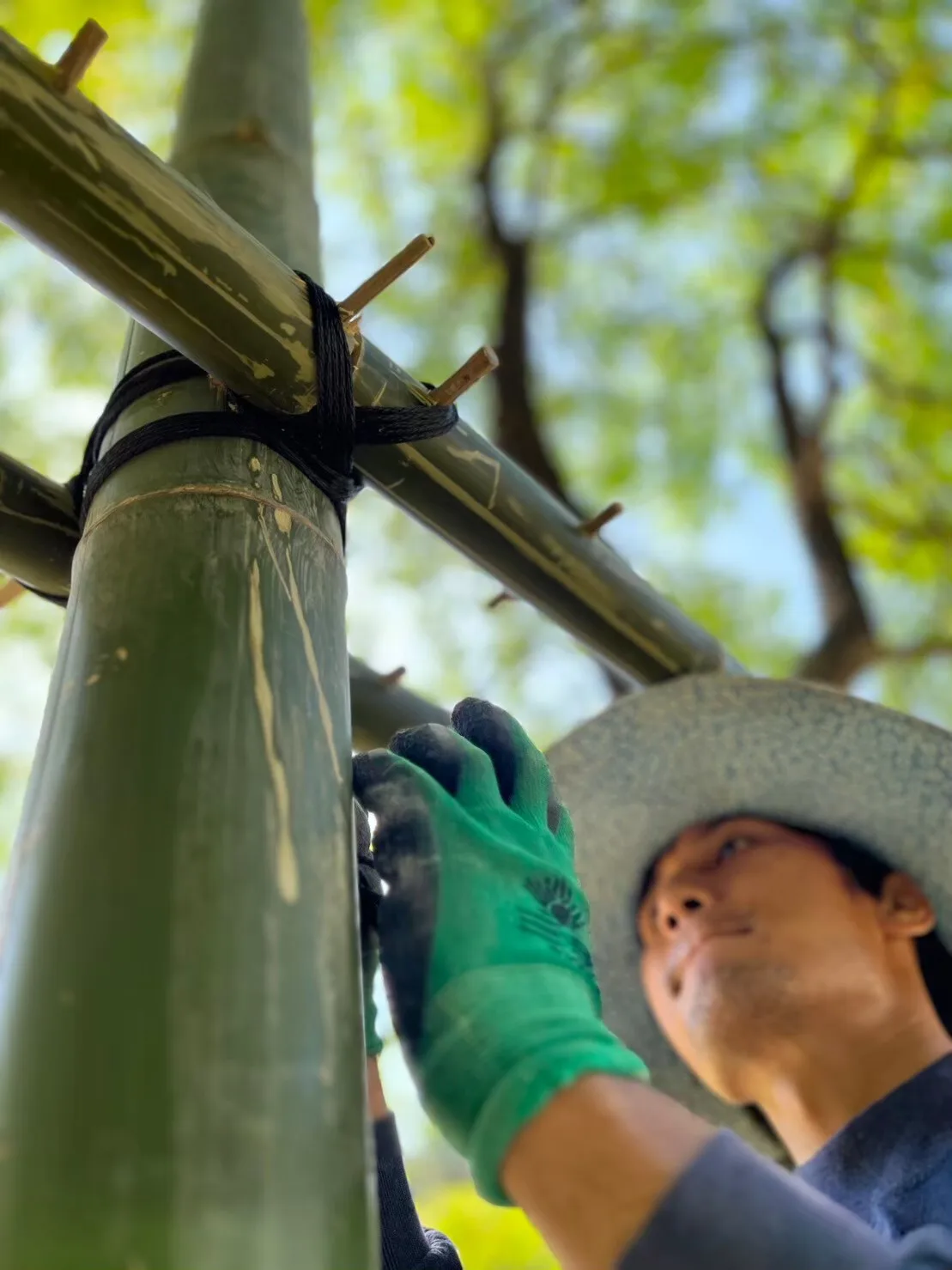
The building techniques involve bundling, binding, drilling, cutting, and carving, highlighting the craftsmanship of the Lisaw Karen ethnic group and local artisans from Nambang and Chiang Mai. Traditional tools such as knives, Prahs, Mui, and hand saws were employed, alongside various bamboo processing methods like splitting, cutting, and tying bamboo strips together using climbing plants.
As architects, our role extends beyond designing the aesthetic and spatial aspects of architecture. We are also responsible for content planning, communicating through design, and generating societal value through our work.
The “ชั่วครั้ง – ชั่วคราว” project embraces these responsibilities by focusing not only on the physical form but also on the broader significance of temporary architecture. It reduces the building’s role to facilitating specific activities during limited periods, highlights an environmentally conscious design process, and celebrates the people and local wisdom behind the construction. Additionally, it promotes sustainable material use and supports the transmission of traditional knowledge to future generations.
Project Drawings
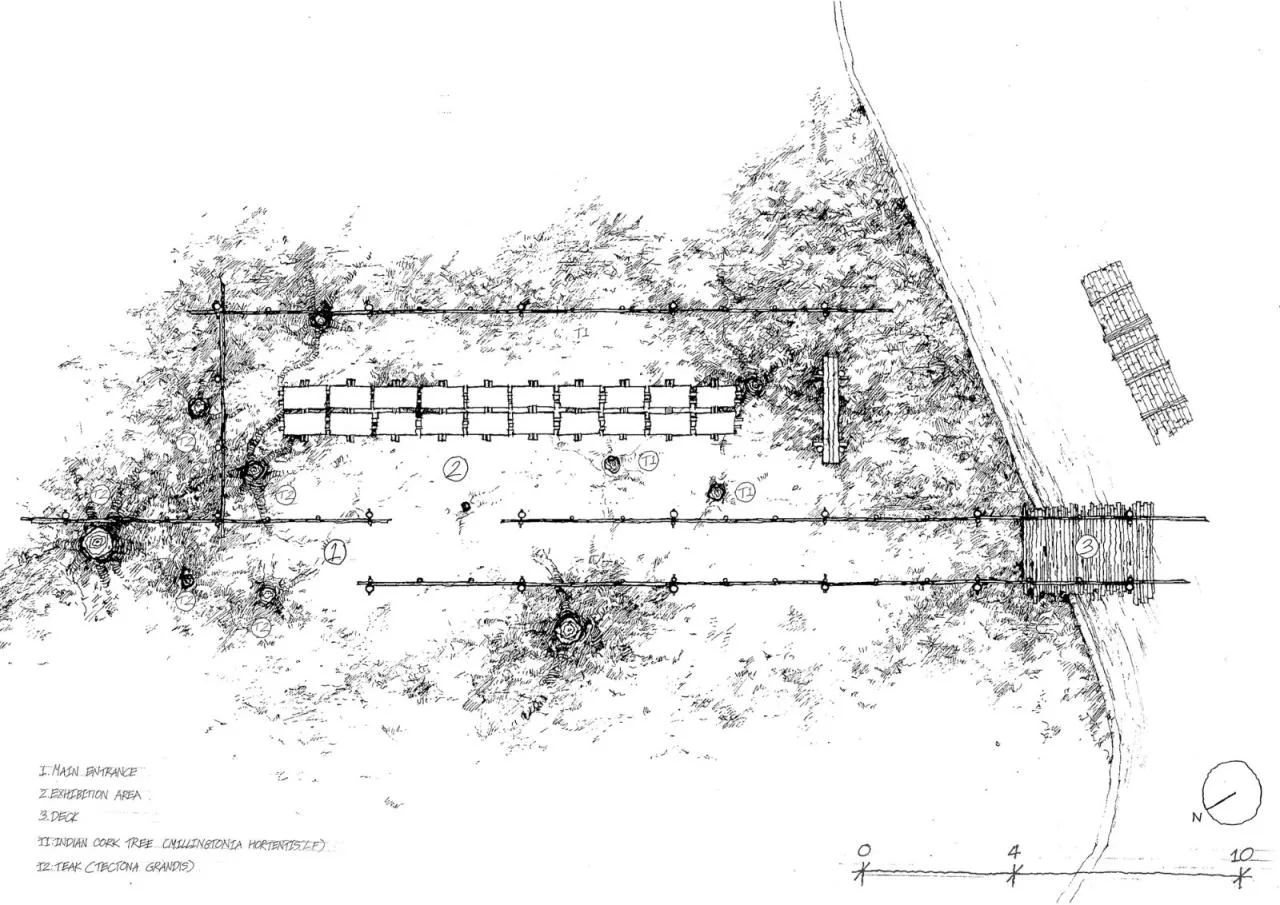
△ General Layout Plan
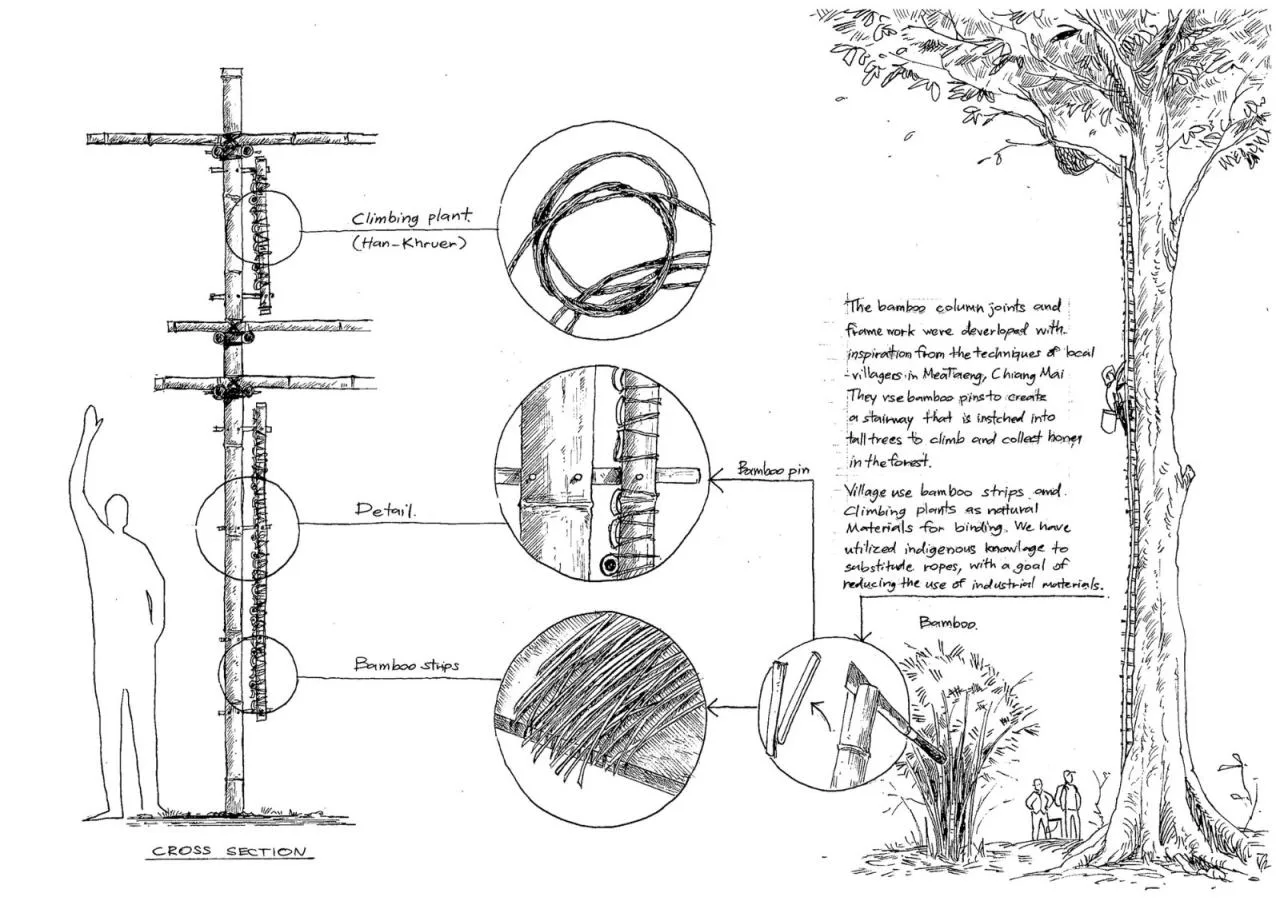
△ Analysis Chart
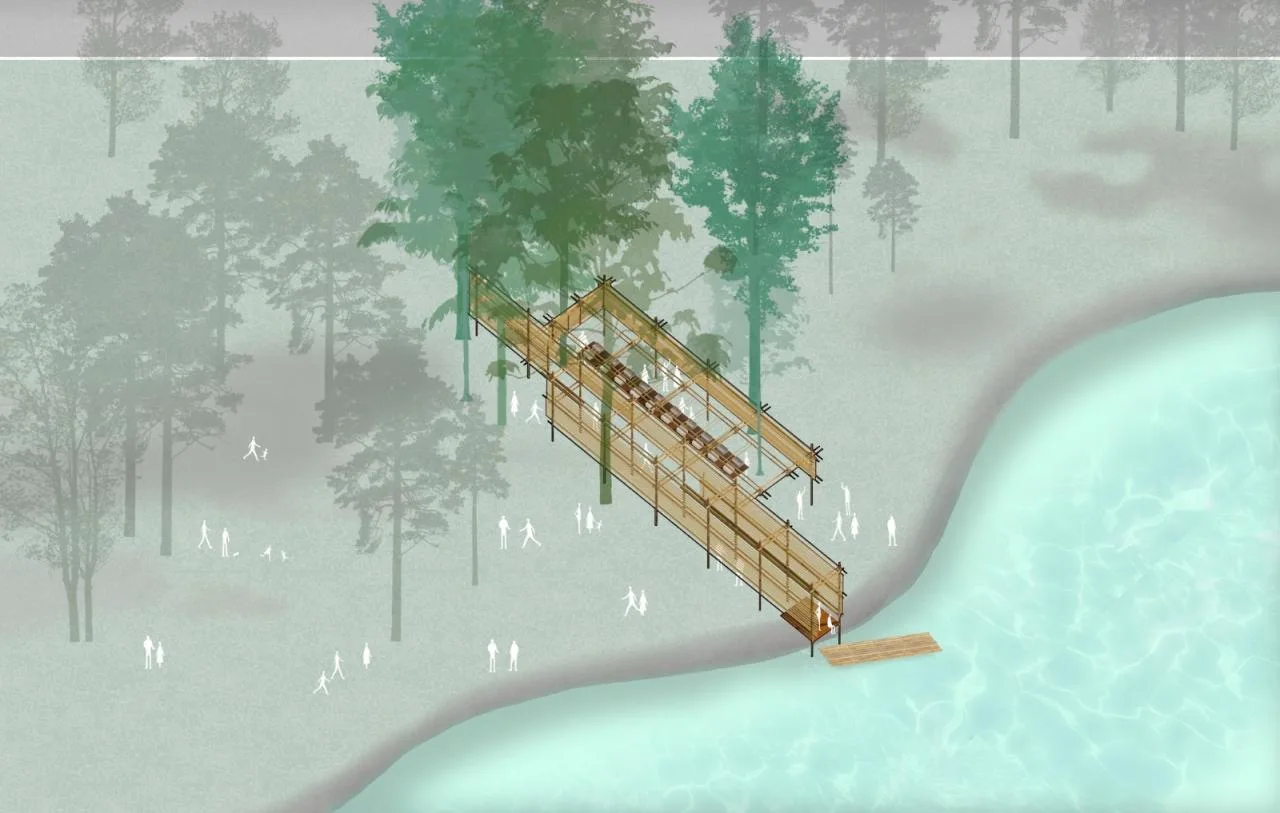
△ Axonometric Diagram
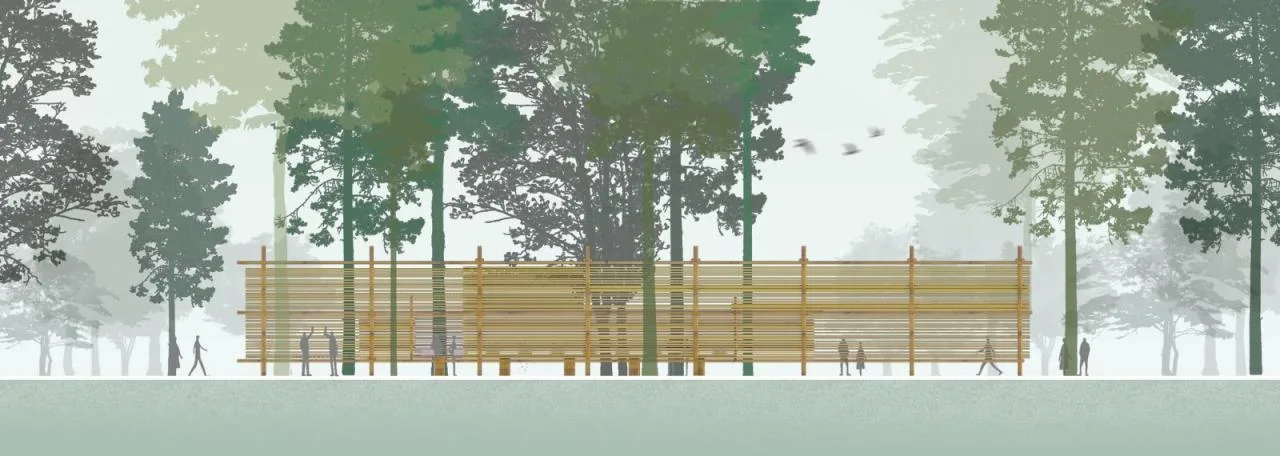
△ Elevation Drawing
Project Information
Architect: Yangnar Studio
Area: 157 m²
Project Year: 2023
Photographer: Rungkit Charoenwat
Lead Architects: Dechophon Rattanasathatham, Metee Moonmuang
Drawings: Staryu Sankham, Ranon Chotkamolpongsa, Supawit Rincome
Building Type: Exhibition, Small-Scale Architecture
Photographer: Metee Moonmuang
Narrative Text: Yangnar Studio
Construction Supervision: Metee Moonmuang
Construction Team: Yangnar Studio Builder Team
Location: Chang Phueak, Thailand












Must log in before commenting!
Sign Up