
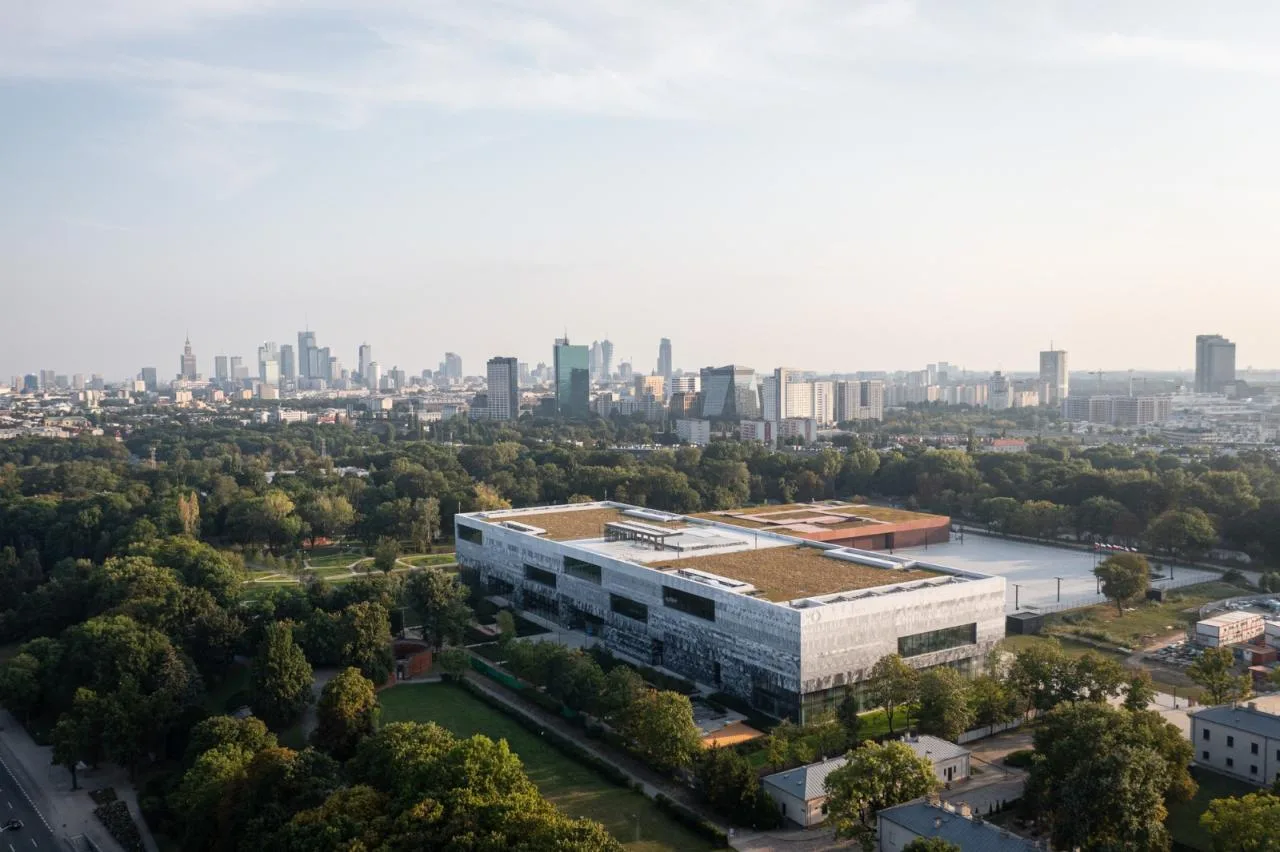
The architectural design for the Warsaw Museum Castle and the Polish History Museum dates back to 2016. The project was awarded to the Polish architectural firm WXCA, which had previously won an international architectural and urban design competition in 2009 for the new headquarters of the Polish Army Museum. The museum complex is planned on the site of a 19th-century fortress, echoing the concept of similar museum complexes found in other European capitals. The Museum Castle is envisioned as a public community space dedicated to culture, remembrance, daily entertainment, and leisure.
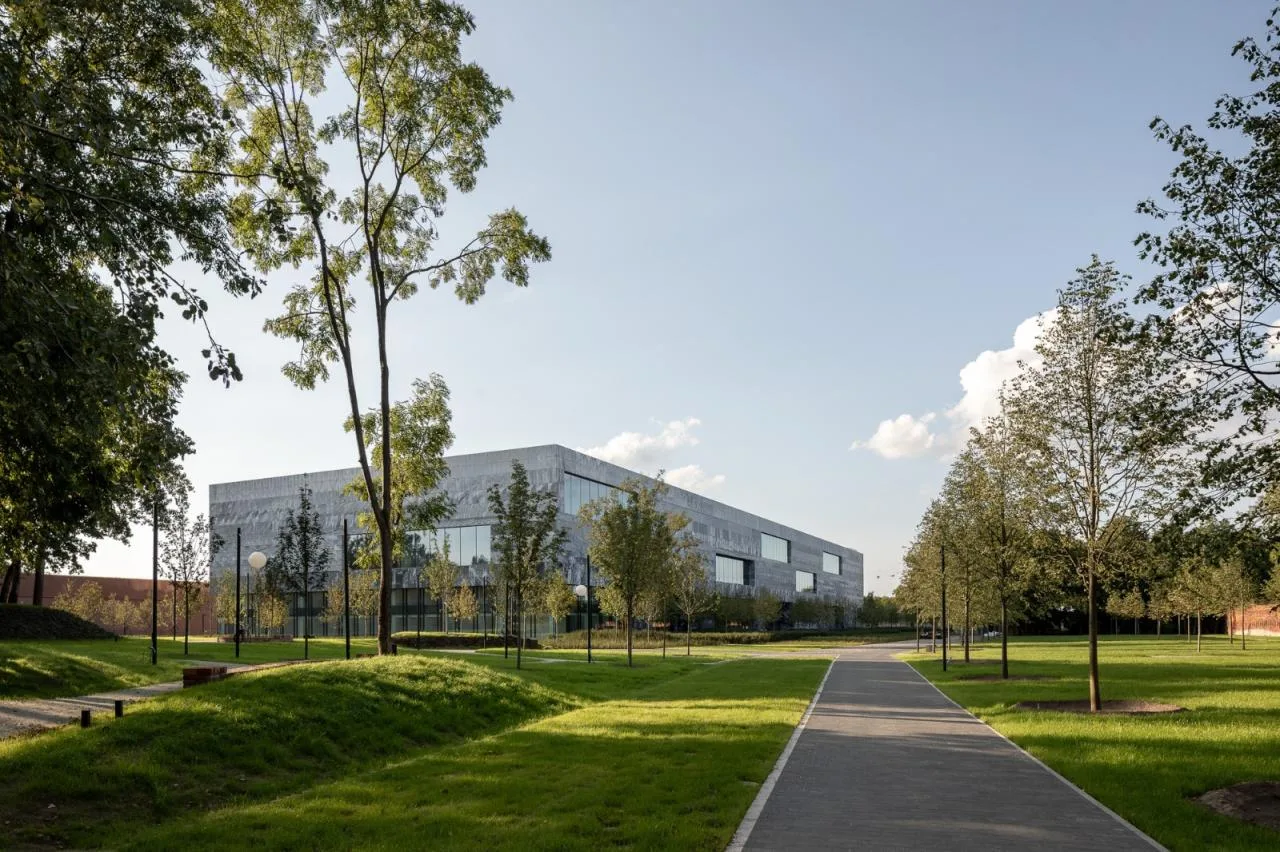
WXCA’s design draws inspiration from the spatial layout of the 18th-century Polish Royal Infantry Guard barracks. The proposed urban arrangement comprises three buildings: the Polish History Museum situated at the center, flanked by two low-rise twin buildings housing the Polish Army Museum. These structures frame the Polish Royal Infantry Representative Square to the north and south. Additionally, the complex includes a municipal park spanning over 30 acres.
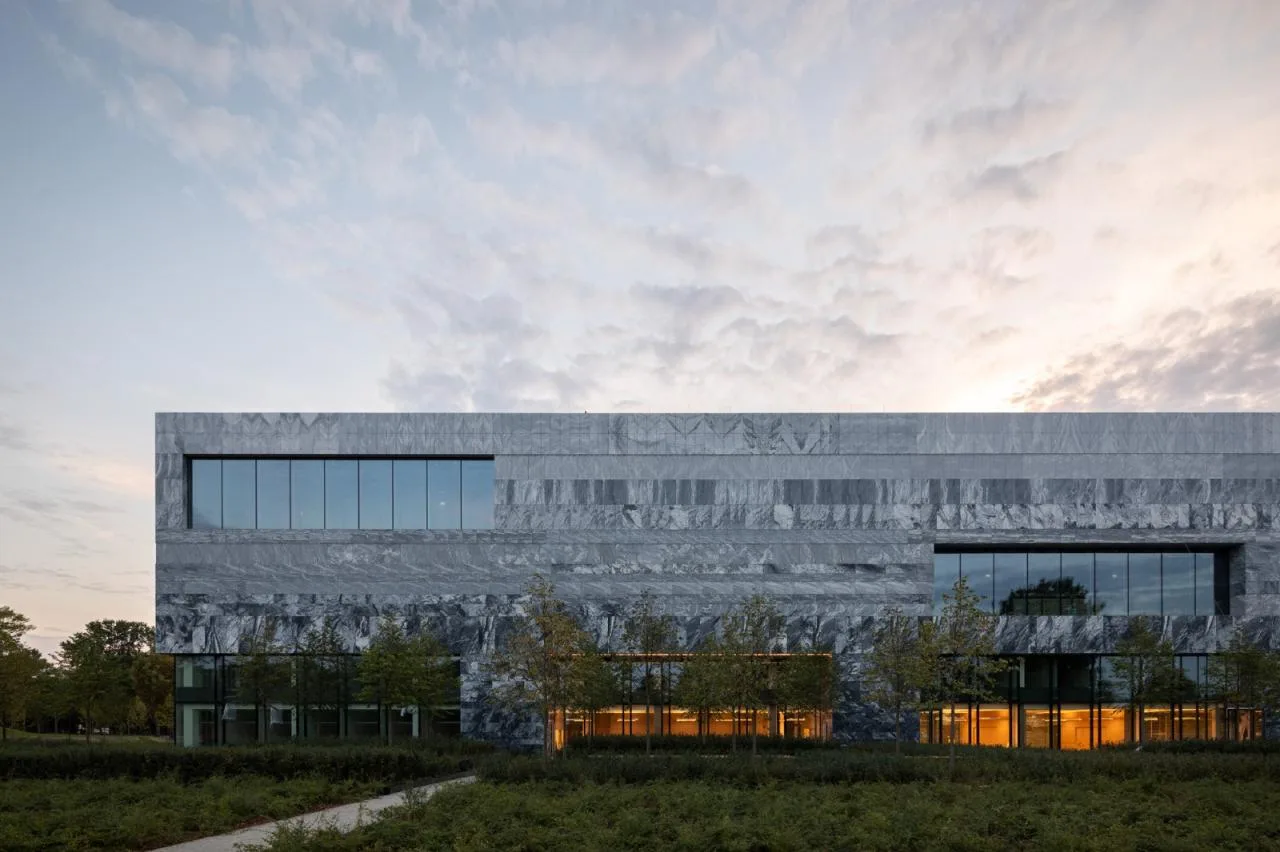
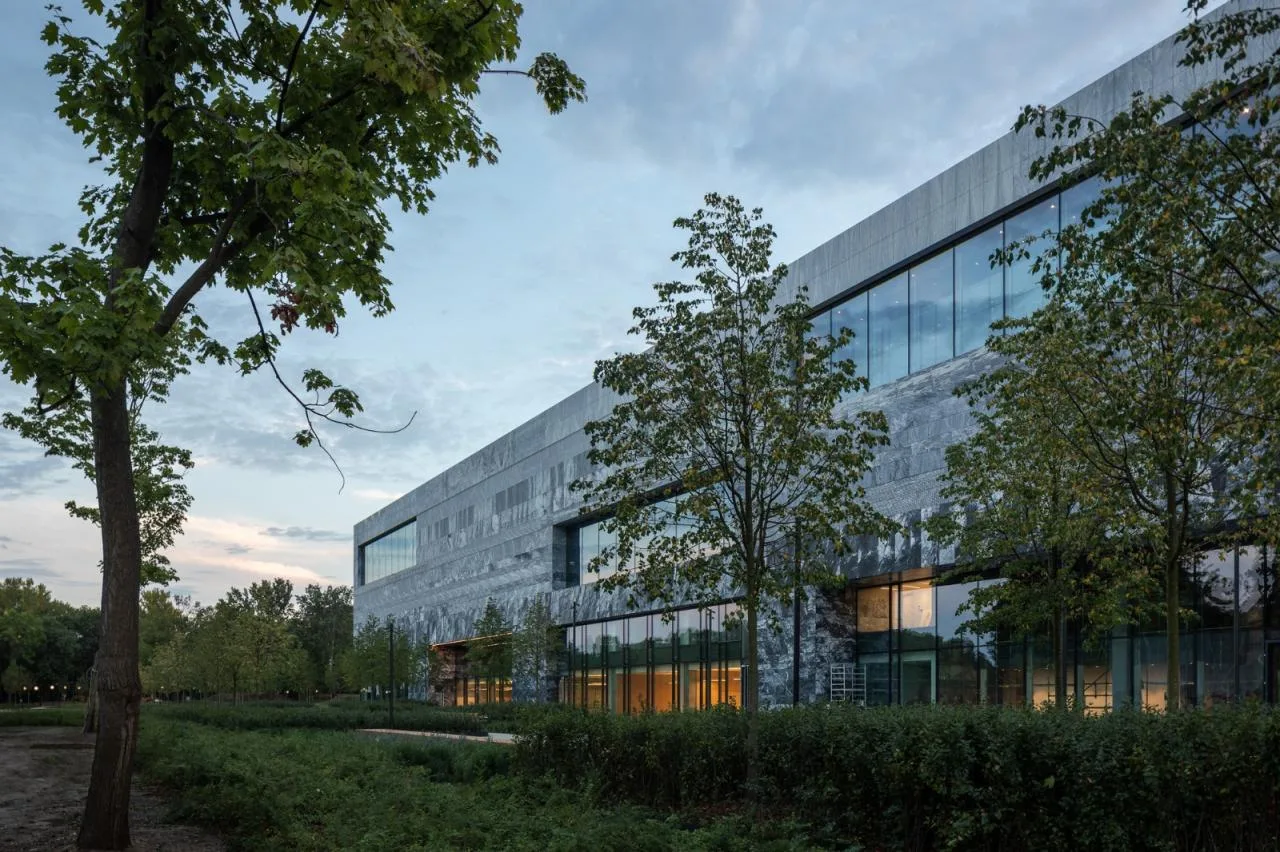
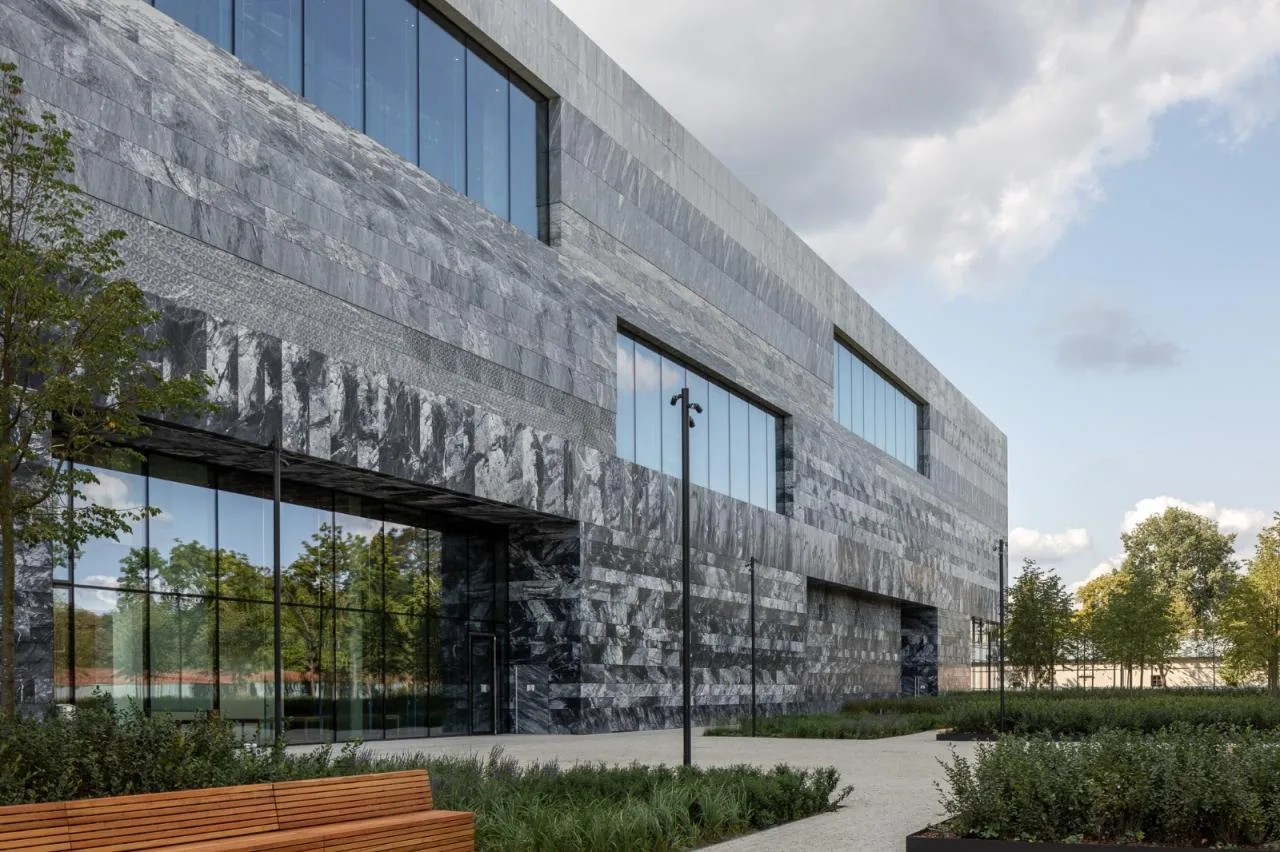
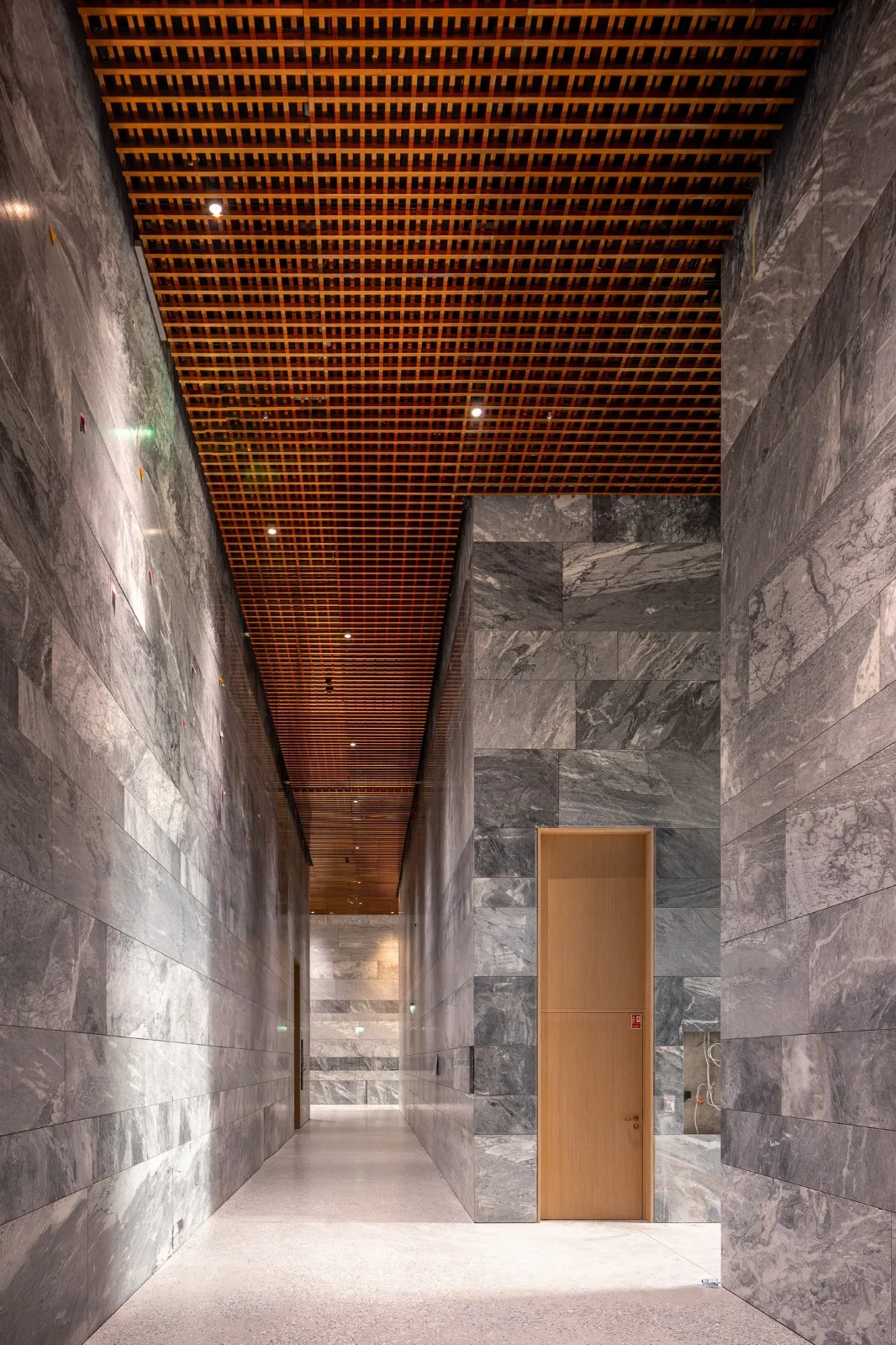
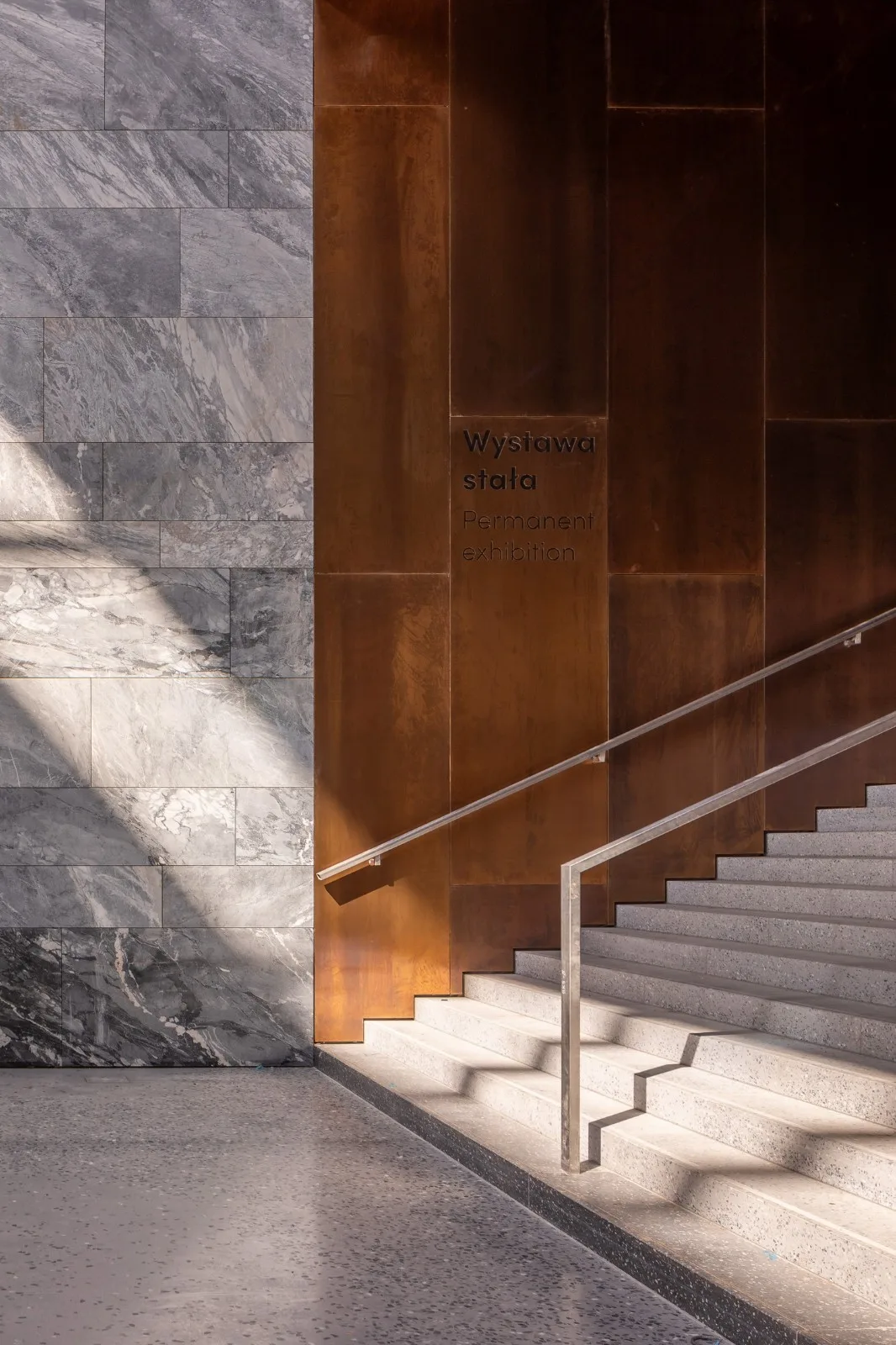
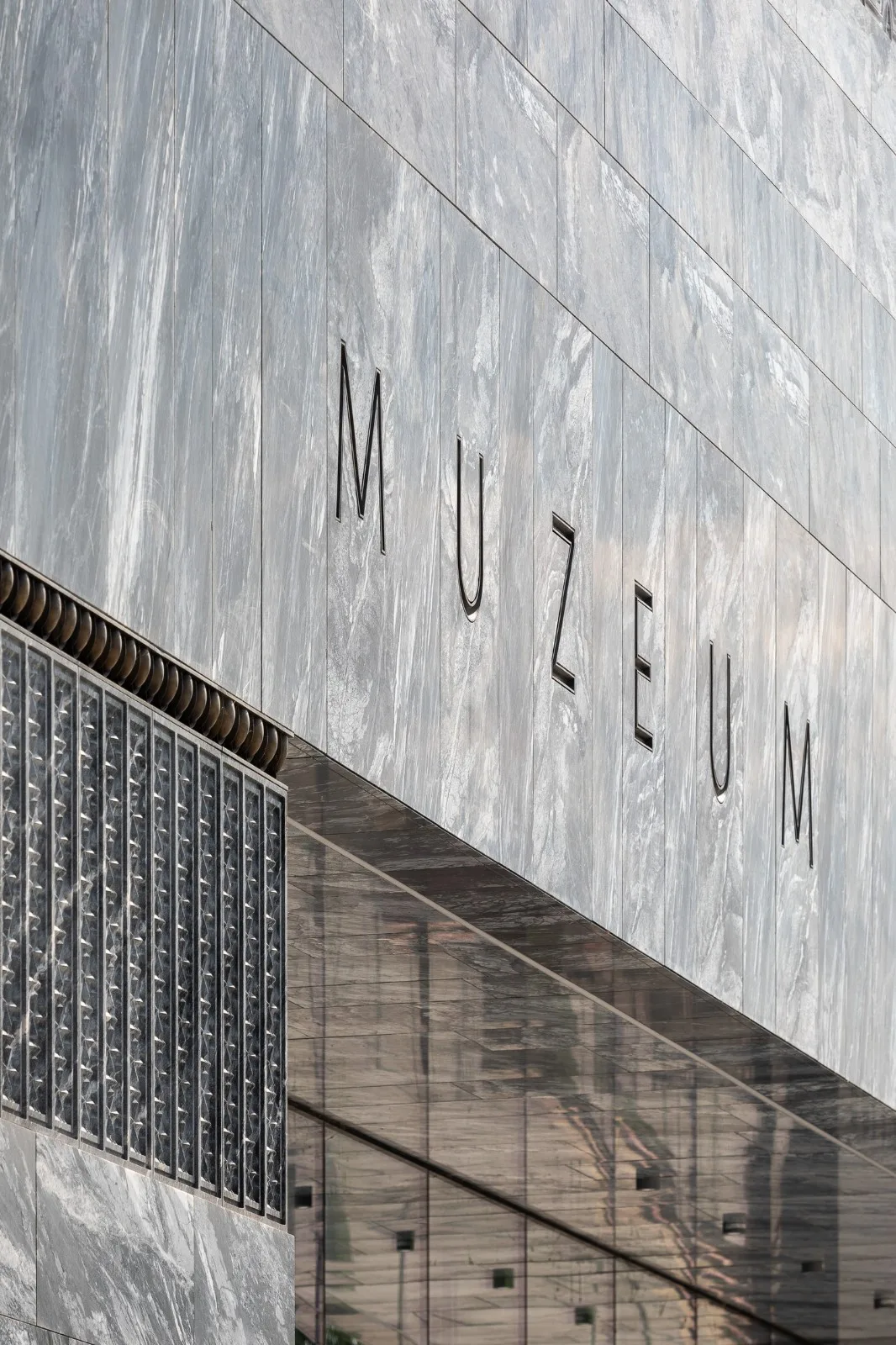
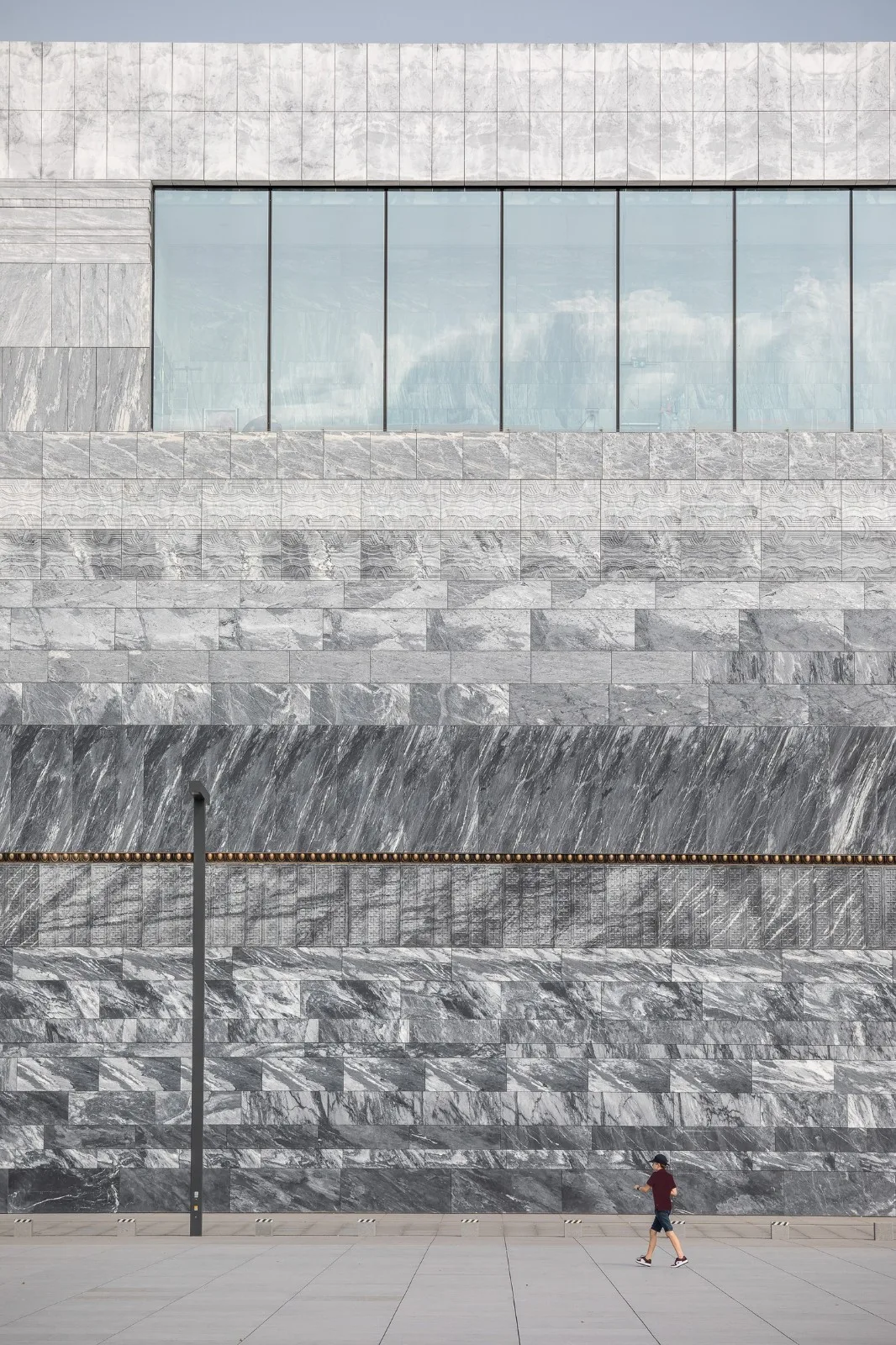
The history etched in stone emphasizes the distinct architectural expressions of the two headquarters, highlighting their unique characteristics. Differences in their organizational layouts and material choices reflect their individual identities. The architectural concept behind the Polish History Museum presents a philosophical narrative of history, using stone as a storytelling medium to reveal traces of the past.
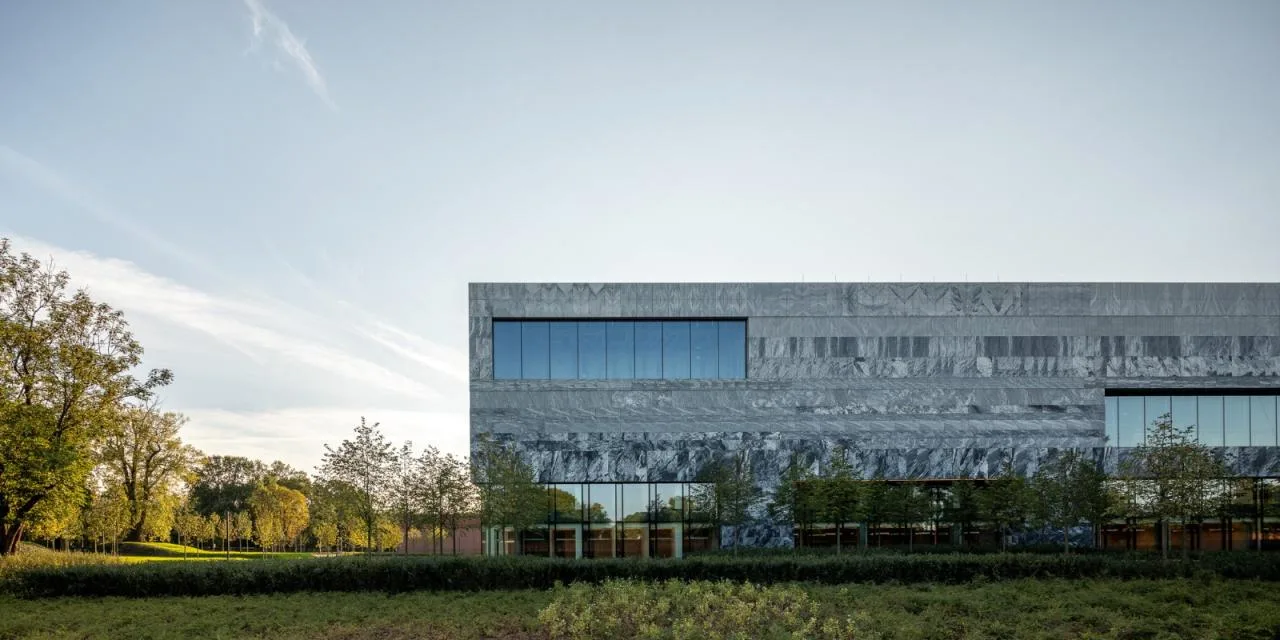
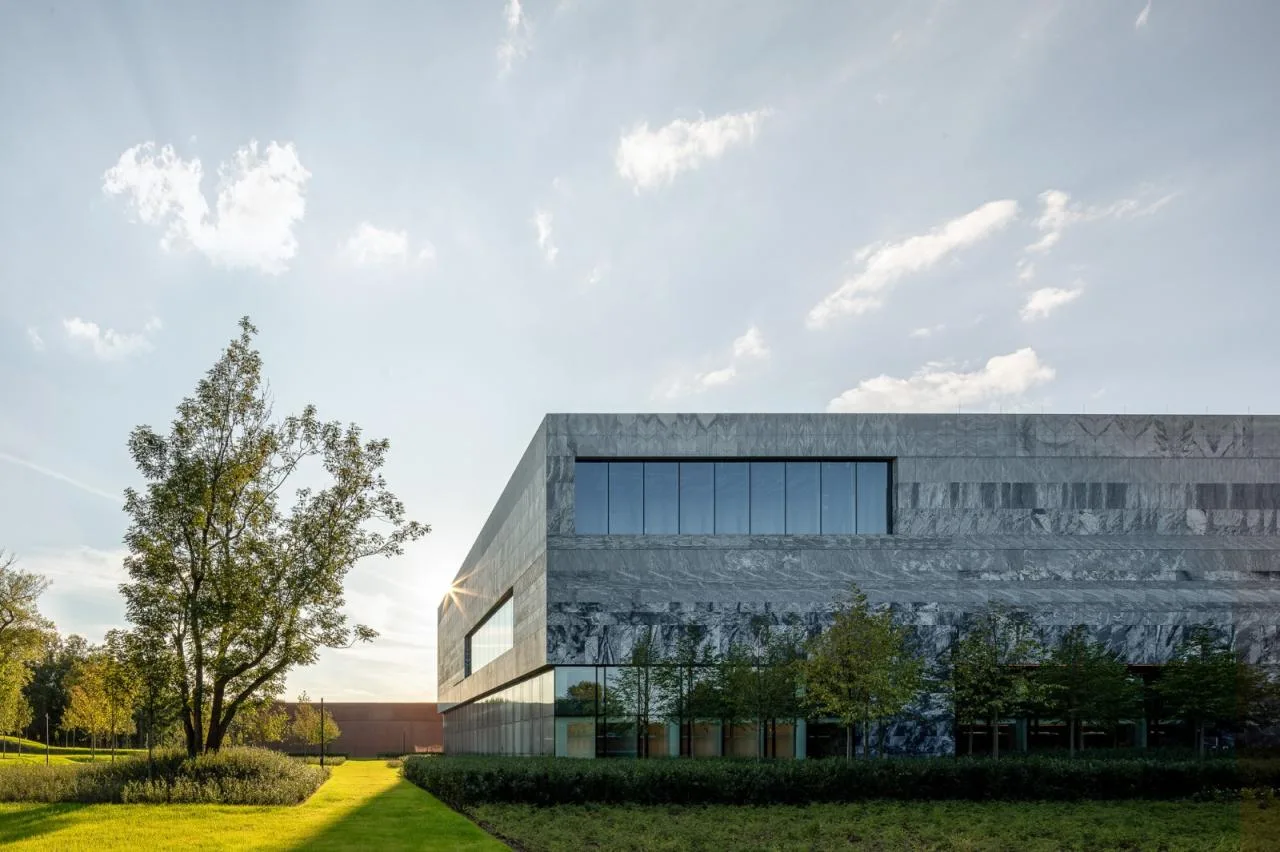
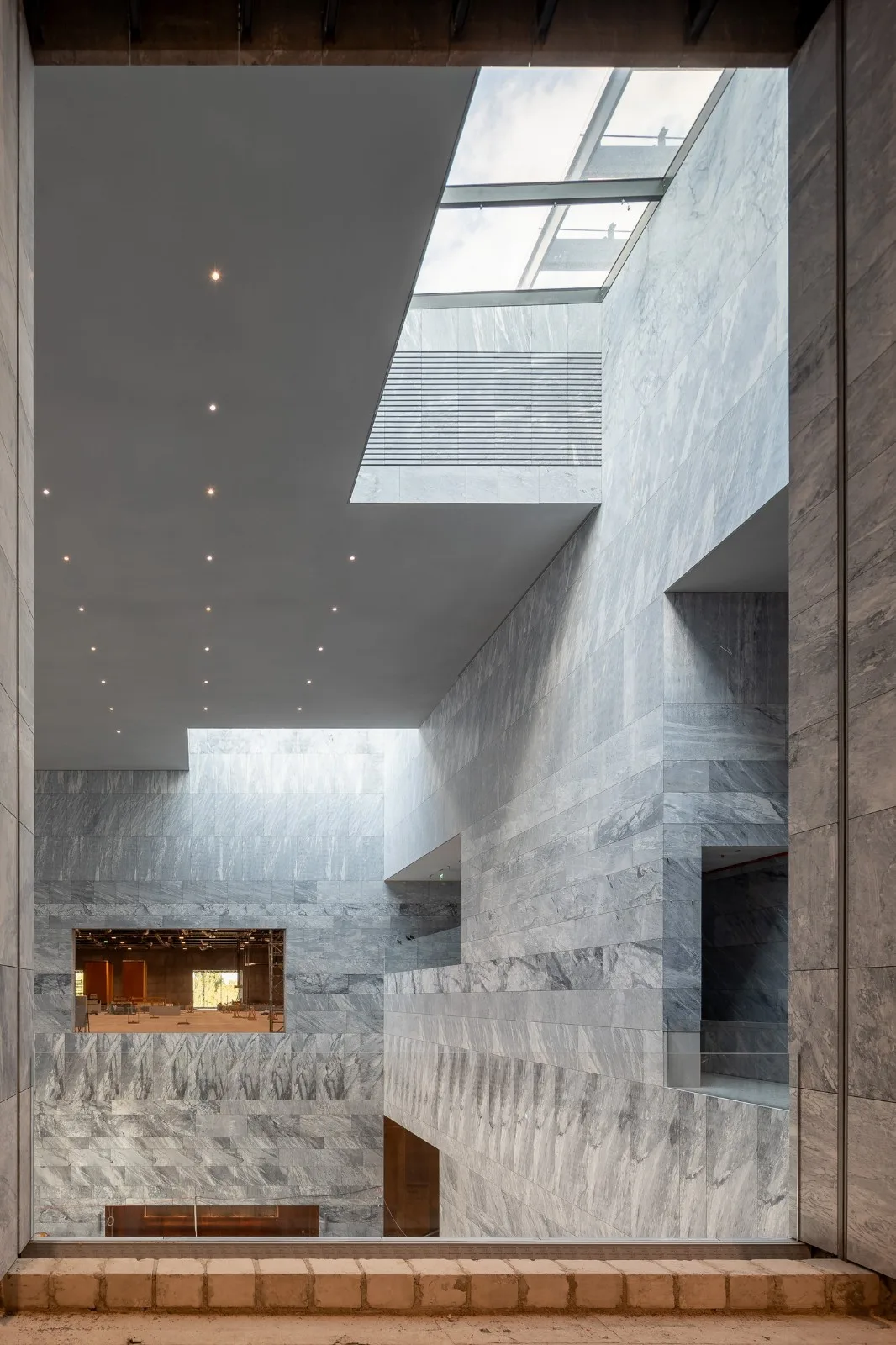
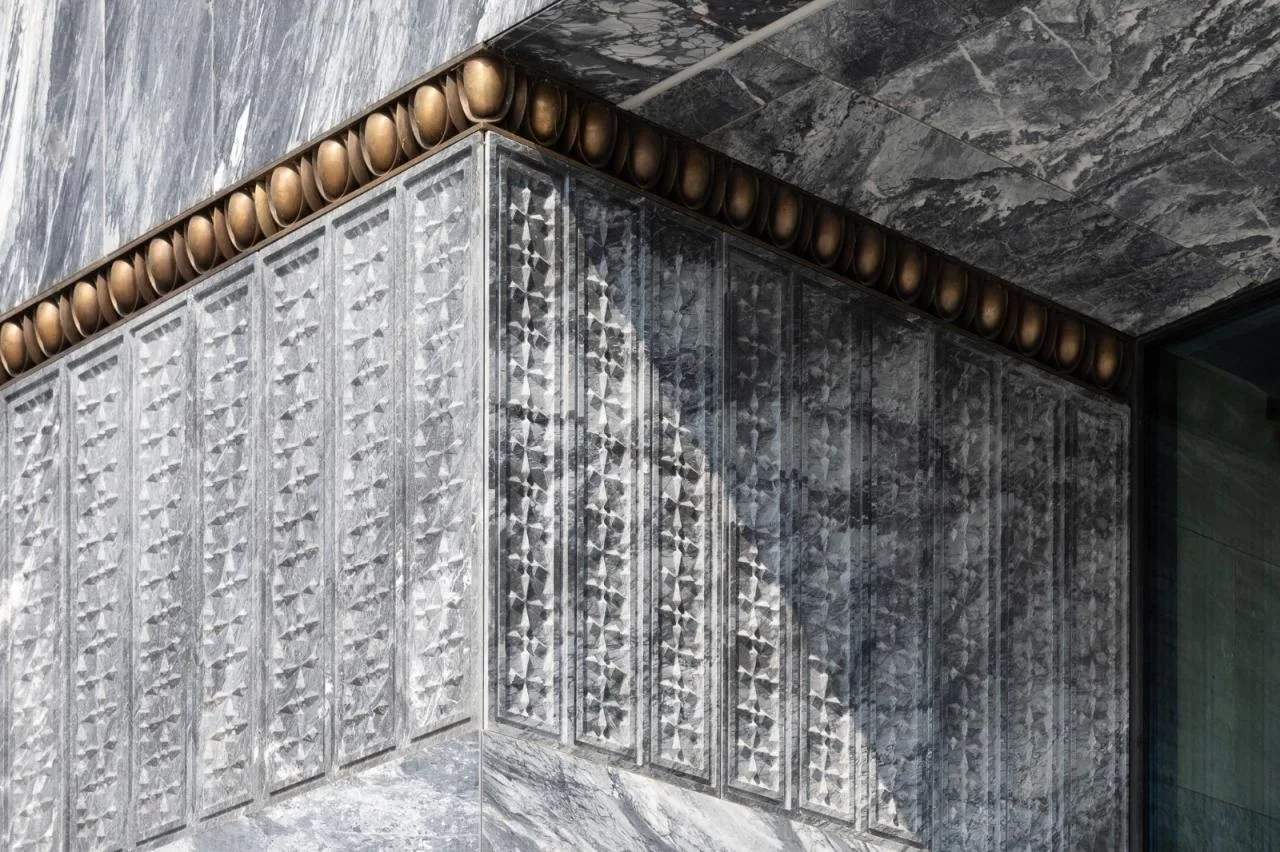
Each stone slab is meticulously crafted; some are repeated, while others are mirrored. The architect utilized six different stone processing techniques to achieve varying tones and textures in specific areas. The decorative architectural details reference traditional motifs, serving as symbolic additions to the overall design. These elements can be seen as artifacts from various historical periods, interpreted through archaeological cross-sections. Although not directly replicated, these forms have undergone geometric transformations inspired by patterns such as reliefs from the Gate of Gniezno, crystal domes from the Gothic era (e.g., the Assumption Cathedral in Gdansk), decorations from St. Sigismund Church in Krakow, and motifs from the modernist Spodek Arena in Katowice.
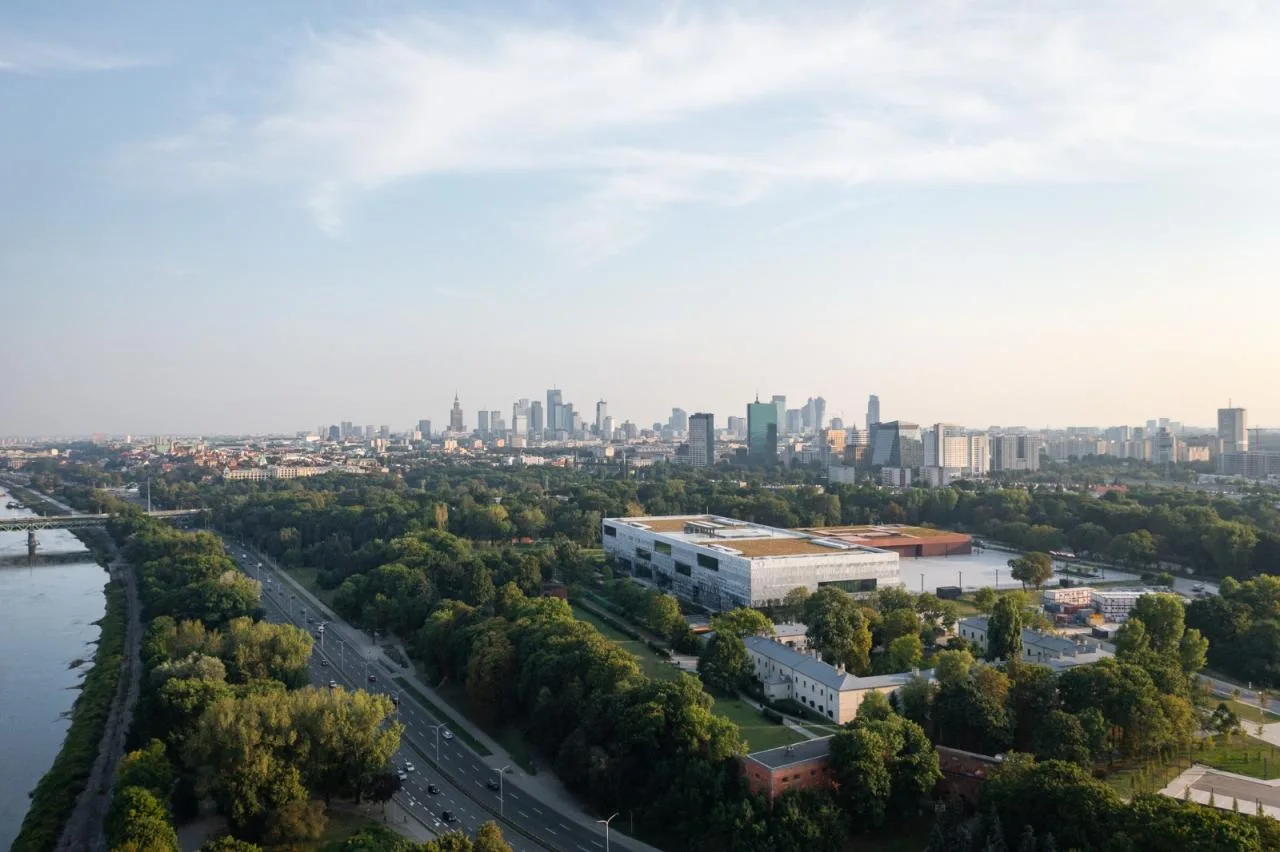
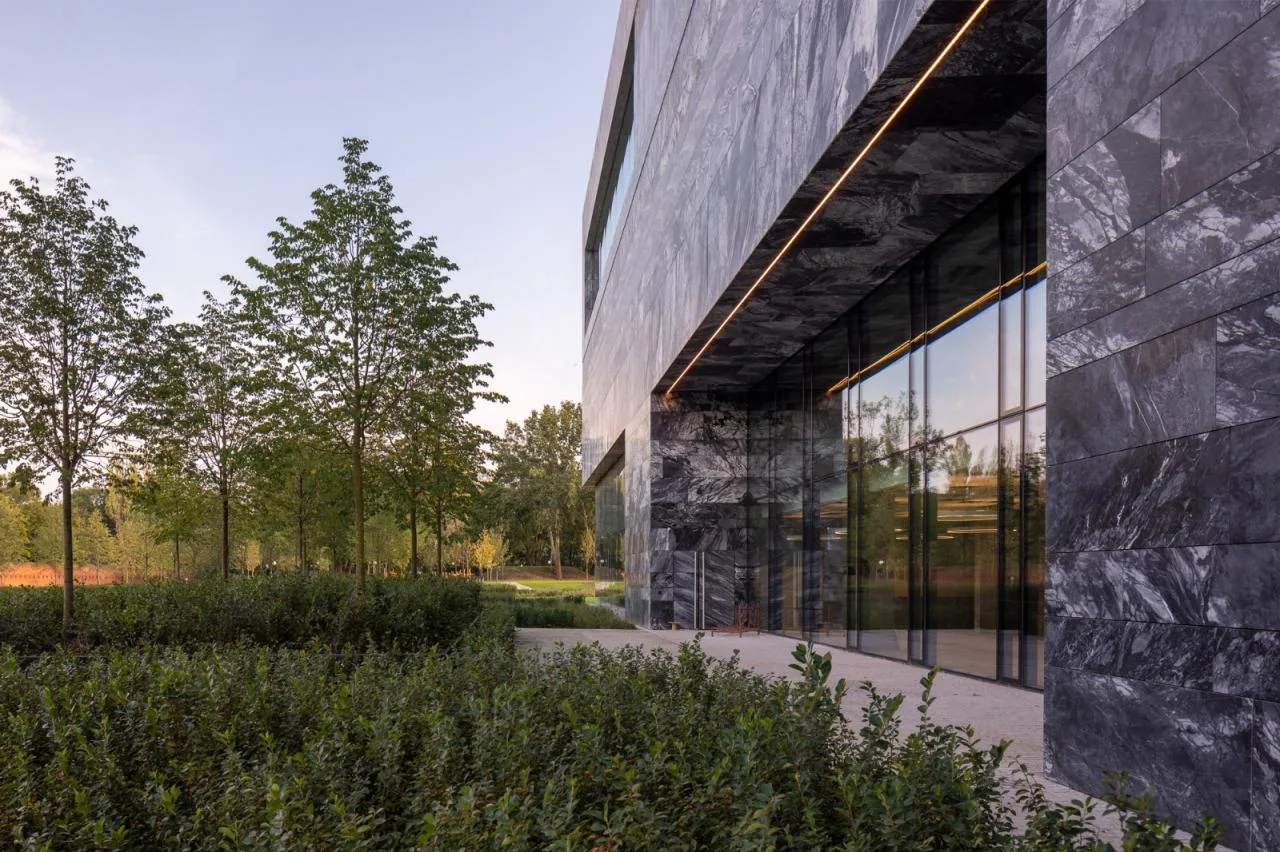
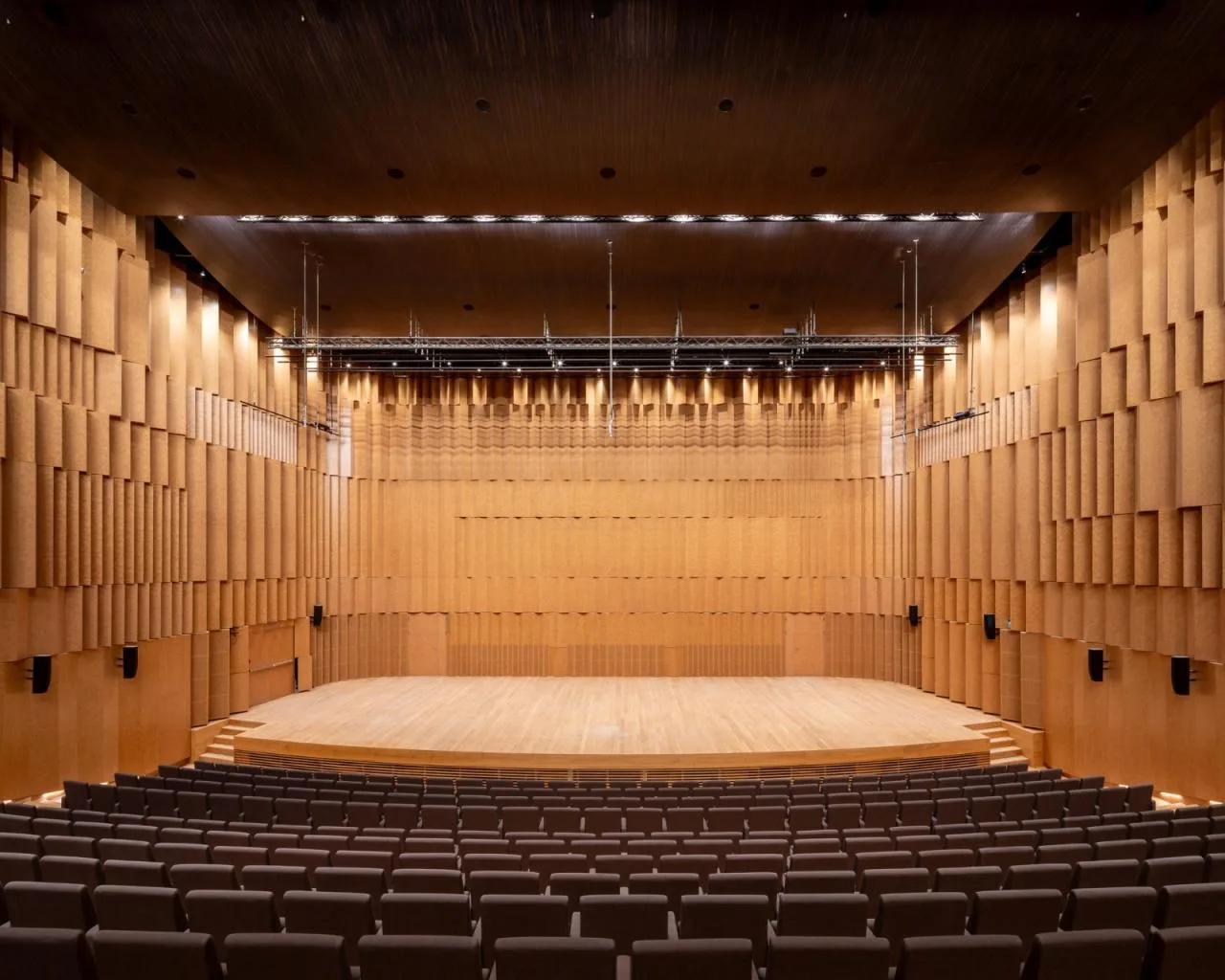
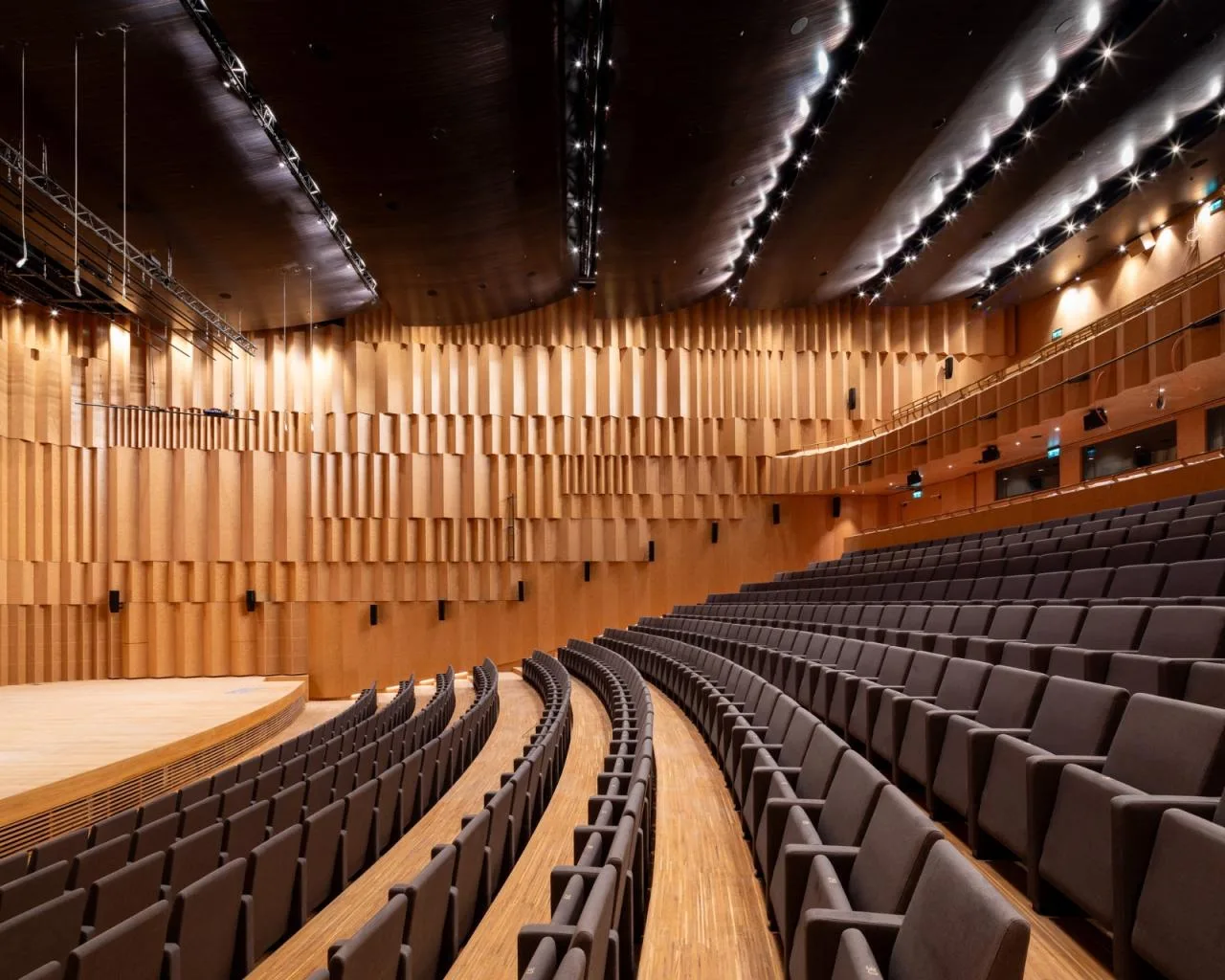
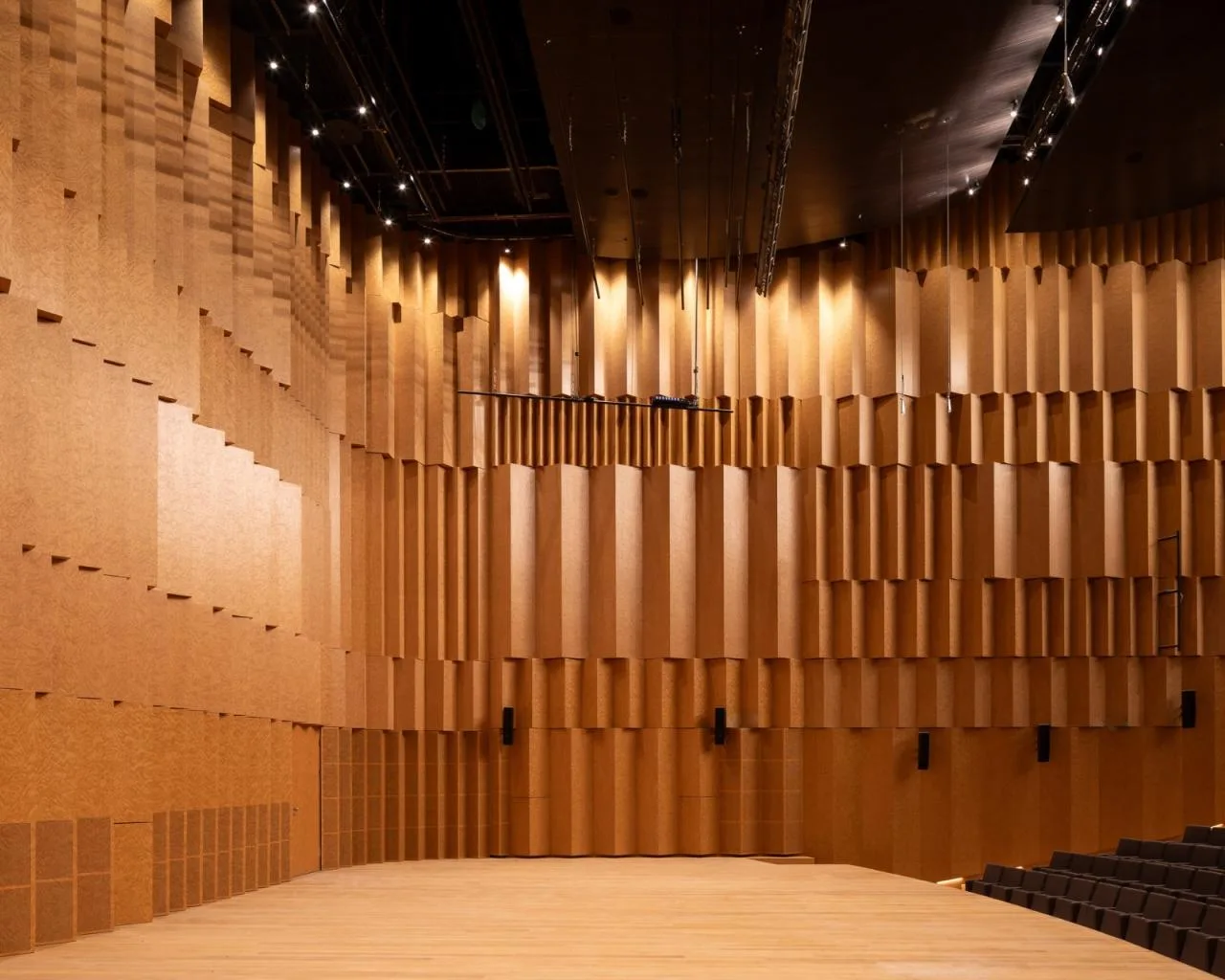
The Polish History Museum serves as a cultural center spanning nearly 45,000 square meters, welcoming approximately 500,000 visitors each year. Beyond exhibition spaces and facilities for preserving cultural relics, the museum includes various amenities such as a 600-seat music hall, a cinema and theater hall, a library, conference and study rooms, dining areas, and a viewing platform that offers panoramic views of Warsaw.
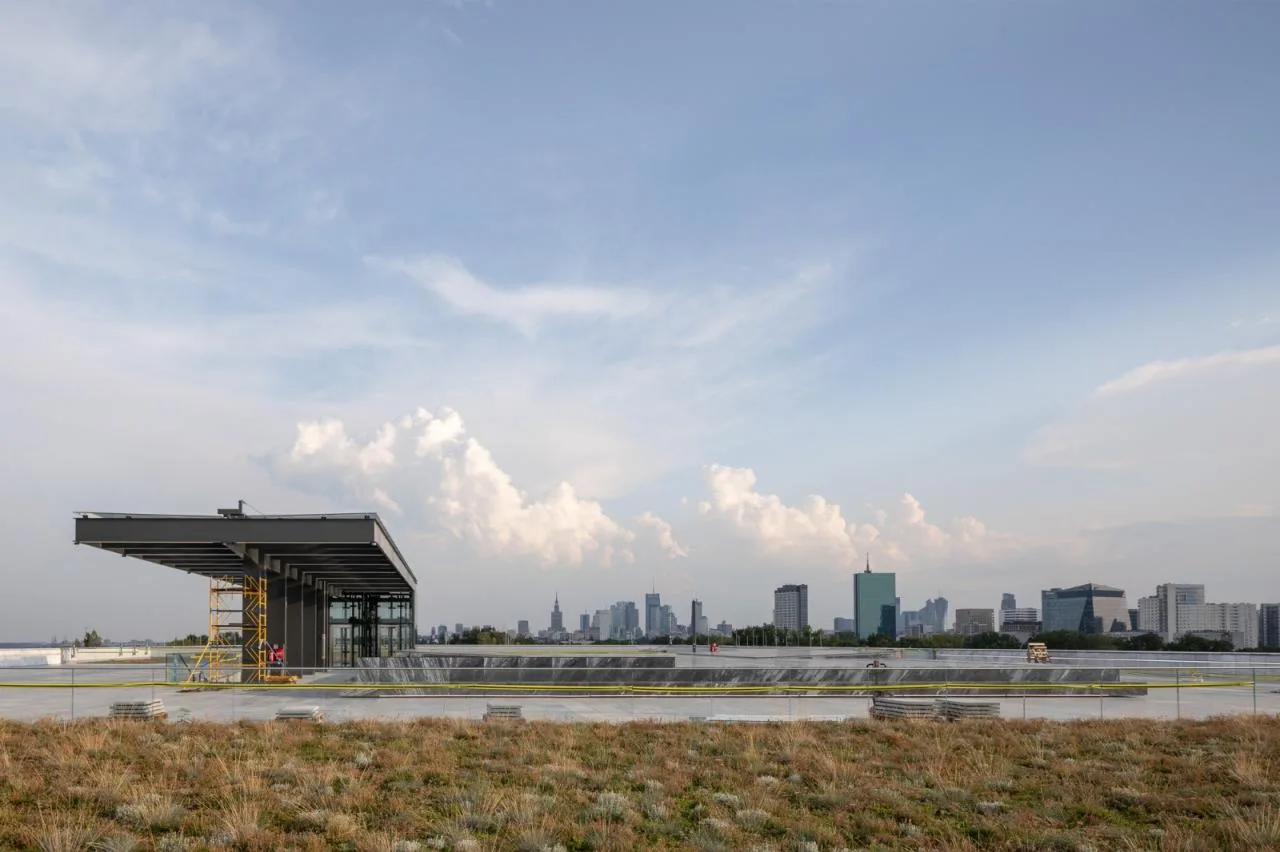
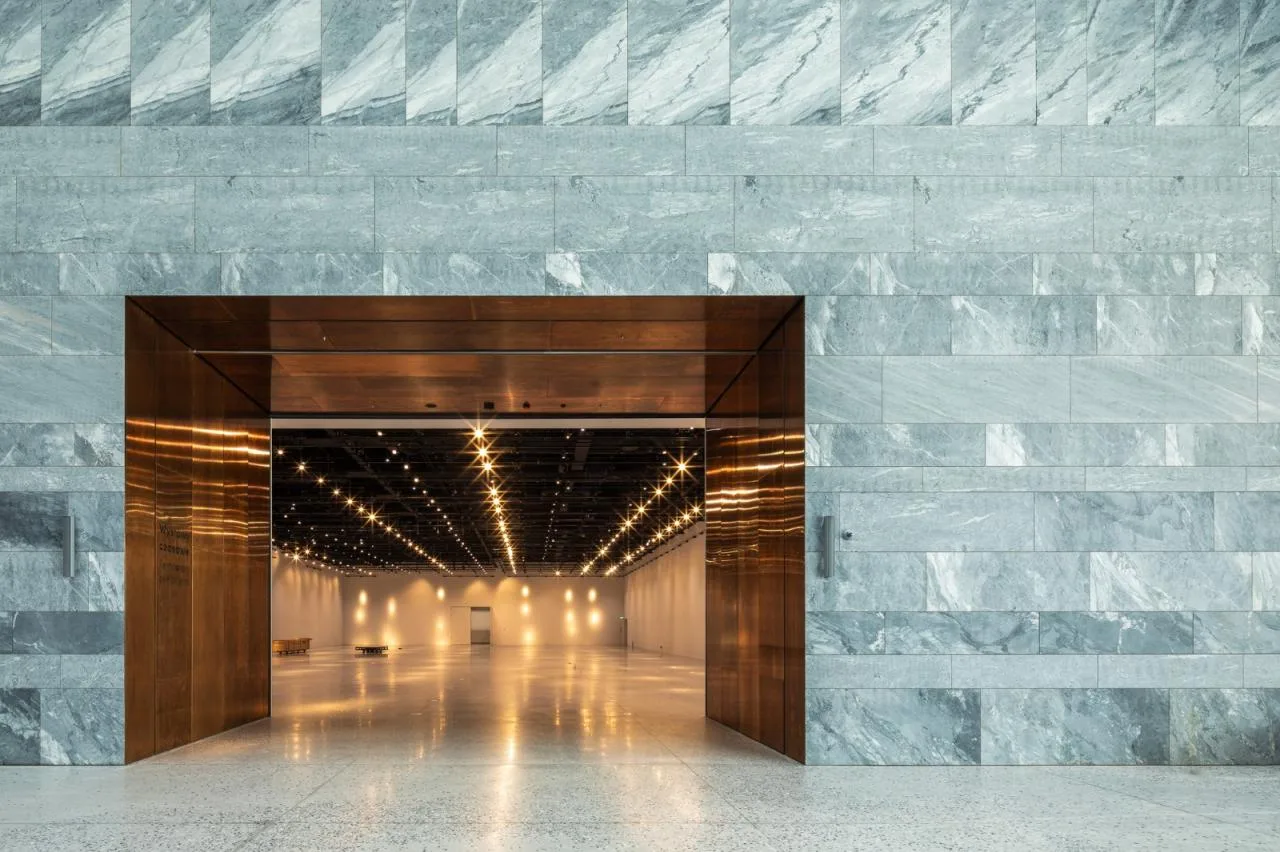
Alongside the recently opened Polish Military Museum and the X and Katyn Museums located within the Warsaw Castle grounds, the Polish History Museum will become part of one of Europe’s largest and most modern museum complexes. The project’s first phase, developed in collaboration with the Polish History Museum and the South Building of the Polish Military Museum, includes the creation of a city square with underground parking and a new entrance gate on one side of the Vistula River. A pedestrian overpass is planned to connect the castle district with Wojska Polskiego Avenue and the Żoliborz district. The later phase will complete the northern building of the Polish Military Museum, the open-air exhibition roof, and the restoration of historical defensive structures.
Project Information
Architect: WXCA
Project Year: 2023
Photographer: Daniel Ciesielski
Project Team: Szczepan Wroński, Paweł Grodzicki, Krzysztof Budzisz, Marta Sękulska-Wrońska, Katarzyna Billik, Rafał Boguszewski, Kamil Cedzyński, Anna Dobek, Małgorzata Gilarska, Beata Głaz, Marcin Jurusik, Michał Kasprzyk, Ludwik Kaizerbrecht, Marcin Kruk, Paulina Kucharska, Michał Lipiec, Anna Majewska, Krzysztof Marciszewski, Adam Mierzwa, Mariusz Niemiec, Magdalena Nowak, Magdalena Julianna Nowak, Barbara Płonczyńska, Zuzanna Rosińska, Michał Staniszewski, Łukasz Szczepanowicz, Kajetan Szostok, Krystian Tomczyk, Paweł Wolanin, Michał Żurek, Paweł Słupski, Michał Kalinowski
Location: Warsaw, Poland












Must log in before commenting!
Sign Up