
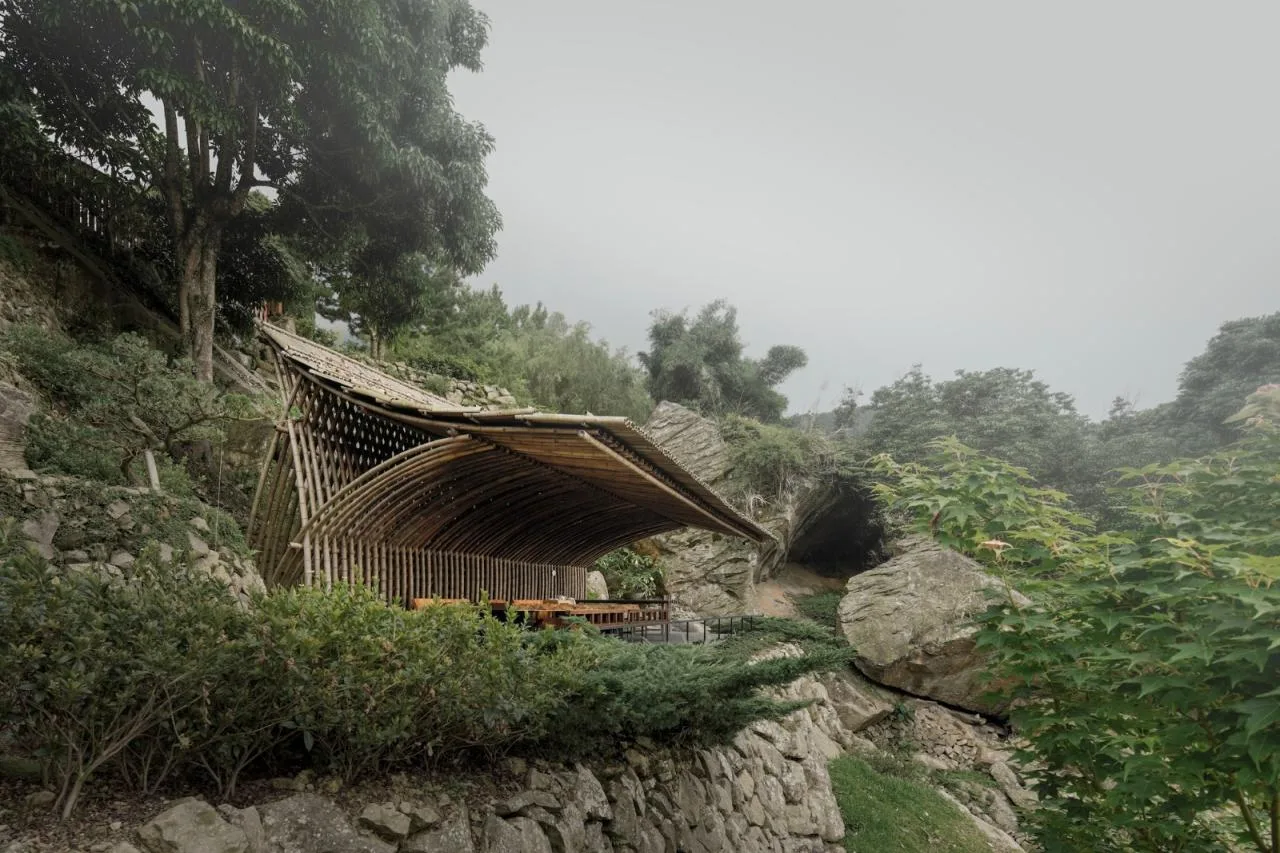
For centuries, humans have learned to build efficiently by adapting to local natural laws, much like plants and animals that modify their habitats and genes to maximize energy efficiency, protect themselves, and ensure species survival. However, over time, we have also lost touch with how to coexist and thrive alongside nature.
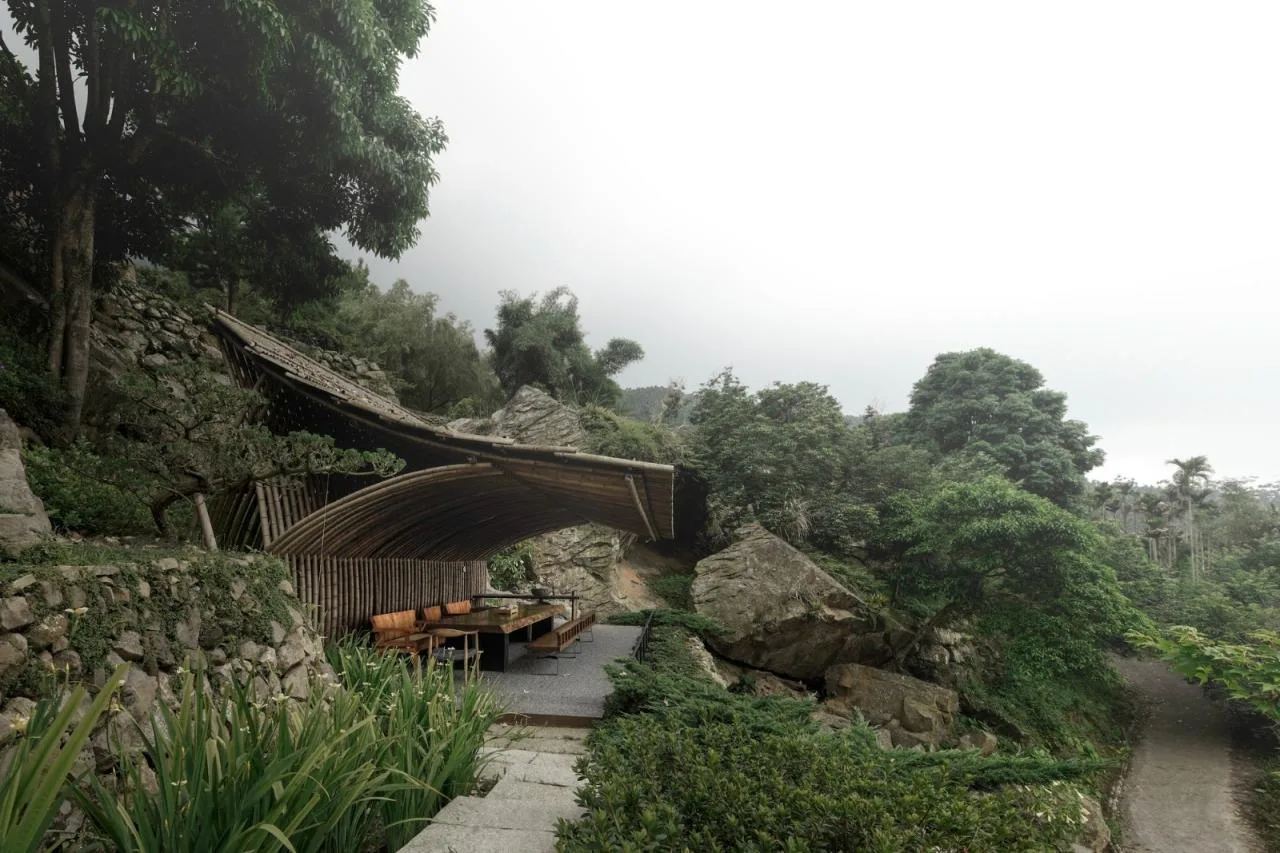
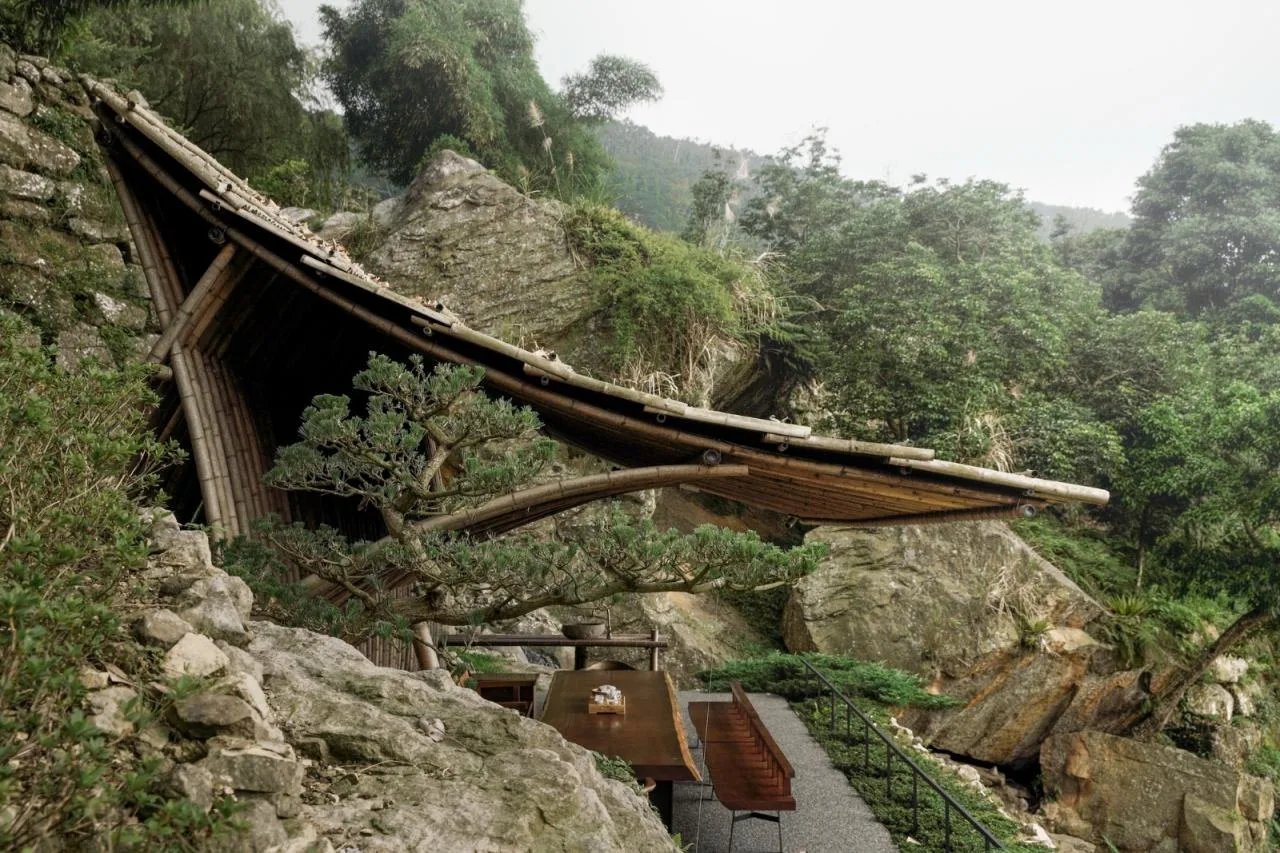
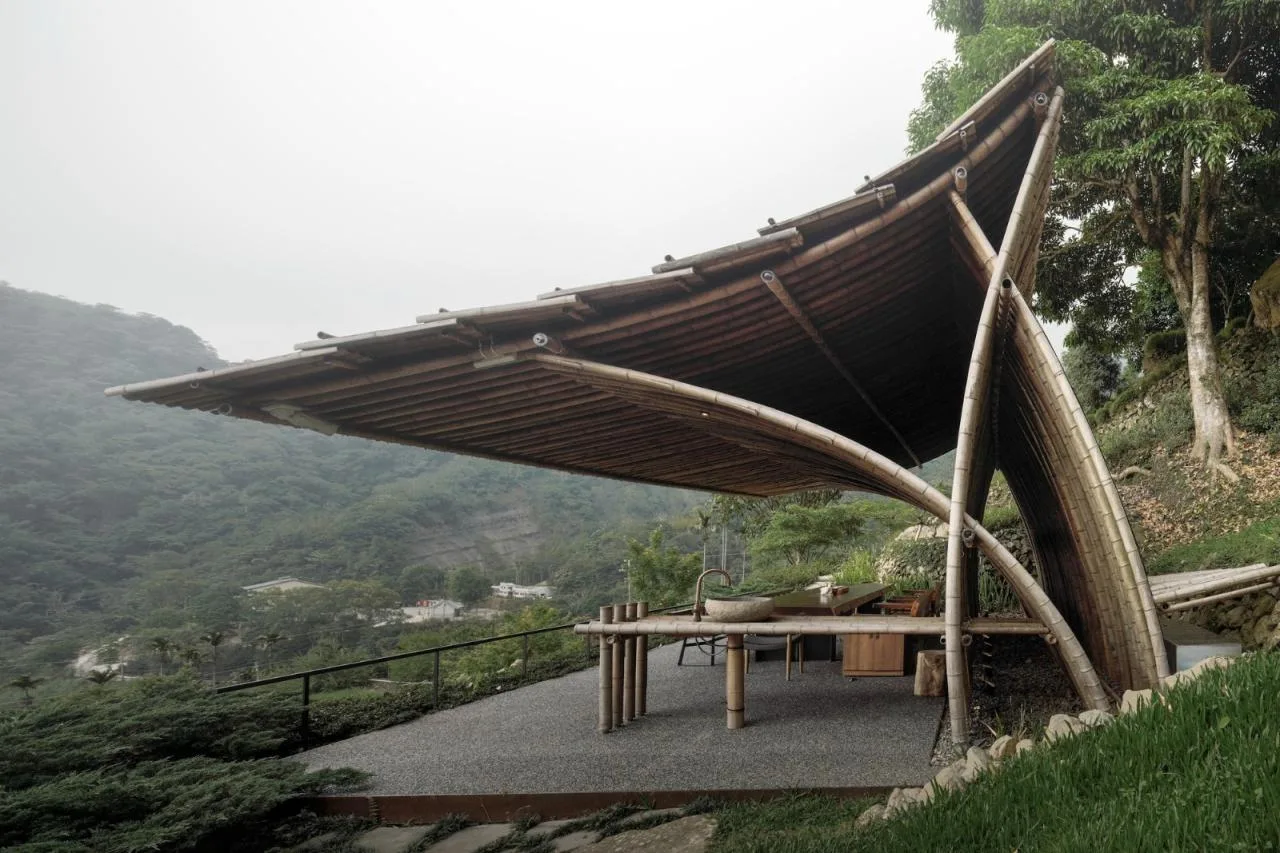
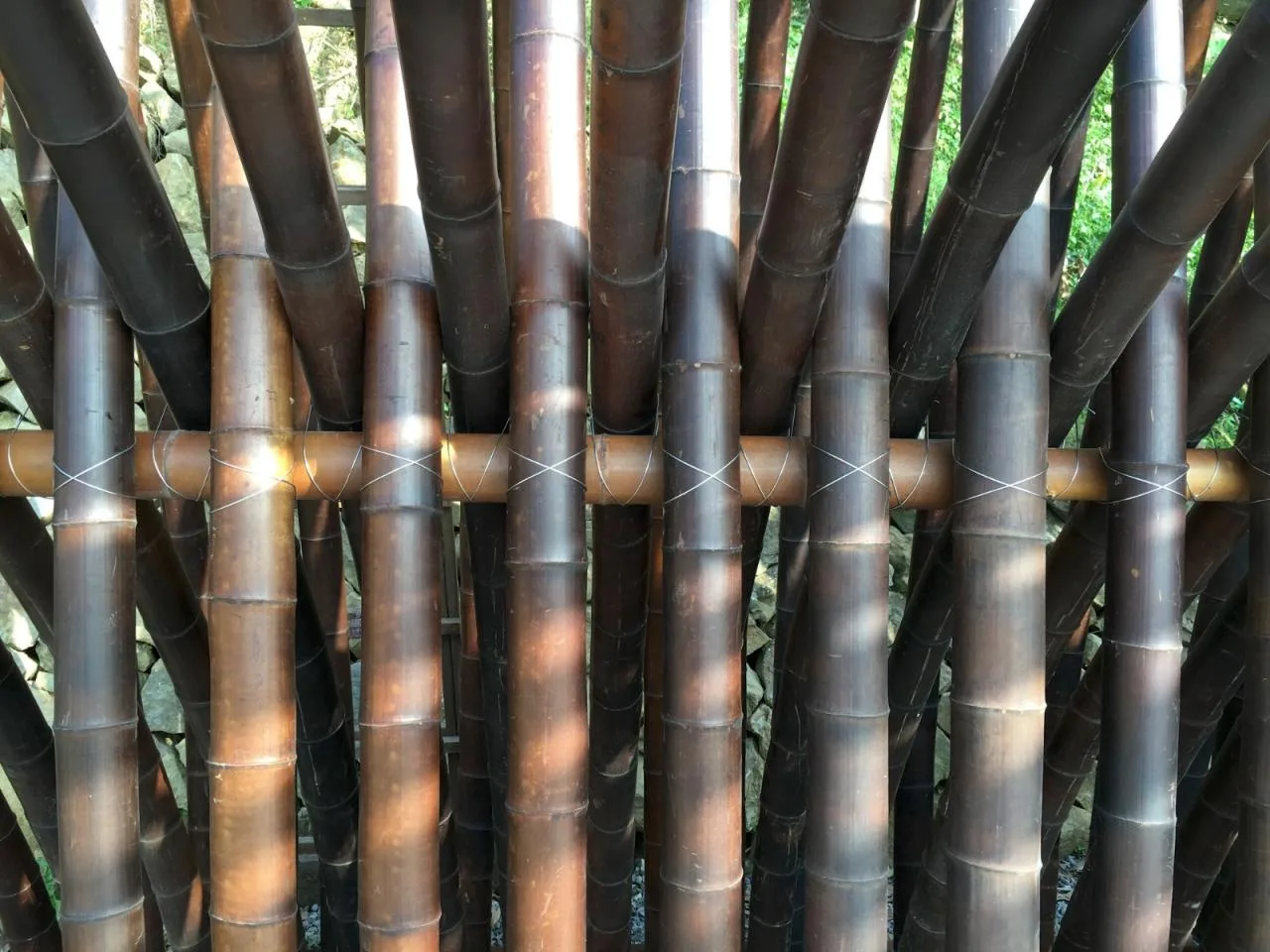
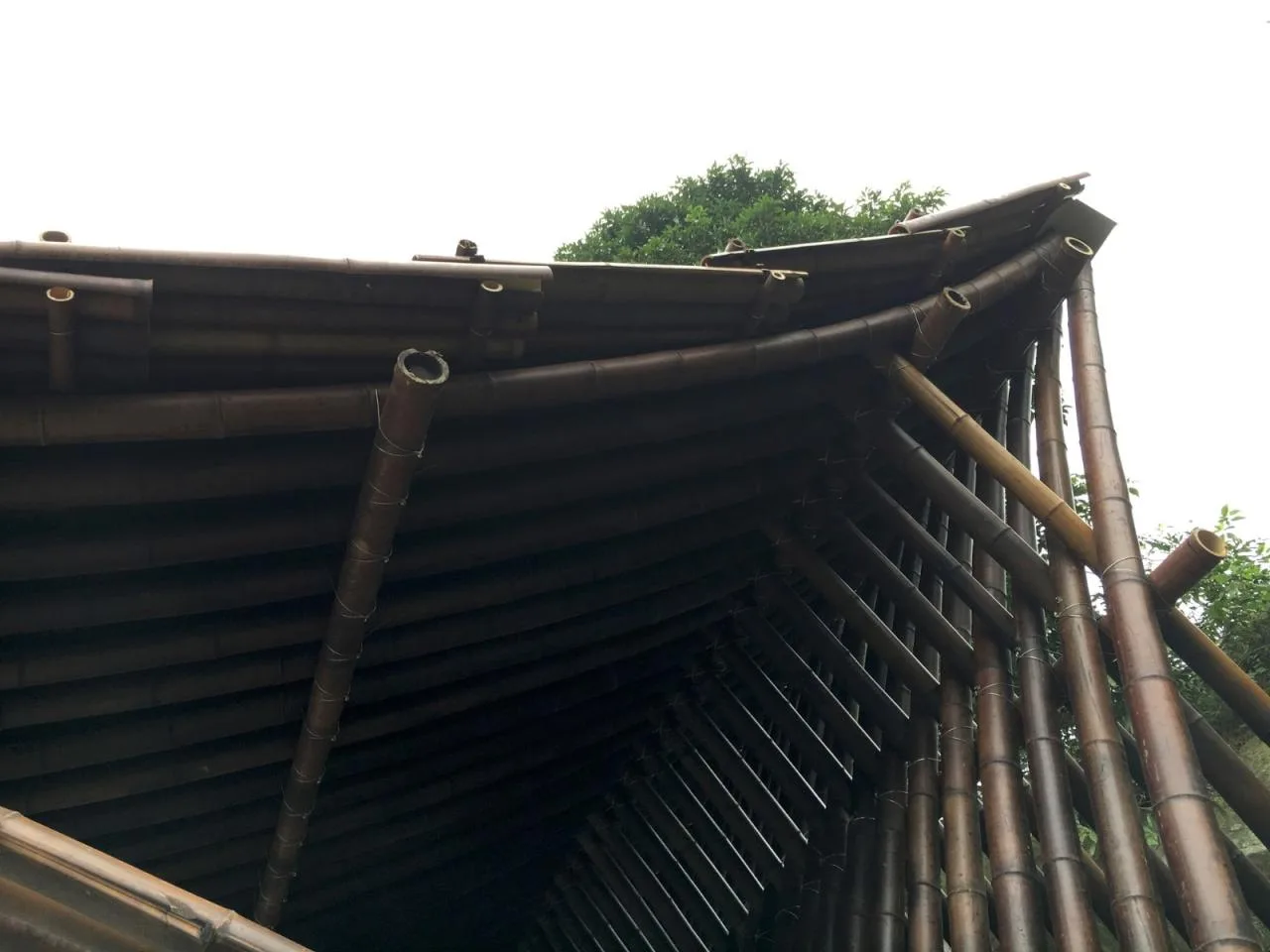
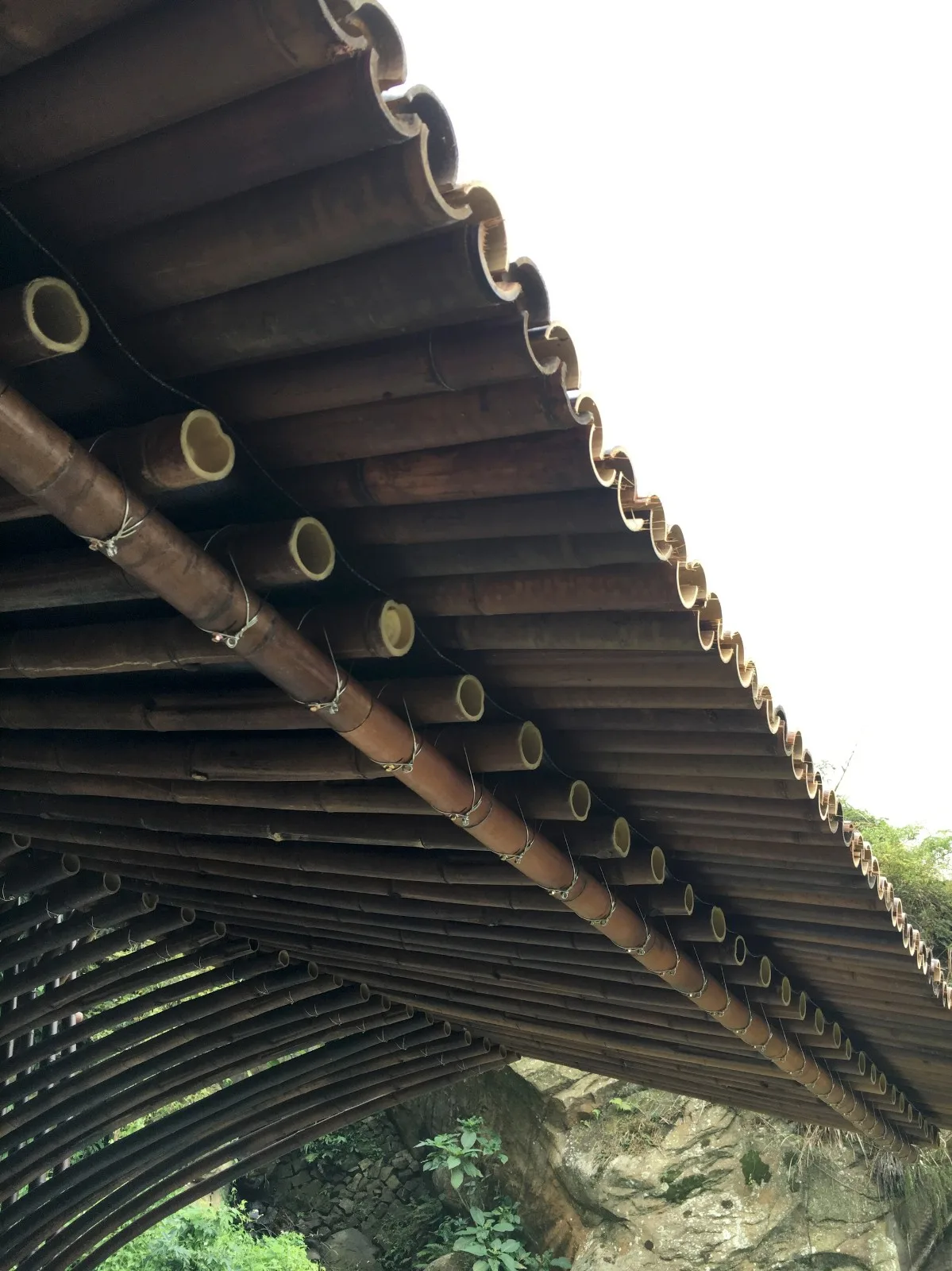
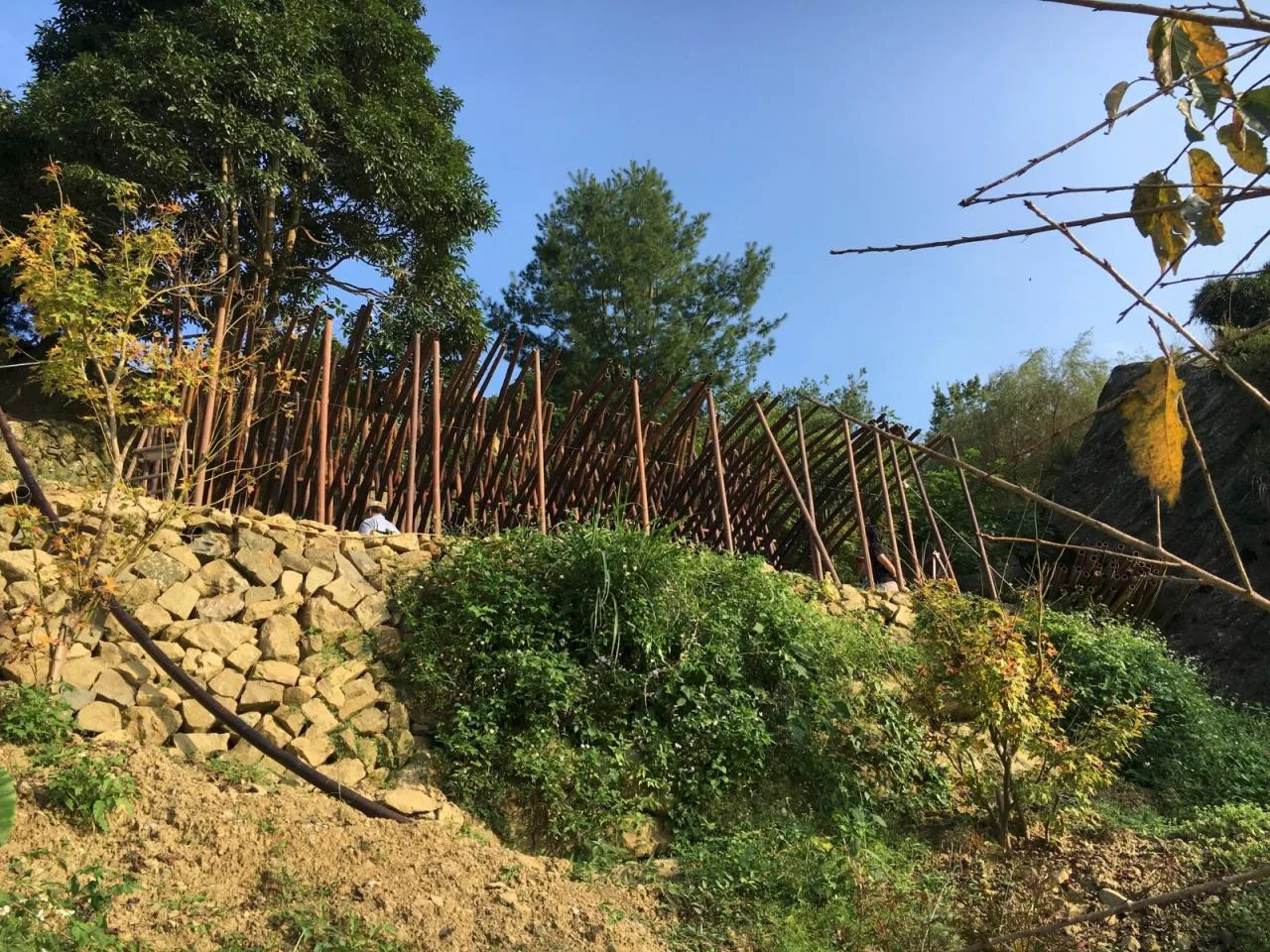
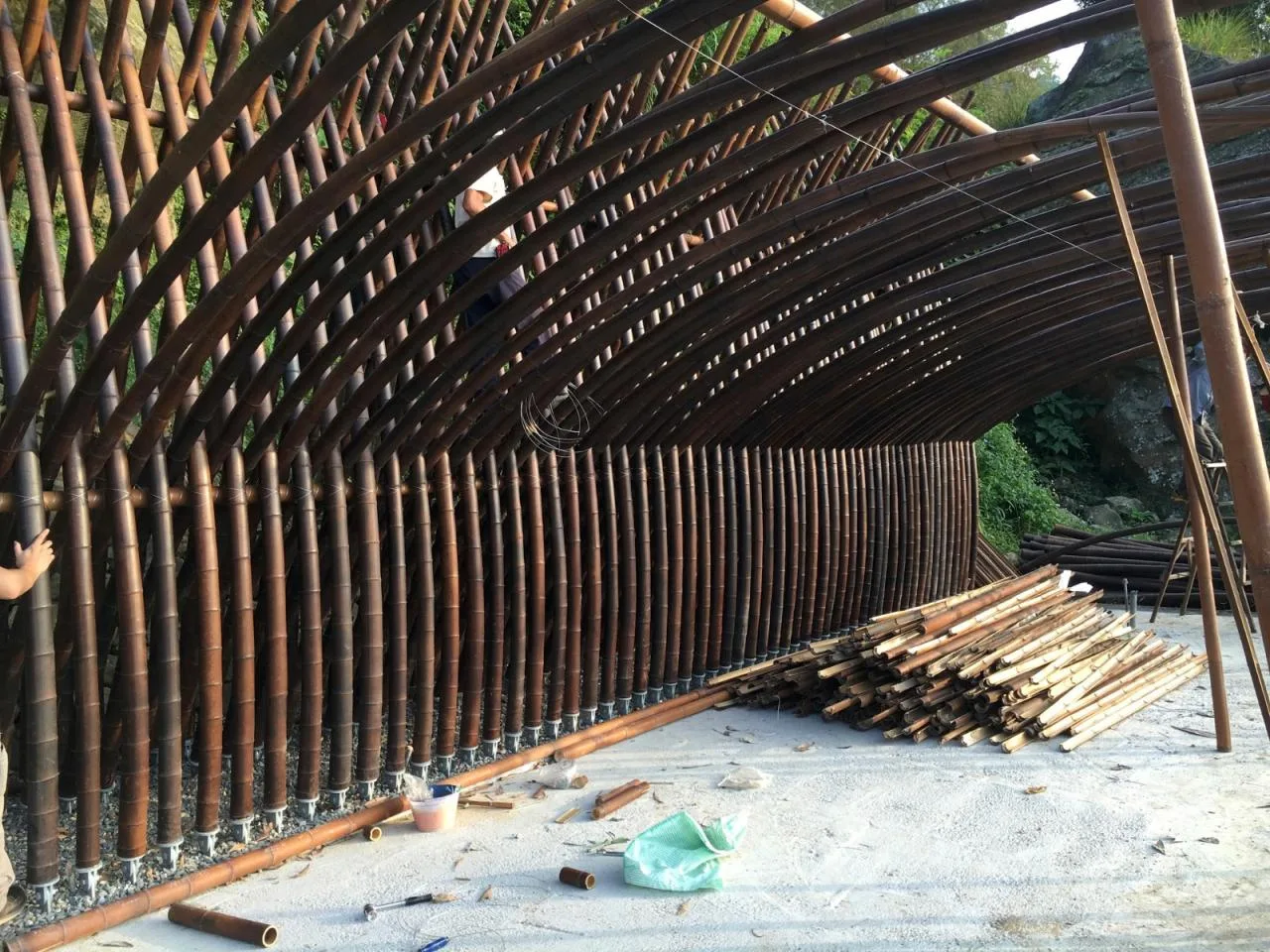
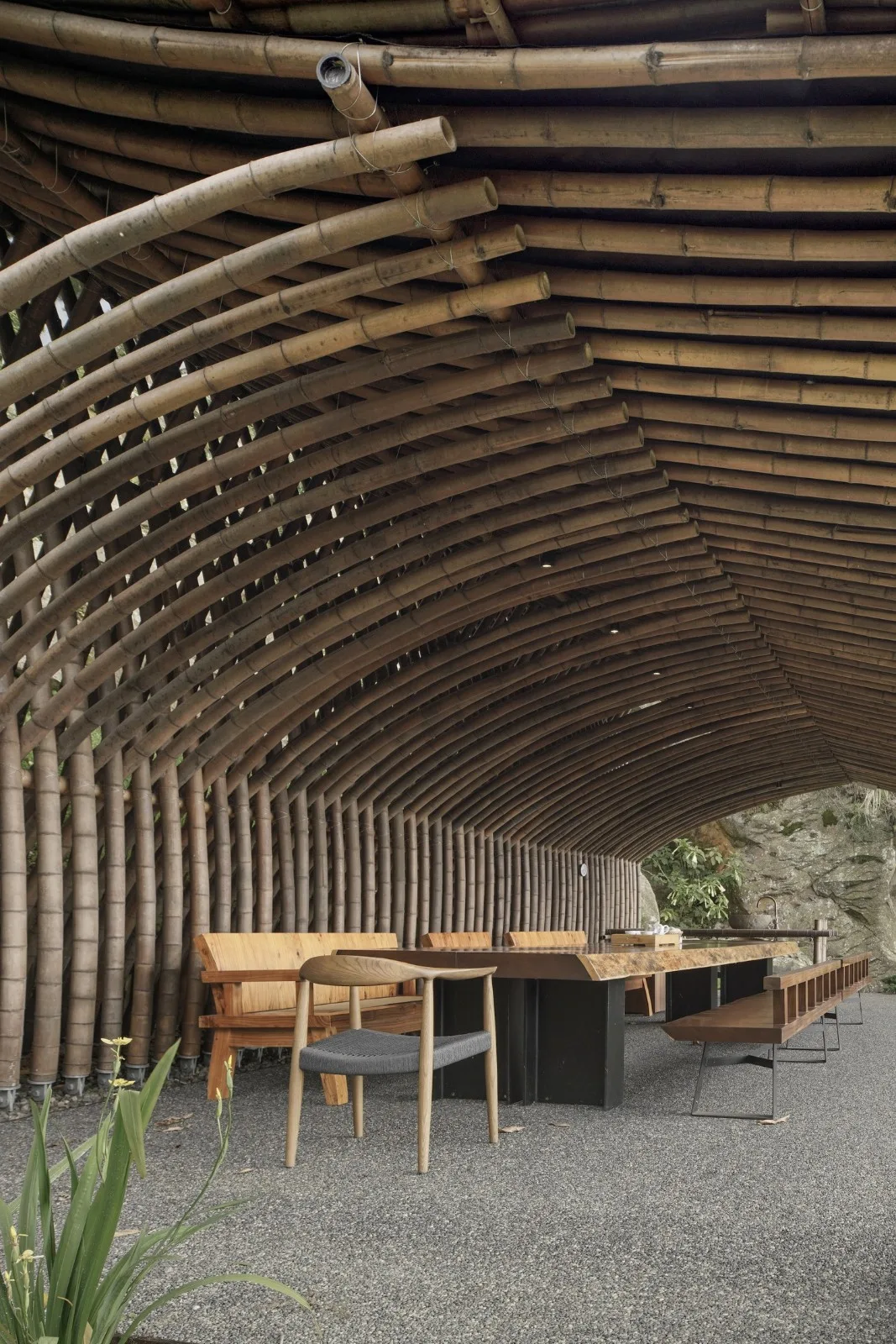
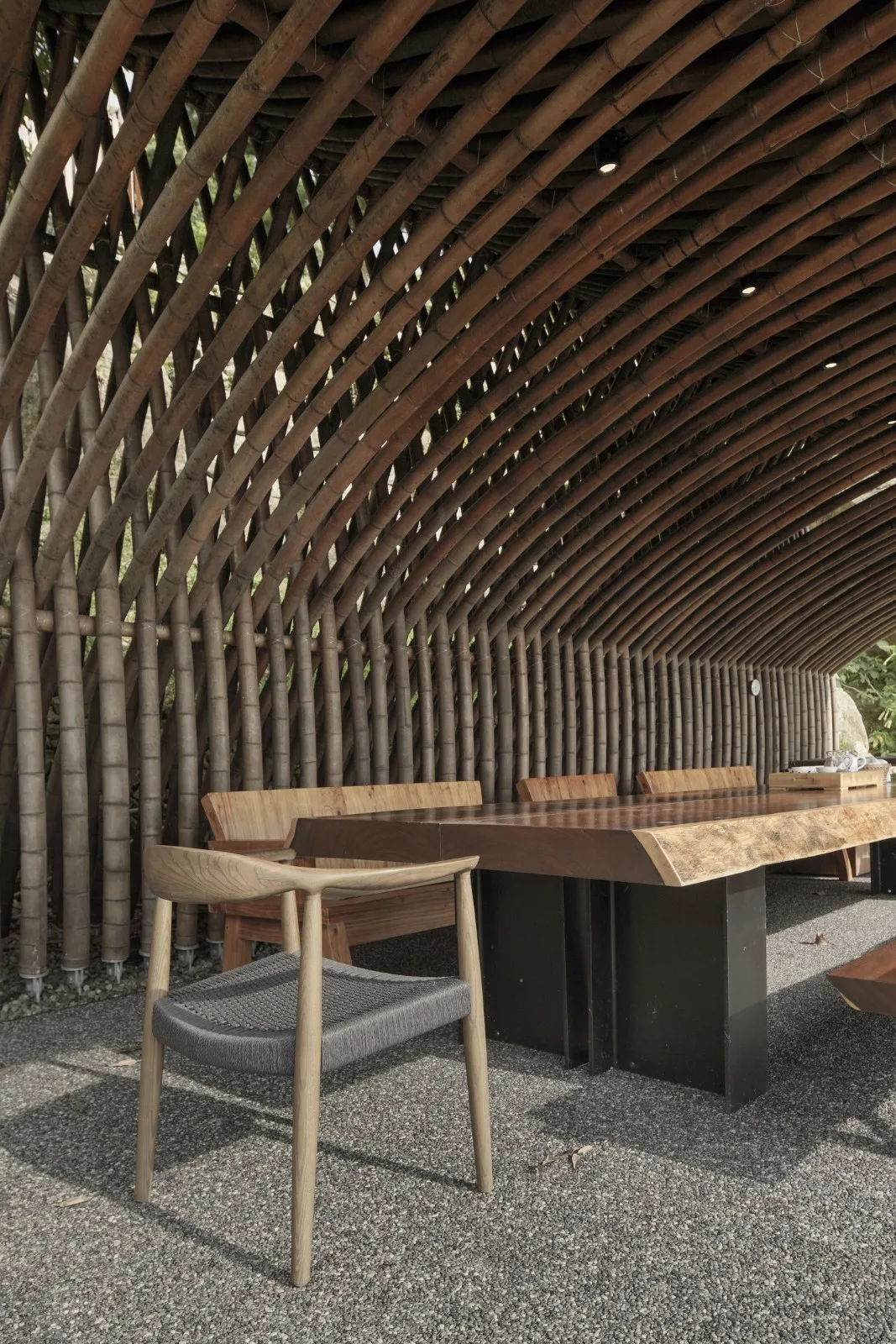
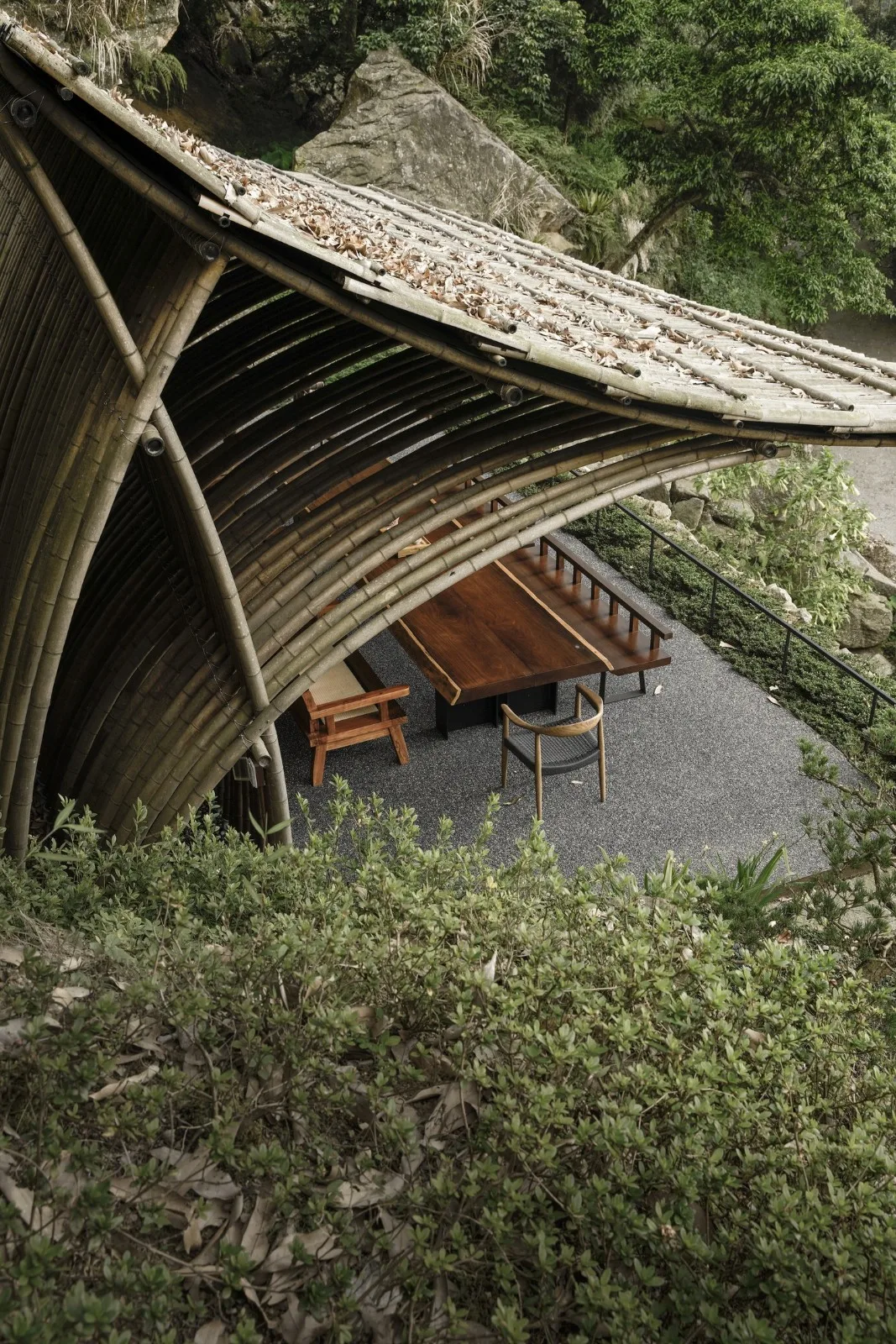
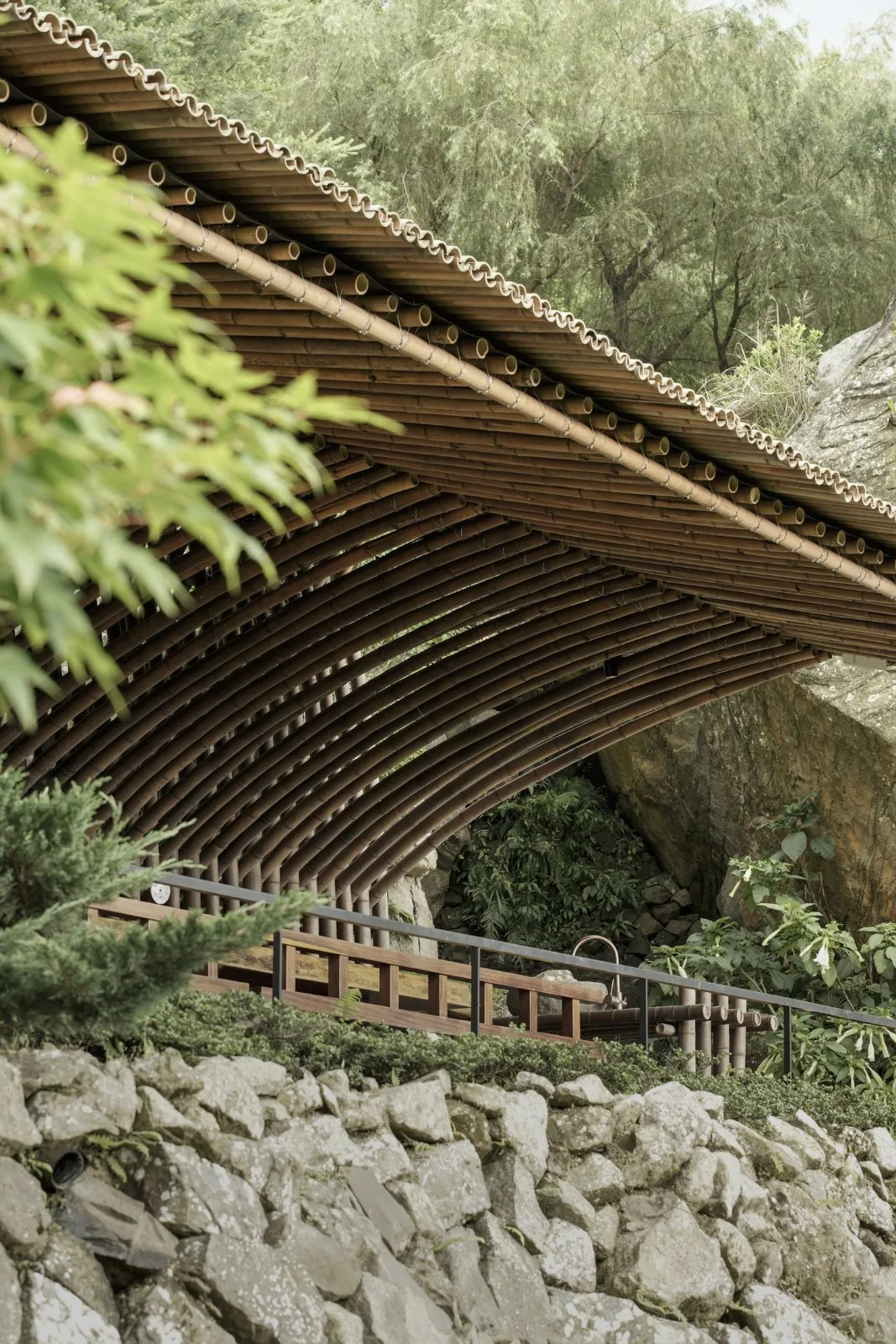
Perched on the edge of a slope at an altitude of 700 meters, the Qingshui Tea House employs bamboo, a traditional building material used across South Asia for thousands of years. Bamboo can grow up to 6 meters tall within a single year. Its slender stalks are incredibly flexible, able to bend and withstand strong winds, including typhoons. This natural flexibility reduces wind resistance and channels rainwater down the hillside. Additionally, bamboo can be halved to create natural roofing tiles that shelter the tea house from wind and rain. All structural connections are secured with simple metal ropes, allowing the entire construction to be completed in under a month.
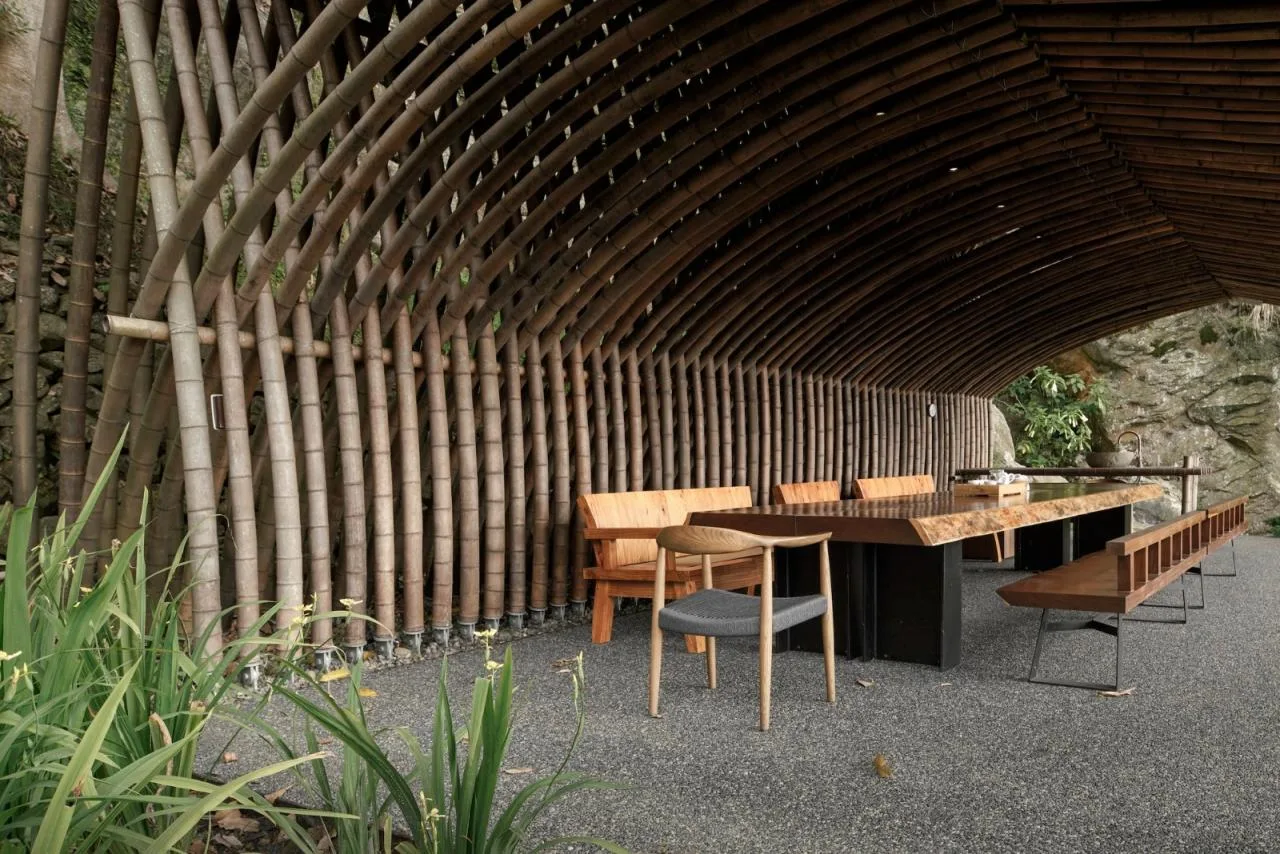
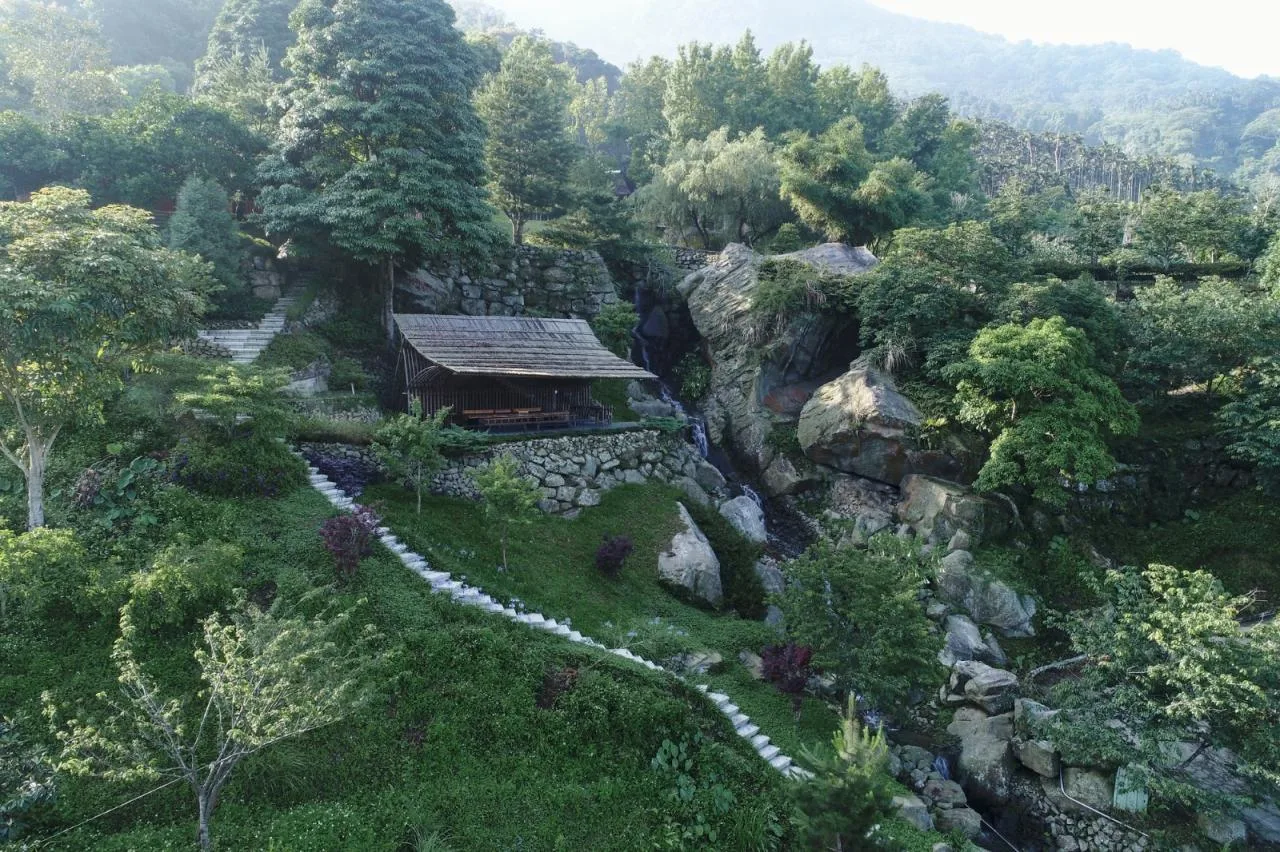
Bamboo is a sustainable material readily available in Taiwan. It reaches full height within a year, achieving the strength and flexibility needed for construction. Traditionally, bamboo is smoked to dry it and protect it from termites, allowing it to serve as a building material for at least five years. This process results in a building resource with a remarkably low carbon footprint.
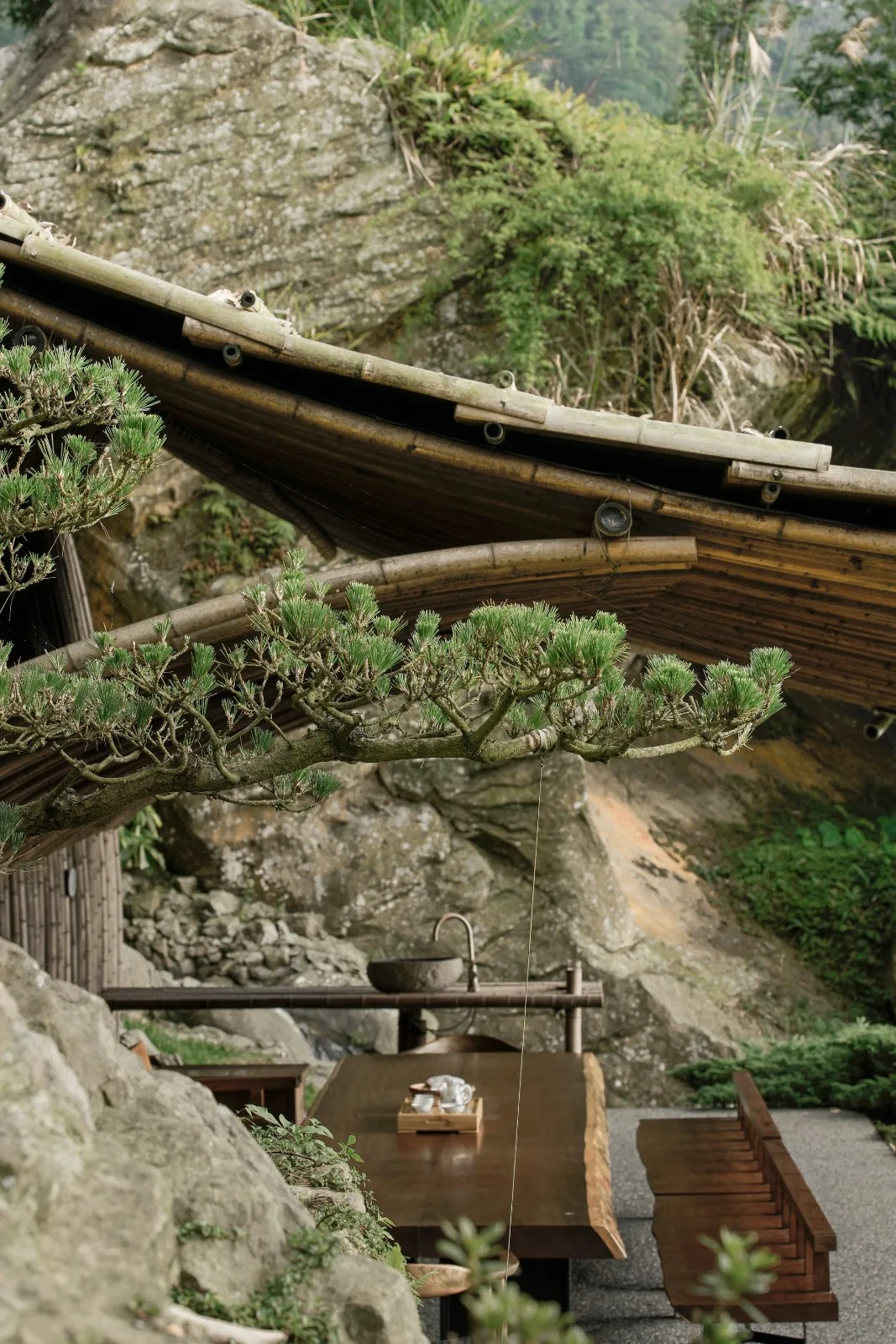
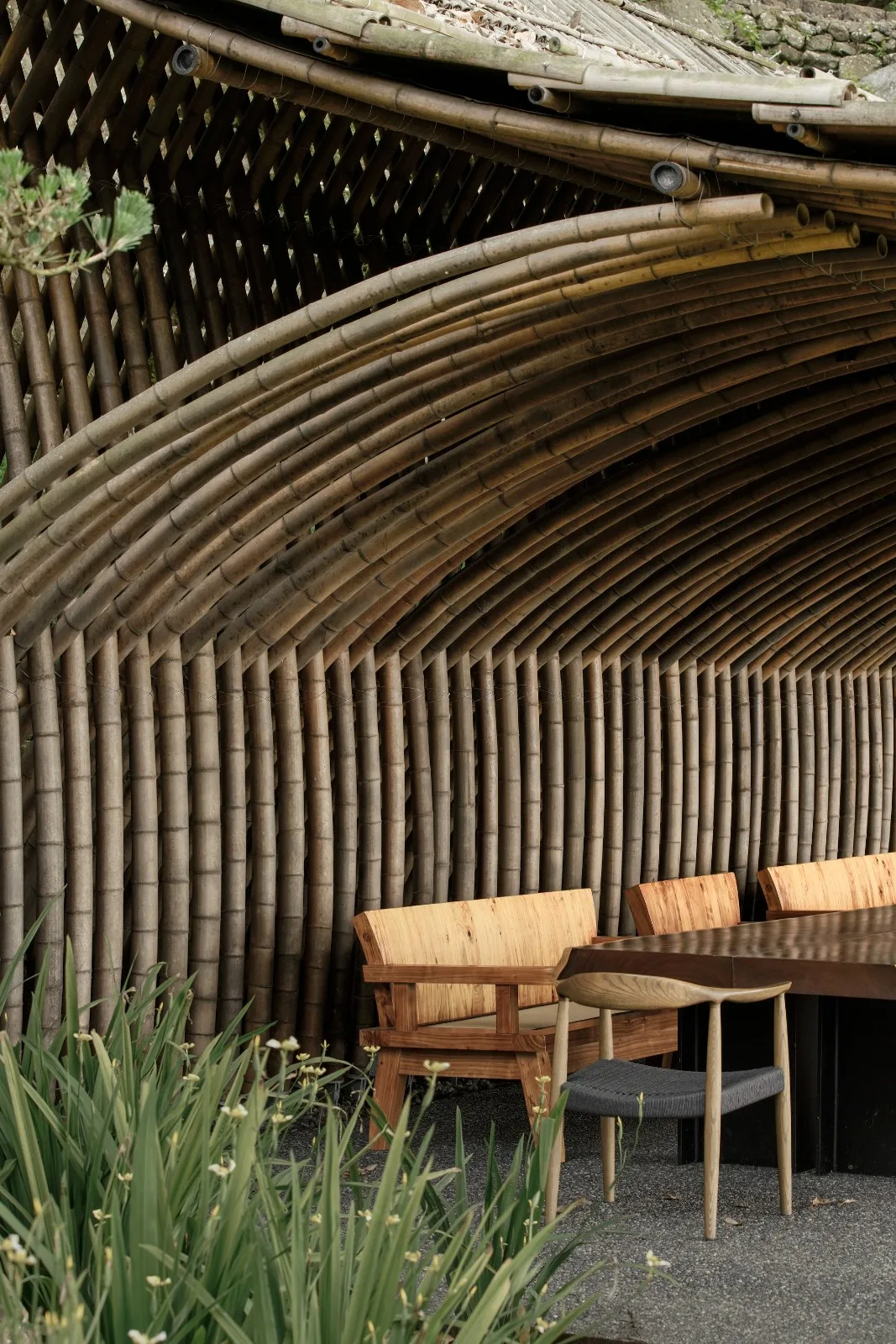
What is truly inspiring about this tea house is its holistic collaboration with nature. It provides shelter built from surrounding materials, allowing visitors to enjoy tea while immersed in the sounds of wind, light, flowing water, and rain—blending harmoniously with the natural environment. The tea ceremony is not only an essential part of daily family life but also enriches social gatherings, deepening appreciation for the art of preparing and serving herbs. This experience transcends mere consumption.
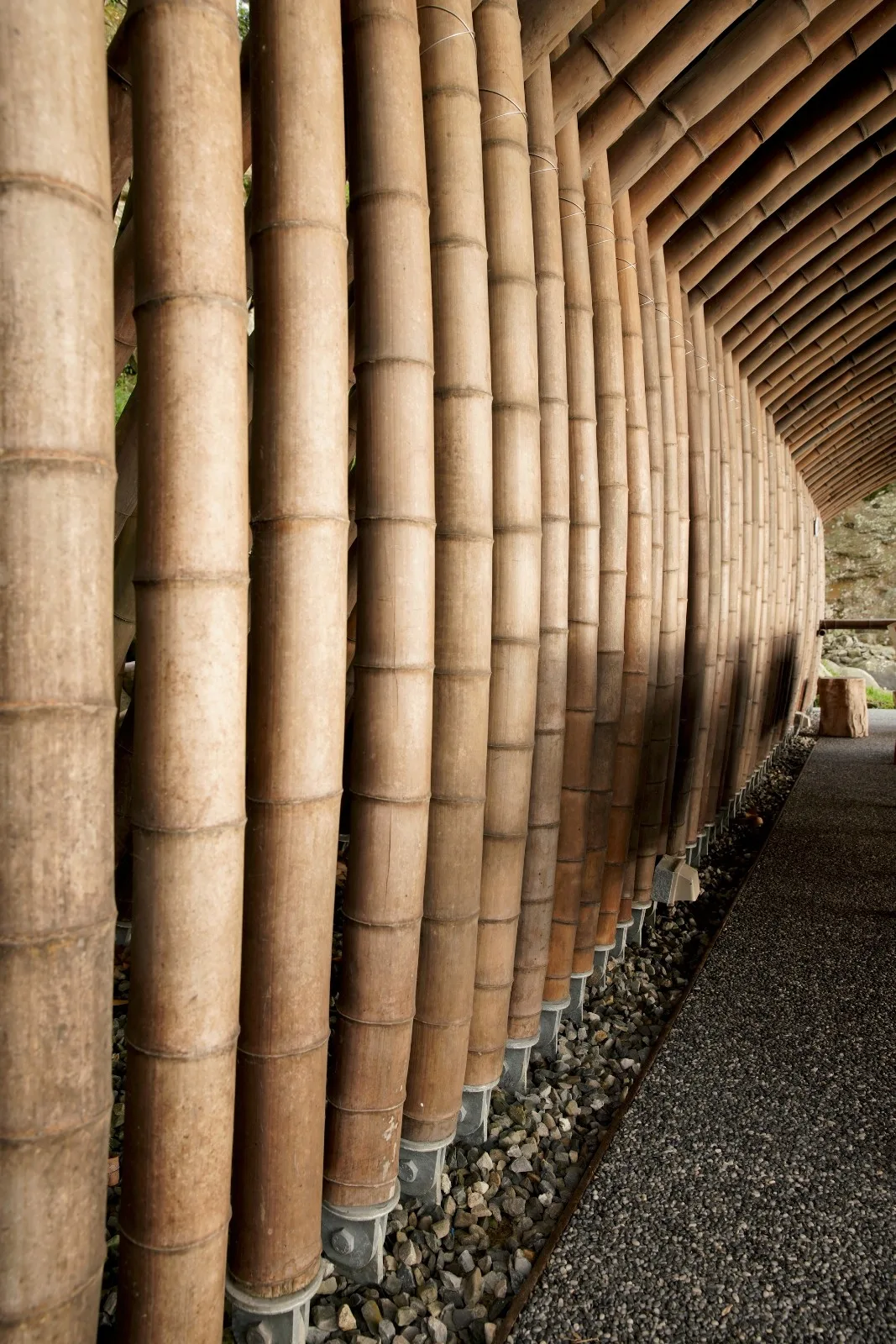
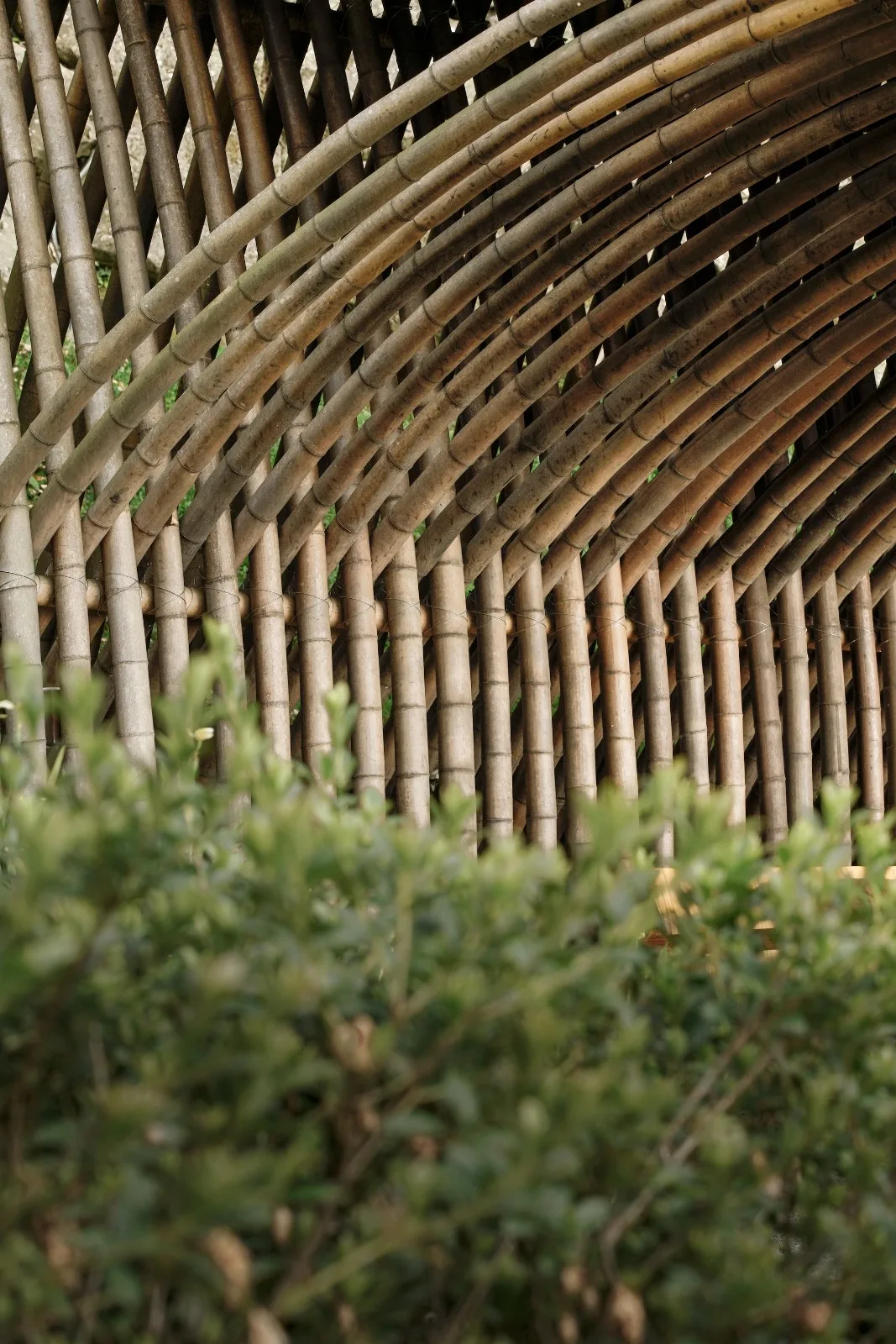
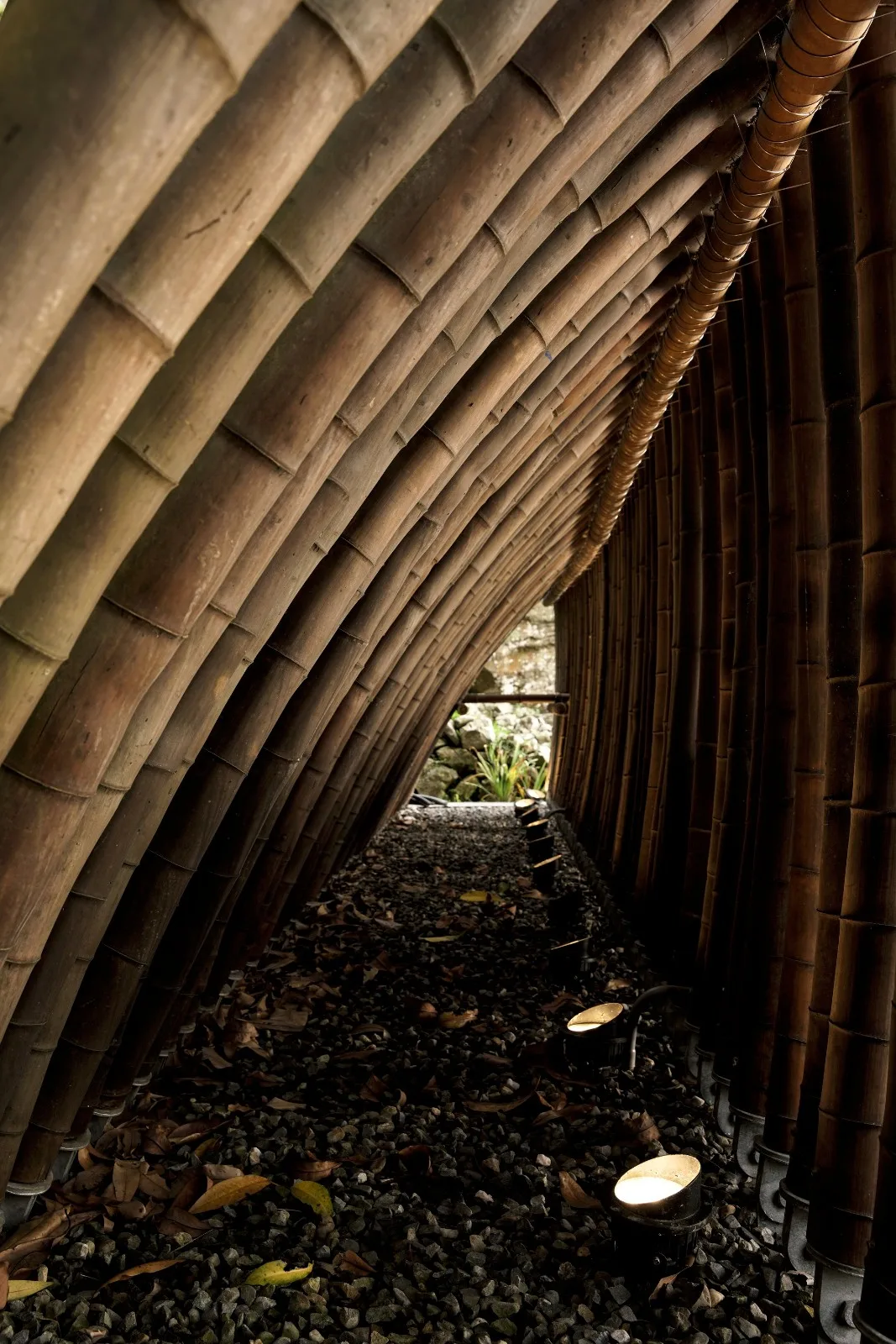
Buildings are living entities with “skins” that need protection from sunlight and require proper ventilation. These considerations were carefully integrated into the design of the structure and roof. One of the most fascinating advances we can achieve today is a deeper understanding of microbial processes. This knowledge allows us to comprehend how species adapt to extreme weather and to apply this age-old intelligence to building surfaces.
However, the foundation of sustainable architecture is respect for nature. We must value nature’s role in sustaining our quality of life and recognize its fragility. Collaboration with nature, protection of natural systems, and the development of mutually beneficial pathways are essential to ensuring our continued existence.
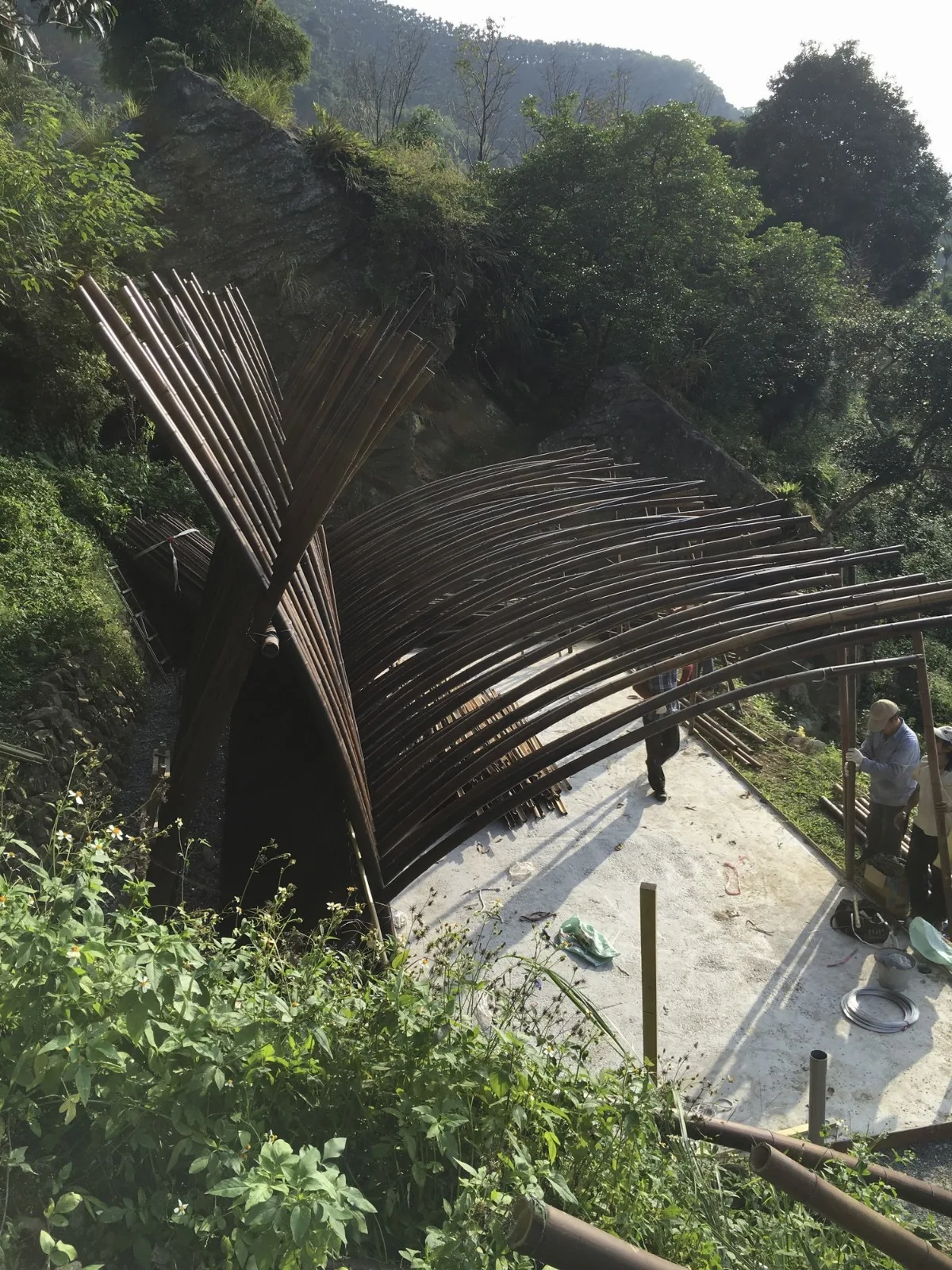
Project Drawings
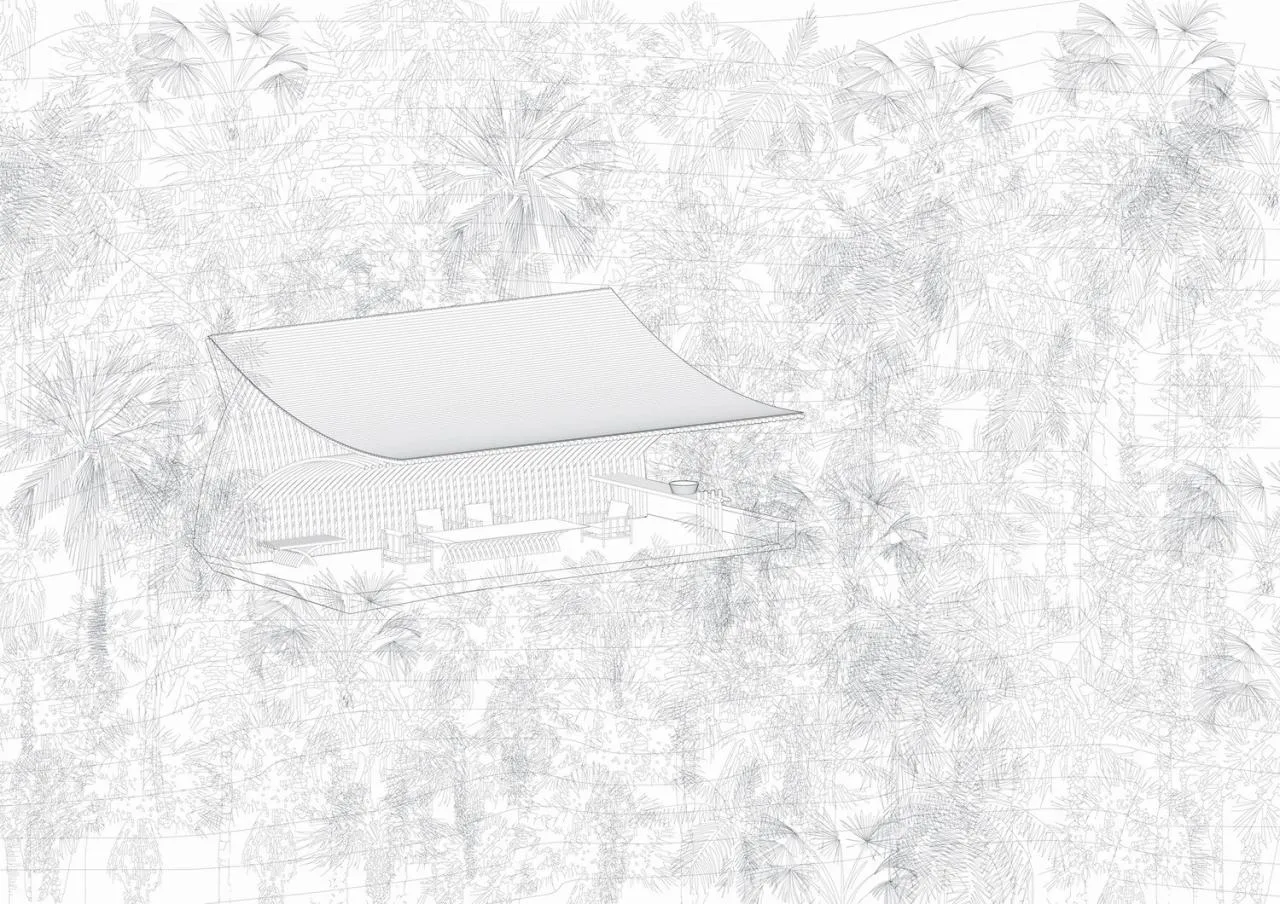
△ Axonometric Diagram
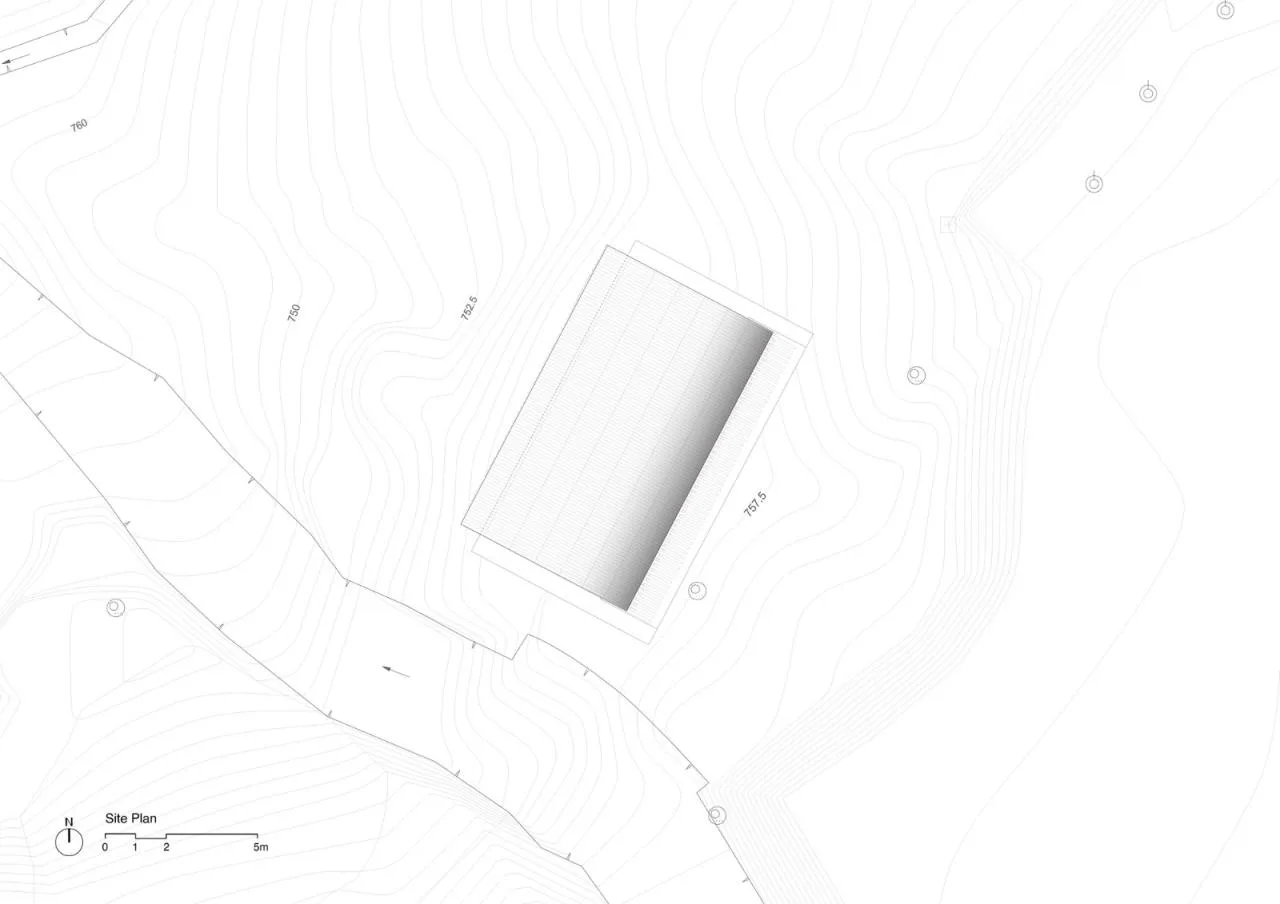
△ General Layout Plan
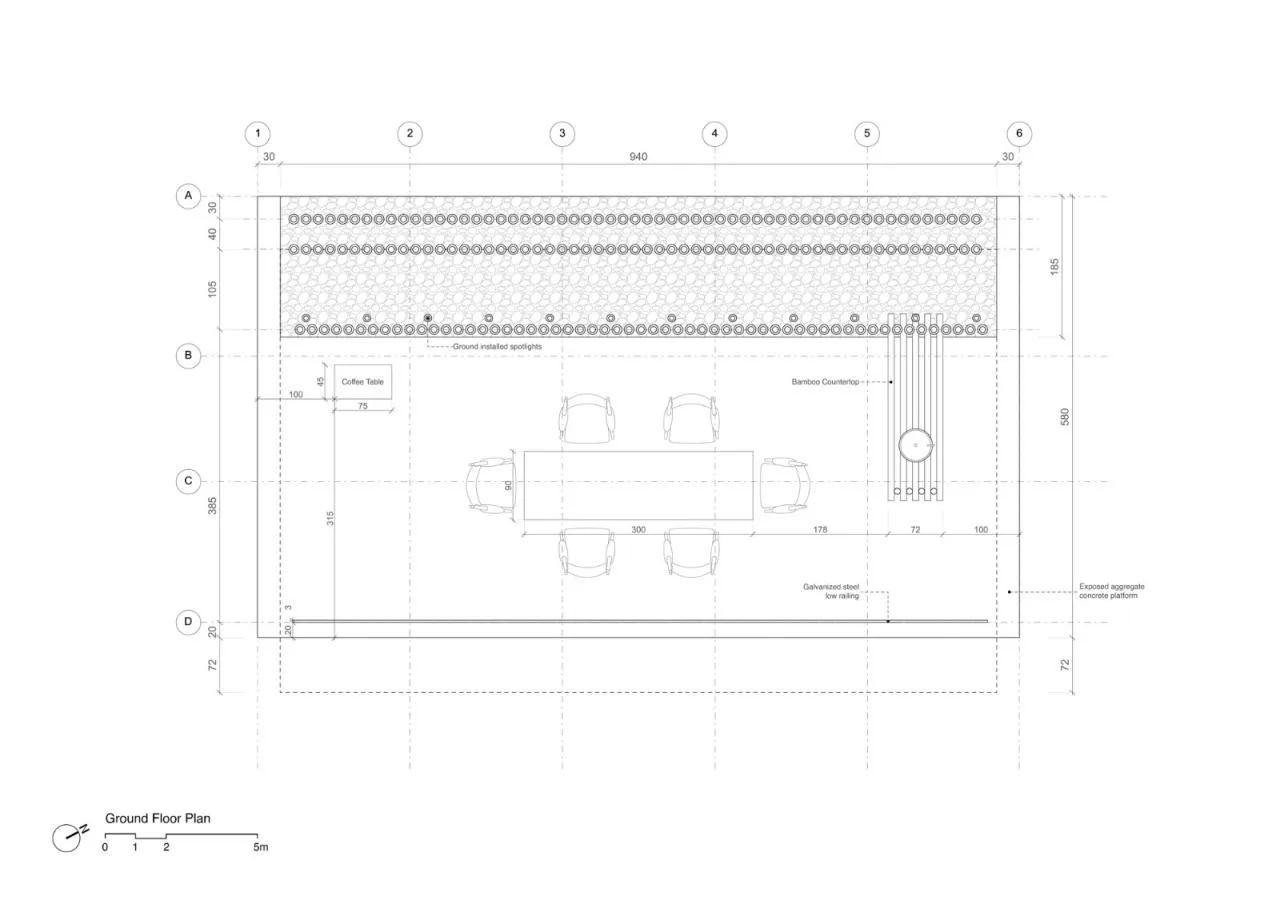
△ Plan View
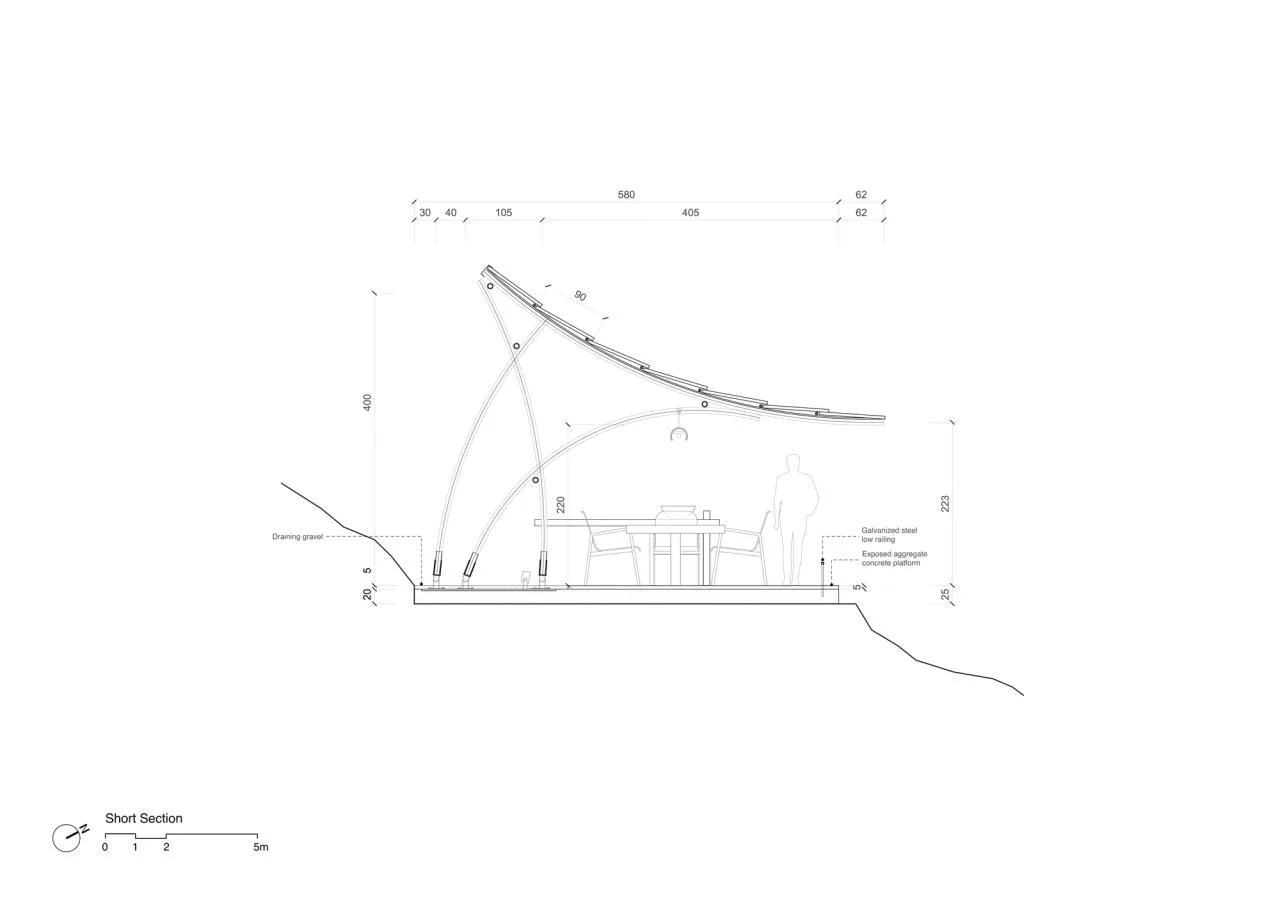
△ Section Diagram
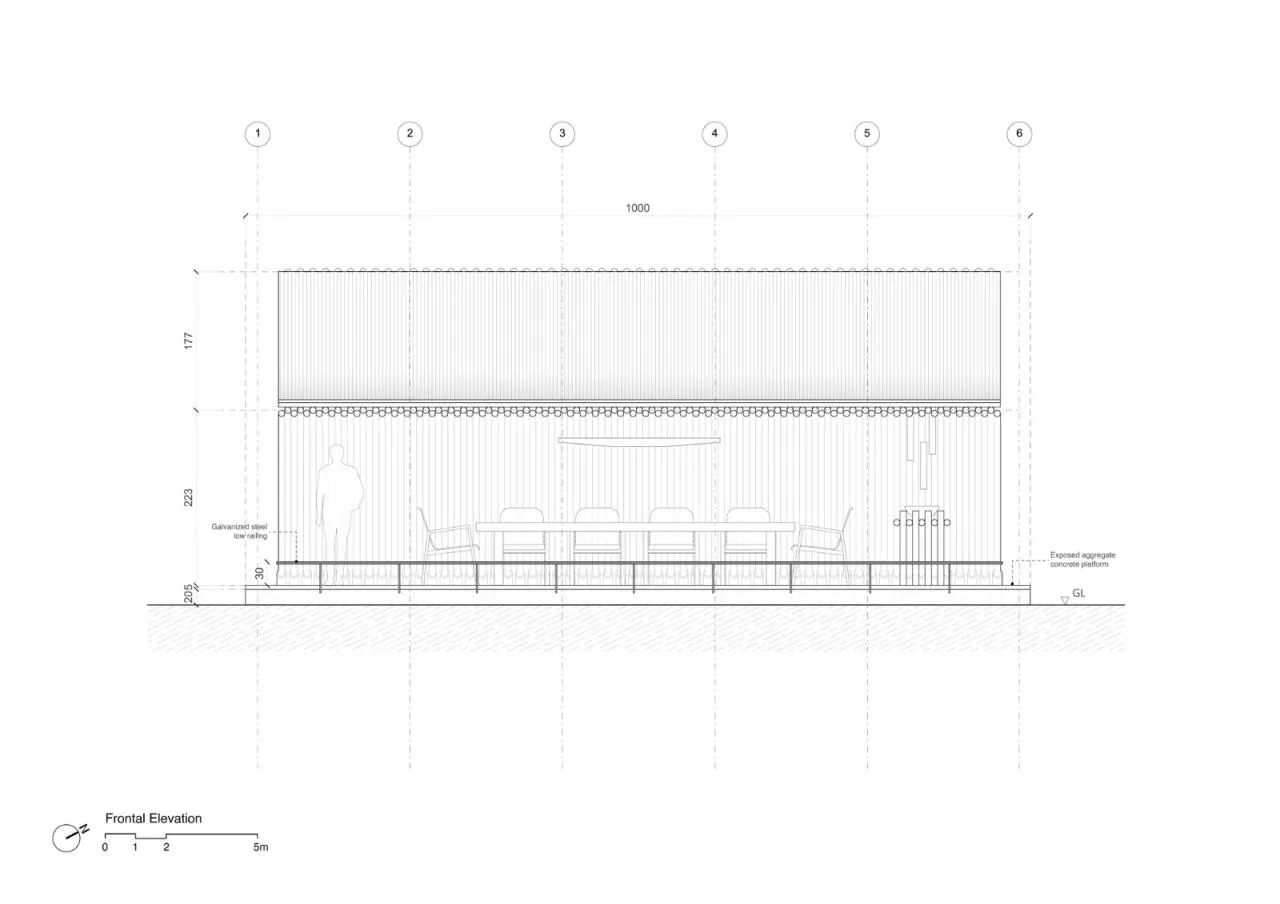
△ Elevation Drawing
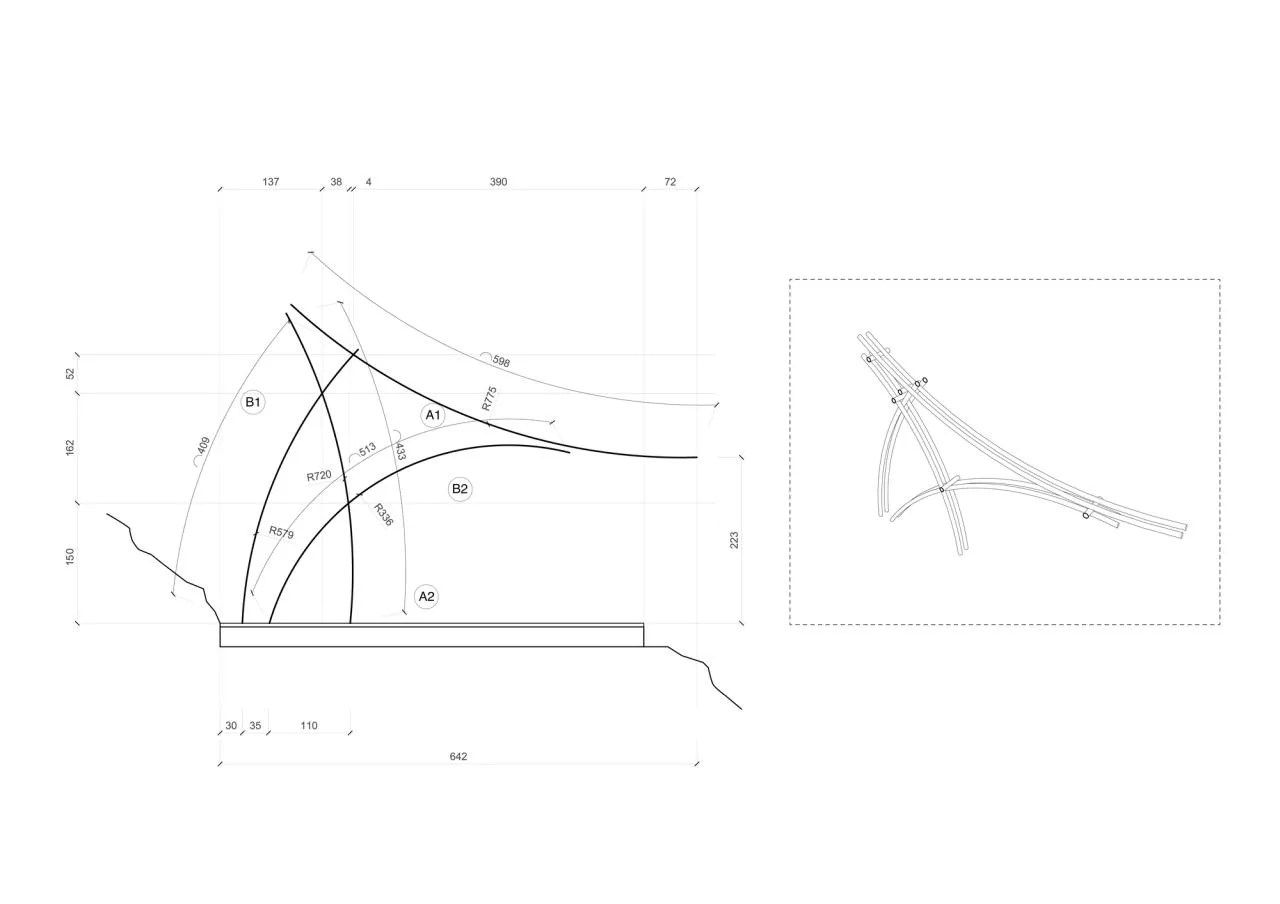
△ Structural Schematic Diagram
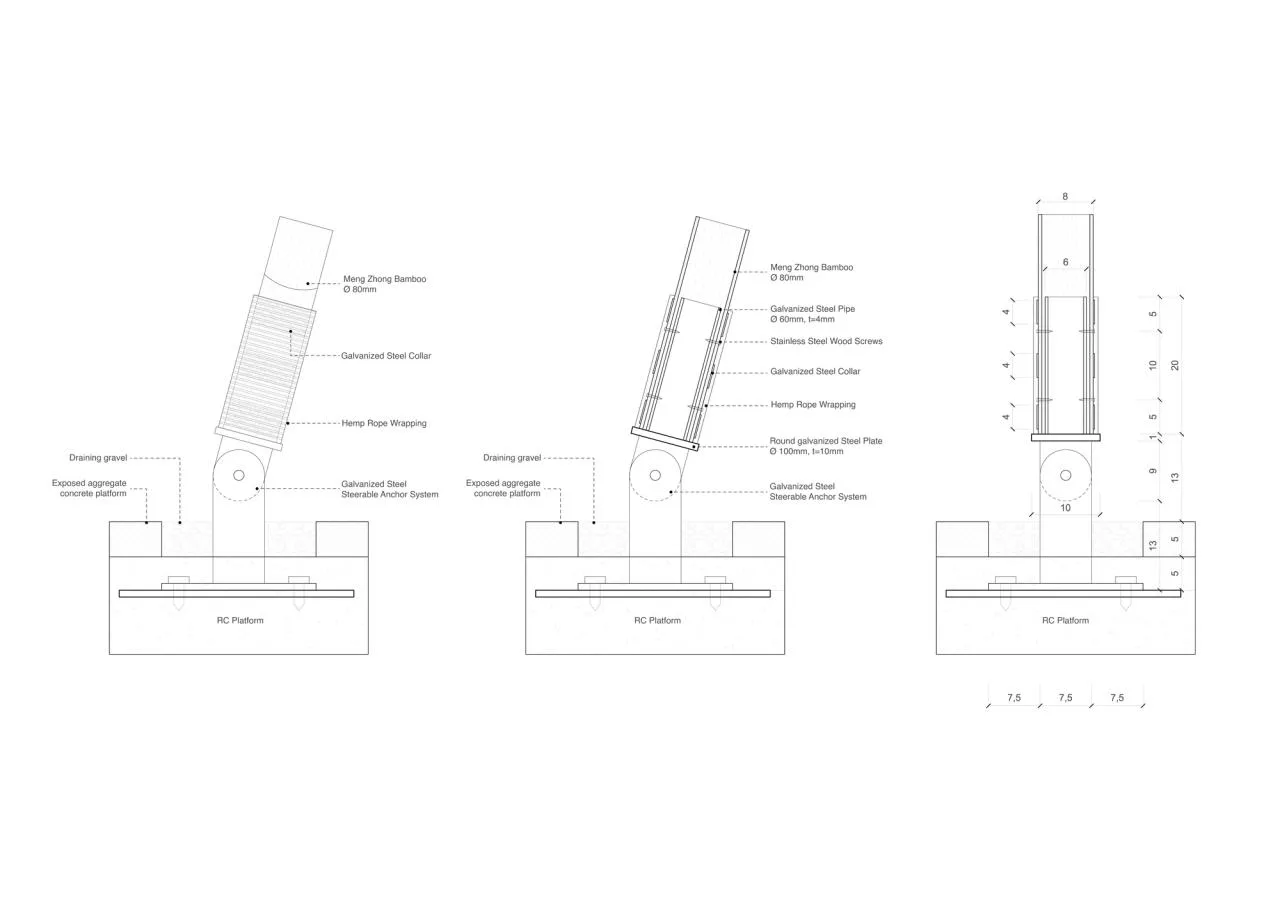
△ Detailed Drawing
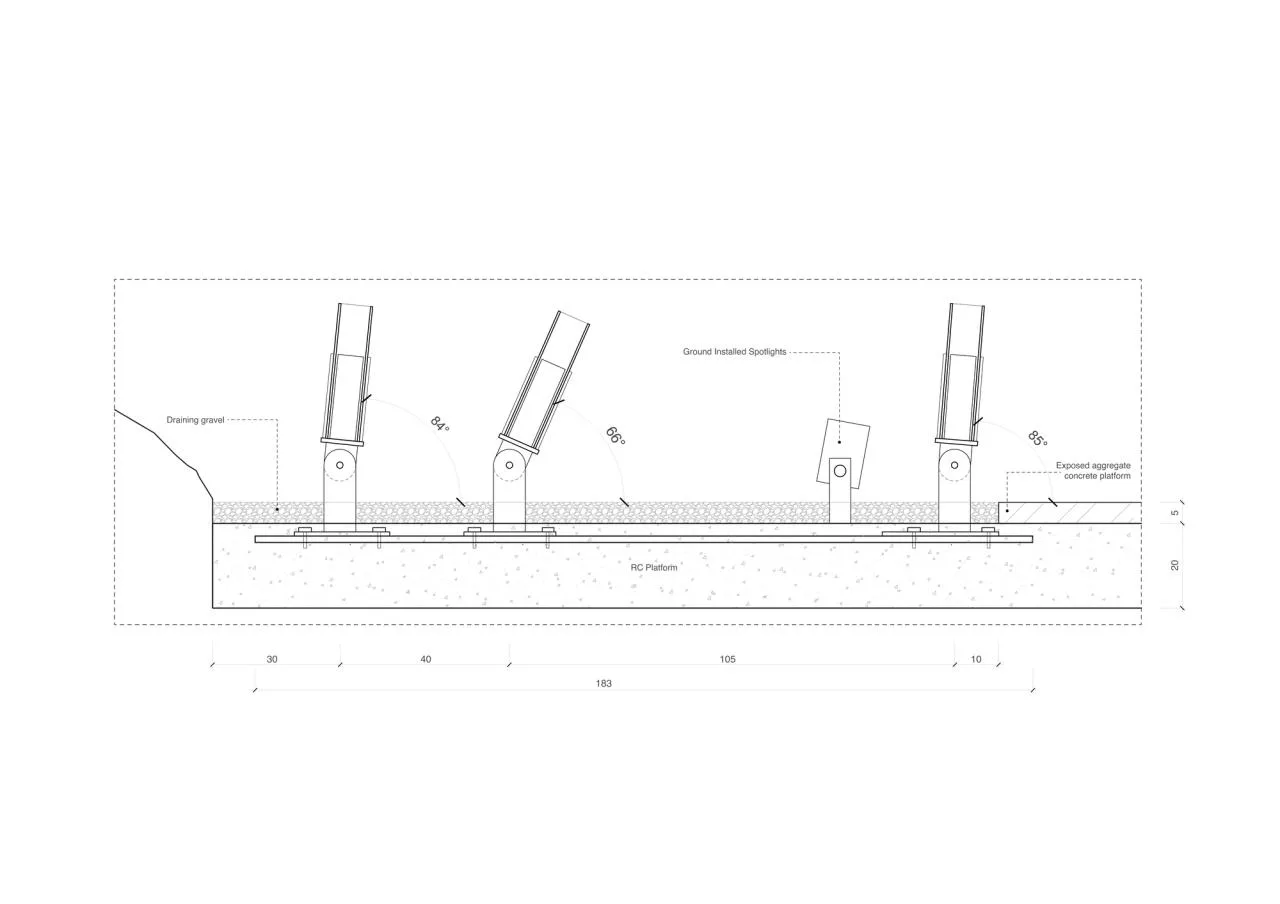
△ Detailed Drawing
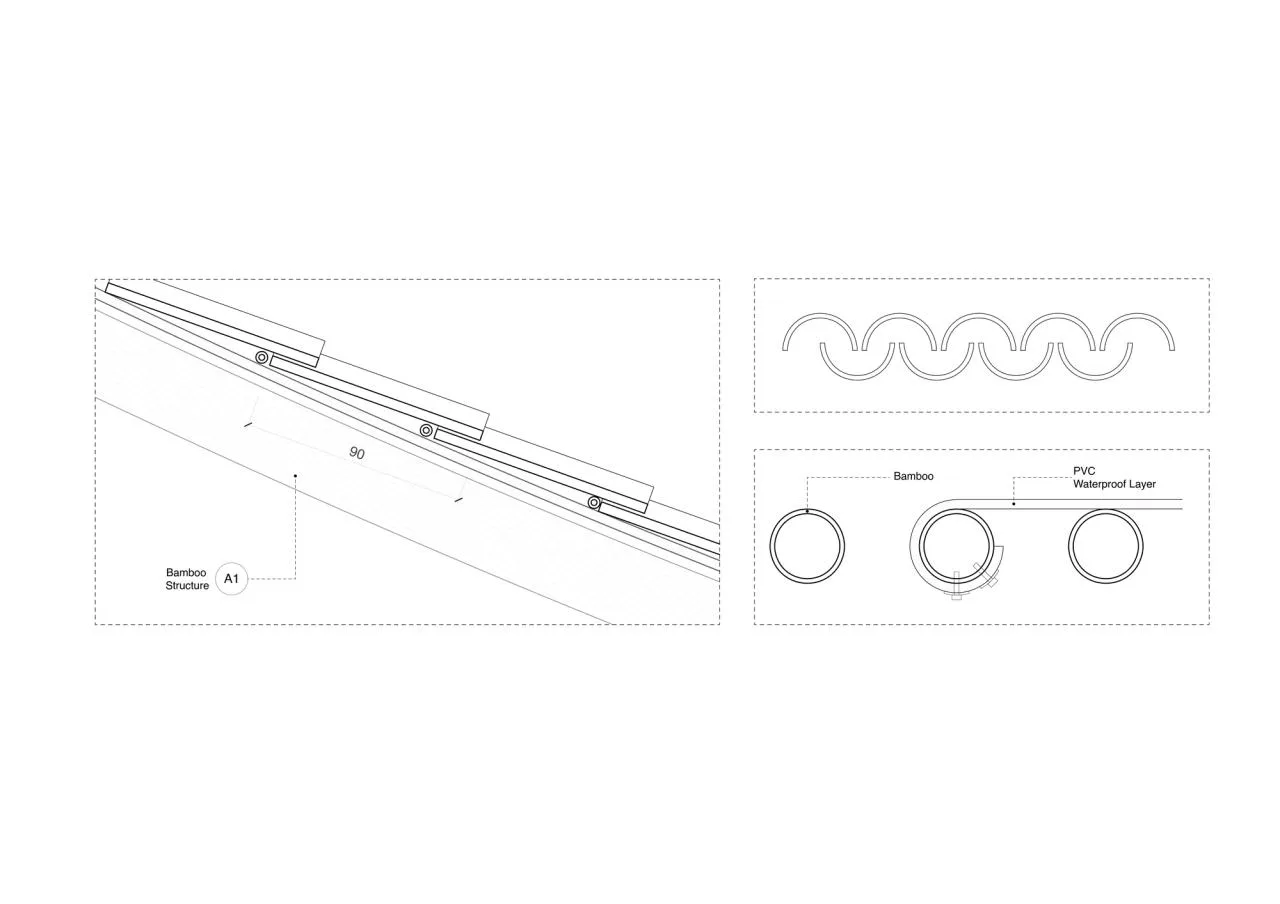
△ Detailed Drawing
Project Information
Architect: Behet Bondzio Lin Architekten
Area: 57 m²
Project Year: 2018
Photographer: Yu Chen Chao Photography
Project Team: Behet Bondzio Lin Architekten
Lead Architect: Yu Han Michael Lin
Construction Team: IUE SHAN STUDIO
Landscape Designer: Behet Bondzio Lin Architekten
Location: Nantou, Taiwan, China















Must log in before commenting!
Sign Up