
Identifying conflict points in complex MEP pipeline systems using 2D drawings is a challenging task. It often results in issues such as project delays, cost overruns, reduced quality, and frequent design changes during construction. The introduction of BIM technology has significantly improved this situation. Today, BIM Architecture Network will explore how BIM can assist MEP projects.
1. Conceptual Design:
BIM technology enables rapid creation and analysis of various design options through specialized software, offering designers more innovative choices. BIM software can generate conceptual models and connect to energy efficiency analysis tools tailored to different systems, producing essential design documentation early in the project.
2. Detailed Design:
MEP teams using BIM models can enhance accuracy and effectively develop systems for HVAC, plumbing, fire protection, electrical, drainage, and more. This ensures compliance with building standards and establishes a strong foundation for quality and schedule management throughout the project.
3. Energy Analysis:
MEP designers can leverage analysis software to quickly assess the energy consumption of proposed designs. Stakeholders are able to compare various schemes, evaluate building system efficiency, understand the implications of design changes, and identify cost-effective solutions.
4. Collaborative Design:
BIM platforms allow designers from different disciplines to work simultaneously, facilitating communication and coordination through shared building information models. This enables cross-disciplinary design reviews and allows project managers to perform clash detection early, resolving conflicts before construction begins.
5. Visualization:
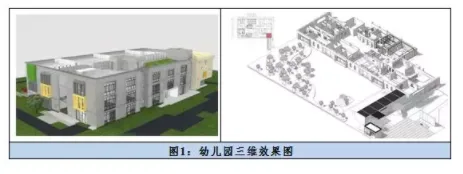
Project managers can use BIM data to create realistic renderings and presentations, including building walkthrough videos. These materials provide owners with compelling promotional and conceptual visuals. BIM software offers comprehensive MEP engineering solutions, optimizing each step of the design and simulation process for complex building systems, ultimately supporting the sustainability goals of BIM investments.
In summary, BIM technology empowers teams to work from a shared 3D model for analysis and design across disciplines. Each team can focus on their tasks while others view updated results in real time. Changes are instantly reflected across all teams, simplifying communication and coordination, reducing paperwork, and significantly improving collaboration efficiency.














Must log in before commenting!
Sign Up