
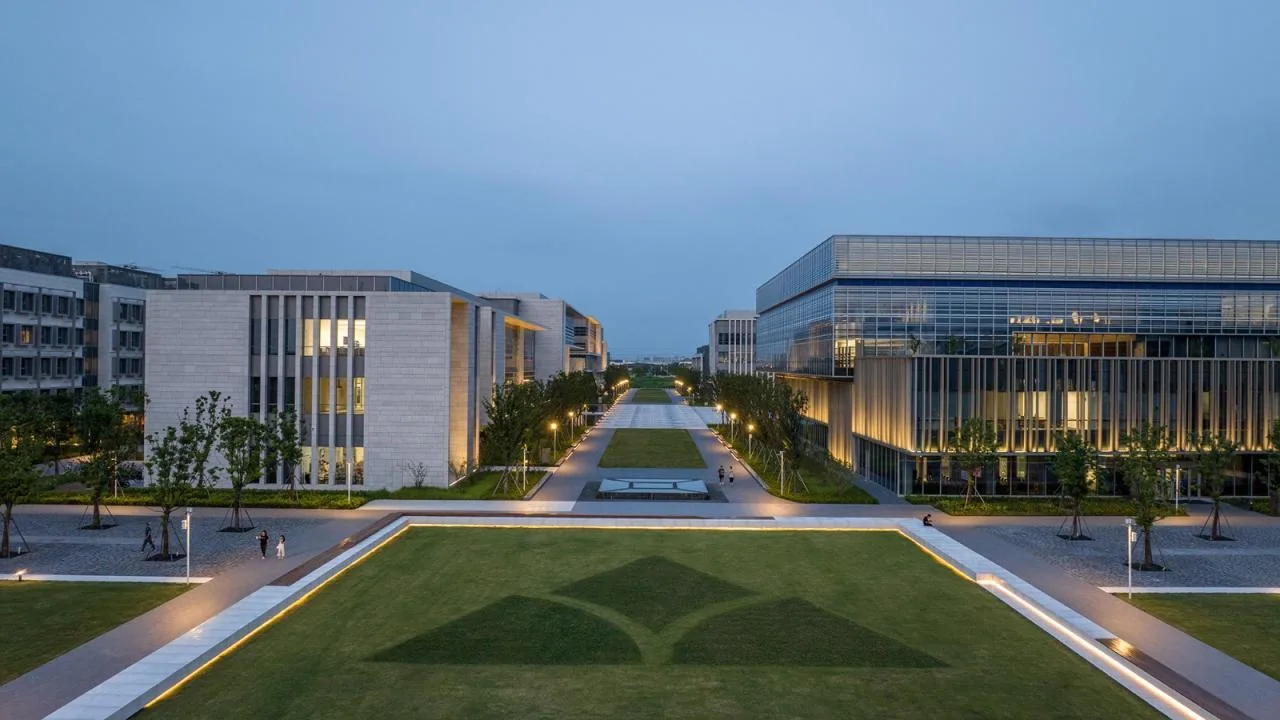
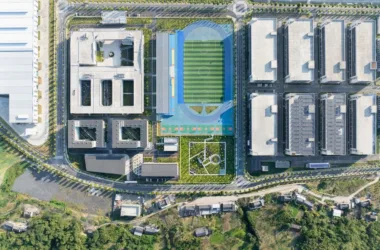
The Kunshan Duke University Phase II campus exemplifies the harmonious integration of architectural design with its surrounding environment. Spanning approximately 190,000 square meters of land and 153,000 square meters of construction area, the campus pays tribute to Kunshan’s rich cultural heritage and Duke University’s academic values. It continues the architectural language set by the first phase while looking ahead to future expansion.
Using contemporary design, the campus reflects Duke Kunshan University’s multifaceted identity on a human scale. The open and inviting spaces embody the institution’s mission, fostering a balanced atmosphere of freedom and academic rigor, while promoting an inclusive and welcoming community. As China’s first LEED-certified campus, Duke Kunshan University demonstrates its commitment to sustainability by integrating green and healthy principles into everyday campus life.
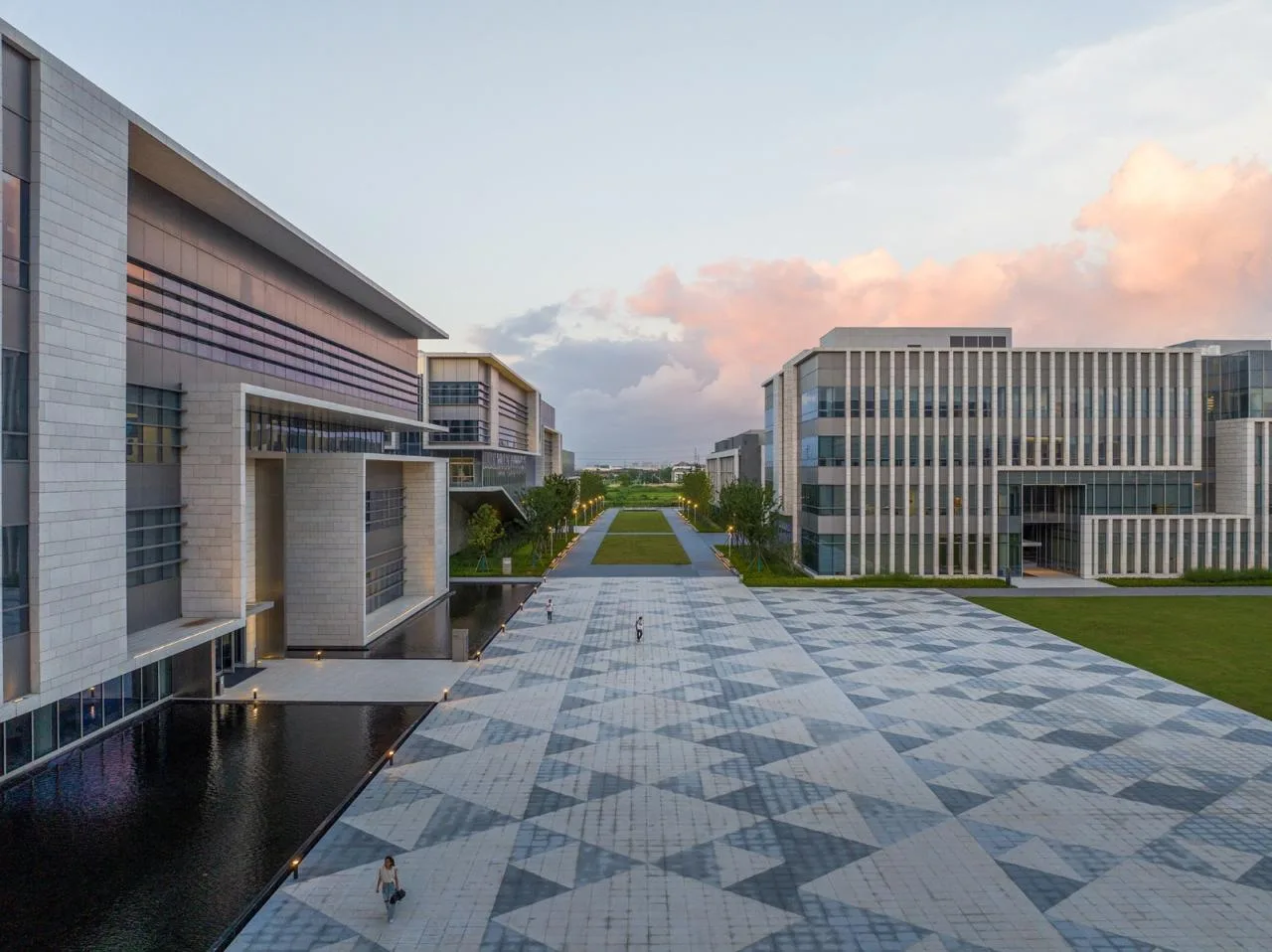
The primary objective in planning Phase II was to create intersections and connectivity across time and space. The design thoughtfully connects users with campus functions while bridging diverse cultures and temporal contexts, shaping a distinctive sense of place unique to Duke Kunshan University.
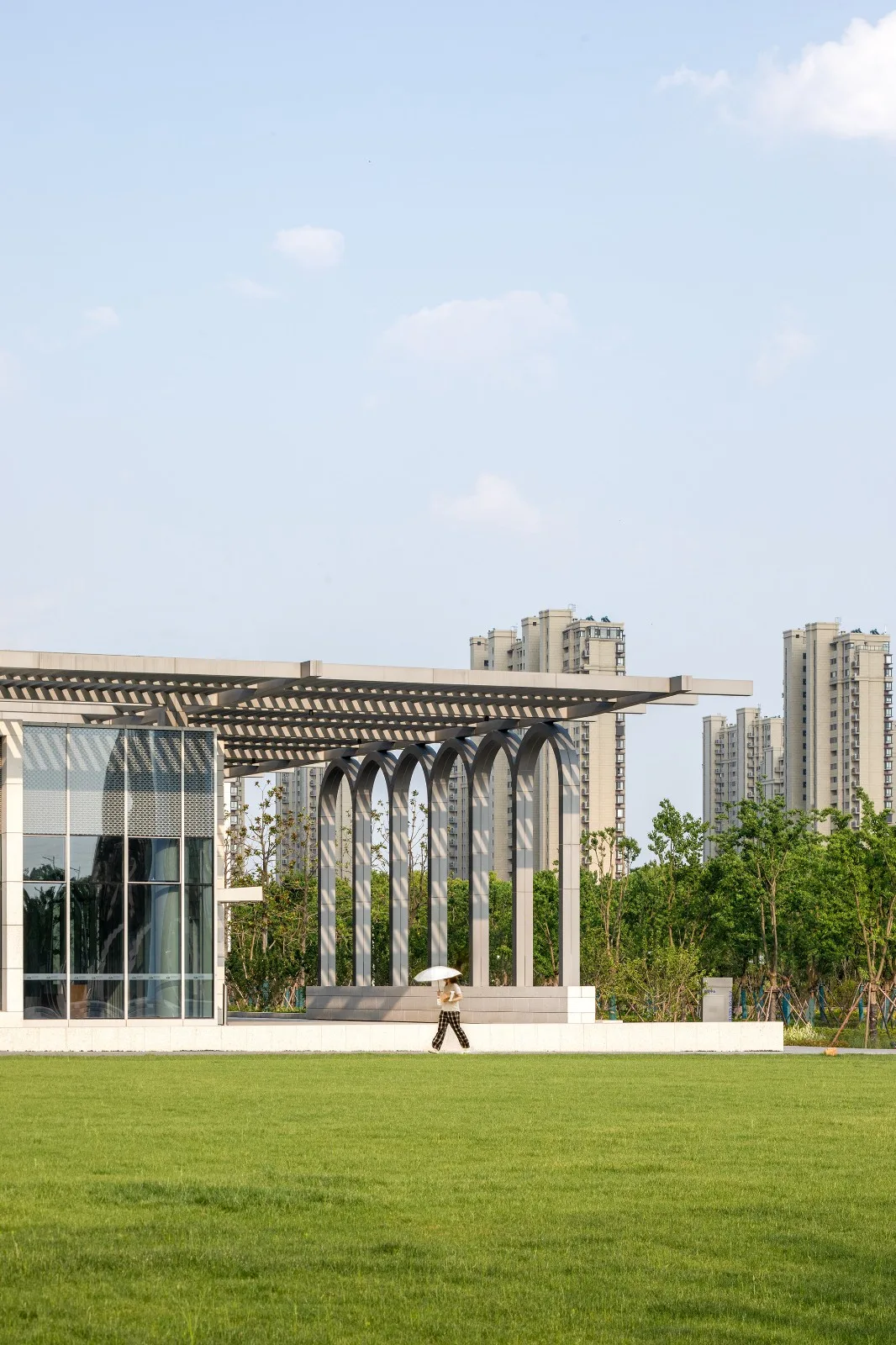
Although a young institution, the campus draws upon a rich historical legacy. Its layout — featuring square courtyards, tree-lined avenues, and open spaces — echoes the heritage of Duke University’s Abele Quad in Durham. Meanwhile, the contemporary landscape design infuses outdoor spaces with Eastern aesthetics and the charm of Jiangnan.
Beyond aesthetics, the campus planning embeds an efficient circulation network, ensuring key academic buildings are within a three-minute walk. This new development also sets the benchmark for future phases, Phase III and IV, laying a strong foundation for continued growth.
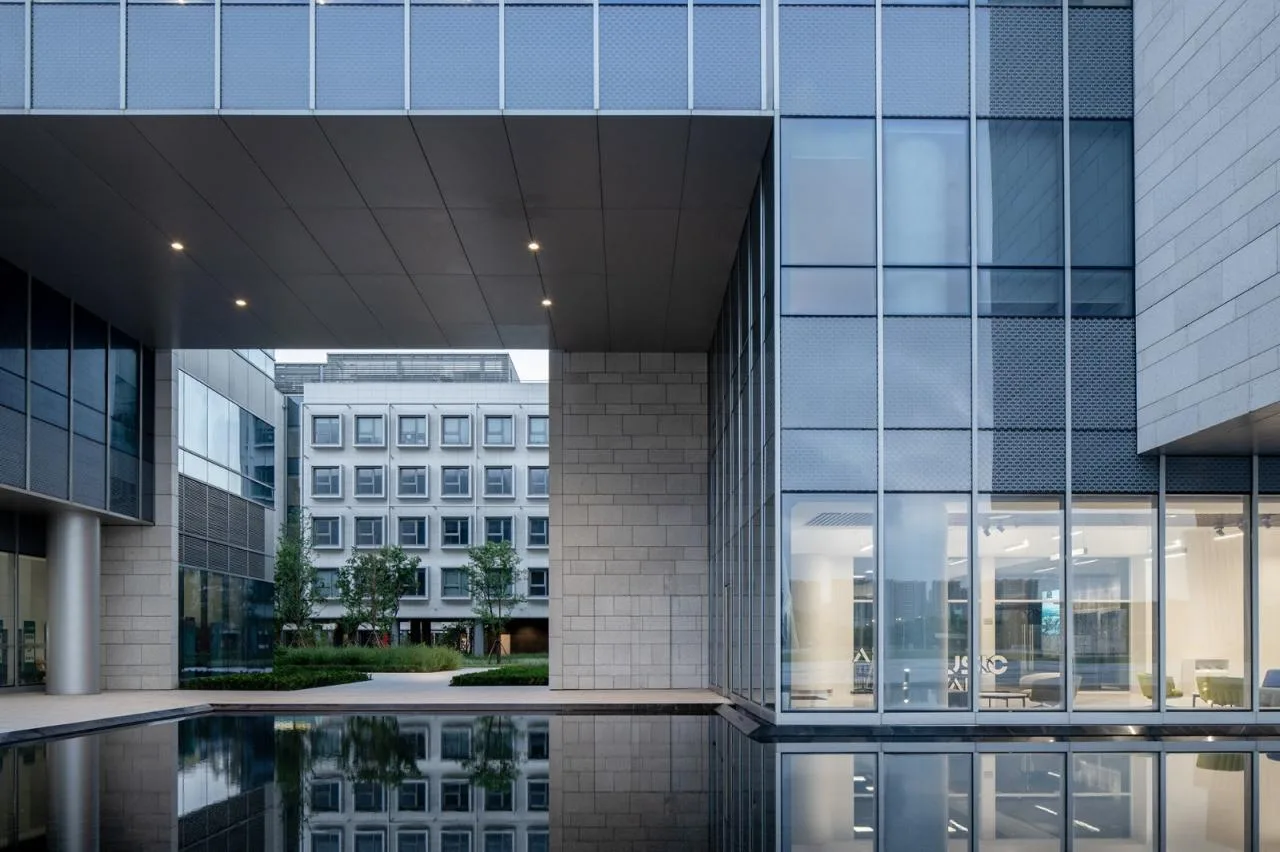
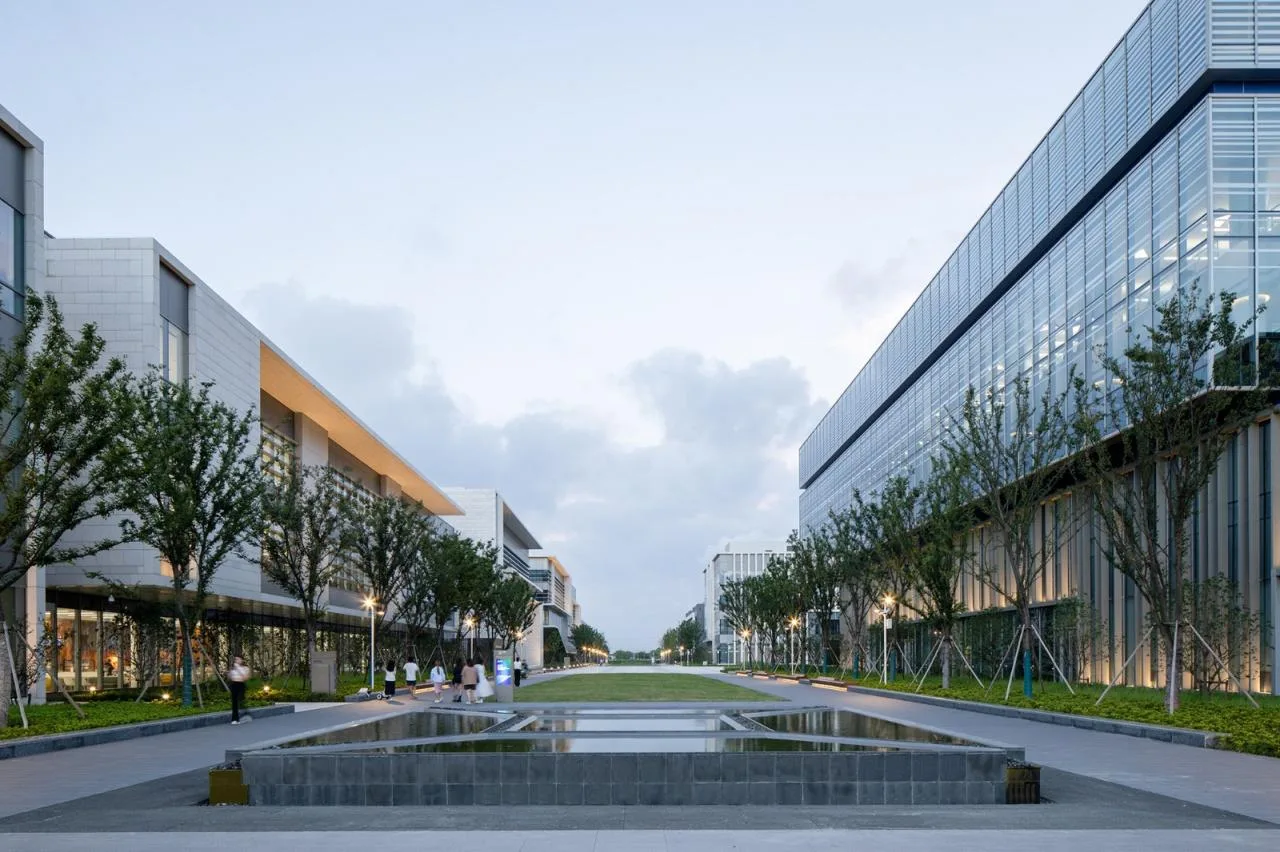
The solid, sculptural architecture exudes a calm strength, reflecting the core spirit of Duke Kunshan University. In an era focused on speed, this campus offers a tranquil refuge — a cluster of practical, enduring buildings set apart from urban hustle, enveloped in an atmosphere of dedication.
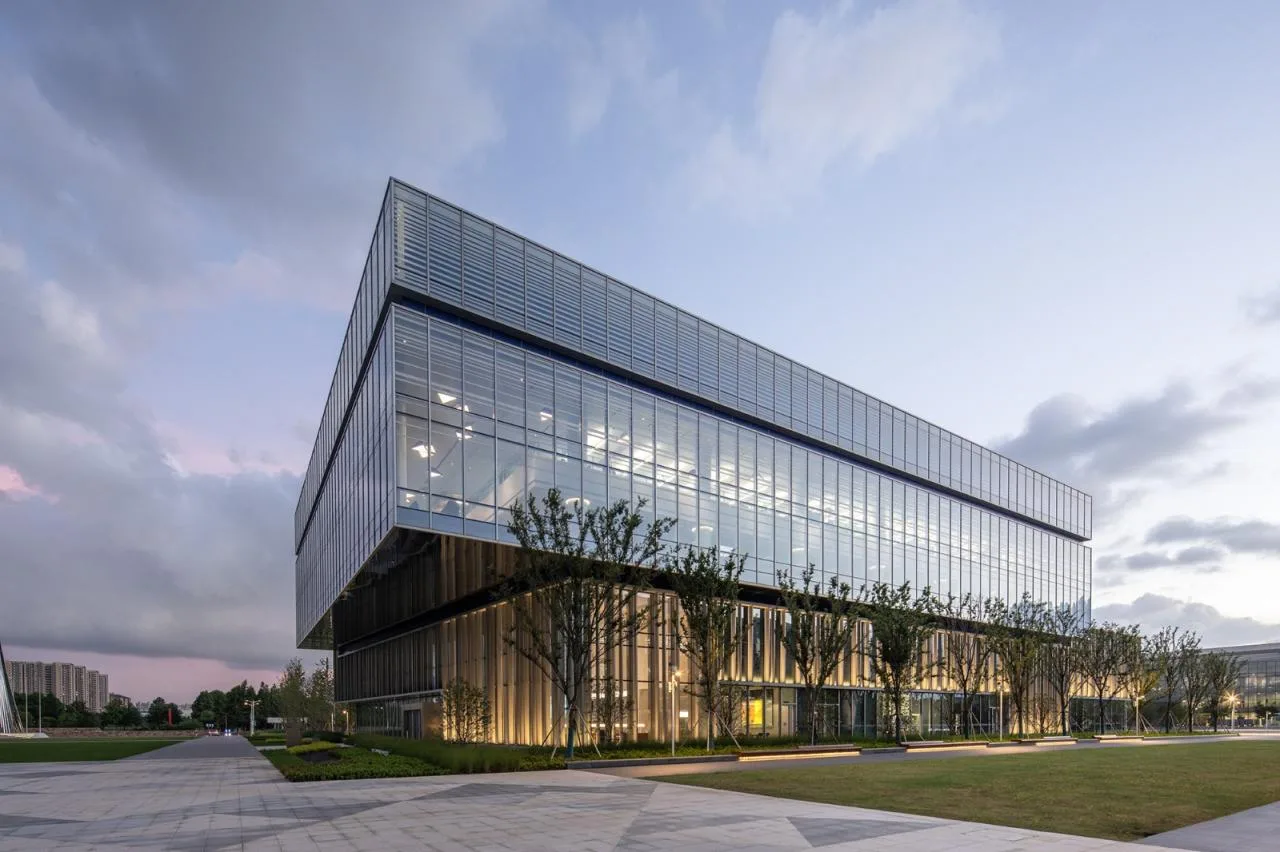
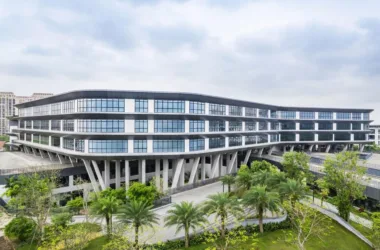
Strategic volume cuts introduce depth and shading to the facades, framing views between campus interiors and the surrounding natural landscape.
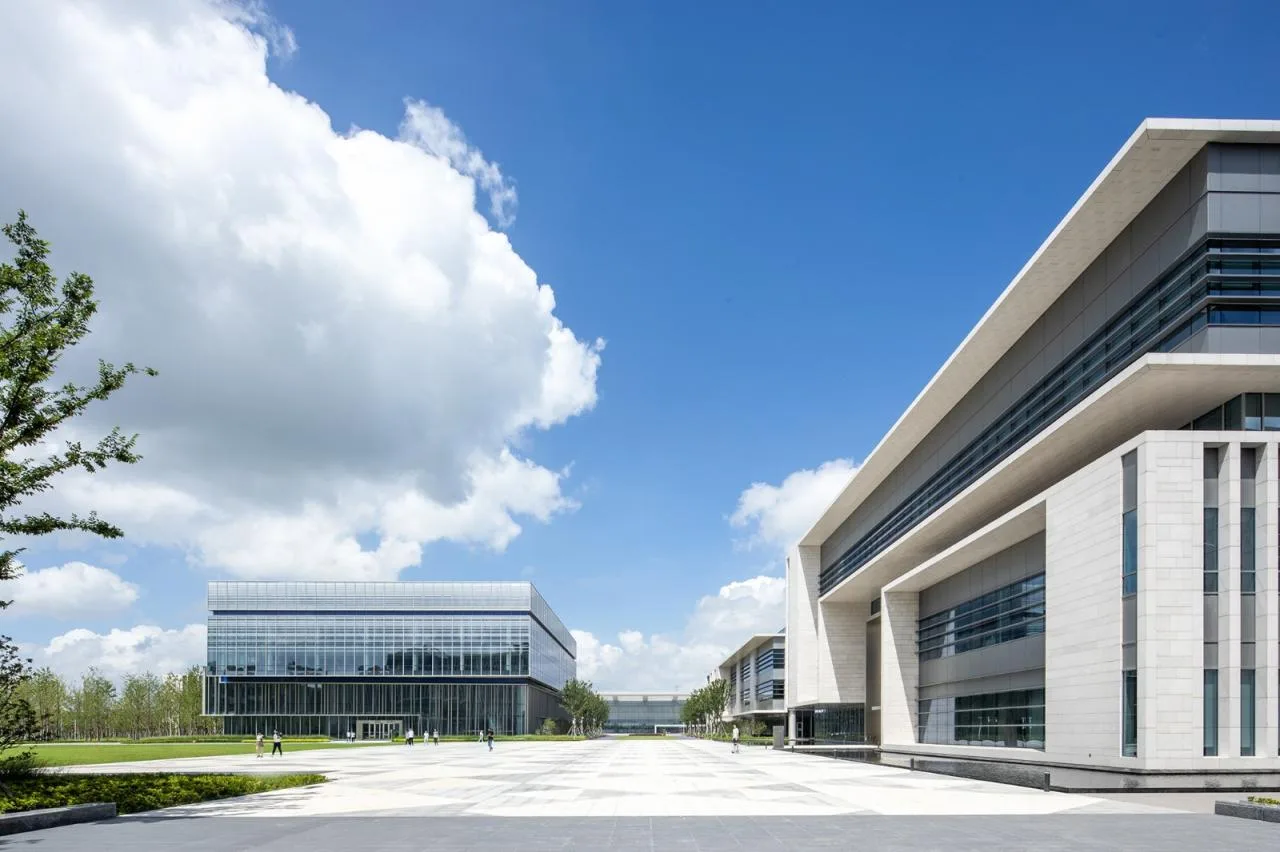
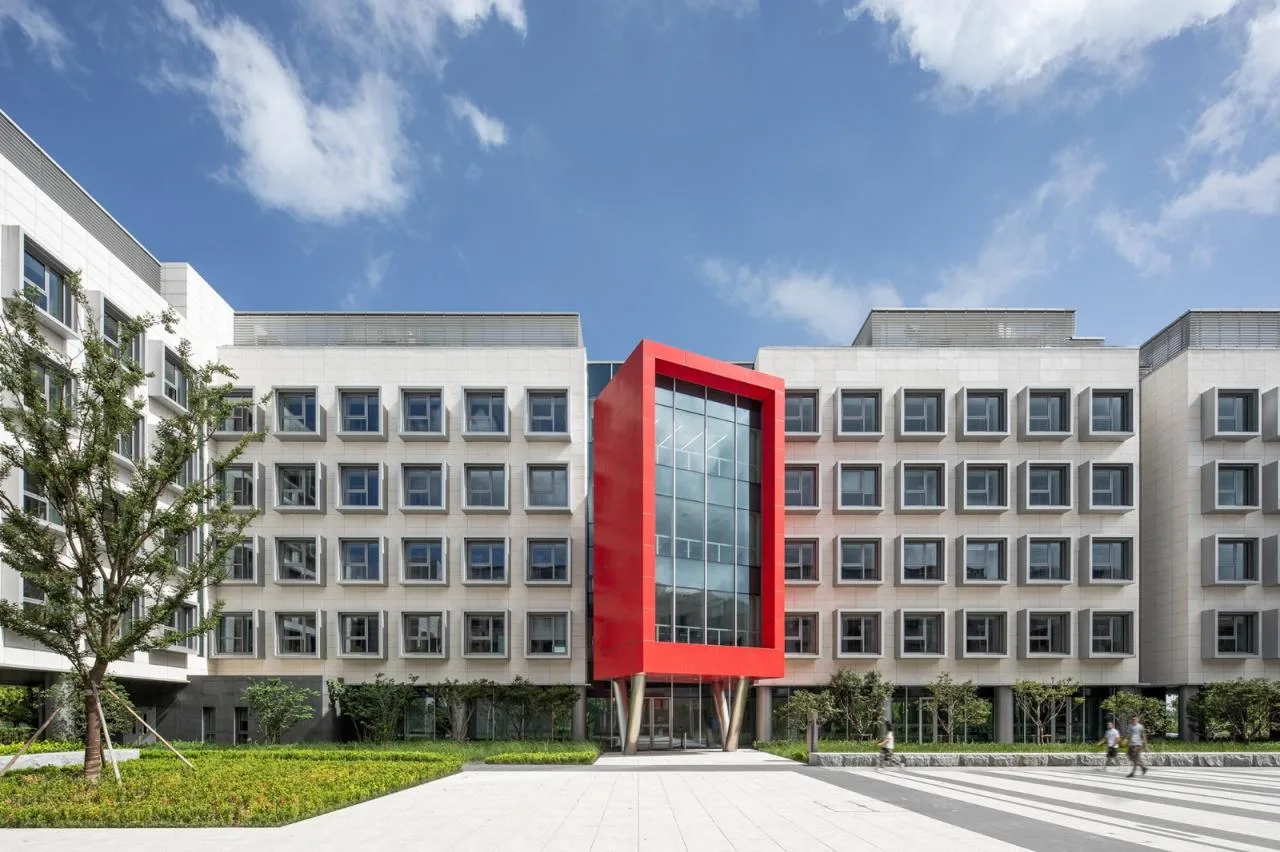
Community spaces are designed to support the concept of “learning anytime, anywhere,” seamlessly extending diverse learning environments from indoors to outdoors. No matter where you pause, a welcoming corner is nearby to spark inspiration.
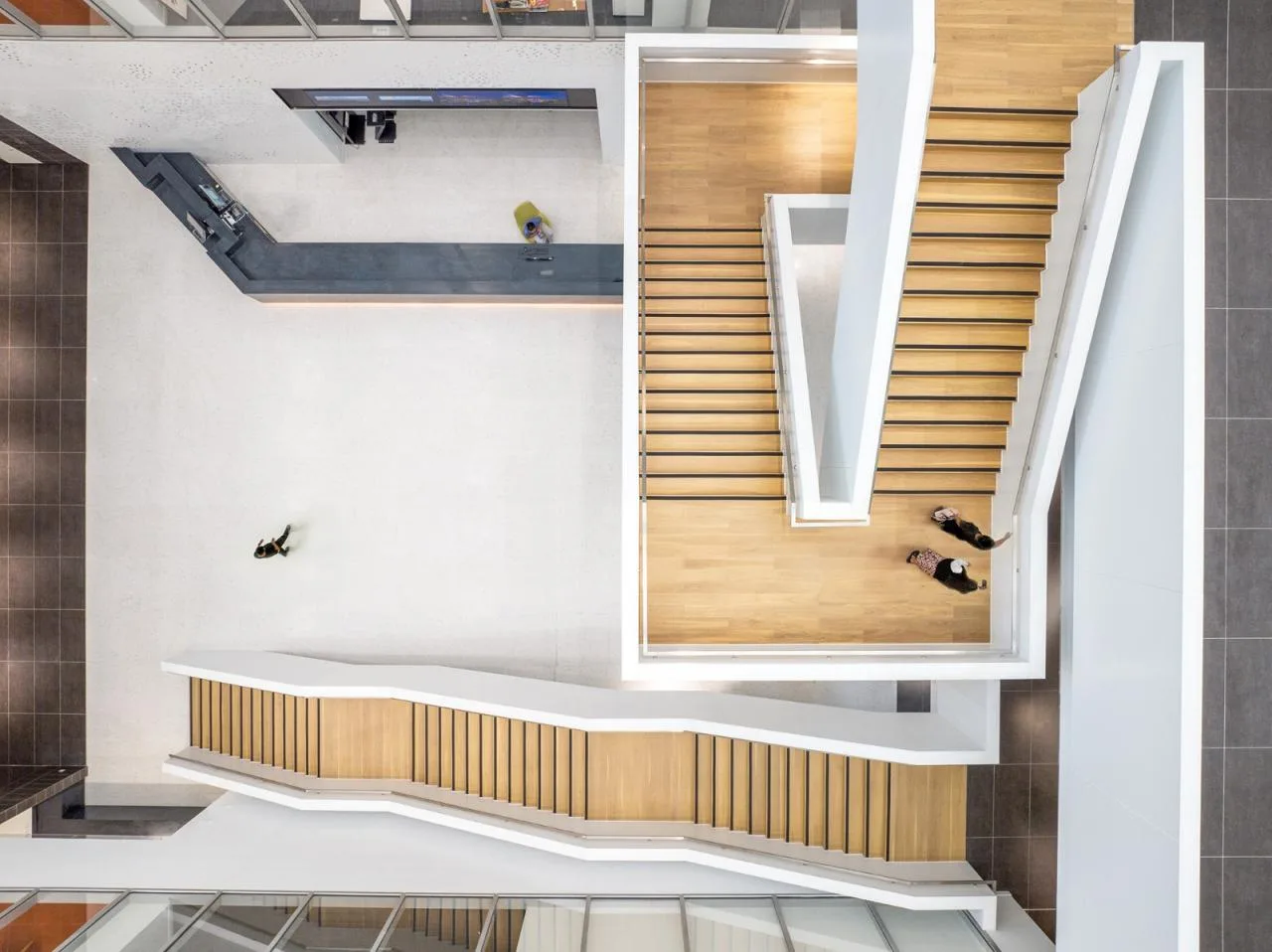
Learning here goes beyond textbooks; it thrives through interaction and observation. The campus is richly populated with courtyards and open staircases that encourage frequent encounters and foster both formal and informal communication, fueling a vibrant community life.
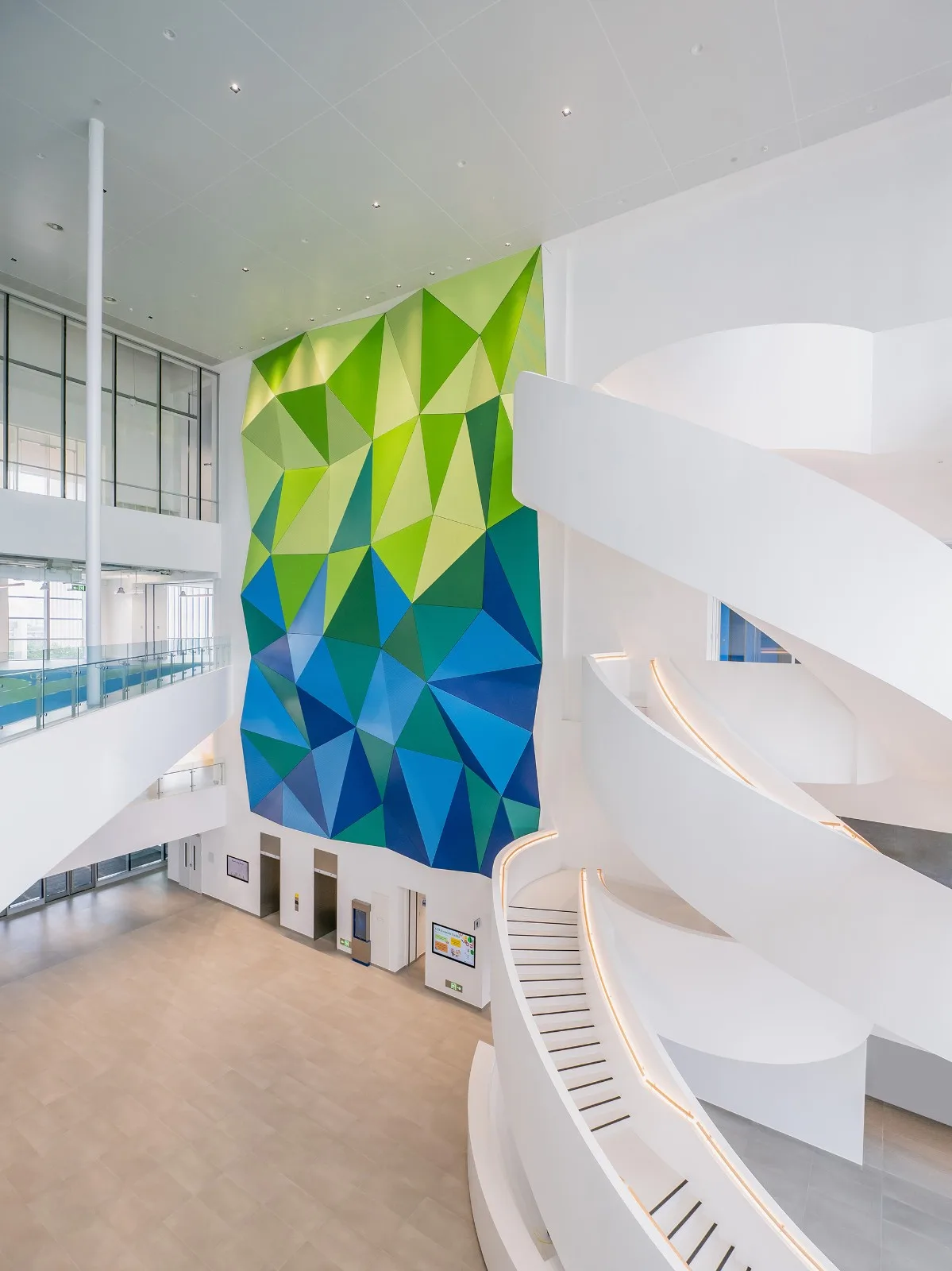
Inside, the architecture promotes free-flowing movement. The public atrium dissolves spatial boundaries, connecting floors and cultivating a strong sense of unity and belonging.
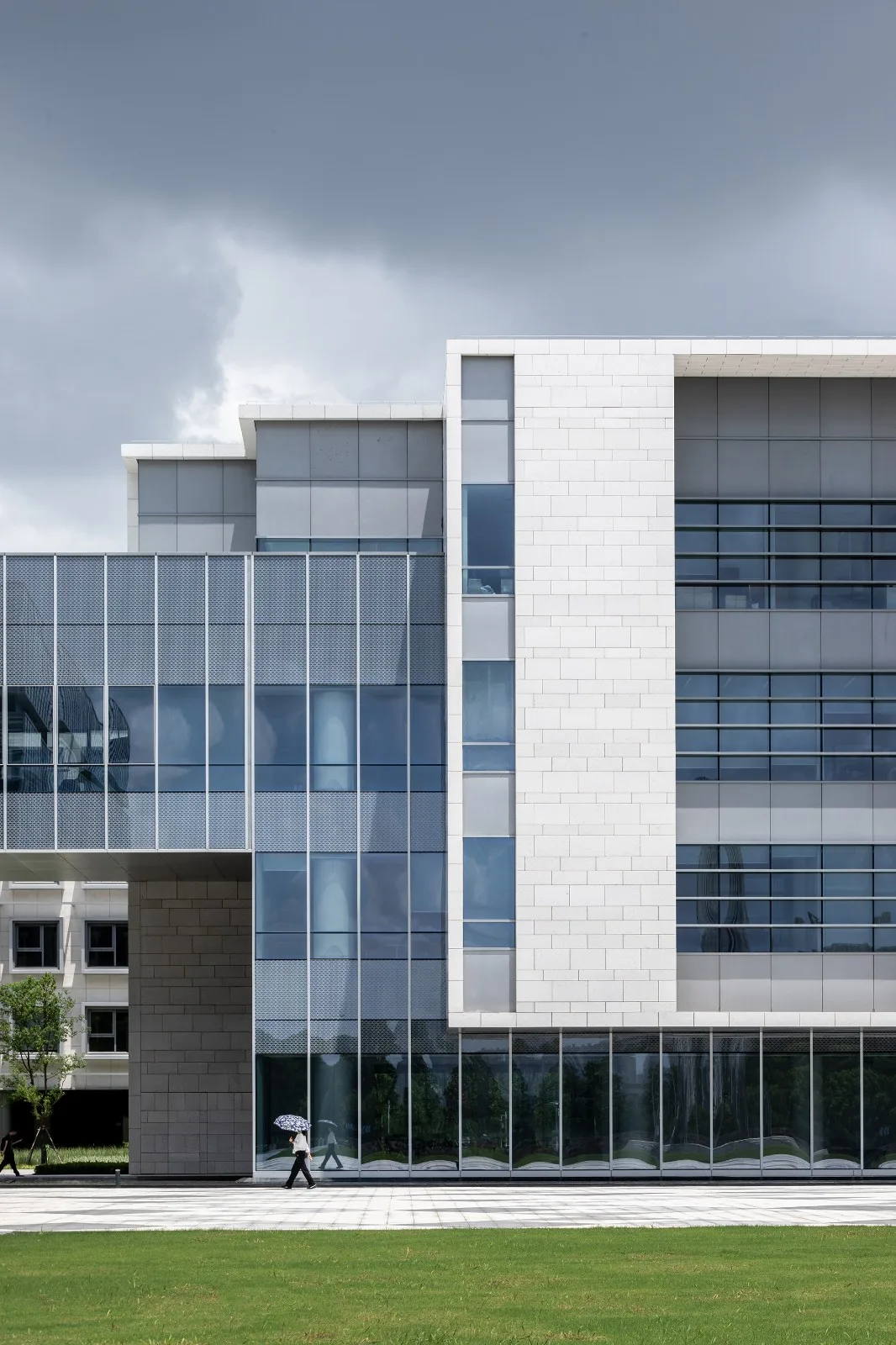
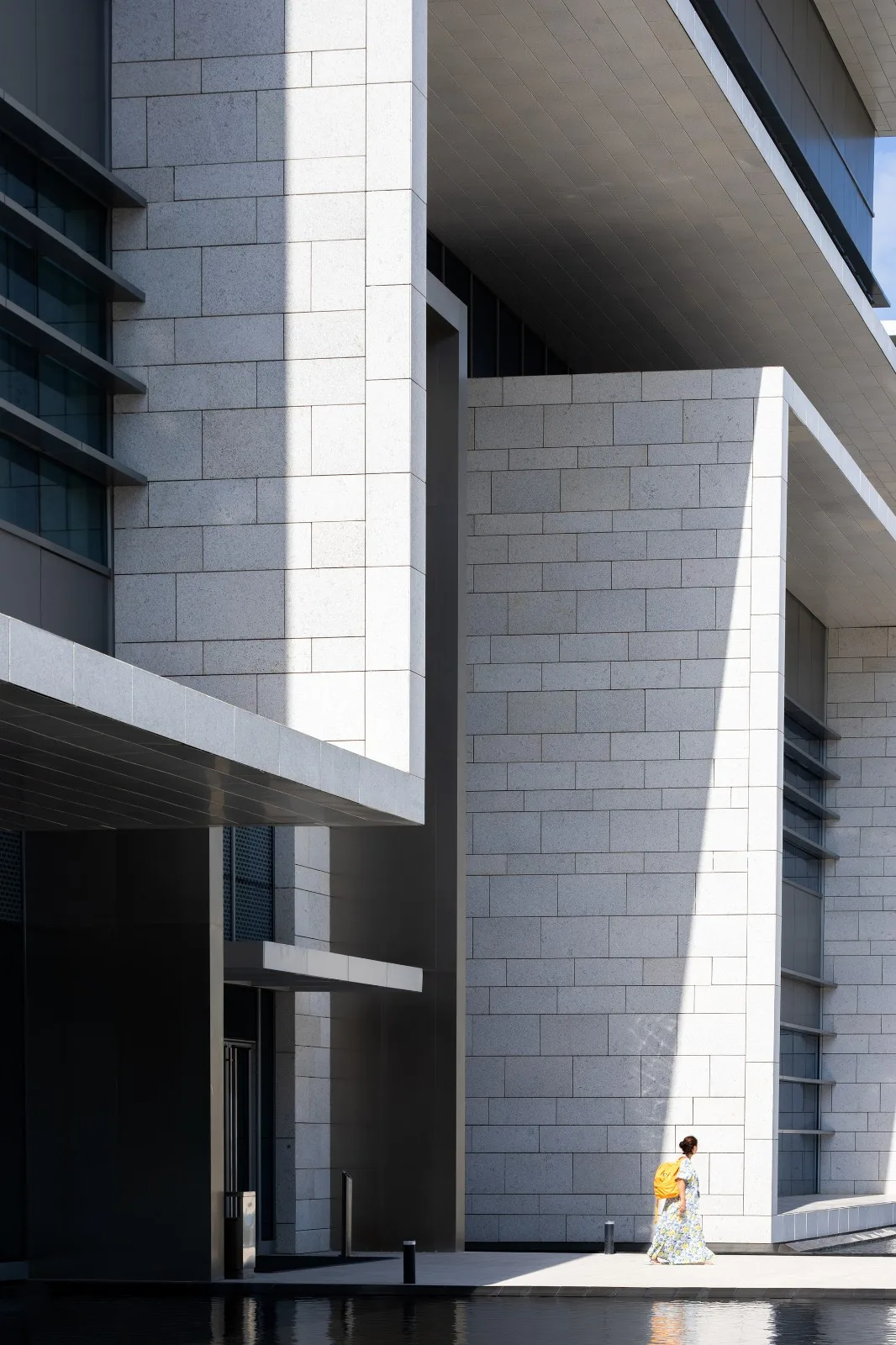
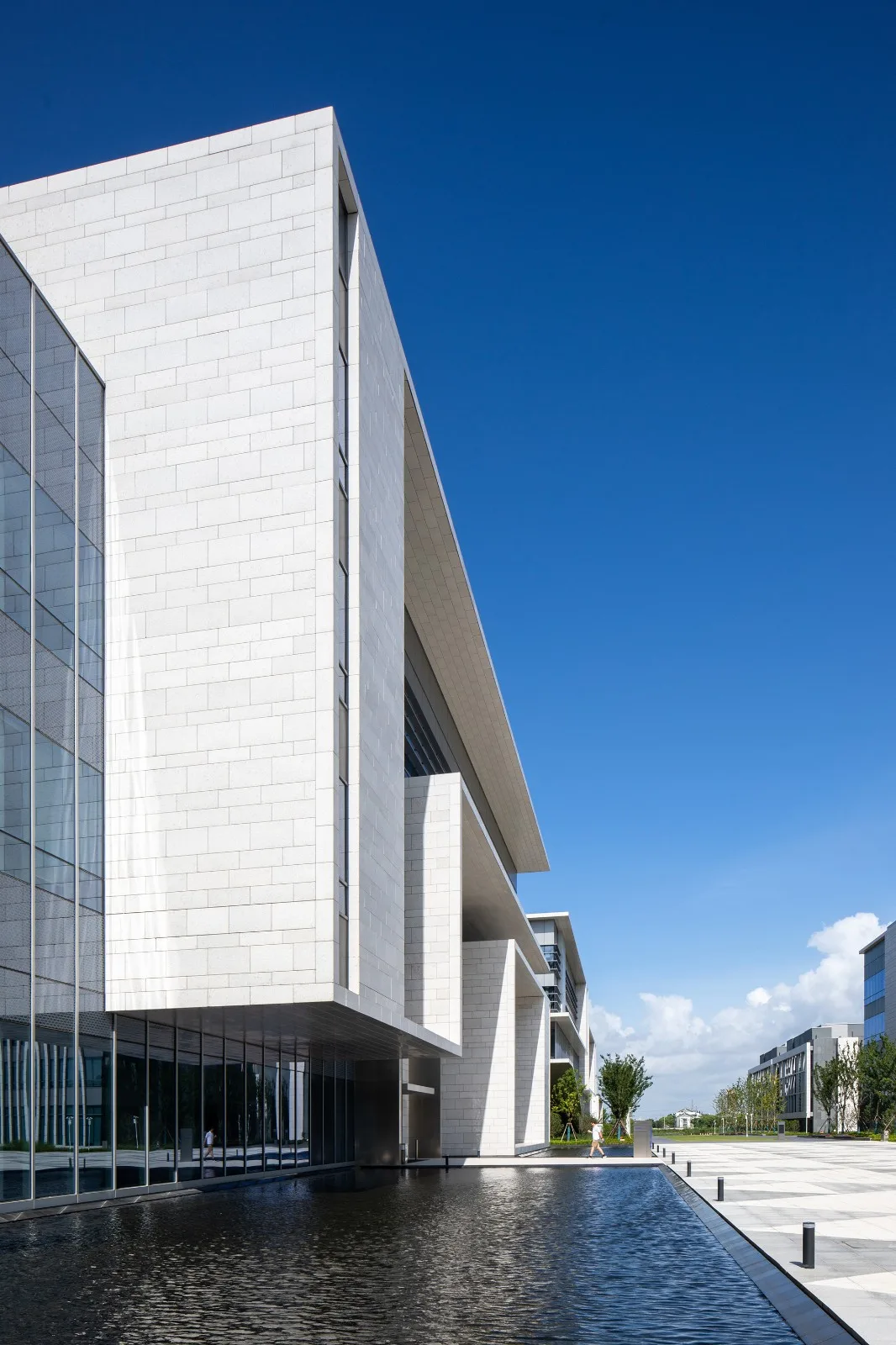
The facade design reflects the university’s commitment to quality materials and refined spatial experience. The elegant, understated exteriors express Duke Kunshan University’s restrained and humble character.
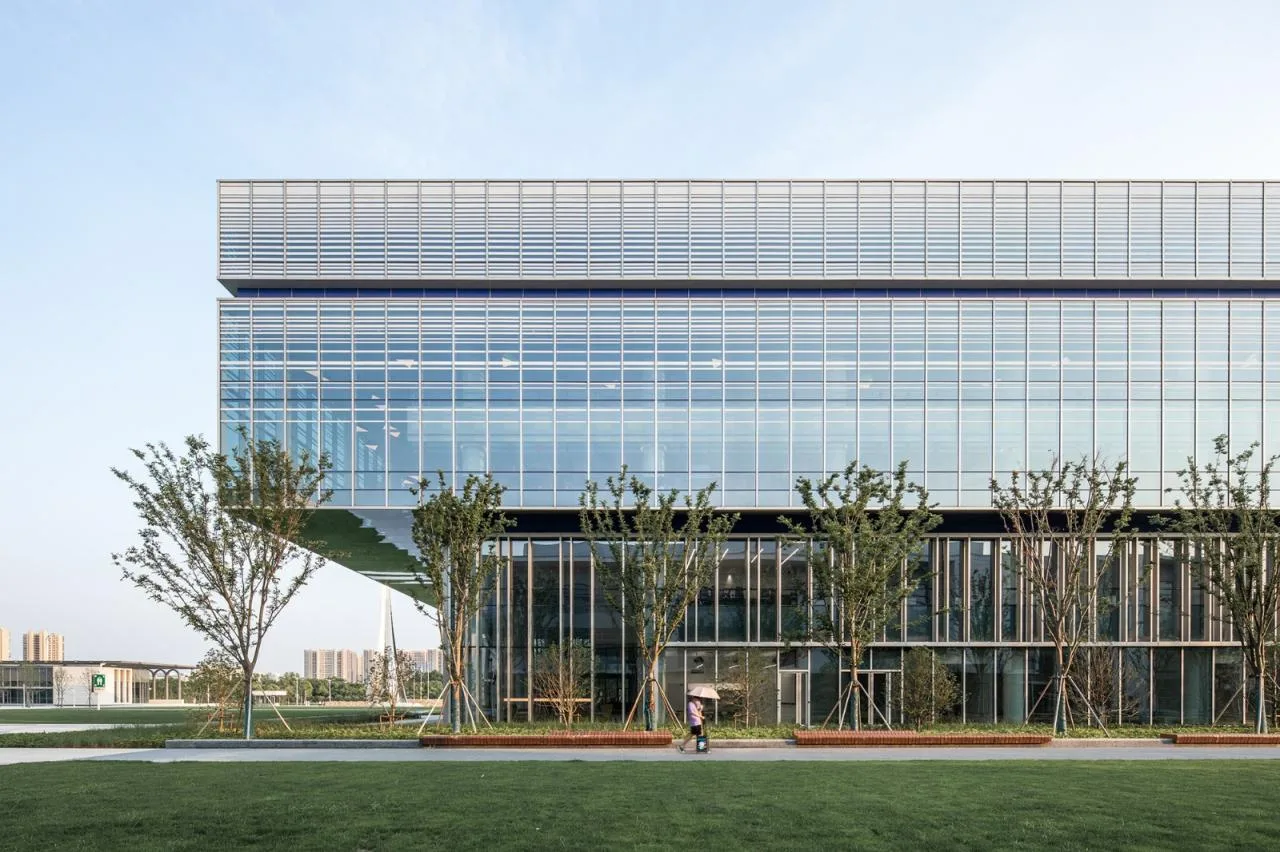
Composed of stone, metal, and glass, the facades present a clean, transparent surface that embodies the campus’s serene beauty. Carefully proportioned window grids create depth and interplay with light and shadow, adding rich texture. Each building’s facade has a distinct personality, yet material and color choices maintain visual harmony across the campus.
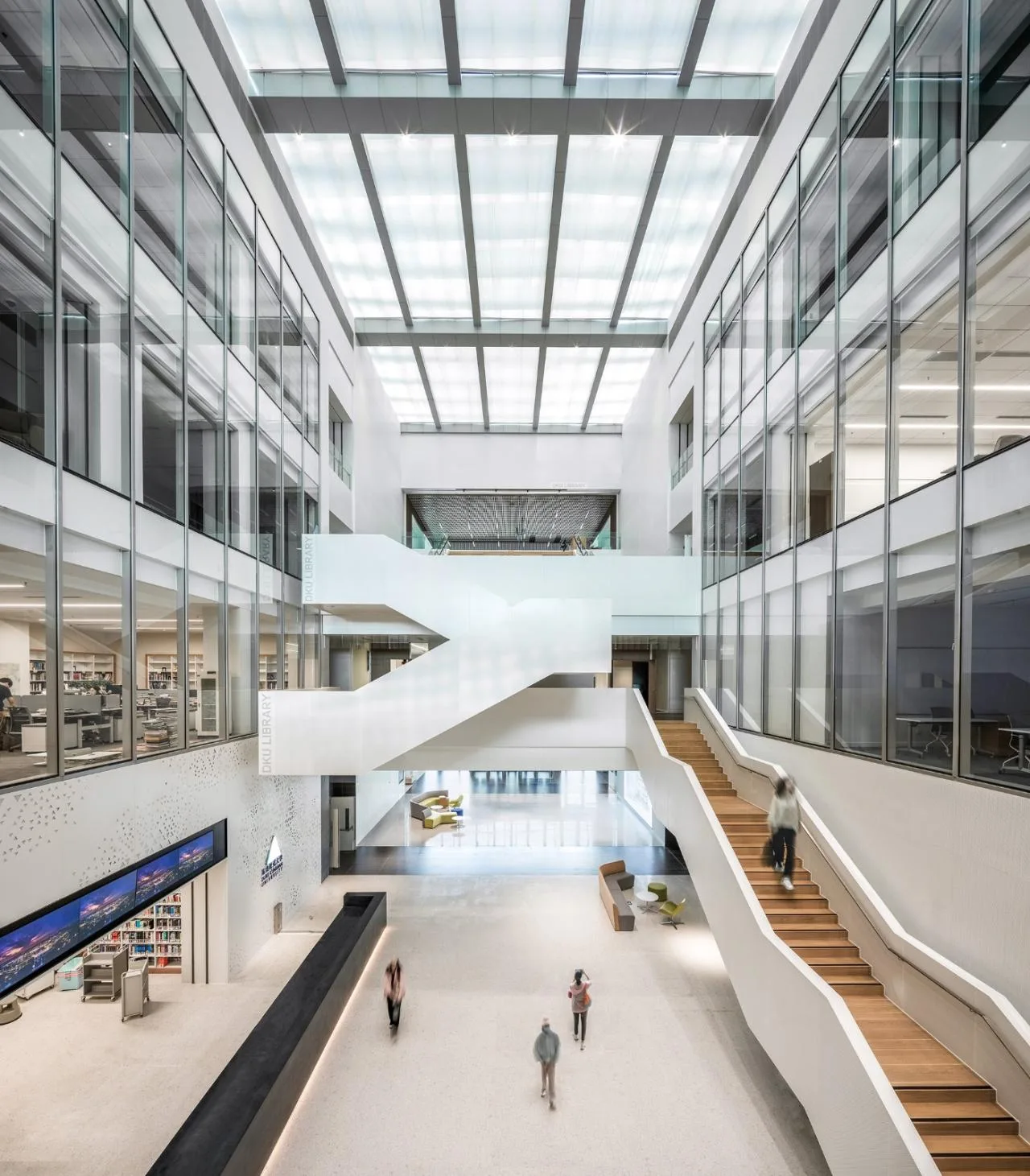
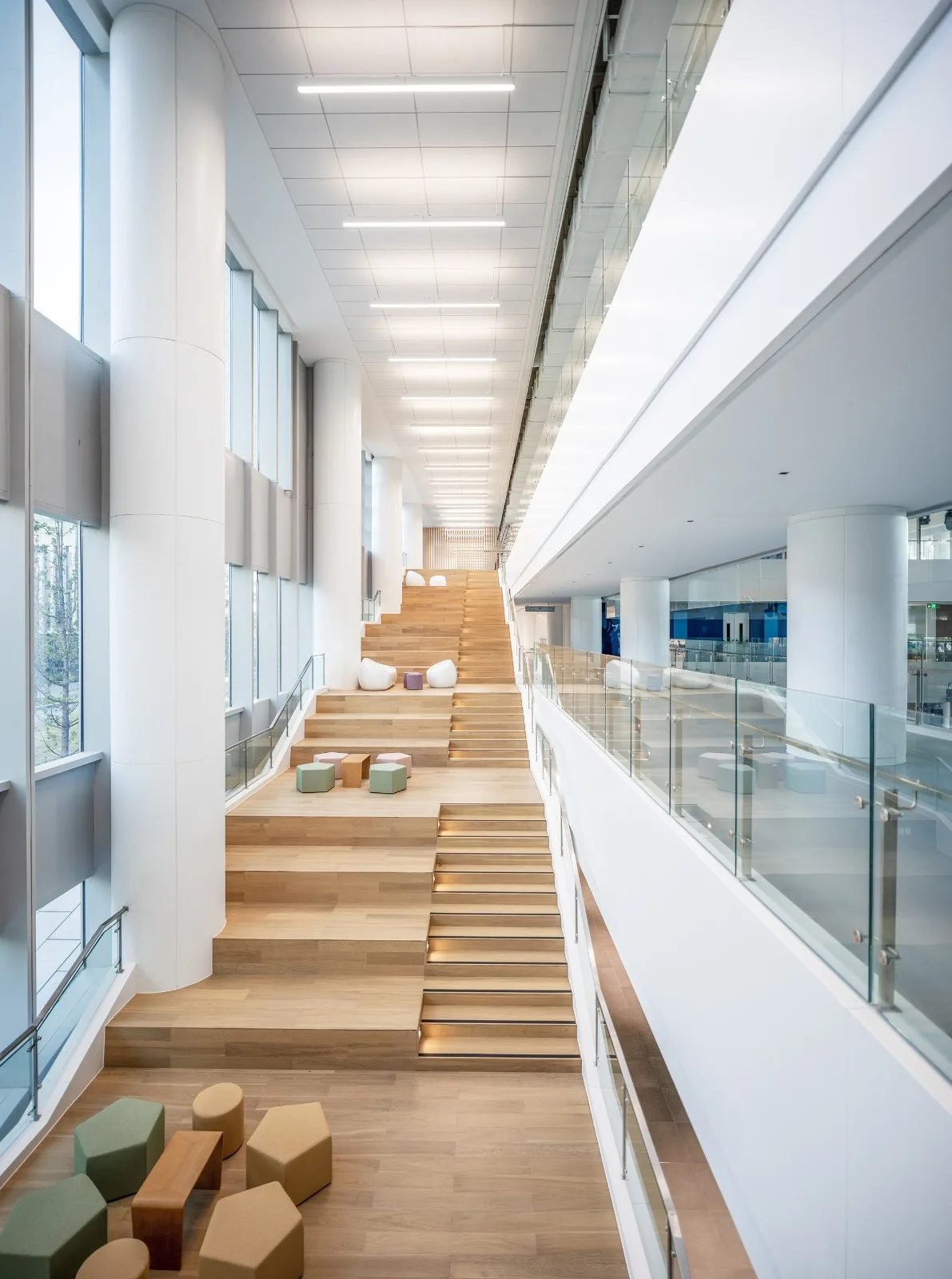
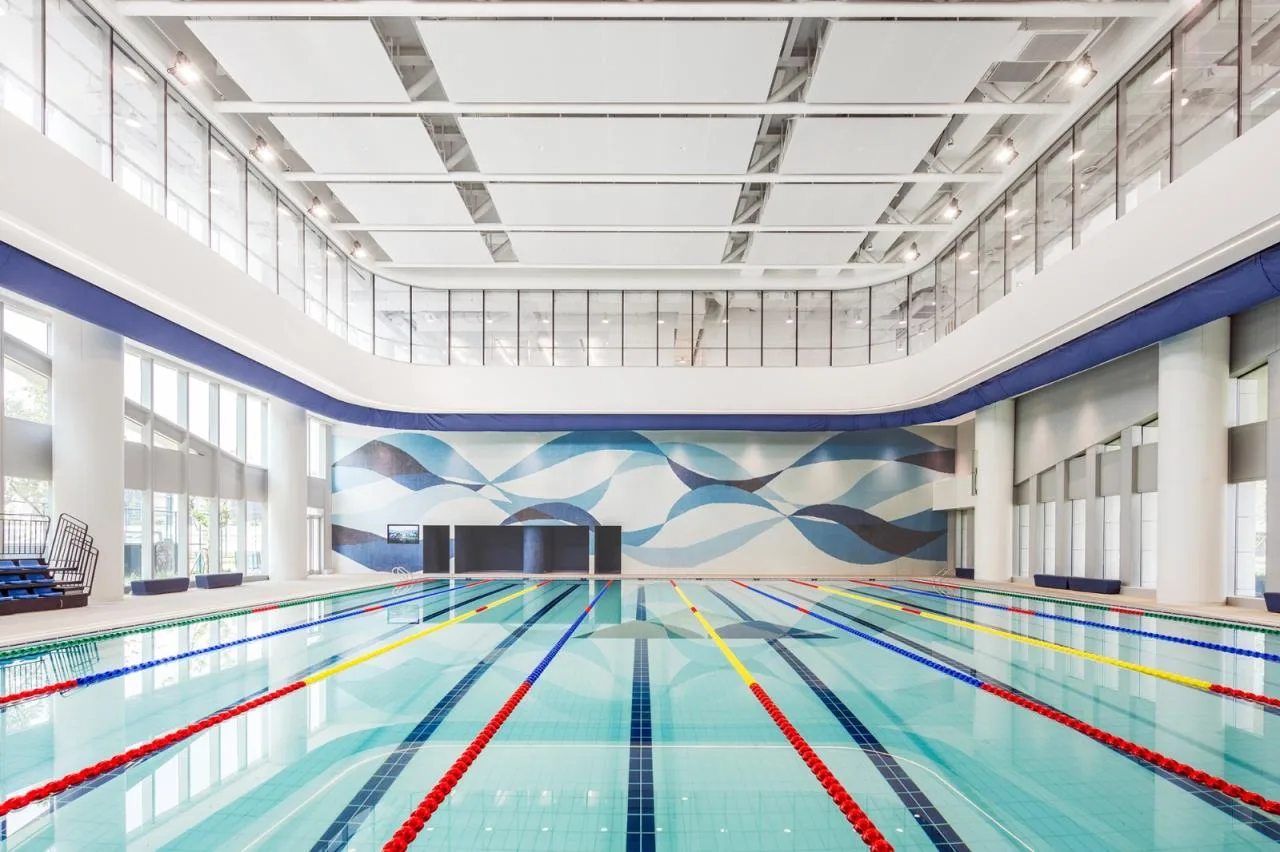
Inside, the atmosphere bursts with energy, contrasting the exterior’s calm restraint. The interior and branded environment design highlight Duke Kunshan University’s vibrant identity and core values.
Through color, furniture, lighting, and logos, the campus expresses confidence and ambition in tangible, visual ways. Gradient colors distinguish space functions and define zones within the campus.
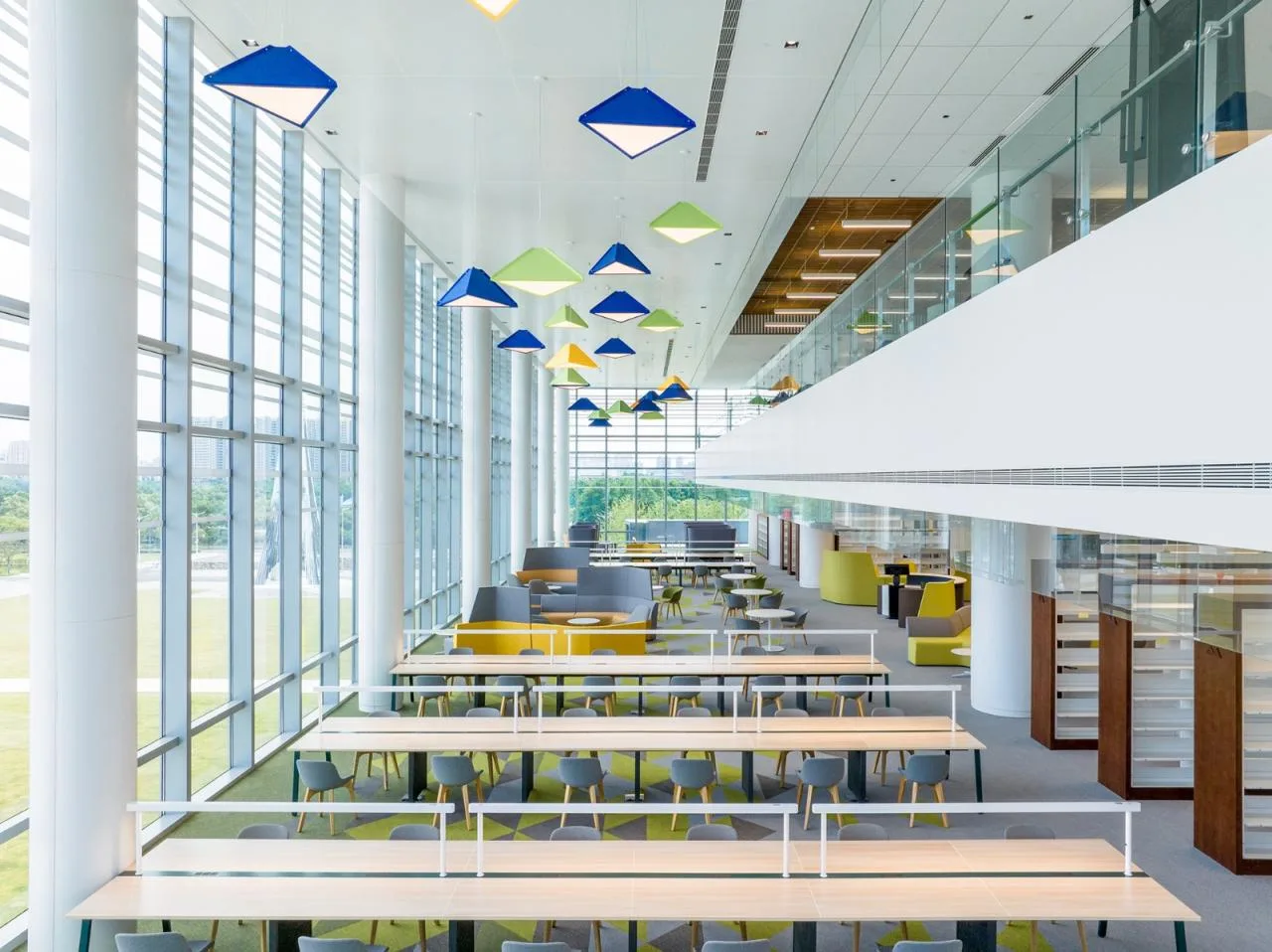
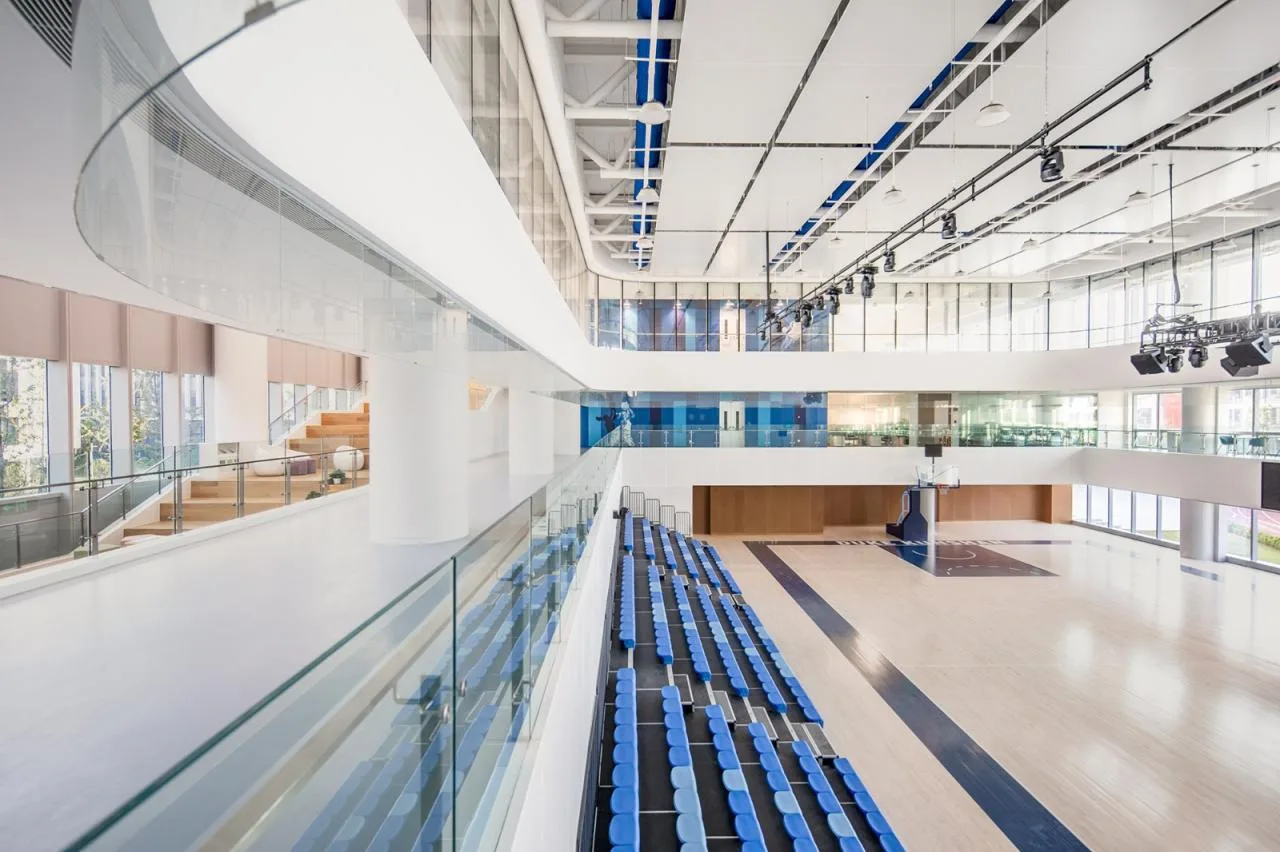
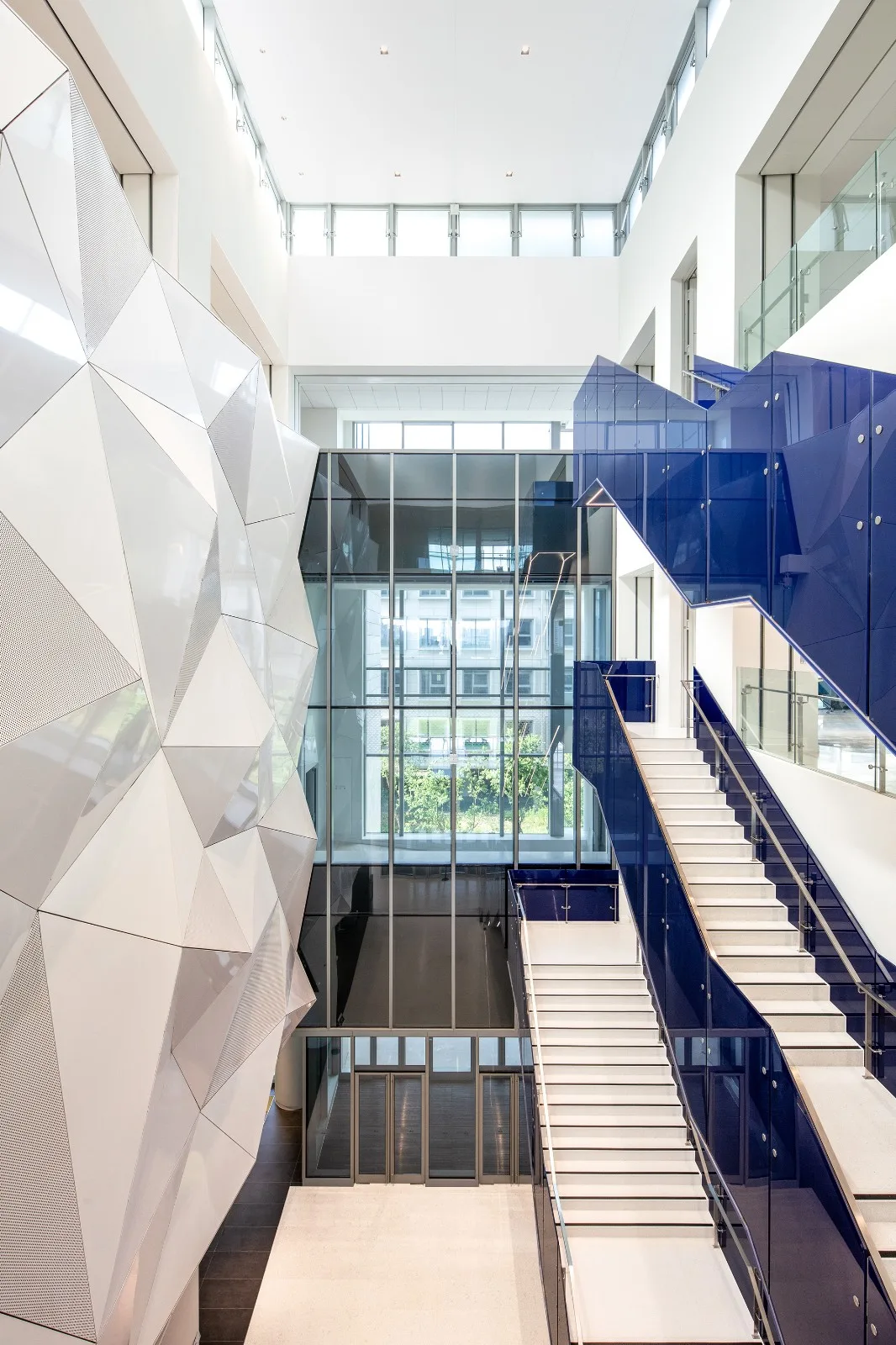
As the most sustainable campus in China, Duke Kunshan University embraces the philosophy of “coexistence between humans and nature.” It actively addresses environmental challenges through practical measures.
All buildings in Phase II have achieved LEED certification, with the visitor center attaining the highest LEED Platinum level. The campus employs integrated energy systems powered by multiple complementary sources, uses recyclable materials, and features modular building components, greatly reducing its carbon footprint during construction and operation.
Extensive green spaces dominate the campus, with numerous trees providing shade. Approximately 90% of green areas are irrigated using treated rainwater via a micro-spray, water-saving irrigation system. Additionally, all glass curtain walls incorporate specially designed colored glaze patterns to prevent bird collisions, protecting local wildlife.
Perkins&Will’s design skillfully balances the campus’s complex requirements for teaching, research, and daily life. It integrates architecture, nature, and humanistic values to create a poetic, low-carbon campus environment.
“We have fulfilled our commitment to Duke University, Wuhan University, and the Kunshan government by delivering a socially responsible, beautiful, healthy, inclusive, and open learning environment for liberal arts education,” says Bai Ning, General Manager of the Duke Kunshan University Phase II Project.
Paul Rice, Director and Design Director at Perkins&Will, adds, “We are honored to be deeply involved in the integrated design of the Phase II campus, covering functional planning, architecture, interior, and brand environment. Every detail reflects the school’s commitment to placing students at the center. We hope the time spent here, by students and faculty alike, creates lifelong memories.”
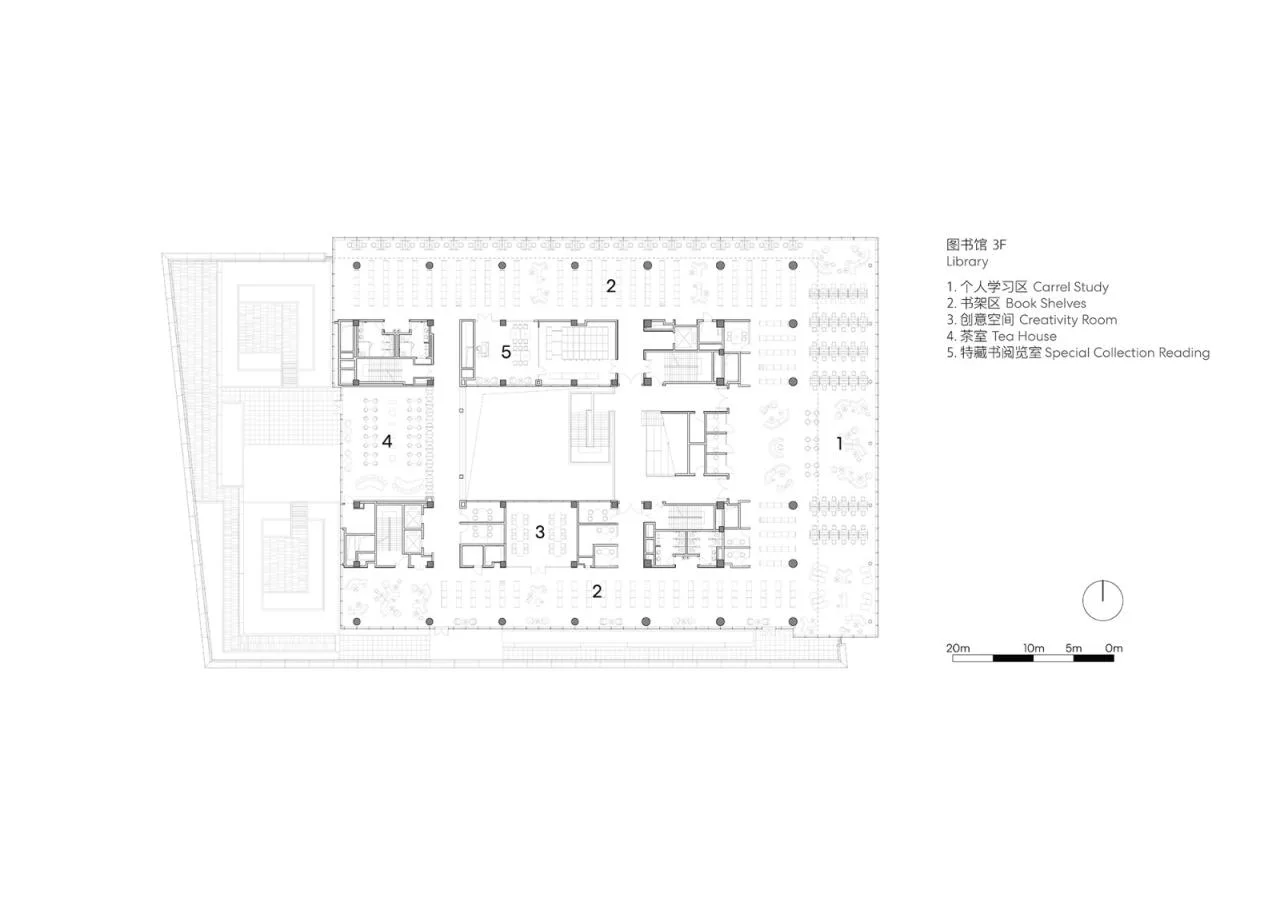
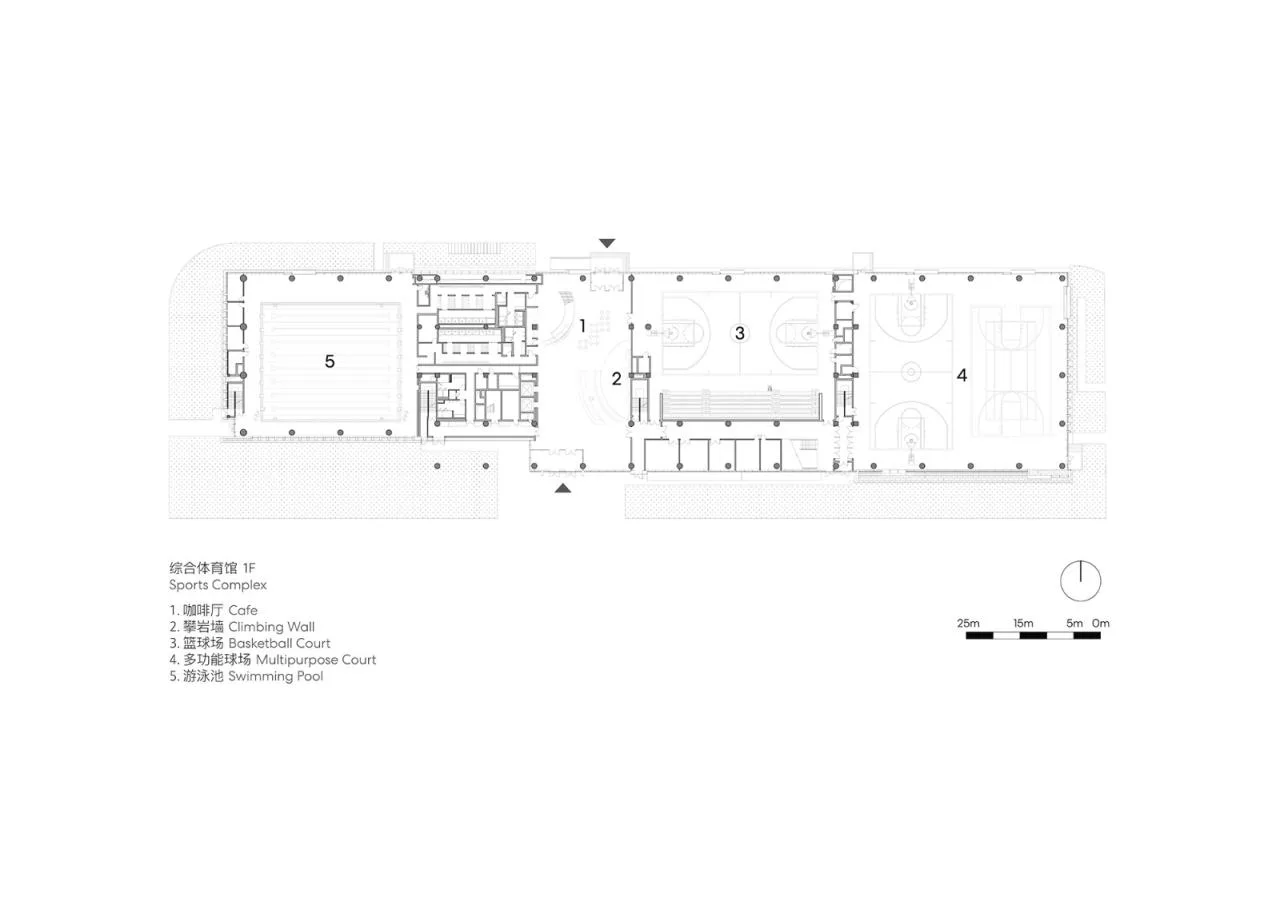
Project Drawings
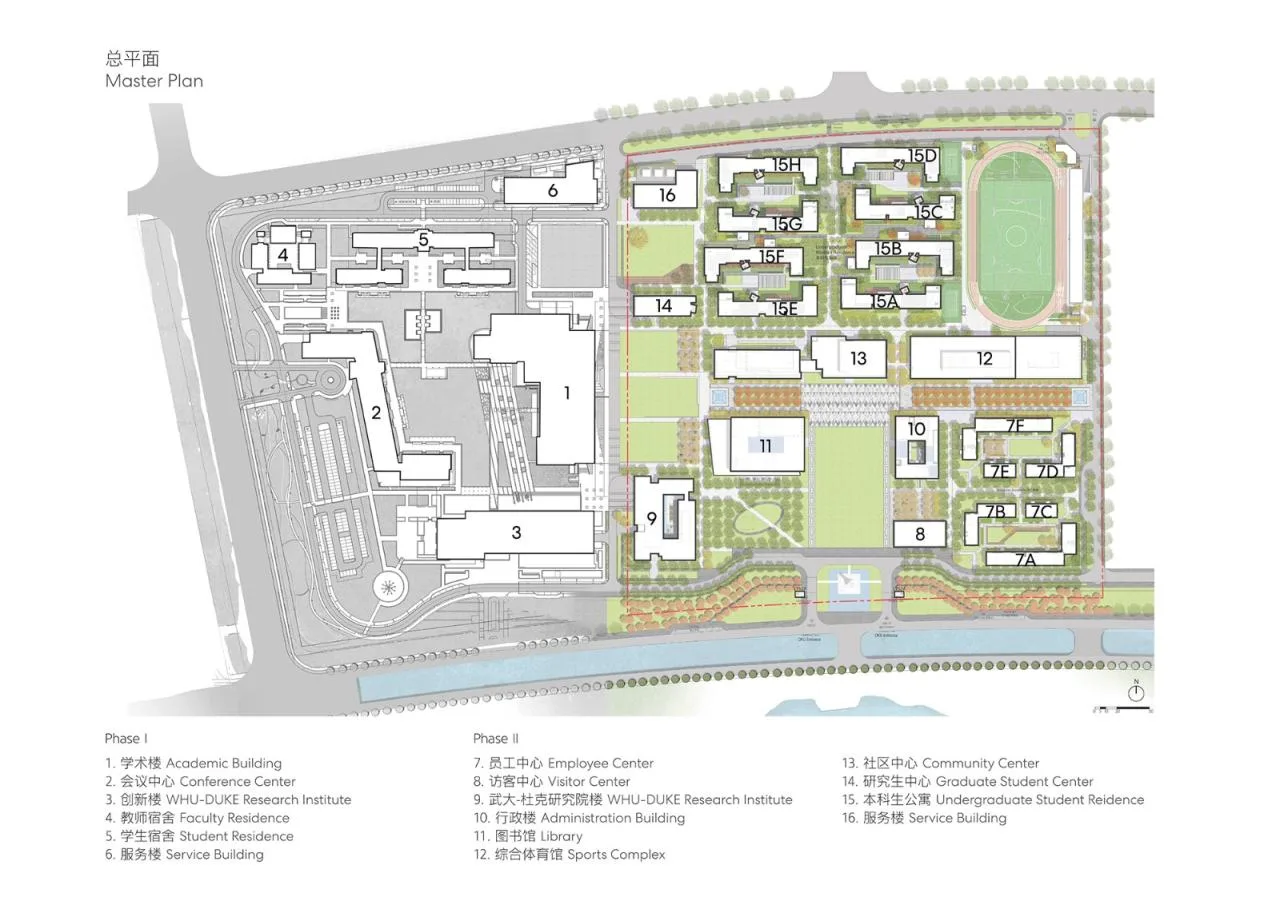
△ General layout plan
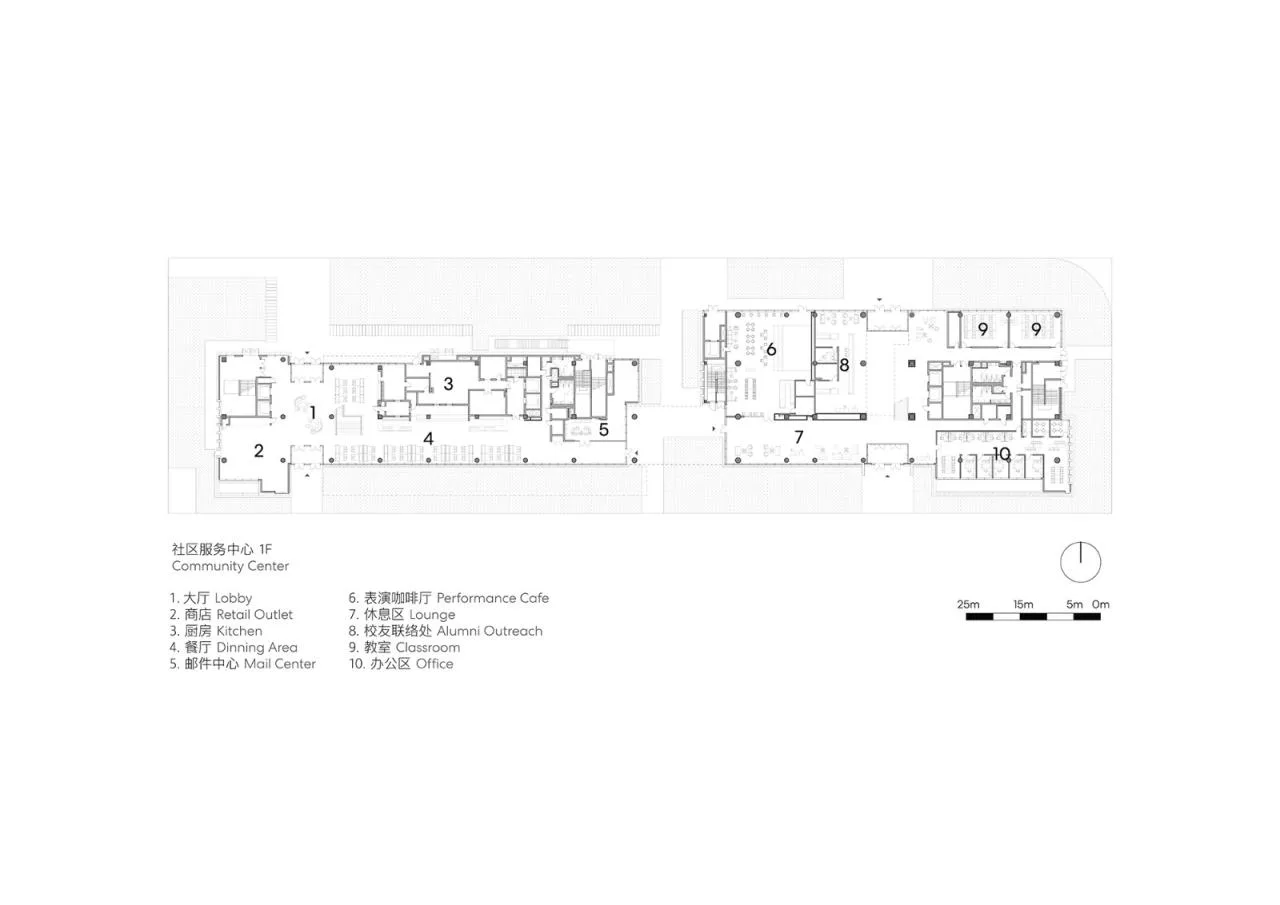
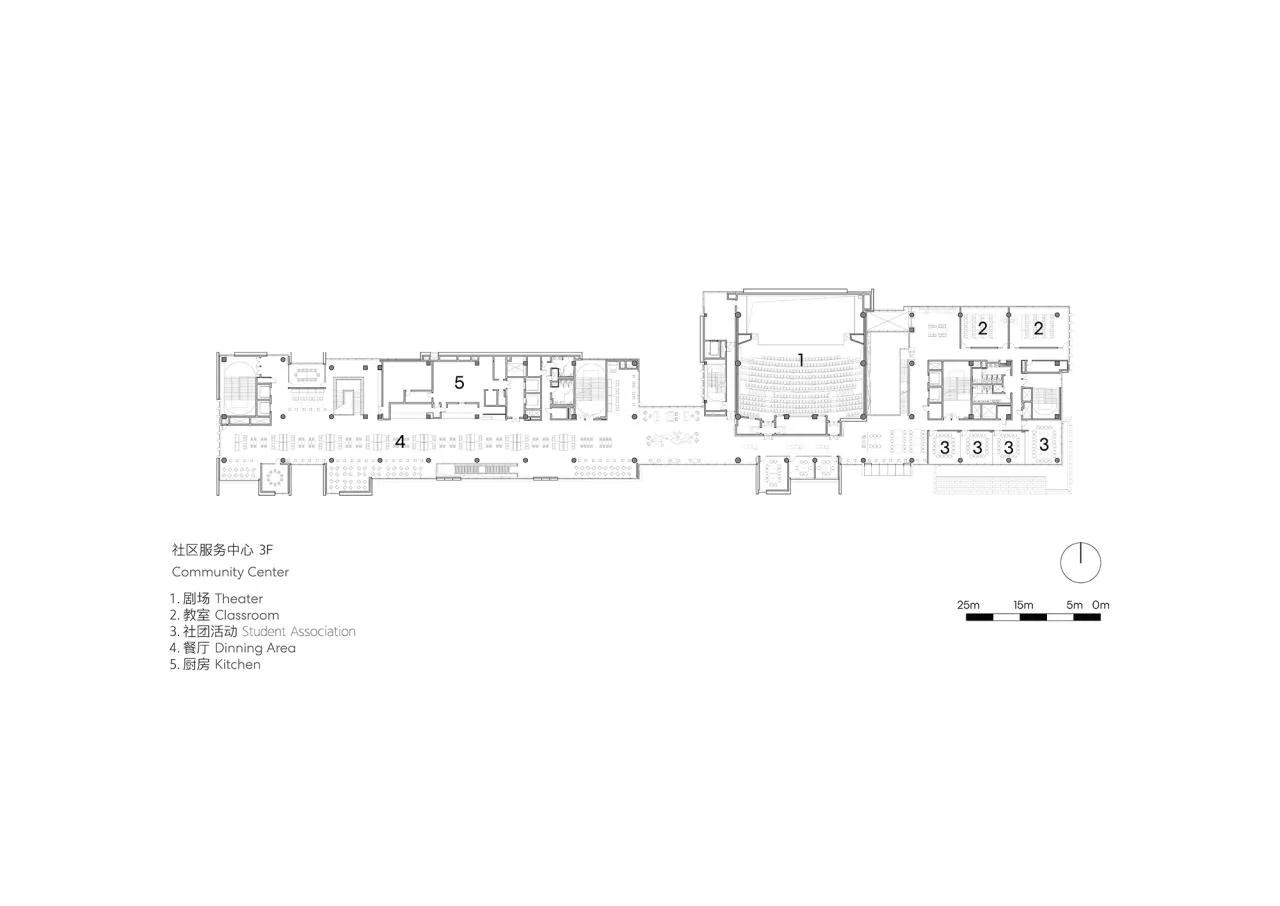
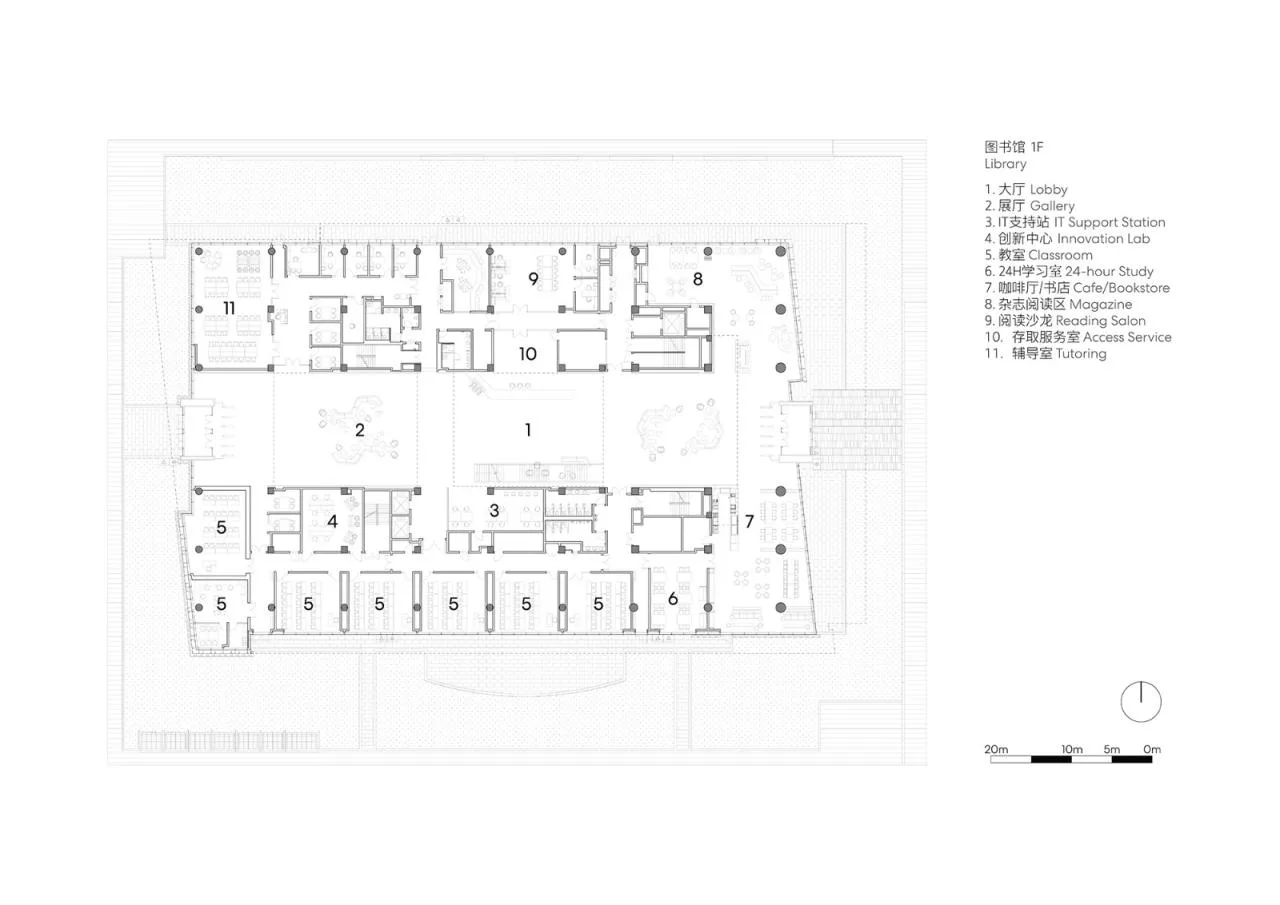
Project Information
Architect: Perkins&Will
Area: 153,182 m²
Project Year: 2023
Photographers: RAWVISION studio, Yu Zhechen
Manufacturers: China Southern Glass, PARALLEL, Steelcase
Design Team: es Lu, Paul Rice, Jeff Stebar, Bruce McEvoy, David Sheehan, Wu Jing, John Poelker, Li Jianping, Stephen Trimble, Jared Serwer, Zhou Mengyue, Lauren Prickett, Ping Wong, Sun Yanfang, Yu Zhechen, Saerkjaer Thomas, Xiao Kun, Chen Qi, Zhang Siyuan, Mao Xue, Zhang Zhongyi, Shao Yan, Ge Feng, Zhao Taihao, Wang Chao, Dong Weihong, Li Jing, Zhou Yuan, Korinna Hirsch, Kathryn Moyers, Zhang Xiao, Cai Xiaorong
Landscape Design: Future Urban Planning and Architectural Design Firm
Sustainable Development Consultant: Tongji University Architectural Design and Research Institute (Group) Co., Ltd
Mechanical and Electrical Consultant: Shanghai Kejin Consulting Co., Ltd
Lighting Consultant: Bi Pu Lighting Design Co., Ltd
Construction Quality Management Consultant: Bien Construction Engineering Consulting (Shanghai) Co., Ltd; Greezi Engineering Consulting (Shanghai) Co., Ltd
Testing and Debugging Consultant: Bien Construction Engineering Consulting (Shanghai) Co., Ltd
Collaborative Designer: Tongji University Architectural Design and Research Institute (Group) Co., Ltd
Facade Consultant: Shanghai Kejin Consulting Co., Ltd
Principals: Duke Kunshan University, Kunshan Entrepreneurship Holdings Group Co., Ltd
Location: Suzhou












Must log in before commenting!
Sign Up